Does Medicaid Cover NIPT Test? What Pregnant Patients Need to Know
Non-Invasive Prenatal Testing (NIPT) has become an important screening tool during pregnancy, especially for identifying certain genetic conditions early.

Non-Invasive Prenatal Testing (NIPT) has become an important screening tool during pregnancy, especially for identifying certain genetic conditions early. However, because NIPT tests can be expensive, many expectant parents ask the same question: “Does Medicaid cover NIPT test?”
The answer is not always straightforward. Medicaid coverage for NIPT depends on Medical necessity, pregnancy risk factors, and state-specific Medicaid policies. This article explains how NIPT works, when Medicaid is more likely to cover it, when coverage may be denied, and what options are available if Medicaid does not pay.
What Is an NIPT Test and Why It’s Used in Pregnancy
An NIPT test is a blood test performed during pregnancy that analyzes fetal DNA circulating in the mother’s blood. It is commonly used to screen for chromosomal conditions such as Down syndrome (Trisomy 21), Trisomy 18, and Trisomy 13.
NIPT is non-invasive, poses no risk to the fetus, and is typically done after the first trimester. It is a screening test, not a diagnostic test, meaning abnormal results usually require follow-up testing.
Does Medicaid Cover NIPT Test?
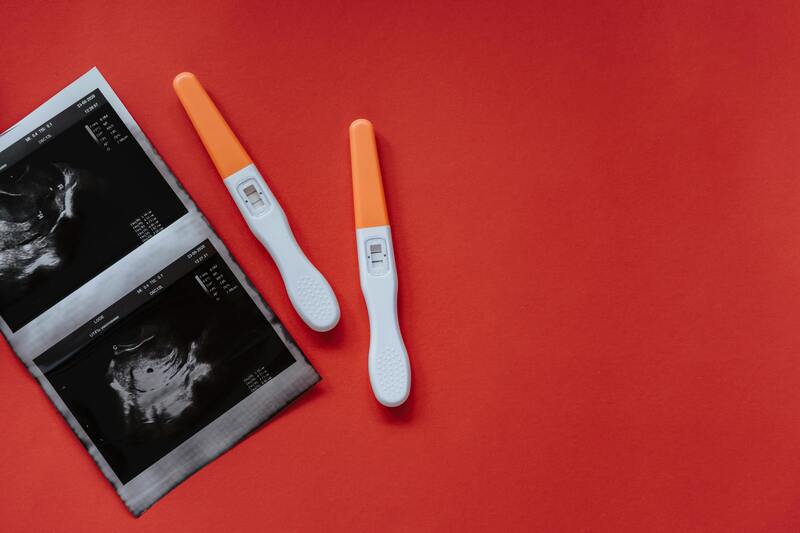
Does Medicaid cover NIPT test? It depends on pregnancy risk and medical necessity. (Image by Pexels)
So, Does Medicaid cover NIPT test? In many cases, yes but only under specific conditions.
Medicaid coverage for NIPT is determined at the state level and is closely tied to Medical necessity rather than patient preference. While some states cover NIPT broadly for certain pregnancies, others apply stricter criteria.
In general, Medicaid is more likely to cover NIPT when there is a documented clinical reason for ordering the test.
When Medicaid is more likely to cover an NIPT test?
Medicaid is more likely to approve and pay for NIPT when the pregnancy is considered high risk. Common factors that increase the likelihood of coverage include:
- Maternal age 35 or older at the time of delivery
- Abnormal results from earlier prenatal screening tests
- A personal or family history of genetic conditions
- Ultrasound findings that suggest chromosomal abnormalities
In these situations, providers can usually justify that the test is Medically necessary, which directly affects whether “Does Medicaid cover NIPT test” applies.
Situations where Medicaid may not pay for NIPT
There are also situations where Medicaid may deny coverage. These often include:
- Low-risk pregnancies without documented risk factors
- NIPT ordered solely for reassurance or personal preference
- Lack of proper documentation from the healthcare provider
In these cases, Medicaid may consider NIPT an elective screening, rather than a Medically necessary test. This is why many patients are surprised when the answer to Does Medicaid cover NIPT test is “not always.”
What to Do If Medicaid Doesn’t Cover Your NIPT Test?
If Medicaid denies coverage for your NIPT test, you still have several options.
First, ask your provider whether additional documentation can be submitted. Sometimes coverage is denied because risk factors were not clearly stated or supporting records were incomplete.
Second, you may be able to appeal the decision, especially if new Medical information becomes available later in pregnancy.
Third, some laboratories offer self-pay pricing, financial assistance, or income-based discounts for prenatal genetic testing. These options can reduce out-of-pocket costs significantly.
Understanding “Does Medicaid cover NIPT test” also means knowing that denial does not always mean the test is completely unaffordable.
More Free Benefits for Medicaid Users
Beyond prenatal testing, Medicaid provides a wide range of benefits designed to support pregnant individuals throughout pregnancy and postpartum care. These benefits often include:
- Prenatal and postpartum doctor visits
- Ultrasounds and standard prenatal screenings
- Labor and delivery services
- Postpartum follow-up care
In addition to medical benefits, Medicaid eligibility may also open the door to supportive services that help patients manage appointments, paperwork, and follow-ups during pregnancy.
FAQs
How Medicaid decides coverage for genetic testing?
Medicaid evaluates genetic testing coverage based on:
- Medical necessity
- Clinical guidelines
- State Medicaid policy
- Provider documentation
Tests ordered due to elevated risk factors are far more likely to be covered than those ordered for general screening.
How much does Medicaid pay for genetic testing?
So, **How much does Medicaid pay for genetic testing? **When Medicaid covers an approved genetic test, it typically pays most or all of the allowed cost, with little to no out-of-pocket expense for the patient. However, payment rates vary by state and by specific test type.
If the test is not covered, Medicaid will not contribute, leaving the patient responsible unless alternative assistance is available.
Which insurance covers a NIPT test?
Another common question is Which insurance covers a NIPT test?
Many private insurance plans cover NIPT for high-risk pregnancies, and some have expanded coverage to include average-risk pregnancies. Coverage rules vary widely by insurer and plan type, making it important to verify benefits in advance.
Compared to private insurance, Medicaid coverage is generally more strict, relying heavily on documented Medical necessity rather than optional screening.
Can you get an NIPT test without insurance coverage?
Yes. If Medicaid does not cover your NIPT test, you may still choose to have the test as a self-pay option. Many testing laboratories offer cash-pay pricing, payment plans, or income-based discounts for pregnant patients. In some cases, healthcare providers can help connect patients with financial assistance programs or reduced-cost testing options. It’s recommended to ask about pricing and assistance before the test is performed to avoid unexpected bills.
Final Thoughts
So, “Does Medicaid cover NIPT test?” In many cases, yes, but only when clear Medical criteria are met and properly documented.
Understanding when Medicaid is more likely to pay, when coverage may be denied, and what alternatives exist can help pregnant patients make informed decisions about prenatal testing. If you are unsure about coverage, speak with your provider early and ask about documentation requirements before scheduling the test.
Medicaid offers significant support during pregnancy, and knowing how to navigate benefits, including genetic testing, can reduce stress and help ensure timely prenatal care.