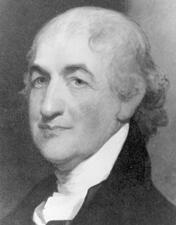
Caleb Strong served as a Senator from Massachusetts in the United States Congress from 1789 to 1797. A member of the Federalist Party, Caleb Strong contributed to the legislative process during 2 terms in office.
Caleb Strong’s service in Congress occurred during a significant period in American history. As a member of the Senate, Caleb Strong participated in the democratic process and represented the interests of constituents.
Caleb Strong Jr. (January 9, 1745 – November 7, 1819) was an American lawyer, politician, and Founding Father who served as the sixth and tenth governor of Massachusetts between 1800 and 1807, and again from 1812 until 1816. He assisted in drafting the Massachusetts State Constitution in 1779 and served as a state senator and on the Massachusetts Governor’s Council before being elected to the inaugural United States Senate. A leading member of the Massachusetts Federalist Party, his political success delayed the decline of the Federalists in Massachusetts. A successful Northampton lawyer prior to 1774, Strong was politically active in the rebel cause during the American Revolutionary War. He played an influential role in the development of the United States Constitution at the 1787 Philadelphia Convention and, as a U.S. Senator, in the passage of its 11th Amendment. He also played a leading role in the passage of the Judiciary Act of 1789, which established the federal court system. Adept at moderating the sometimes harsh political conflict between Federalists and Democratic-Republicans in Massachusetts, he navigated the state in a Federalist direction through the early years of the 19th century as the rest of the country became progressively more Republican. Although he sought to retire from politics after losing the 1807 governor’s race, the advent of the War of 1812 brought him back to the governor’s office as a committed opponent of the war. He refused United States Army requests that state militia be placed under army command and in 1814 sought to engage Nova Scotia Governor John Coape Sherbrooke in peace talks. The state and federal governments’ weak defense of Massachusetts’ northern frontier during Strong’s tenure contributed to the successful drive for Maine’s statehood, which was granted in 1820.
Congressional Record