
H.R.164 — POWER Act of 2025
House Roll Call
H.R.164
| Bill | H.R.164 — POWER Act of 2025 |
|---|---|
| Vote question | On Motion to Suspend the Rules and Pass |
| Vote type | 2/3 Yea-And-Nay |
| Result | Passed |
| Totals | Yea 419 / Nay 2 / Present 0 / Not Voting 12 |
| Party | Yea | Nay | Present | Not Voting |
|---|---|---|---|---|
| R | 209 | 2 | 0 | 7 |
| D | 210 | 0 | 0 | 5 |
| I | 0 | 0 | 0 | 0 |
Research Brief
On Motion to Suspend the Rules and Pass
Bill Analysis
Bill Summary: HR 164 - POWER Act of 2025
The POWER Act of 2025 aims to enhance the resilience of the United States’ critical infrastructure against cyber threats and other hazards. The bill establishes a comprehensive framework for the identification, assessment, and mitigation of risks to critical infrastructure, which includes sectors such as energy, transportation, water, and communications.
Key Provisions:
- Risk Assessment and Mitigation: The bill mandates the Department of Homeland Security (DHS) to conduct regular assessments of vulnerabilities in critical infrastructure. It requires the development of risk mitigation strategies to address identified threats.
- Public-Private Partnerships: The legislation encourages collaboration between federal agencies and private sector stakeholders to enhance information sharing and best practices in cybersecurity and infrastructure protection.
- Funding and Resources: The bill authorizes appropriations to support the implementation of its provisions, including grants for state and local governments to improve their infrastructure resilience. Specific funding levels are not detailed in the text but are subject to annual appropriations.
Agencies Affected: The primary agency involved is the Department of Homeland Security, which will oversee the implementation of the Act. Other agencies, including the Federal Emergency Management Agency (FEMA) and the Cybersecurity and Infrastructure Security Agency (CISA), will play critical roles in executing the provisions of the bill.
Beneficiaries: The POWER Act is designed to benefit a wide range of stakeholders, including state and local governments, private sector companies operating critical infrastructure, and ultimately the general public, who will experience improved safety and security from enhanced infrastructure resilience.
Key Timelines: Following its introduction, the bill was received in the Senate, read twice, and referred to the Committee on Homeland Security and Governmental Affairs for further consideration. The timeline for subsequent actions, including hearings and potential amendments, remains to be determined as the legislative process unfolds.
The POWER Act of 2025 represents a proactive approach to safeguarding the nation’s critical infrastructure from emerging threats, ensuring a coordinated response across various sectors.
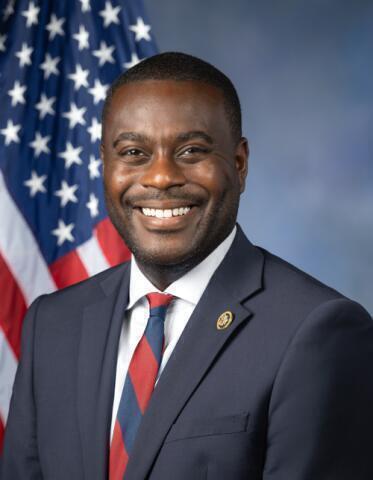
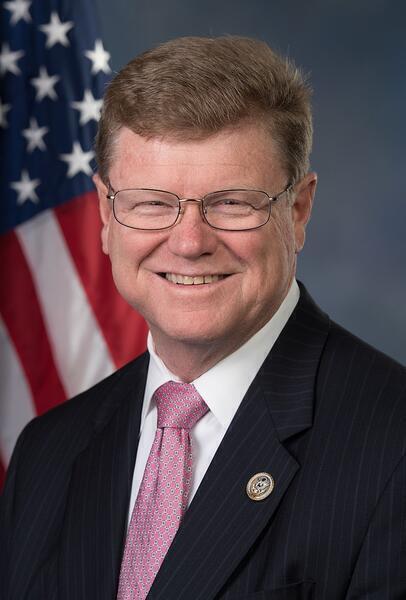
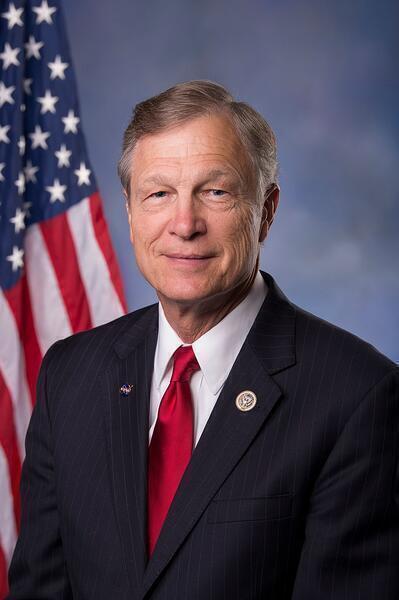
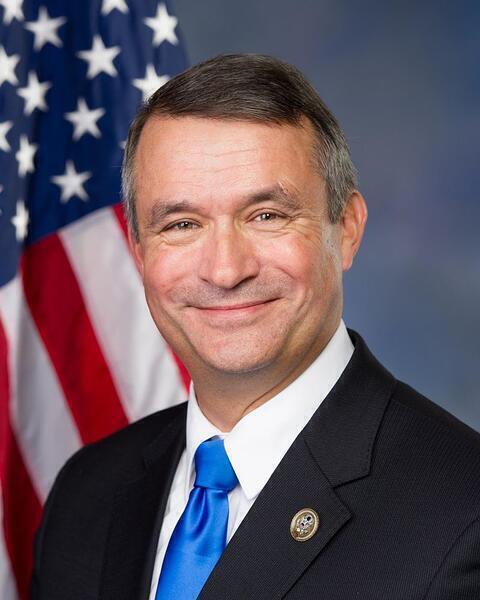
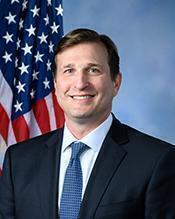
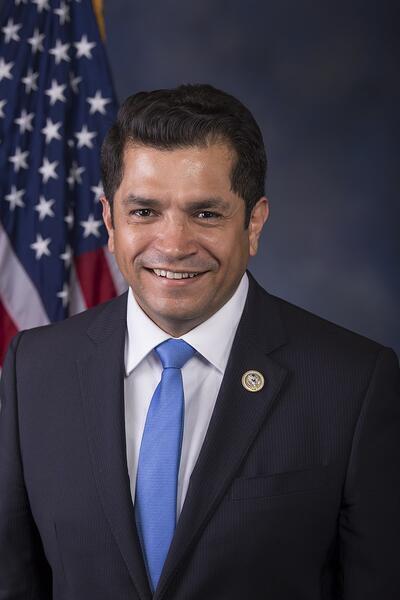
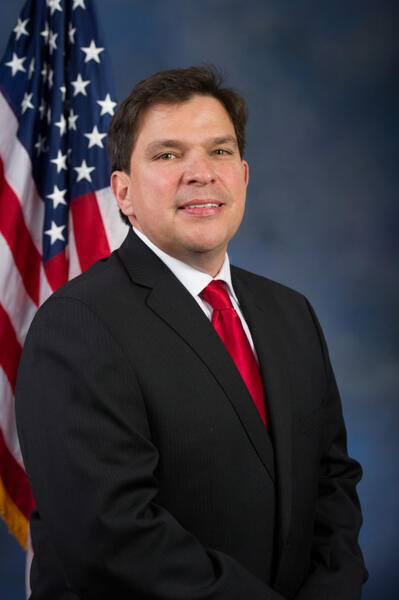
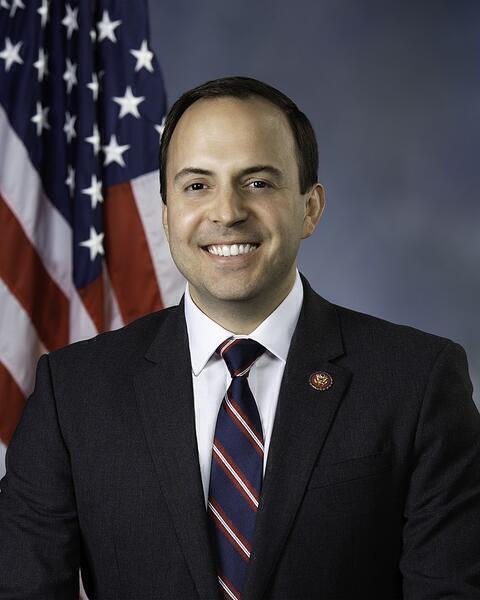
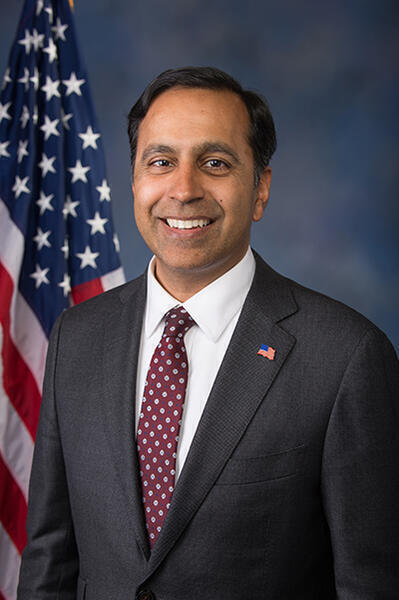
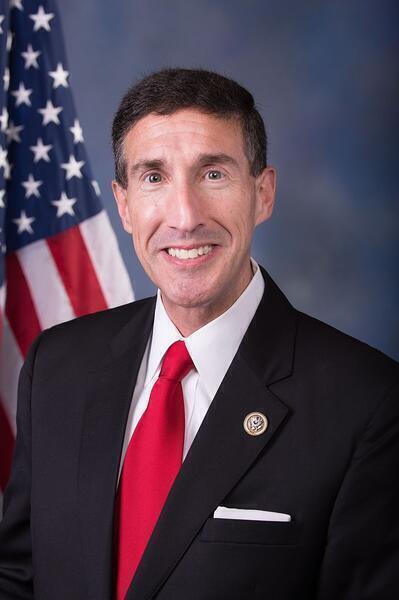
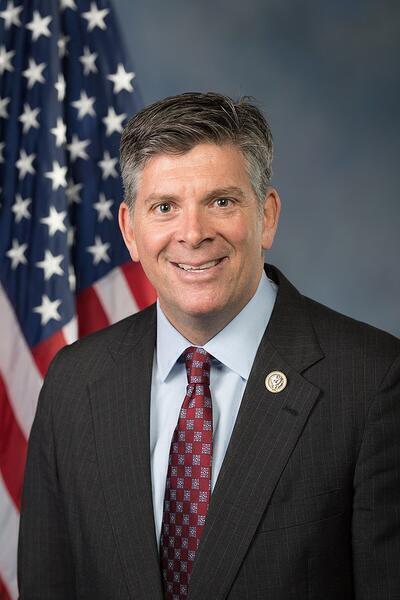
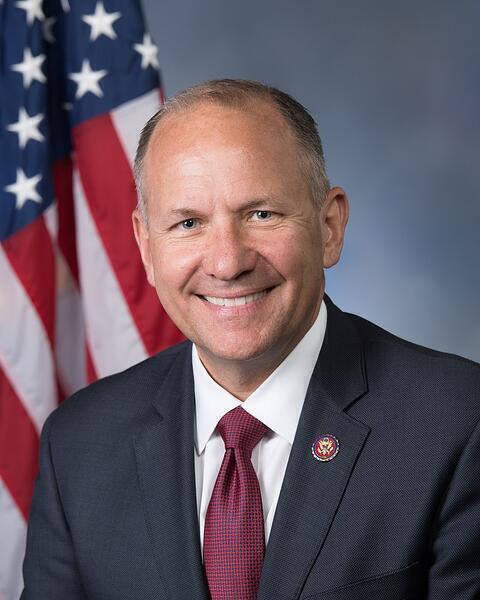
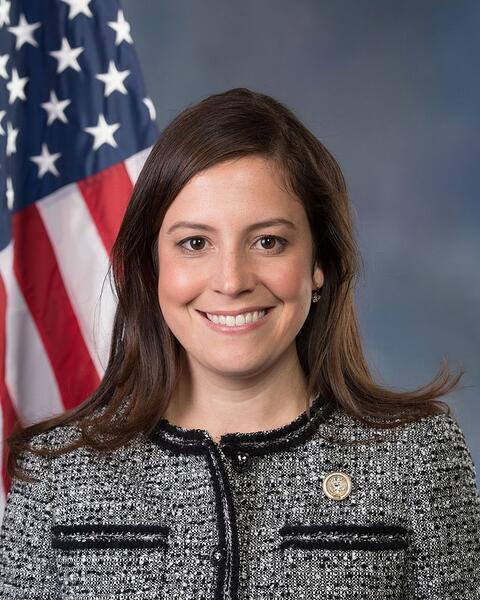
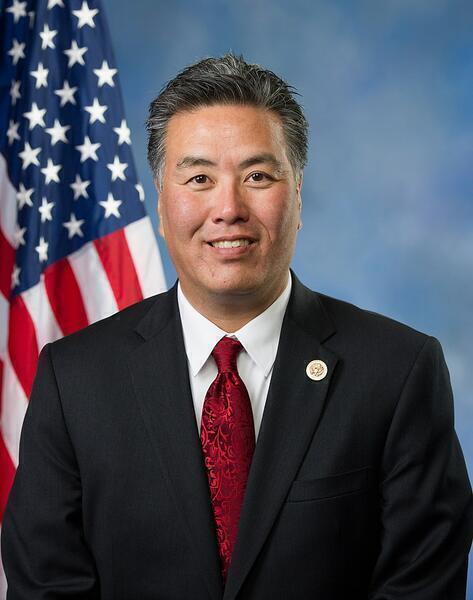
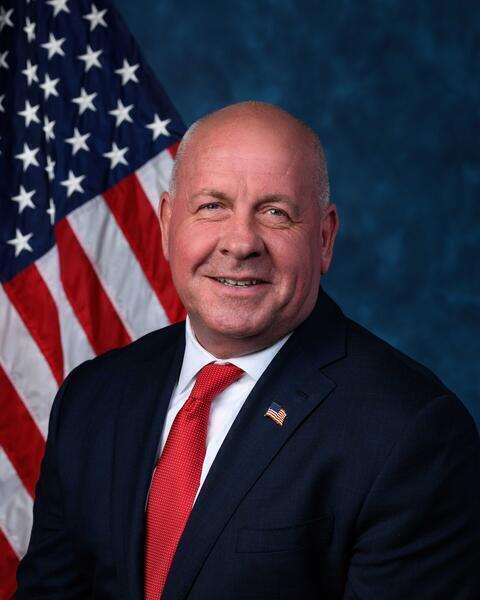
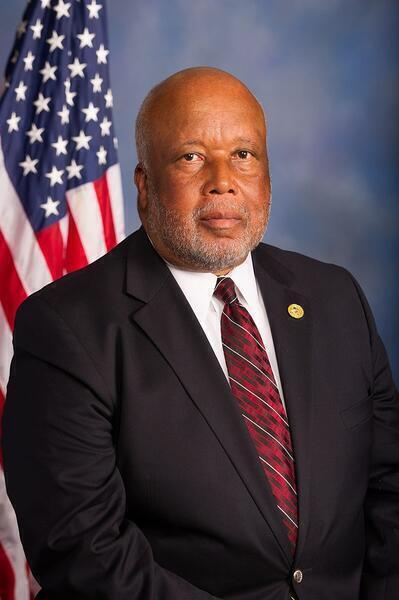
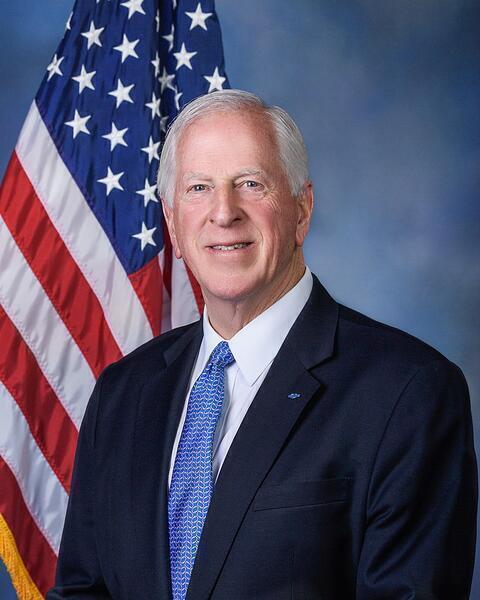
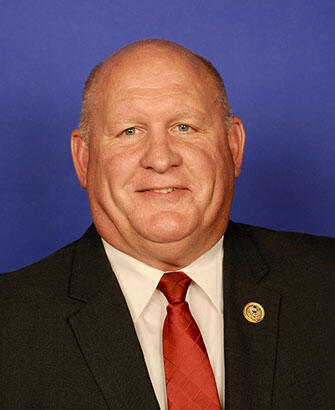
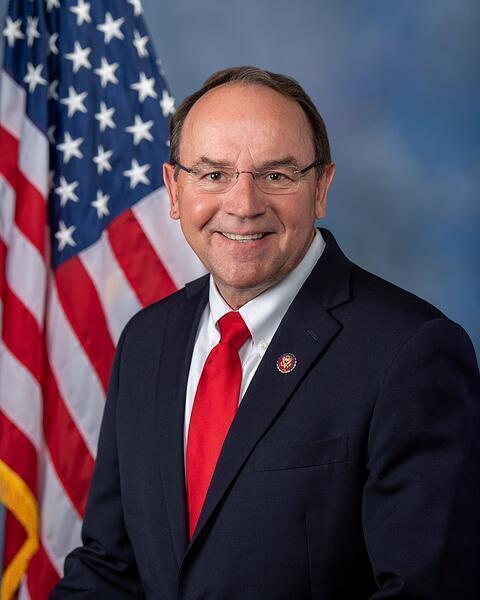
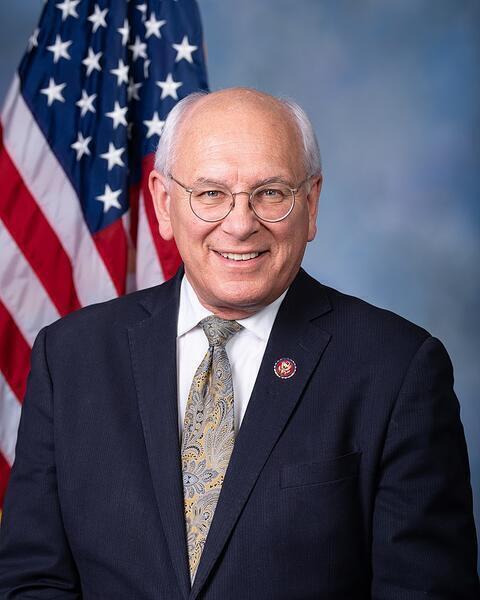
Yea (419)










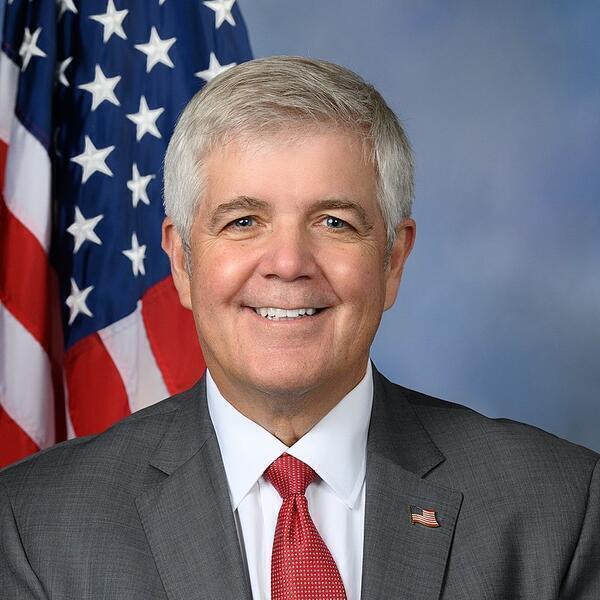
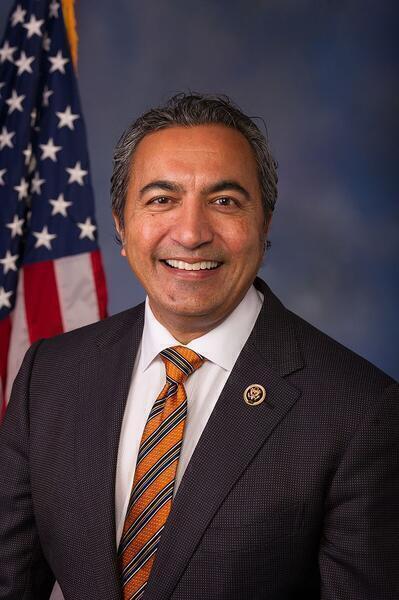
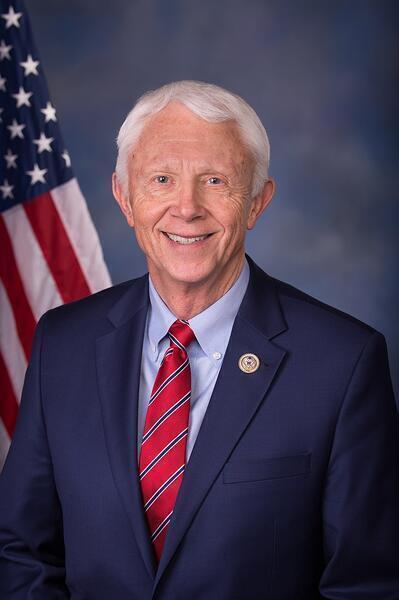
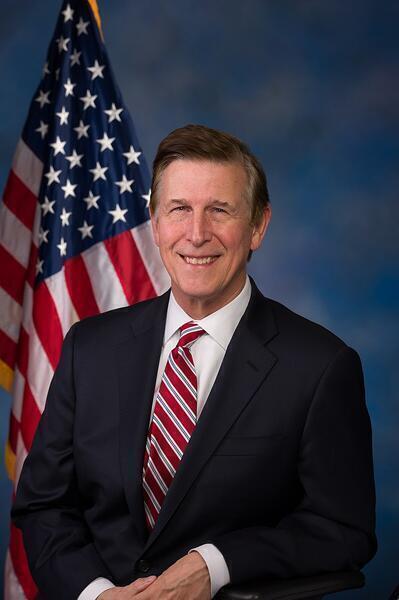










K
Ken Calvert













G
Gerald Connolly





J
Jason Crow








L
Lloyd Doggett
















S
Scott Franklin



J
John Garamendi









M
Mark Green
















































J
John Mannion


L
Lucy McBath

















































J
John Rutherford








D
David Schweikert
P
Pete Sessions













E
Eric Swalwell




R
Rashida Tlaib



S
Sylvester Turner





N
Nydia Velázquez



D
Debbie Wasserman Schultz










Nay (2)

Not Voting (12)
R
Raúl Grijalva

L
Lisa McClain





M
Michael Waltz