H.R.1 — One Big Beautiful Bill Act
House Roll Call
H.R.1
| Bill | H.R.1 — One Big Beautiful Bill Act |
|---|---|
| Vote question | On Passage |
| Vote type | Yea-and-Nay |
| Result | Passed |
| Totals | Yea 215 / Nay 214 / Present 1 / Not Voting 2 |
| Party | Yea | Nay | Present | Not Voting |
|---|---|---|---|---|
| R | 215 | 2 | 1 | 2 |
| D | 0 | 212 | 0 | 0 |
| I | 0 | 0 | 0 | 0 |
Research Brief
On Passage
Bill Analysis
Bill Summary: HR 1 (119th Congress)
Title: An act to provide for reconciliation pursuant to title II of H. Con. Res. 14.
Overview: HR 1, now Public Law No: 119-21, was enacted to facilitate budget reconciliation, primarily focusing on fiscal policies aimed at reducing the federal deficit and promoting economic growth. The bill outlines various provisions affecting taxation, energy, and healthcare.
Key Provisions:
Tax Reforms: The bill introduces changes to individual and corporate tax rates, aiming to simplify the tax code and eliminate certain deductions. It also includes measures to enhance tax compliance and enforcement, particularly targeting high-income earners and large corporations.
Energy Initiatives: HR 1 allocates funding for renewable energy projects and incentivizes the transition to clean energy sources. This includes tax credits for solar and wind energy investments, as well as support for energy efficiency programs.
Healthcare Adjustments: The legislation modifies aspects of the Affordable Care Act (ACA), including adjustments to premium subsidies and Medicaid funding. It aims to expand healthcare access while controlling costs.
Funding and Authorities: The bill authorizes significant funding through various channels, including the Internal Revenue Service (IRS) for tax enforcement initiatives and the Department of Energy for renewable energy projects. The reconciliation process allows for expedited consideration of these budgetary measures, streamlining their implementation.
Beneficiaries and Regulation: The primary beneficiaries of HR 1 include taxpayers, particularly low- and middle-income families who may see tax relief, as well as individuals and businesses engaged in the renewable energy sector. The bill also imposes new compliance requirements on corporations and high-income individuals, enhancing regulatory oversight.
Key Timelines: Following its introduction, HR 1 underwent committee reviews and amendments before being passed by both chambers of Congress. It was signed into law on [insert date], with provisions taking effect in the subsequent fiscal year, ensuring timely implementation of its economic strategies.
This legislation represents a significant step in shaping U.S. fiscal policy, with implications for various sectors and stakeholders across the economy.
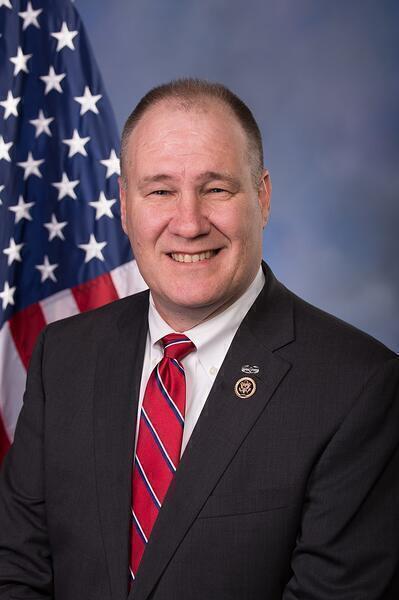
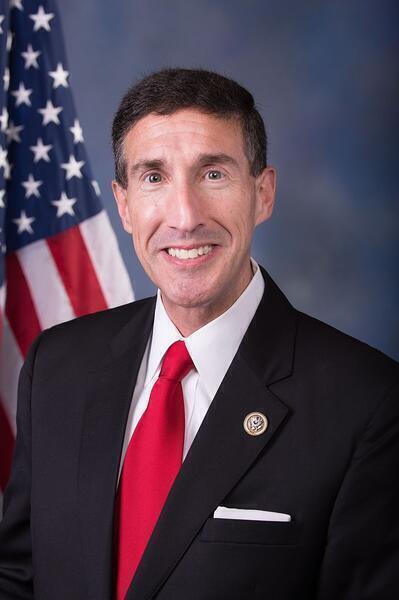
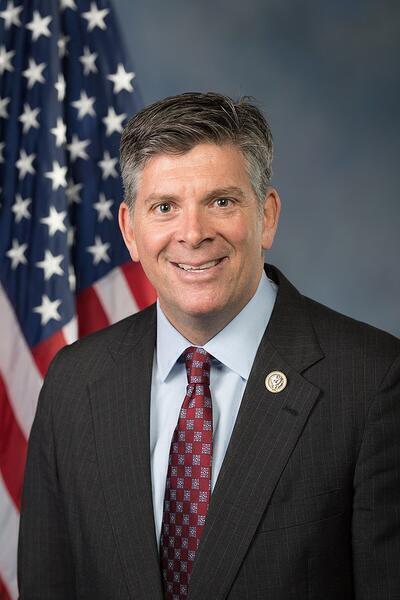
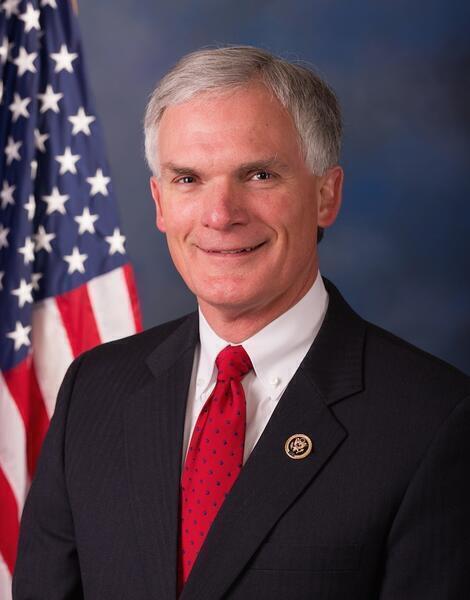
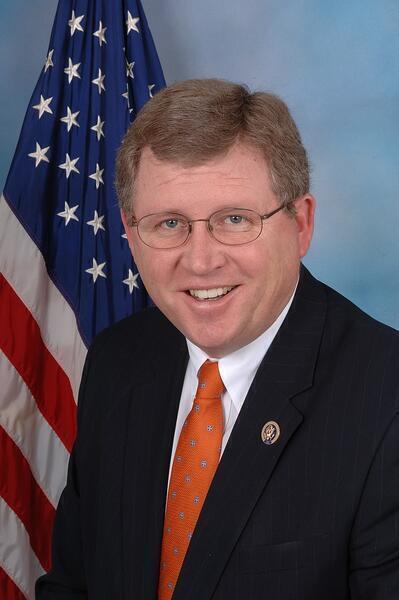
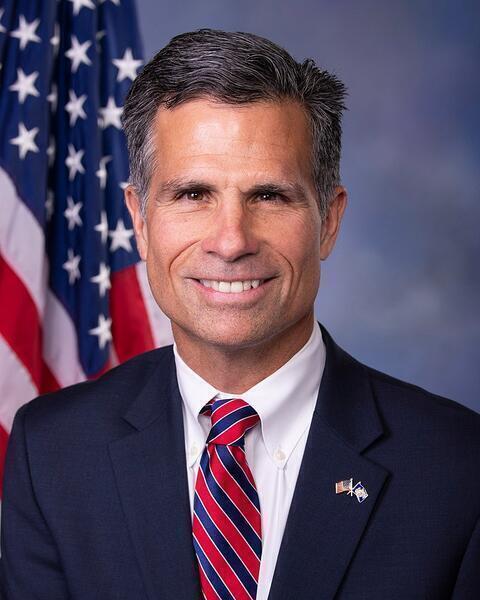
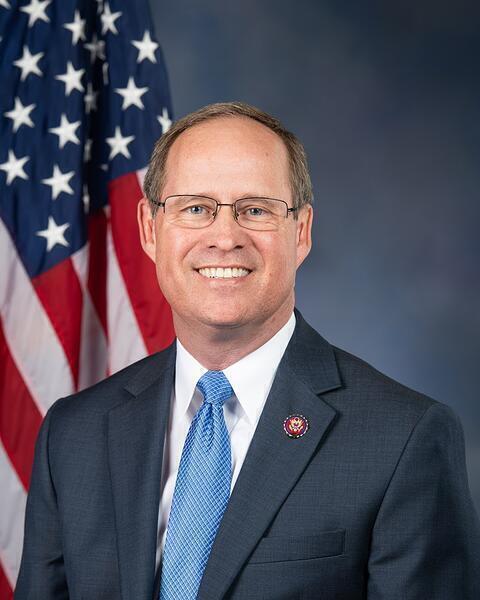
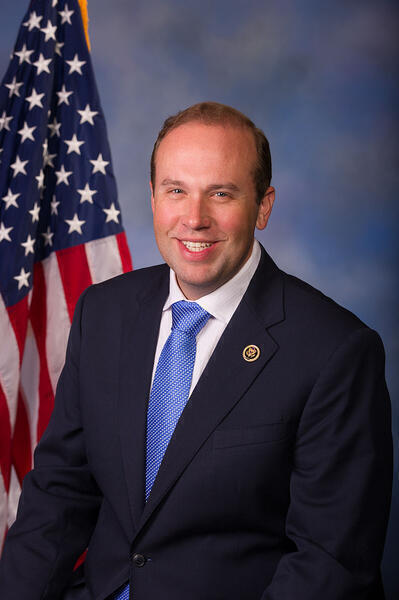
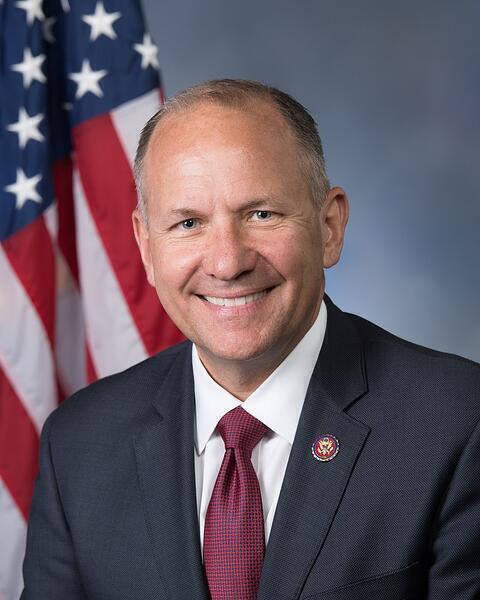
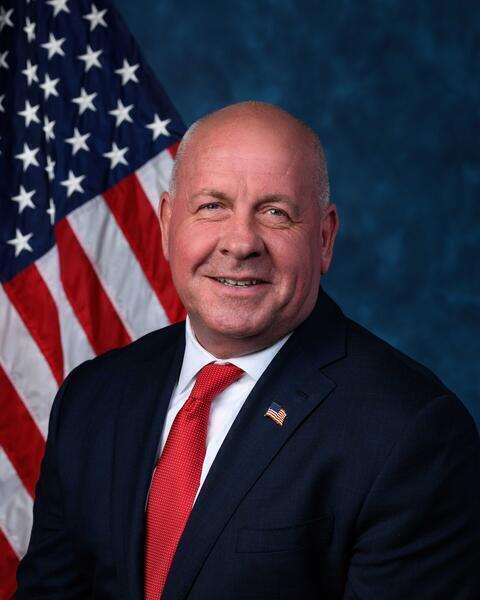
Yea (215)













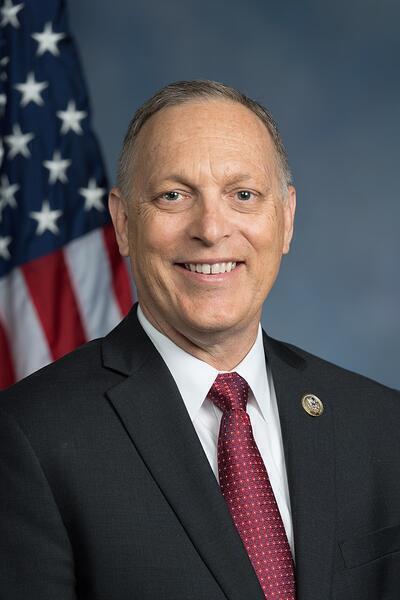



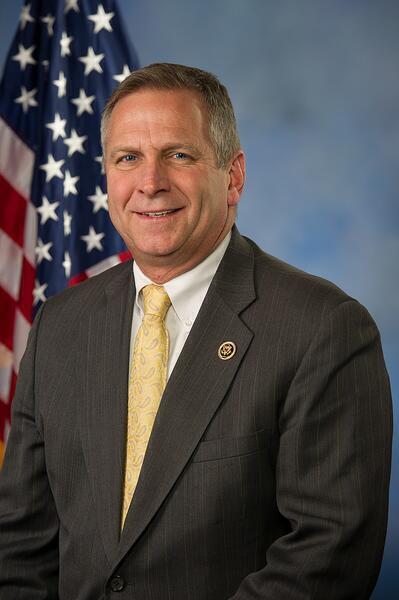





K
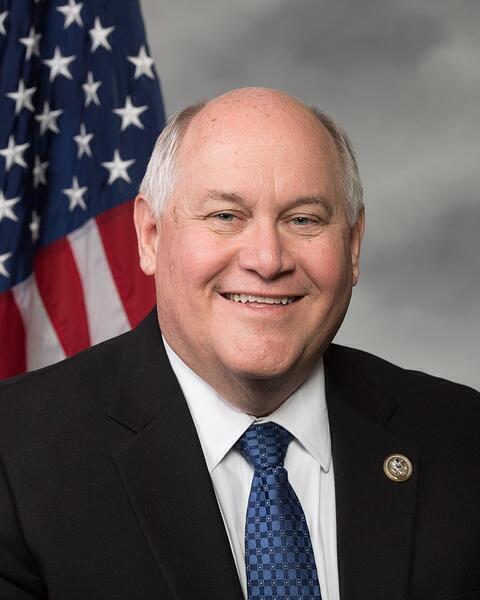
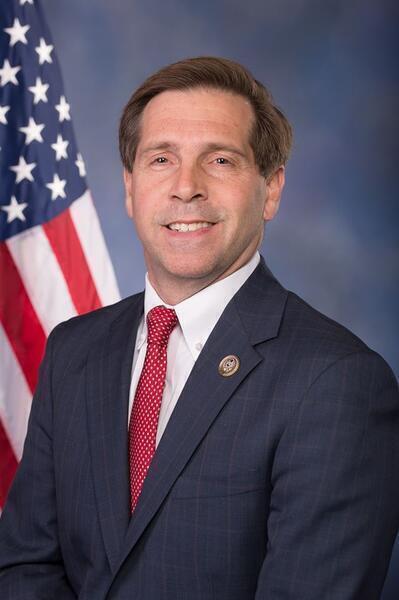
Ken Calvert


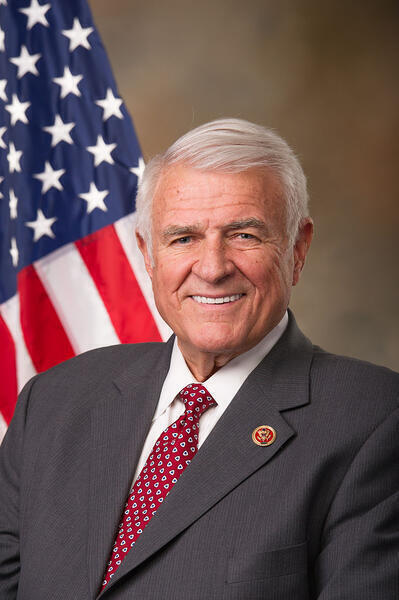
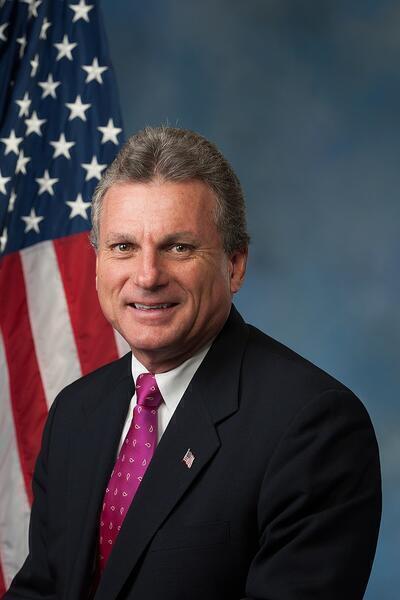




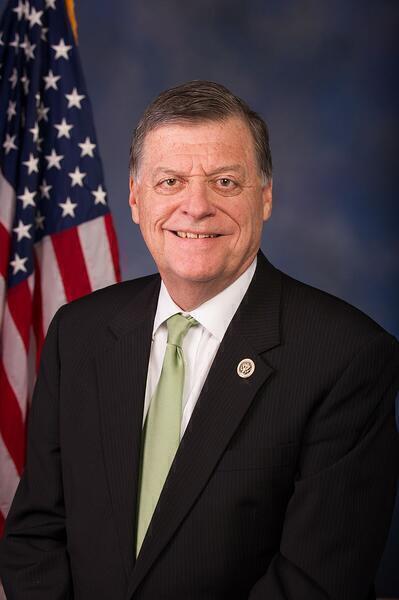



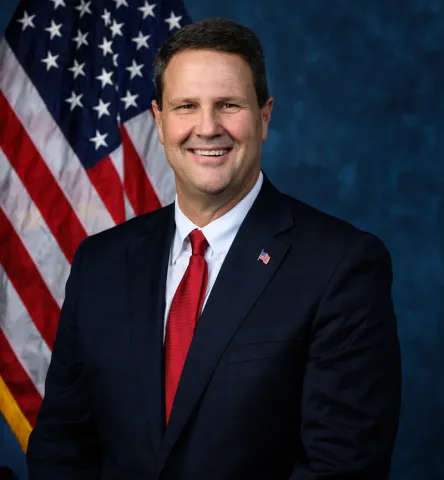



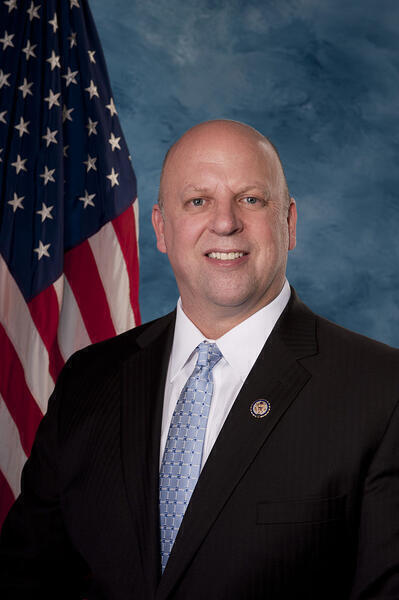



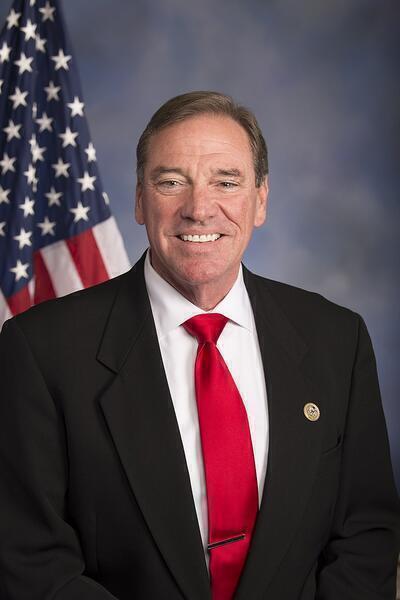
















S
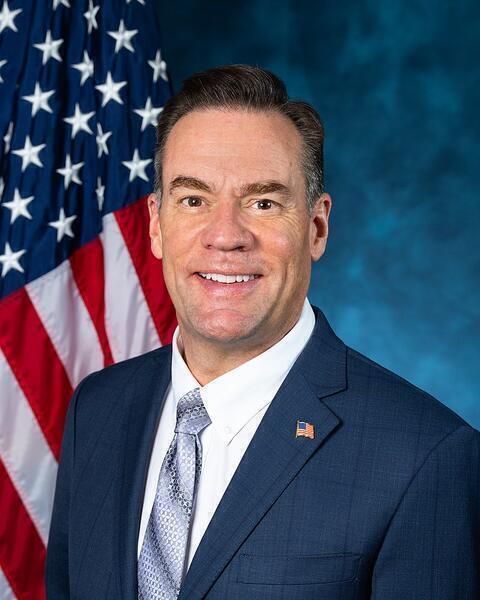
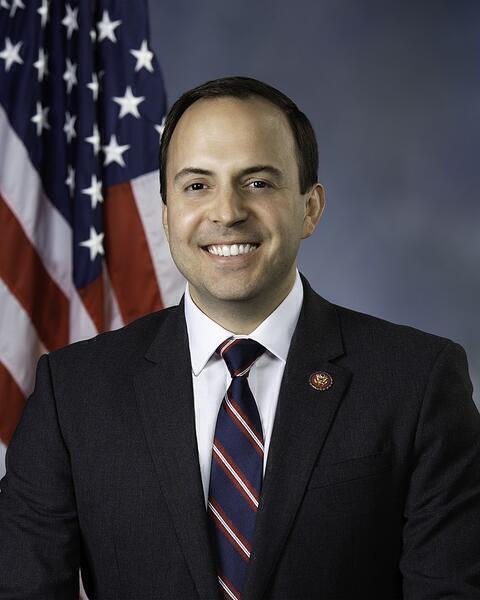
Scott Franklin






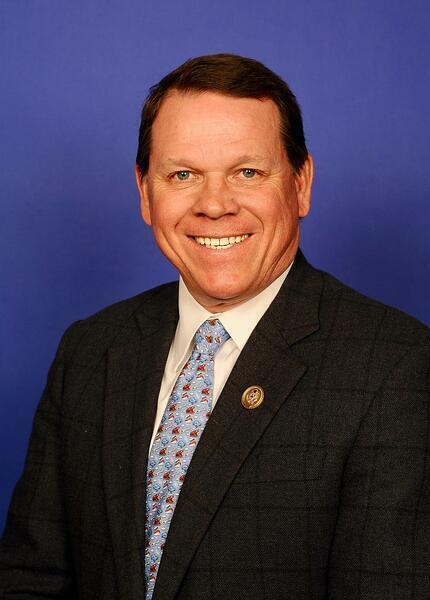
M
Mark Green


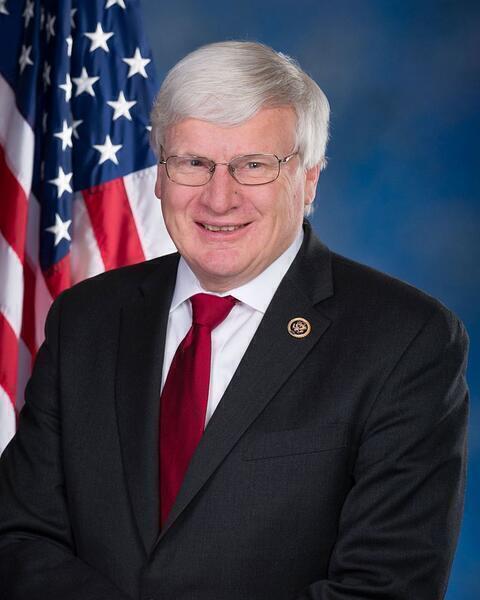

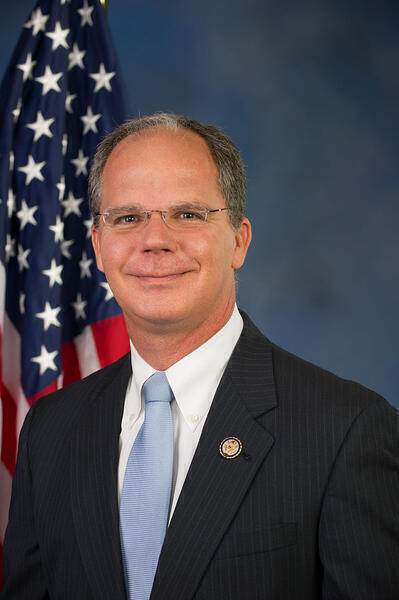






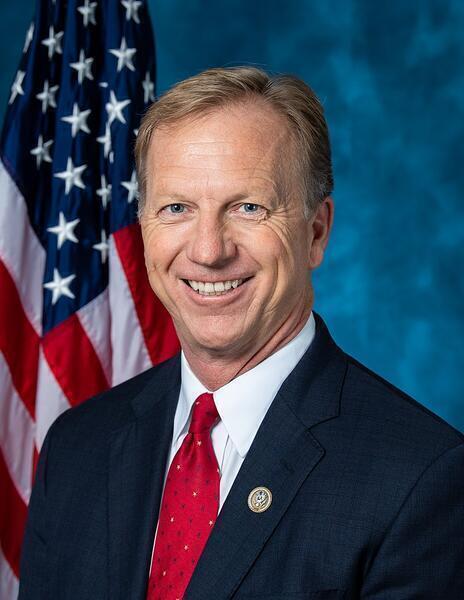



































L
Lisa McClain























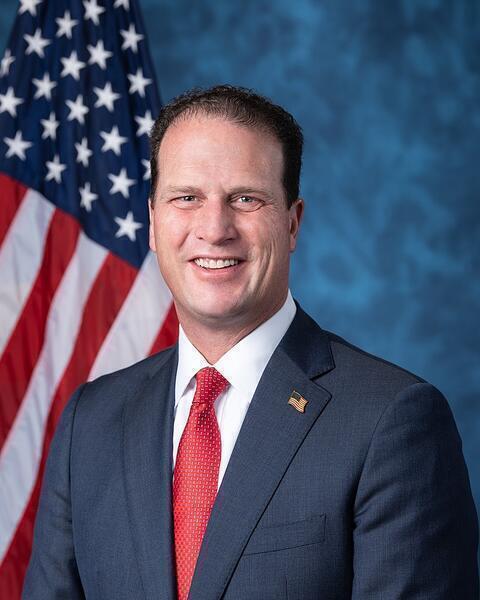



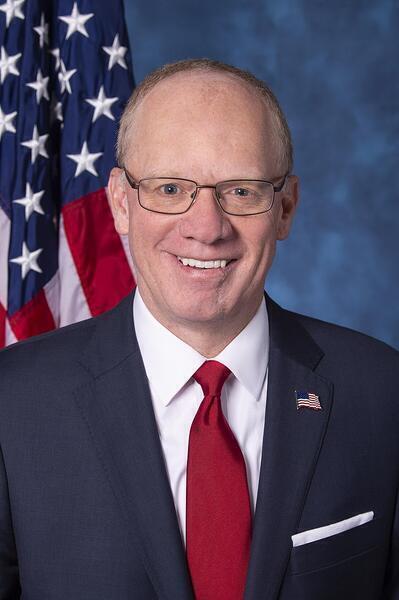
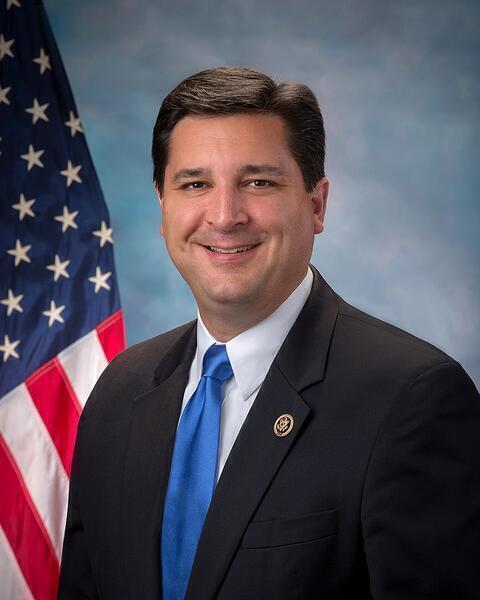


J
John Rutherford





P
Pete Sessions



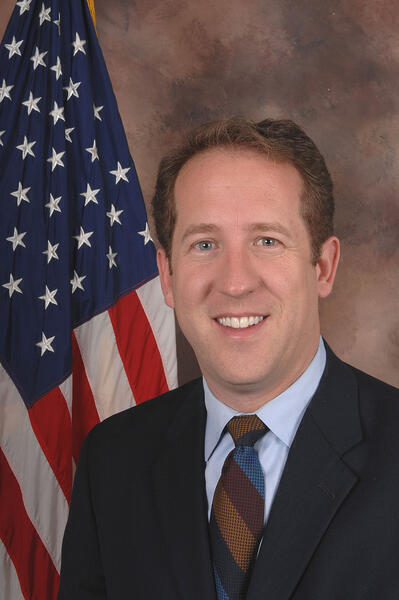





















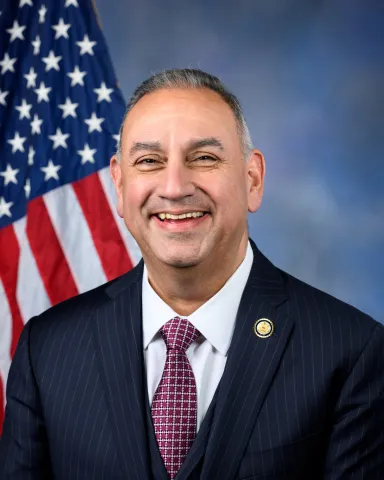
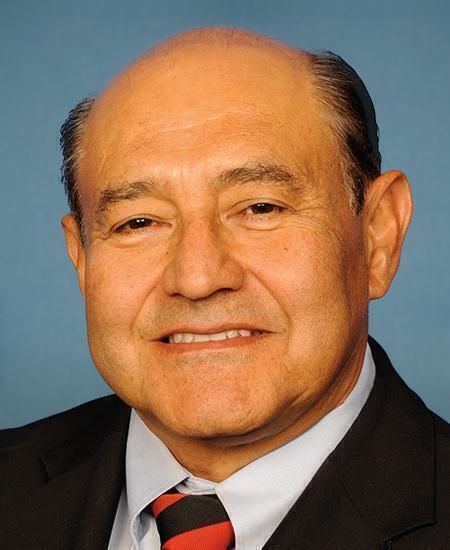
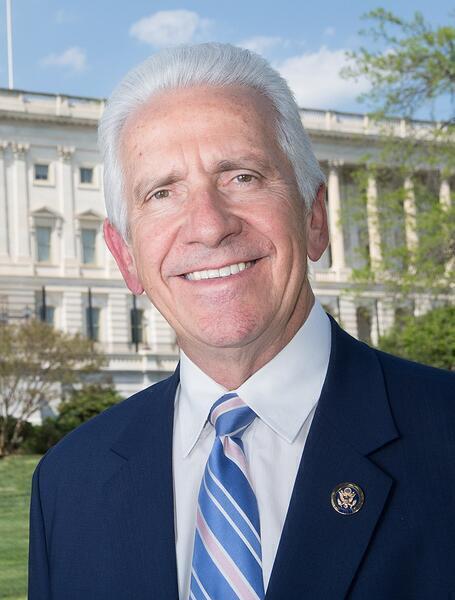
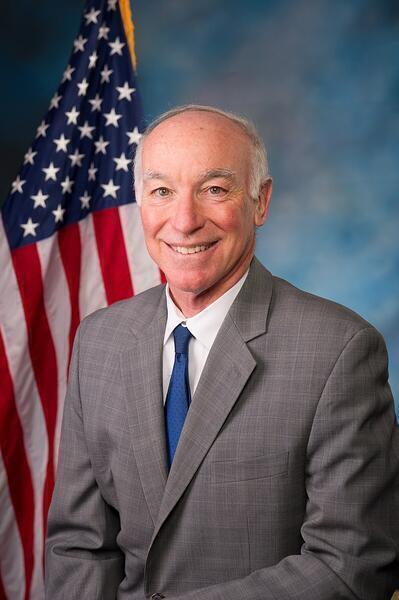
Nay (214)


























J
Jason Crow










L
Lloyd Doggett







J
John Garamendi



































J
John Mannion


L
Lucy McBath










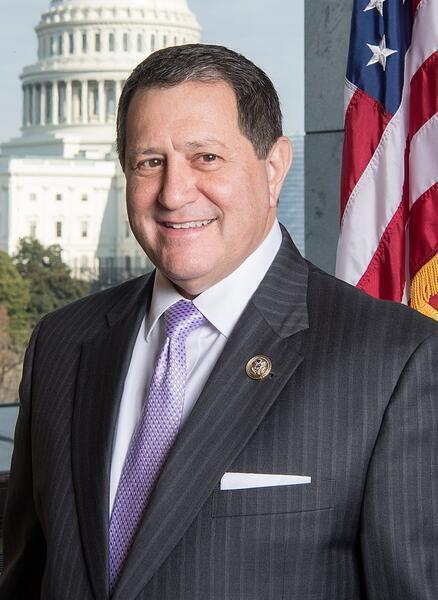






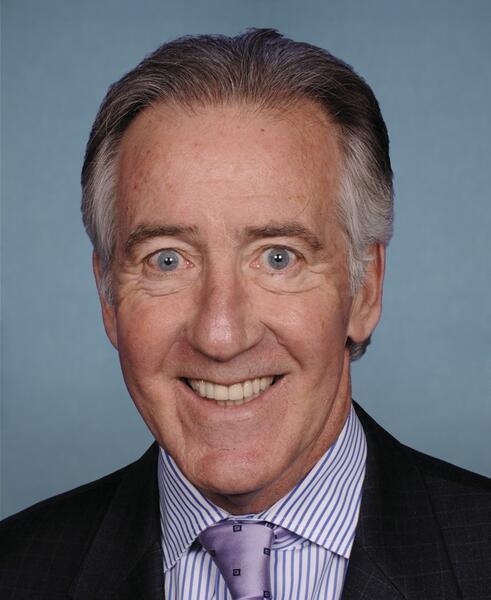

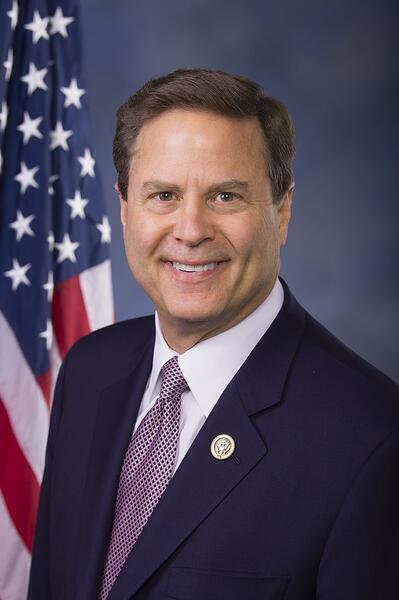




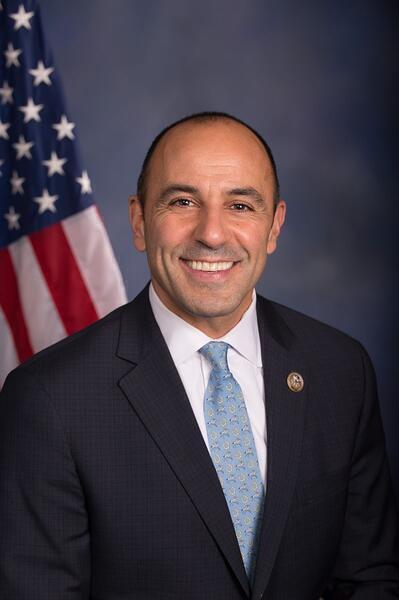



































E
Eric Swalwell



R
Rashida Tlaib








N
Nydia Velázquez

D
Debbie Wasserman Schultz




Present (1)

Not Voting (2)

D
David Schweikert