H.Res.489 — Providing for consideration of the bill (H.R. 884) to prohibit individuals who are not citizens of the United States from voting in elections in the District of Columbia and to repeal the Local Resident Voting Rights Amendment Act of 2022; providing for consideration of the bill (H.R. 2056) to require the District of Columbia to comply with federal immigration laws; providing for consideration of the bill (H.R. 2096) to restore the right to negotiate matters pertaining to the discipline of law enforcement officers of the District of Columbia through collective bargaining, to restore the statute of limitations for bringing disciplinary cases against members or civilian employees of the Metropolitan Police Department of the District of Columbia, and for other purposes; and providing for consideration of the bill (S. 331) to amend the Controlled Substances Act with respect to the scheduling of fentanyl-related substances, and for other purposes.
House Roll Call
H.Res.489
| Bill | H.Res.489 — Providing for consideration of the bill (H.R. 884) to prohibit individuals who are not citizens of the United States from voting in elections in the District of Columbia and to repeal the Local Resident Voting Rights Amendment Act of 2022; providing for consideration of the bill (H.R. 2056) to require the District of Columbia to comply with federal immigration laws; providing for consideration of the bill (H.R. 2096) to restore the right to negotiate matters pertaining to the discipline of law enforcement officers of the District of Columbia through collective bargaining, to restore the statute of limitations for bringing disciplinary cases against members or civilian employees of the Metropolitan Police Department of the District of Columbia, and for other purposes; and providing for consideration of the bill (S. 331) to amend the Controlled Substances Act with respect to the scheduling of fentanyl-related substances, and for other purposes. |
|---|---|
| Vote question | On Ordering the Previous Question |
| Vote type | Yea-and-Nay |
| Result | Passed |
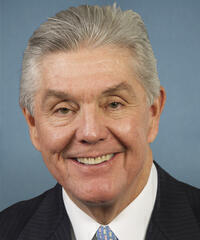
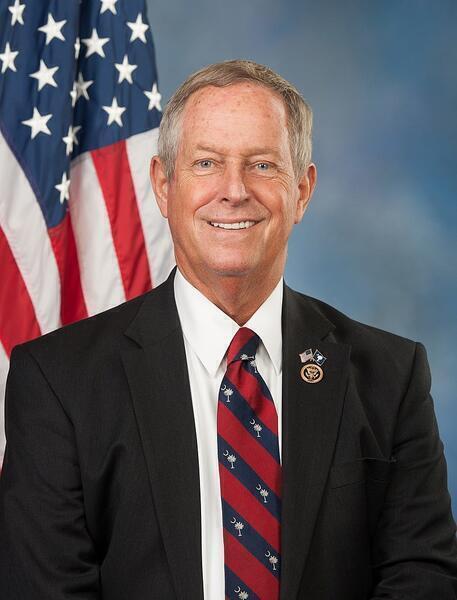
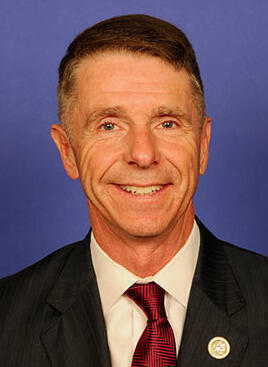
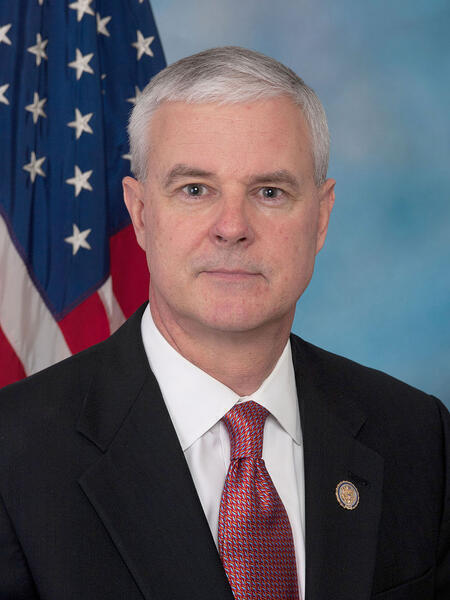
| Totals | Yea 213 / Nay 206 / Present 0 / Not Voting 13 |
| Party | Yea | Nay | Present | Not Voting |
|---|---|---|---|---|
| R | 213 | 0 | 0 | 7 |
| D | 0 | 206 | 0 | 6 |
| I | 0 | 0 | 0 | 0 |
Research Brief
On Ordering the Previous Question
Bill Analysis
Bill Summary: HRES 489 (119th Congress)
HRES 489 is a resolution that facilitates the consideration of four specific bills related to voting rights, federal compliance, law enforcement discipline, and drug scheduling in the District of Columbia (D.C.).
H.R. 884: This bill aims to prohibit non-citizens from voting in D.C. elections and repeals the Local Resident Voting Rights Amendment Act of 2022, which allowed certain non-citizens to vote in local elections. This measure directly affects the voting rights of non-citizen residents in D.C.
H.R. 2056: This legislation mandates that the District of Columbia comply with federal immigration laws. It seeks to align local policies with federal standards, potentially impacting local governance and immigration enforcement practices.
H.R. 2096: This bill focuses on law enforcement in D.C. by restoring collective bargaining rights for police officers regarding disciplinary matters and reinstating the statute of limitations for disciplinary actions against members of the Metropolitan Police Department. This legislation seeks to enhance accountability and governance within law enforcement.
S. 331: This bill proposes amendments to the Controlled Substances Act concerning the scheduling of fentanyl-related substances. It aims to address the opioid crisis by potentially altering how these substances are regulated under federal law.
The resolution was agreed upon without objection, indicating bipartisan support for the procedural steps necessary to consider these bills. The timeline for further action on the individual bills is not specified in the resolution, but the motion to reconsider has been laid on the table, suggesting that the House may move forward with these legislative proposals in the near future. The primary beneficiaries of these bills are U.S. citizens in D.C., law enforcement personnel, and the broader community affected by drug-related issues.
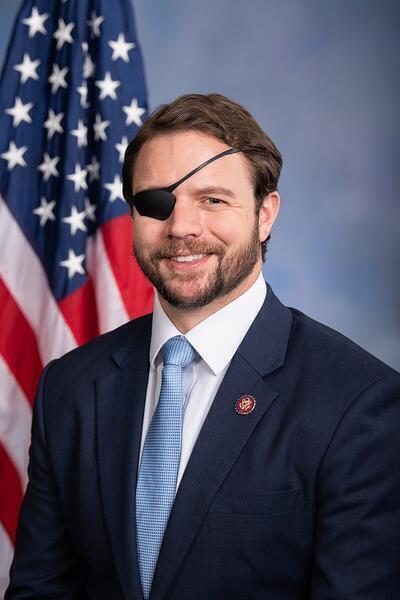
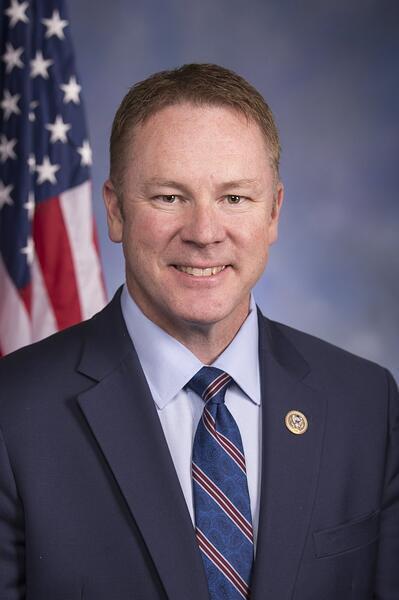
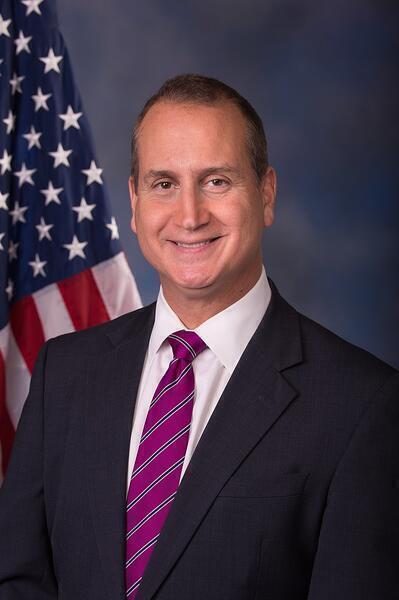
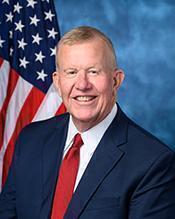
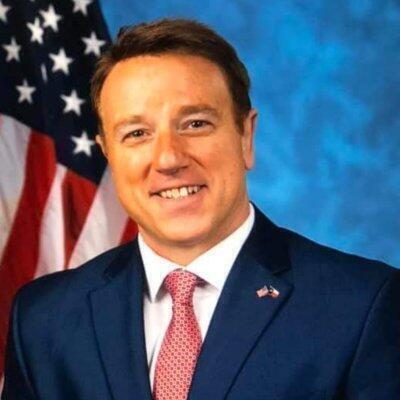
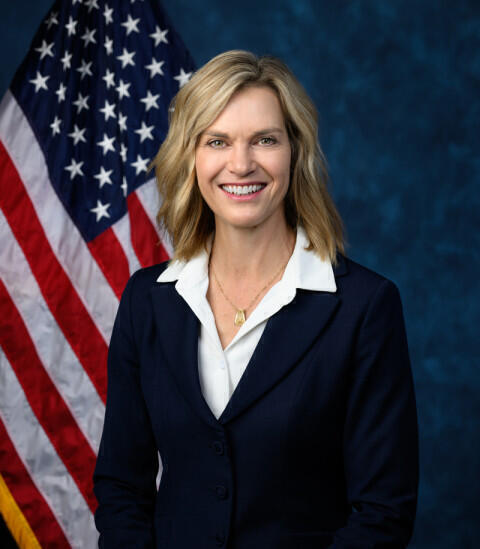
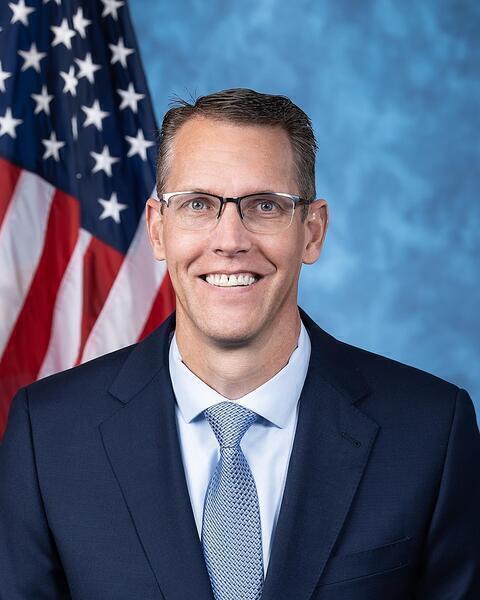
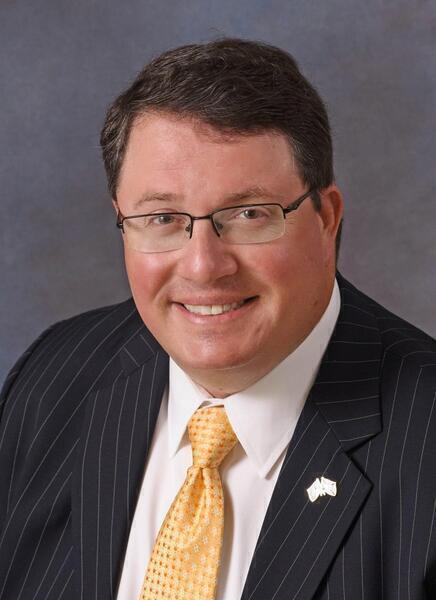
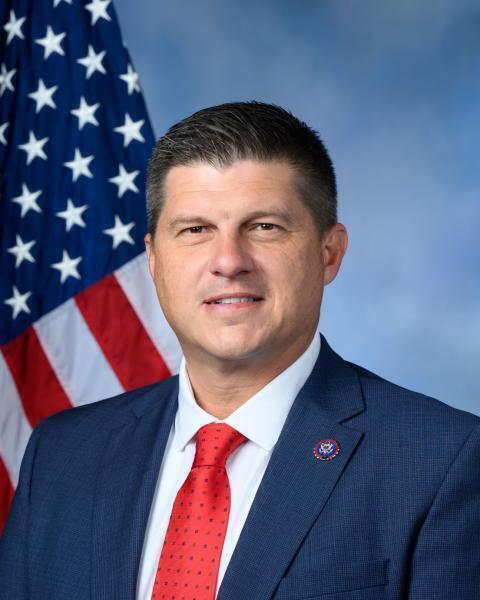
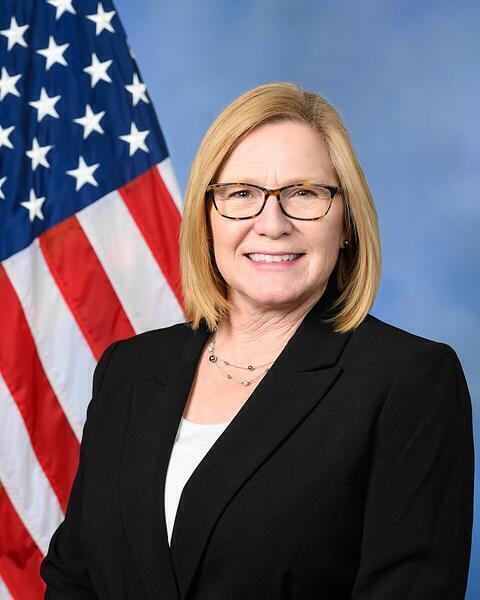
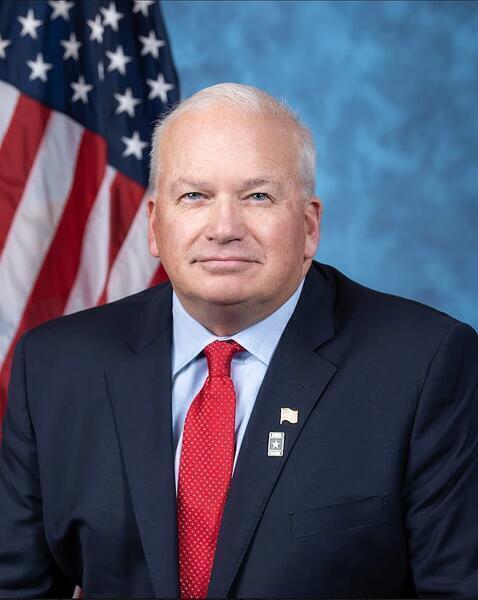
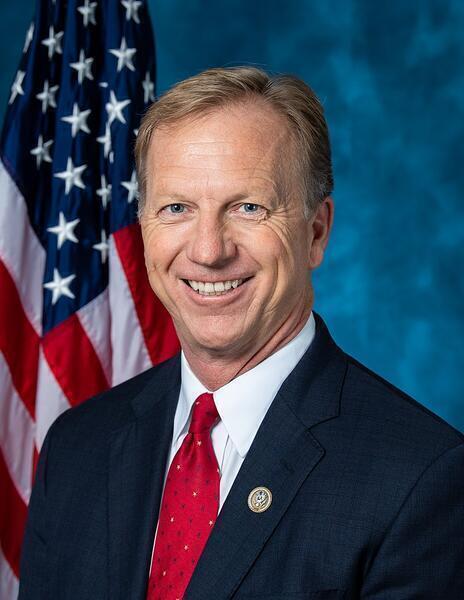
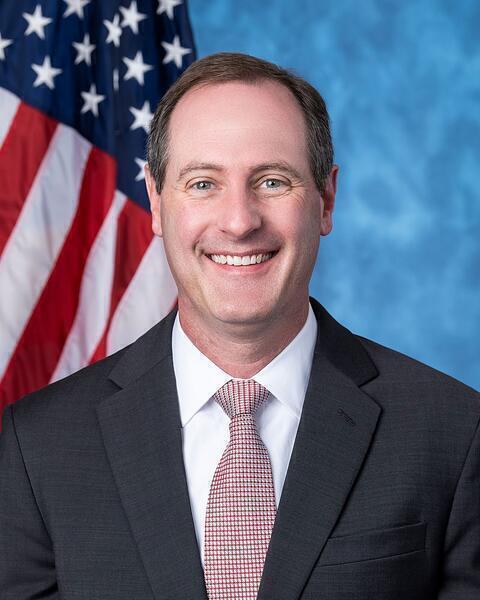
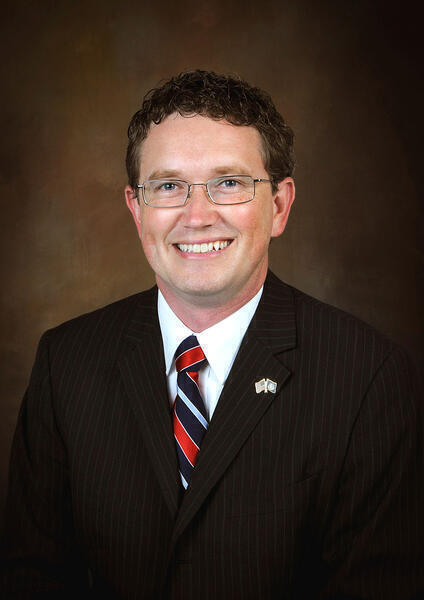
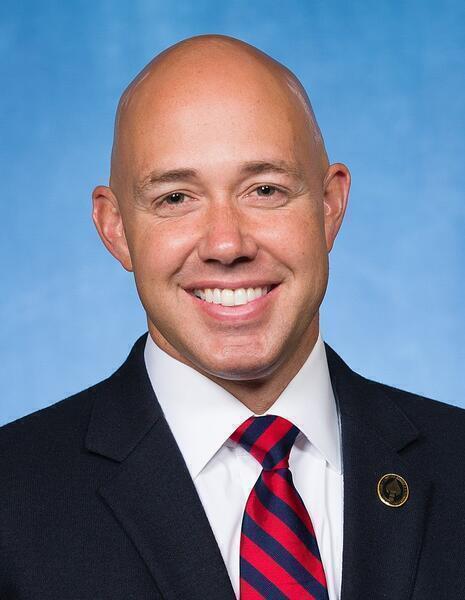
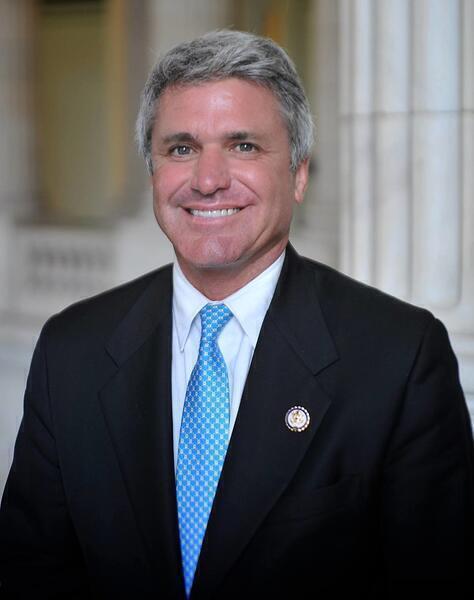
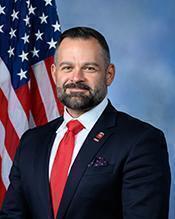
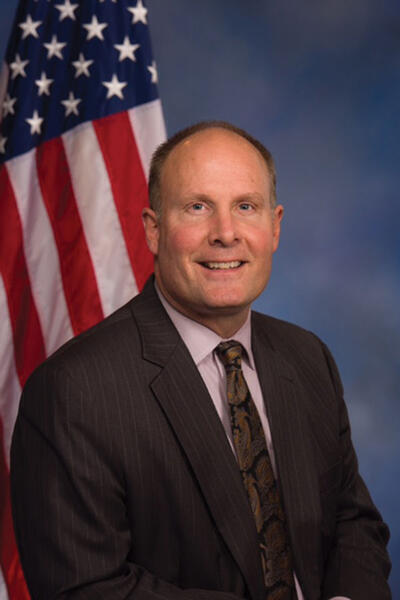
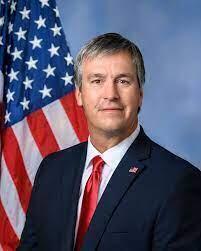
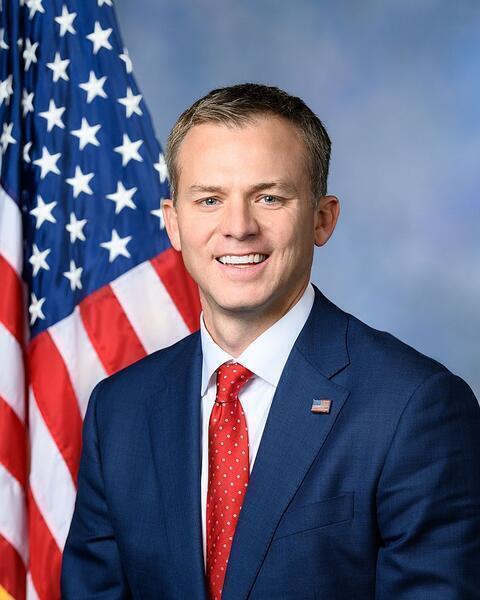
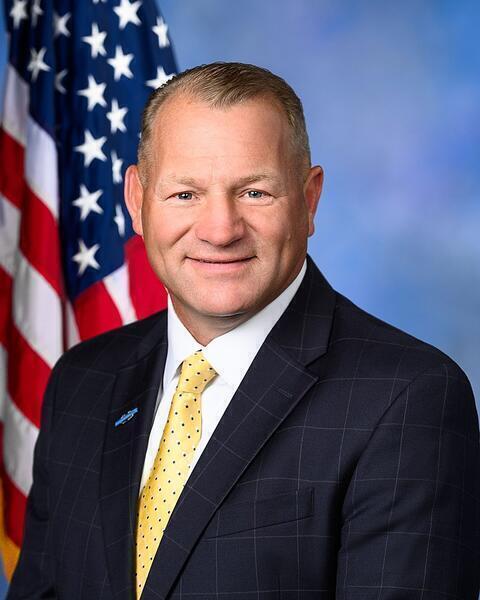
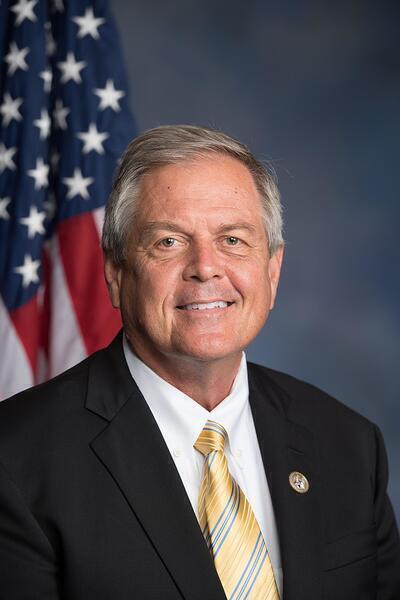
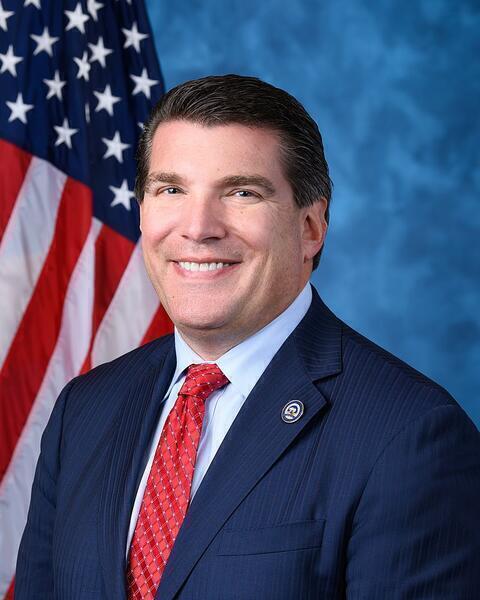
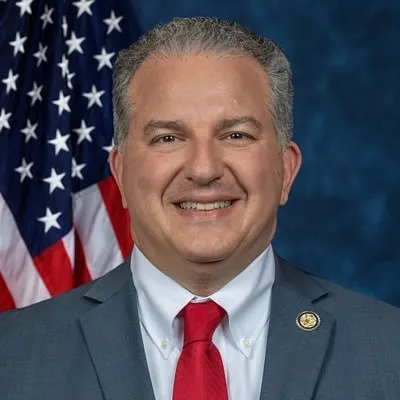
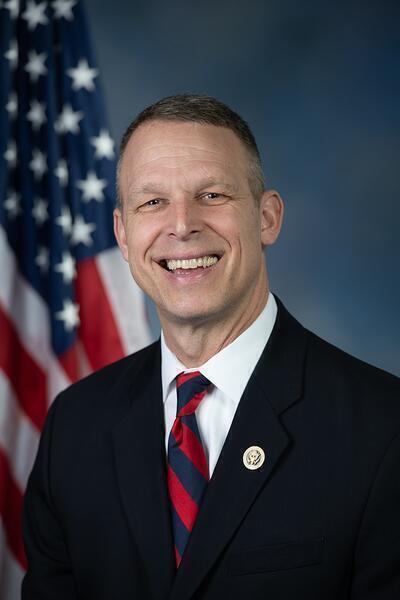
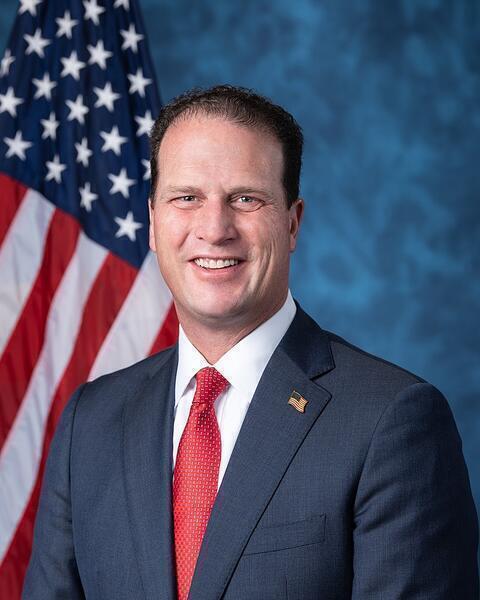
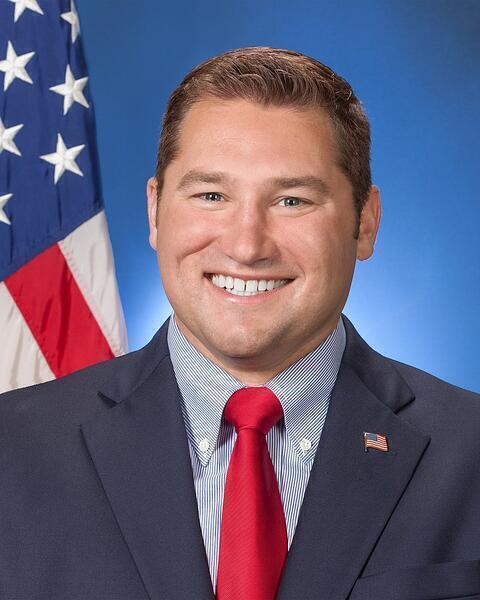
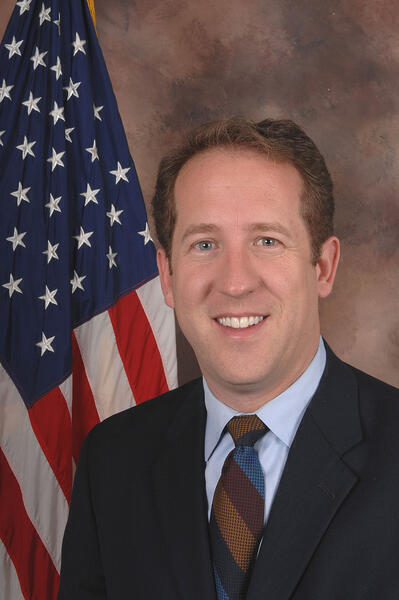
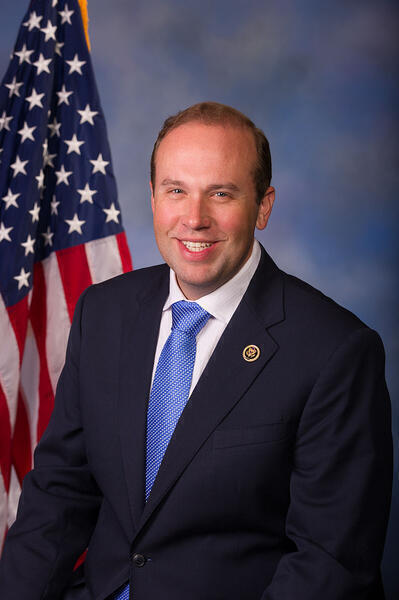
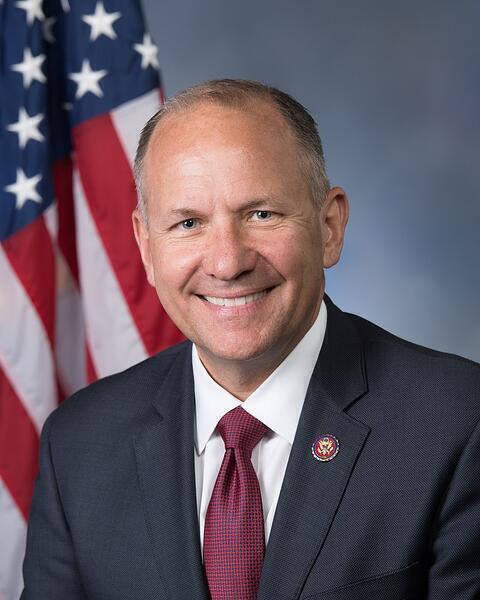
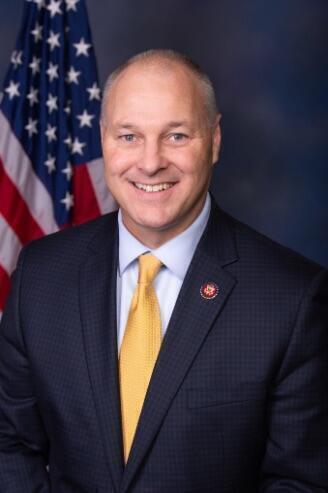
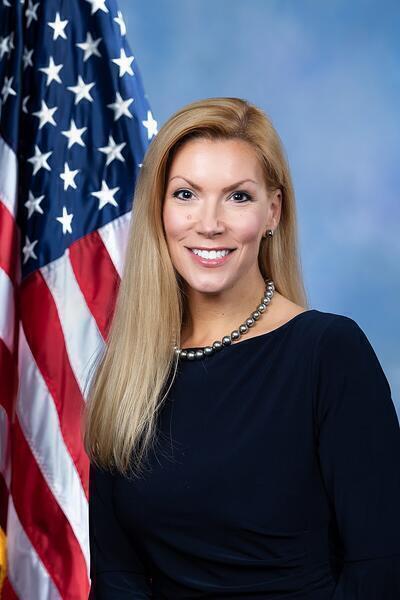
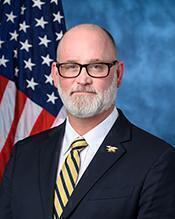
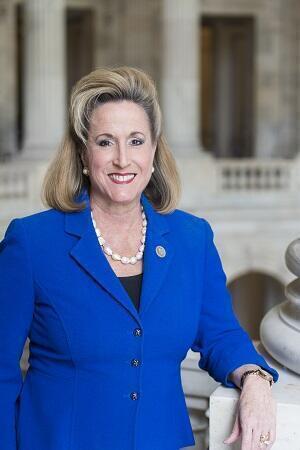
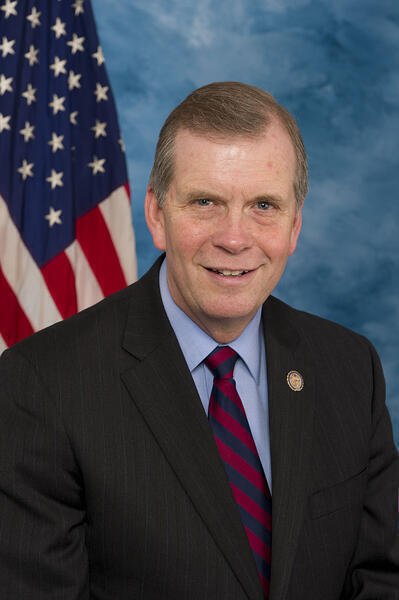
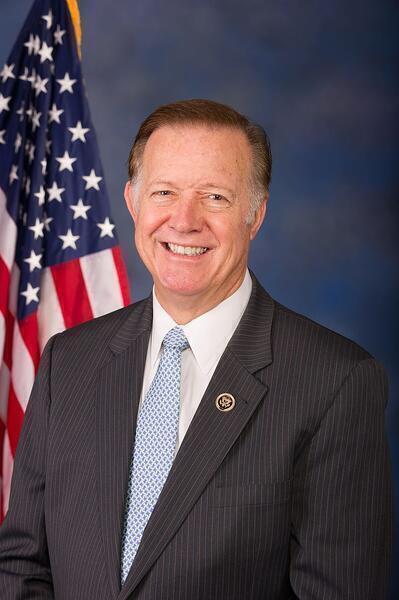
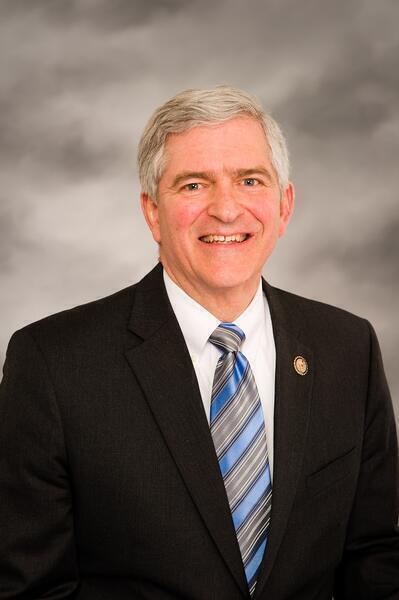
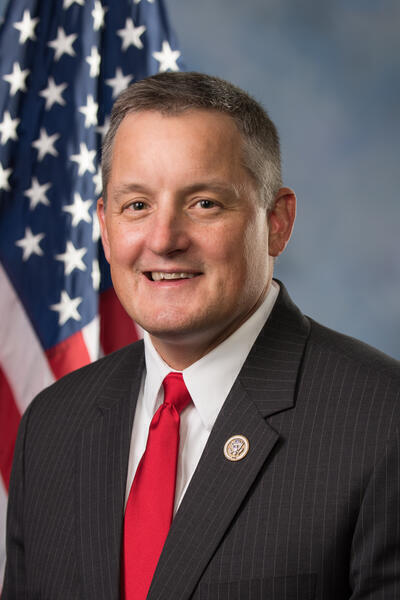
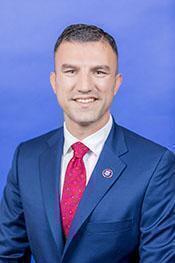
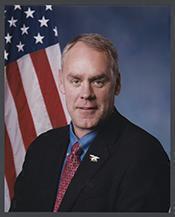
Yea (213)
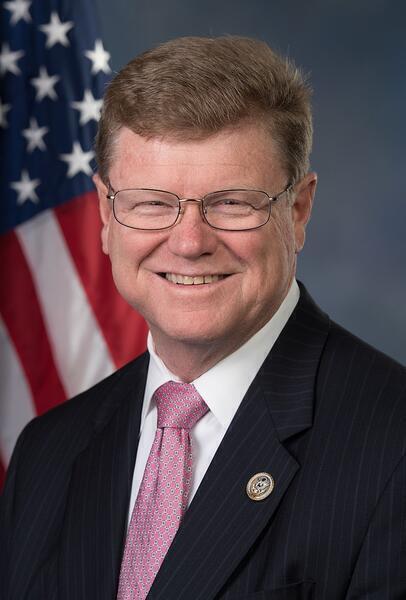

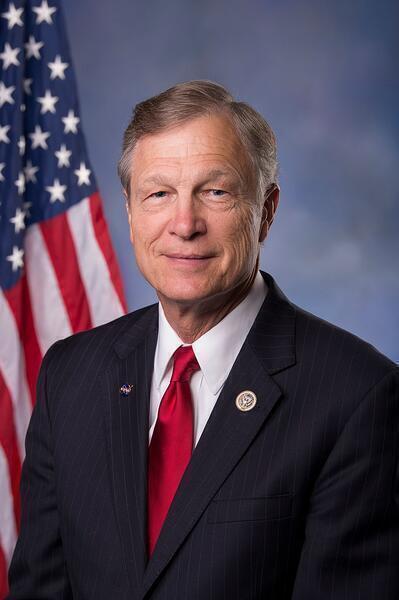
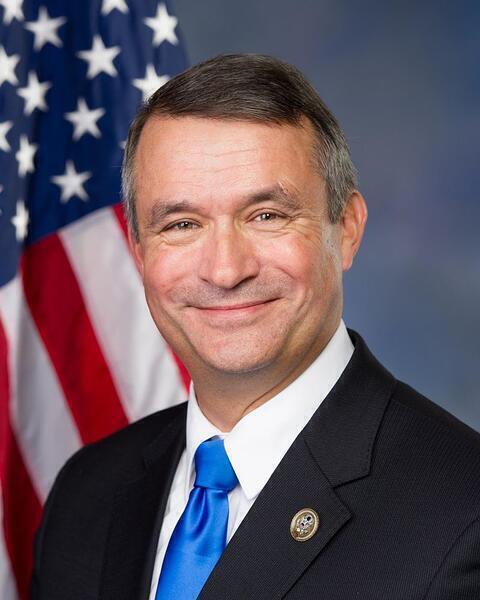
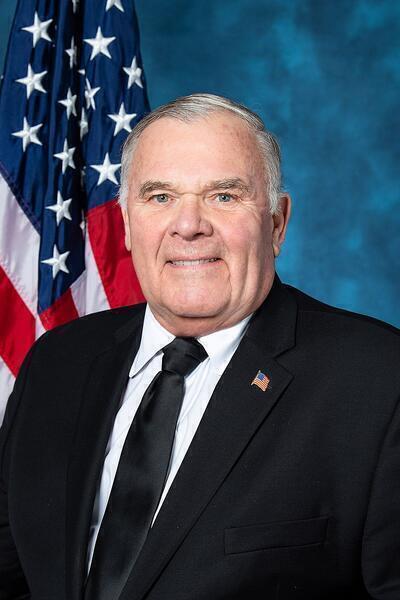

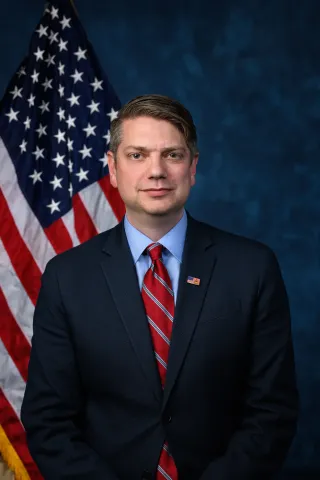
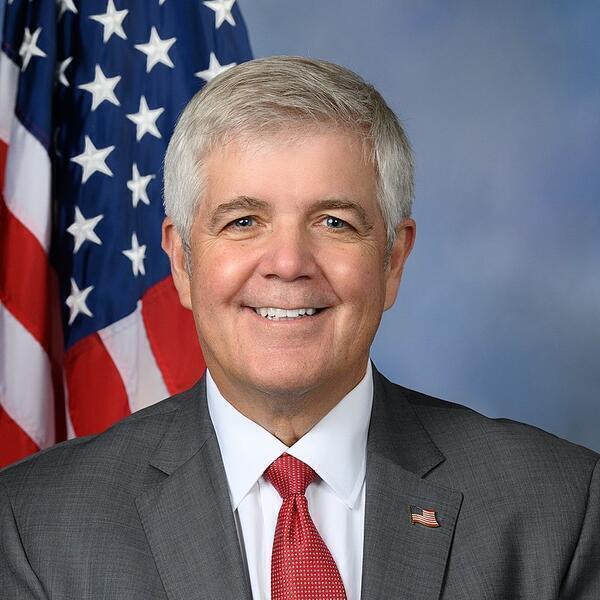
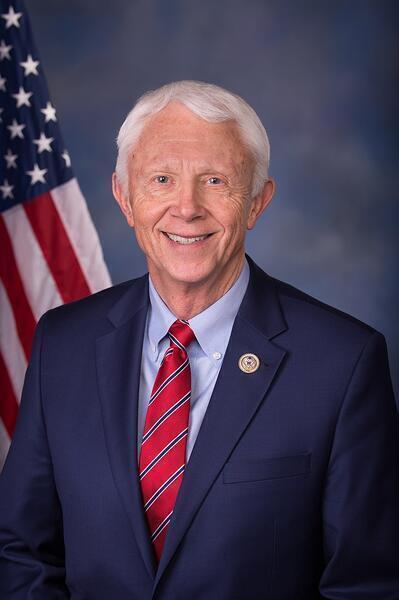
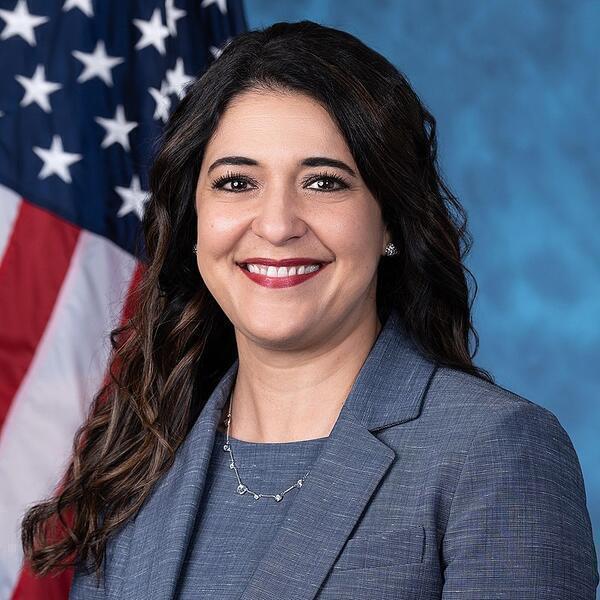
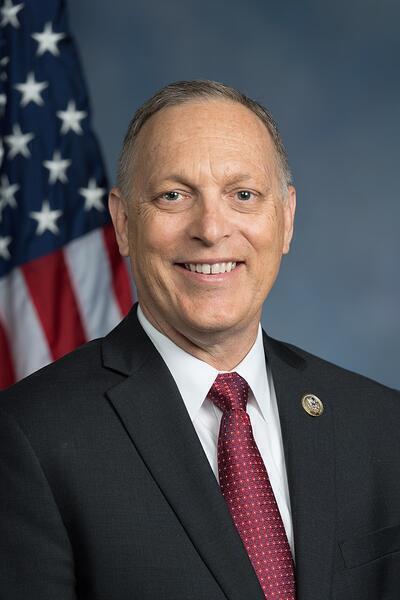
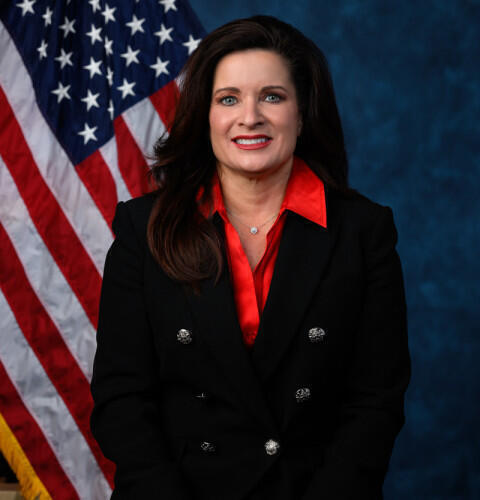
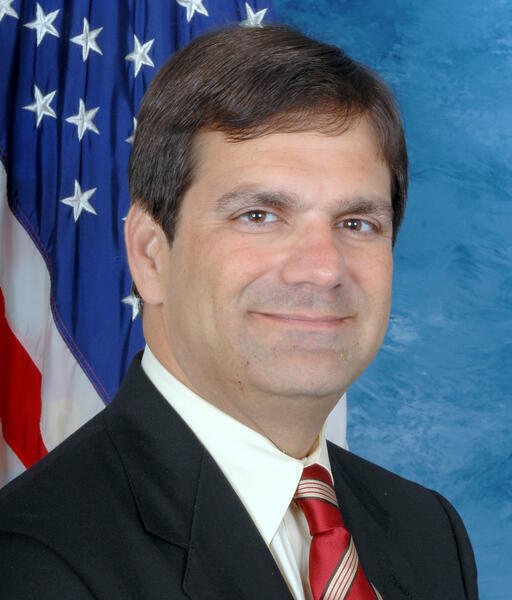
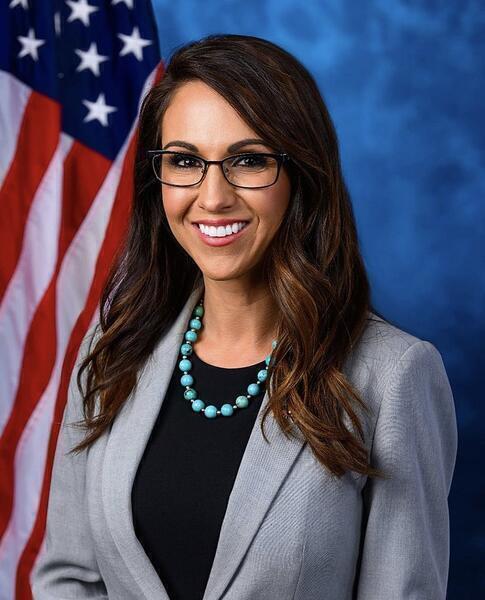
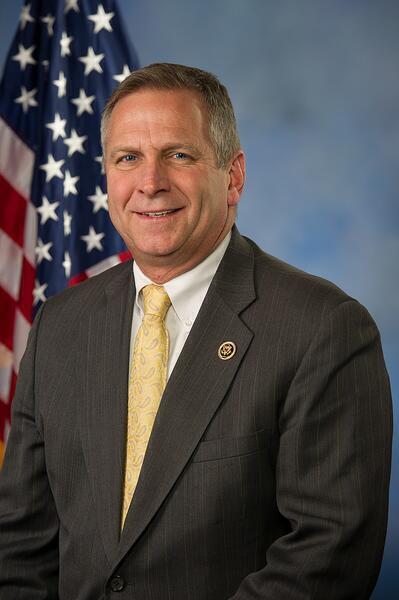
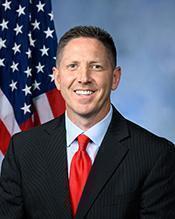
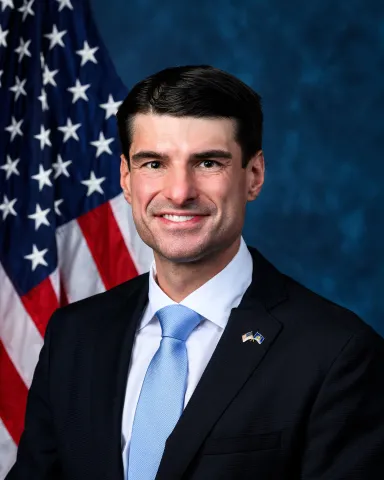
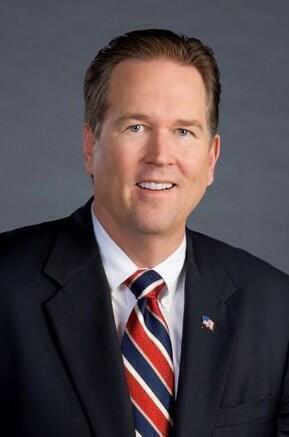
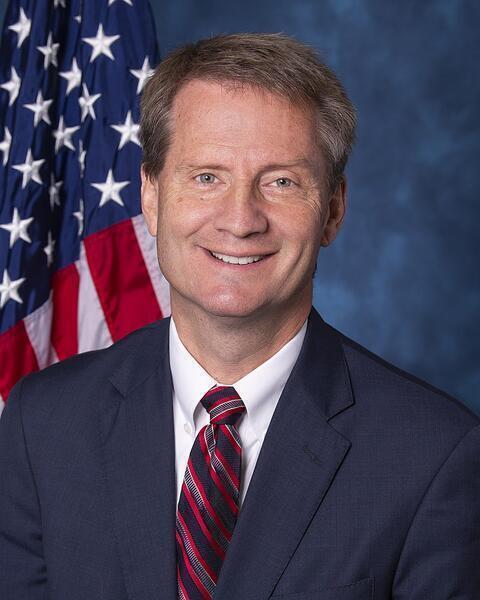
K
Ken Calvert
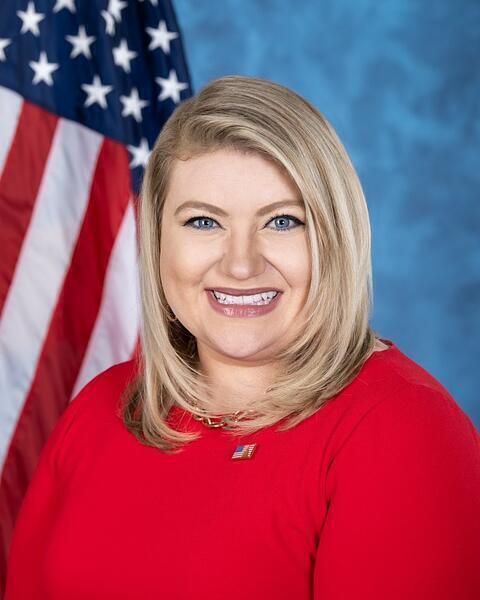
S
Scott Franklin
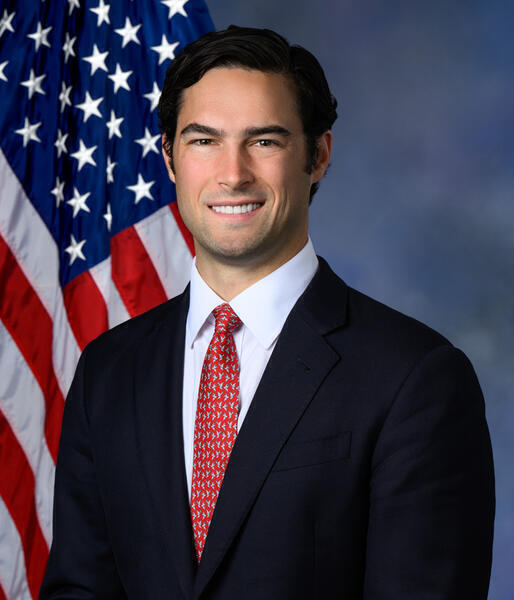
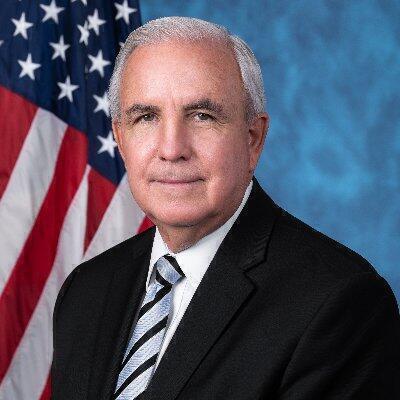


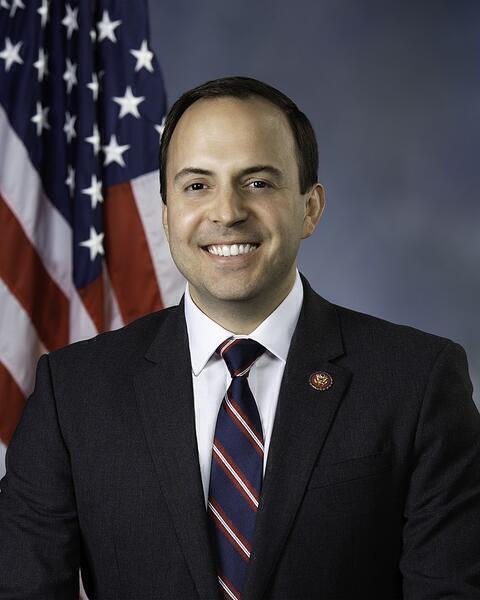
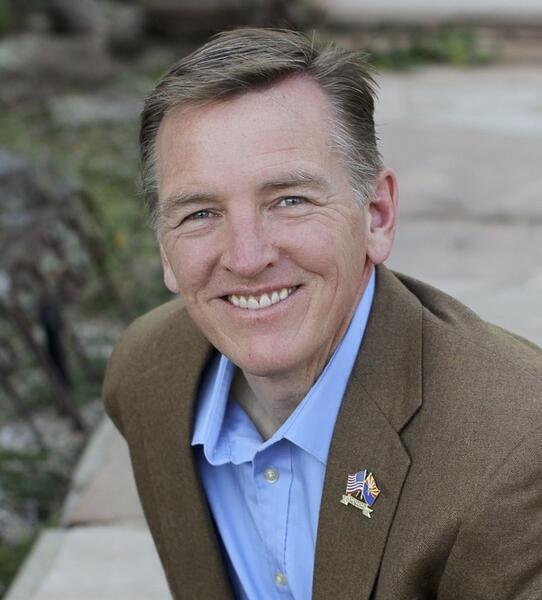


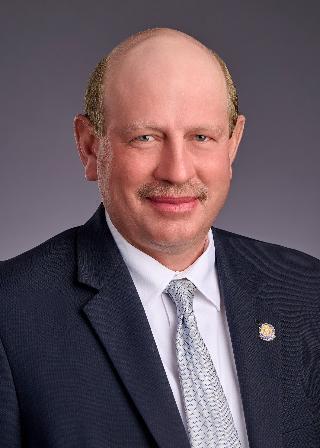
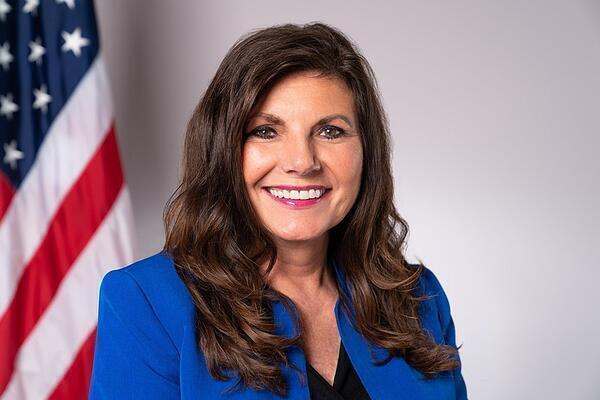
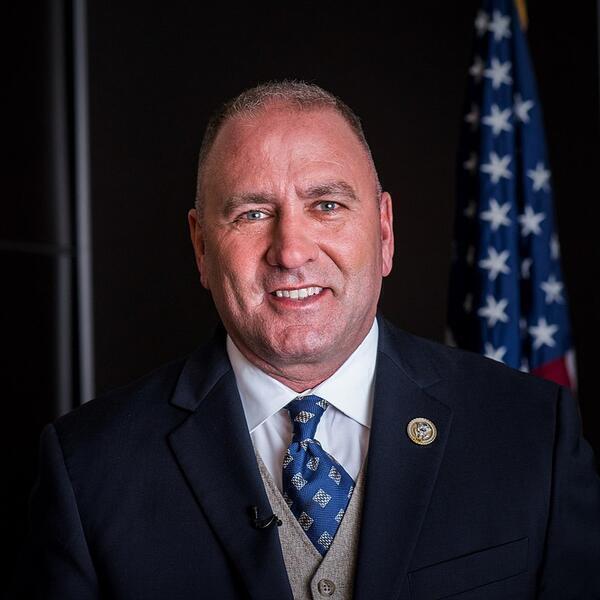
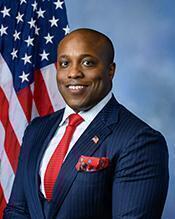
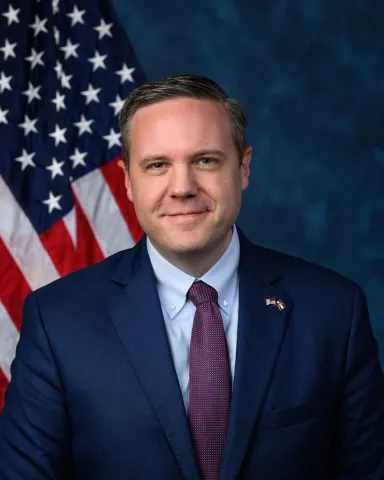
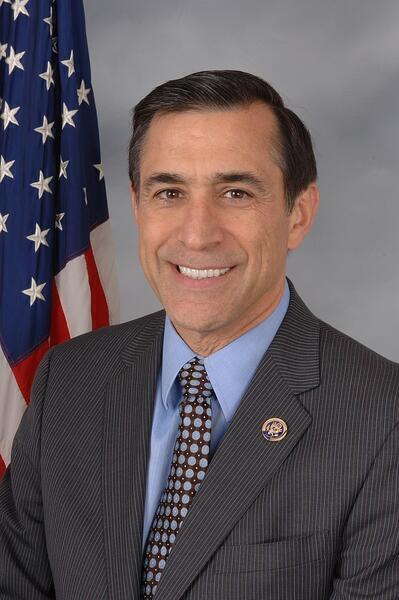
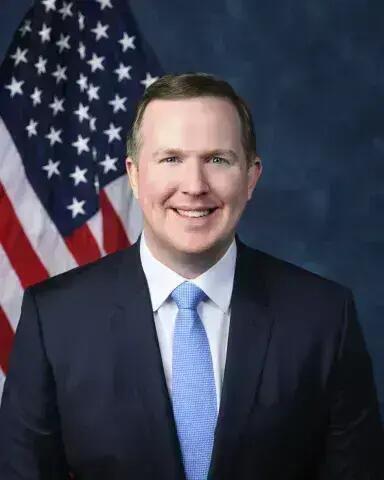



L
Lisa McClain


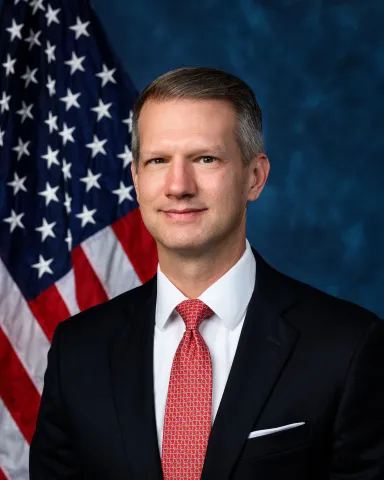
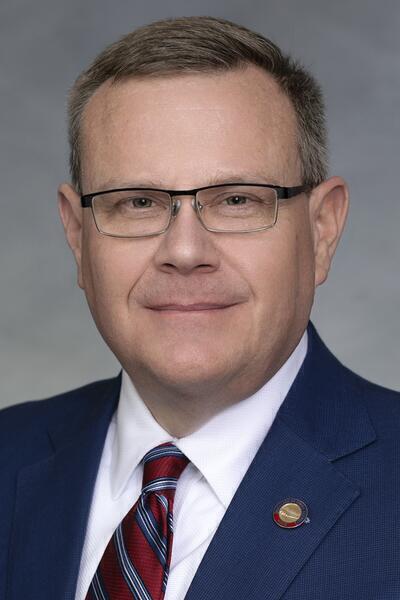
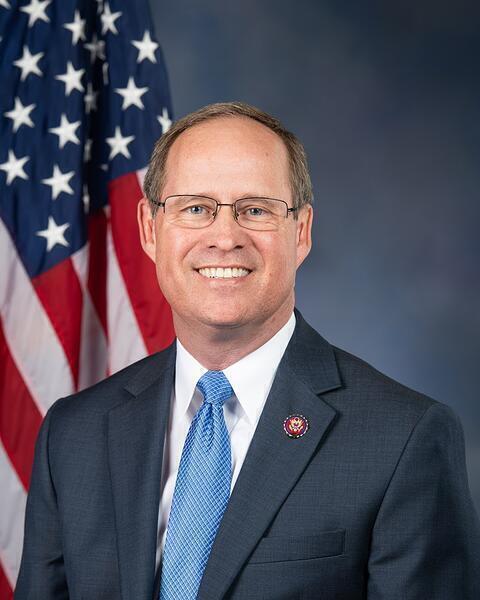

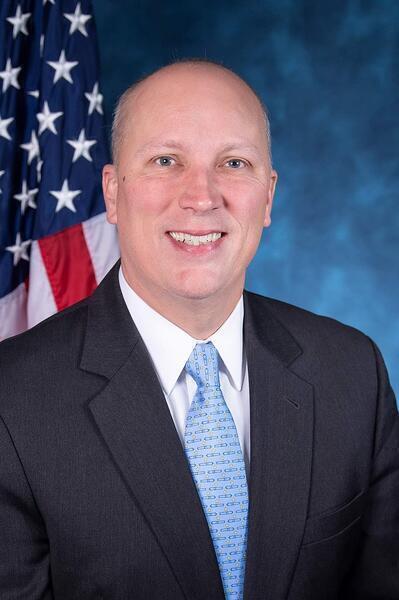
J
John Rutherford
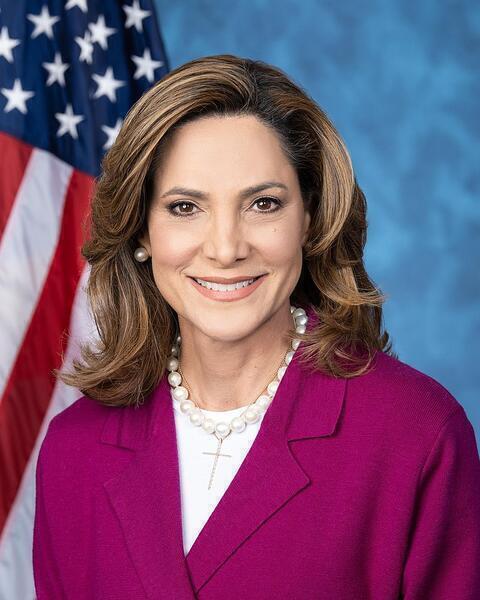
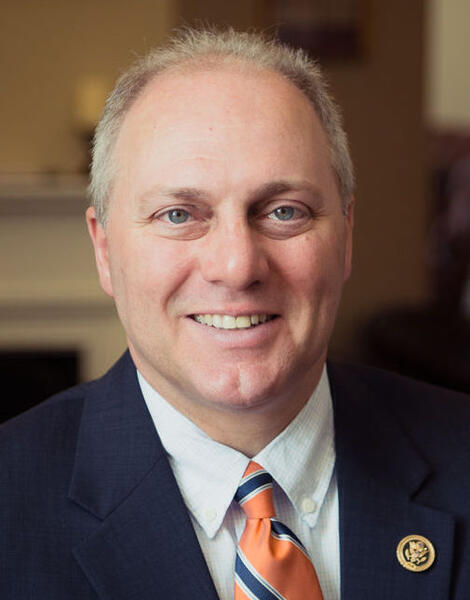
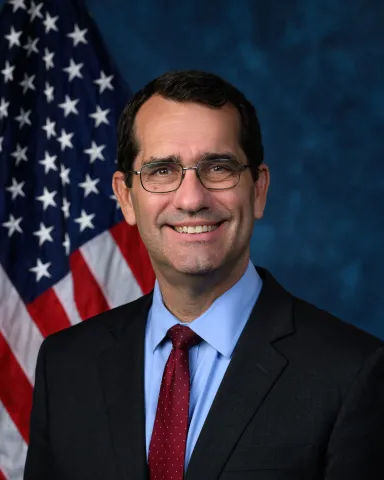
D
David Schweikert
P
Pete Sessions


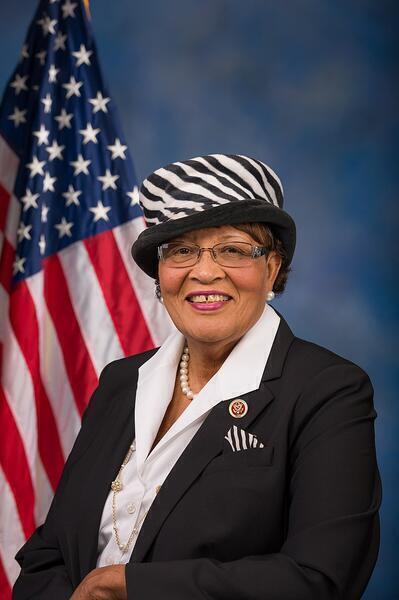
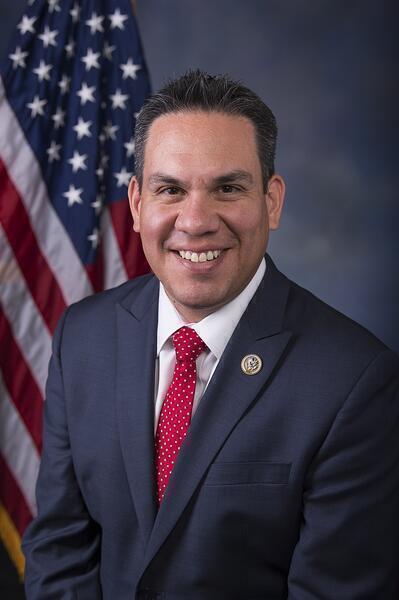
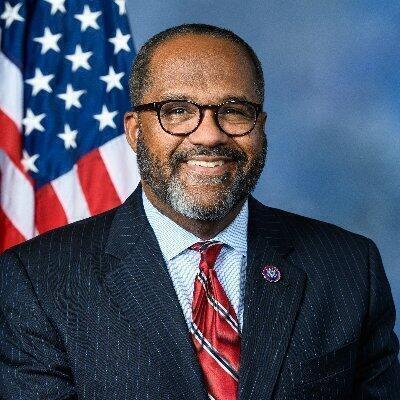
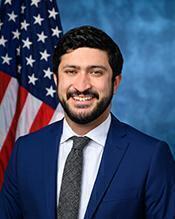
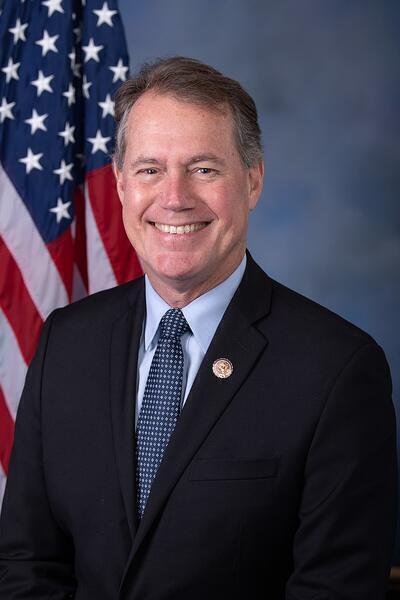
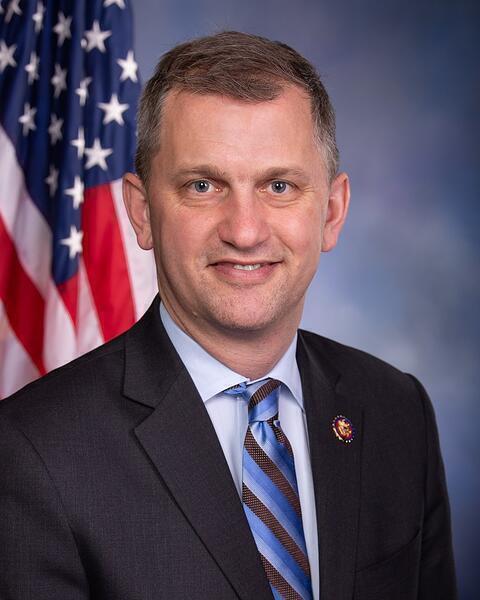
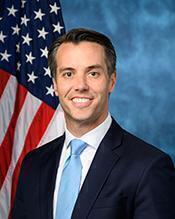
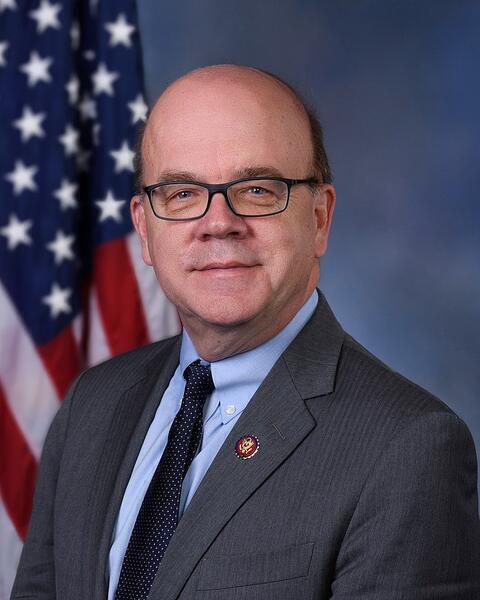
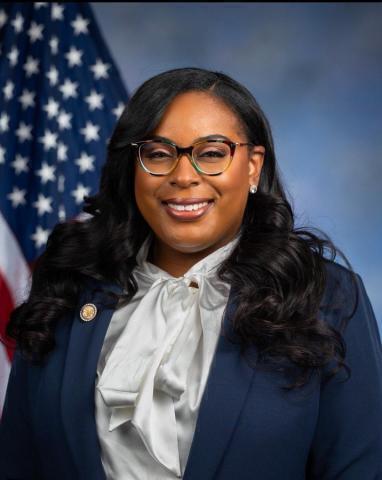
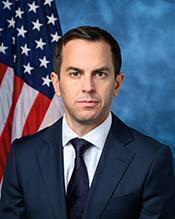
Nay (206)



J
Jason Crow



L
Lloyd Doggett
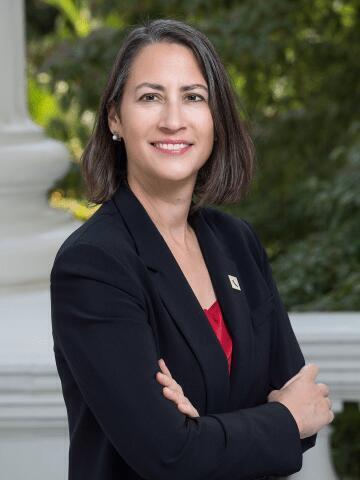
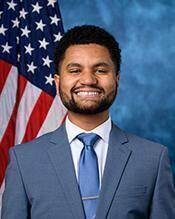
J
John Garamendi
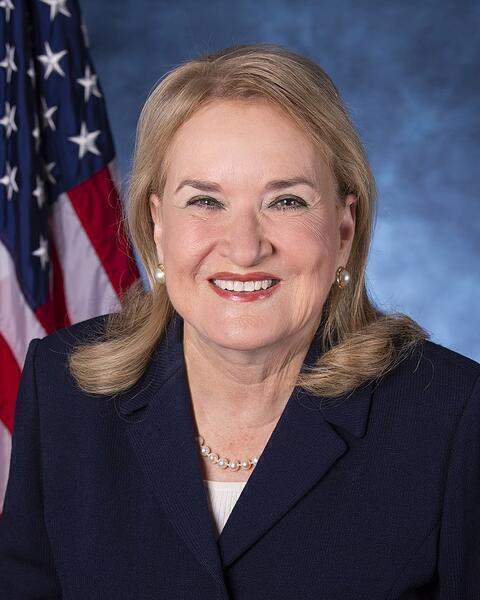
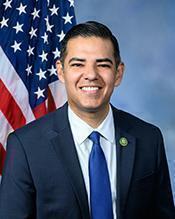


J
John Mannion
L
Lucy McBath

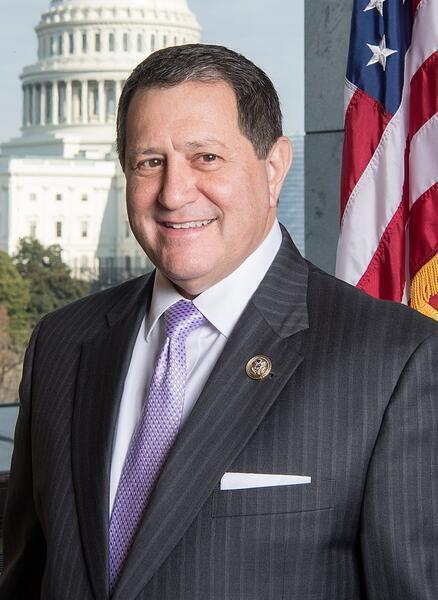
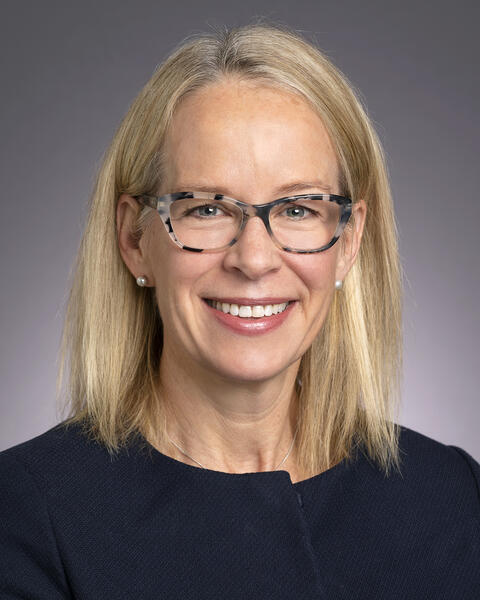
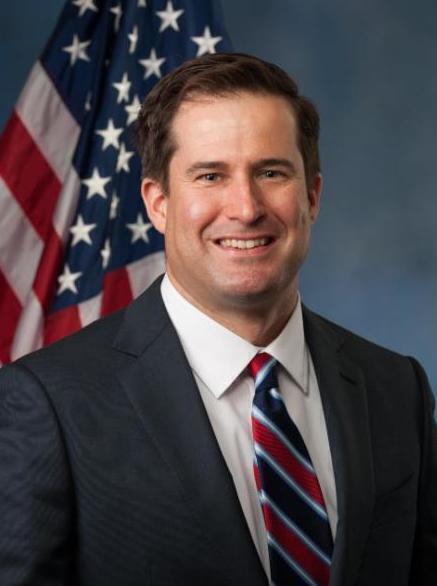


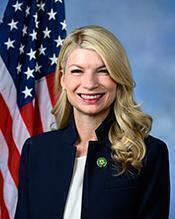

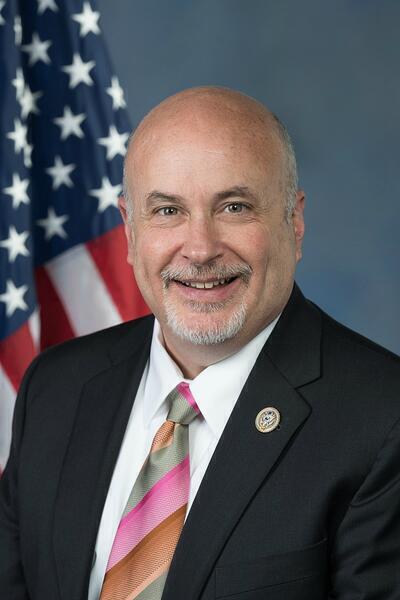

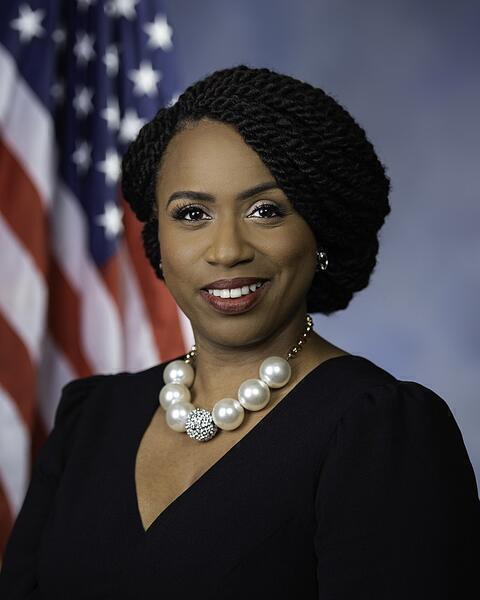
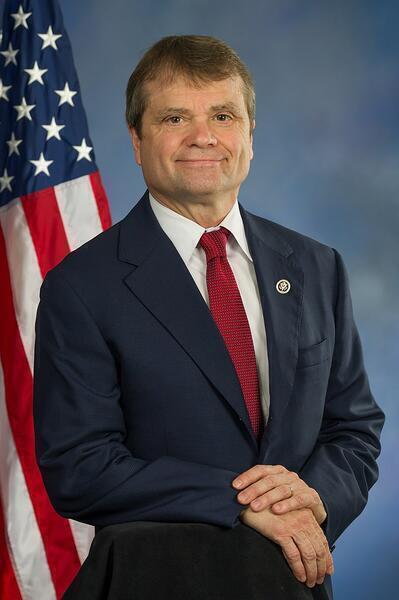
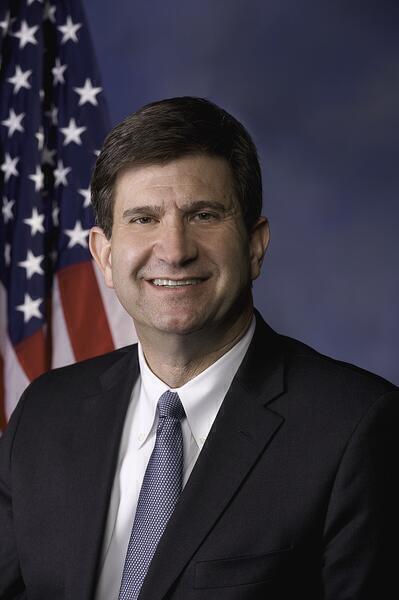
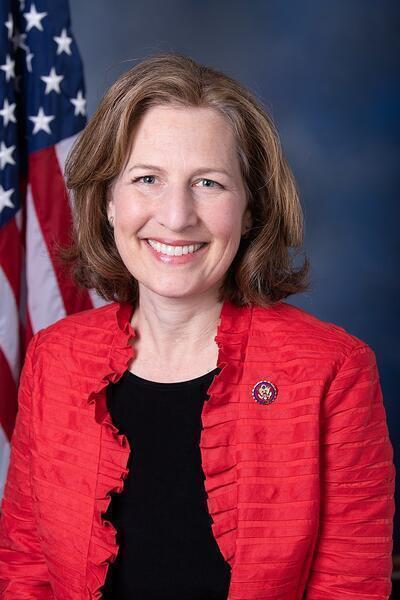
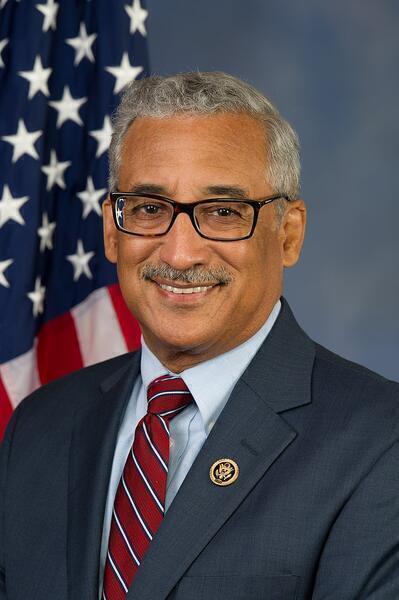
E
Eric Swalwell

R
Rashida Tlaib
N
Nydia Velázquez
D
Debbie Wasserman Schultz