S.331 — HALT Fentanyl Act
House Roll Call
S.331
| Bill | S.331 — HALT Fentanyl Act |
|---|---|
| Vote question | On Passage |
| Vote type | Yea-and-Nay |
| Result | Passed |
| Totals | Yea 321 / Nay 104 / Present 0 / Not Voting 7 |
| Party | Yea | Nay | Present | Not Voting |
|---|---|---|---|---|
| R | 217 | 1 | 0 | 2 |
| D | 104 | 103 | 0 | 5 |
| I | 0 | 0 | 0 | 0 |
Research Brief
On Passage
Bill Analysis
The HALT Fentanyl Act (S. 331), enacted as Public Law No: 119-26, aims to address the escalating crisis of fentanyl-related overdoses and trafficking in the United States. This legislation primarily focuses on enhancing the federal government’s ability to combat the proliferation of synthetic opioids by temporarily classifying fentanyl-related substances as Schedule I controlled substances under the Controlled Substances Act (CSA).
Key provisions of the HALT Fentanyl Act include the establishment of a temporary scheduling authority that allows the Attorney General to classify new fentanyl analogs as Schedule I substances for a period of five years, subject to renewal. This expedited scheduling process is designed to keep pace with the rapidly evolving nature of synthetic opioids, which often evade regulation due to slight chemical modifications.
The bill provides the Drug Enforcement Administration (DEA) with enhanced enforcement capabilities, enabling more effective monitoring and disruption of trafficking networks. It also mandates that the Department of Health and Human Services (HHS) and the DEA collaborate to develop strategies aimed at reducing the supply of fentanyl and improving public health responses to opioid overdoses.
Funding for initiatives under the HALT Fentanyl Act is expected to come from existing federal resources allocated to drug enforcement and public health programs, though specific appropriations are not detailed in the legislation.
Beneficiaries of this act include law enforcement agencies, healthcare providers, and communities affected by the opioid crisis, as it aims to reduce the availability of dangerous fentanyl analogs and improve access to treatment for substance use disorders.
The law is effective immediately upon enactment, with the temporary scheduling provisions set to last for five years, allowing for timely responses to the ongoing opioid epidemic. The act underscores the federal commitment to addressing the fentanyl crisis through enhanced regulatory measures and interagency cooperation.
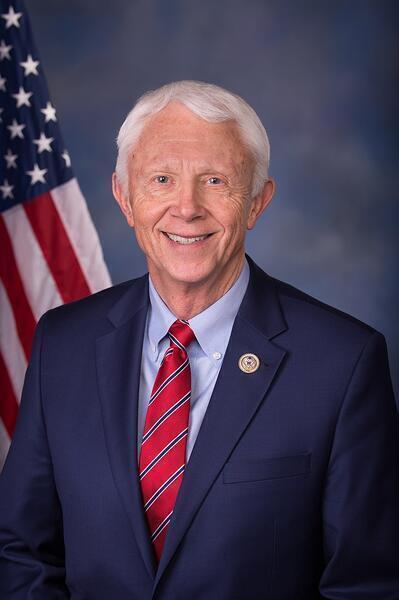
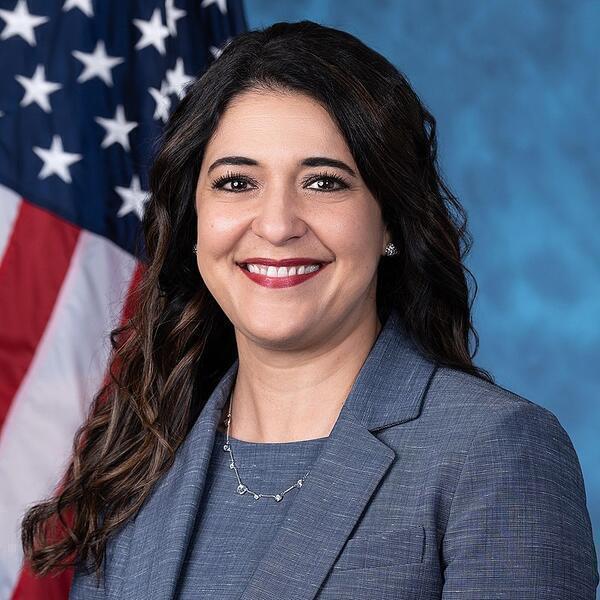
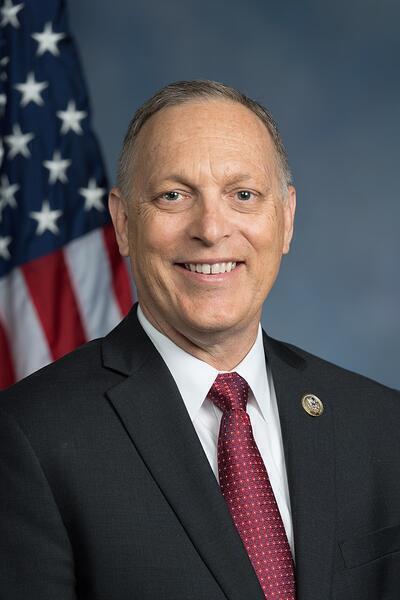
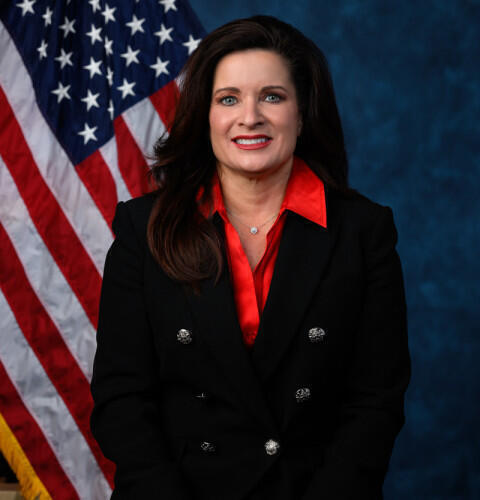
Yea (321)




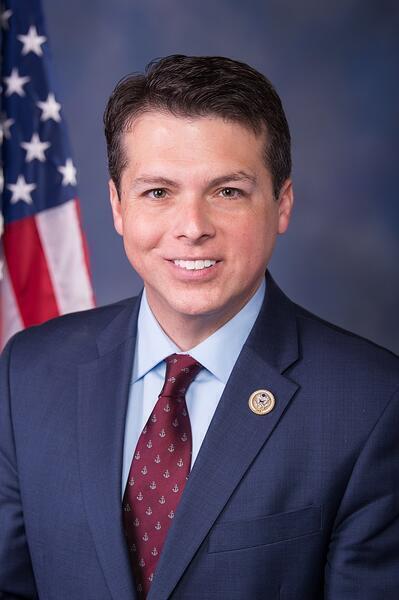
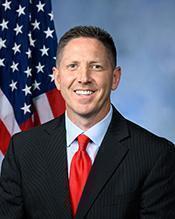
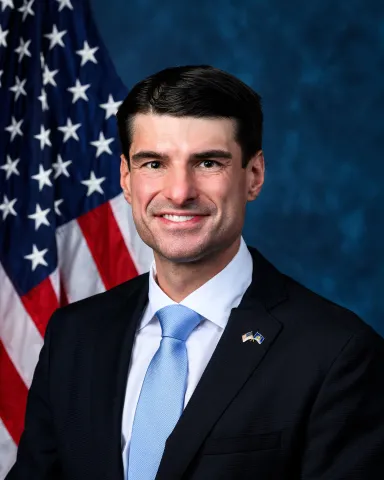

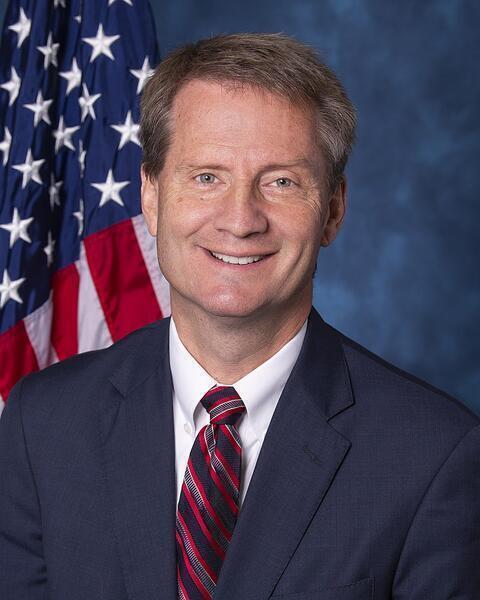
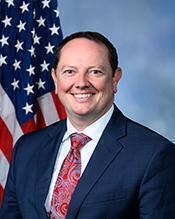

K
Ken Calvert
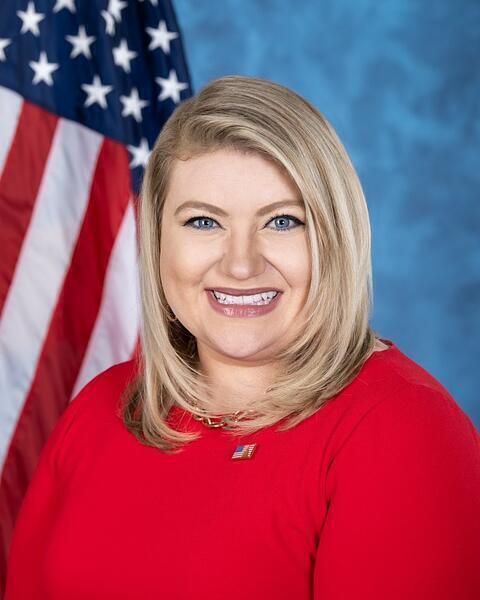
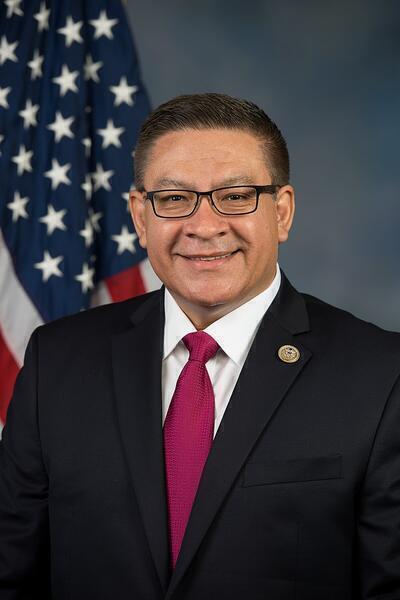

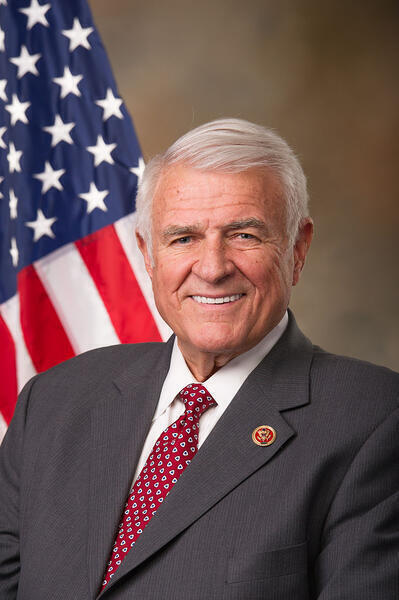















S
Scott Franklin

J
John Garamendi




M
Mark Green





















J
John Mannion

L
Lisa McClain
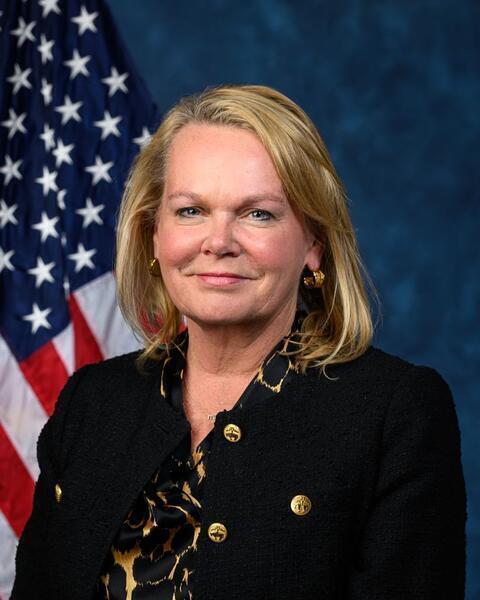


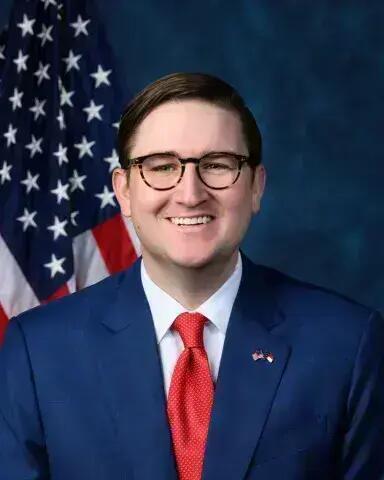


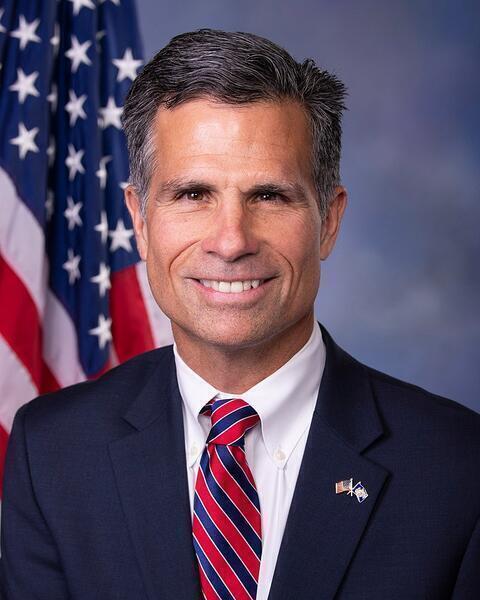





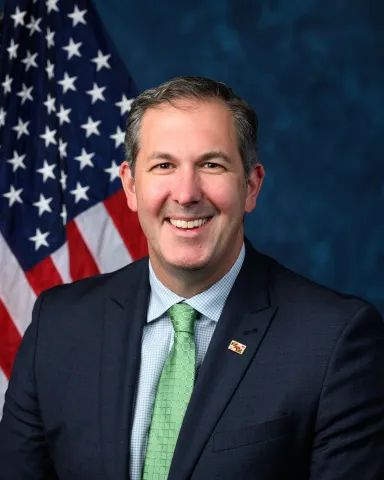
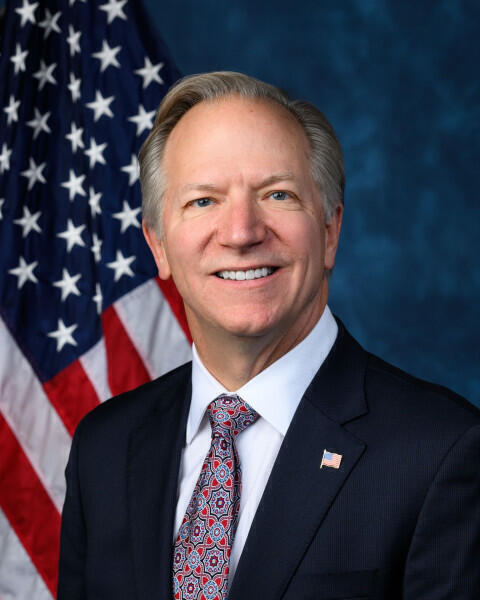
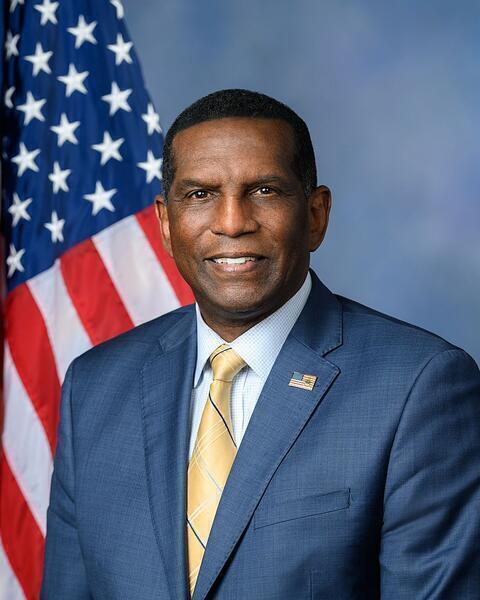

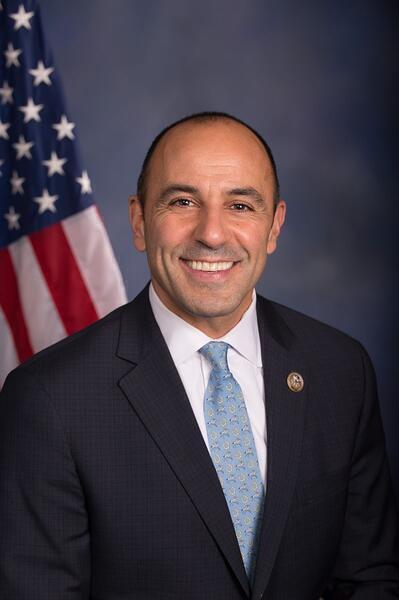

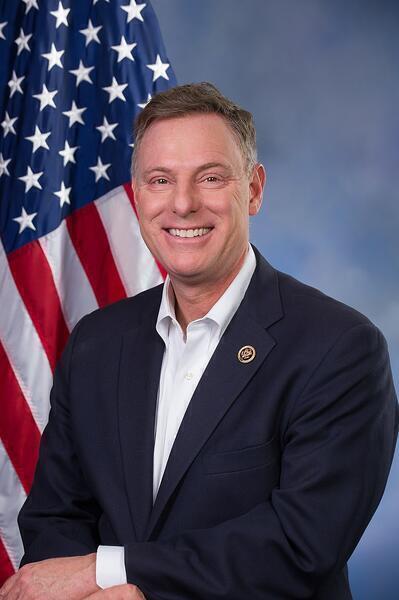
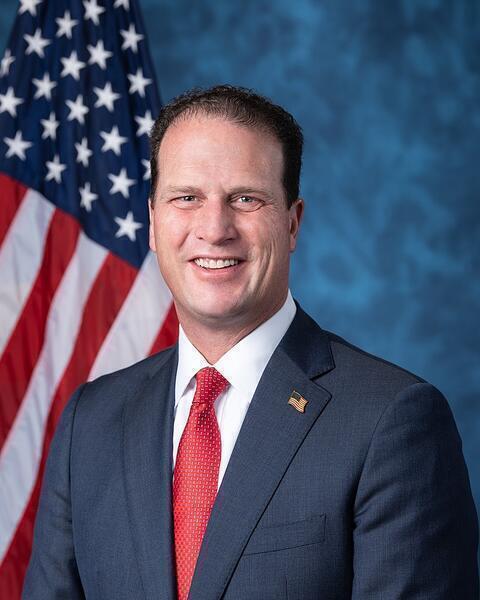

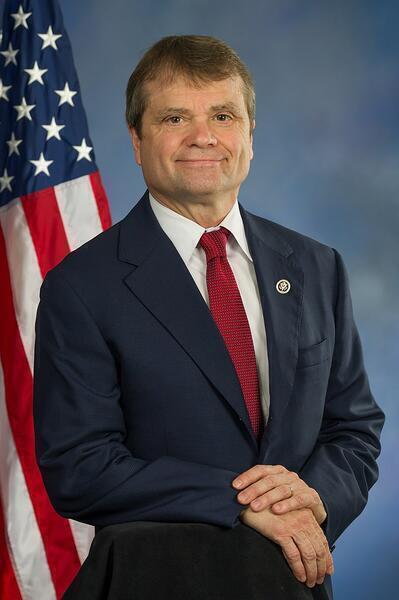
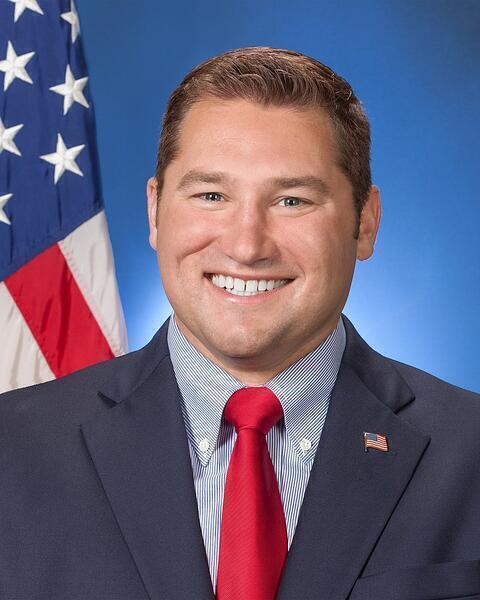




J
John Rutherford


D
David Schweikert
P
Pete Sessions




E
Eric Swalwell




D
Debbie Wasserman Schultz





Nay (104)
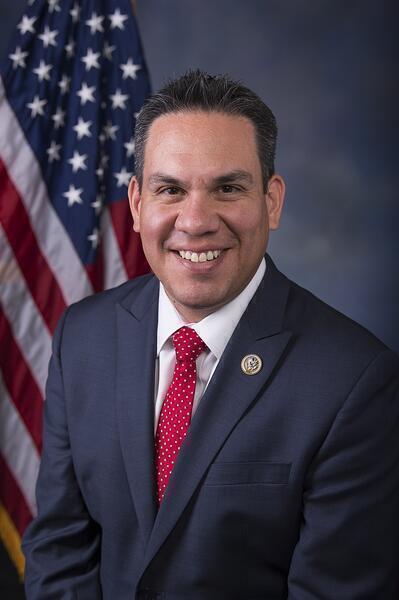



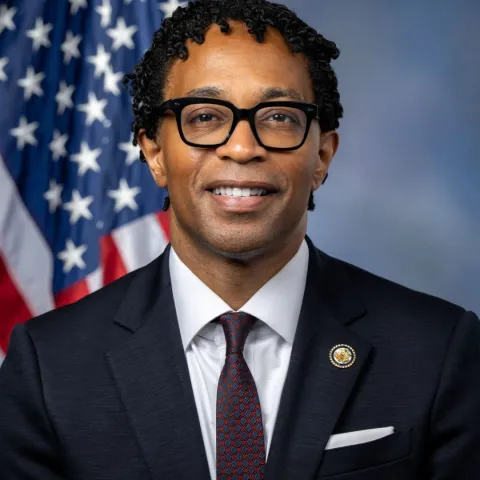
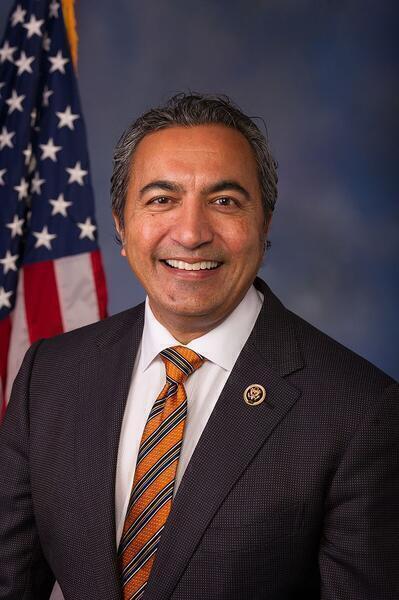
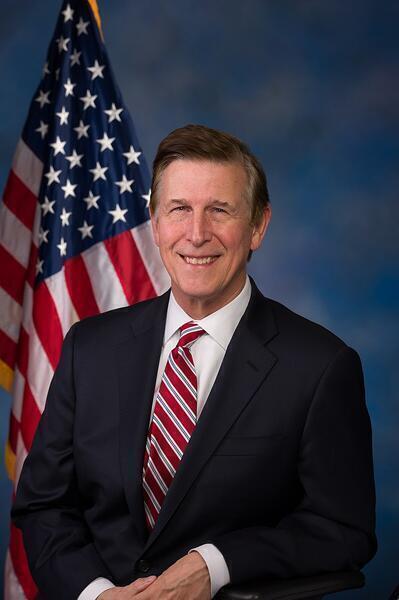


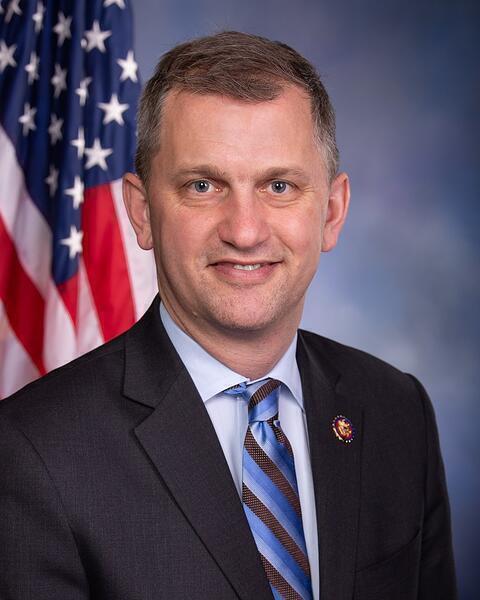
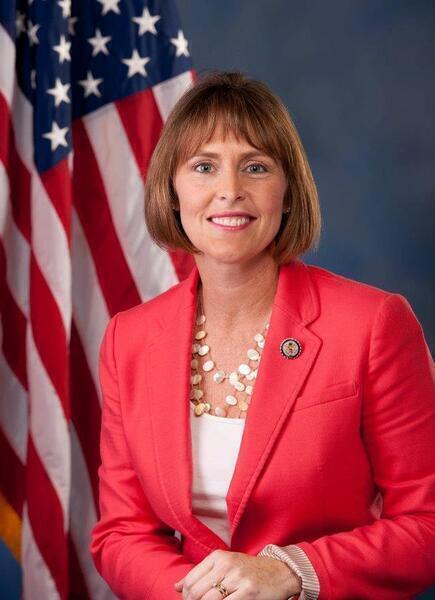
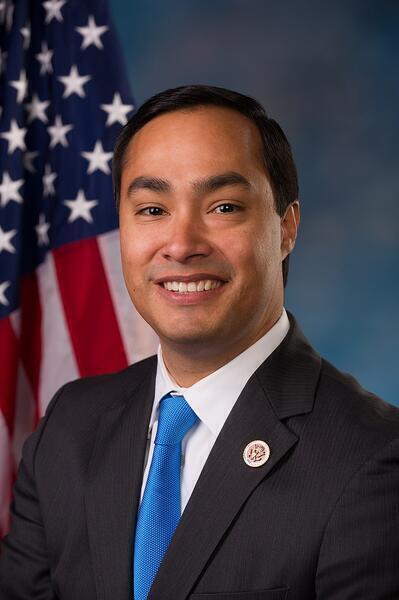
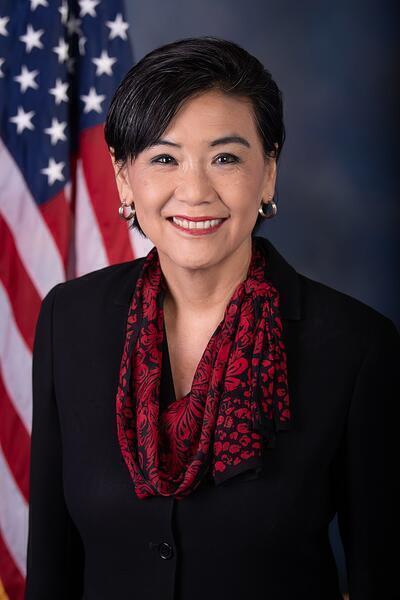
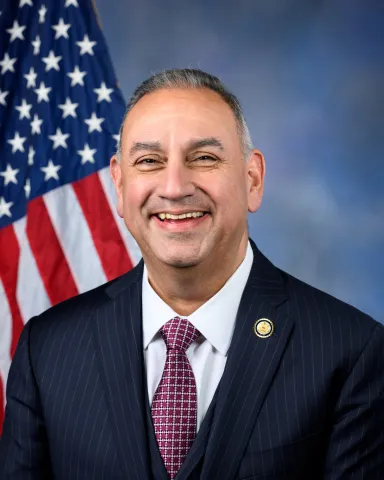

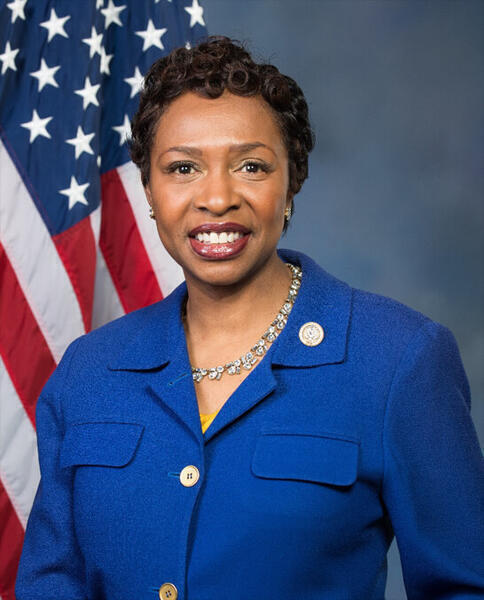
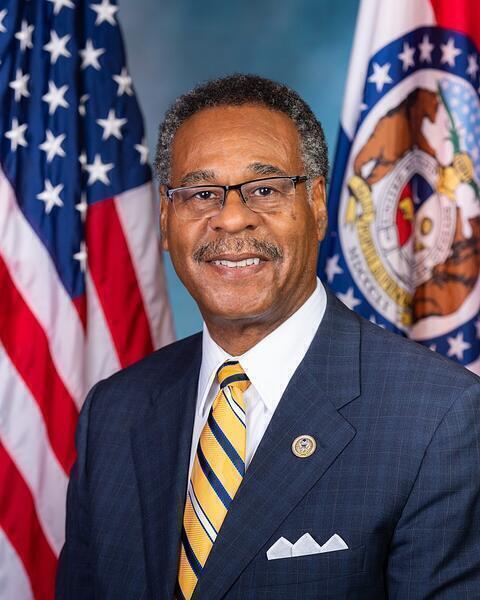


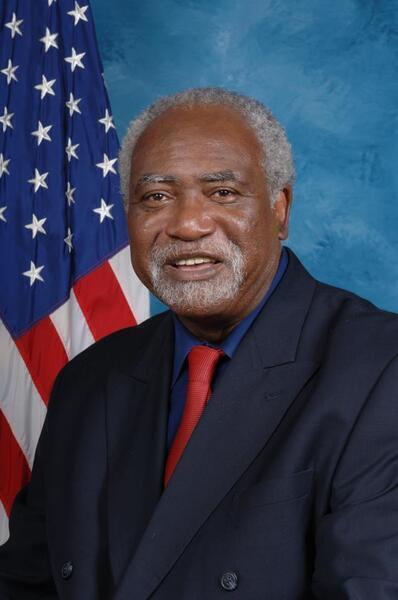
J
Jason Crow



L
Lloyd Doggett








L
Lucy McBath











R
Rashida Tlaib

N
Nydia Velázquez