H.R.27 — HALT Fentanyl Act
House Roll Call
H.R.27
| Bill | H.R.27 — HALT Fentanyl Act |
|---|---|
| Vote question | On Agreeing to the Amendment |
| Vote type | Yea-and-Nay |
| Result | Failed |
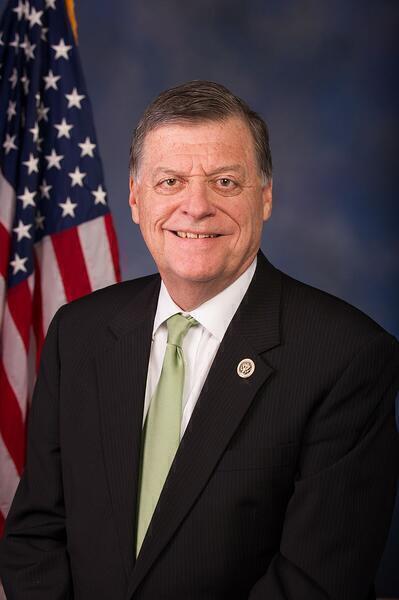
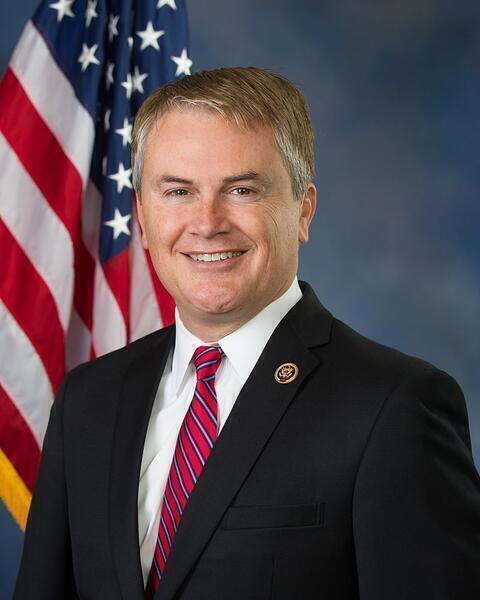
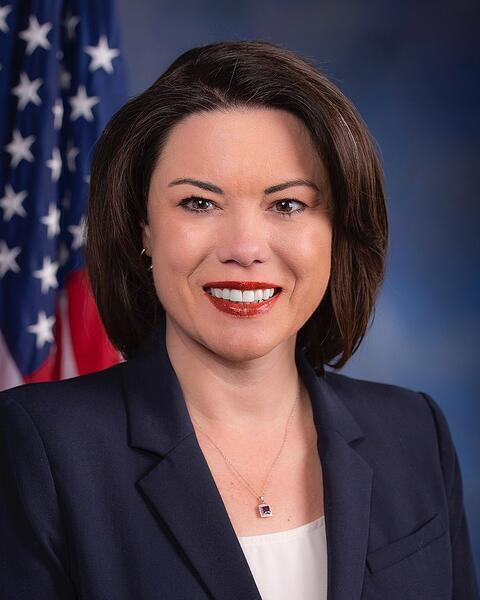
| Totals | Yea 182 / Nay 226 / Present 0 / Not Voting 24 |
| Party | Yea | Nay | Present | Not Voting |
|---|---|---|---|---|
| R | 0 | 202 | 0 | 15 |
| D | 182 | 24 | 0 | 9 |
| I | 0 | 0 | 0 | 0 |
Research Brief
On Agreeing to the Amendment
Bill Analysis
The HALT Fentanyl Act (HR 27) aims to address the escalating crisis of fentanyl-related overdoses and trafficking in the United States. This legislation seeks to permanently classify fentanyl and its analogs as Schedule I controlled substances under the Controlled Substances Act, thereby imposing stricter regulations on their manufacture, distribution, and possession.
Key provisions of the bill include the establishment of a permanent ban on the temporary scheduling of fentanyl analogs, which had previously been subject to temporary measures. This change is intended to close loopholes that allow manufacturers to evade legal consequences by slightly altering the chemical structure of fentanyl. By making these substances permanently classified, the bill aims to enhance law enforcement’s ability to combat the trafficking of these dangerous drugs.
The bill authorizes funding for various federal agencies, including the Drug Enforcement Administration (DEA) and the Department of Homeland Security (DHS), to bolster their efforts in combating the distribution of fentanyl. This includes increased resources for interdiction, investigation, and prosecution of individuals and organizations involved in the trafficking of fentanyl and its analogs.
Beneficiaries of the HALT Fentanyl Act include law enforcement agencies, public health officials, and communities affected by the opioid crisis. The legislation is designed to protect public health by reducing the availability of fentanyl and its analogs, which have been linked to a significant rise in overdose deaths across the country.
Key timelines include the bill’s introduction and subsequent referral to the Senate Judiciary Committee, where it will undergo further consideration. The urgency of the bill is underscored by the ongoing opioid epidemic, with fentanyl being a leading cause of overdose deaths in the U.S. The act represents a critical step in federal efforts to mitigate the impact of this public health crisis.
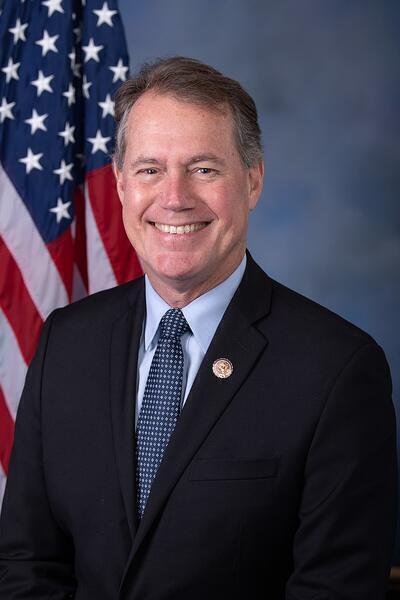
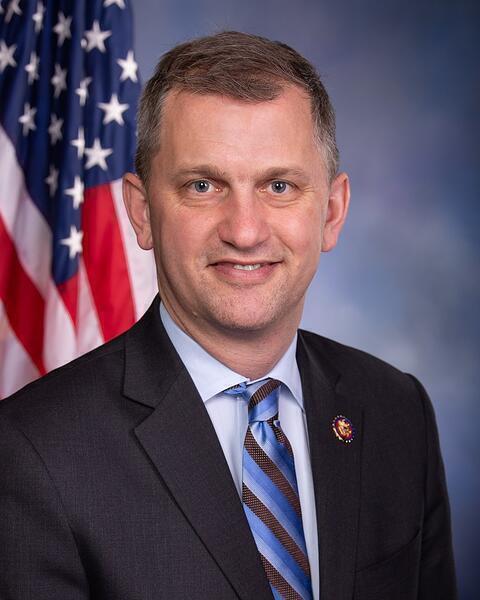
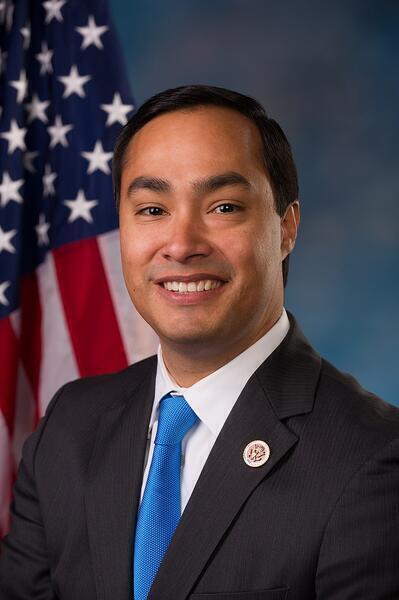
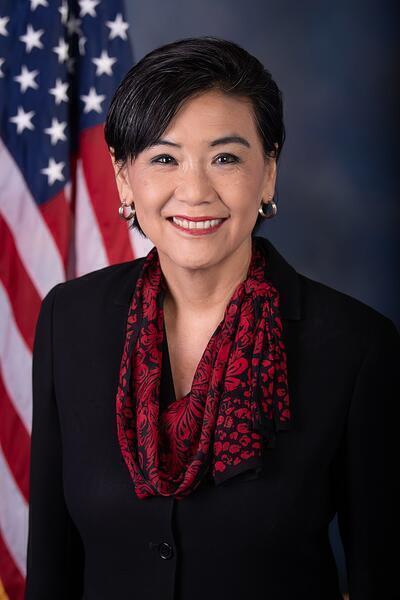
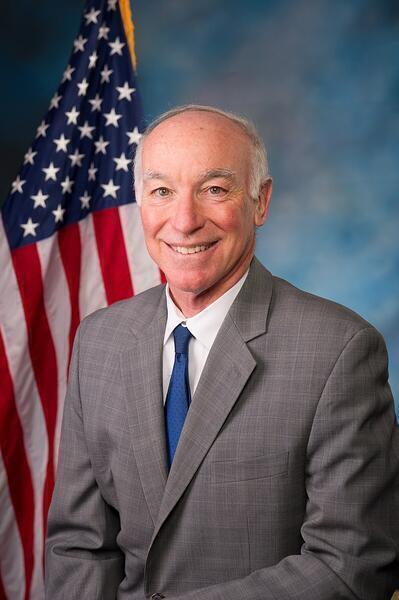
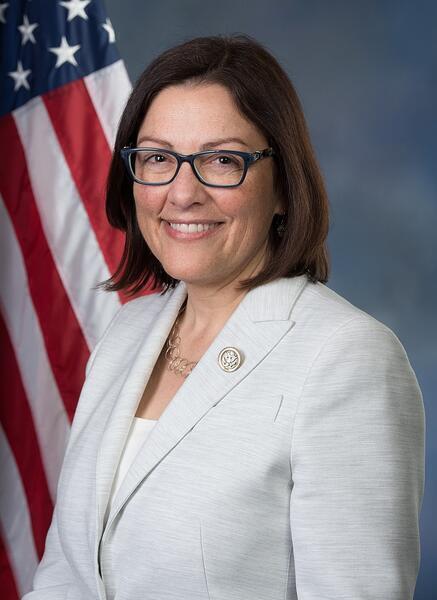
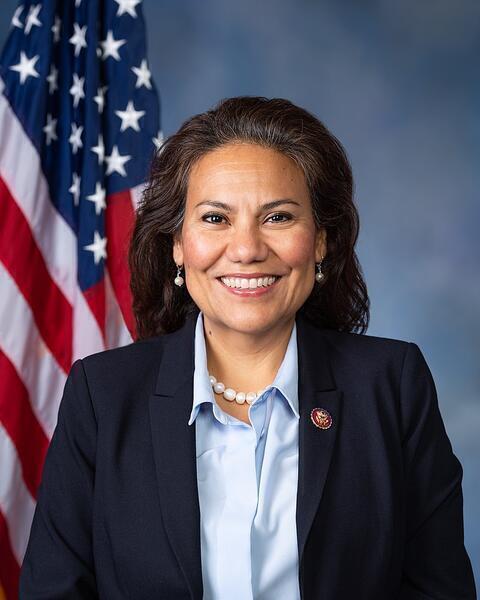
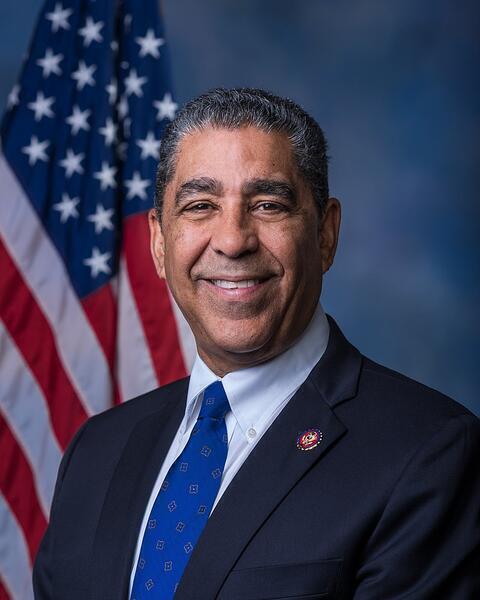
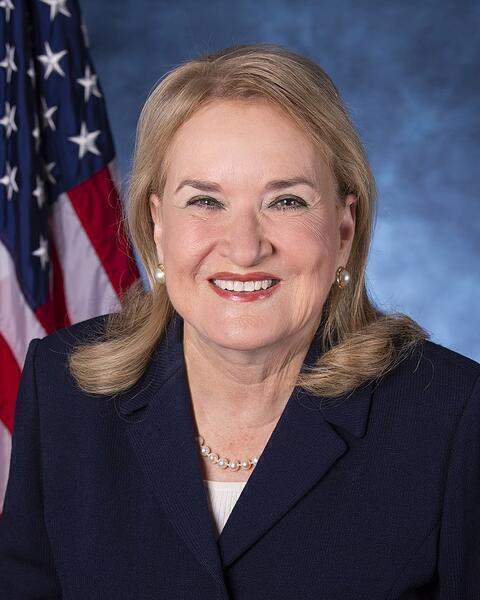
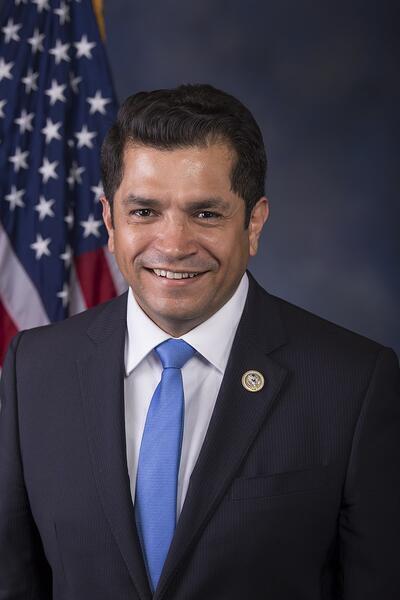
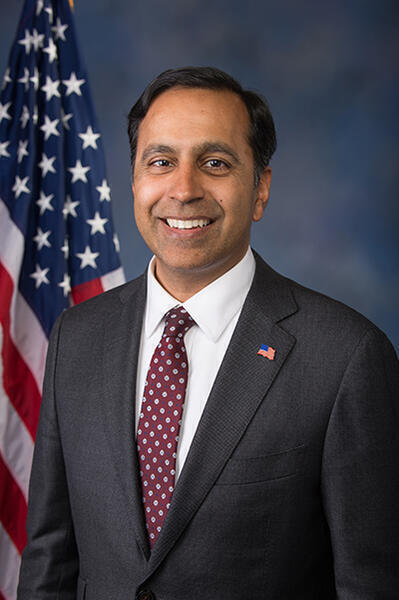
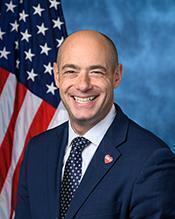
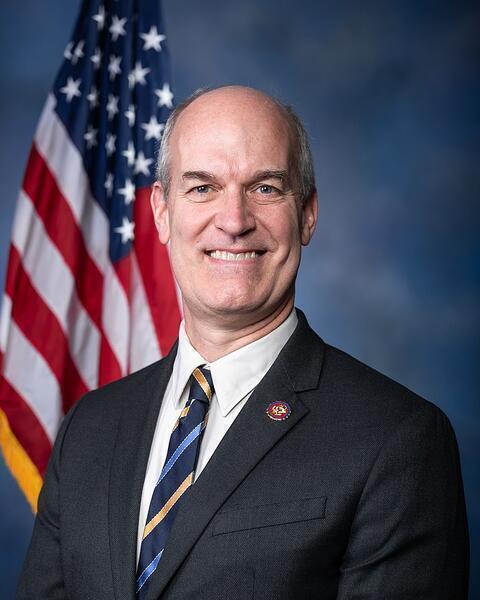
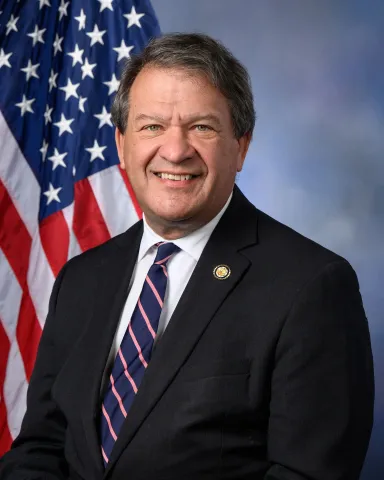
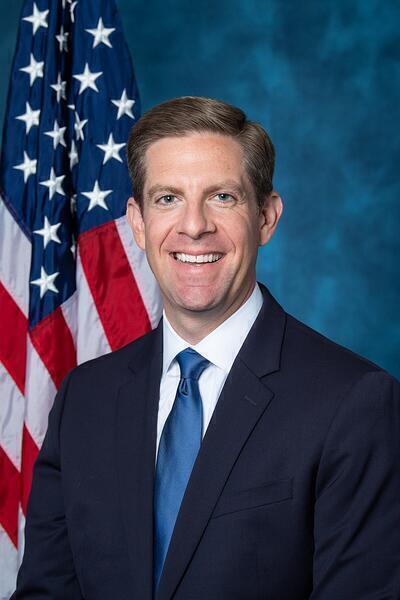
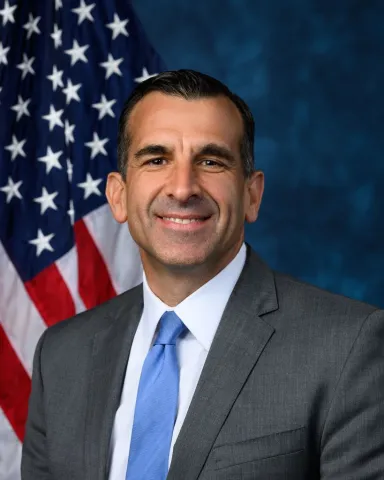
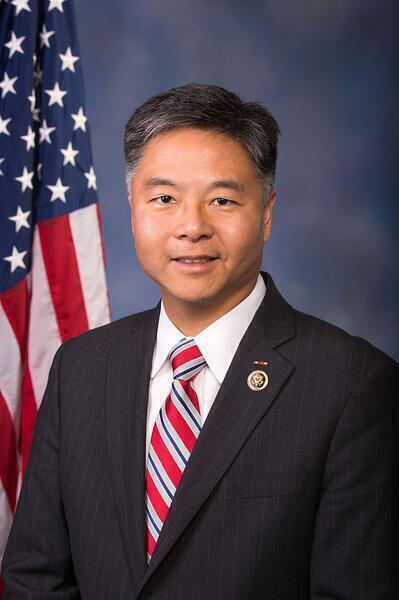
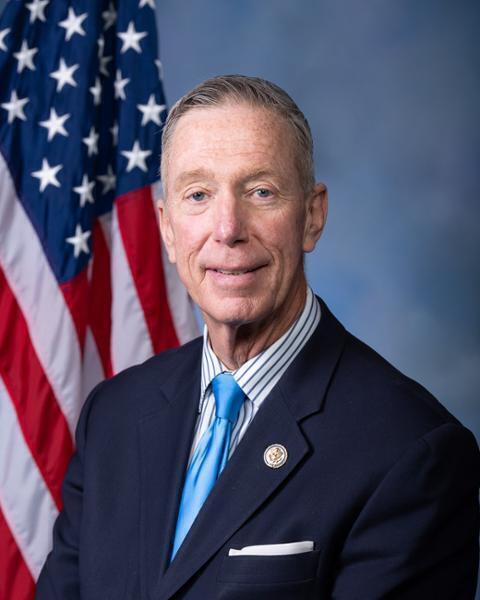
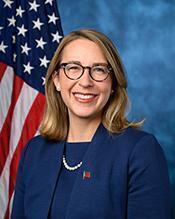
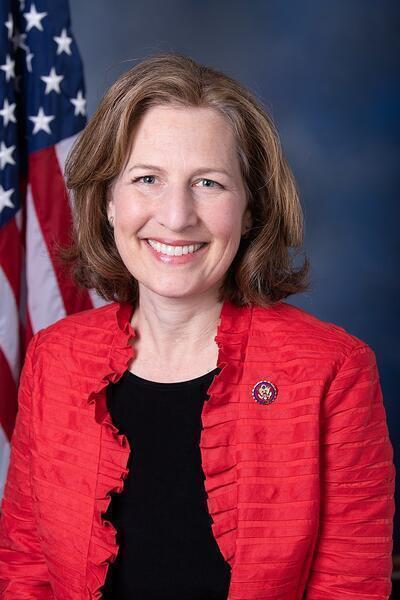
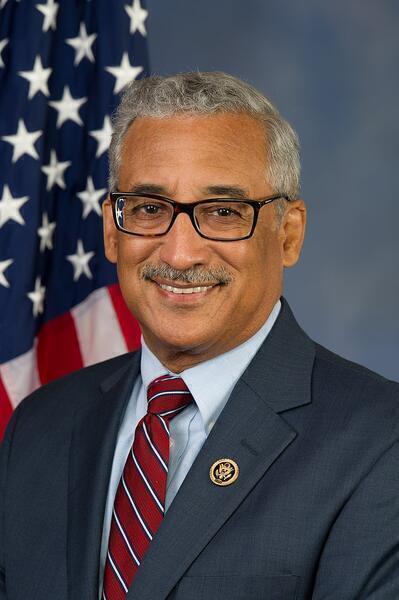
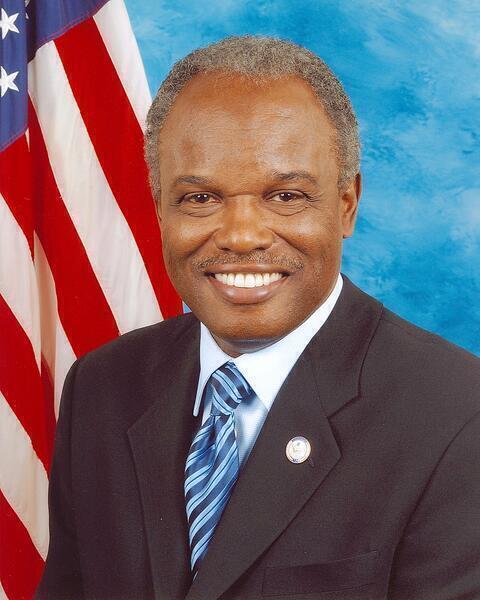
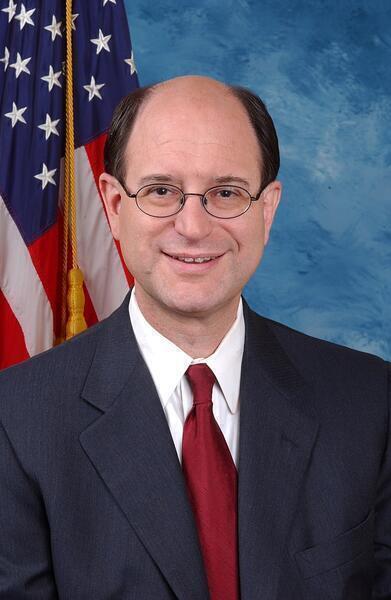
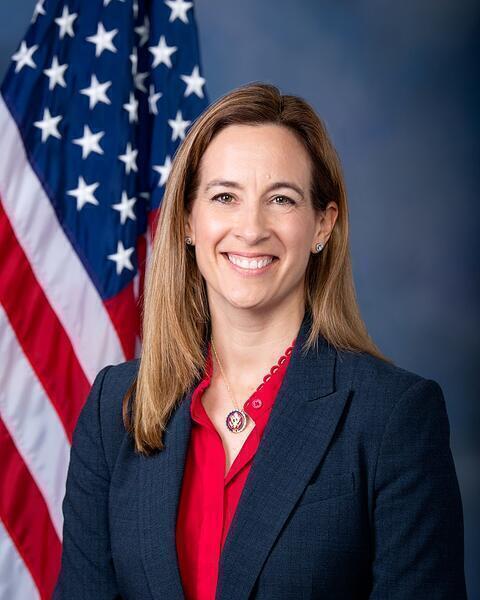
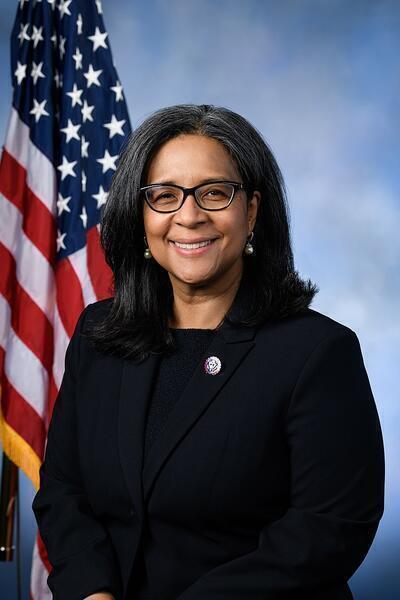
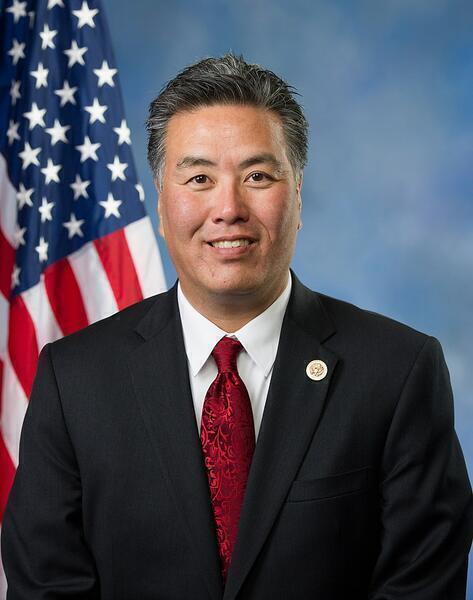
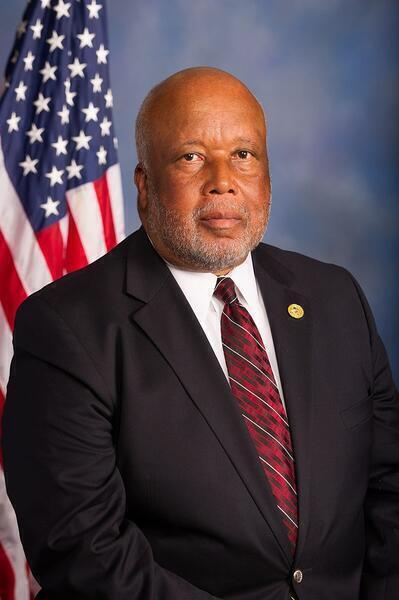
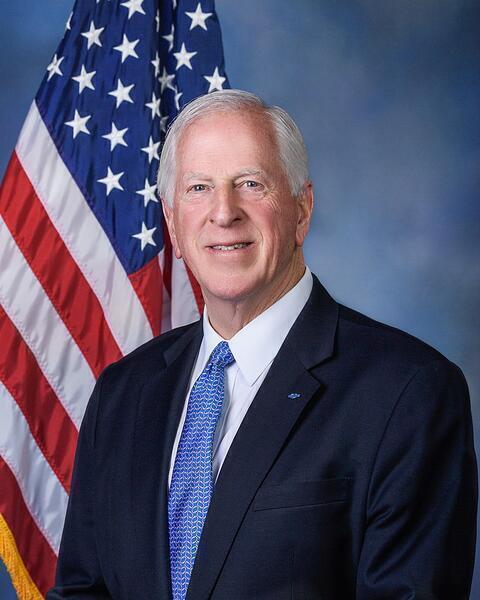
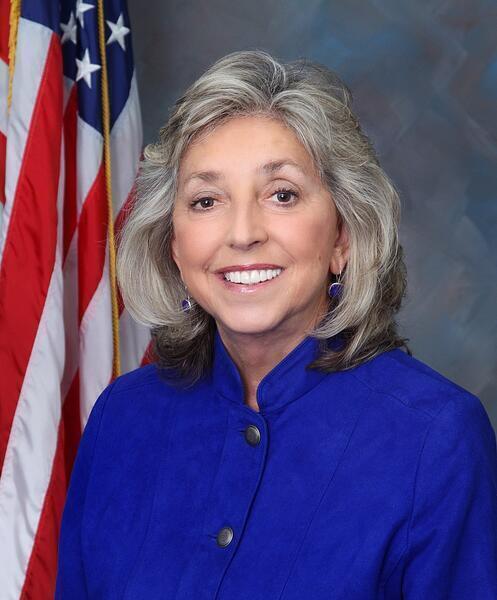
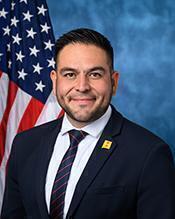
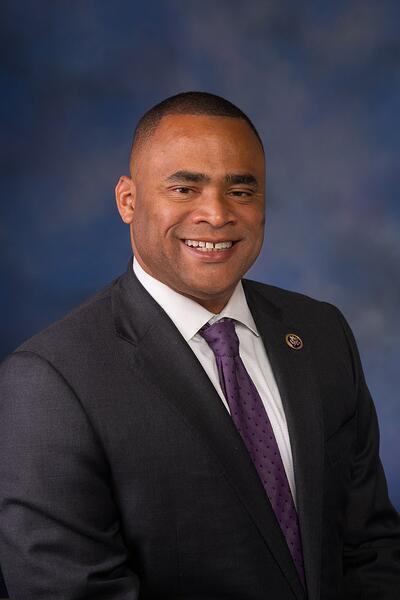
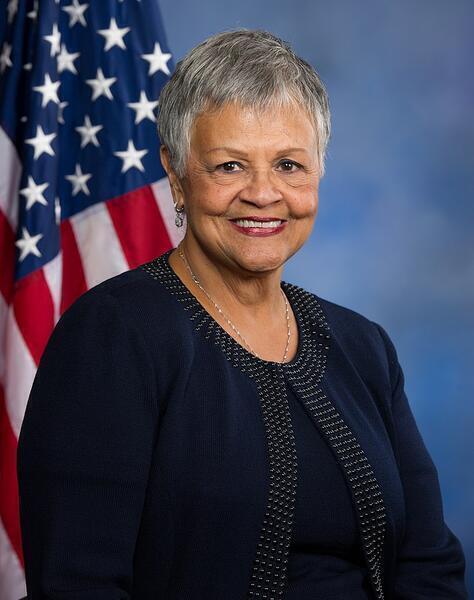
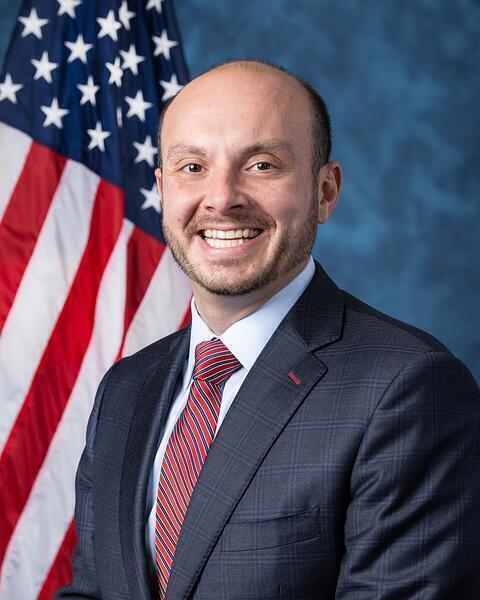
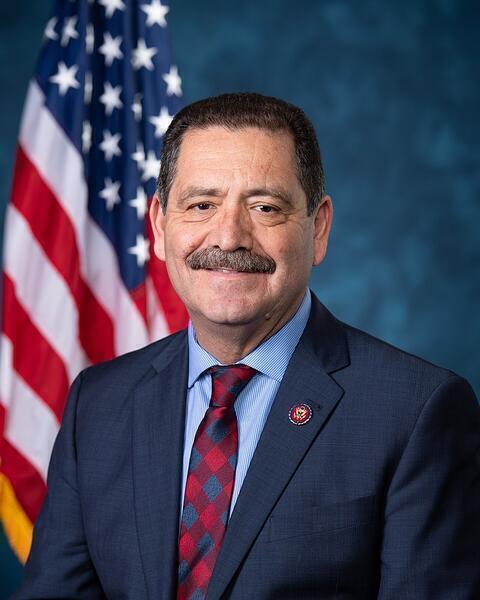
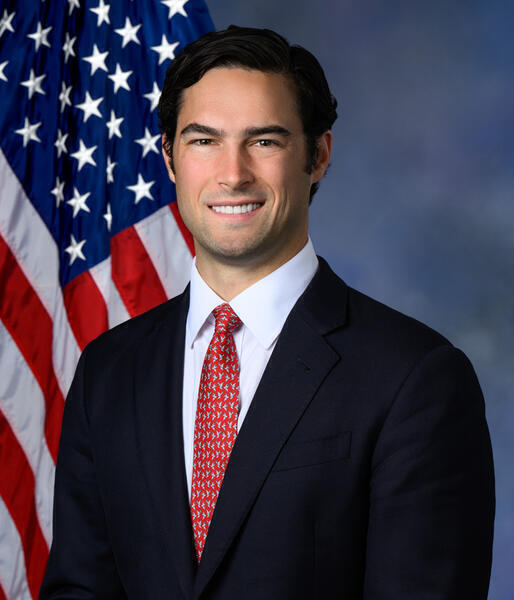
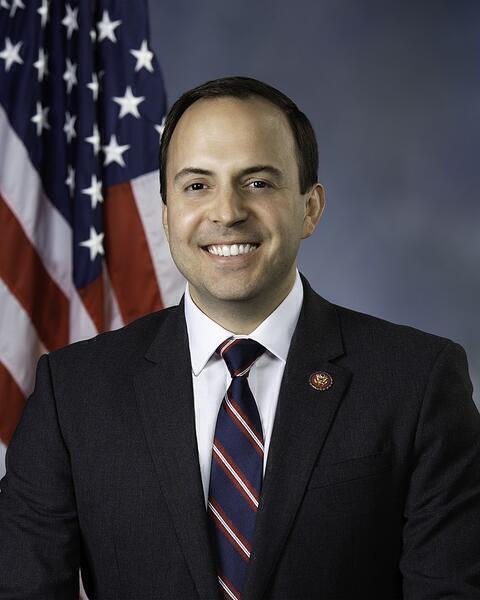
Yea (182)
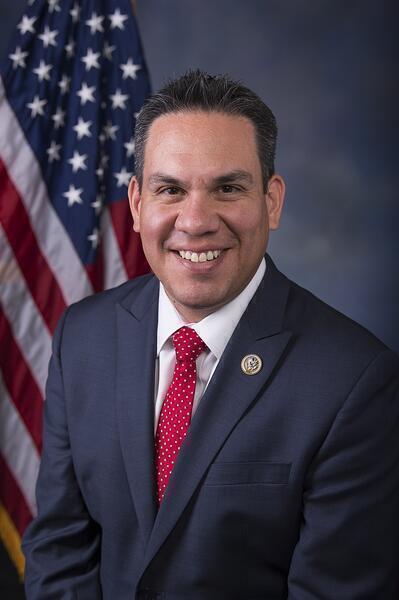
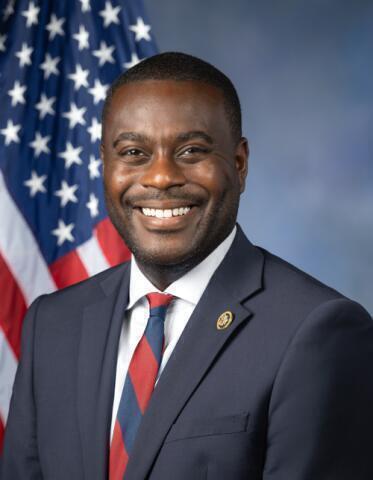




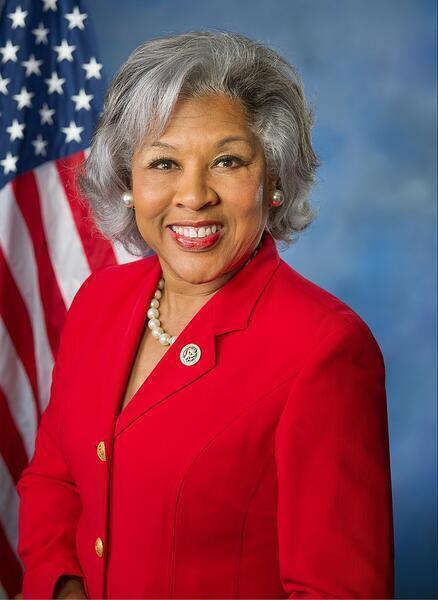
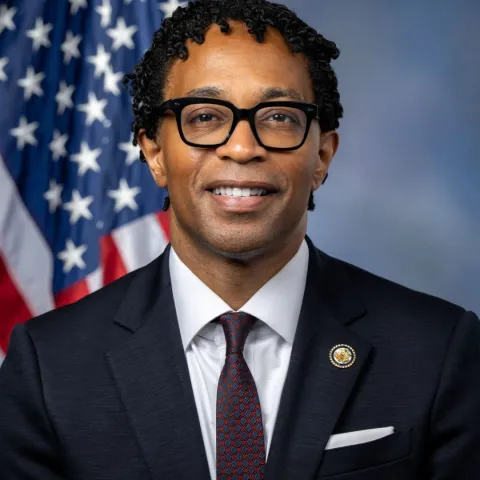
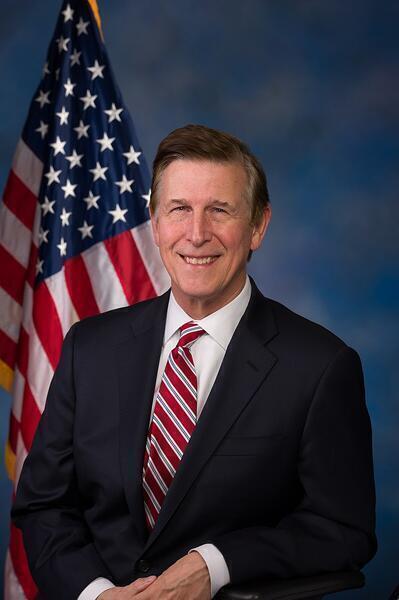
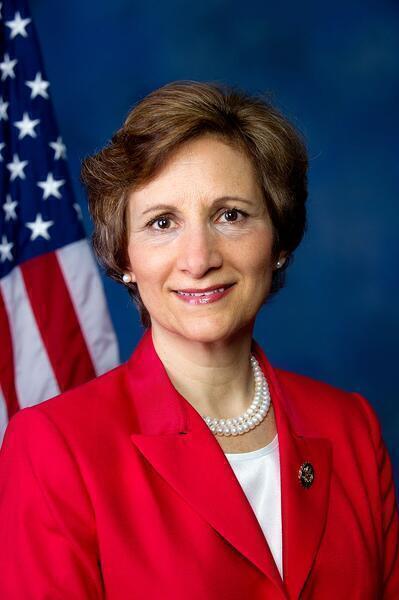
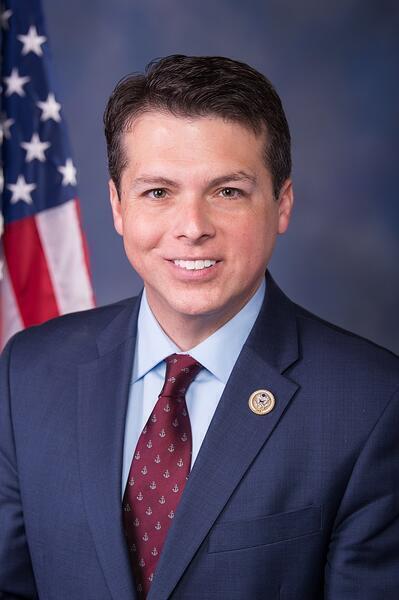

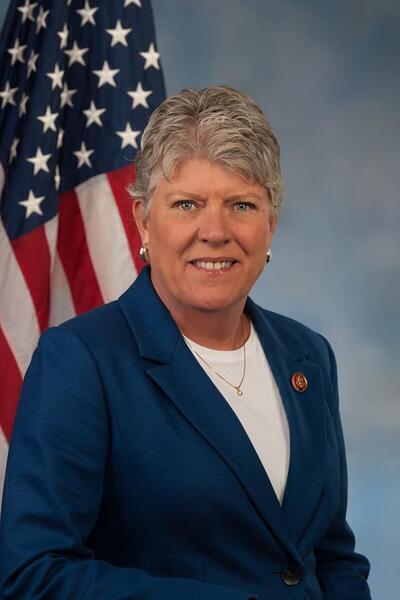
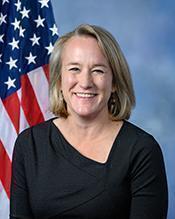

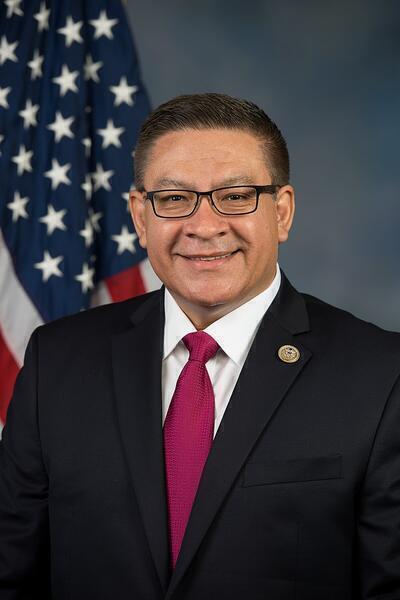
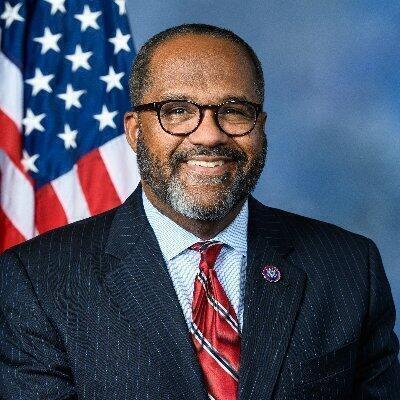








G
Gerald Connolly

J
Jason Crow







L
Lloyd Doggett






J
John Garamendi














L
Lucy McBath








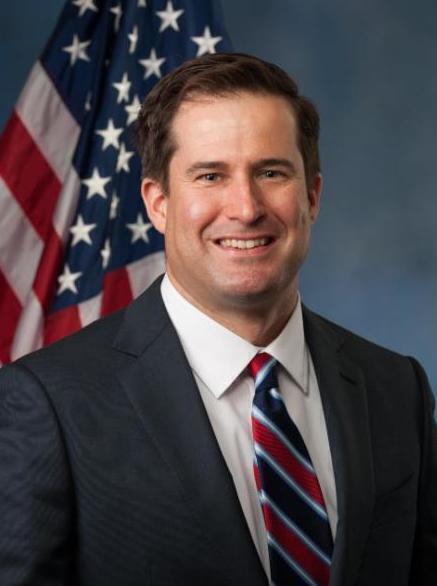
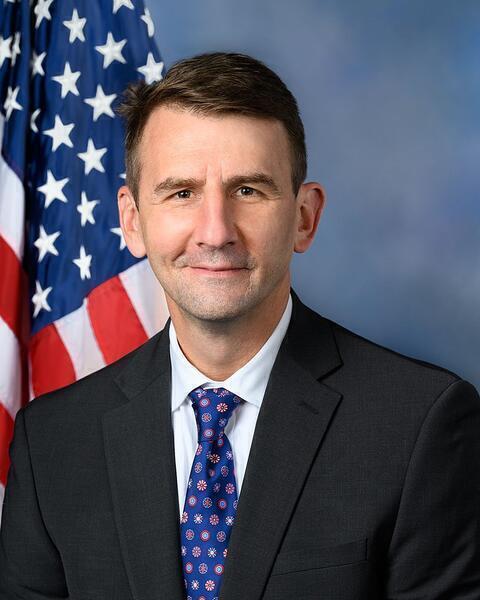

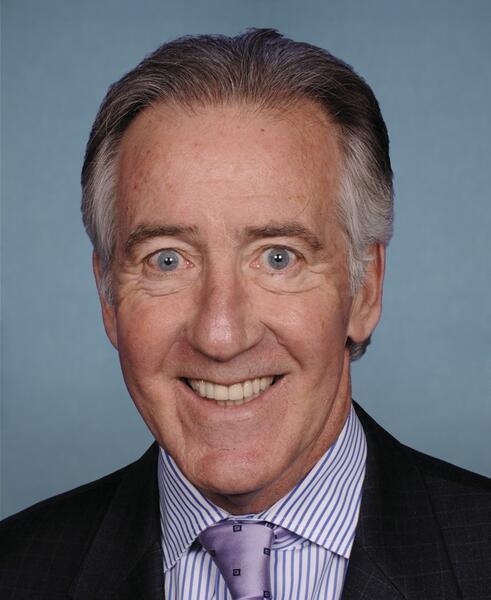
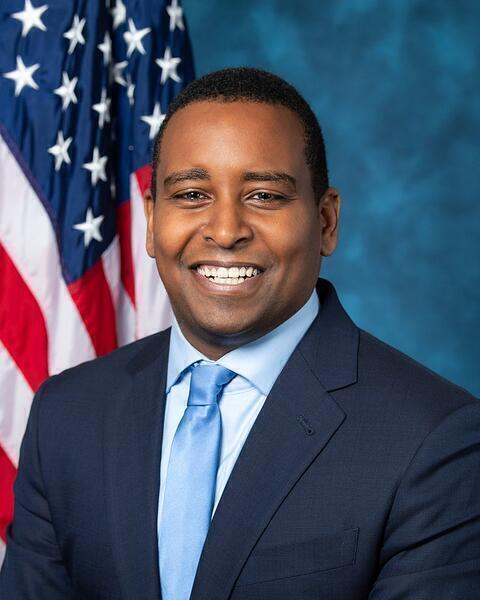


















E
Eric Swalwell


R
Rashida Tlaib


S
Sylvester Turner

N
Nydia Velázquez
D
Debbie Wasserman Schultz


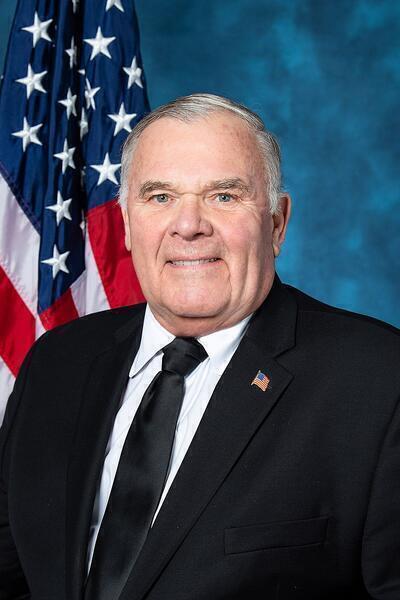
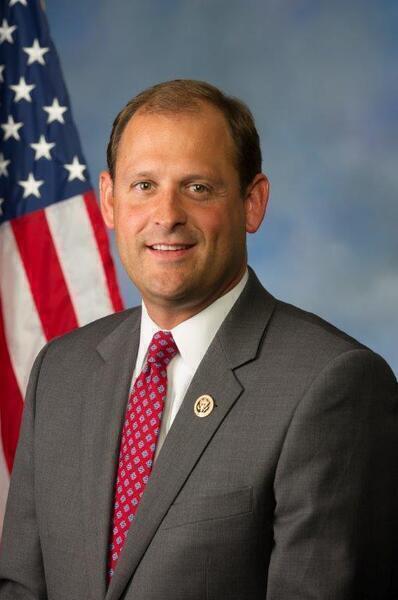
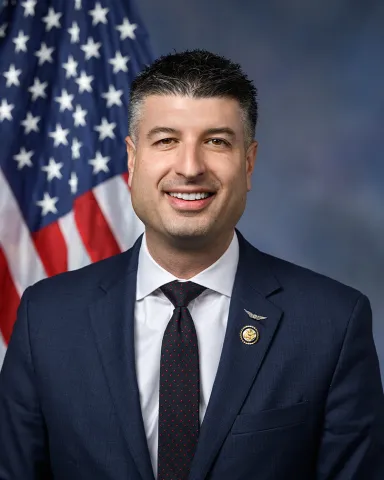
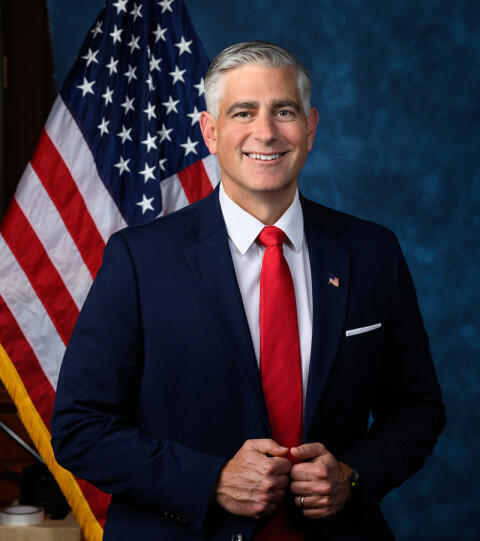
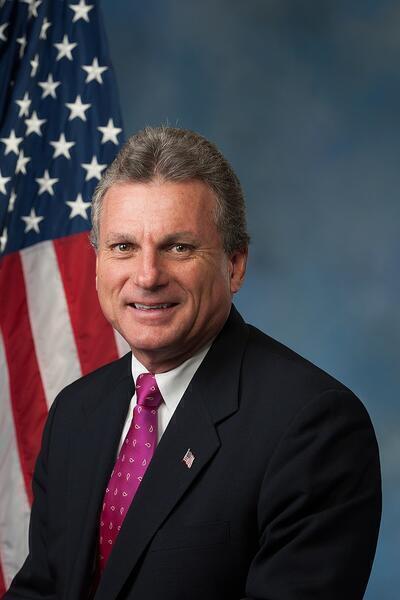
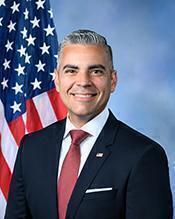
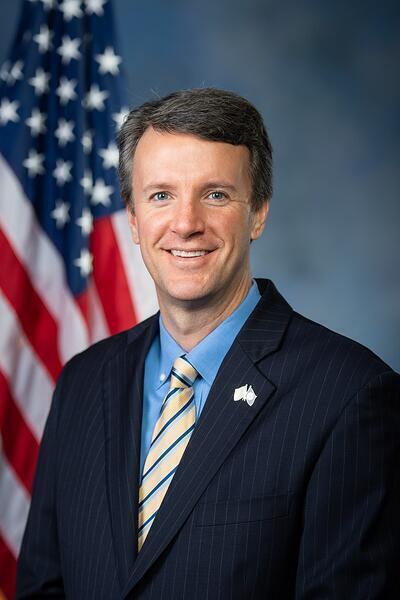
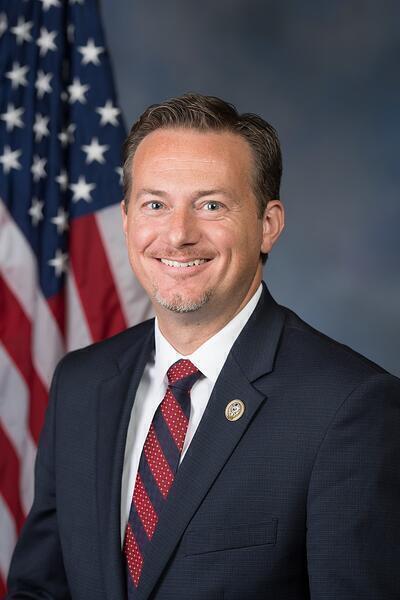
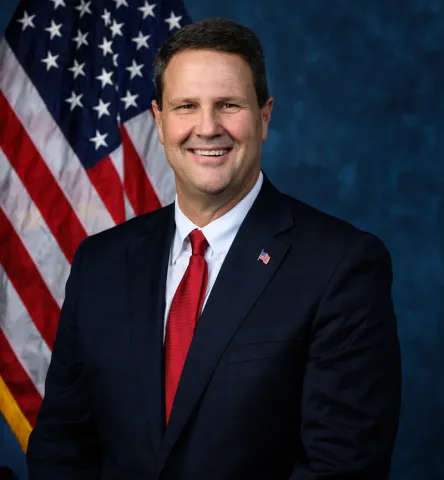
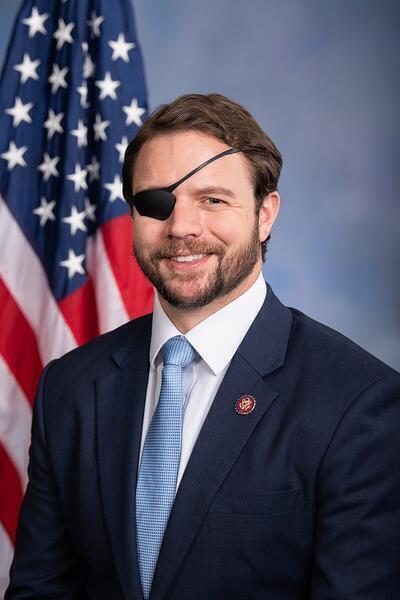
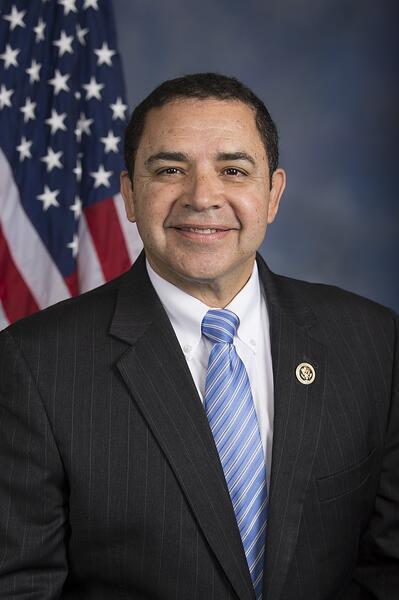
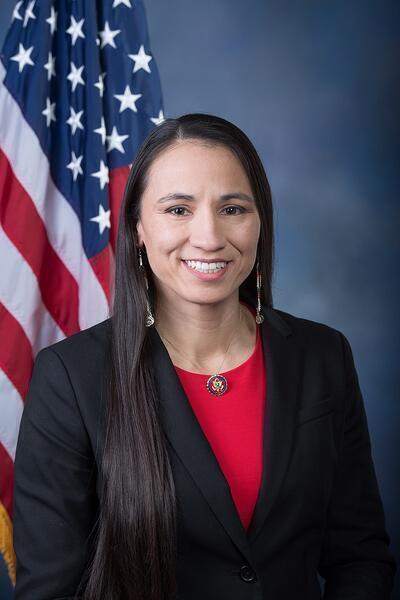
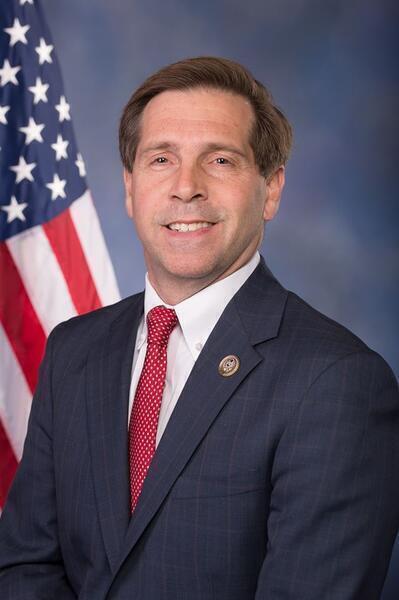
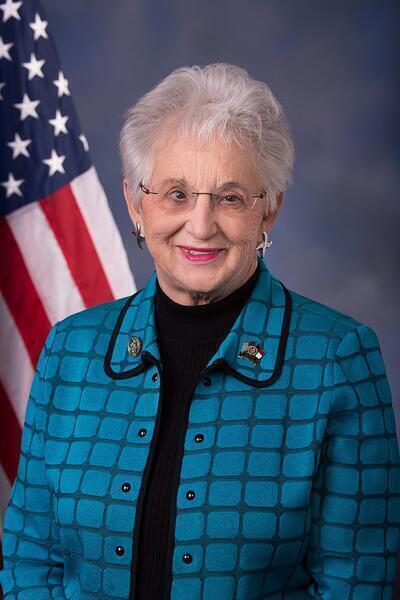
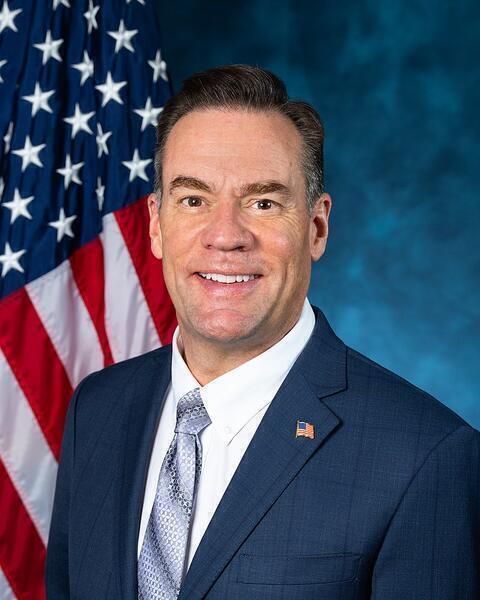
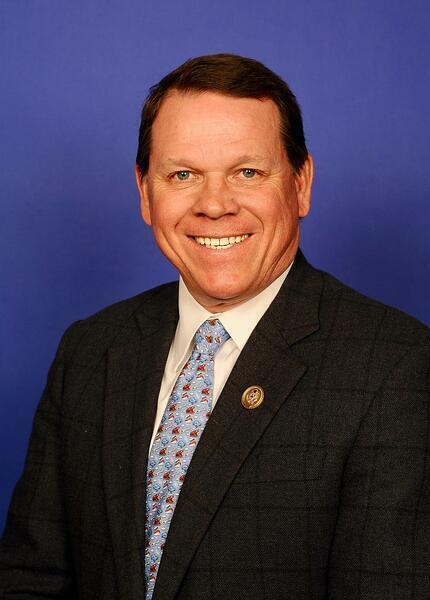
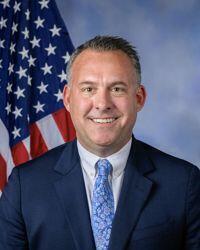
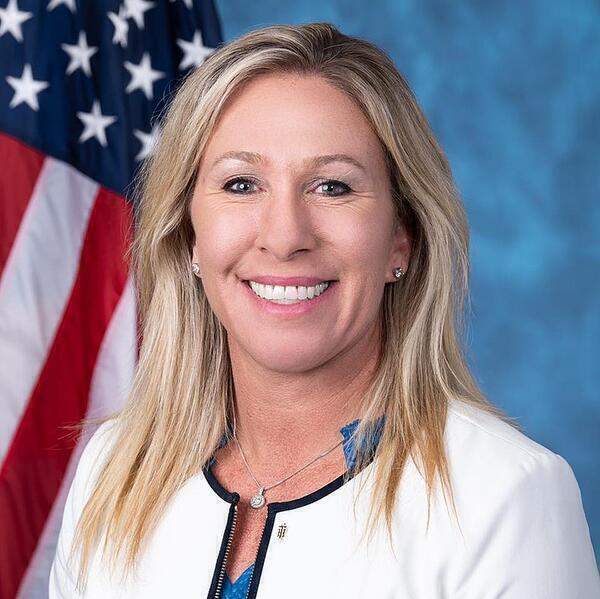
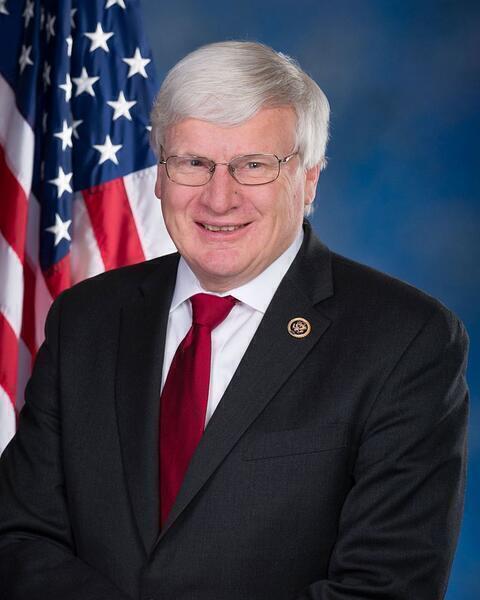
Nay (226)
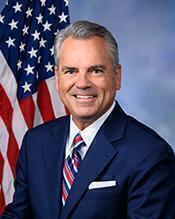
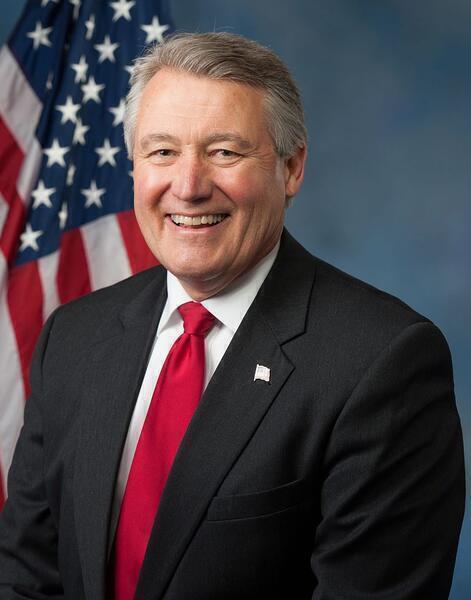
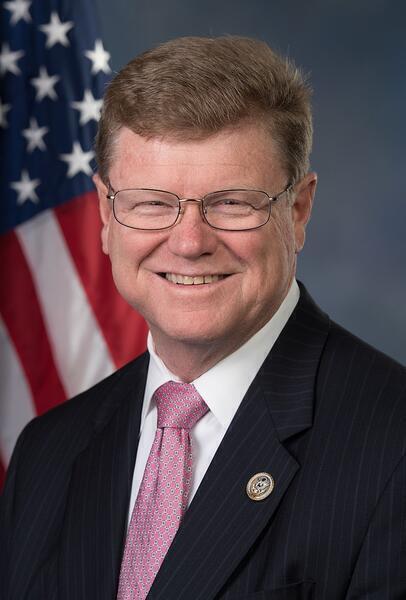

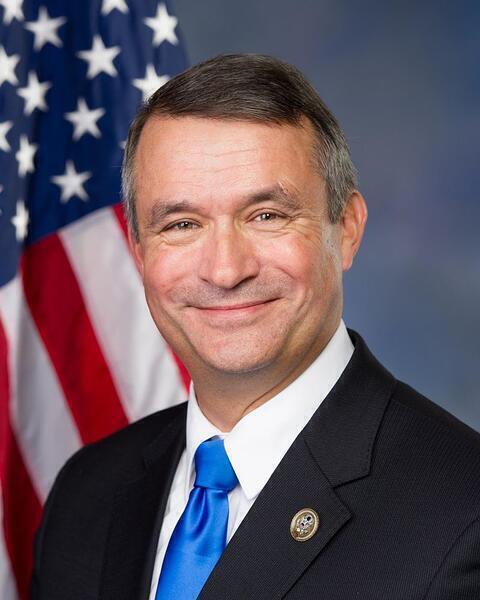



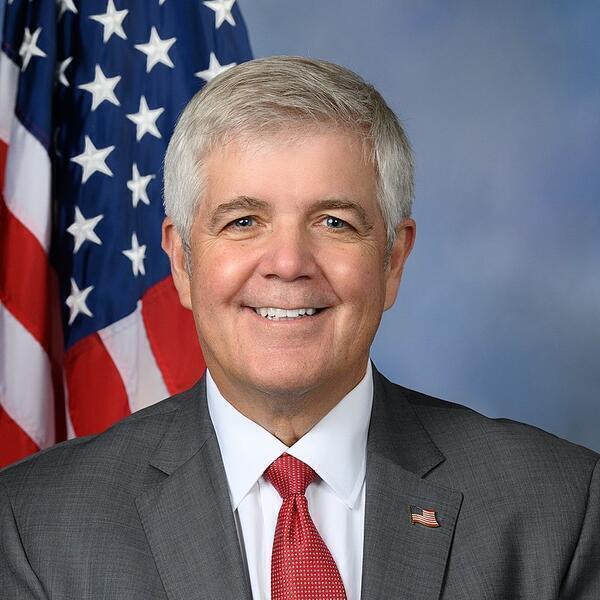
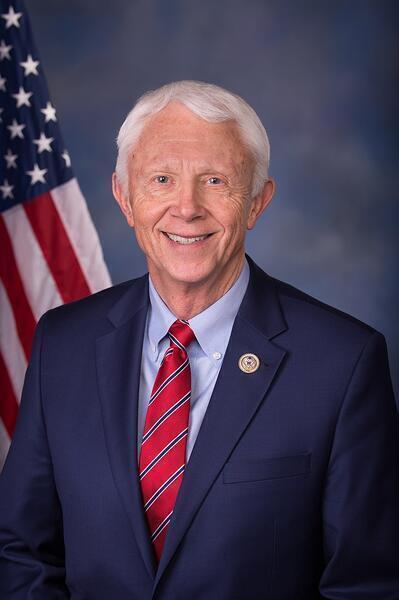
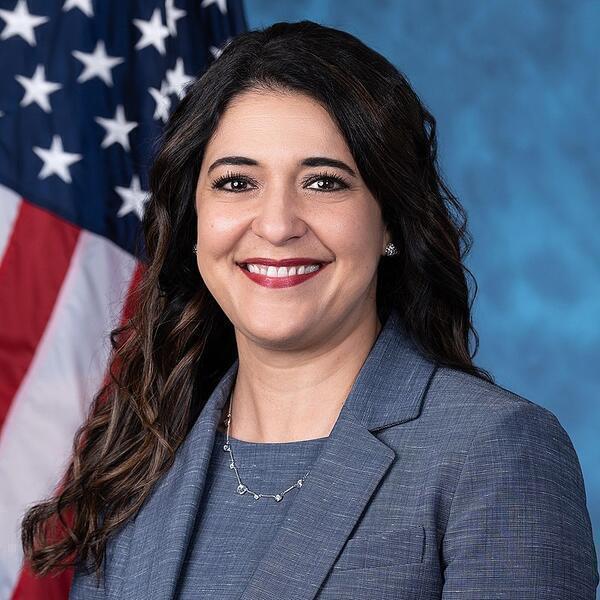
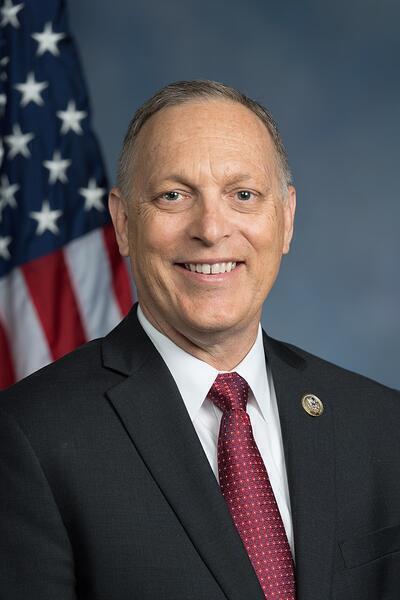

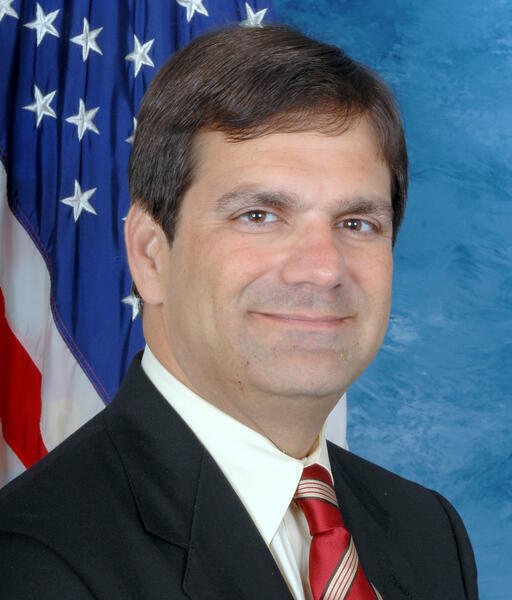
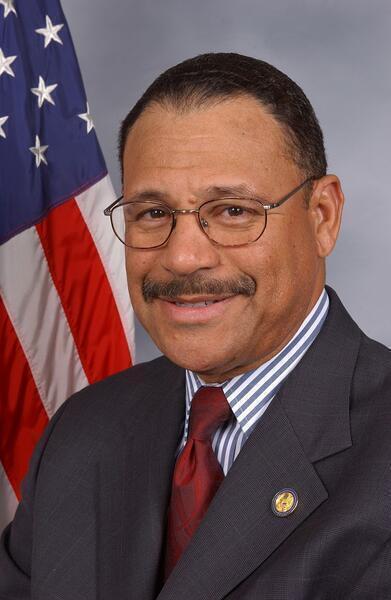
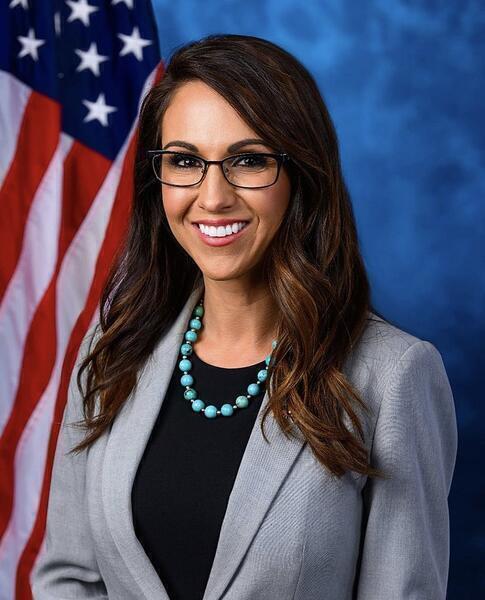
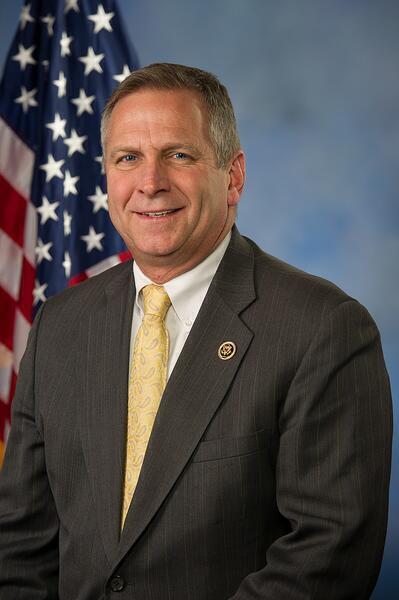
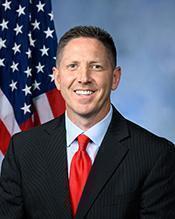


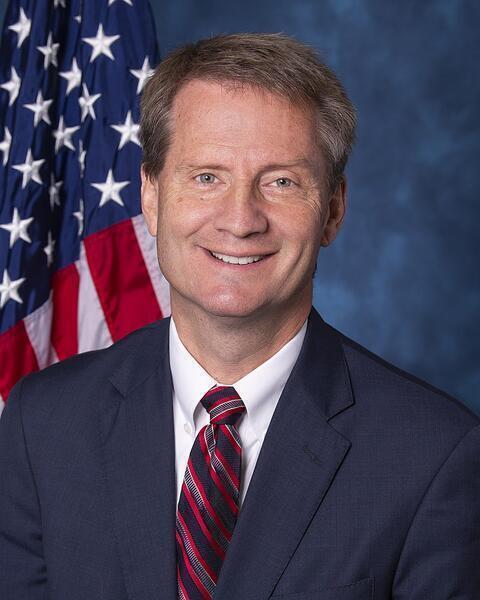
K
Ken Calvert

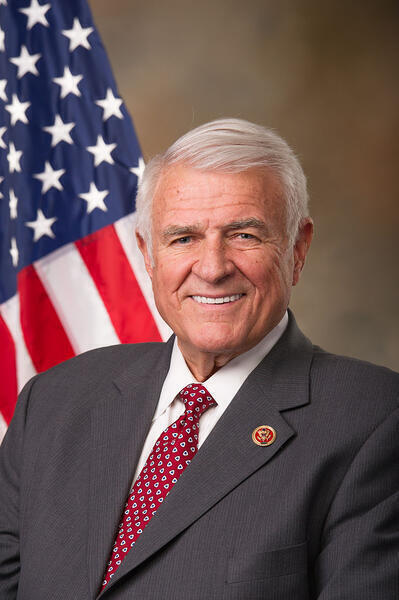



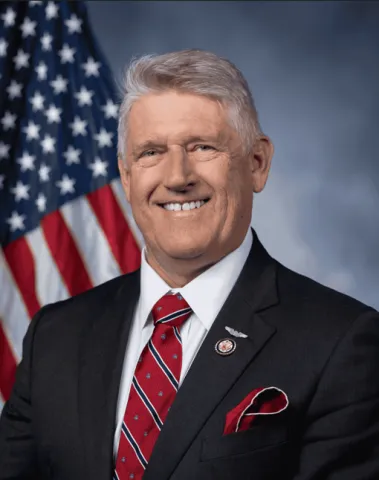
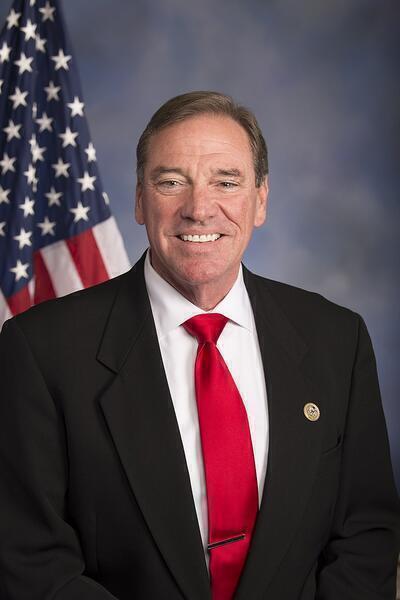


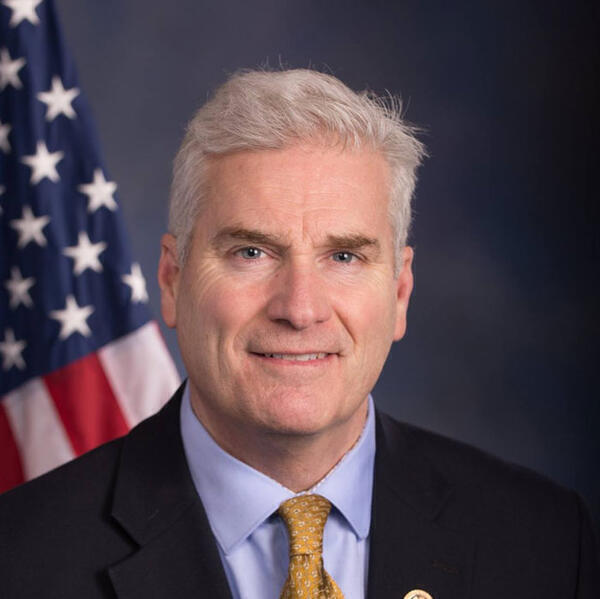
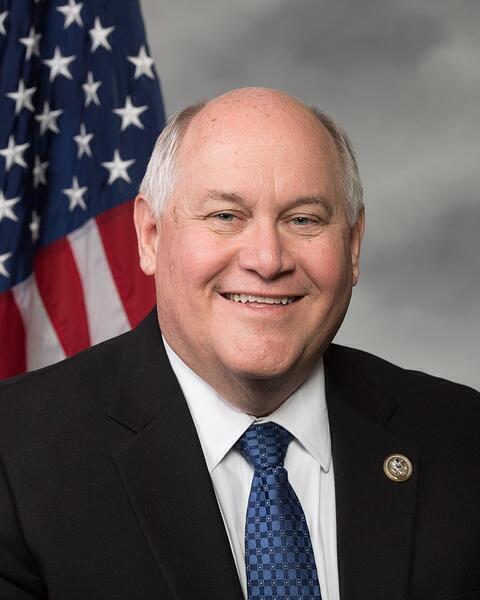







S
Scott Franklin





M
Mark Green







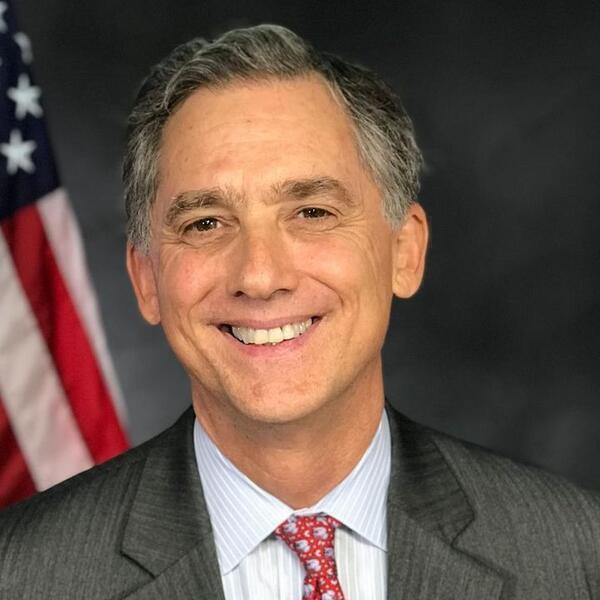


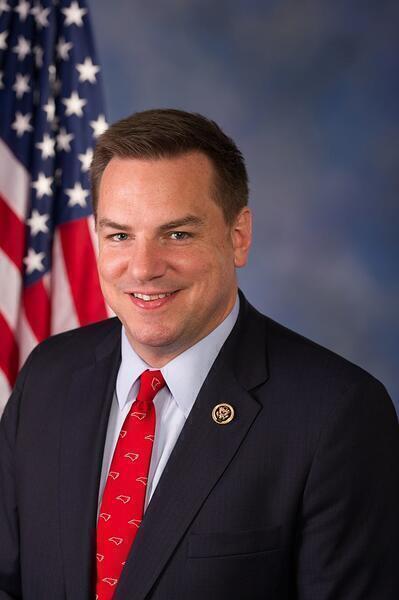


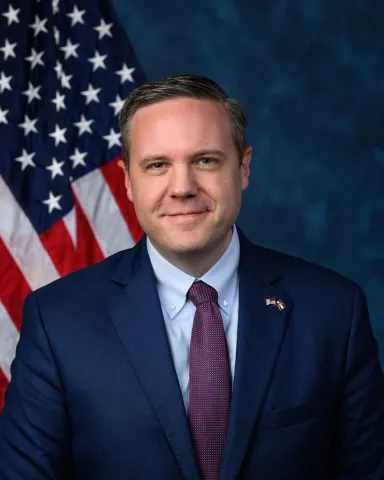
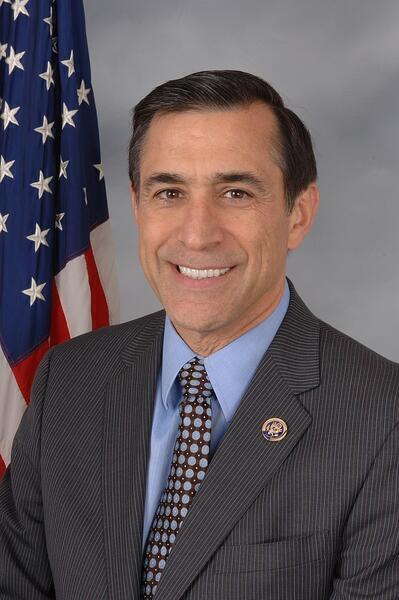
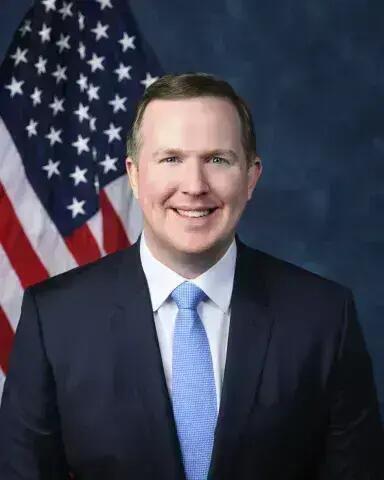
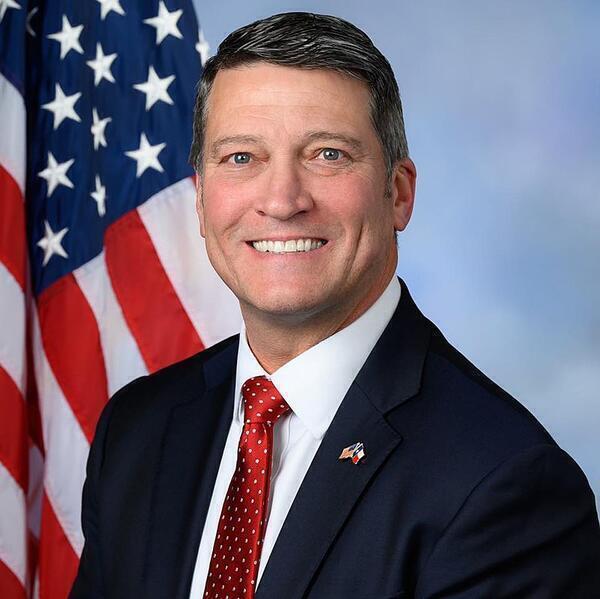

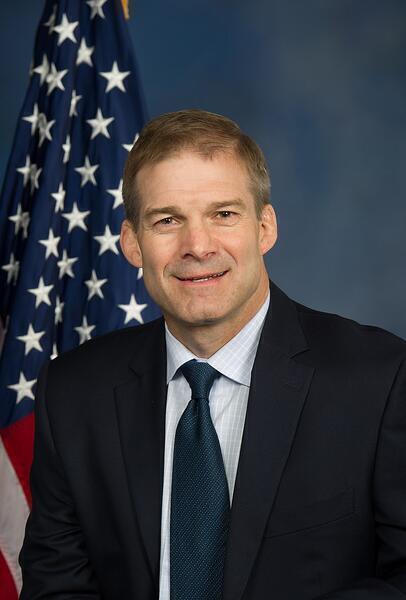
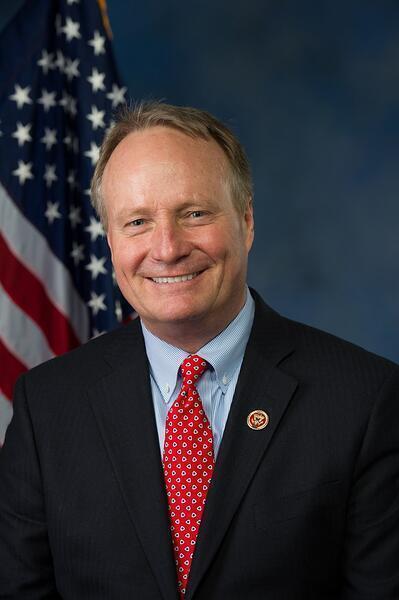
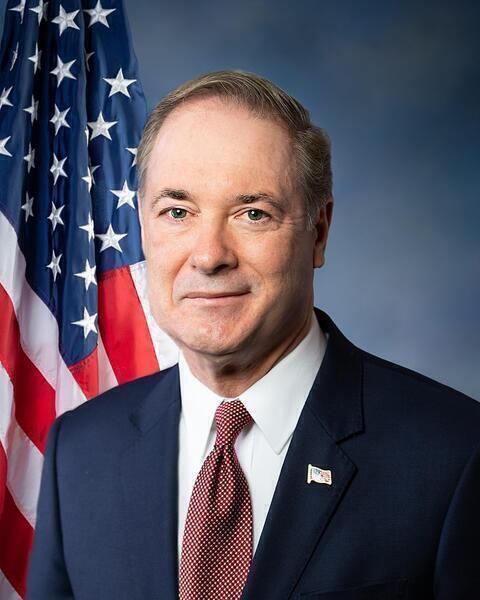

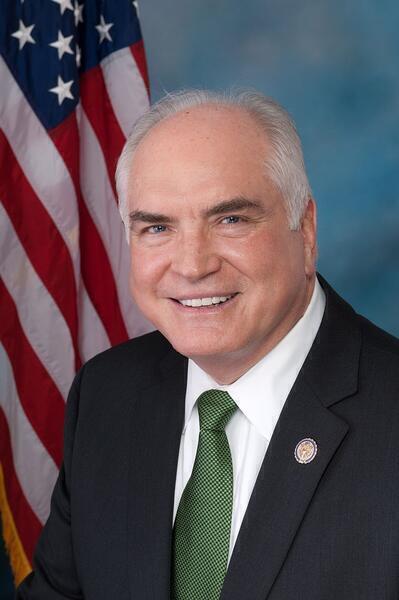
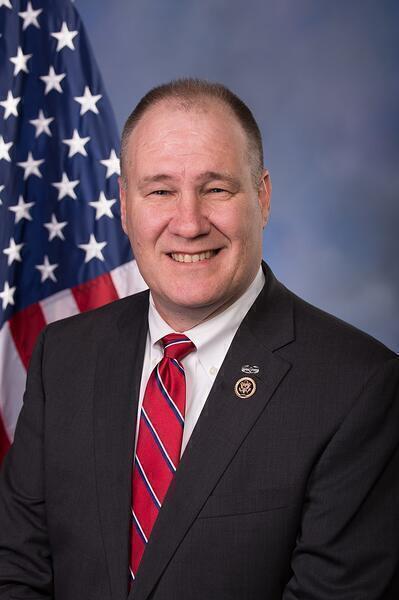




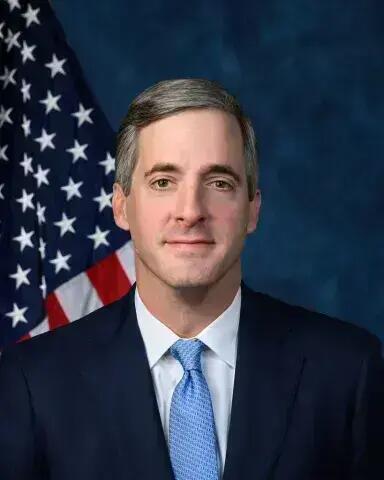
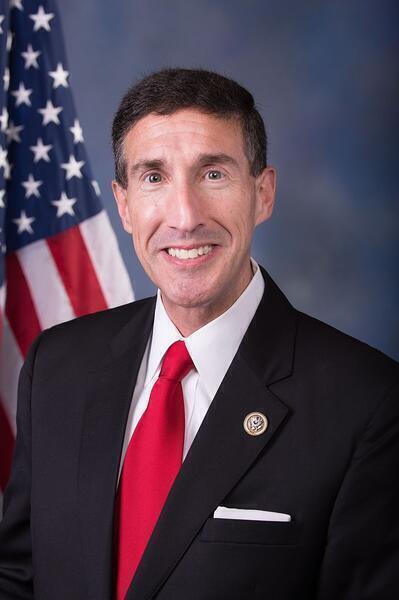
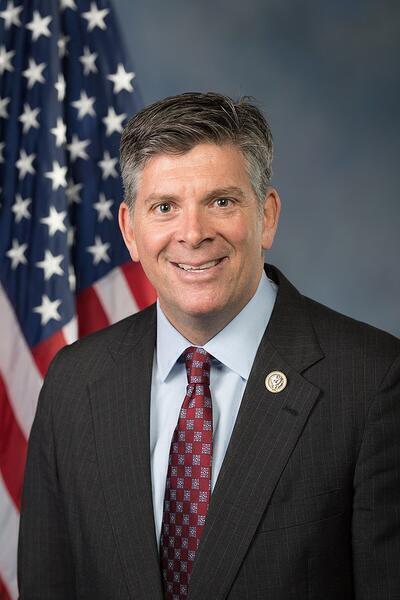
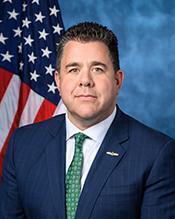

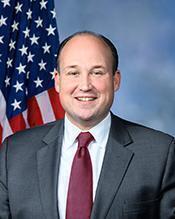
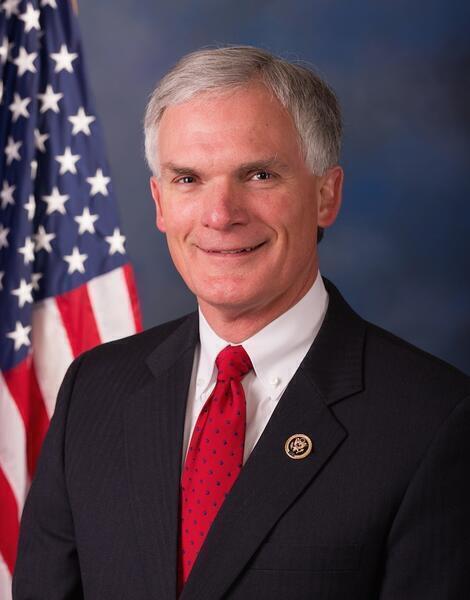
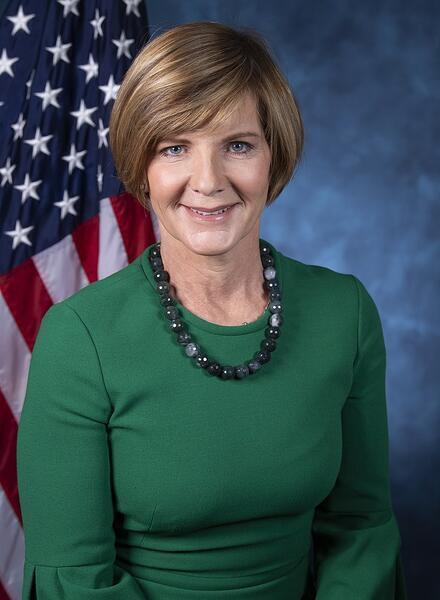
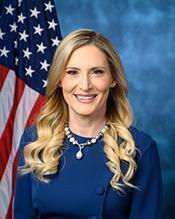


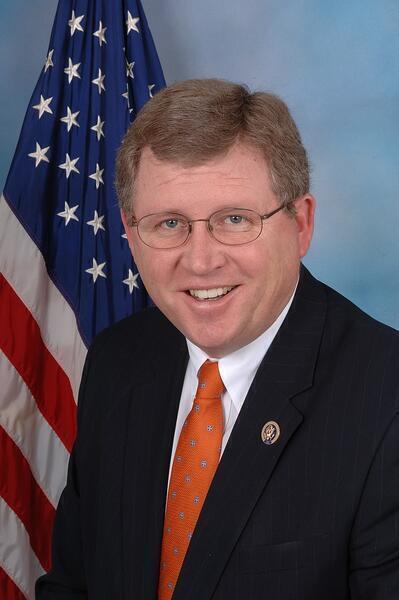

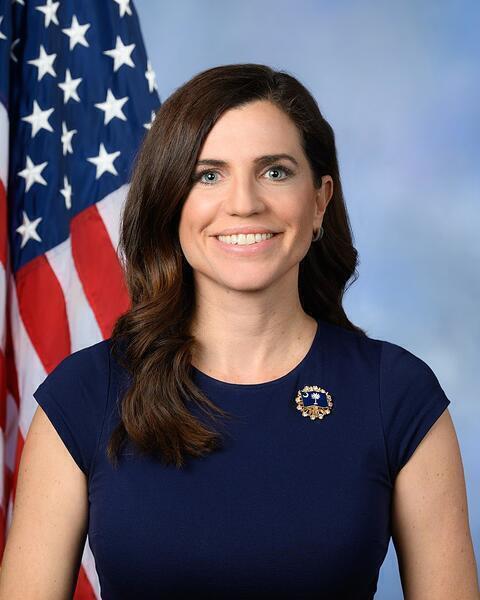

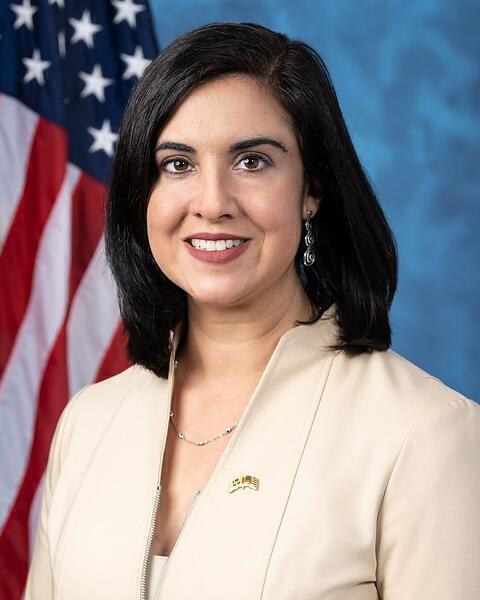
J
John Mannion

L
Lisa McClain

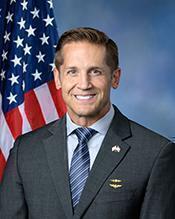
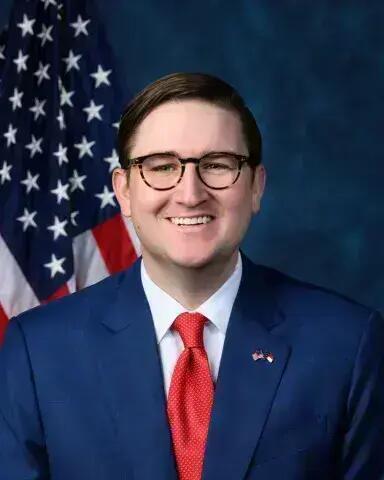


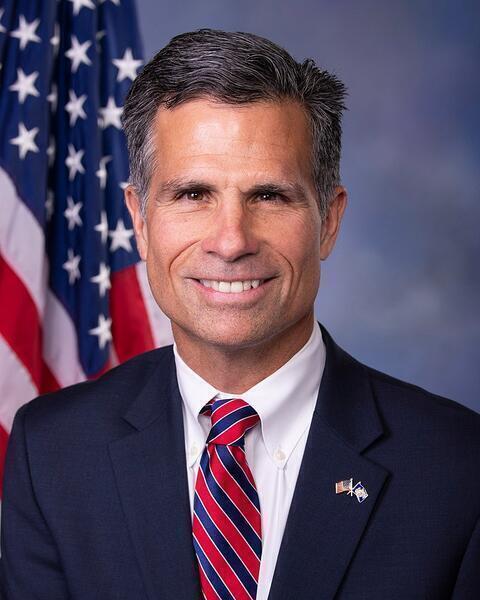
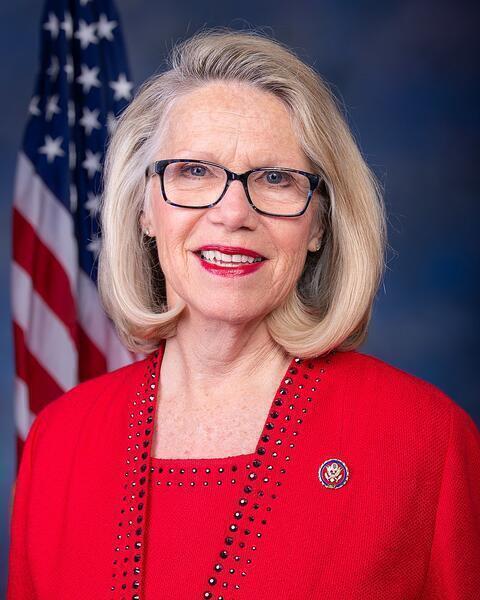





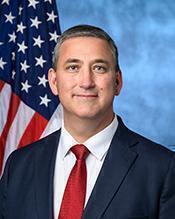
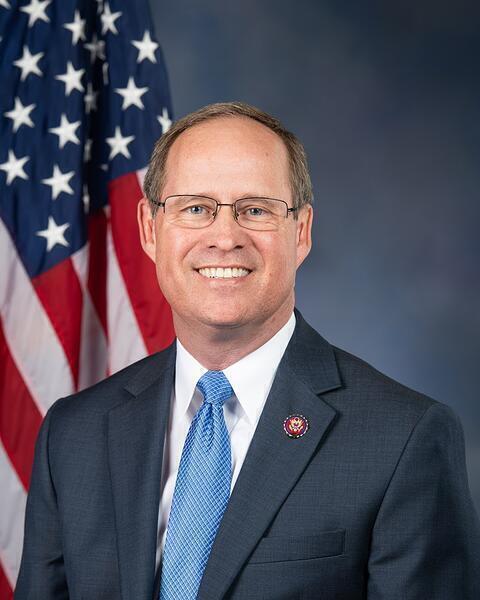
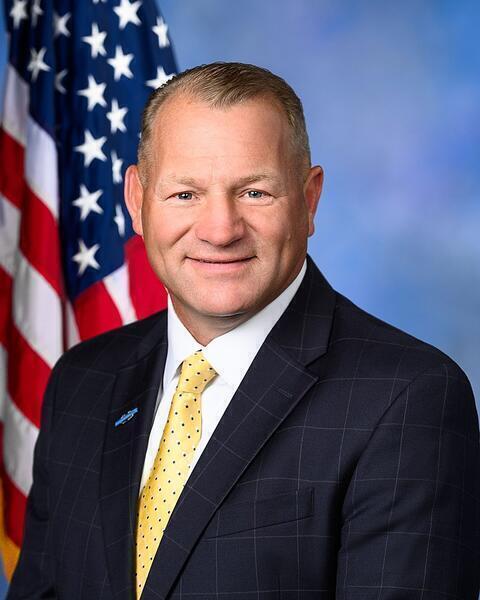

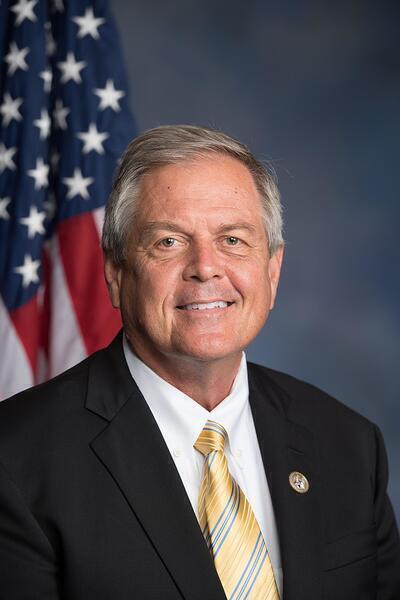

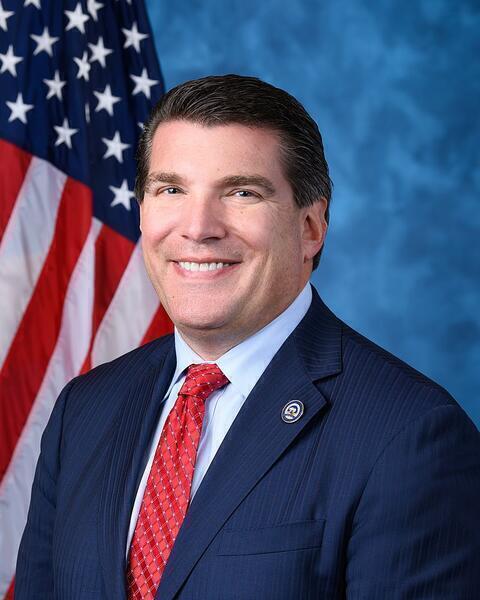


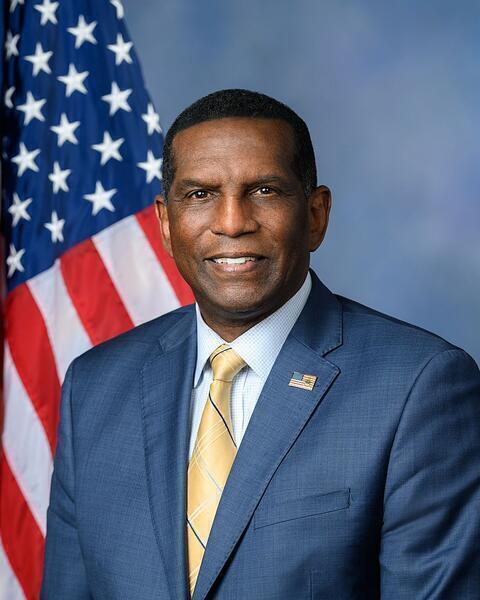

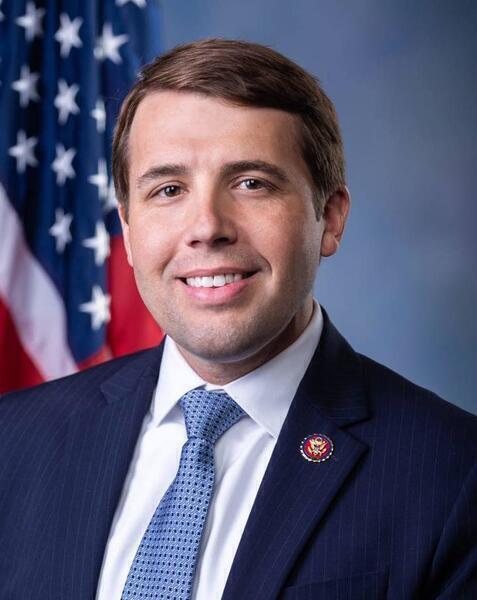

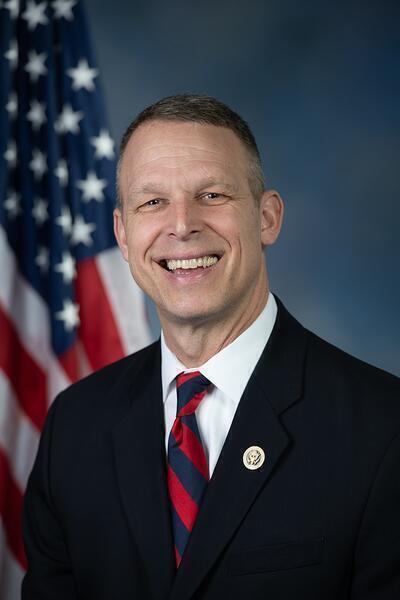




J
John Rutherford


D
David Schweikert
P
Pete Sessions














Not Voting (24)



R
Raúl Grijalva