S.1071 — National Defense Authorization Act for Fiscal Year 2026
House Roll Call
S.1071
| Bill | S.1071 — National Defense Authorization Act for Fiscal Year 2026 |
|---|---|
| Vote question | On Passage |
| Vote type | Yea-and-Nay |
| Result | Passed |
| Totals | Yea 312 / Nay 112 / Present 0 / Not Voting 9 |
| Party | Yea | Nay | Present | Not Voting |
|---|---|---|---|---|
| R | 197 | 18 | 0 | 5 |
| D | 115 | 94 | 0 | 4 |
| I | 0 | 0 | 0 | 0 |
Research Brief
On Passage
Bill Analysis
Summary of S. 1071 - National Defense Authorization Act for Fiscal Year 2026
The National Defense Authorization Act (NDAA) for Fiscal Year 2026, designated as S. 1071, establishes the budget and policies for the Department of Defense (DoD) and related national security programs. This legislation outlines funding levels, strategic priorities, and operational guidelines for U.S. military and defense initiatives.
Funding and Authorities:
S. 1071 authorizes appropriations for various defense programs, including personnel, operations and maintenance, procurement, research and development, and military construction. The bill delineates specific funding allocations for each branch of the armed forces—Army, Navy, Air Force, and Marine Corps—as well as for defense agencies such as the Defense Intelligence Agency and the National Security Agency.
Programs and Agencies Affected:
The bill impacts a wide range of defense programs, including advanced weapon systems, cybersecurity initiatives, and military readiness enhancements. It also addresses support for military families, veterans, and defense health programs. Additionally, the NDAA includes provisions for the modernization of military infrastructure and the enhancement of joint operations capabilities among the armed services.
Beneficiaries and Regulatory Aspects:
The primary beneficiaries of S. 1071 include active-duty military personnel, reservists, veterans, and their families. The legislation also affects defense contractors and suppliers within the defense industrial base, as it outlines procurement processes and requirements. Furthermore, the bill includes regulatory measures aimed at ensuring accountability and transparency in defense spending.
Key Timelines:
The latest action on S. 1071 indicates that it has been considered by the Senate, with messages from the House being reviewed. The NDAA process typically involves multiple stages of debate, amendment, and approval in both chambers of Congress, culminating in final passage and presidential approval before the start of the fiscal year on October 1, 2025.
In summary, S. 1071 is a comprehensive framework for U.S. defense policy and funding, shaping military readiness and strategic capabilities for the upcoming fiscal year.
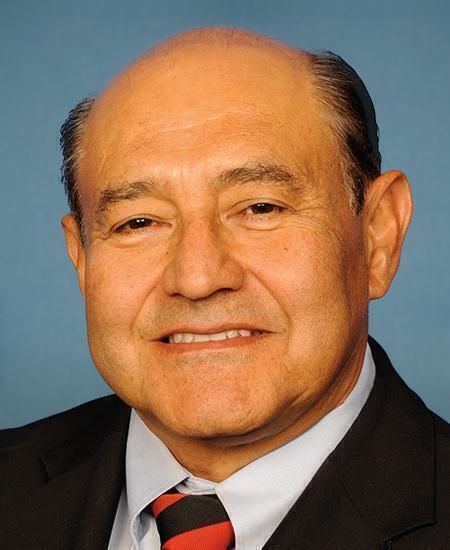
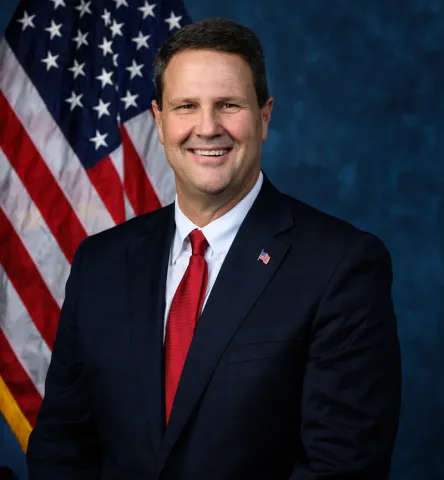
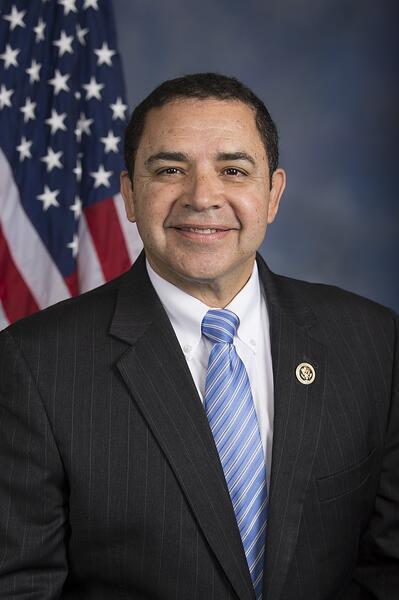
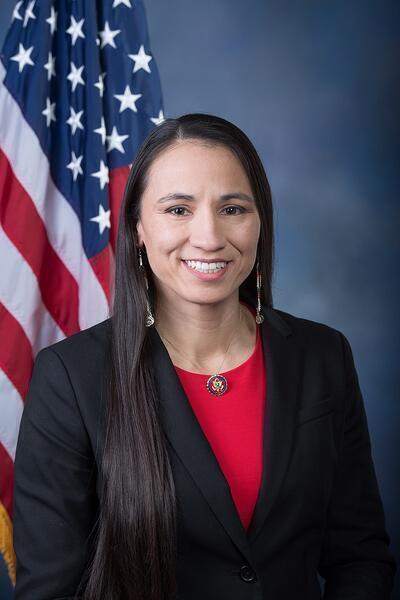
Yea (312)






















K
Ken Calvert






















J
Jason Crow





















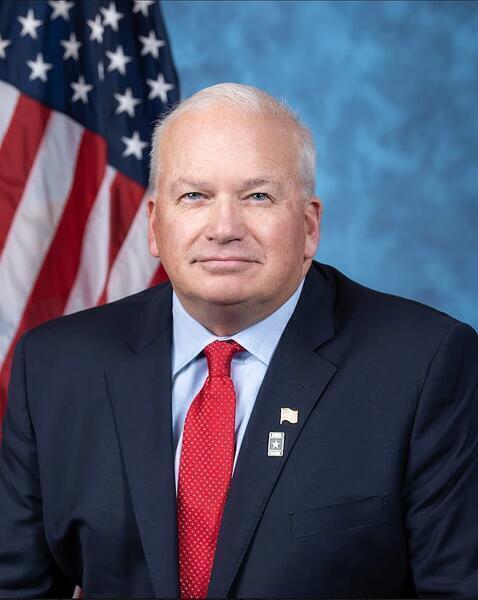






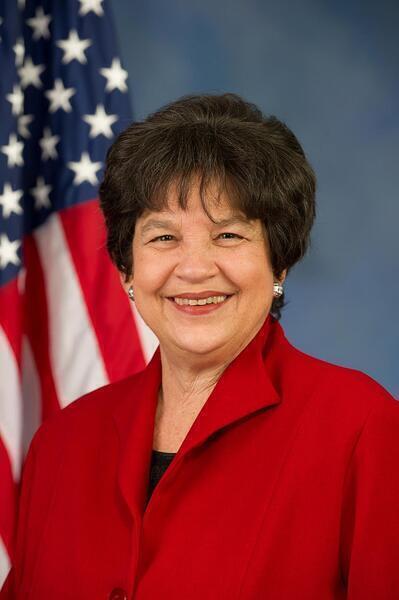
S
Scott Franklin

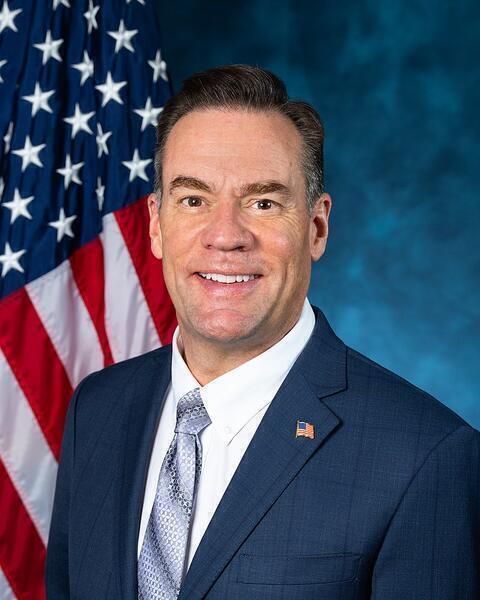





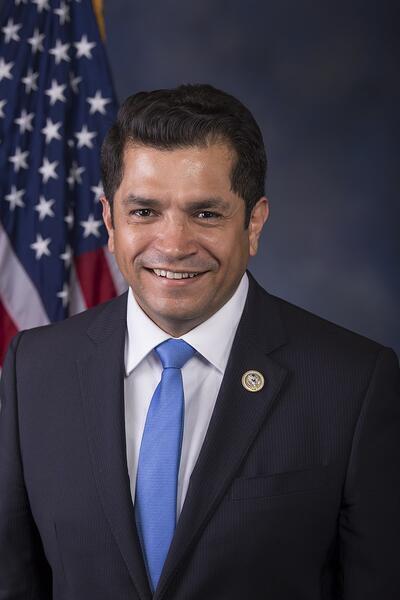



















































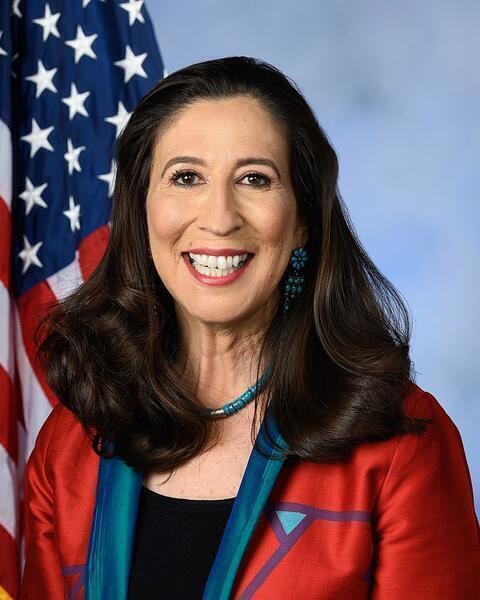


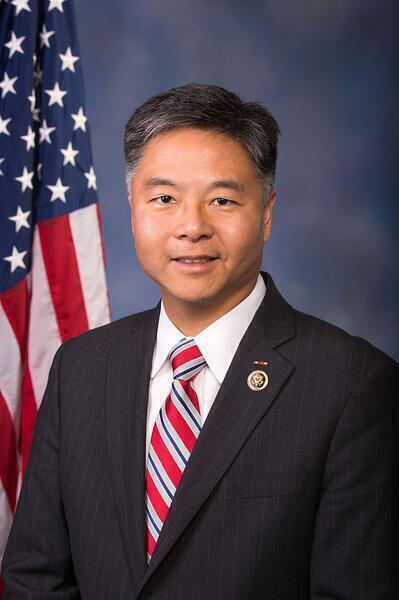






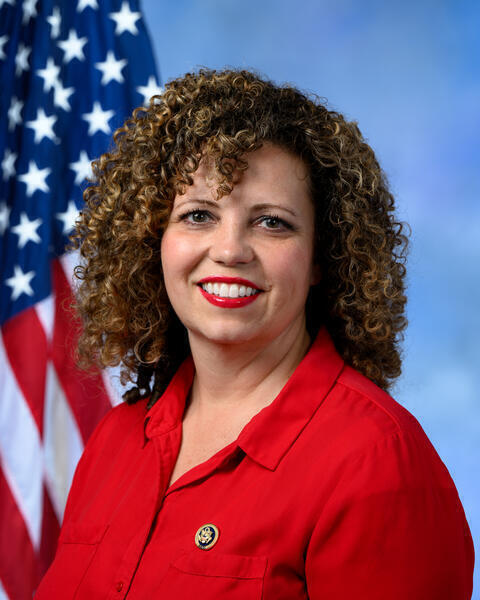

J
John Mannion

L
Lucy McBath

L
Lisa McClain
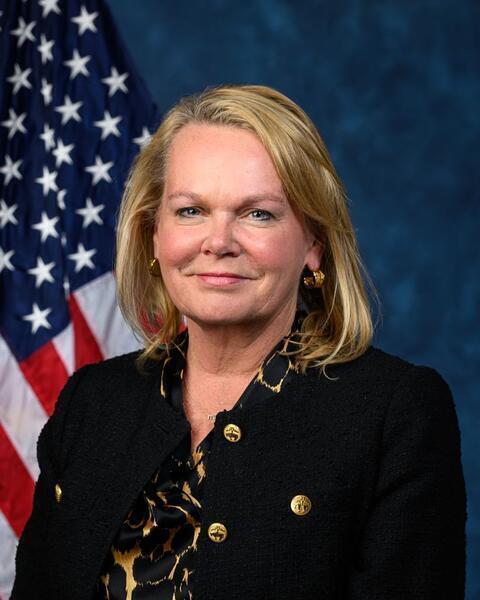
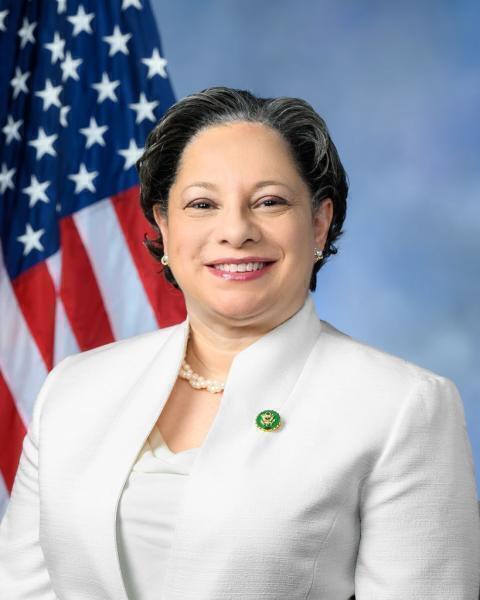







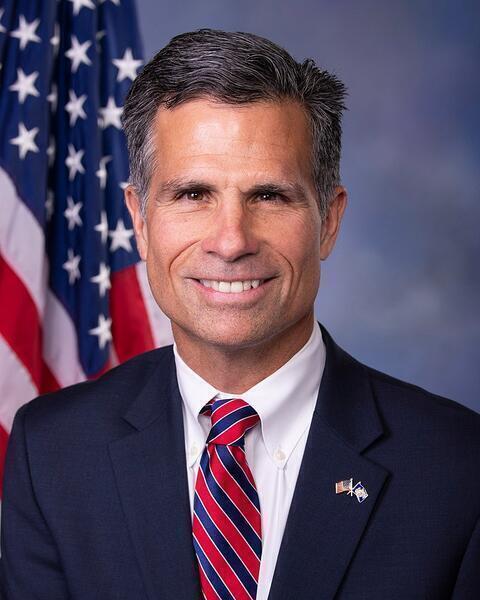











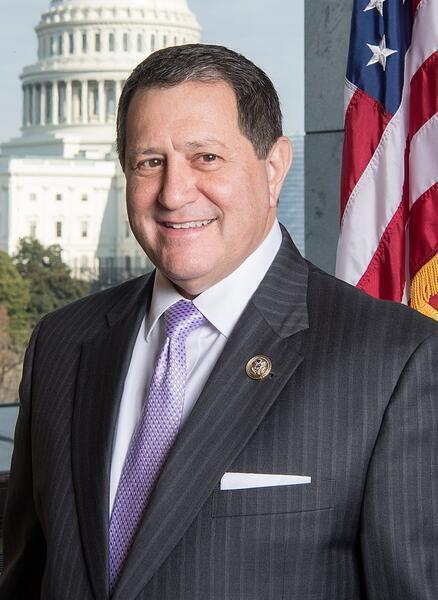




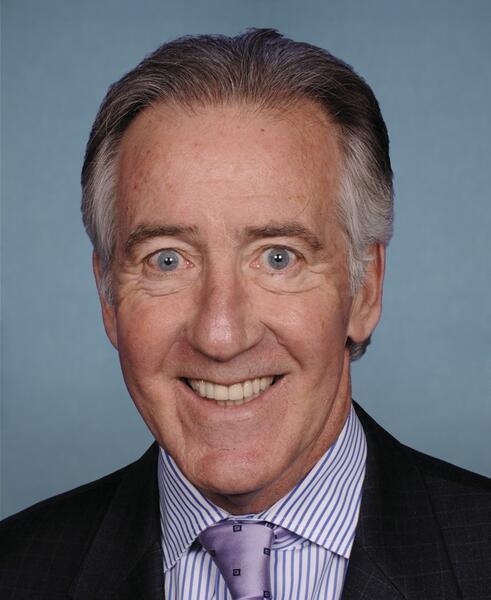
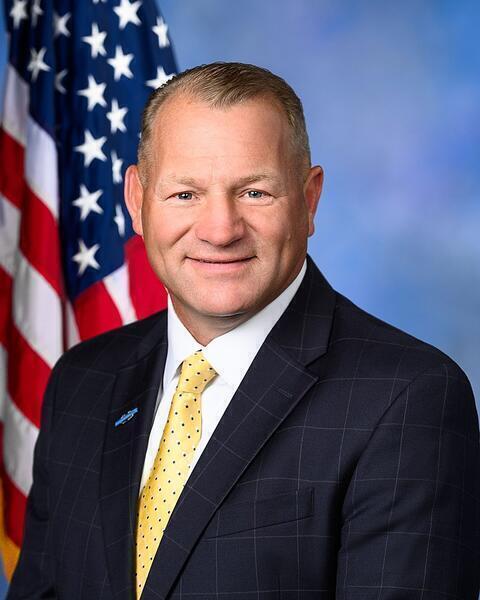

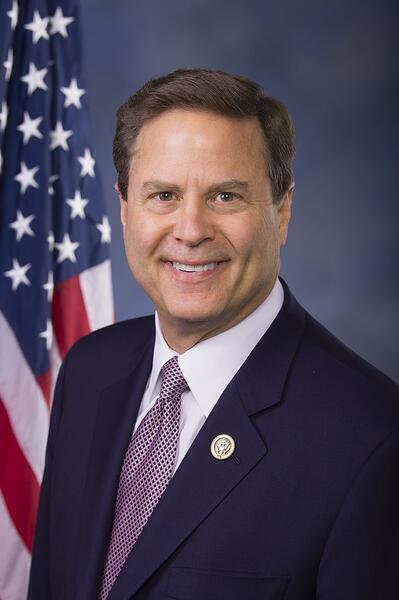


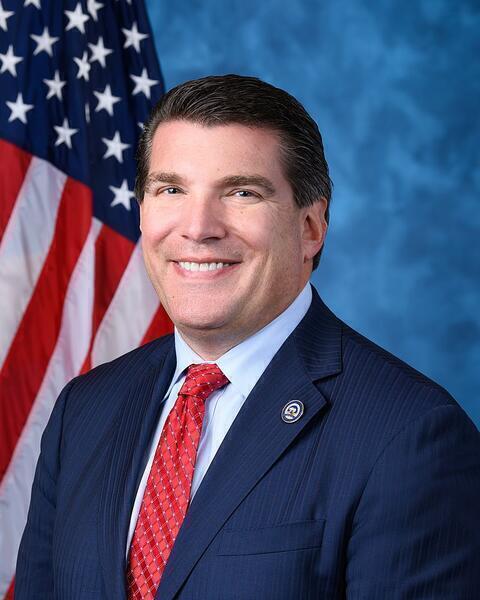



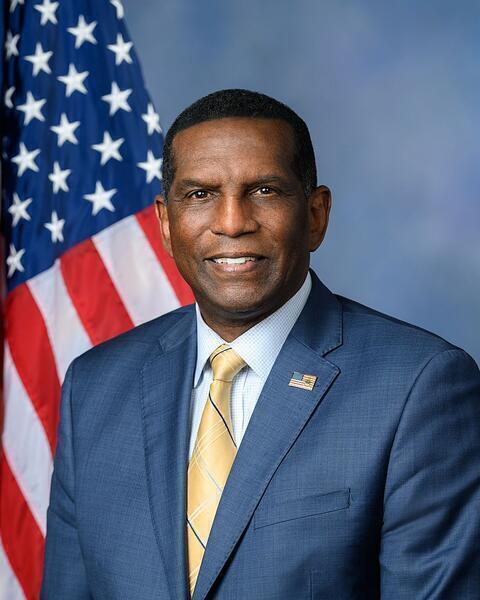

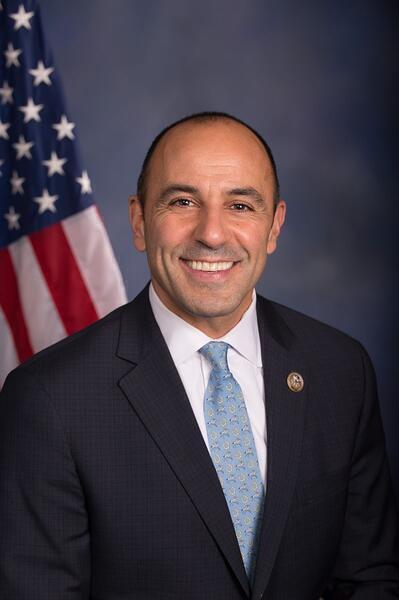

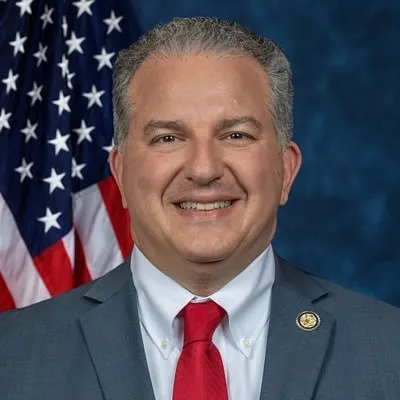




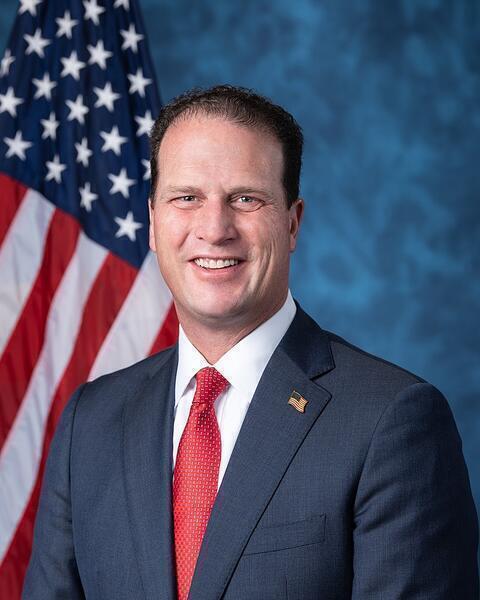








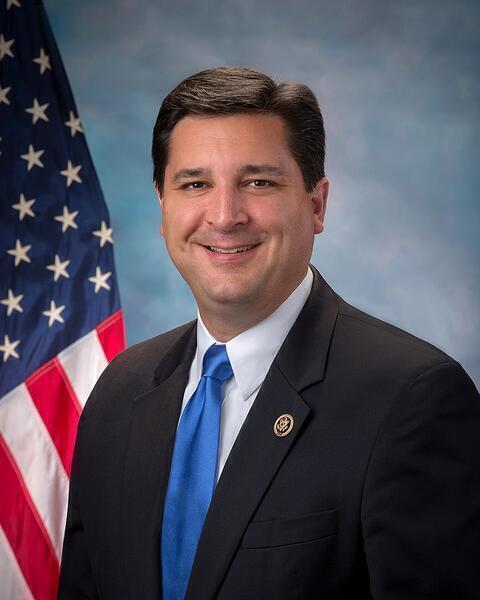
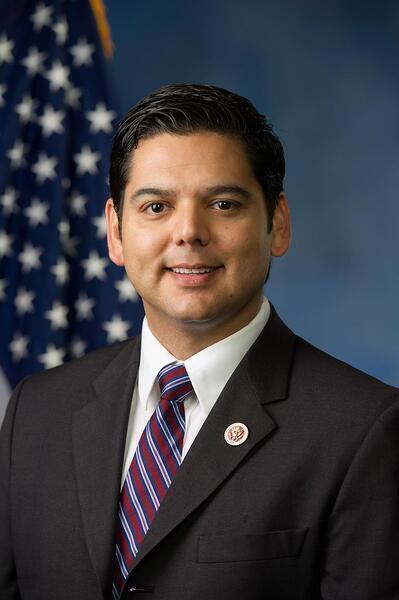

J
John Rutherford







D
David Schweikert
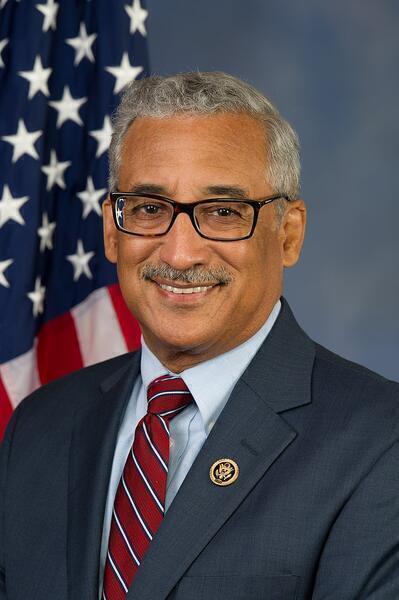

P
Pete Sessions





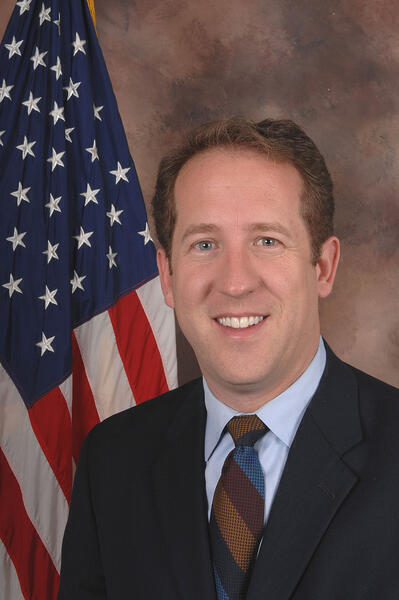
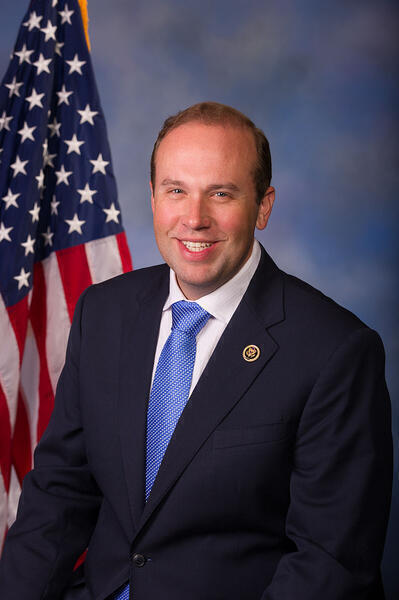
































D
Debbie Wasserman Schultz










Nay (112)



















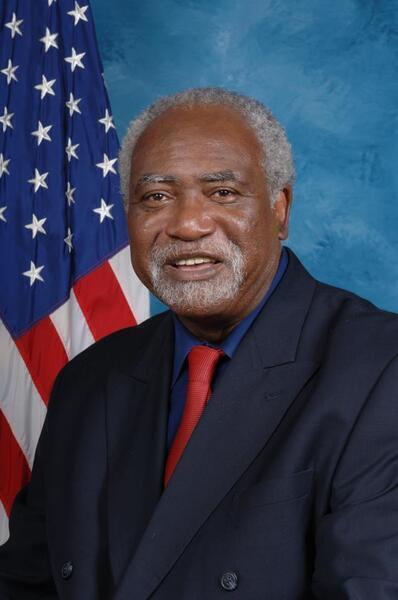


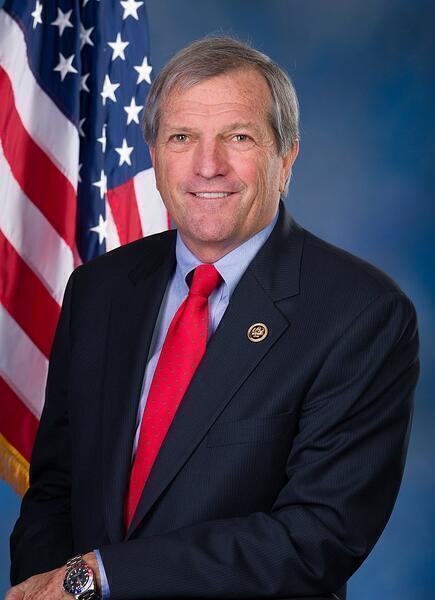

L
Lloyd Doggett

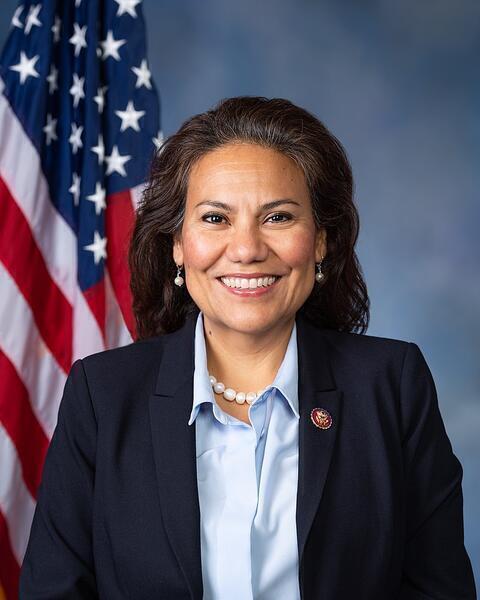
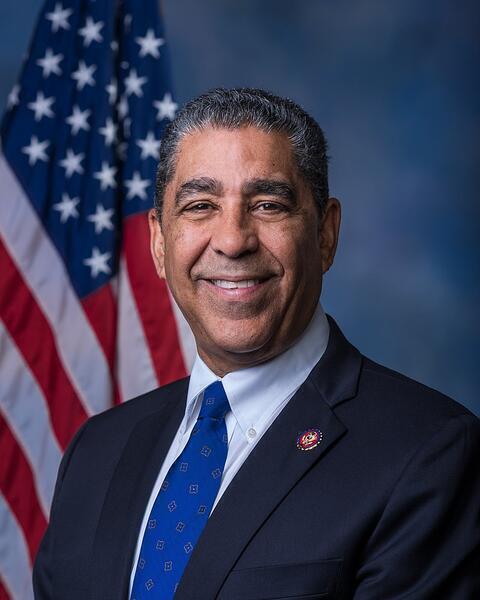




J
John Garamendi























































R
Rashida Tlaib

N
Nydia Velázquez