
H.R.3383 — Incentivizing New Ventures and Economic Strength Through Capital Formation Act of 2025
House Roll Call
H.R.3383
| Bill | H.R.3383 — Incentivizing New Ventures and Economic Strength Through Capital Formation Act of 2025 |
|---|---|
| Vote question | On Agreeing to the Amendment |
| Vote type | Recorded Vote |
| Result | Failed |
| Totals | Yea 211 / Nay 219 / Present 0 / Not Voting 8 |
| Party | Yea | Nay | Present | Not Voting |
|---|---|---|---|---|
| R | 4 | 213 | 0 | 5 |
| D | 207 | 6 | 0 | 3 |
| I | 0 | 0 | 0 | 0 |
Research Brief
On Agreeing to the Amendment
Bill Analysis
Bill Summary: HR 3383 - Incentivizing New Ventures and Economic Strength Through Capital Formation Act of 2025
The Incentivizing New Ventures and Economic Strength Through Capital Formation Act of 2025 (HR 3383) aims to enhance capital formation for small businesses and startups, thereby stimulating economic growth and job creation. The bill proposes several key provisions designed to incentivize investment in new ventures.
Key Provisions:
Tax Incentives for Investors: The bill introduces tax credits for individuals and entities that invest in qualified small businesses, particularly those in underserved markets. This includes a 25% tax credit for investments up to $1 million in eligible startups.
Regulatory Reforms: HR 3383 seeks to streamline the regulatory process for small businesses seeking to raise capital through crowdfunding and other means. This includes raising the limits on the amount that can be raised through crowdfunding platforms and reducing compliance burdens for small issuers.
Support for Innovation: The legislation allocates funding to the Small Business Administration (SBA) to create a new program that provides grants to incubators and accelerators that support innovative startups.
Investment in Technology and Research: The bill encourages partnerships between private investors and research institutions to foster technological advancements, with a focus on sectors such as clean energy, healthcare, and information technology.
Funding and Authorities: The bill authorizes appropriations for the SBA to implement the new programs and initiatives, although specific funding amounts are not detailed in the text. The SBA will oversee the distribution of grants and the administration of tax credits.
Beneficiaries and Regulatory Impact: The primary beneficiaries of HR 3383 include small businesses, startups, and investors, particularly those in economically disadvantaged areas. The bill aims to reduce barriers to entry for new ventures and increase the flow of capital to innovative enterprises.
Timeline: HR 3383 was introduced in the House and has been received in the Senate, where it has been read twice and referred to the Committee on Banking, Housing, and Urban Affairs for further consideration. Further legislative action is pending.
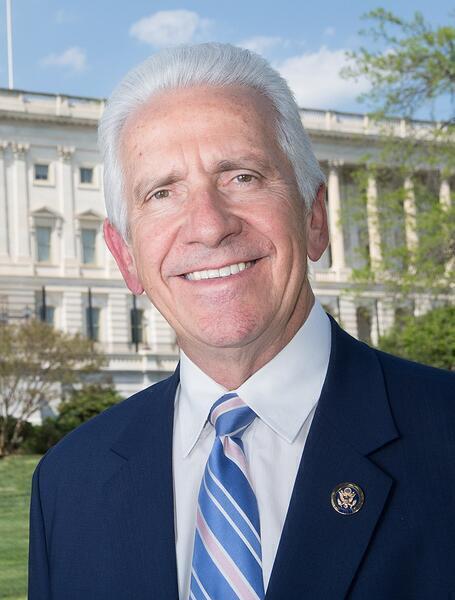
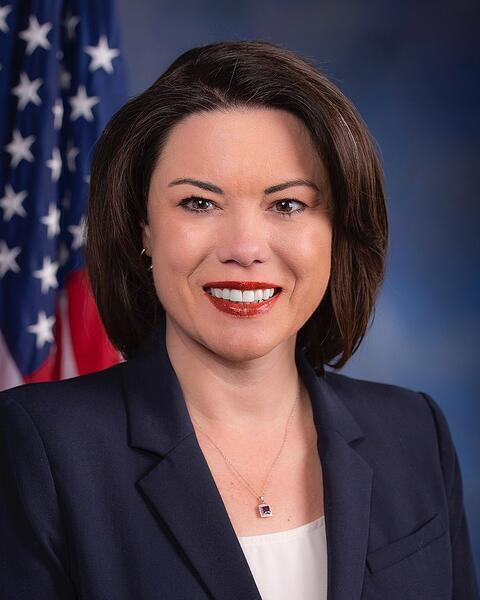
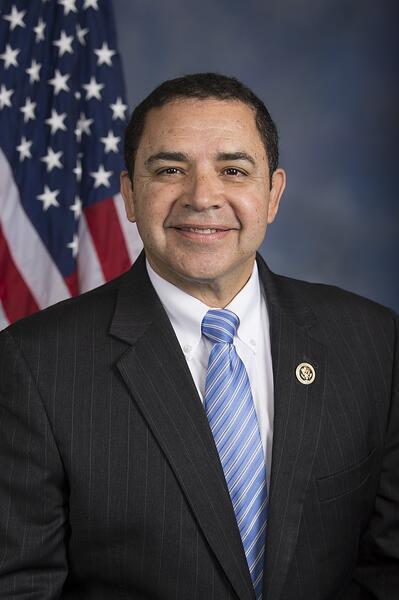
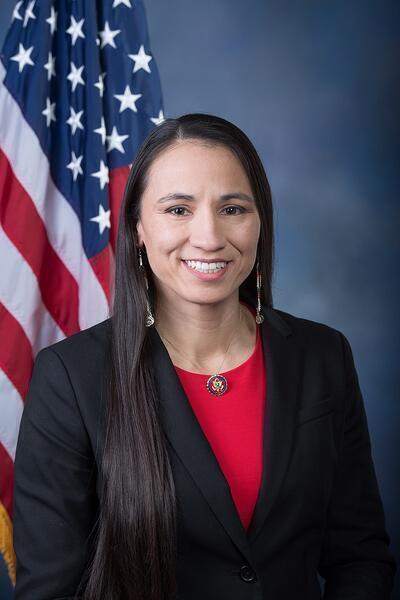
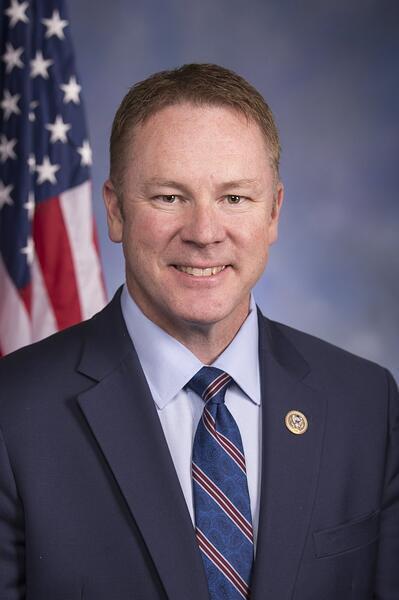
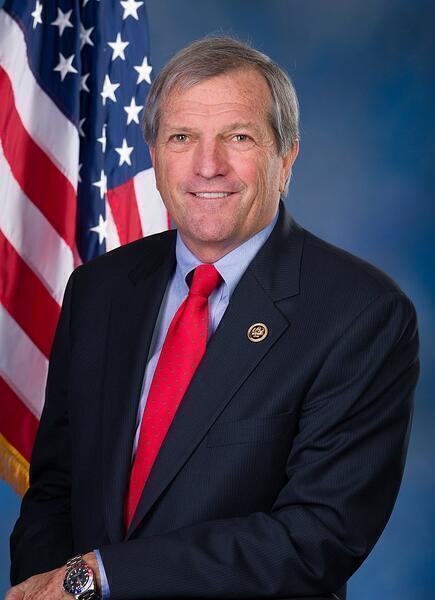
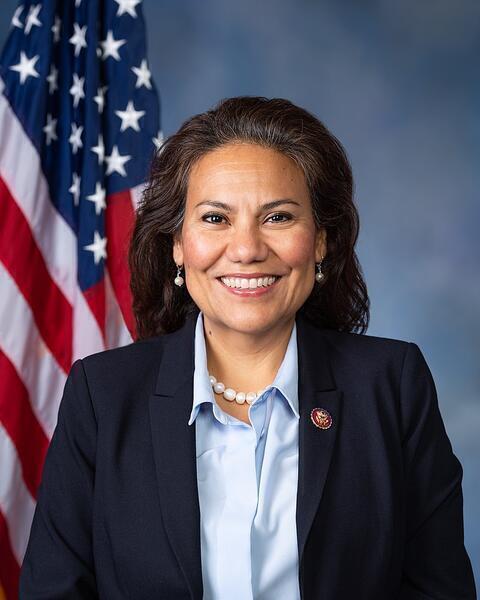
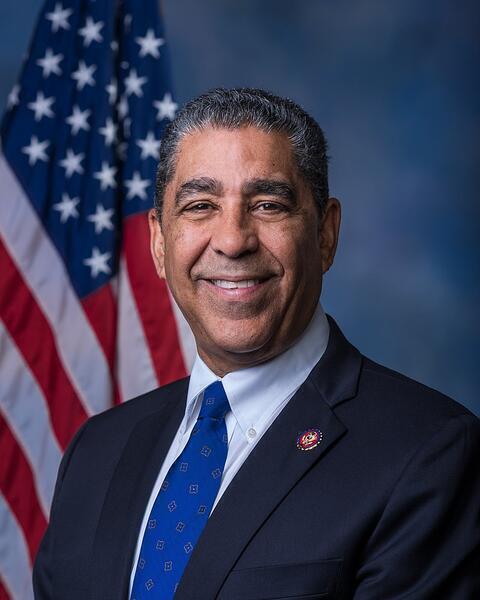
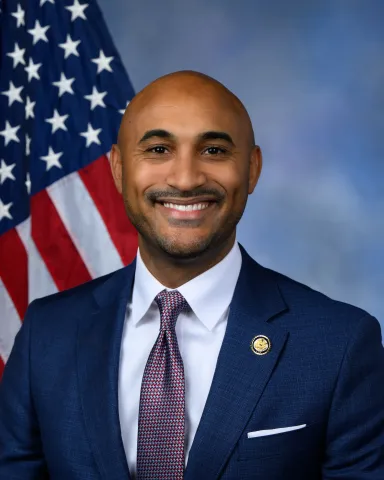
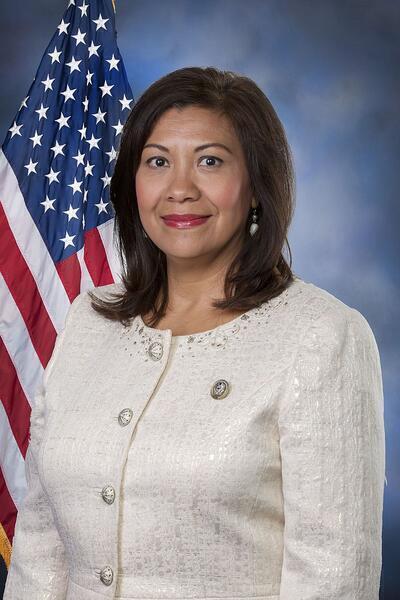
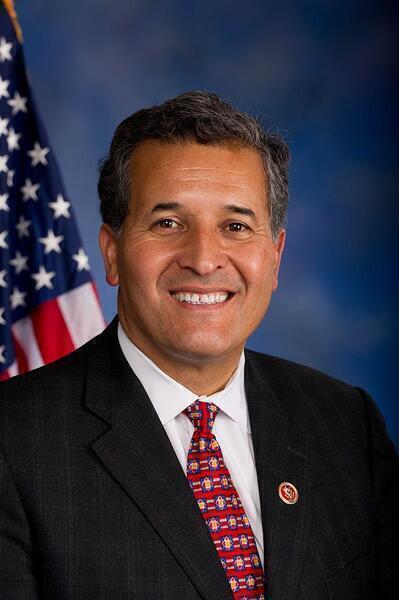
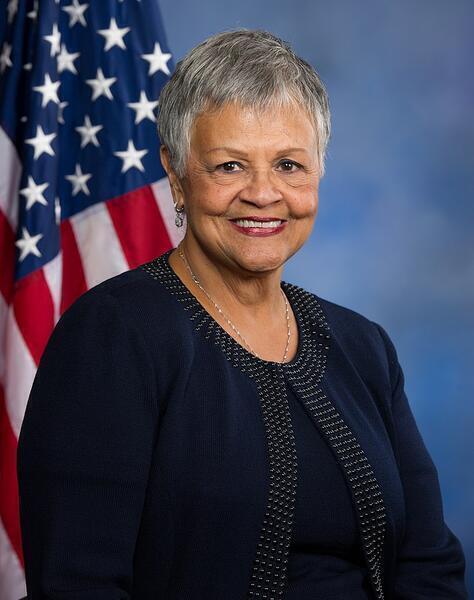
Yea (211)
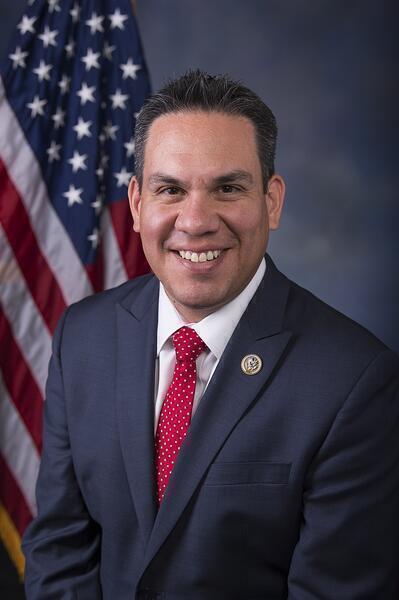



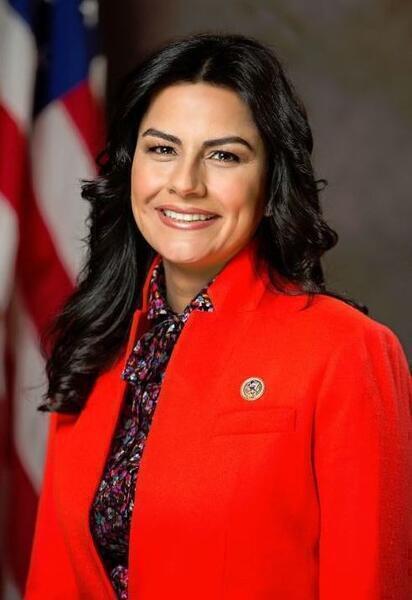
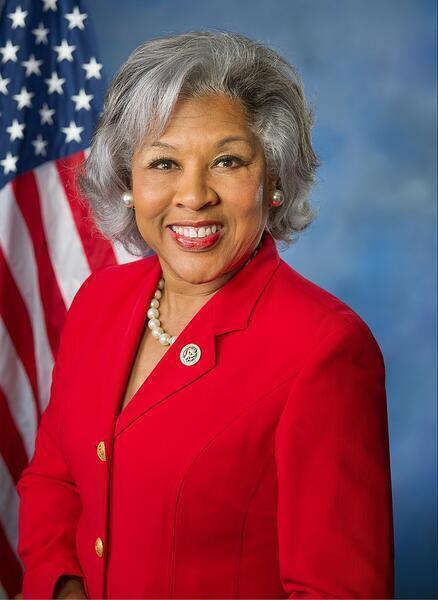

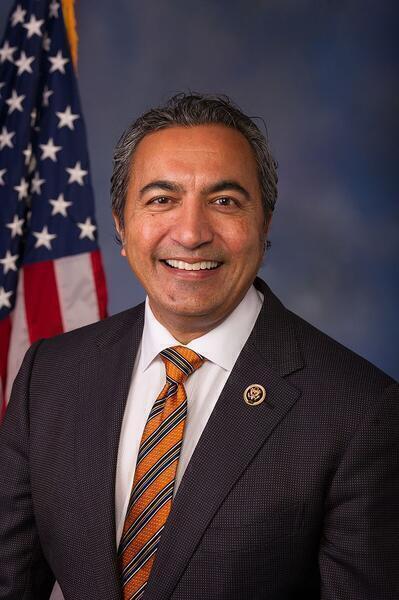







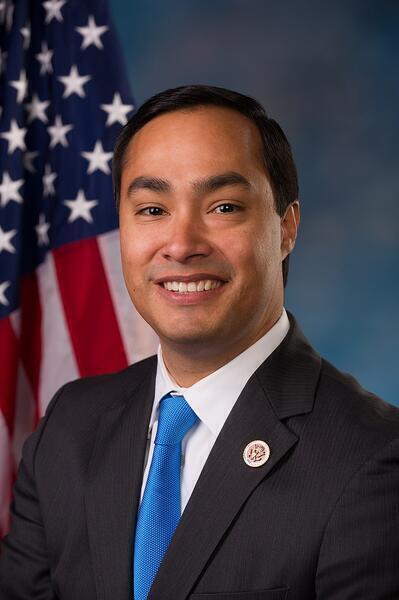

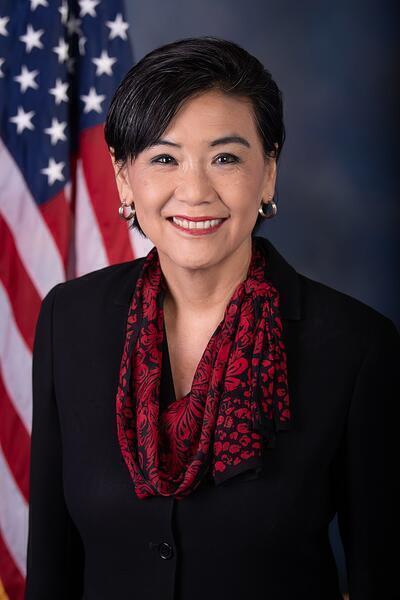
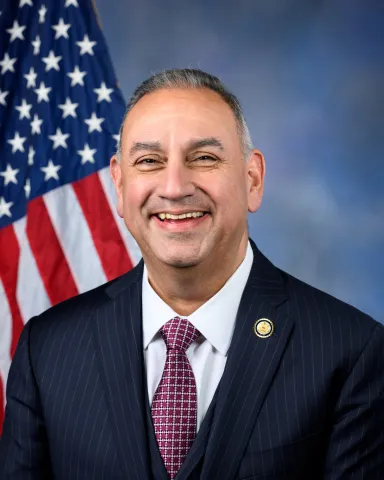






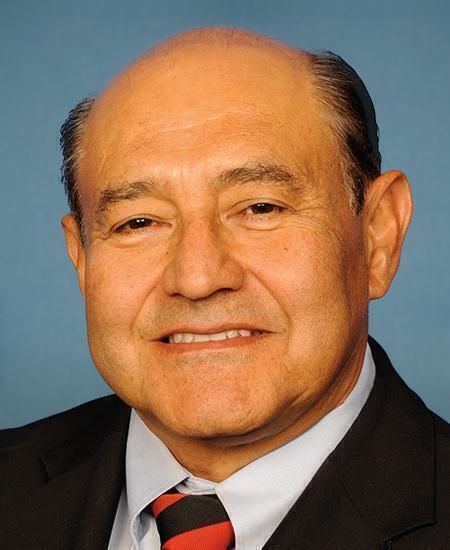


J
Jason Crow








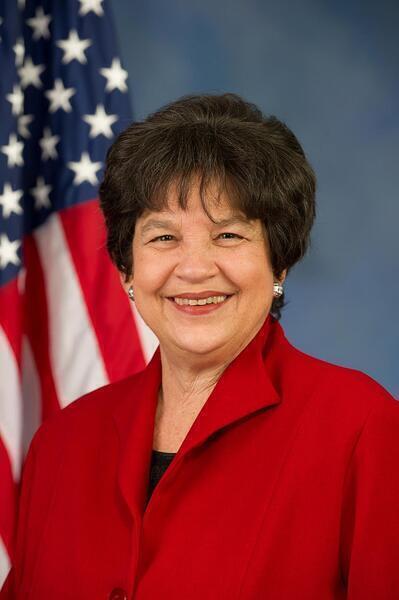
L
Lloyd Doggett








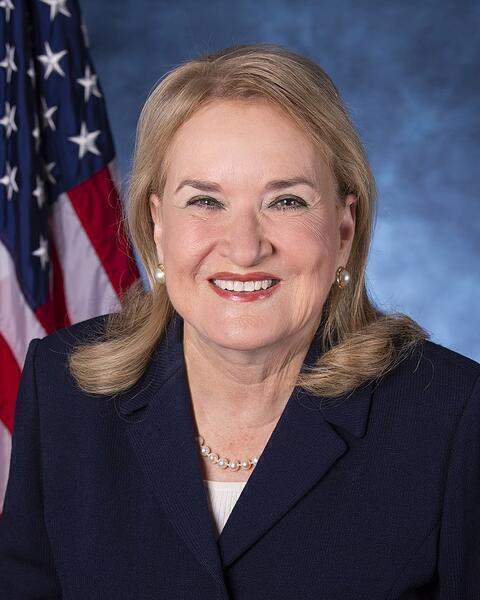
J
John Garamendi




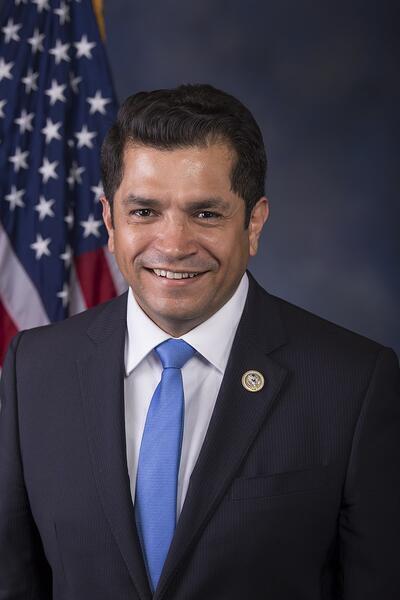































J
John Mannion

L
Lucy McBath

















































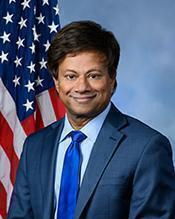
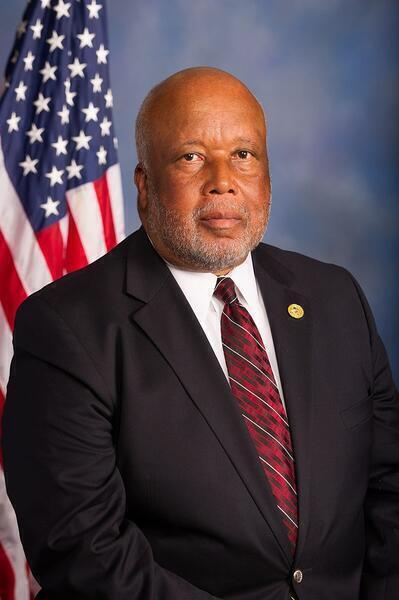
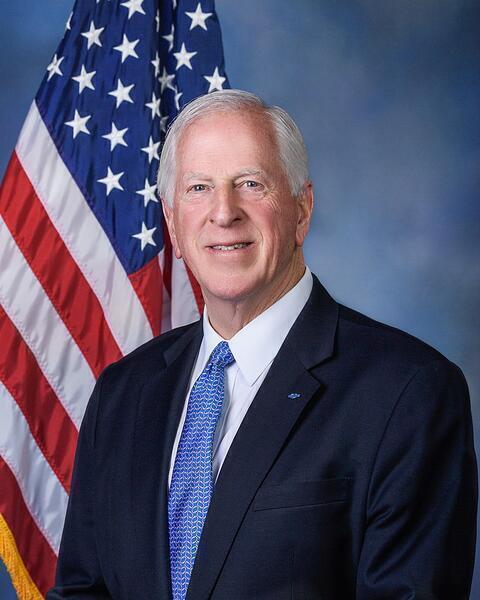

R
Rashida Tlaib

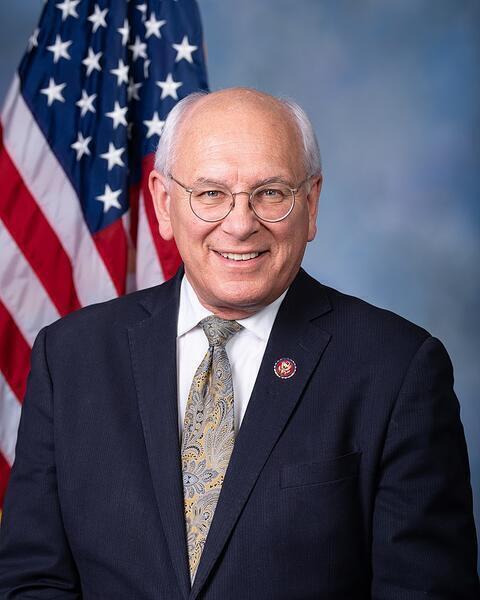






N
Nydia Velázquez


D
Debbie Wasserman Schultz




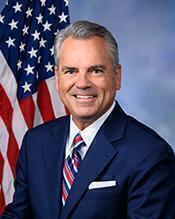
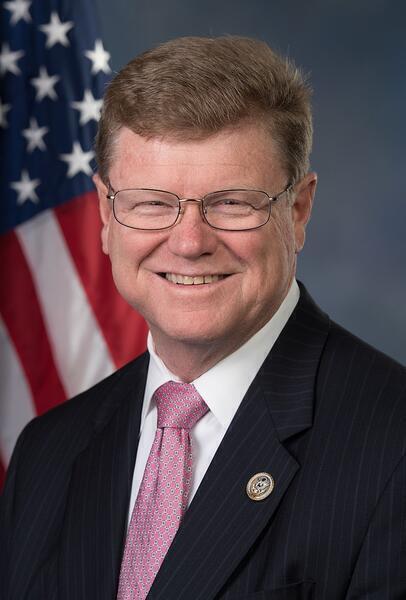
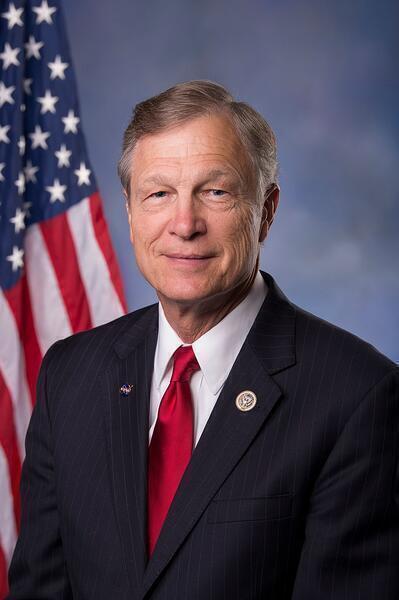
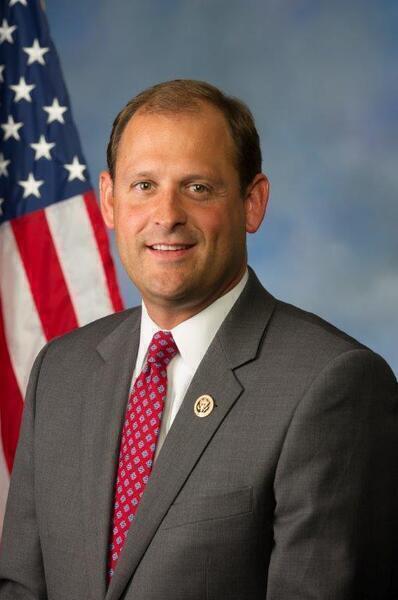
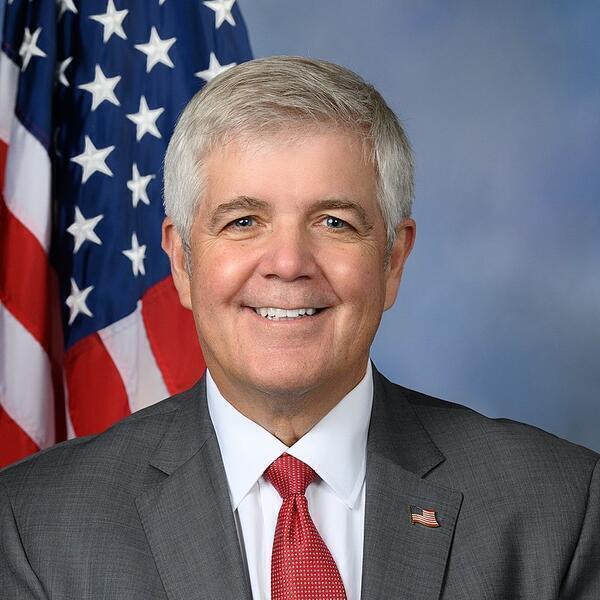
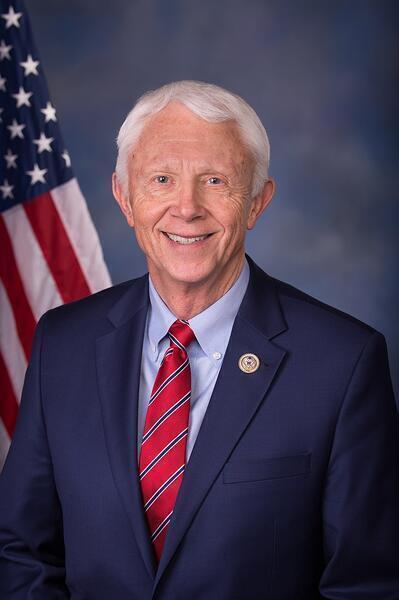
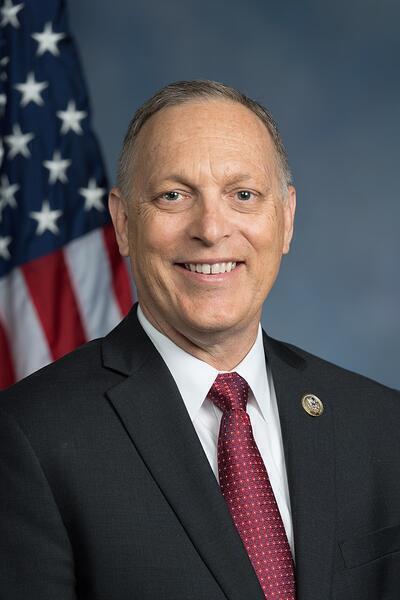
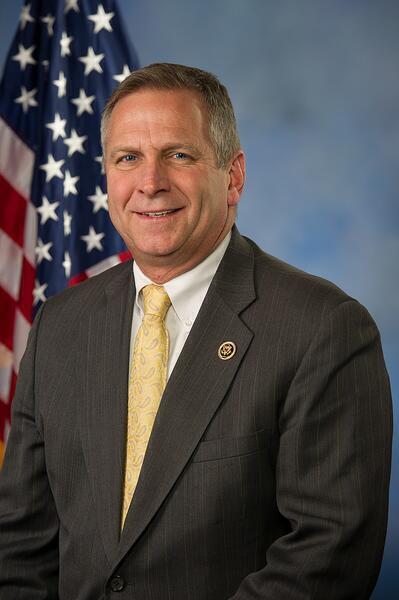
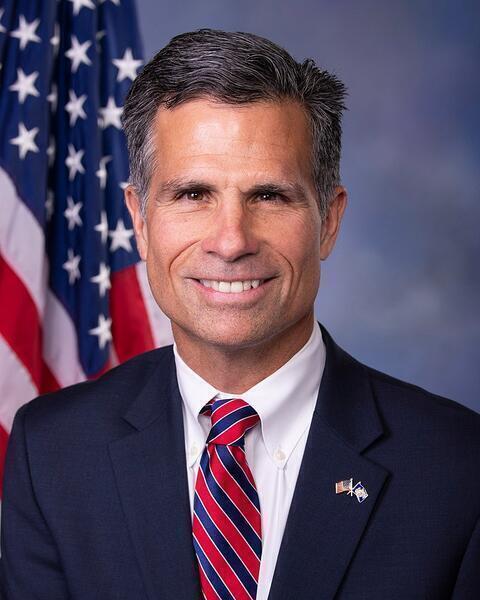
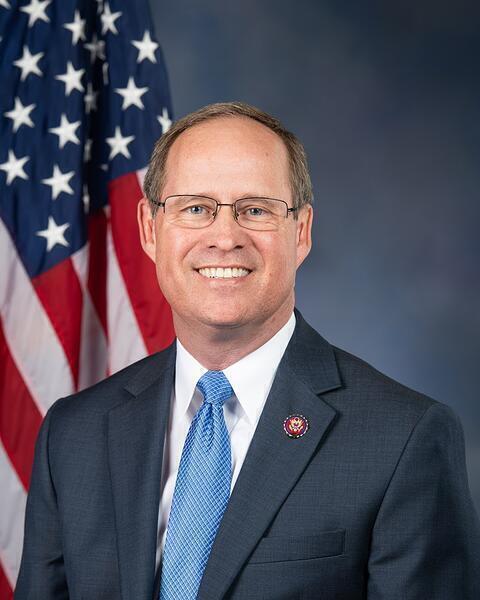
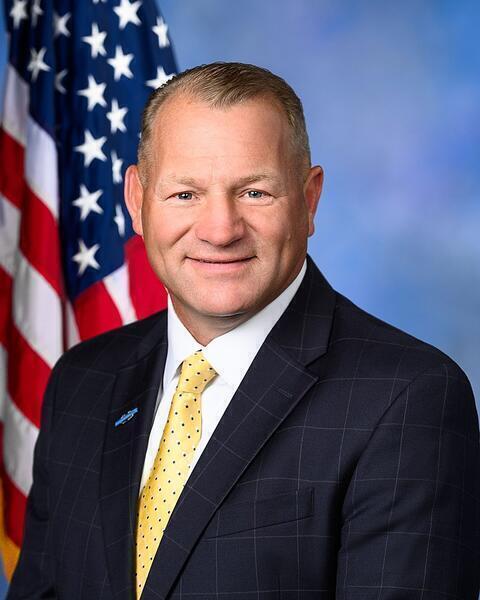
Nay (219)














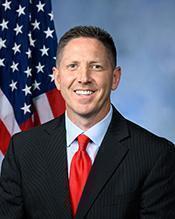



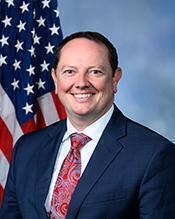
K
Ken Calvert


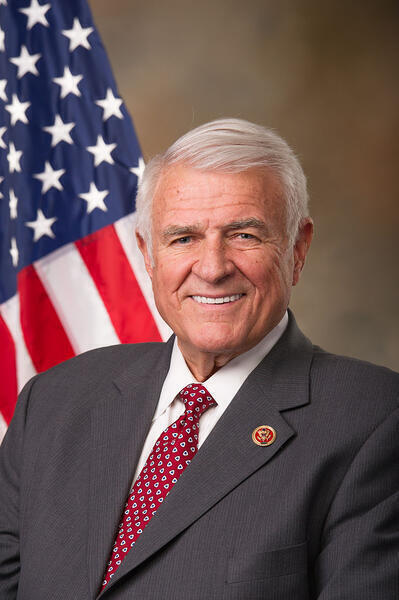
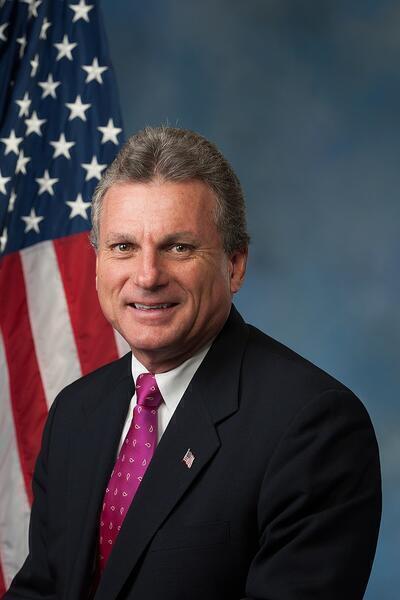























S
Scott Franklin















































L
Lisa McClain



























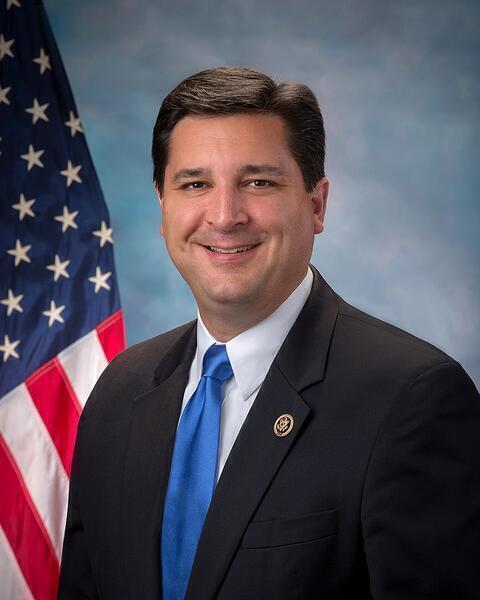
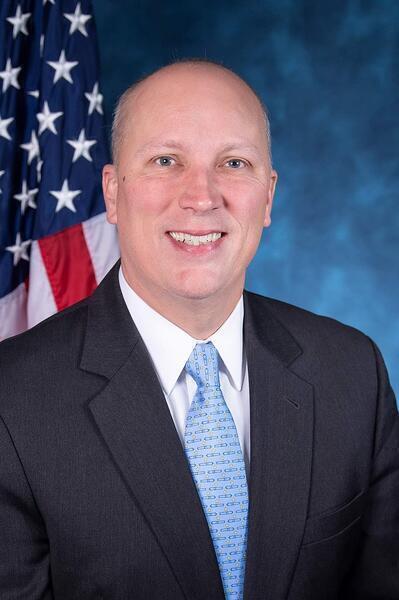





D
David Schweikert

P
Pete Sessions



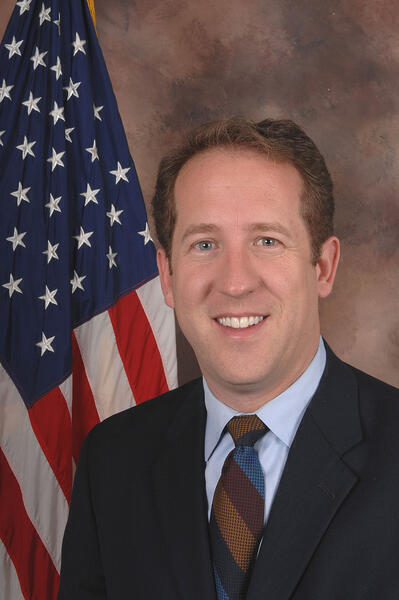













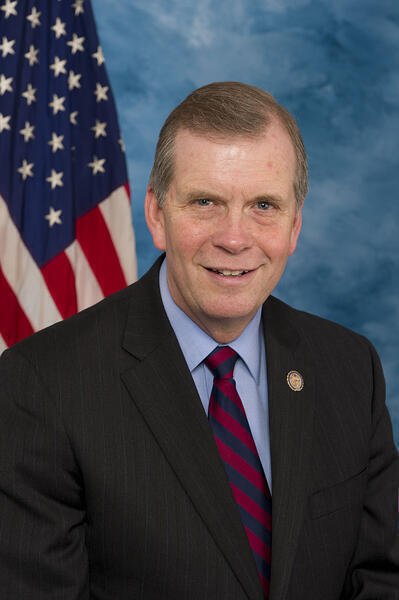
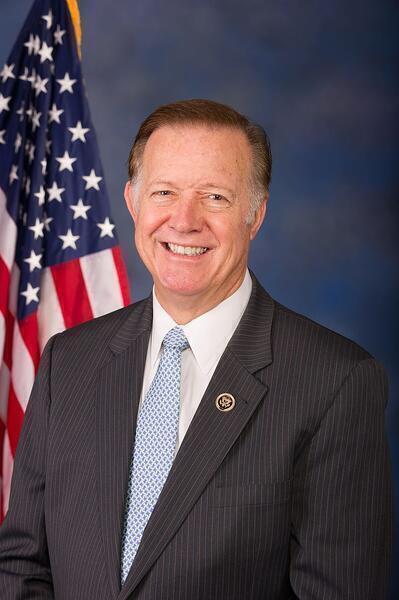




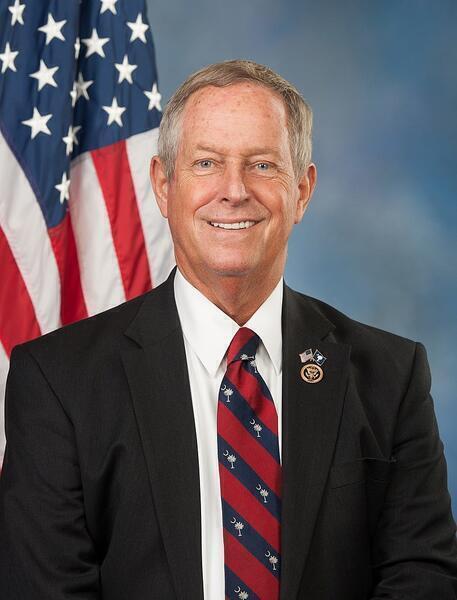




Not Voting (8)


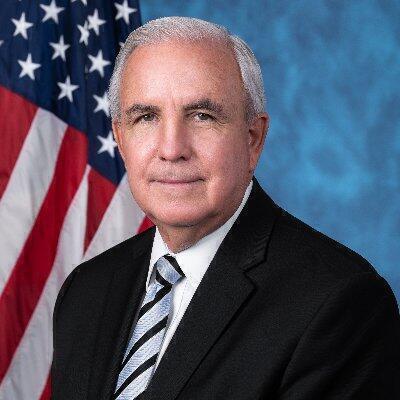


J
John Rutherford

E
Eric Swalwell