H.R.3383 — Incentivizing New Ventures and Economic Strength Through Capital Formation Act of 2025
House Roll Call
H.R.3383
| Bill | H.R.3383 — Incentivizing New Ventures and Economic Strength Through Capital Formation Act of 2025 |
|---|---|
| Vote question | On Agreeing to the Amendment |
| Vote type | Recorded Vote |
| Result | Failed |
| Totals | Yea 214 / Nay 215 / Present 0 / Not Voting 9 |
| Party | Yea | Nay | Present | Not Voting |
|---|---|---|---|---|
| R | 2 | 214 | 0 | 6 |
| D | 212 | 1 | 0 | 3 |
| I | 0 | 0 | 0 | 0 |
Research Brief
On Agreeing to the Amendment
Bill Analysis
Bill Summary: HR 3383 - Incentivizing New Ventures and Economic Strength Through Capital Formation Act of 2025
The Incentivizing New Ventures and Economic Strength Through Capital Formation Act of 2025 (HR 3383) aims to enhance capital formation for new and emerging businesses, thereby stimulating economic growth and job creation. The bill proposes a series of tax incentives and regulatory reforms designed to encourage investment in startups and small enterprises.
Key Provisions:
Tax Incentives: The bill introduces tax credits for investors who provide capital to qualified small businesses, particularly those in underserved communities. These credits are intended to lower the financial risk for investors and promote investment in high-potential ventures.
Regulatory Reforms: HR 3383 seeks to streamline the regulatory process for small businesses seeking to raise capital. This includes simplifying the registration process for securities offerings and reducing compliance burdens for small issuers.
Funding Authorities: The bill authorizes the establishment of a Small Business Investment Fund, which would provide matching funds to private investors who contribute to small businesses. This fund aims to leverage private capital and enhance the financial resources available to startups.
Affected Programs and Agencies: The bill impacts the Small Business Administration (SBA) and the Securities and Exchange Commission (SEC), as both agencies will play roles in implementing the proposed changes to investment regulations and overseeing the new funding mechanisms.
Beneficiaries: The primary beneficiaries of HR 3383 are small businesses and startups, particularly those in economically disadvantaged areas. Investors, including angel investors and venture capitalists, will also benefit from the tax incentives and reduced regulatory hurdles.
Key Timelines: Following its introduction, HR 3383 was received in the Senate, read twice, and referred to the Committee on Banking, Housing, and Urban Affairs for further consideration. The timeline for potential hearings, amendments, and votes remains to be established as the legislative process unfolds.
Overall, HR 3383 represents a strategic effort to bolster economic development through enhanced access to capital for new ventures.
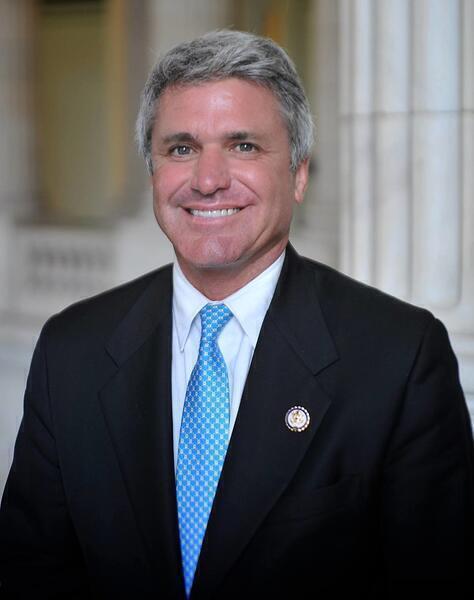
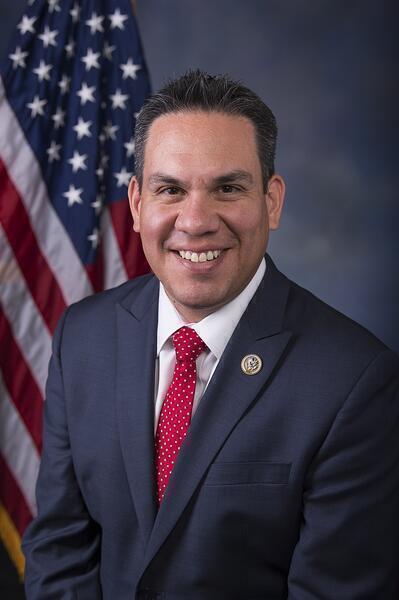
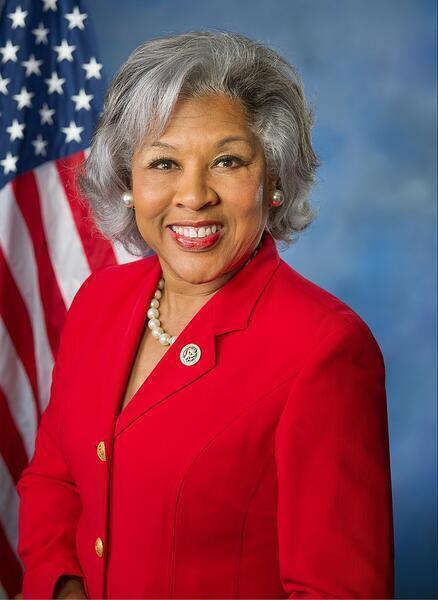
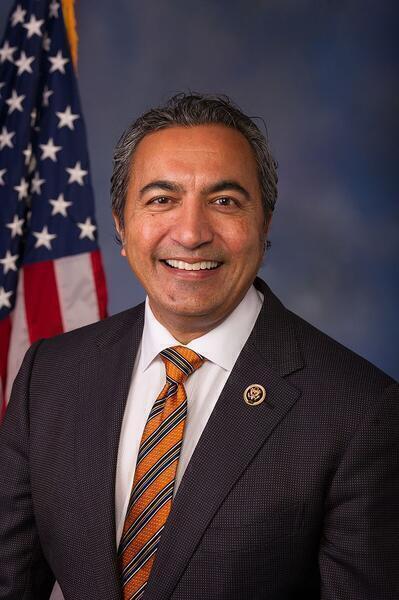
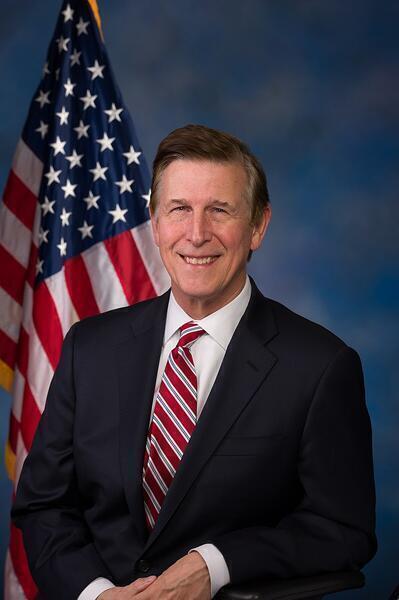
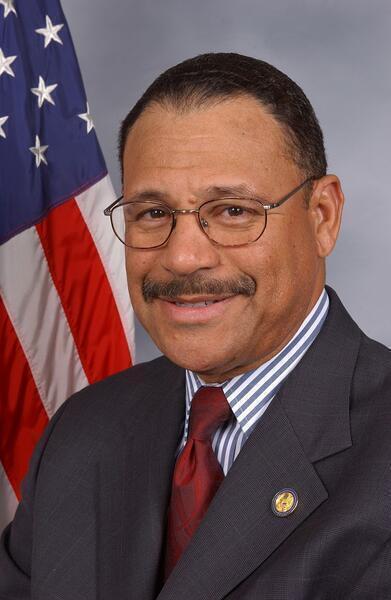
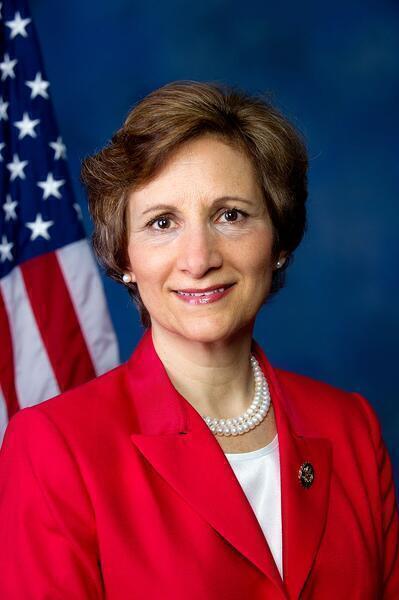
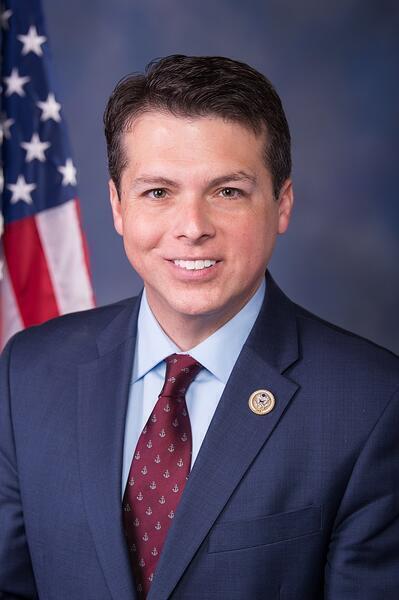
Yea (214)























J
Jason Crow









L
Lloyd Doggett









J
John Garamendi






































J
John Mannion

L
Lucy McBath



























































R
Rashida Tlaib








N
Nydia Velázquez


D
Debbie Wasserman Schultz




Nay (215)


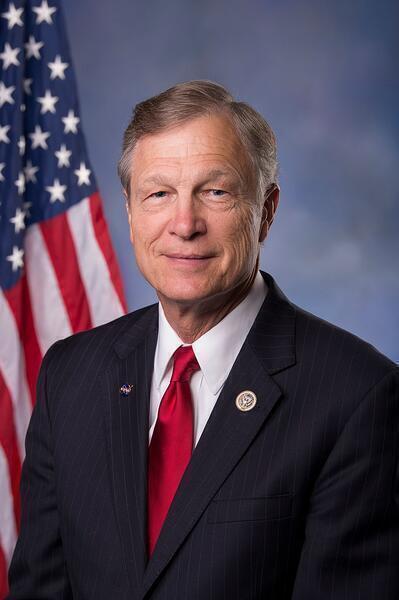











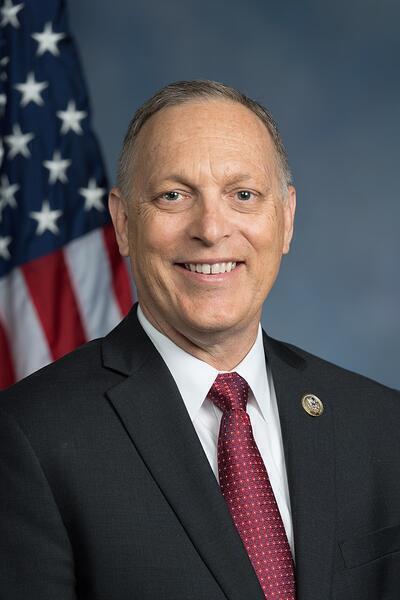



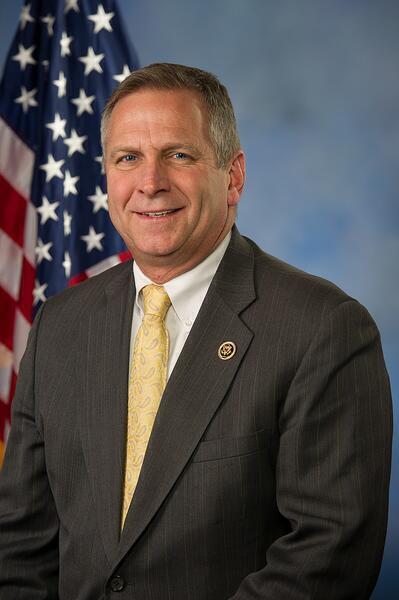





K
Ken Calvert


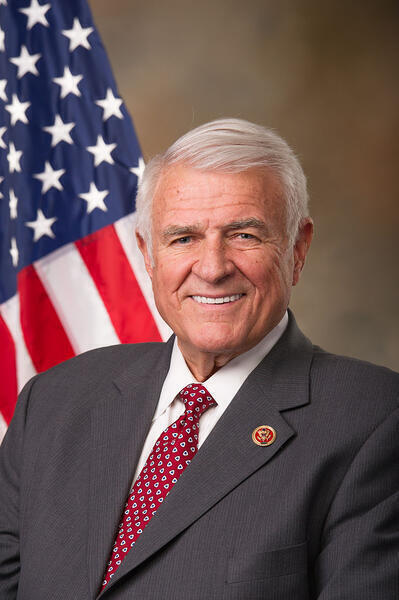


























S
Scott Franklin


















































L
Lisa McClain
































D
David Schweikert


P
Pete Sessions