H.R.498 — Do No Harm in Medicaid Act
House Roll Call
H.R.498
| Bill | H.R.498 — Do No Harm in Medicaid Act |
|---|---|
| Vote question | On Passage |
| Vote type | Yea-and-Nay |
| Result | Passed |
| Totals | Yea 215 / Nay 201 / Present 0 / Not Voting 17 |
| Party | Yea | Nay | Present | Not Voting |
|---|---|---|---|---|
| R | 211 | 0 | 0 | 9 |
| D | 4 | 201 | 0 | 8 |
| I | 0 | 0 | 0 | 0 |
Research Brief
On Passage
Bill Analysis
Bill Summary: HR 498 - Do No Harm in Medicaid Act
The Do No Harm in Medicaid Act (HR 498) aims to enhance the protections for individuals enrolled in Medicaid by prohibiting states from implementing work requirements and other eligibility restrictions that could limit access to health care services. This legislation is designed to ensure that Medicaid beneficiaries, particularly low-income individuals and families, are not subjected to barriers that could hinder their ability to receive necessary medical care.
Key Provisions:
- The bill explicitly prohibits states from imposing work requirements as a condition of Medicaid eligibility.
- It also restricts states from implementing policies that would reduce access to Medicaid, such as limiting enrollment or imposing premiums that could deter individuals from seeking coverage.
Funding and Authorities: While the bill does not allocate specific funding, it reinforces existing Medicaid funding structures by ensuring that states comply with federal guidelines that promote access to care. The legislation emphasizes the federal government’s role in safeguarding Medicaid beneficiaries’ rights.
Programs and Agencies Affected: The primary agency impacted by this bill is the Centers for Medicare & Medicaid Services (CMS), which oversees the Medicaid program. The legislation would affect state Medicaid programs across the country by mandating compliance with its provisions.
Beneficiaries and Regulation: The primary beneficiaries of the Do No Harm in Medicaid Act are low-income individuals and families who rely on Medicaid for health care services. By preventing states from imposing restrictive eligibility criteria, the bill aims to protect vulnerable populations, including children, the elderly, and individuals with disabilities.
Key Timelines: The latest action on HR 498 occurred when the Rules Committee reported H. Res. 953, which provides for the consideration of HR 498 alongside other bills. The resolution establishes a closed rule for debate, allowing for one hour of general discussion and one motion to recommit, facilitating a structured legislative process.
In summary, HR 498 seeks to fortify Medicaid access by eliminating eligibility barriers, thereby ensuring that millions of Americans can receive essential health care services without undue hardship.
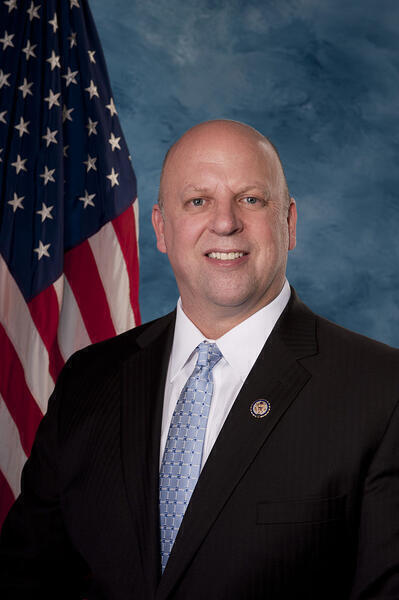
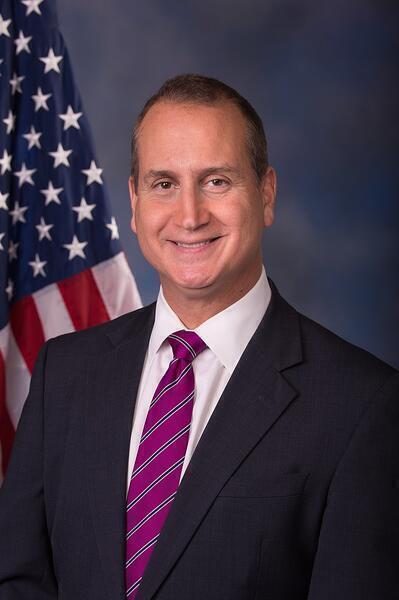
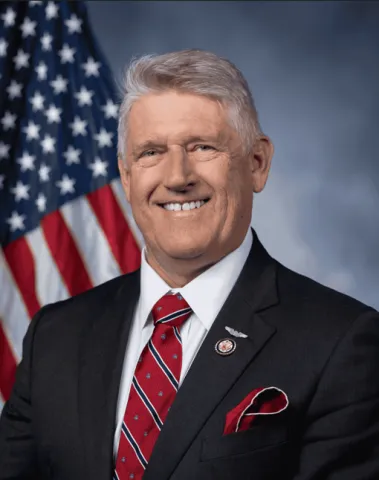
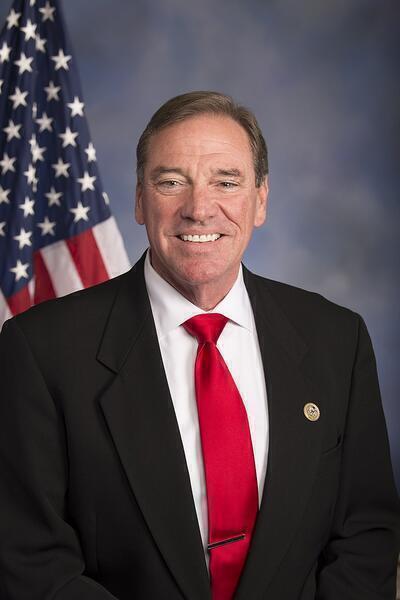
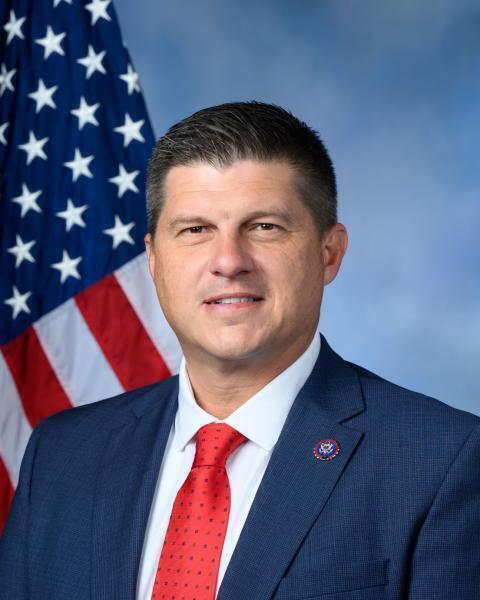
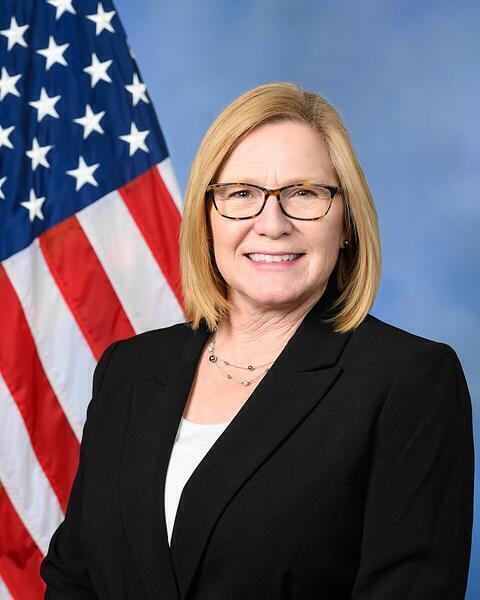
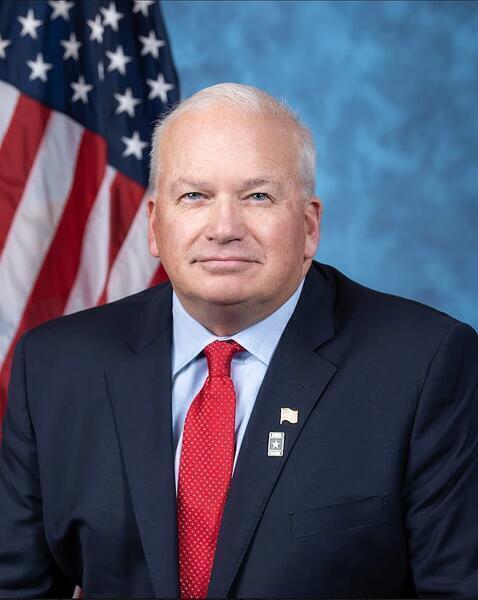
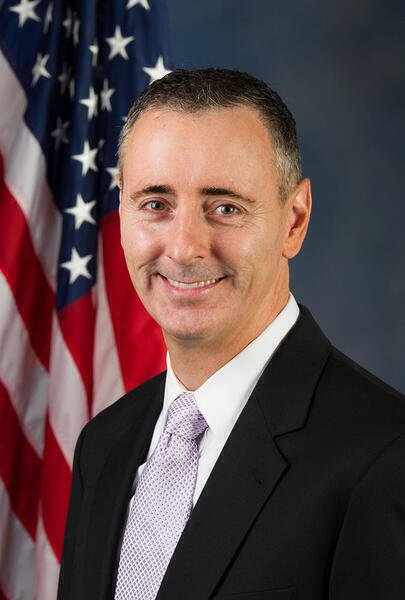
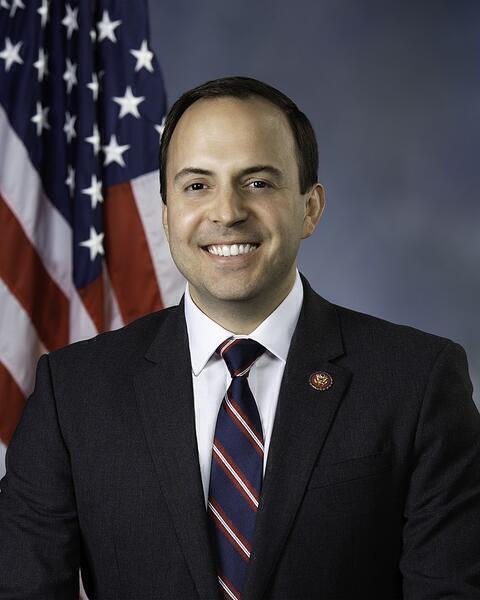
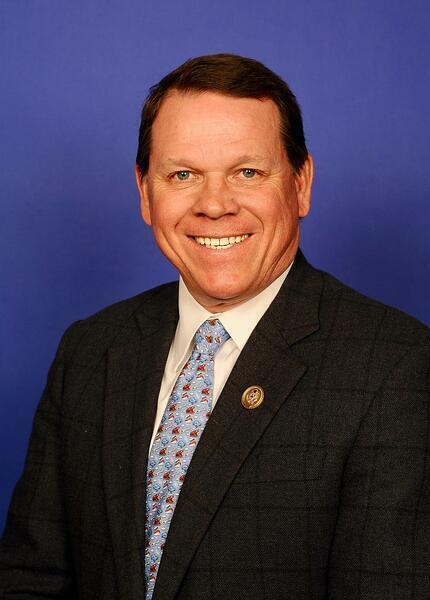
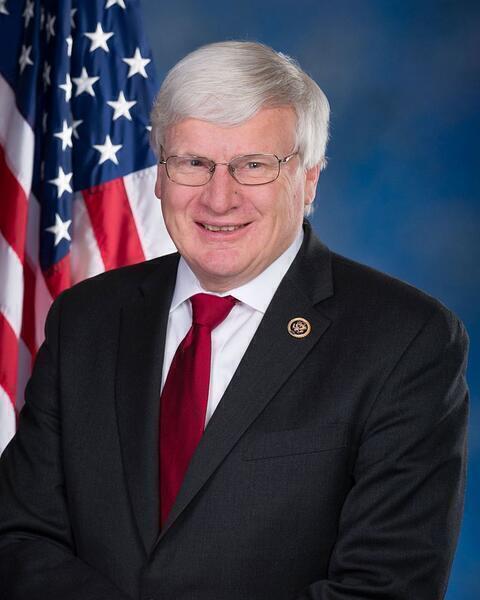
Yea (215)
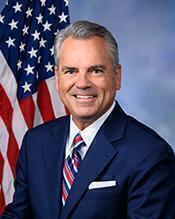
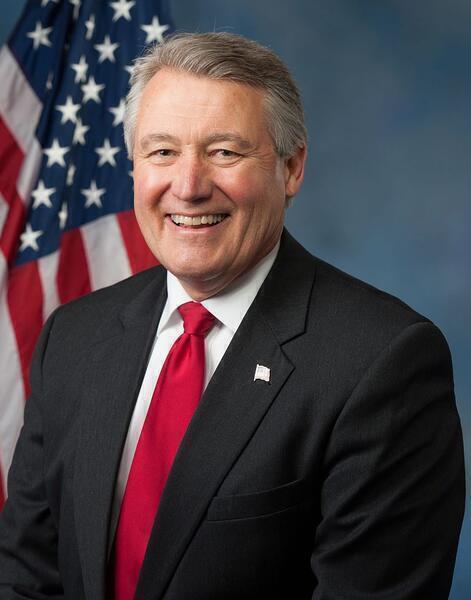
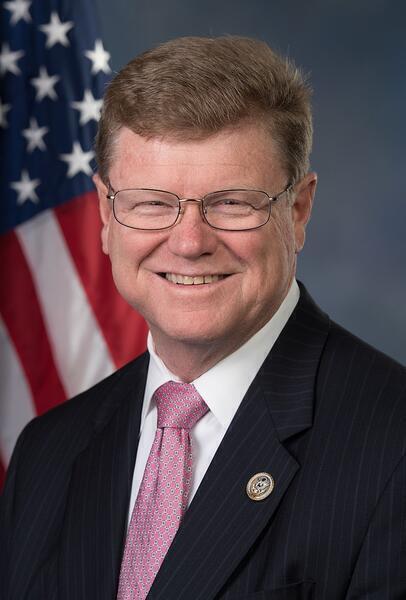

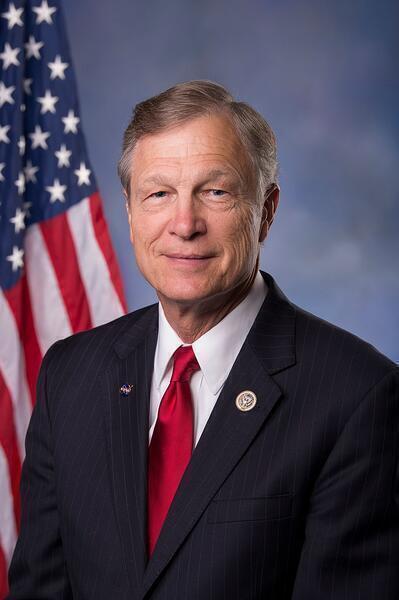




K
Ken Calvert

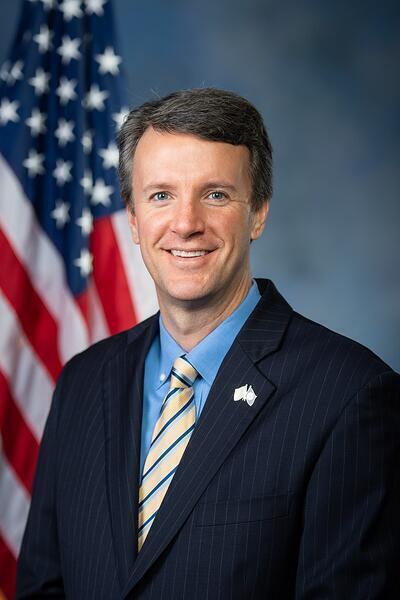
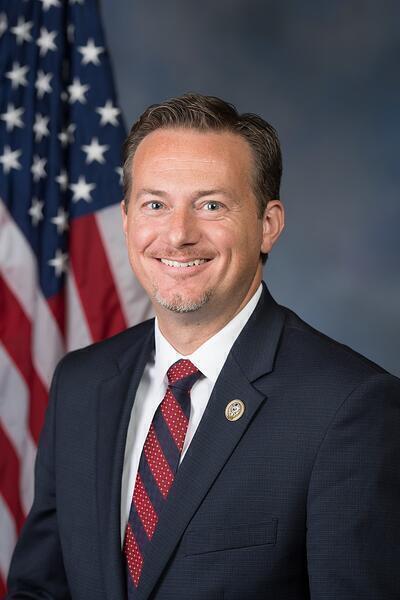
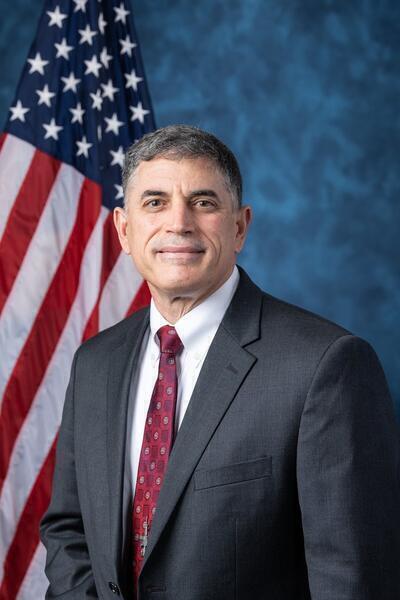
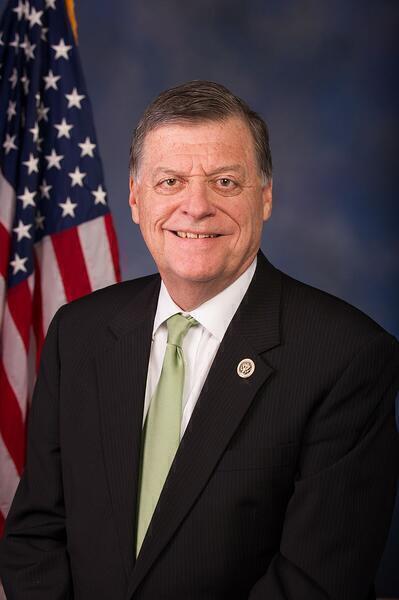

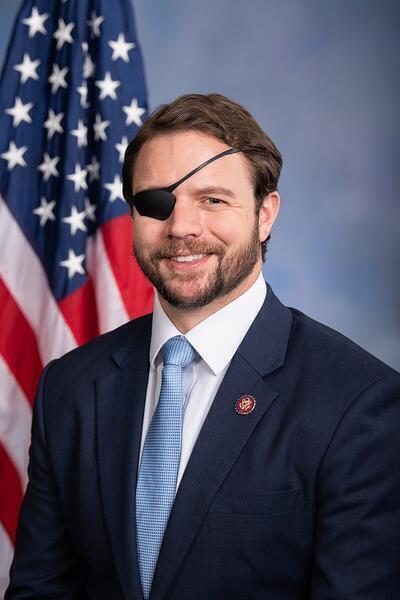
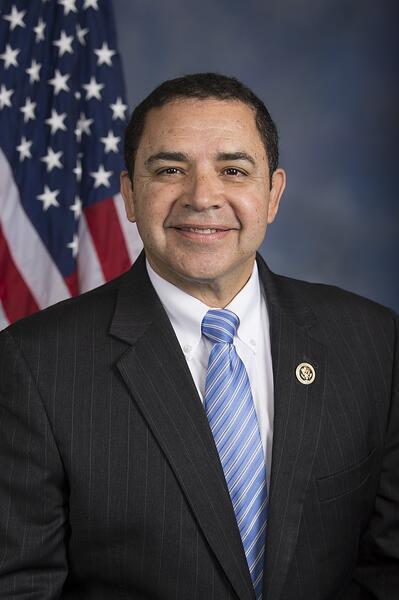
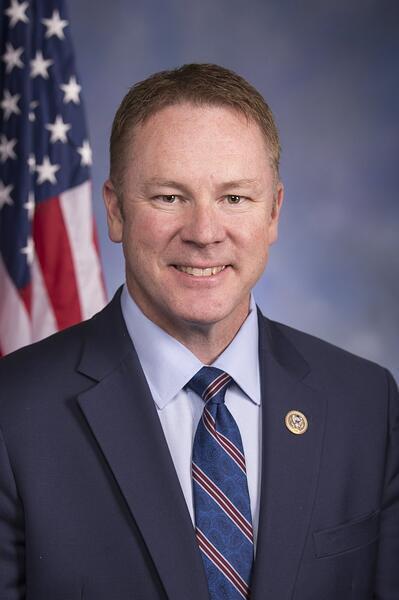










S
Scott Franklin











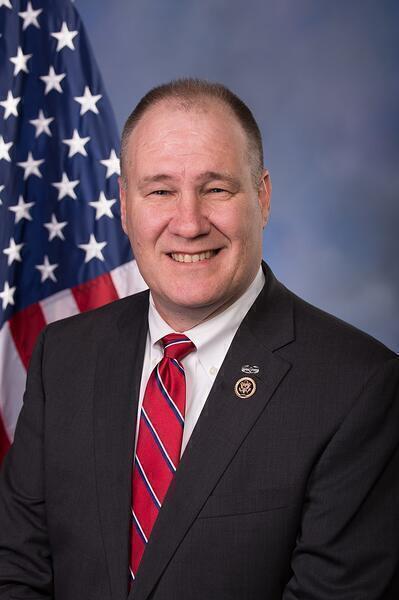

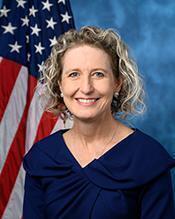
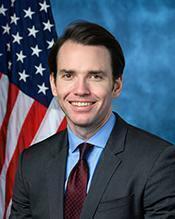

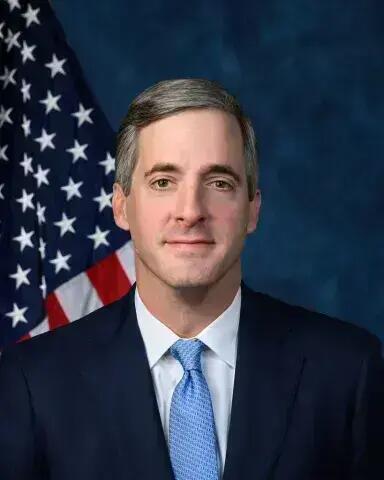


L
Lisa McClain










J
John Rutherford
D
David Schweikert
P
Pete Sessions






Nay (201)






J
Jason Crow







J
John Garamendi







J
John Mannion






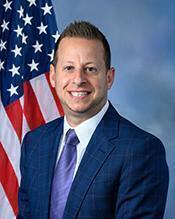
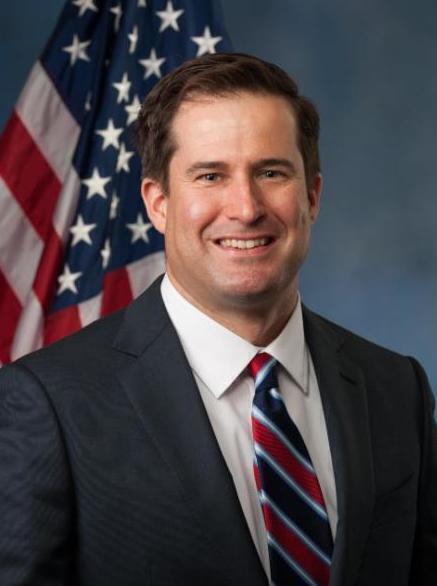
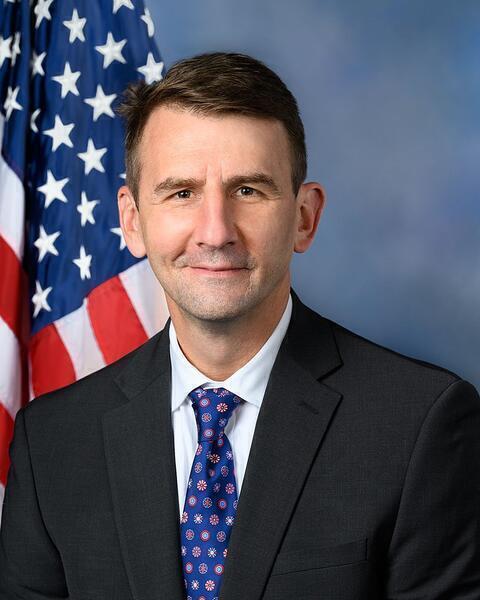













R
Rashida Tlaib


N
Nydia Velázquez
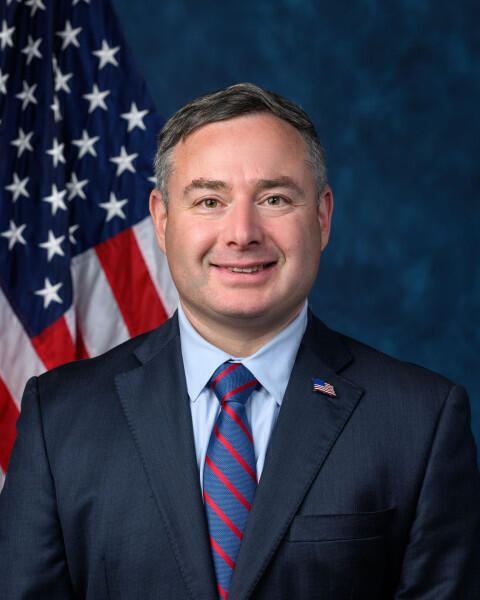

D
Debbie Wasserman Schultz