
H.R.736 — Protect Small Businesses from Excessive Paperwork Act of 2025
House Roll Call
H.R.736
| Bill | H.R.736 — Protect Small Businesses from Excessive Paperwork Act of 2025 |
|---|---|
| Vote question | On Motion to Suspend the Rules and Pass |
| Vote type | 2/3 Yea-And-Nay |
| Result | Passed |
| Totals | Yea 408 / Nay 0 / Present 0 / Not Voting 25 |
| Party | Yea | Nay | Present | Not Voting |
|---|---|---|---|---|
| R | 207 | 0 | 0 | 11 |
| D | 201 | 0 | 0 | 14 |
| I | 0 | 0 | 0 | 0 |
Research Brief
On Motion to Suspend the Rules and Pass
Bill Analysis
Bill Summary: HR 736 - Protect Small Businesses from Excessive Paperwork Act of 2025
The Protect Small Businesses from Excessive Paperwork Act of 2025 aims to alleviate the administrative burden on small businesses by streamlining federal paperwork requirements. The bill seeks to amend the Paperwork Reduction Act of 1980, which governs the collection of information by federal agencies, ensuring that small businesses are not disproportionately impacted by reporting and compliance obligations.
Key Provisions:
Exemption for Small Businesses: The bill proposes to exempt small businesses, defined as those with fewer than 50 employees, from certain federal reporting requirements that are deemed excessive or redundant. This exemption is intended to reduce the time and resources small businesses spend on paperwork, allowing them to focus on growth and innovation.
Agency Accountability: It mandates that federal agencies conduct a review of their information collection practices to identify burdensome requirements specifically affecting small businesses. Agencies are required to report their findings and proposed changes to Congress, ensuring transparency and accountability.
Support for Compliance: The bill encourages the establishment of a Small Business Paperwork Reduction Task Force within the Small Business Administration (SBA) to assist small businesses in navigating federal paperwork requirements and to advocate for their interests in federal decision-making.
Funding and Authorities: While the bill does not allocate specific funding, it empowers the SBA to utilize existing resources to implement the task force and support small businesses.
Beneficiaries and Regulation: The primary beneficiaries are small businesses across various sectors that face challenges due to excessive federal paperwork. The bill aims to create a more favorable regulatory environment, promoting economic growth and job creation.
Key Timelines: Following its introduction, HR 736 was received in the Senate, read twice, and referred to the Committee on Banking, Housing, and Urban Affairs for further consideration. The timeline for subsequent actions will depend on the committee’s review and any subsequent legislative processes.
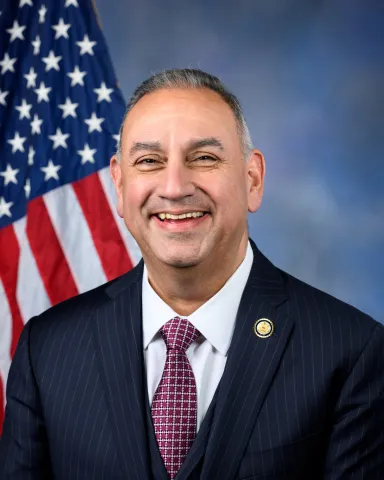
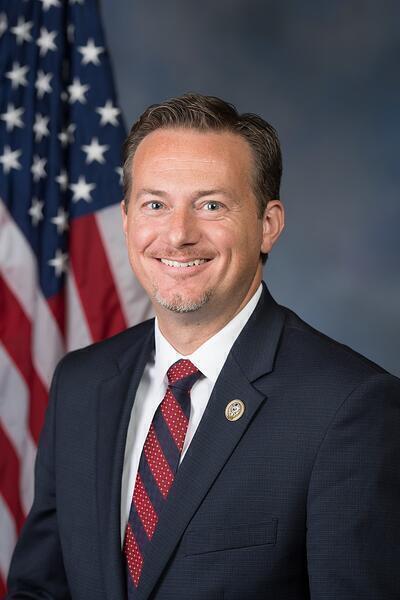
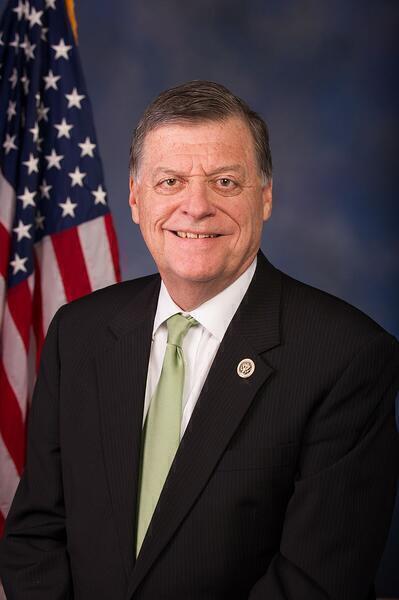
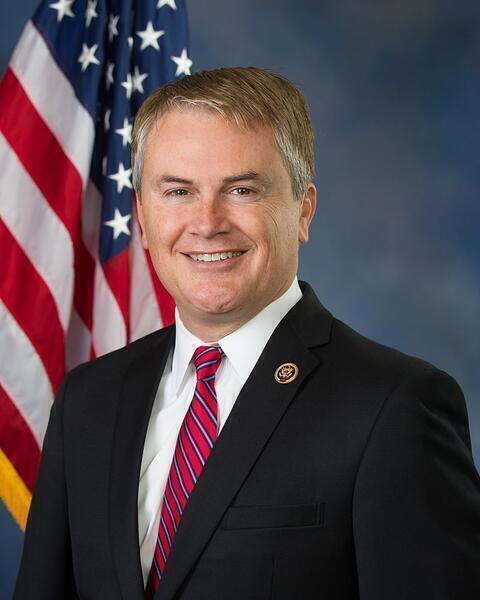
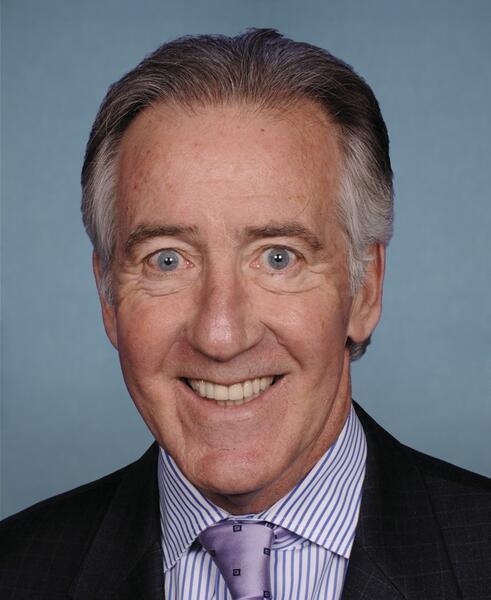
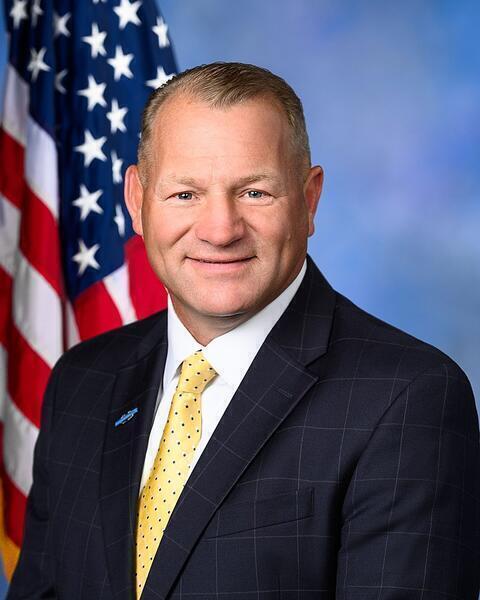
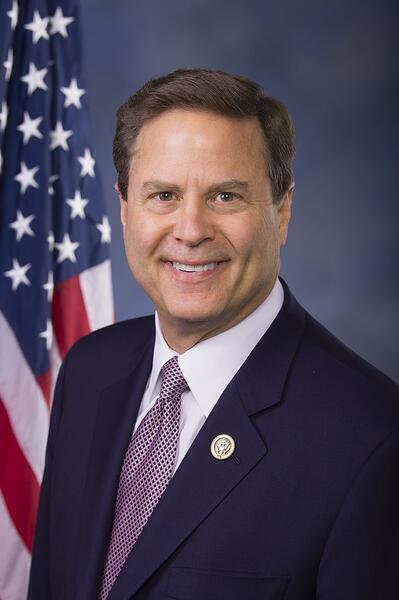
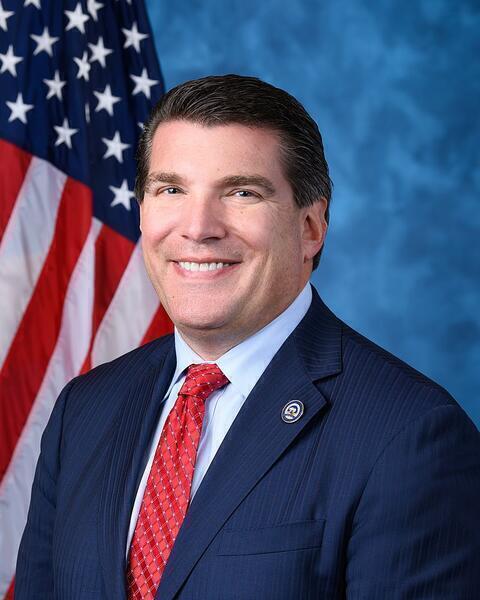
Yea (408)





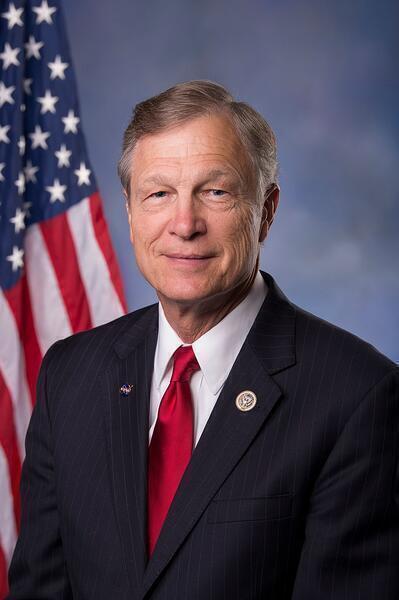








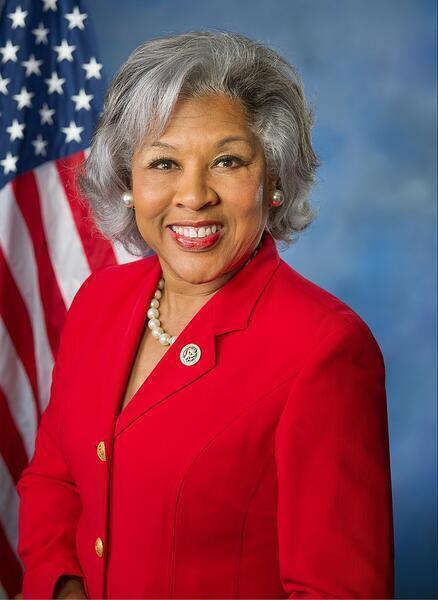



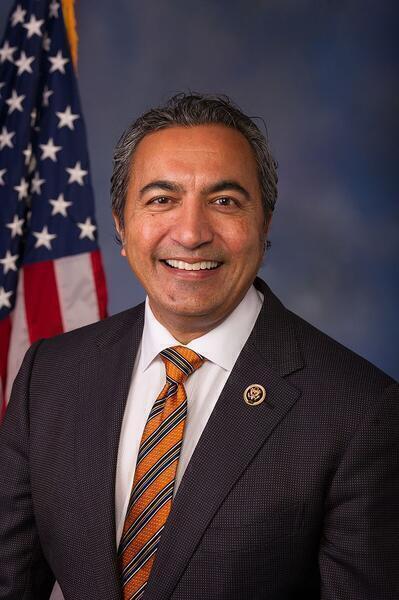
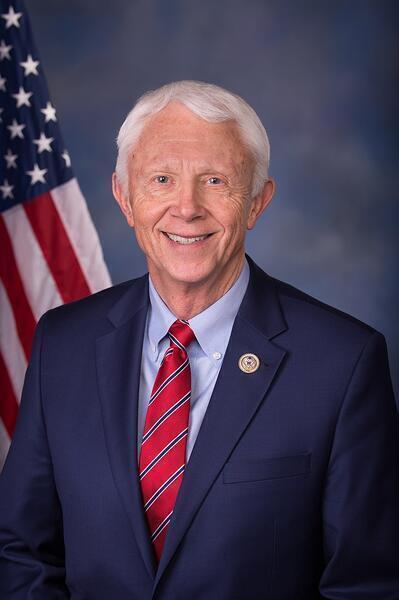










K
Ken Calvert















G
Gerald Connolly






J
Jason Crow









L
Lloyd Doggett


















S
Scott Franklin



J
John Garamendi












M
Mark Green


























































J
John Mannion



L
Lucy McBath

L
Lisa McClain





















































J
John Rutherford










D
David Schweikert
P
Pete Sessions





















R
Rashida Tlaib






S
Sylvester Turner




N
Nydia Velázquez


D
Debbie Wasserman Schultz









Not Voting (25)



R
Raúl Grijalva









E
Eric Swalwell