H.J.Res.20 — Providing for congressional disapproval under chapter 8 of title 5, United States Code, of the rule submitted by the Department of Energy relating to "Energy Conservation Program: Energy Conservation Standards for Consumer Gas-fired Instantaneous Water Heaters".
House Roll Call
H.J.Res.20
| Bill | H.J.Res.20 — Providing for congressional disapproval under chapter 8 of title 5, United States Code, of the rule submitted by the Department of Energy relating to "Energy Conservation Program: Energy Conservation Standards for Consumer Gas-fired Instantaneous Water Heaters". |
|---|---|
| Vote question | On Passage |
| Vote type | Yea-and-Nay |
| Result | Passed |
| Totals | Yea 221 / Nay 198 / Present 2 / Not Voting 12 |
| Party | Yea | Nay | Present | Not Voting |
|---|---|---|---|---|
| R | 210 | 0 | 2 | 6 |
| D | 11 | 198 | 0 | 6 |
| I | 0 | 0 | 0 | 0 |
Research Brief
On Passage
Bill Analysis
HJRES 20, known as the Congressional Disapproval of Energy Conservation Standards for Consumer Gas-fired Instantaneous Water Heaters, is a joint resolution passed by the 119th Congress that aims to nullify a specific rule established by the Department of Energy (DOE). This rule pertains to energy conservation standards for gas-fired instantaneous water heaters, which are appliances designed to heat water on demand.
The resolution invokes the Congressional Review Act (CRA), allowing Congress to disapprove of federal agency rules. By passing HJRES 20, Congress effectively blocks the DOE’s energy conservation standards that were intended to enhance energy efficiency and reduce greenhouse gas emissions from these appliances. The disapproval means that the previous standards, which may be less stringent, will remain in effect.
The affected agency is the Department of Energy, which is responsible for setting energy conservation standards under the Energy Policy and Conservation Act. The resolution impacts manufacturers and consumers of gas-fired instantaneous water heaters, as it prevents the implementation of potentially stricter efficiency requirements that could lead to higher upfront costs for manufacturers but lower energy costs for consumers over time.
Key beneficiaries of this disapproval include manufacturers of gas-fired water heaters who may face fewer regulatory burdens and consumers who prefer lower-cost options that may not meet the higher efficiency standards. However, the broader implications may involve environmental considerations, as less stringent standards could lead to increased energy consumption and higher emissions.
The resolution was signed into law and became Public Law No: 119-6, reflecting a significant legislative action taken in response to regulatory measures by the DOE. The timeline for the resolution’s passage included its introduction, debates, and votes in both chambers of Congress, culminating in its enactment into law.
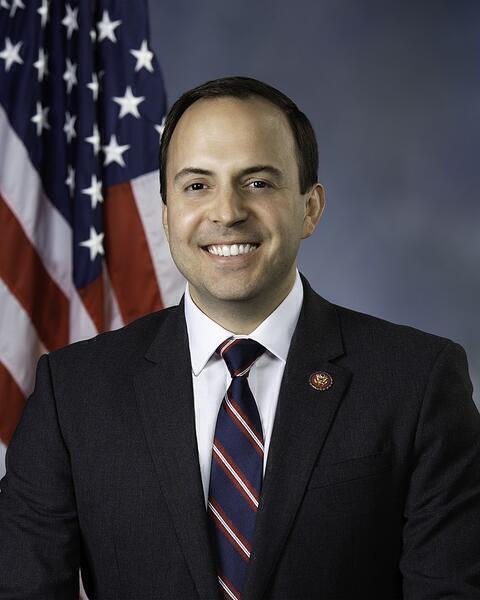
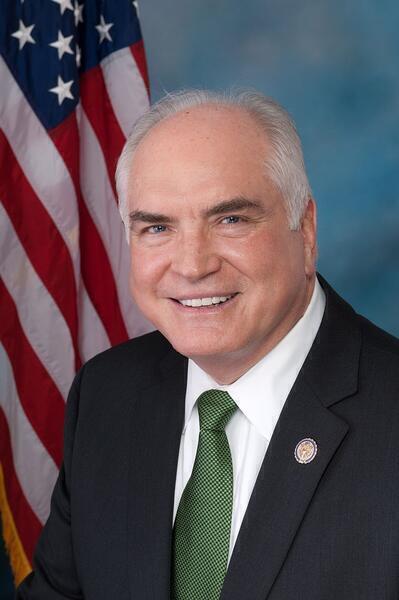
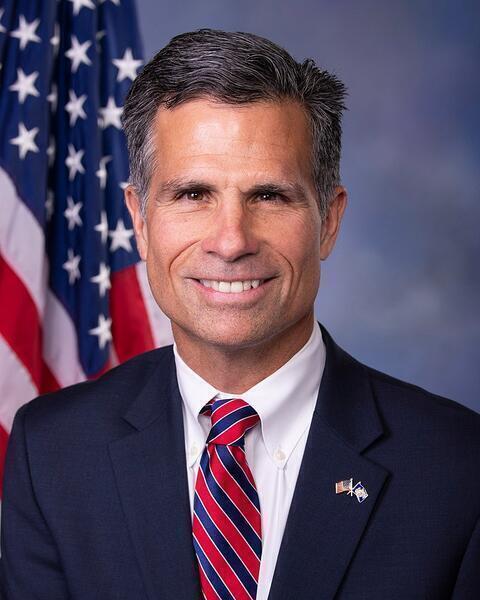
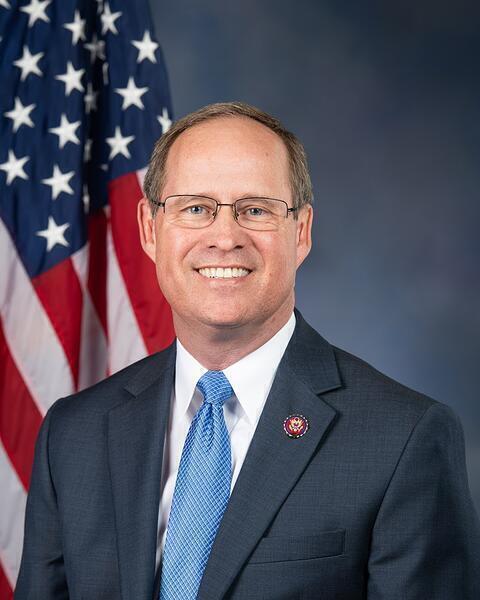
Yea (221)


























K
Ken Calvert



































S
Scott Franklin












M
Mark Green

























































L
Lisa McClain



























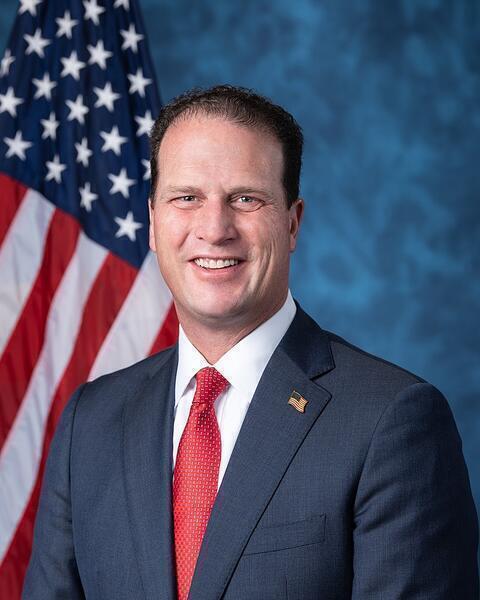




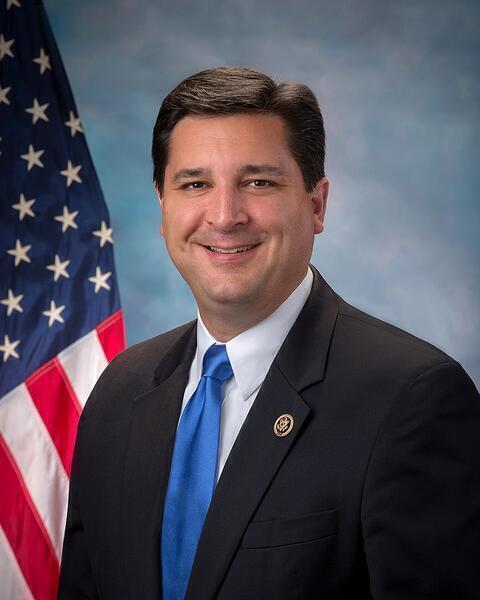


J
John Rutherford



D
David Schweikert

P
Pete Sessions



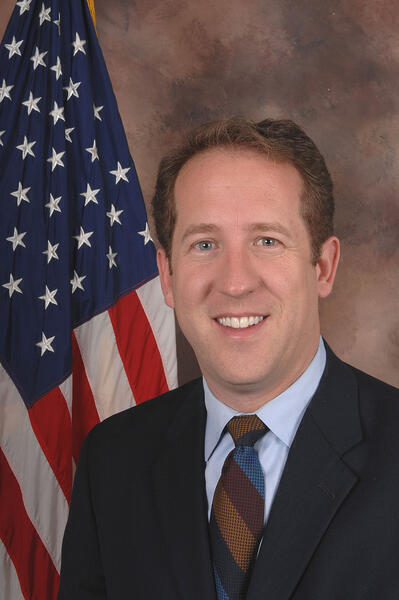
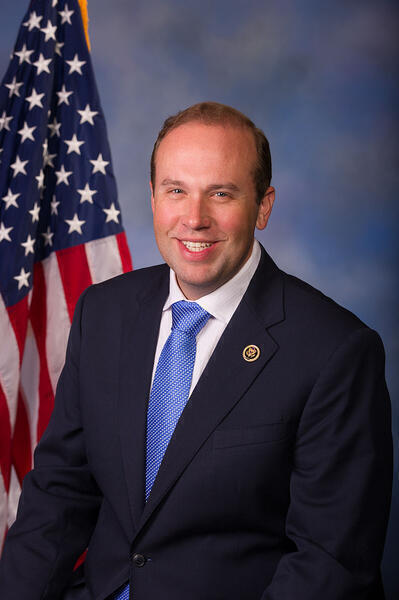




























Nay (198)




























G
Gerald Connolly





J
Jason Crow







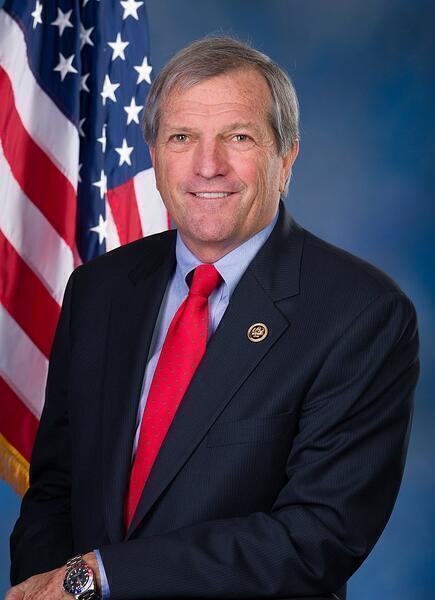


L
Lloyd Doggett


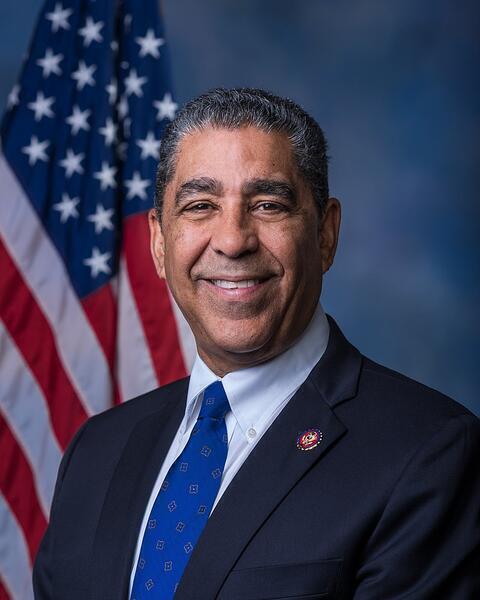








J
John Garamendi



















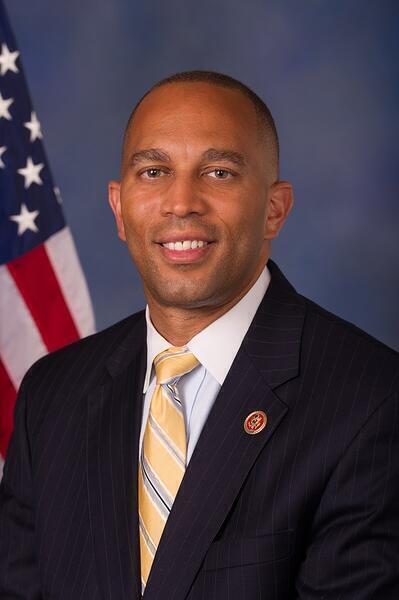
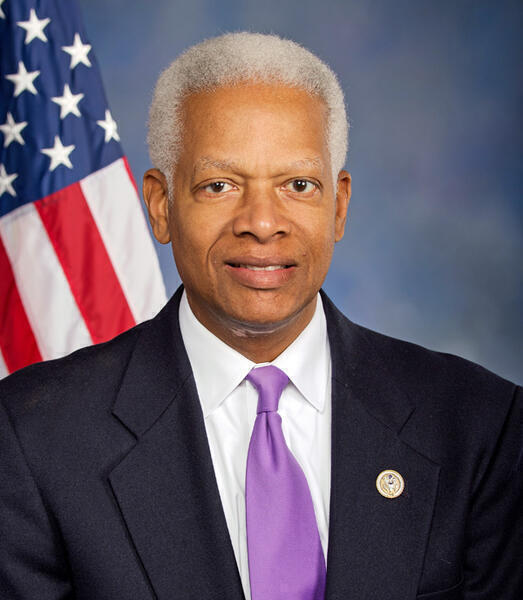



















J
John Mannion

L
Lucy McBath

























































E
Eric Swalwell




R
Rashida Tlaib





S
Sylvester Turner



N
Nydia Velázquez
D
Debbie Wasserman Schultz