H.R.23 — Illegitimate Court Counteraction Act
House Roll Call
H.R.23
| Bill | H.R.23 — Illegitimate Court Counteraction Act |
|---|---|
| Vote question | On Passage |
| Vote type | Yea-and-Nay |
| Result | Passed |
| Totals | Yea 243 / Nay 140 / Present 1 / Not Voting 50 |
| Party | Yea | Nay | Present | Not Voting |
|---|---|---|---|---|
| R | 198 | 0 | 1 | 20 |
| D | 45 | 140 | 0 | 30 |
| I | 0 | 0 | 0 | 0 |
Research Brief
On Passage
Bill Analysis
Bill Summary: HR 23 - Illegitimate Court Counteraction Act
The Illegitimate Court Counteraction Act (HR 23) seeks to address perceived judicial overreach by establishing mechanisms for Congress to counteract federal court decisions deemed illegitimate. The bill specifically targets rulings that may infringe upon the legislative authority or undermine federal statutes.
Key Provisions:
- Judicial Review: The bill allows Congress to review and potentially nullify federal court decisions through a joint resolution. This process is designed to empower Congress to assert its legislative authority over judicial interpretations that it considers overreaching or misaligned with legislative intent.
- Timeline for Action: Congress is required to act within a specified timeframe following a court ruling. The exact duration for this review period is outlined in the bill, aiming to ensure timely legislative responses to judicial decisions.
Funding and Authorities: While HR 23 does not allocate specific funding, it establishes a framework for legislative action that could lead to increased administrative costs related to the review process. The bill empowers Congress to exercise its authority in judicial matters, potentially impacting the balance of power between the legislative and judicial branches.
Agencies Affected: This legislation primarily affects the federal judiciary and the legislative branch of the U.S. government. It may also indirectly influence federal agencies that rely on judicial interpretations for their operations.
Beneficiaries and Regulation: The primary beneficiaries of HR 23 are members of Congress who seek to enhance their legislative power in response to judicial decisions. Conversely, the bill may regulate the judiciary by imposing additional scrutiny on its rulings, thereby affecting how courts approach cases that could be seen as contentious.
Current Status: As of the latest action, the Senate voted on a motion to proceed with the bill, which was not invoked, indicating a lack of sufficient support to advance the measure. The vote was 54 in favor and 45 against, reflecting a divided stance on the bill’s implications.
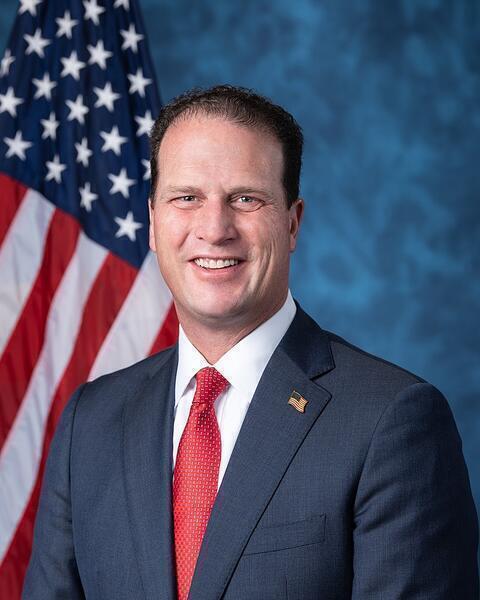
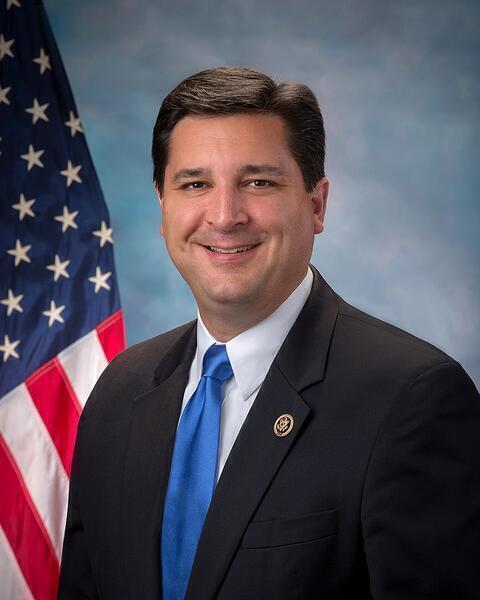
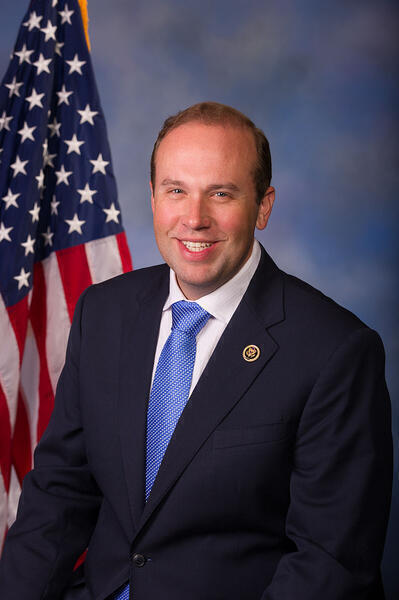
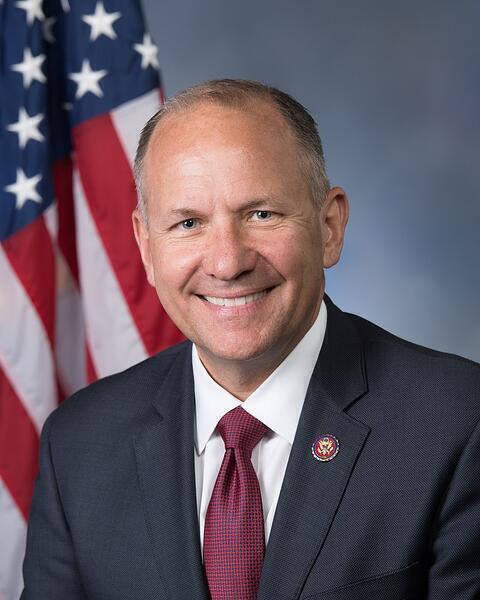
Yea (243)

























K
Ken Calvert















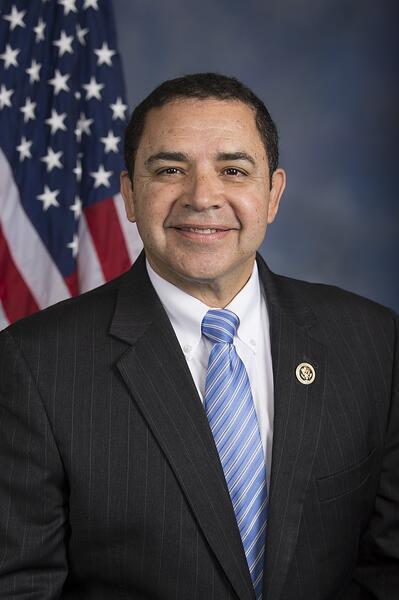





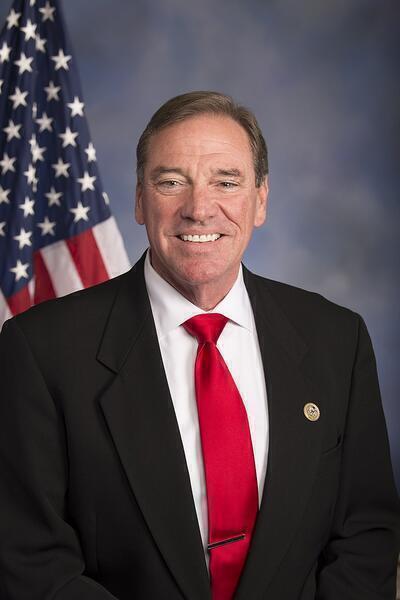



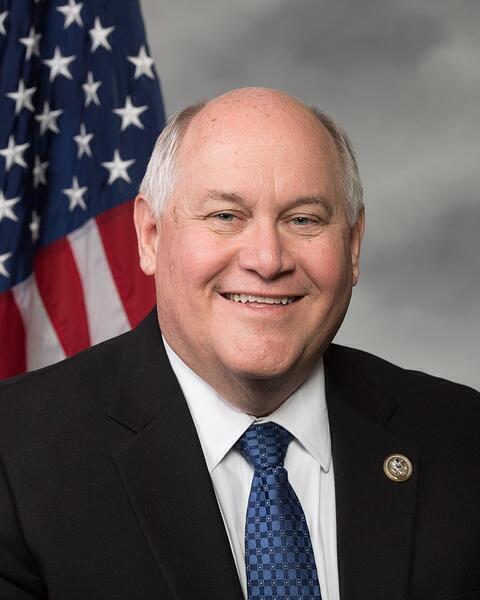















S
Scott Franklin

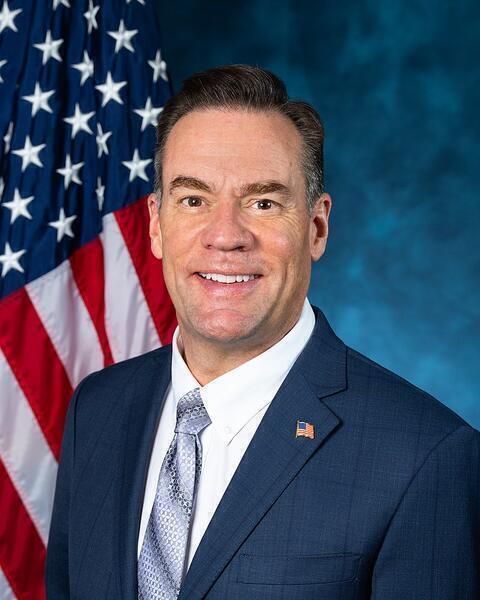












M
Mark Green





















































L
Lucy McBath

L
Lisa McClain






































J
John Rutherford






D
David Schweikert


P
Pete Sessions


























D
Debbie Wasserman Schultz









Nay (140)

















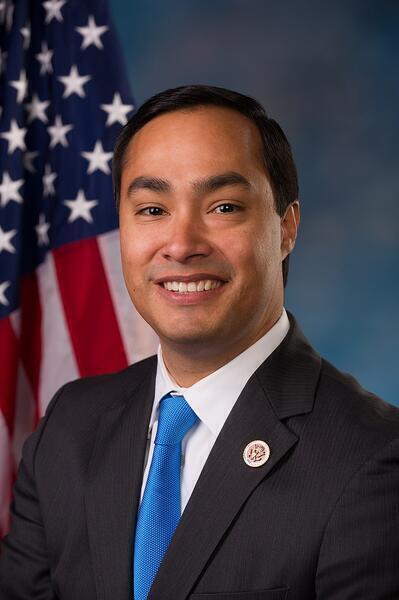





G
Gerald Connolly
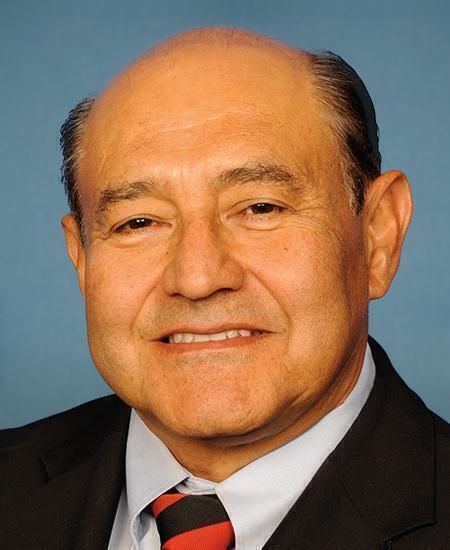


J
Jason Crow







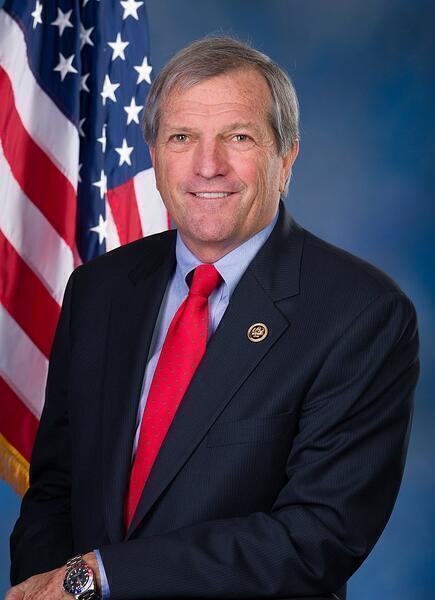

L
Lloyd Doggett


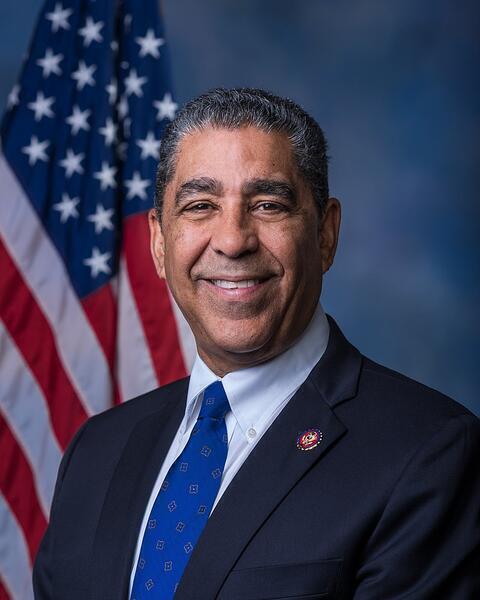





J
John Garamendi


















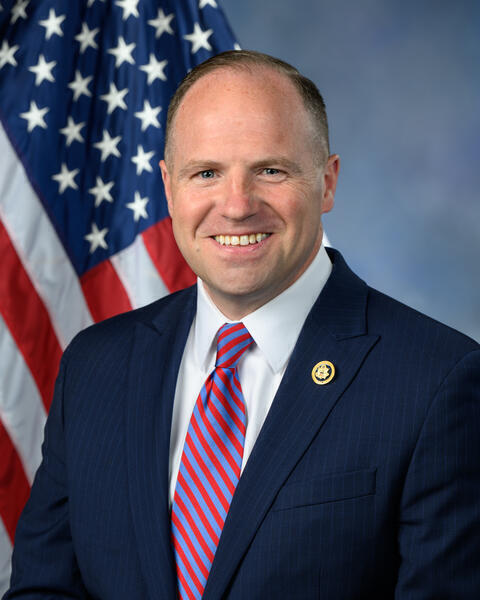









J
John Mannion








































R
Rashida Tlaib




S
Sylvester Turner


N
Nydia Velázquez




Present (1)

Not Voting (50)
















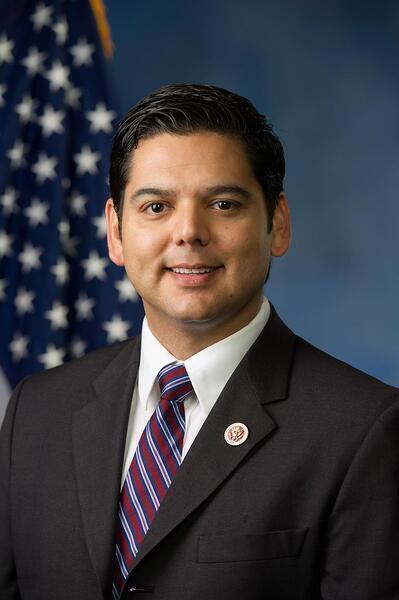
R
Raúl Grijalva



















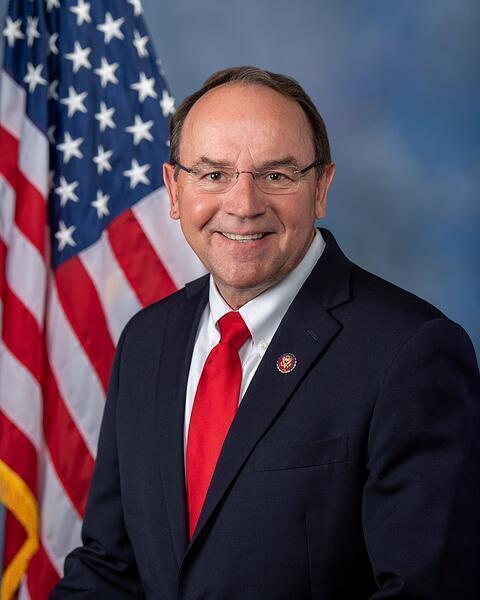
E
Eric Swalwell



M
Michael Waltz