H.Res.780 — Providing for consideration of the bill (H.R. 1834) to advance policy priorities that will break the gridlock.
House Roll Call
H.Res.780
| Bill | H.Res.780 — Providing for consideration of the bill (H.R. 1834) to advance policy priorities that will break the gridlock. |
|---|---|
| Vote question | On Agreeing to the Resolution |
| Vote type | Yea-and-Nay |
| Result | Passed |
| Totals | Yea 224 / Nay 202 / Present 0 / Not Voting 5 |
| Party | Yea | Nay | Present | Not Voting |
|---|---|---|---|---|
| R | 11 | 202 | 0 | 5 |
| D | 213 | 0 | 0 | 0 |
| I | 0 | 0 | 0 | 0 |
Research Brief
On Agreeing to the Resolution
Bill Analysis
H.Res. 780 is a House procedural measure (a “rule”) that sets the terms for floor consideration of H.R. 1834, a bill “to advance policy priorities that will break the gridlock.” As a simple House resolution, it does not create statutory law, authorize or appropriate funds, or directly regulate individuals or entities. Instead, it governs how, and under what constraints, the House debates and votes on H.R. 1834.
Key functions and authorities:
- Brings H.R. 1834 to the floor: The resolution formally provides for consideration of H.R. 1834, moving it from committee stage (or potential inaction) to full House debate and potential passage.
- Sets debate structure: It typically allocates a fixed amount of debate time, divided between majority and minority managers, and may specify which committee(s) control that time. It can also define whether general debate is allowed and for how long.
- Amendment rules: The resolution likely designates whether H.R. 1834 is considered under:
- an “open” rule (broad amendments allowed),
- a “structured” rule (only specified amendments in order), or
- a “closed” rule (no floor amendments). This directly shapes how much the bill can be modified on the floor.
- Waivers of points of order: H.Res. 780 may waive certain budget, germaneness, or procedural points of order that could otherwise block or delay H.R. 1834, thereby easing its path to a vote.
- Ordering the previous question: Adoption of the rule typically authorizes the Speaker to move the previous question, limiting further procedural delay and moving the House toward final consideration.
Affected entities are institutional rather than public: House leadership, relevant committees, and rank‑and‑file Members whose ability to offer amendments or prolong debate is constrained or enabled by the rule.
Timelines are immediate and internal: once adopted, H.Res. 780 governs the sequence and conditions under which H.R. 1834 is debated and voted on during that legislative period. The noted action—“motion to reconsider laid on the table, agreed to without objection”—indicates the House finalized its decision on the resolution, closing off reconsideration.
Yea (224)

































J
Jason Crow











L
Lloyd Doggett









J
John Garamendi
















































J
John Mannion

L
Lucy McBath




























































E
Eric Swalwell



R
Rashida Tlaib








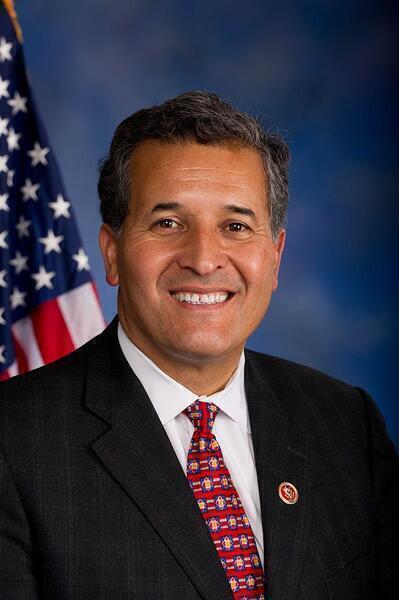


N
Nydia Velázquez


D
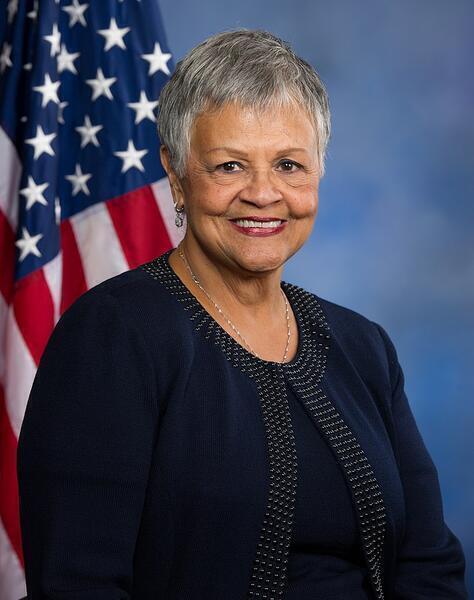
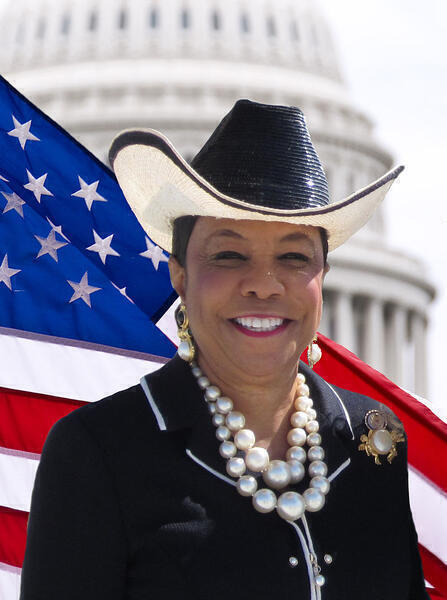
Debbie Wasserman Schultz



Nay (202)
























K
Ken Calvert

















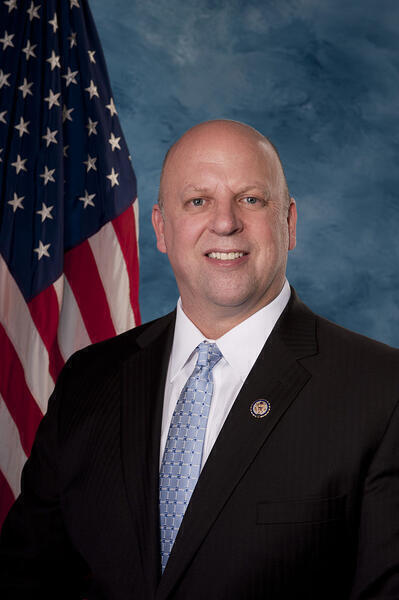


















S
Scott Franklin
























































L
Lisa McClain































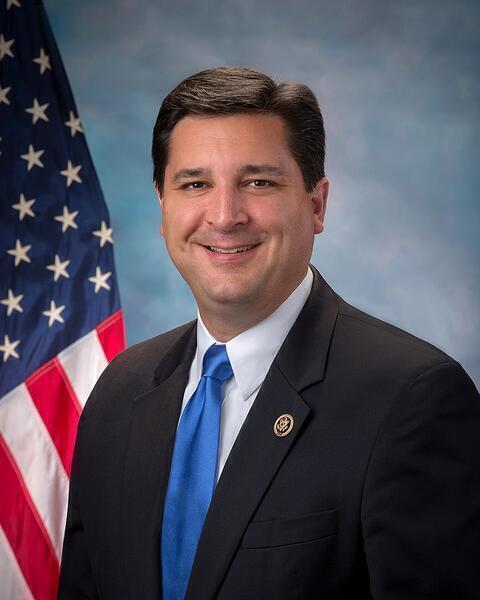




D
David Schweikert


P
Pete Sessions