H.R.1834 — Breaking the Gridlock Act
House Roll Call
H.R.1834
| Bill | H.R.1834 — Breaking the Gridlock Act |
|---|---|
| Vote question | On Passage |
| Vote type | Yea-and-Nay |
| Result | Passed |
| Totals | Yea 230 / Nay 196 / Present 0 / Not Voting 5 |
| Party | Yea | Nay | Present | Not Voting |
|---|---|---|---|---|
| R | 17 | 196 | 0 | 5 |
| D | 213 | 0 | 0 | 0 |
| I | 0 | 0 | 0 | 0 |
Research Brief
On Passage
Bill Analysis
HR 1834 – Breaking the Gridlock Act (119th Congress)
HR 1834 is a House rules and procedures bill aimed at reducing legislative gridlock by changing how certain measures can be brought to the floor and considered. It does not create new federal programs or direct spending; instead, it modifies internal House processes that shape how other legislation advances.
Core purpose and mechanism
- The bill is designed to make it easier for the House to consider and pass legislation that has broad, bipartisan support but may be blocked by leadership or committee bottlenecks.
- It does this primarily by adjusting rules governing discharge petitions, special rules, and/or privileged floor procedures (i.e., how rank‑and‑file members can force a vote).
Authorities and procedural changes
- Expands or clarifies the authority of individual members or coalitions to bring measures to the floor once certain support thresholds are met (for example, a majority of House members signing on).
- May establish new categories of “qualifying legislation” (such as bills with a set number of bipartisan cosponsors, or measures addressing specific urgent policy areas) that receive expedited consideration.
- Alters committee gatekeeping power by setting deadlines or automatic discharge triggers if committees fail to report bills with sufficient support.
- Adjusts how special rules from the Rules Committee can be bypassed or supplemented when there is demonstrated majority will.
Agencies and programs affected
- No executive-branch agency is directly regulated or funded.
- Indirectly affects all federal policy areas by changing the likelihood and speed with which authorizing, appropriations, and oversight bills can reach the floor.
Beneficiaries and regulated parties
- Primary “beneficiaries” are rank‑and‑file House members (both majority and minority) who gain additional procedural tools.
- Downstream, stakeholders in any policy area where bipartisan consensus exists may see an increased chance of legislative action.
- No private entities are newly regulated by this bill itself.
Timelines and status
- Provisions would take effect upon adoption as part of House rules for the 119th Congress or as otherwise specified in the text.
- Latest action: the House requested return of papers pursuant to H. Res. 991, indicating procedural reconsideration or withdrawal; the bill has not been enacted.
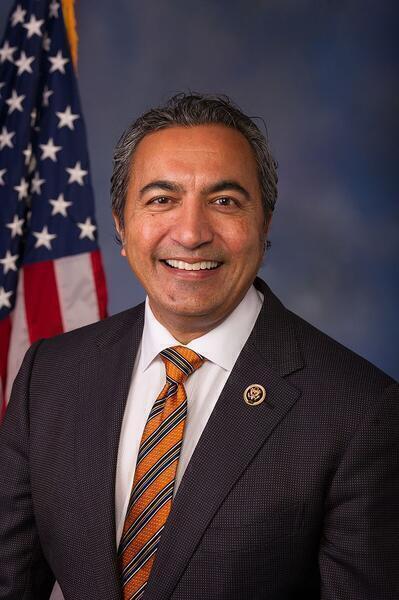
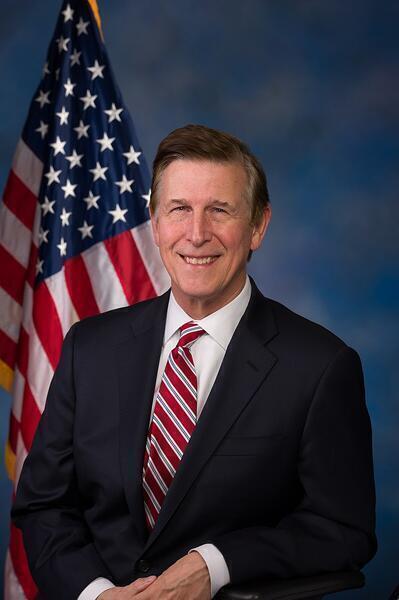
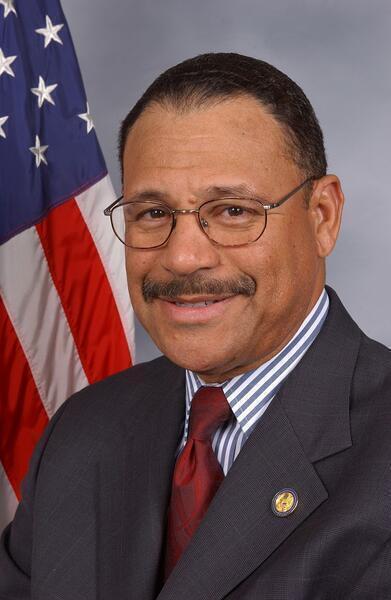
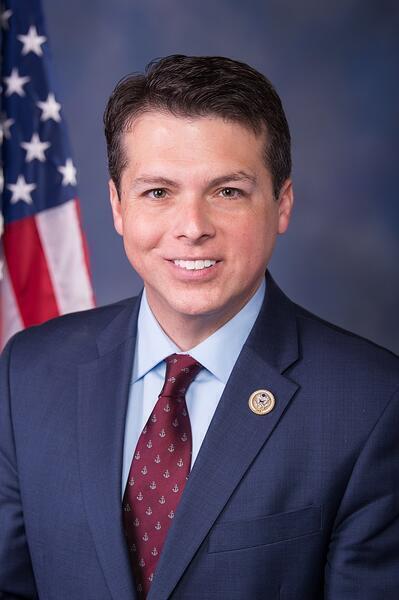
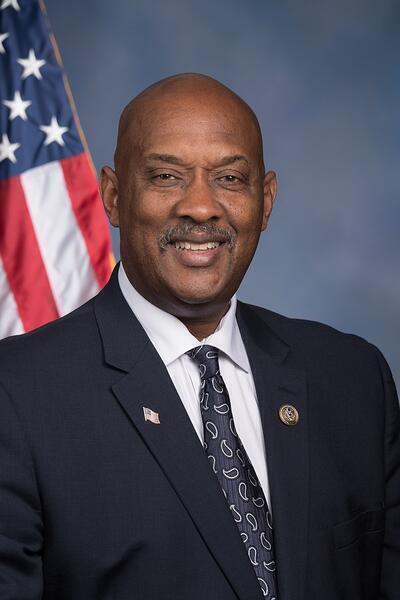
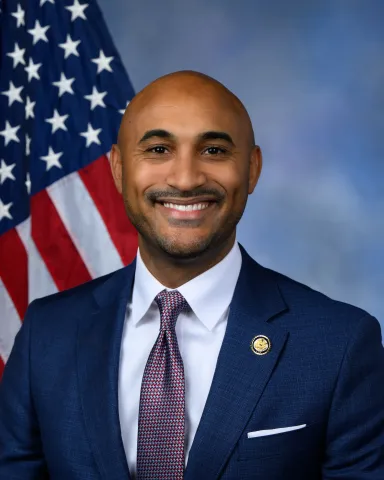
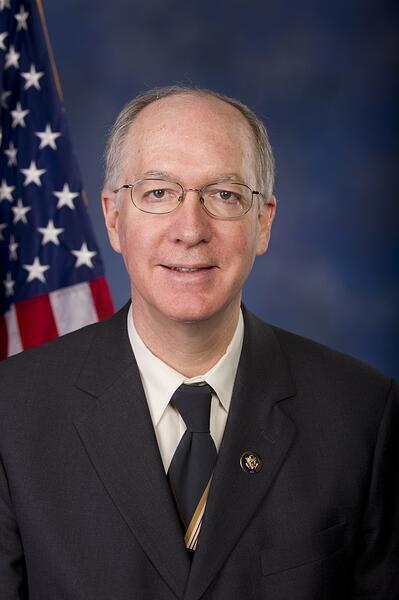
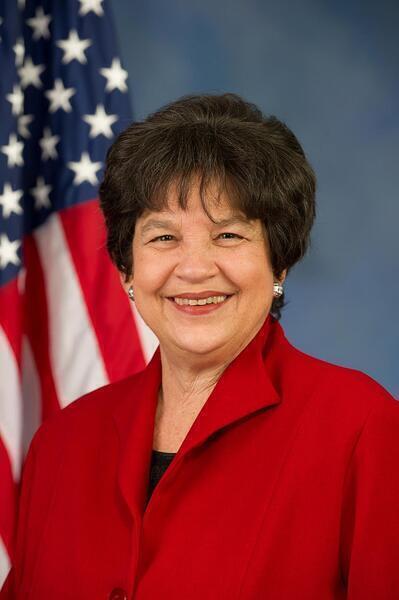
Yea (230)








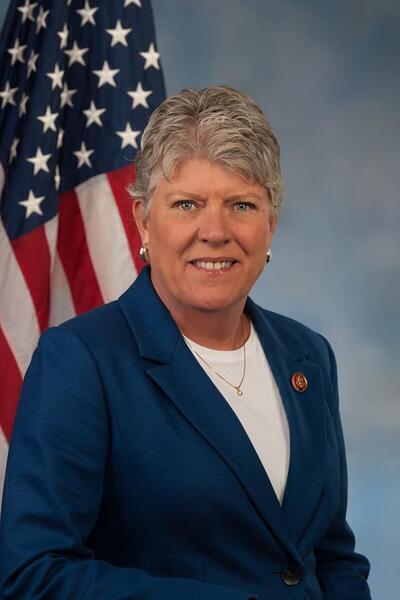

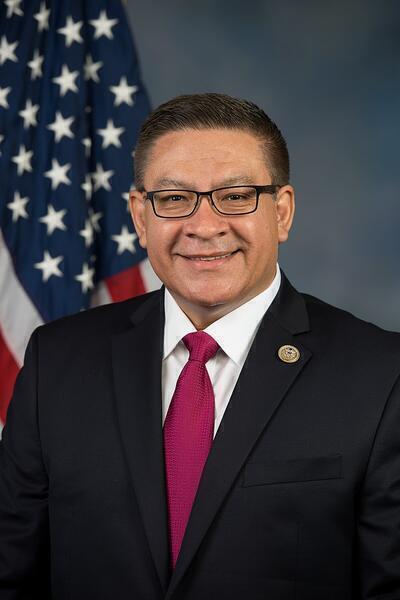










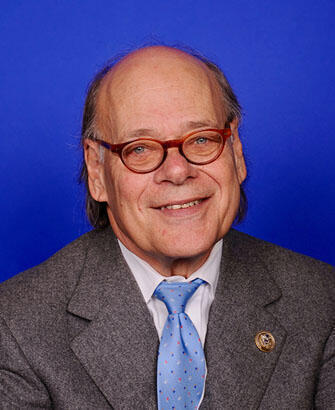

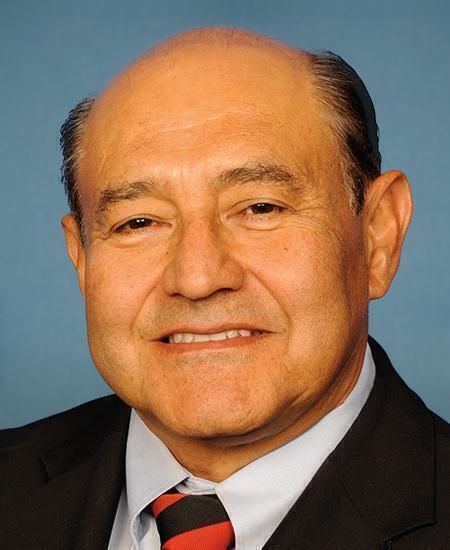
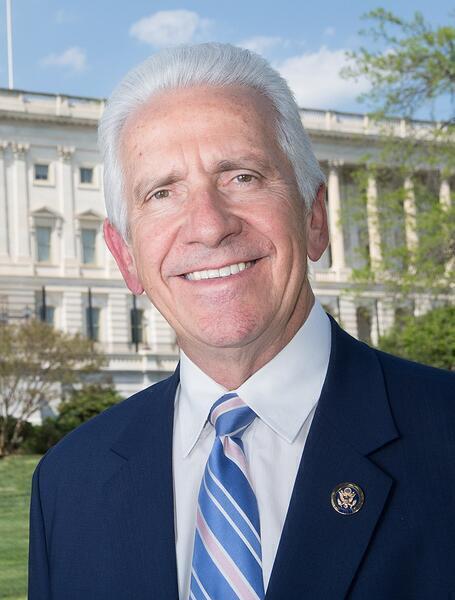
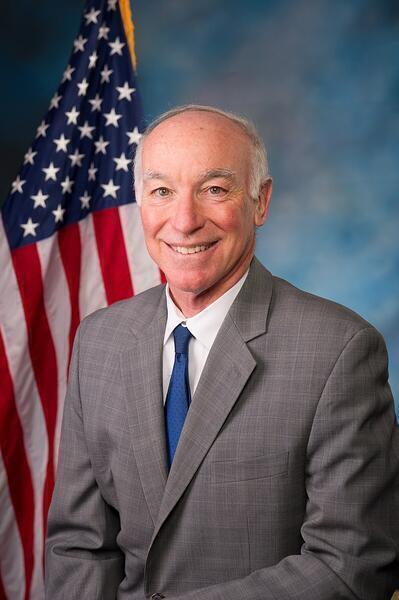
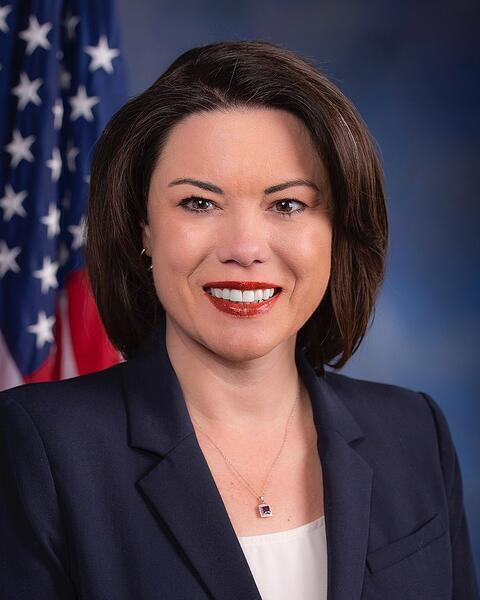

J
Jason Crow
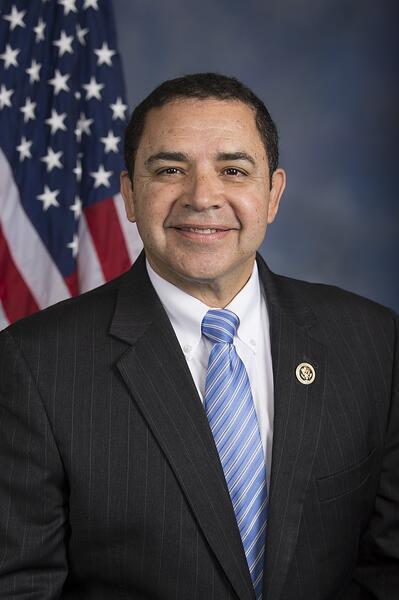
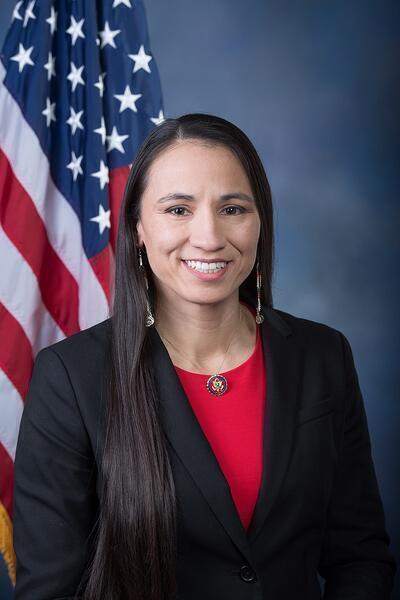








L
Lloyd Doggett







J
John Garamendi


































J
John Mannion

L
Lucy McBath





















































E
Eric Swalwell


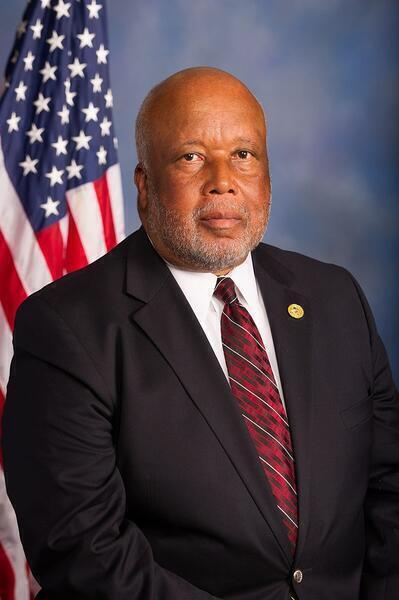
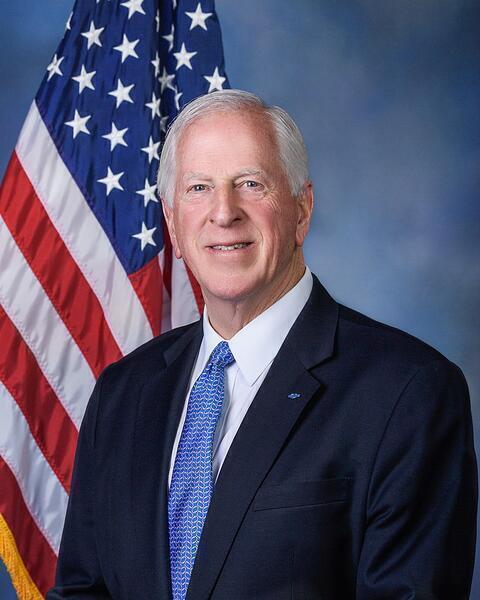

R
Rashida Tlaib

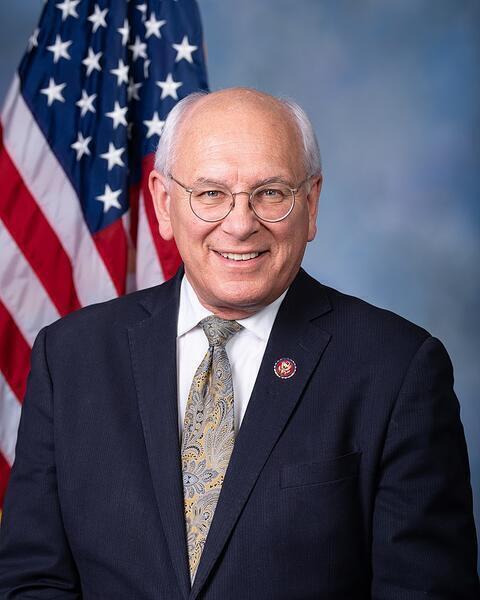


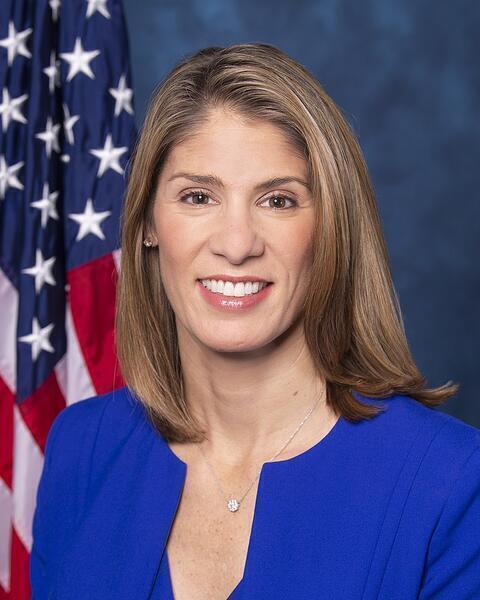




N
Nydia Velázquez


D
Debbie Wasserman Schultz





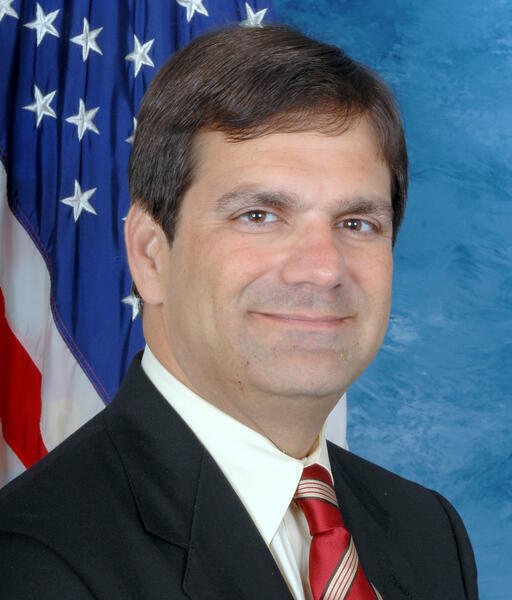
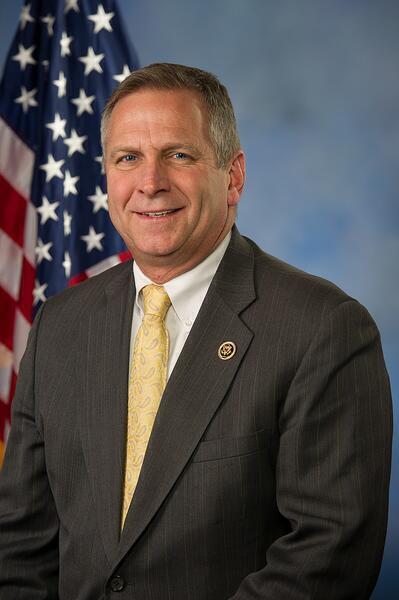
Nay (196)
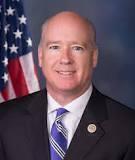
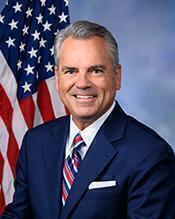

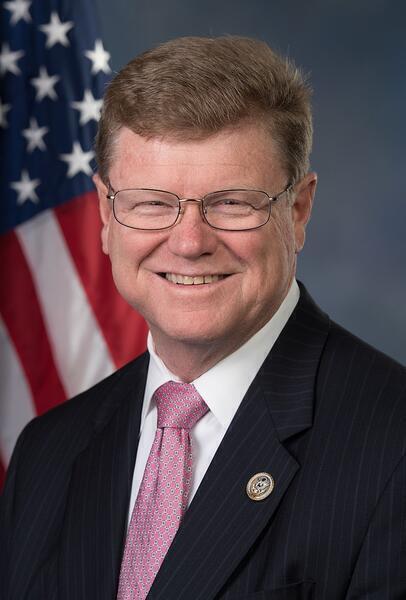












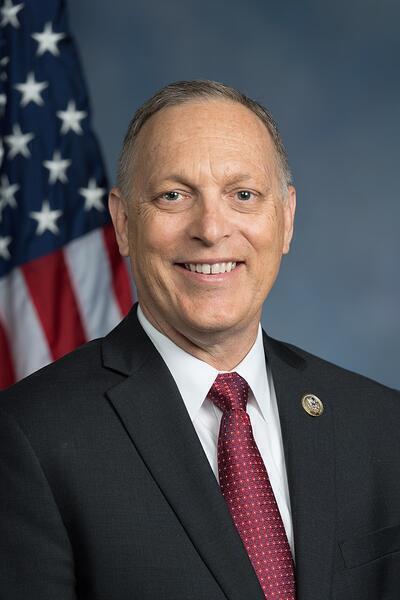




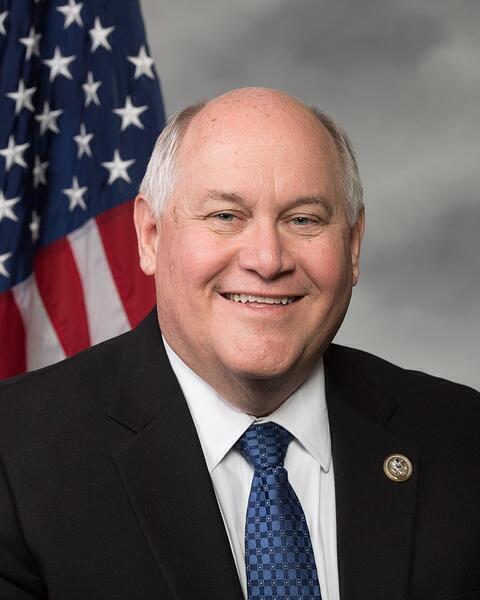
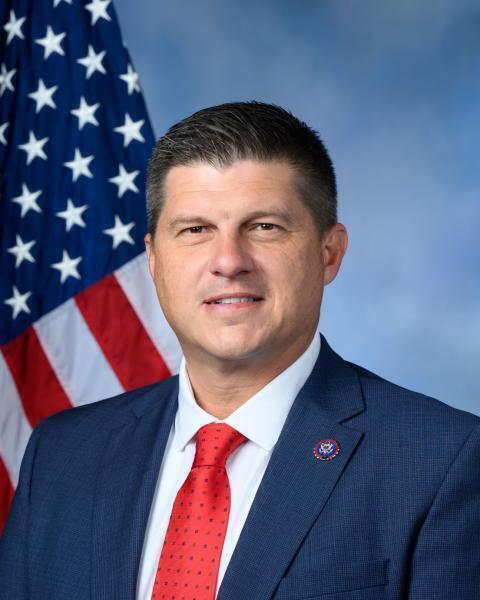
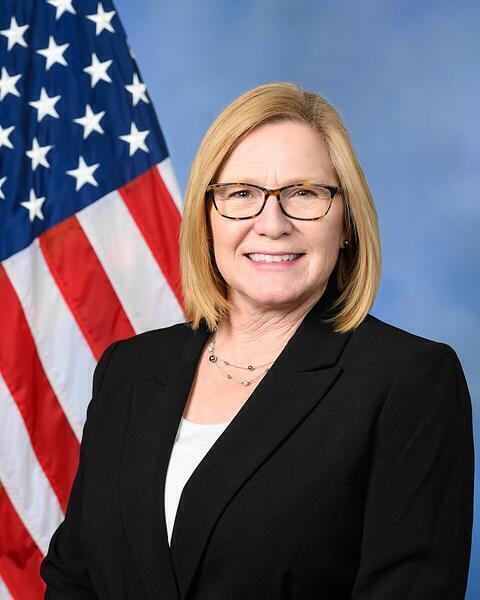
K
Ken Calvert




















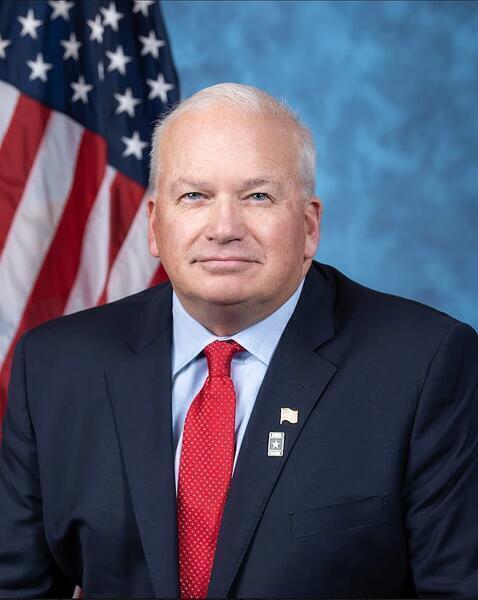
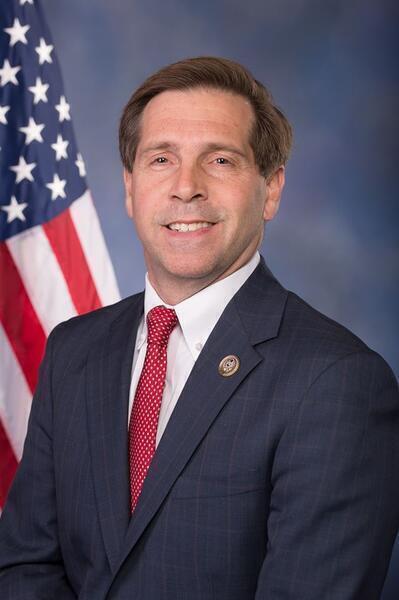



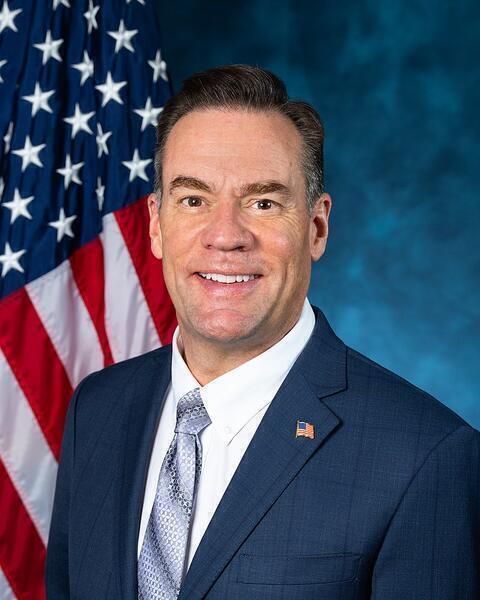
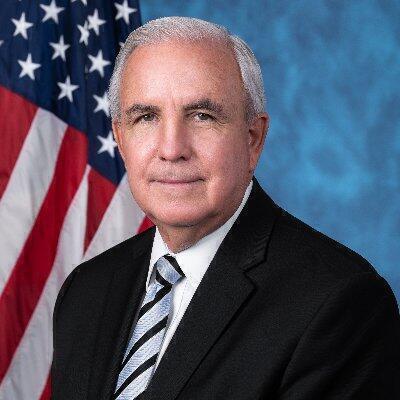
S
Scott Franklin




































L
Lisa McClain























D
David Schweikert

P
Pete Sessions