H.R.5184 — Affordable HOMES Act
House Roll Call
H.R.5184
| Bill | H.R.5184 — Affordable HOMES Act |
|---|---|
| Vote question | On Passage |
| Vote type | Yea-and-Nay |
| Result | Passed |
| Totals | Yea 263 / Nay 147 / Present 0 / Not Voting 21 |
| Party | Yea | Nay | Present | Not Voting |
|---|---|---|---|---|
| R | 206 | 0 | 0 | 12 |
| D | 57 | 147 | 0 | 9 |
| I | 0 | 0 | 0 | 0 |
Research Brief
On Passage
Bill Analysis
HR 5184 – Affordable HOMES Act (119th Congress)
HR 5184 is a housing-cost reduction bill focused on lowering regulatory barriers to homebuilding, particularly single-family and “missing middle” housing, by conditioning certain federal housing and community development funds on state and local zoning reforms.
The bill directs the Department of Housing and Urban Development (HUD) to tie eligibility for specified grant programs—likely including Community Development Block Grants (CDBG), HOME Investment Partnerships, and related discretionary or competitive funds—to local adoption of “pro-housing” land-use policies. These policies typically include: allowing higher-density housing near transit and job centers; reducing or eliminating minimum lot-size and parking requirements; permitting accessory dwelling units (ADUs); and streamlining approvals for multifamily and mixed-use projects.
Jurisdictions seeking covered HUD funds would need to submit housing policy plans demonstrating concrete steps to expand housing supply and reduce regulatory constraints. HUD is authorized to set standards, review plans, monitor compliance, and withhold or reallocate funds for noncompliance. The bill may also require HUD to publish model zoning reforms, technical guidance, and periodic reports on housing affordability and regulatory barriers.
Primary beneficiaries are renters and would-be homeowners facing high housing costs, especially in high-demand metro areas; developers and builders who gain more predictable, less restrictive local rules; and localities that adopt reforms and retain or gain access to federal funds. Regulated entities are primarily state and local governments whose land-use and zoning decisions become partially conditioned on federal housing dollars.
Key timelines typically include: (1) a HUD rulemaking period after enactment to define qualifying reforms and reporting requirements; (2) a phase-in period during which jurisdictions can adjust zoning and submit plans; and (3) ongoing annual or periodic compliance certifications tied to grant cycles.
No large new mandatory spending stream is created; instead, the bill repurposes leverage from existing HUD grant authorities to incentivize land-use liberalization as a strategy to increase housing supply and improve affordability.
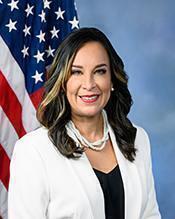
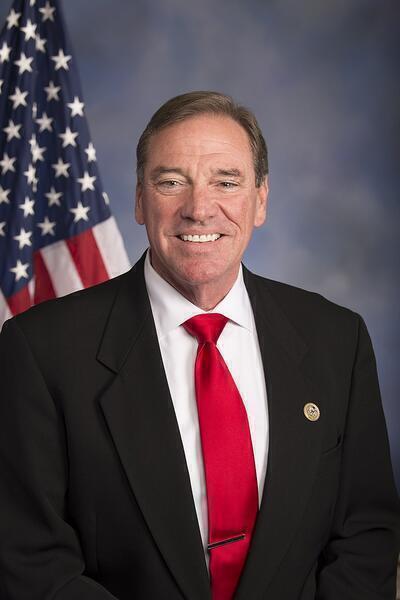
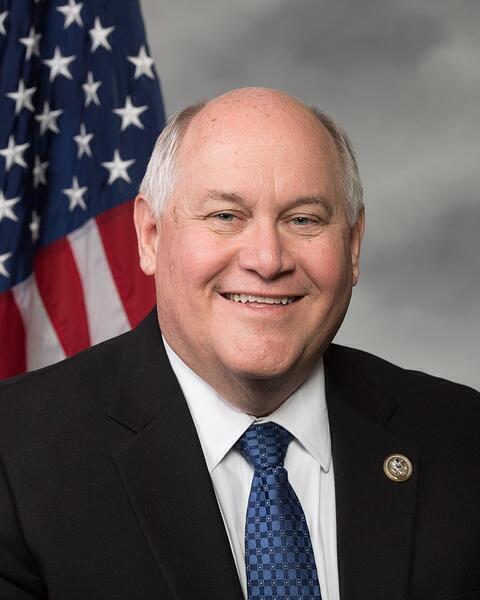
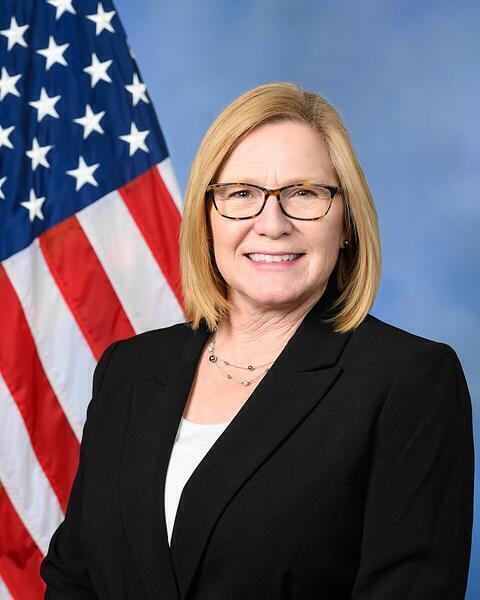
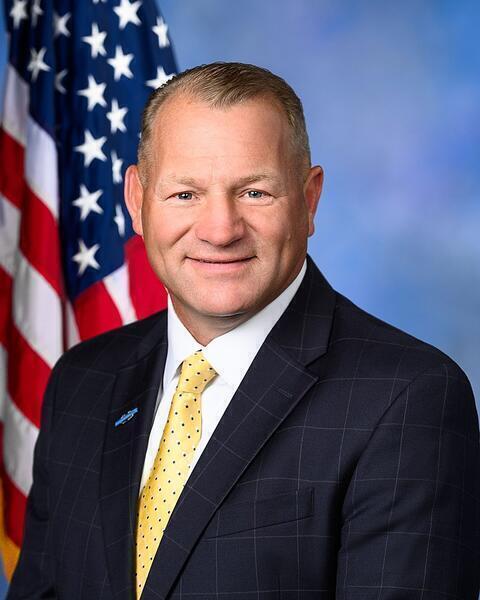
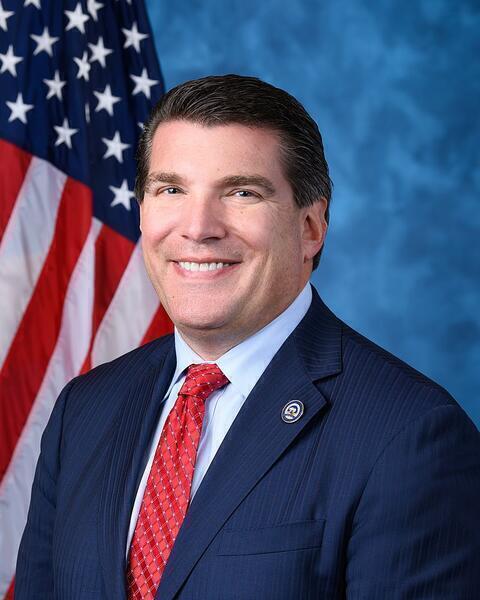
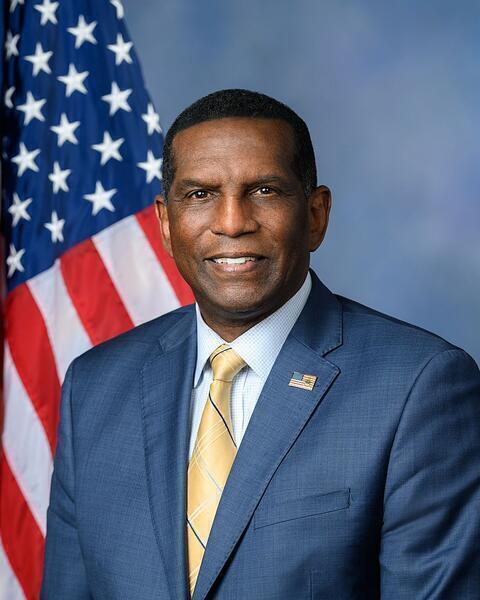
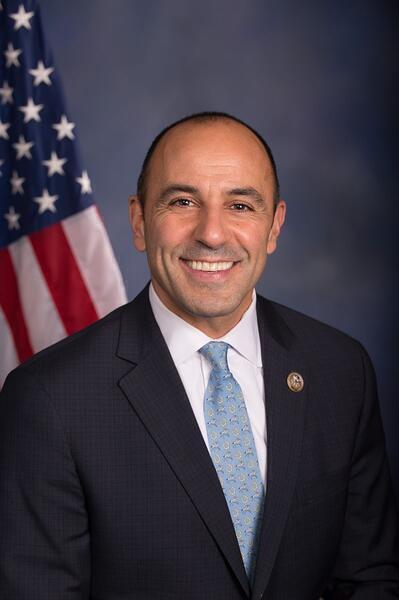
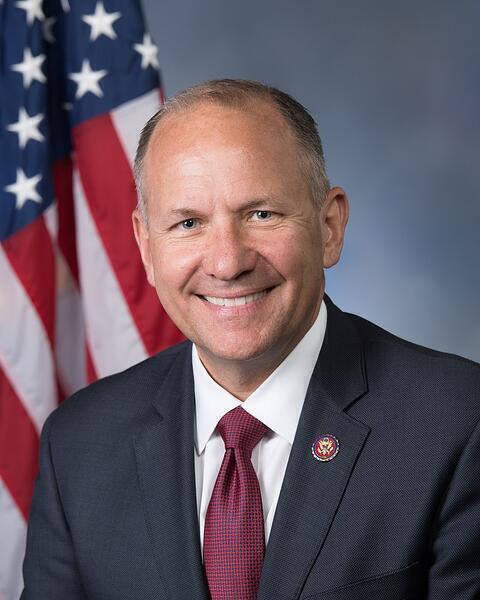
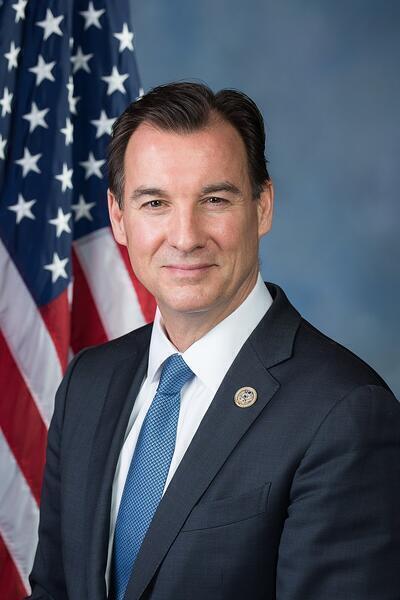
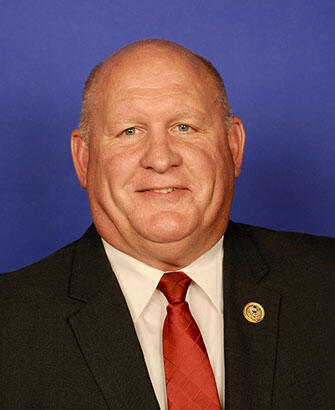
Yea (263)





















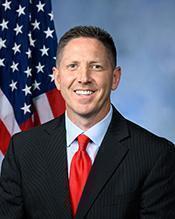


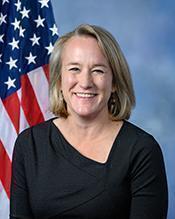

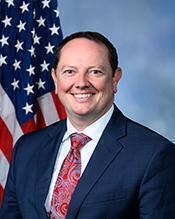

K
Ken Calvert

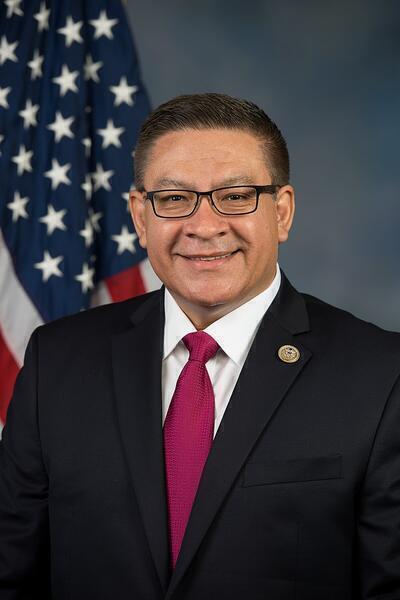





































S
Scott Franklin

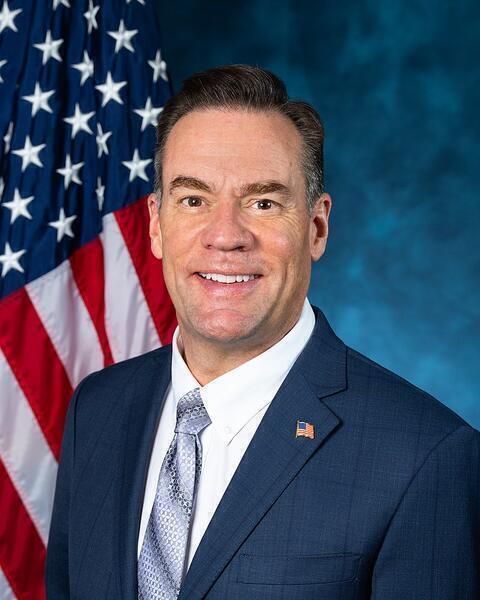


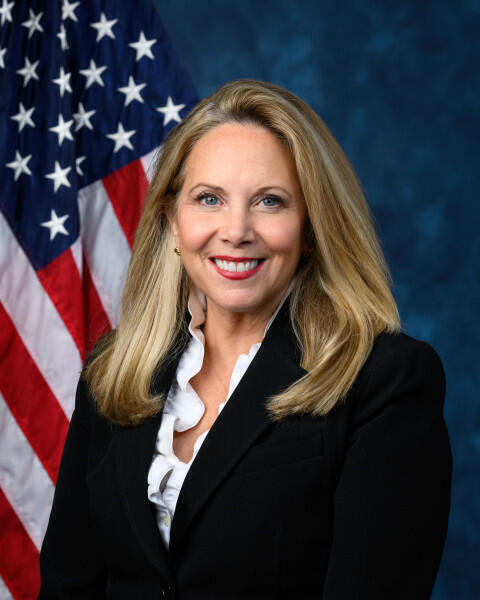



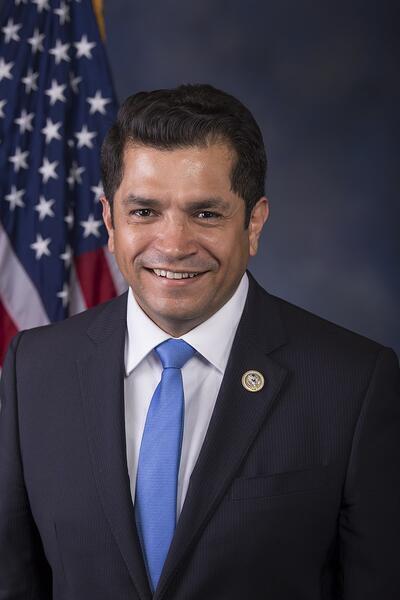





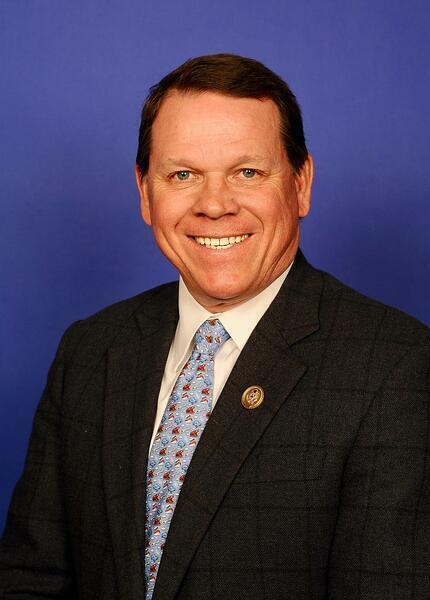
















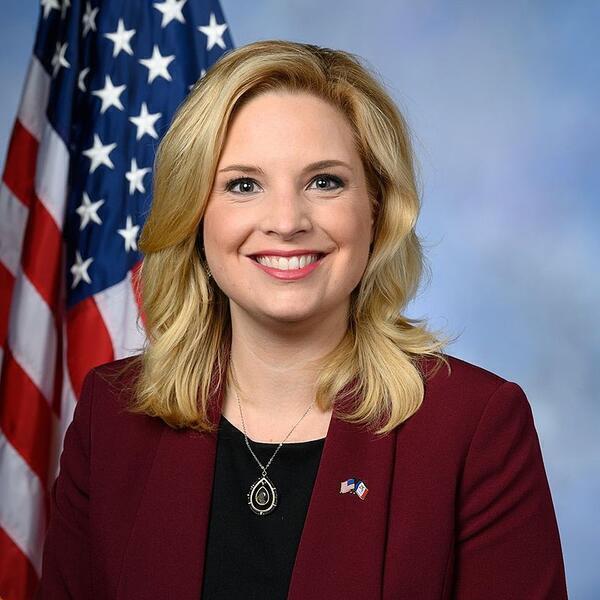















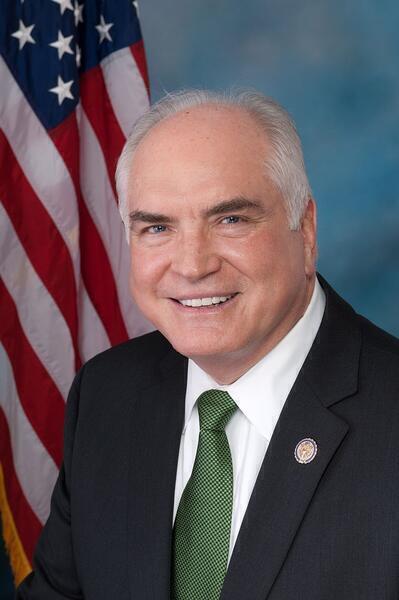
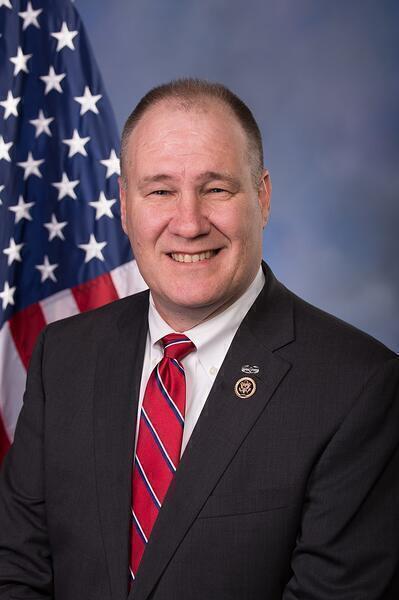





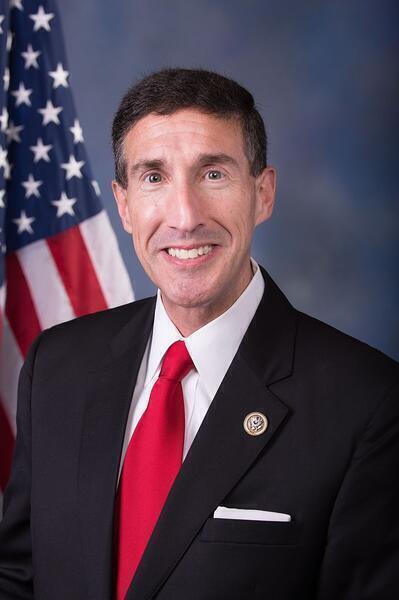
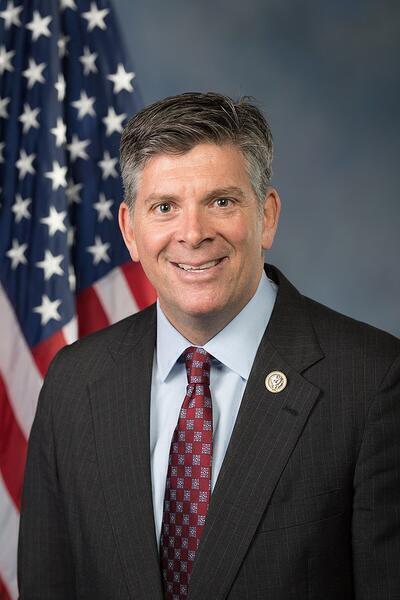
















J
John Mannion


L
Lisa McClain












































D
David Schweikert


P
Pete Sessions
















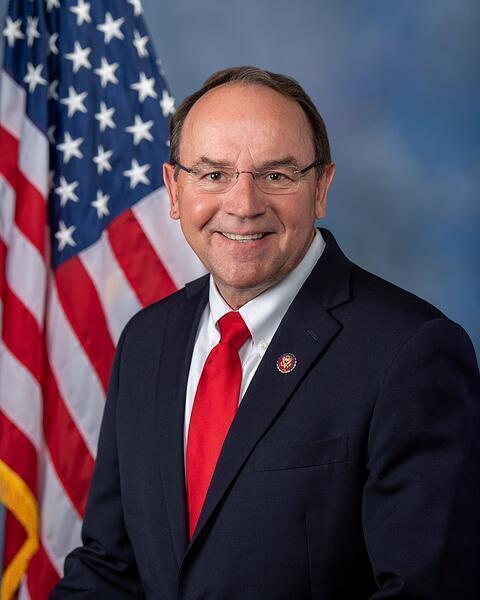









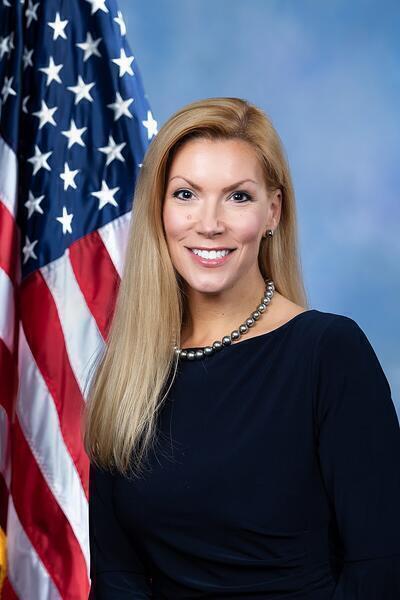






D
Debbie Wasserman Schultz










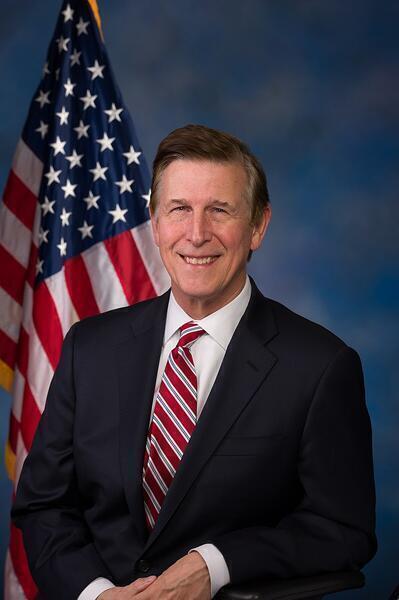
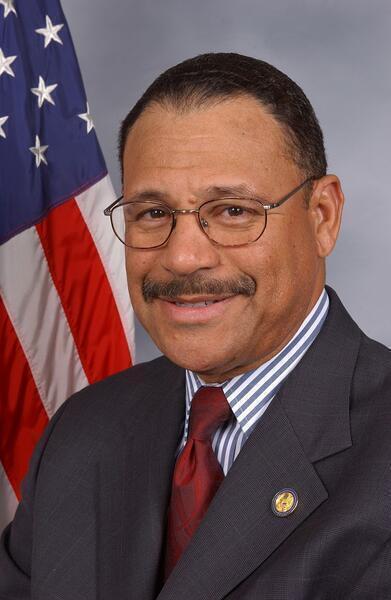
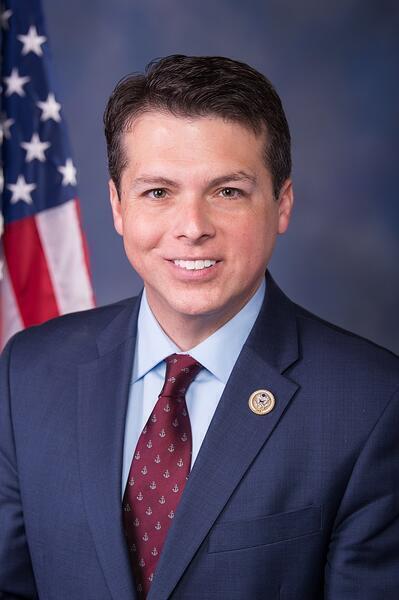
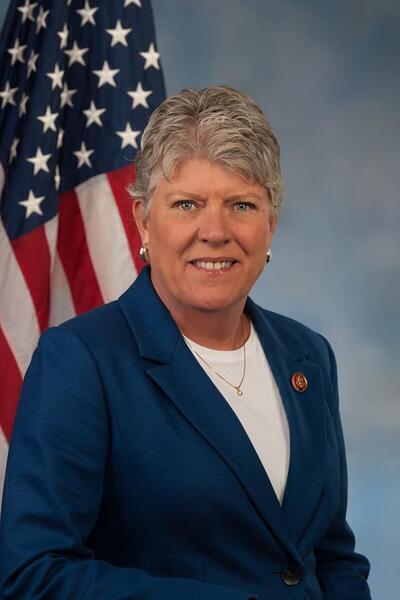
Nay (147)

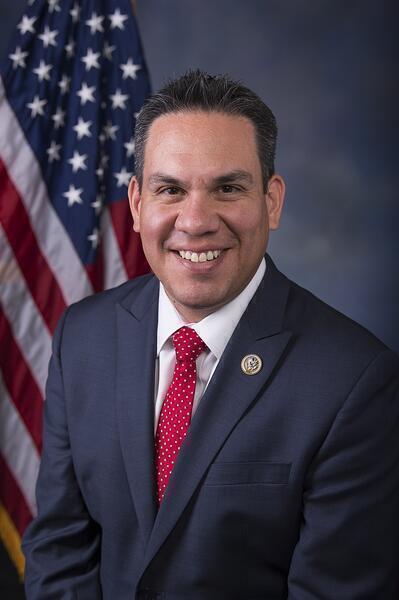



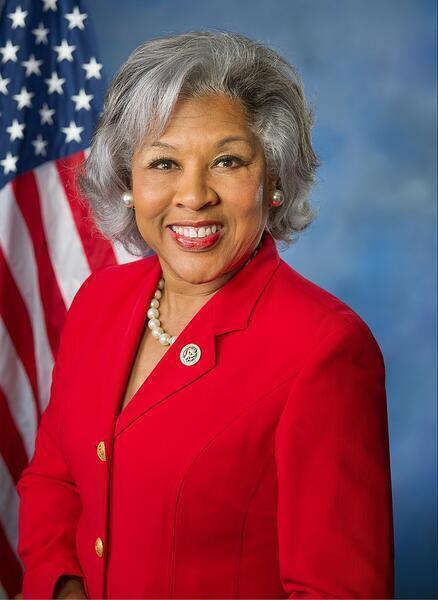








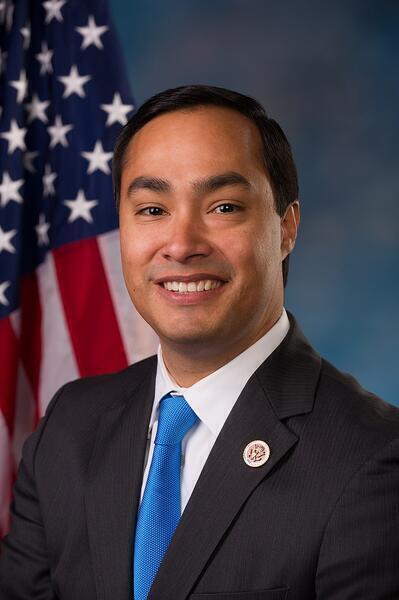


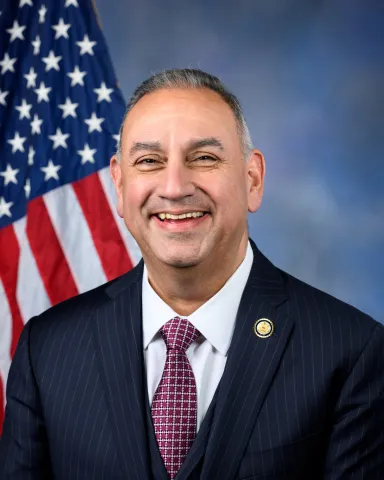









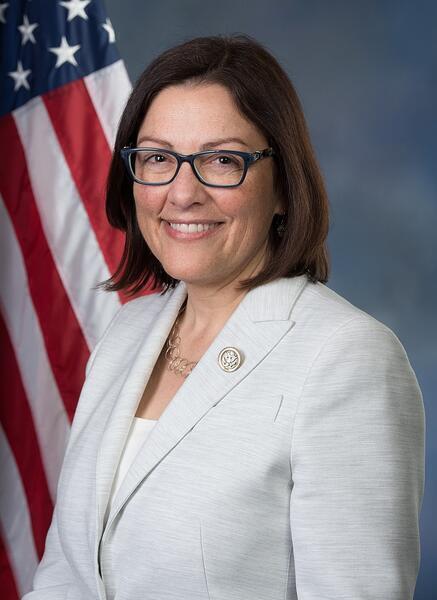
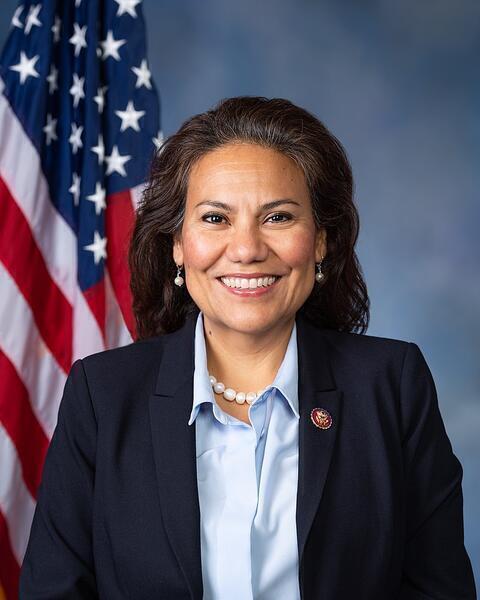
J
Jason Crow






L
Lloyd Doggett






J
John Garamendi


























L
Lucy McBath









































R
Rashida Tlaib



N
Nydia Velázquez