H.R.2683 — Remote Access Security Act
House Roll Call
H.R.2683
| Bill | H.R.2683 — Remote Access Security Act |
|---|---|
| Vote question | On Motion to Suspend the Rules and Pass, as Amended |
| Vote type | 2/3 Yea-And-Nay |
| Result | Passed |
| Totals | Yea 369 / Nay 22 / Present 0 / Not Voting 39 |
| Party | Yea | Nay | Present | Not Voting |
|---|---|---|---|---|
| R | 167 | 22 | 0 | 28 |
| D | 202 | 0 | 0 | 11 |
| I | 0 | 0 | 0 | 0 |
Research Brief
On Motion to Suspend the Rules and Pass, as Amended
Bill Analysis
HR 2683 – Remote Access Security Act (119th Congress)
HR 2683 amends the Truth in Lending Act (TILA) to regulate how financial institutions use remote access tools when interacting with consumers, particularly older adults, to prevent fraud and coercion.
Core requirements and prohibitions
- Prohibits a “financial institution” (as defined under TILA, including banks, credit unions, and many nonbank creditors) from using remote access software to access a consumer’s device to:
- Open a new account,
- Extend new credit, or
- Increase a credit limit
if the institution knows or reasonably should know the consumer is under “coercive control” or being fraudulently induced (e.g., by a scammer directing the consumer’s actions).
- Requires institutions that use remote access tools (screen-sharing, remote desktop, etc.) in customer interactions to adopt and maintain policies and procedures to detect and respond to suspected coercion or fraud during remote sessions.
- Mandates that institutions terminate or suspend remote access and take appropriate protective steps (such as enhanced verification or follow-up contact) when indicators of coercion or fraud are present.
Beneficiaries and regulated entities
- Primary beneficiaries: consumers—especially seniors and other vulnerable populations—who are at heightened risk of remote-access scams and financial exploitation.
- Regulated entities: TILA-covered “creditors” and “card issuers,” including banks, credit unions, mortgage lenders, credit card issuers, and many fintech or nonbank lenders that use remote access tools in customer service or account-opening processes.
Authorities, enforcement, and rulemaking
- Enforced through existing TILA enforcement mechanisms, including the Consumer Financial Protection Bureau (CFPB), federal banking regulators, and state attorneys general, with TILA’s civil liability framework applying to violations.
- Authorizes or directs the CFPB to issue implementing regulations and guidance specifying:
- Indicators of coercive control or fraudulent inducement,
- Minimum standards for remote-access policies and procedures, and
- Recordkeeping and training expectations.
Timelines
- Effective date is set a specified period (e.g., 12–18 months) after enactment to allow for rulemaking and institutional compliance updates.
- CFPB rulemaking deadlines are typically within months of enactment, after notice-and-comment.
Funding
- No new direct appropriations; implementation relies on existing CFPB and prudential regulator resources and TILA enforcement structures.
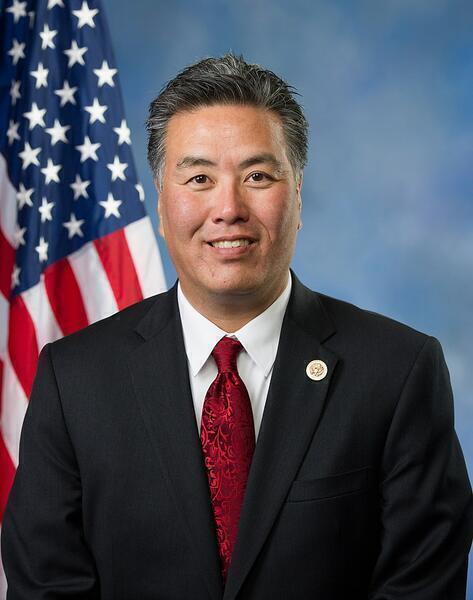
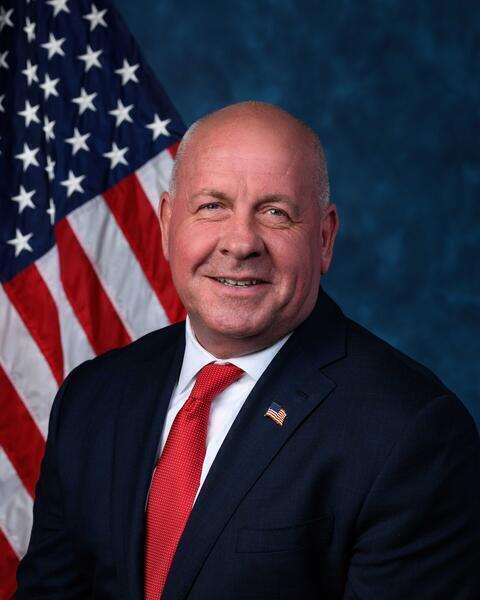
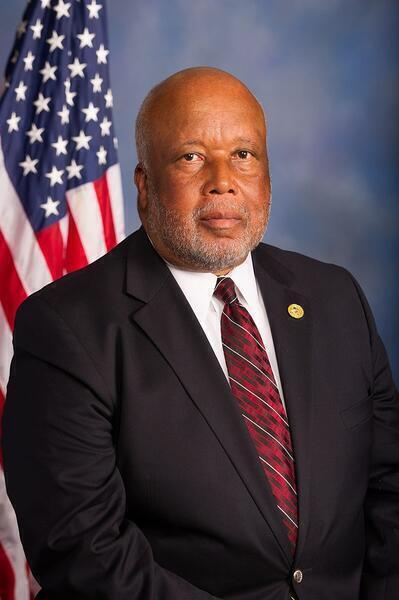
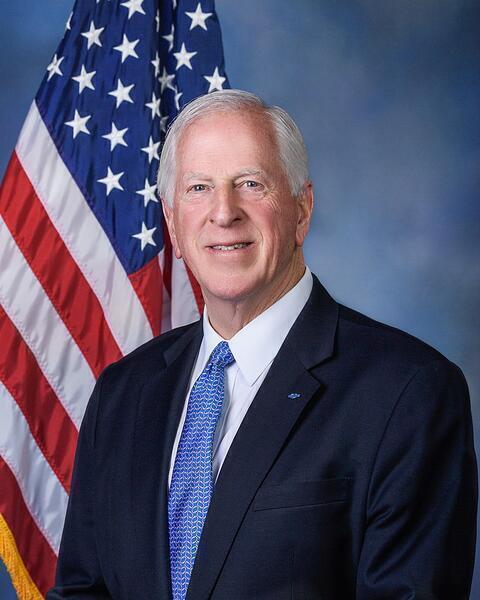
Yea (369)












K
Ken Calvert








J
Jason Crow
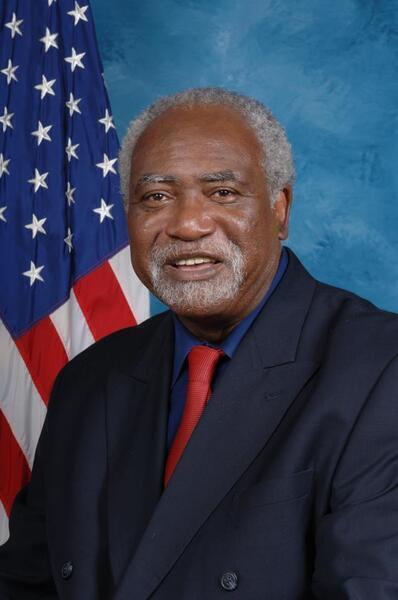
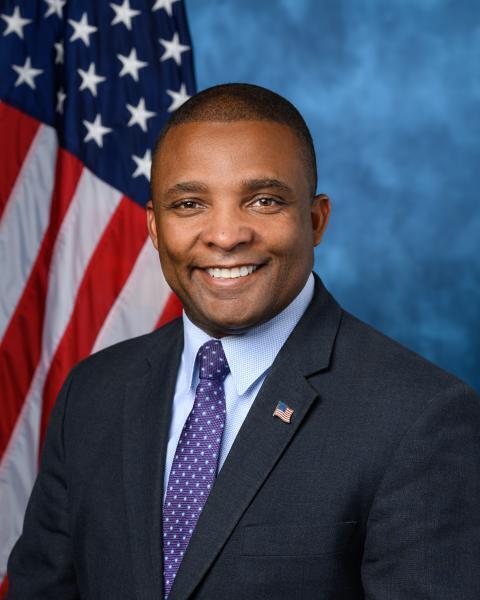



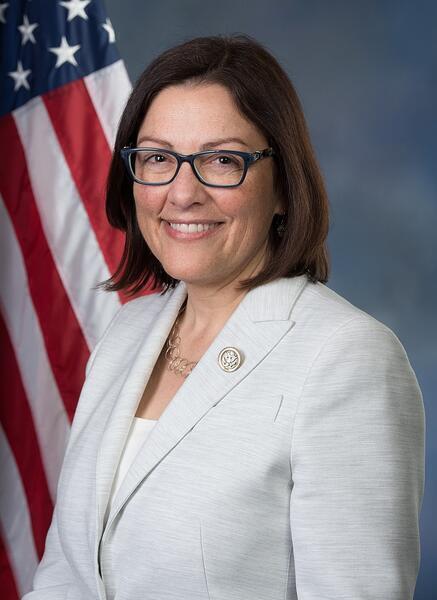



L
Lloyd Doggett













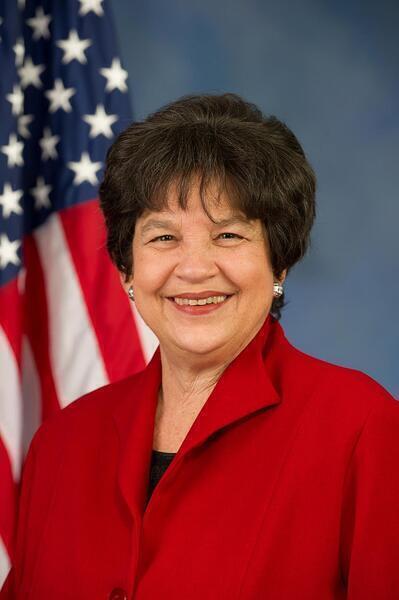
S
Scott Franklin


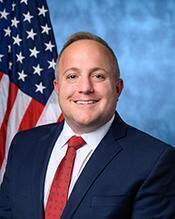
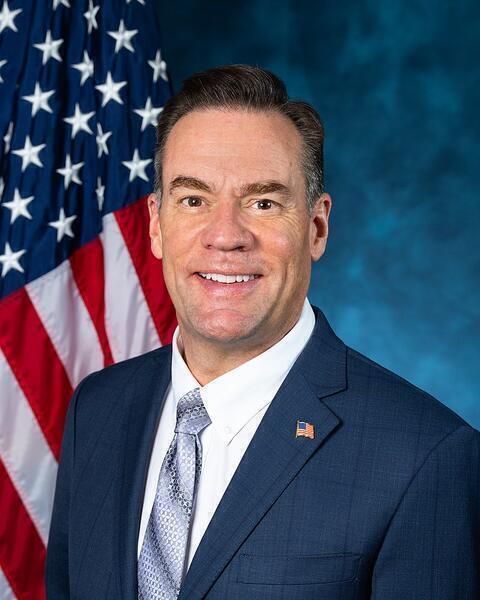
J
John Garamendi
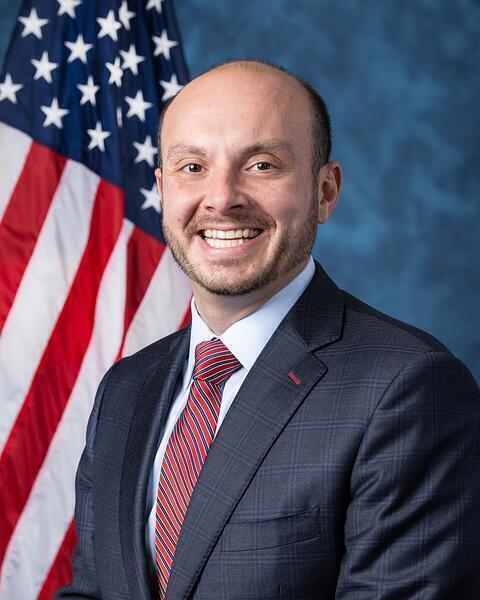


























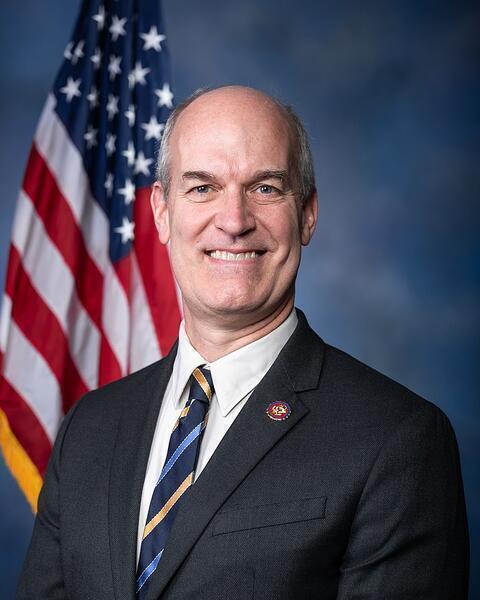

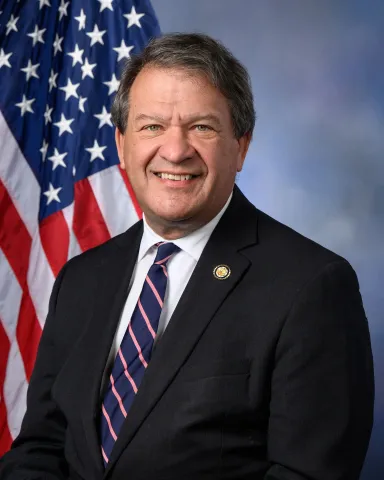
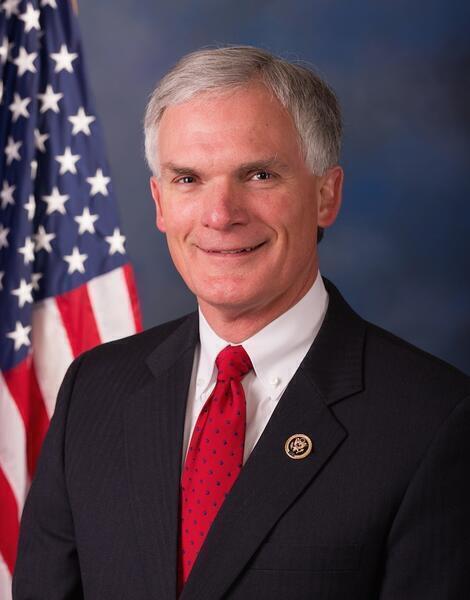

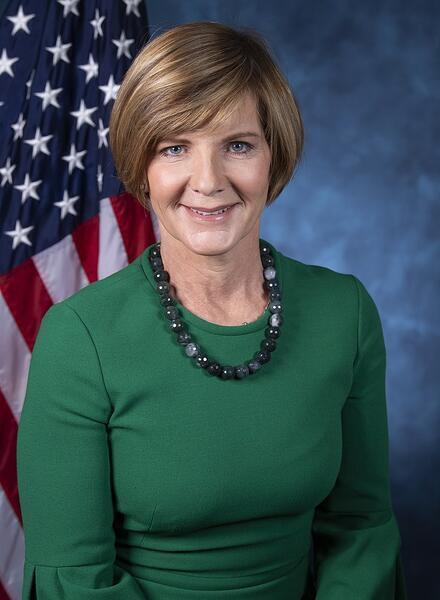






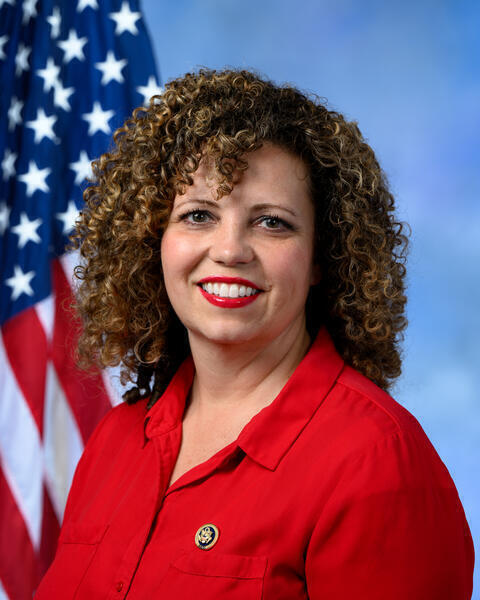
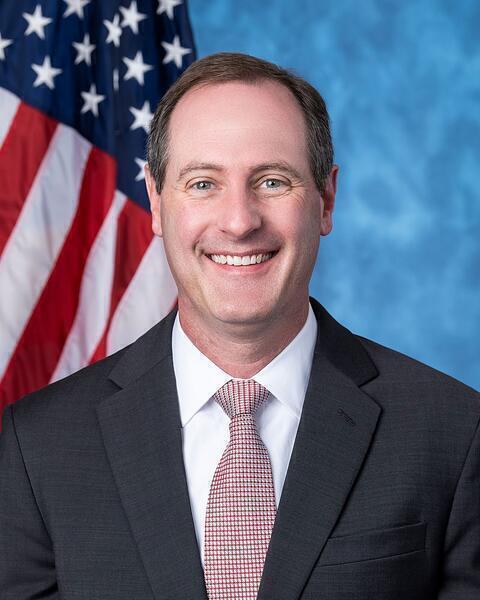
J
John Mannion
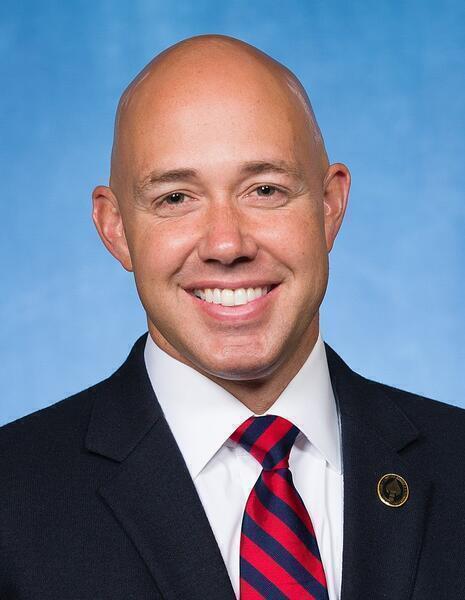

L
Lucy McBath

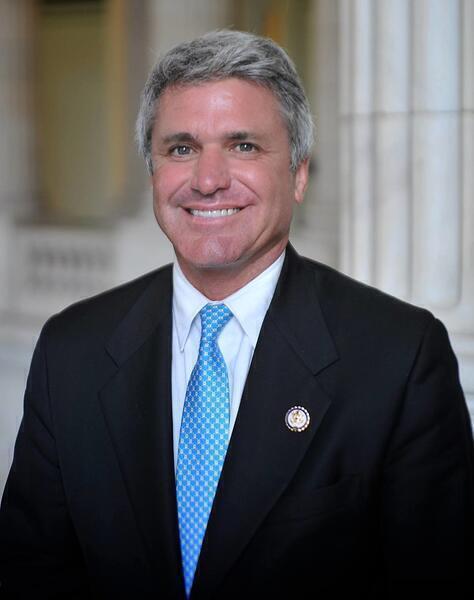
L
Lisa McClain







































J
John Rutherford




D
David Schweikert
P
Pete Sessions











R
Rashida Tlaib




N
Nydia Velázquez



D
Debbie Wasserman Schultz





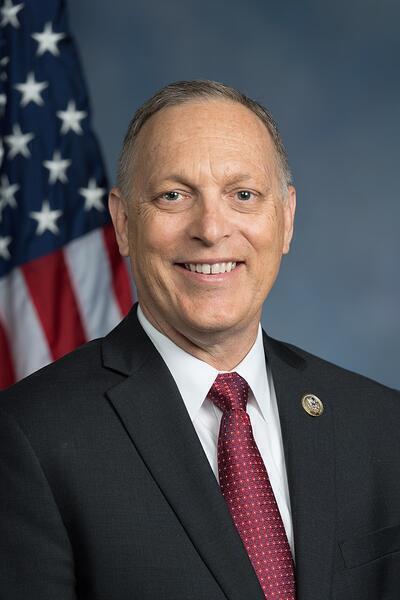
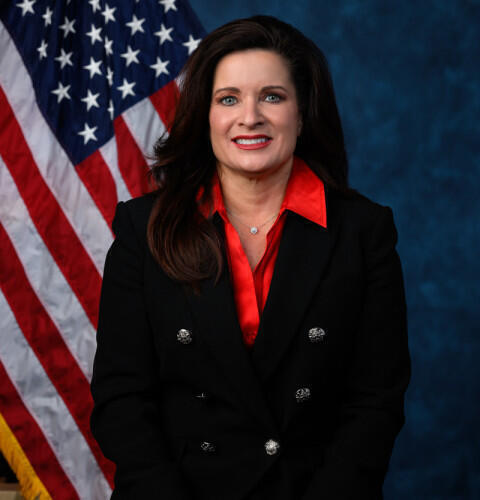
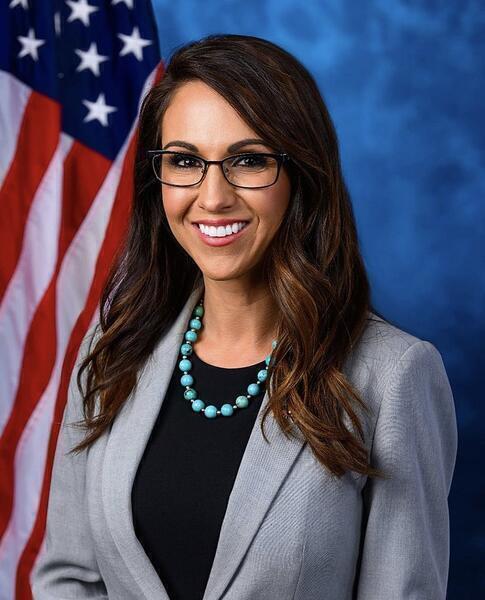
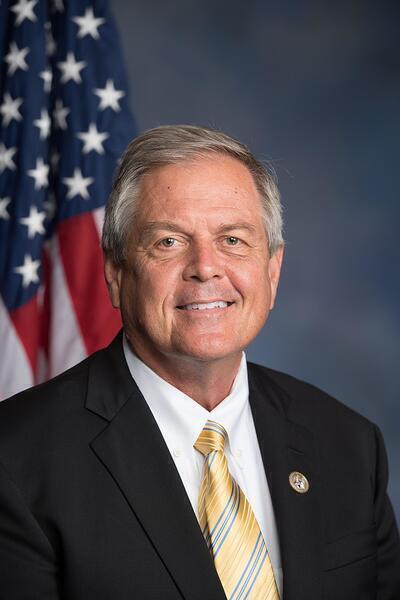
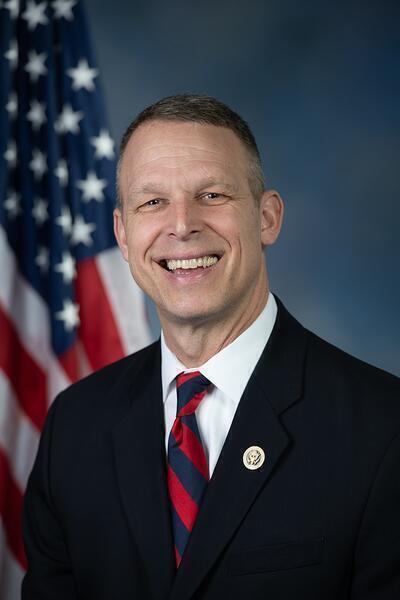
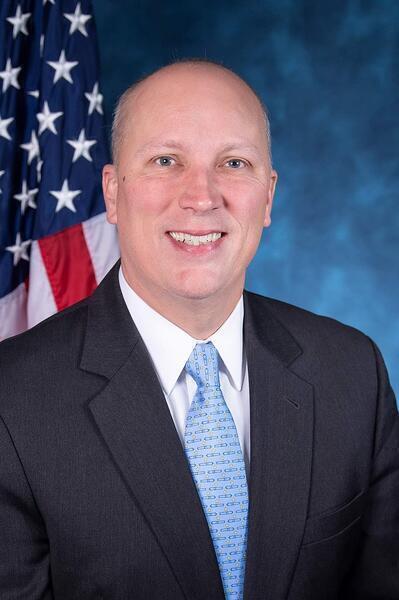
Nay (22)









Not Voting (39)



















E
Eric Swalwell