H.R.6500 — AGOA Extension Act
House Roll Call
H.R.6500
| Bill | H.R.6500 — AGOA Extension Act |
|---|---|
| Vote question | On Motion to Suspend the Rules and Pass, as Amended |
| Vote type | 2/3 Yea-And-Nay |
| Result | Passed |
| Totals | Yea 340 / Nay 54 / Present 0 / Not Voting 37 |
| Party | Yea | Nay | Present | Not Voting |
|---|---|---|---|---|
| R | 149 | 43 | 0 | 26 |
| D | 191 | 11 | 0 | 11 |
| I | 0 | 0 | 0 | 0 |
Research Brief
On Motion to Suspend the Rules and Pass, as Amended
Bill Analysis
HR 6500 – AGOA Extension Act (119th Congress)
HR 6500 extends and modifies the African Growth and Opportunity Act (AGOA), the primary U.S. trade preference program for eligible sub-Saharan African countries. AGOA provides duty‑free access to the U.S. market for thousands of products, contingent on eligibility criteria related to market-based reforms, rule of law, human rights, and labor standards.
Core provisions and what it does
- Extends AGOA’s authorization beyond its current statutory sunset (originally 2025), preserving non‑reciprocal trade preferences for qualifying African countries for an additional multi‑year period (specific new end date set in the bill text).
- Maintains and may refine eligibility criteria, including requirements on democratic governance, anti‑corruption efforts, protection of internationally recognized worker rights, and progress toward economic liberalization.
- Directs the President and U.S. Trade Representative (USTR) to continue annual eligibility reviews, with authority to designate, suspend, or terminate country benefits based on compliance.
- May streamline or clarify product coverage and rules of origin, particularly for apparel and textiles, to facilitate continued use of the program by African exporters.
- Encourages deeper integration of AGOA with broader U.S.–Africa trade and investment policy, potentially including guidance on transition to more reciprocal arrangements (e.g., free trade agreements) with interested countries.
Funding and authorities
- Primarily extends existing trade preference authority; it does not create a large new appropriations stream.
- Relies on existing executive branch resources at USTR, the Departments of State, Commerce, and Labor, and U.S. Customs and Border Protection to administer eligibility, compliance, and customs treatment.
- May authorize limited funding for technical assistance, capacity building, or reporting, subject to future appropriations.
Programs, beneficiaries, and regulated parties
- Beneficiaries: Eligible sub‑Saharan African countries, their exporters (especially in apparel, agriculture, and light manufacturing), and U.S. importers and consumers accessing duty‑free goods.
- Regulated/affected: U.S. customs authorities (implementation), U.S. firms sourcing from AGOA countries, and African governments subject to ongoing eligibility scrutiny.
Timelines
- Immediate continuation of AGOA benefits upon enactment, avoiding a lapse at the prior sunset date.
- Annual eligibility reviews and periodic reporting to Congress continue through the new authorization period.
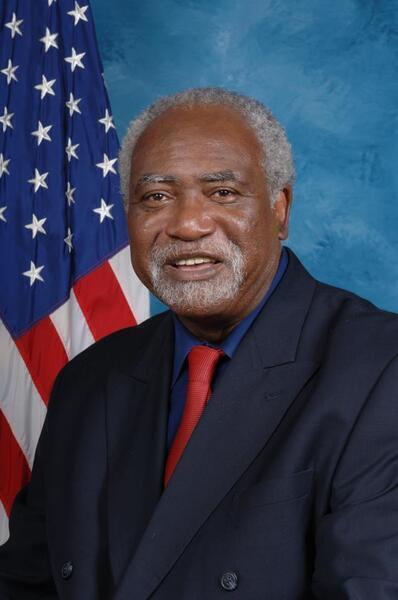
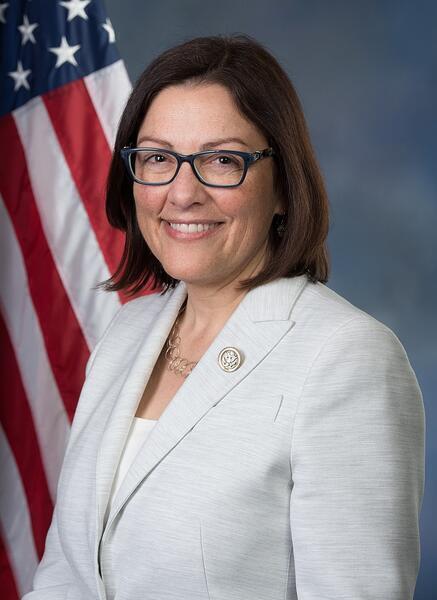
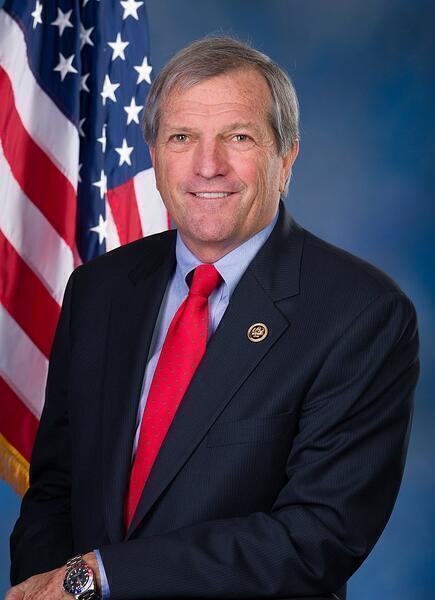
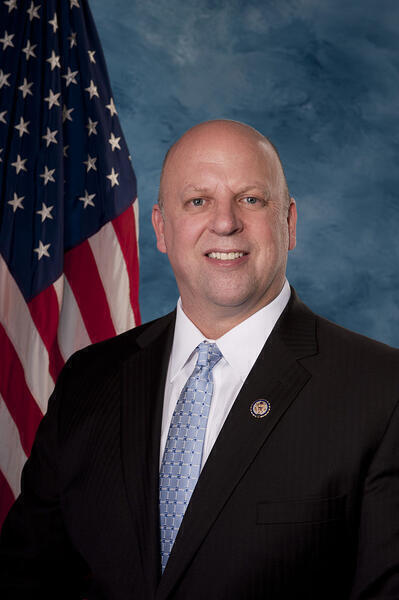
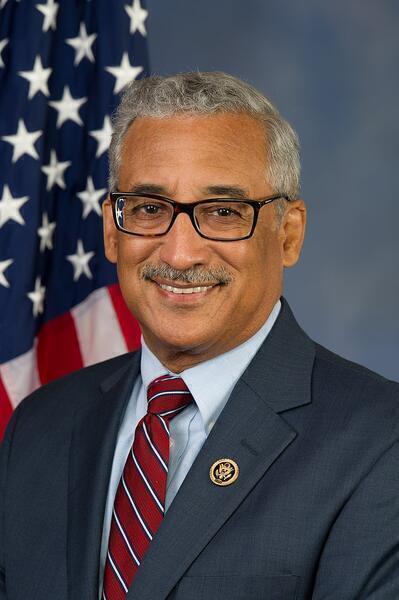
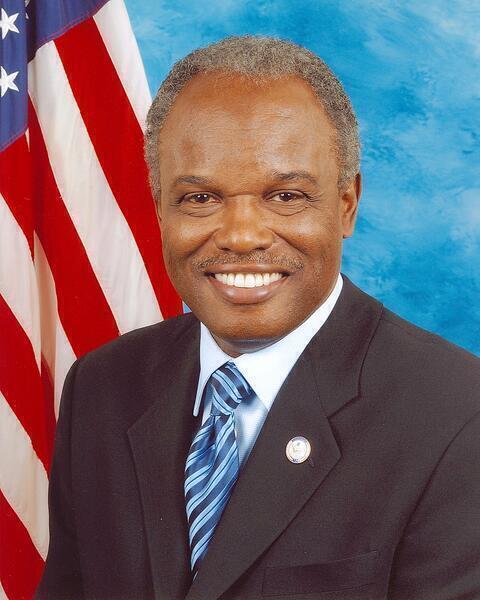
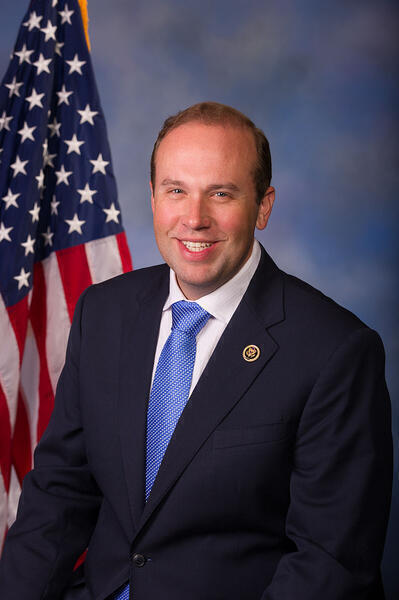
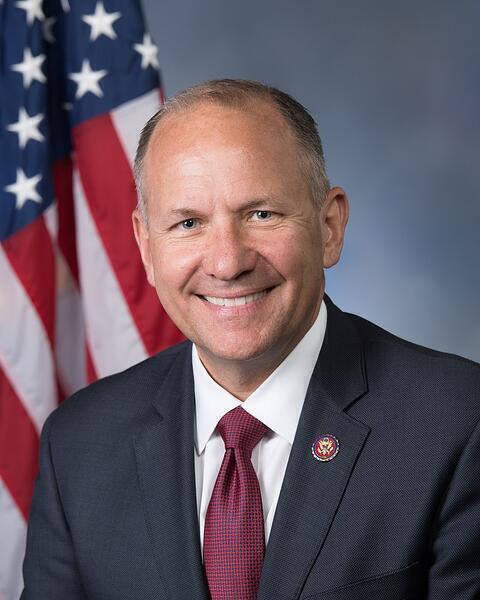
Yea (340)






















K
Ken Calvert














J
Jason Crow












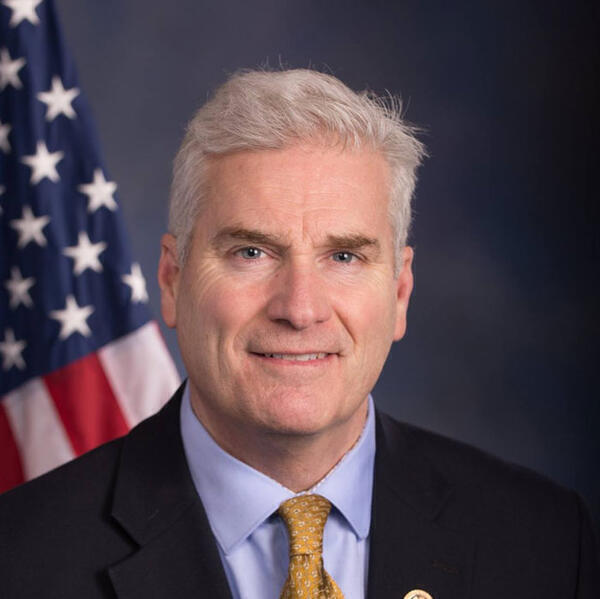
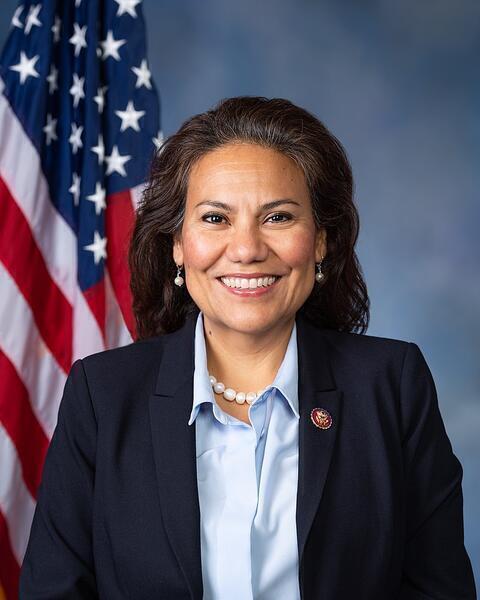
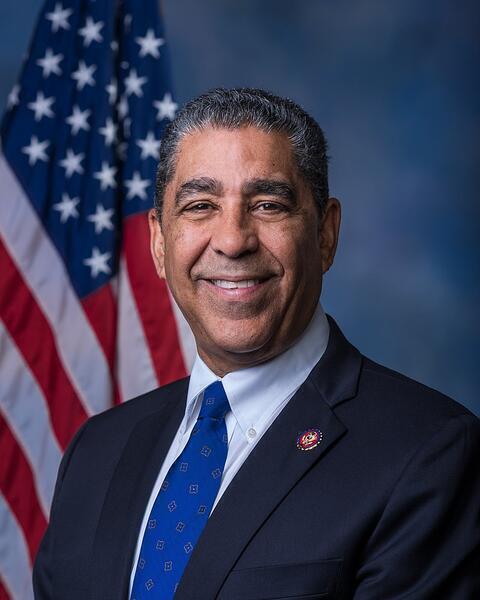
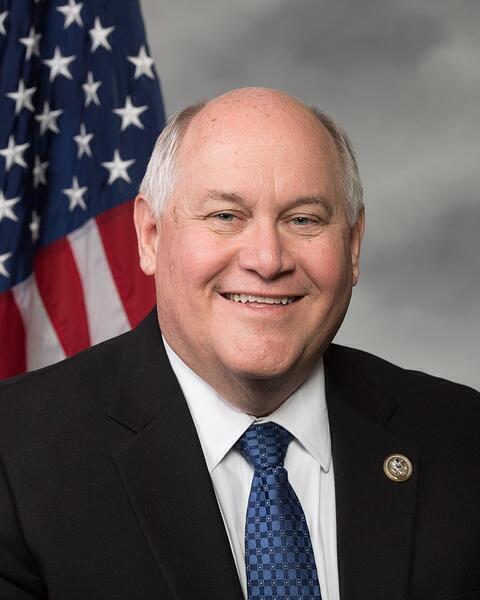
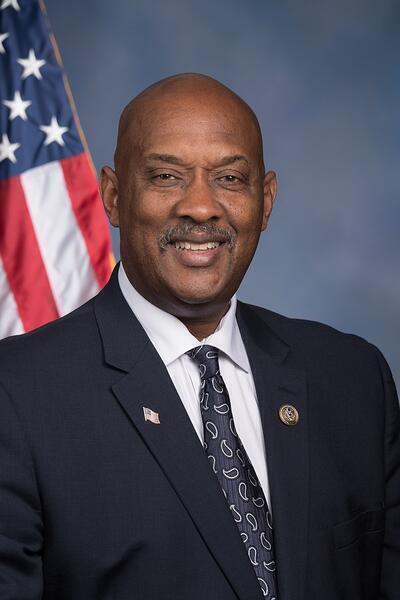







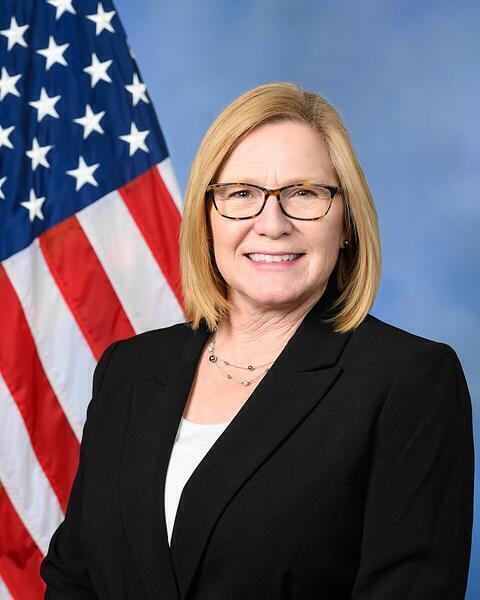







S
Scott Franklin


J
John Garamendi





























































J
John Mannion


L
Lucy McBath

L
Lisa McClain















































J
John Rutherford










D
David Schweikert

P
Pete Sessions








































D
Debbie Wasserman Schultz

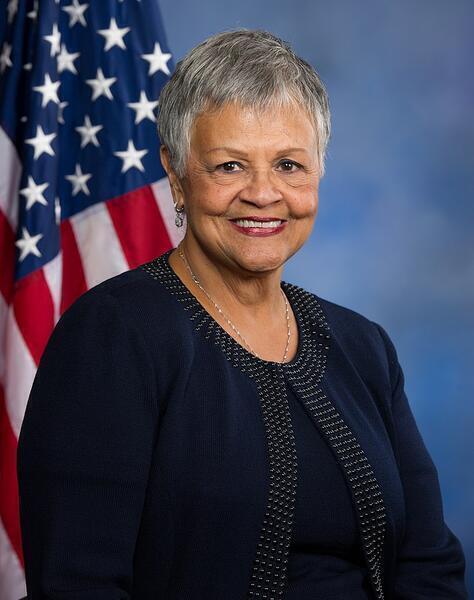




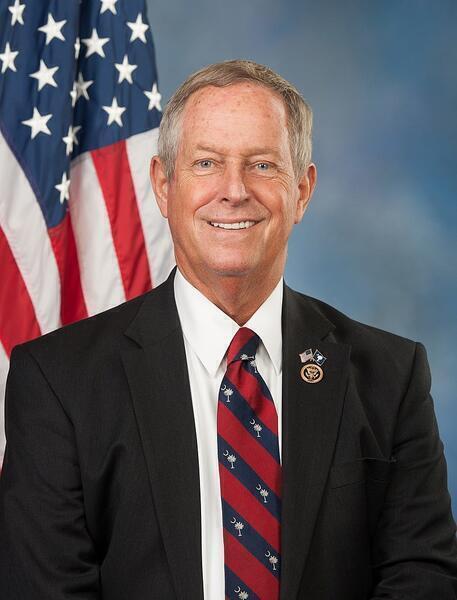


Nay (54)
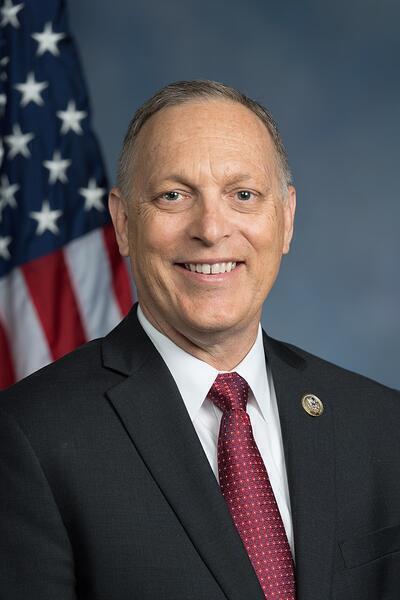











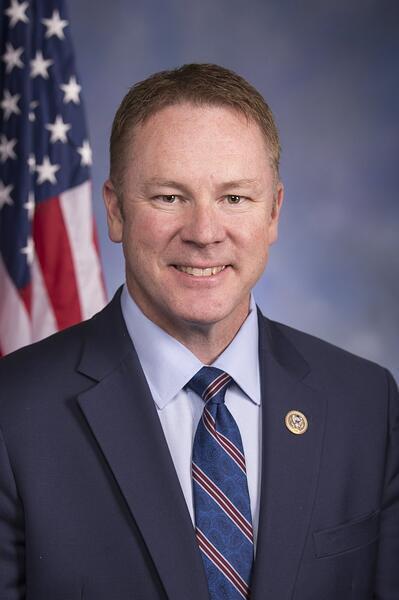
L
Lloyd Doggett

































R
Rashida Tlaib
N
Nydia Velázquez

Not Voting (37)























E
Eric Swalwell