H.R.6504 — Haiti Economic Lift Program Extension Act
House Roll Call
H.R.6504
| Bill | H.R.6504 — Haiti Economic Lift Program Extension Act |
|---|---|
| Vote question | On Motion to Suspend the Rules and Pass, as Amended |
| Vote type | 2/3 Yea-And-Nay |
| Result | Passed |
| Totals | Yea 345 / Nay 45 / Present 0 / Not Voting 41 |
| Party | Yea | Nay | Present | Not Voting |
|---|---|---|---|---|
| R | 146 | 45 | 0 | 27 |
| D | 199 | 0 | 0 | 14 |
| I | 0 | 0 | 0 | 0 |
Research Brief
On Motion to Suspend the Rules and Pass, as Amended
Bill Analysis
H.R. 6504 – Haiti Economic Lift Program Extension Act (119th Congress)
H.R. 6504 extends and modifies U.S. trade preference programs for Haiti, primarily affecting the Haitian apparel and textile sector and U.S. importers. It amends prior Haiti trade laws (notably HOPE, HOPE II, and HELP Acts) embedded in the Caribbean Basin Economic Recovery framework.
Core provisions
- Extends duty-free and quota-free treatment for qualifying Haitian apparel and certain textile products beyond current expiration dates. The bill likely pushes sunset dates several years forward (e.g., from mid‑2025 into the later 2020s or early 2030s), preserving continuity for investors and manufacturers.
- Maintains or adjusts quantitative limits (tariff preference levels) on the volume of eligible apparel that can enter the U.S. market under these preferences.
- Continues special rules of origin that allow use of third-country fabrics and yarns in Haitian-assembled apparel while still qualifying for U.S. duty-free entry, a key feature that lowers production costs.
- Preserves or updates labor, compliance, and monitoring conditions tied to eligibility, including requirements related to internationally recognized worker rights, factory inspections, and reporting (often implemented through the International Labour Organization’s Better Work Haiti program).
Agencies and authorities
- U.S. Customs and Border Protection (CBP) administers the tariff preferences at the border.
- The Office of the U.S. Trade Representative (USTR) and the Department of Labor oversee eligibility determinations, labor conditionality, and reporting.
- The Department of Commerce may be involved in monitoring trade flows and industry impacts.
Beneficiaries and regulated parties
- Haitian apparel manufacturers and workers benefit from continued preferential access to the U.S. market, supporting employment and foreign investment in Haiti.
- U.S. apparel brands, retailers, and importers benefit from lower tariffs and supply-chain stability.
- U.S. textile producers are indirectly affected through rules on fabric and yarn sourcing and preference limits.
Timelines
- The bill’s key timelines are the new extended expiration dates for the Haiti preferences and any phased adjustments to tariff preference levels or reporting requirements. These extensions are immediate upon enactment and are designed to avoid a lapse in benefits.
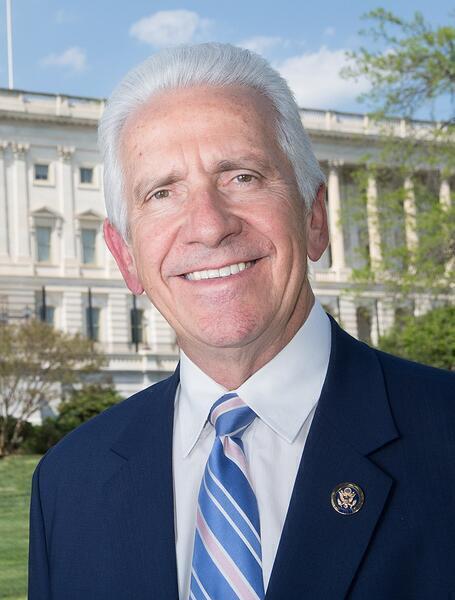
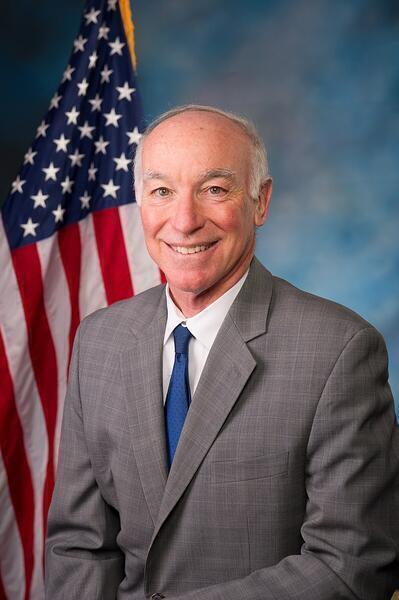
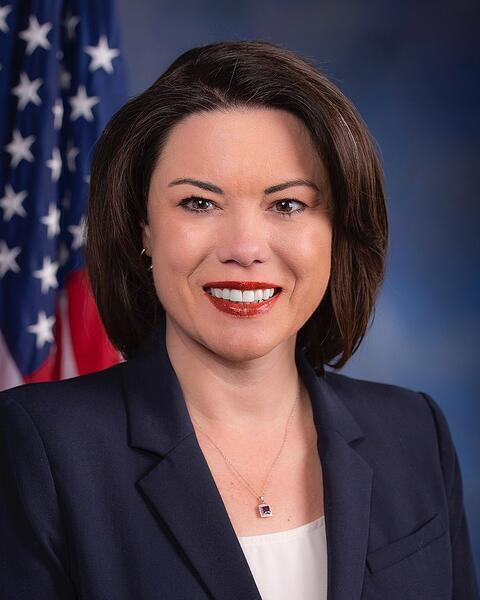
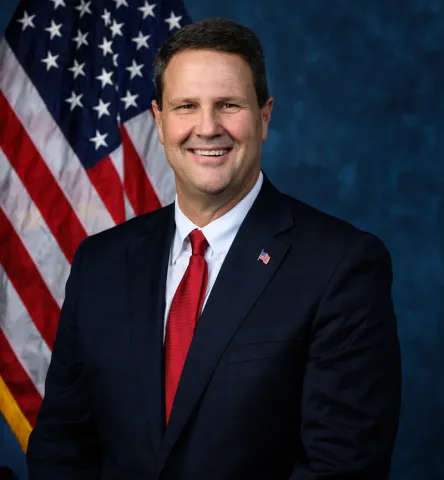
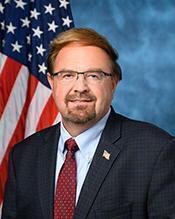
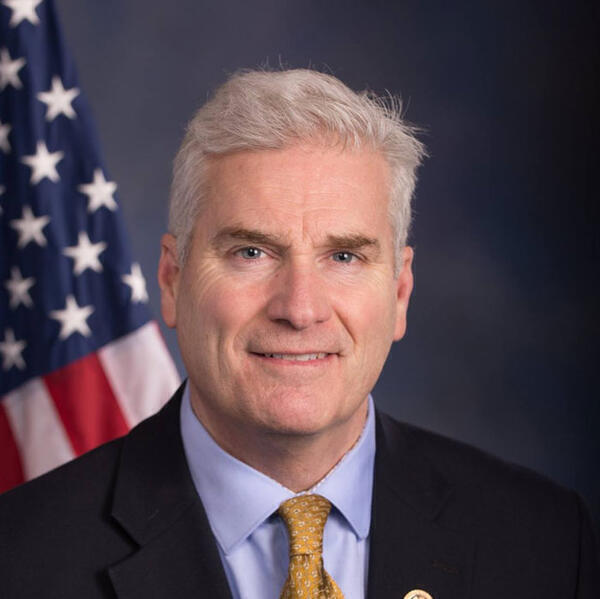
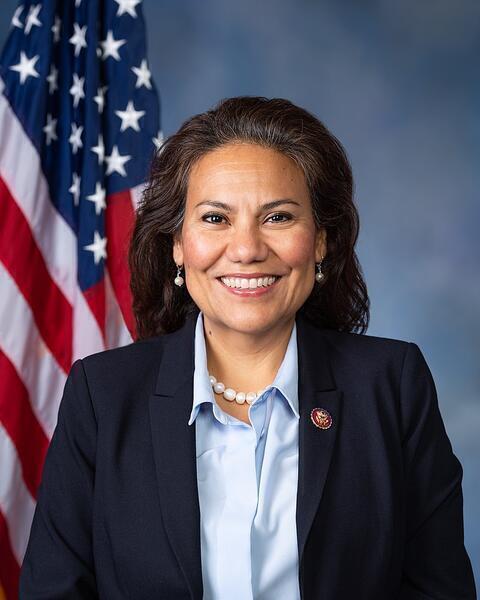
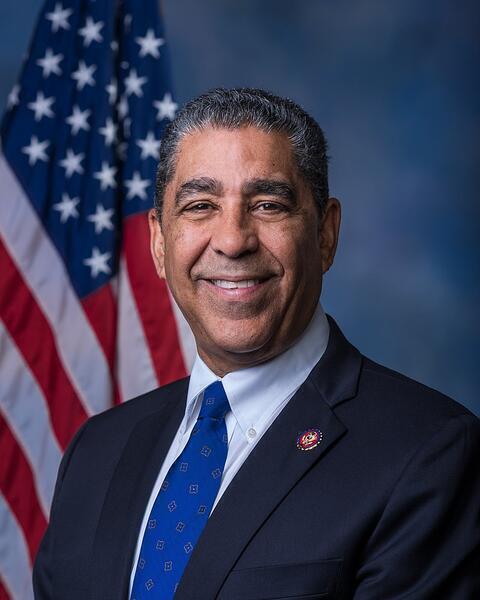
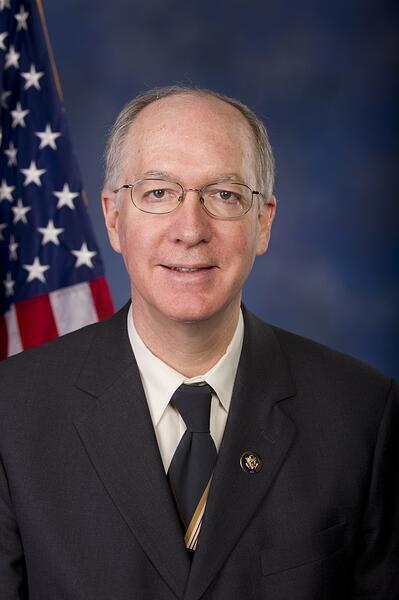
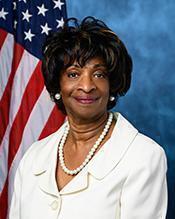
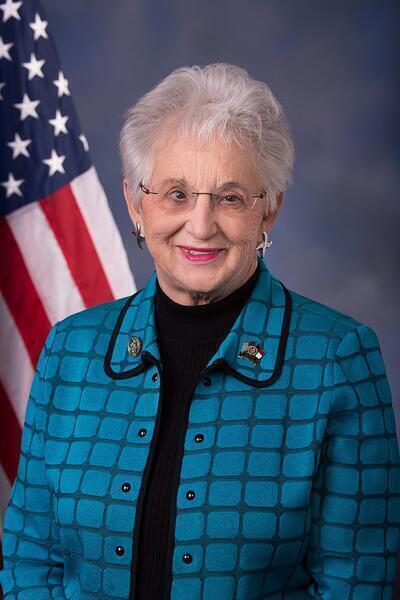
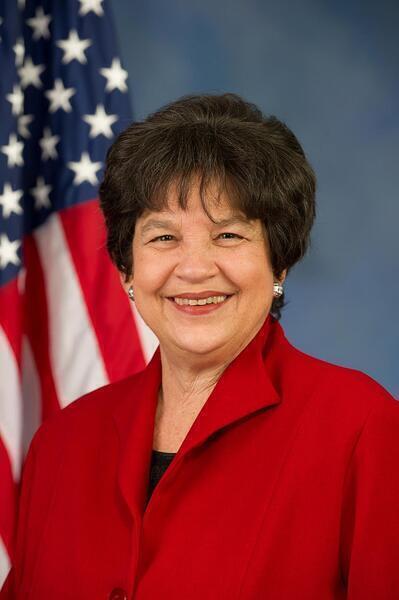
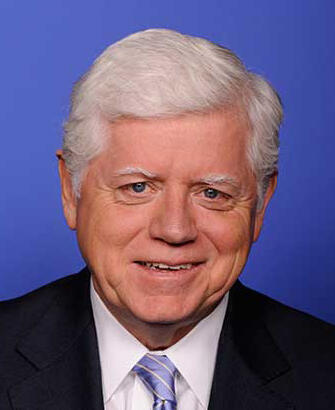
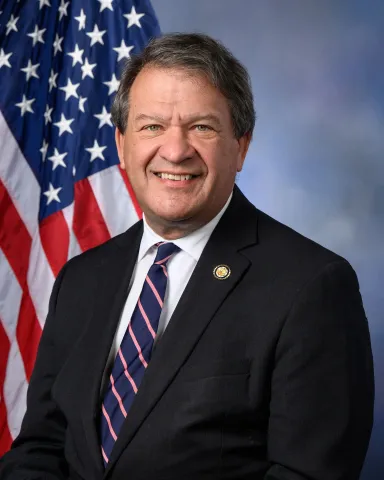
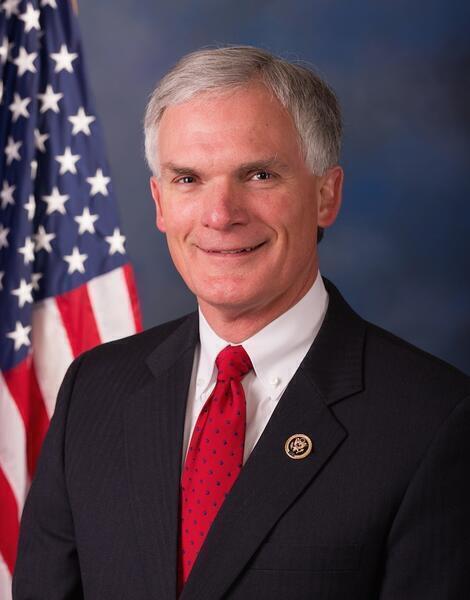
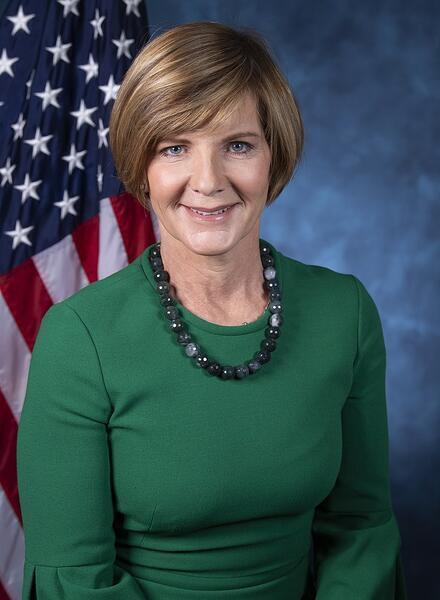
Yea (345)
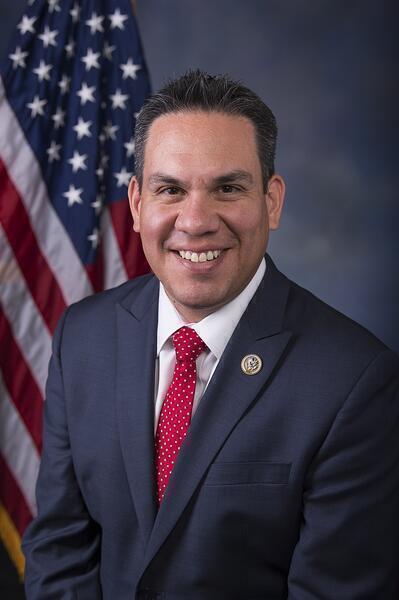
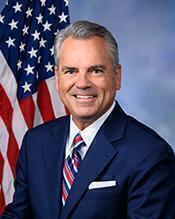
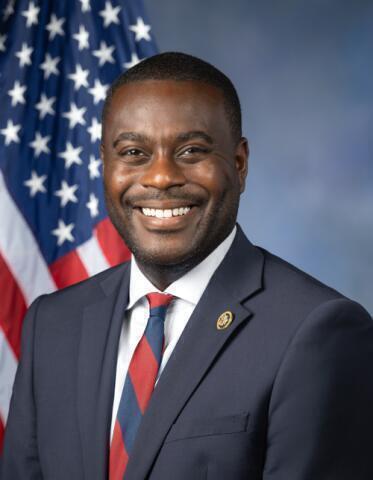
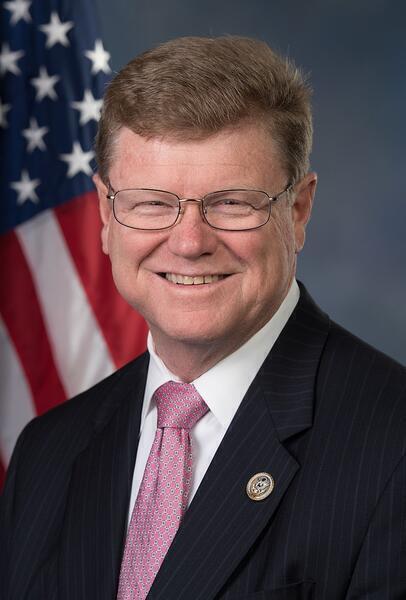




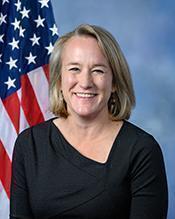

K
Ken Calvert
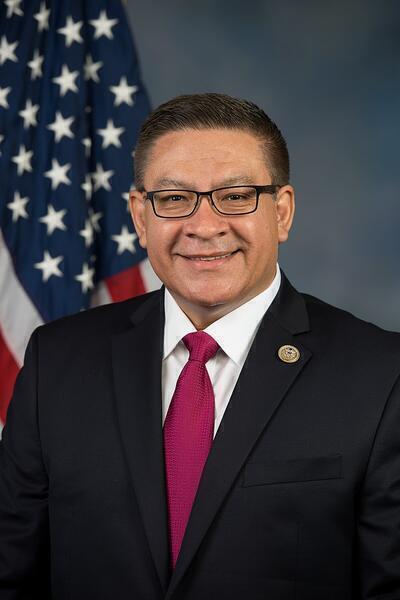

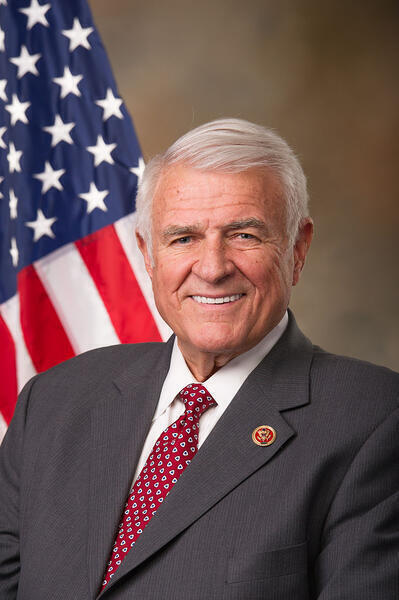

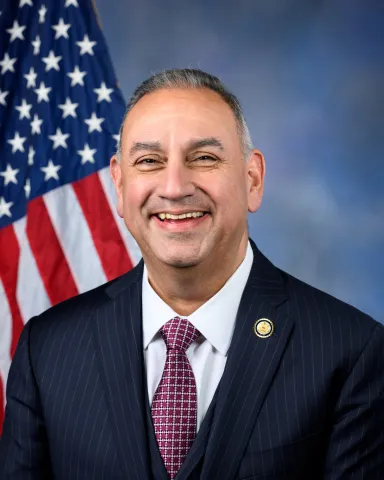

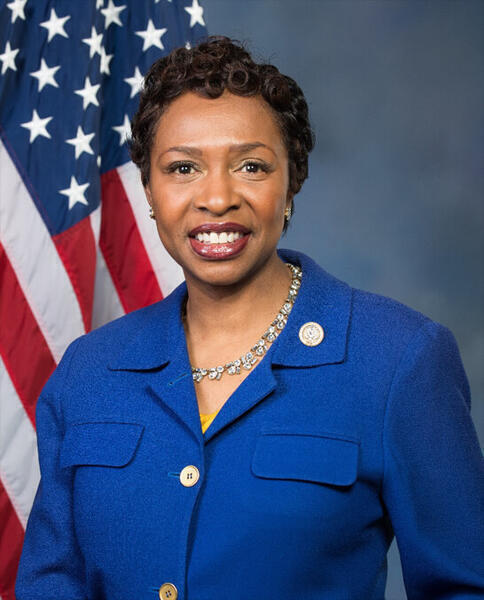
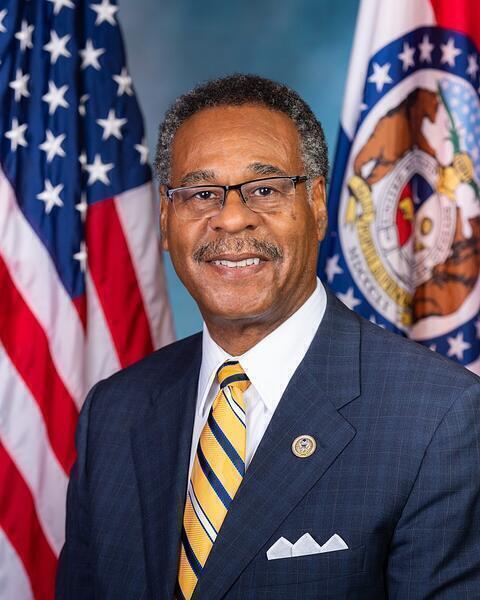
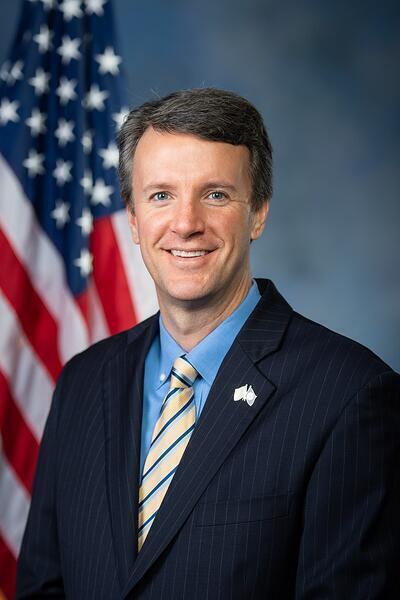

J
Jason Crow





L
Lloyd Doggett






S
Scott Franklin

J
John Garamendi

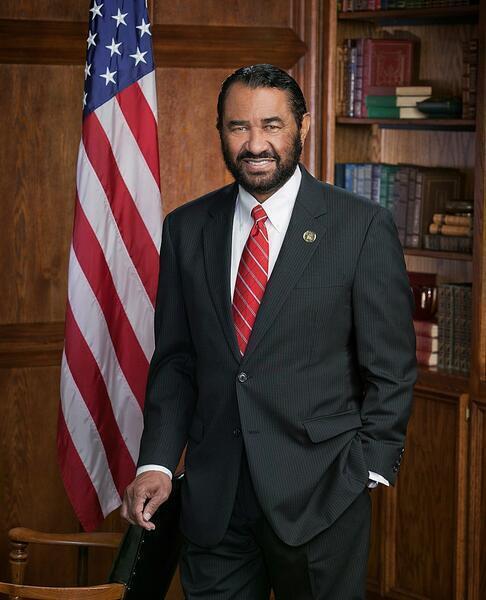


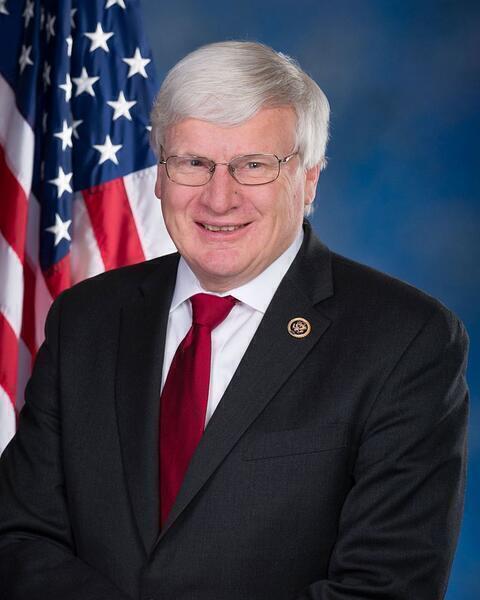
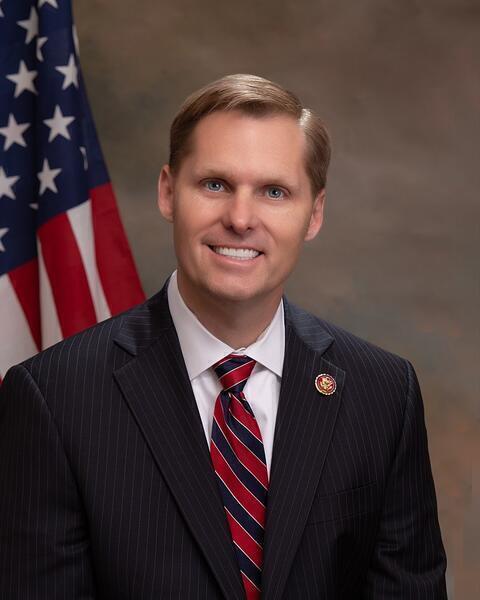
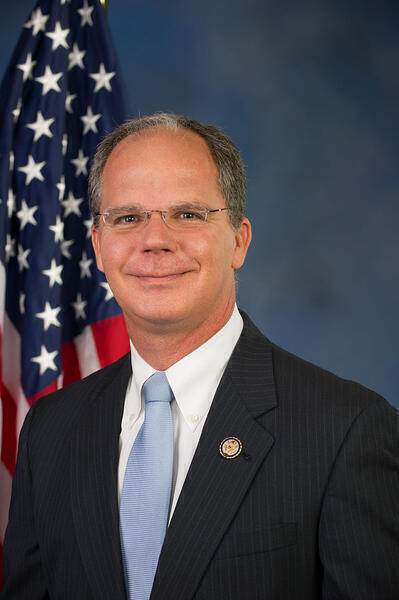

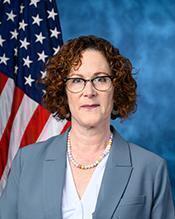
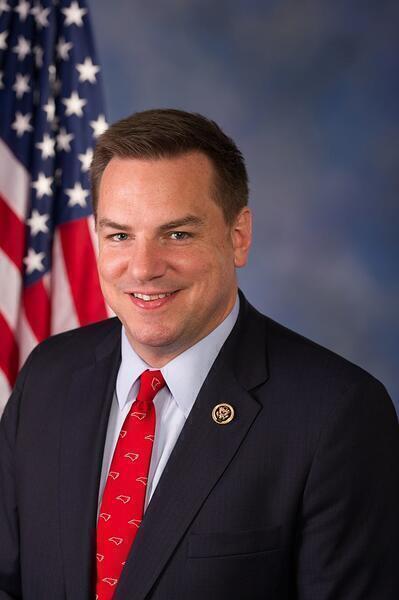
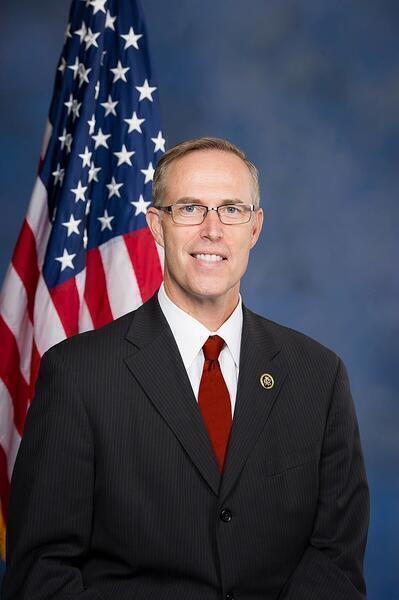

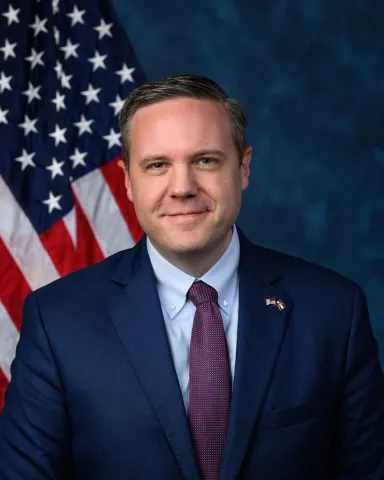








J
John Mannion
L
Lucy McBath

L
Lisa McClain




















J
John Rutherford



D
David Schweikert
P
Pete Sessions








R
Rashida Tlaib

N
Nydia Velázquez

D
Debbie Wasserman Schultz

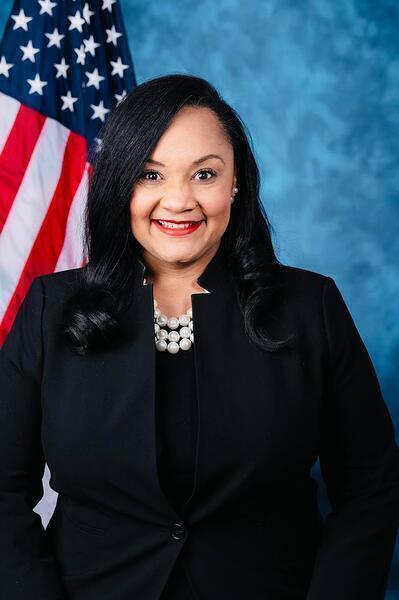
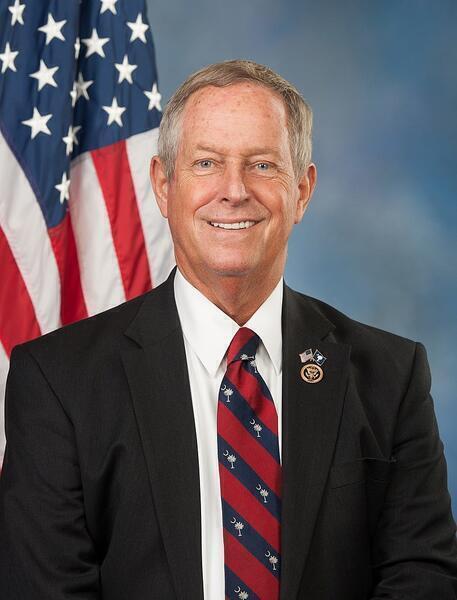
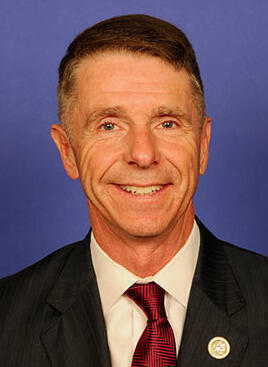

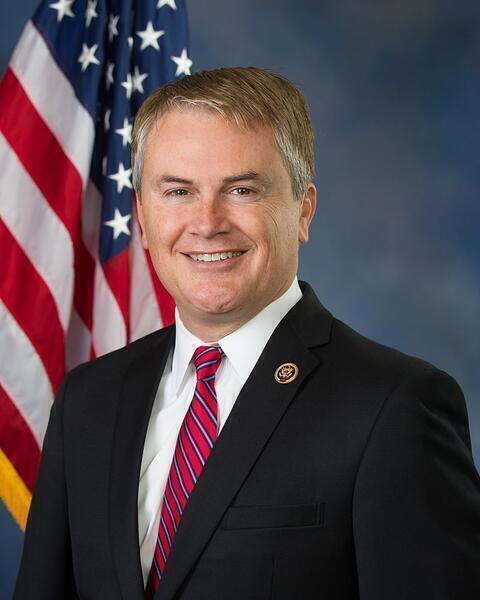
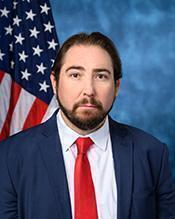
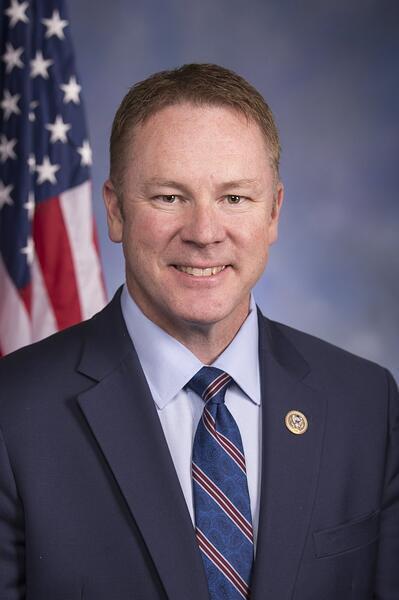
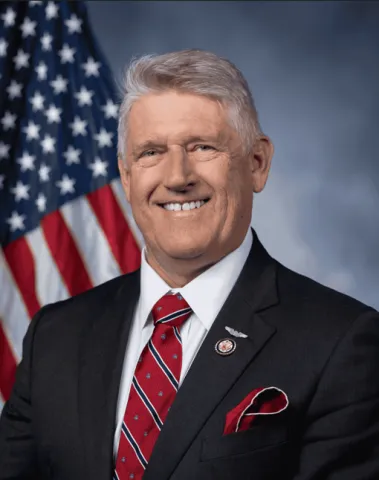
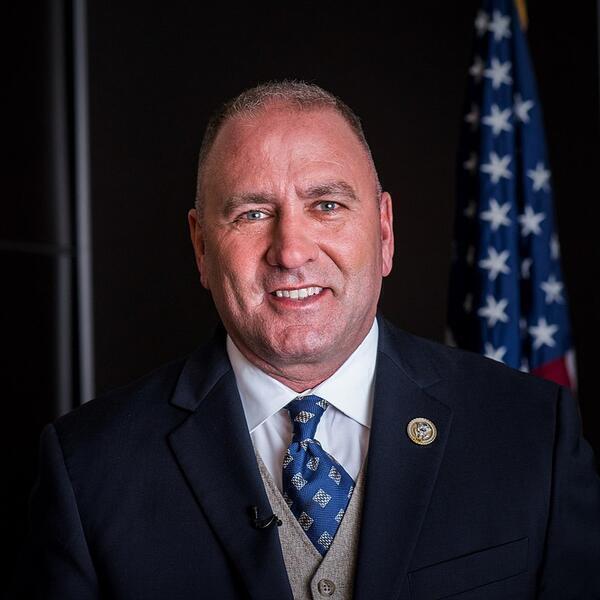
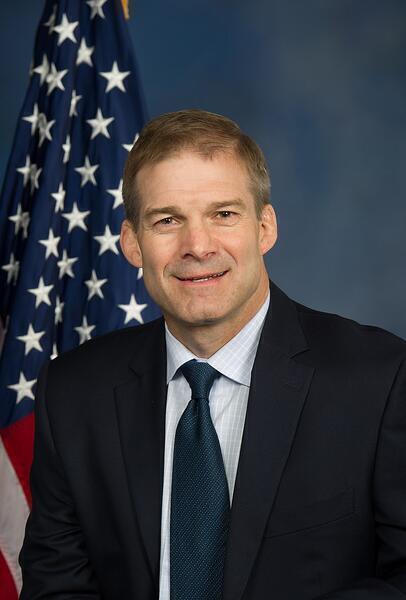
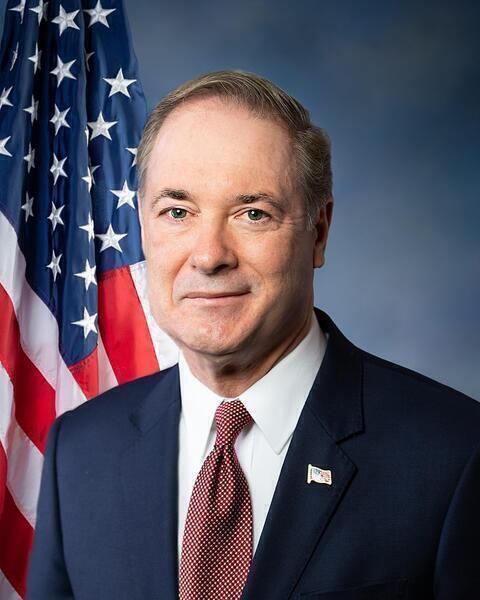
Nay (45)
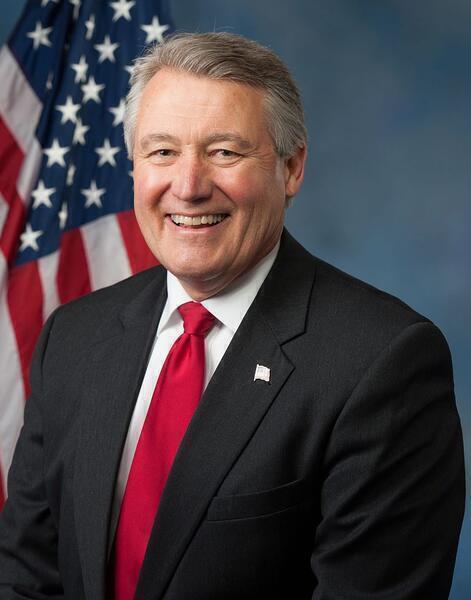











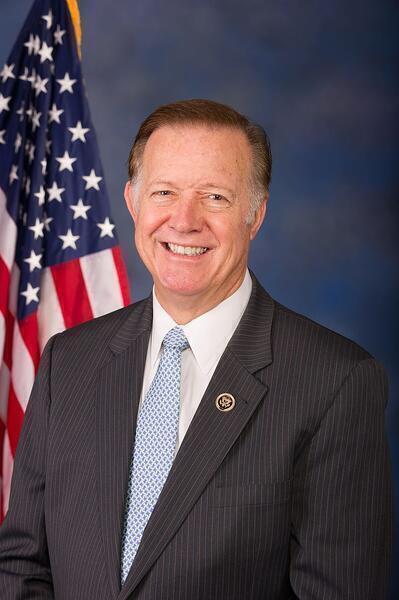
Not Voting (41)
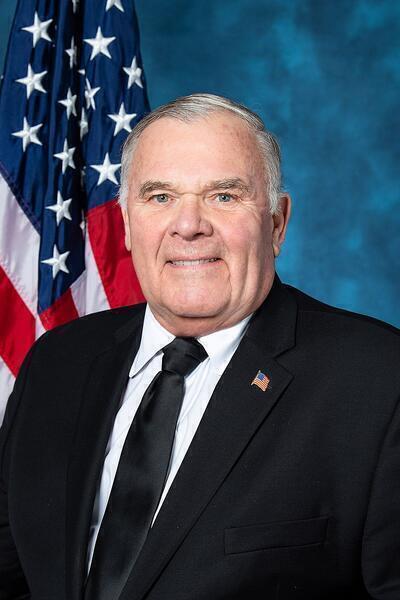

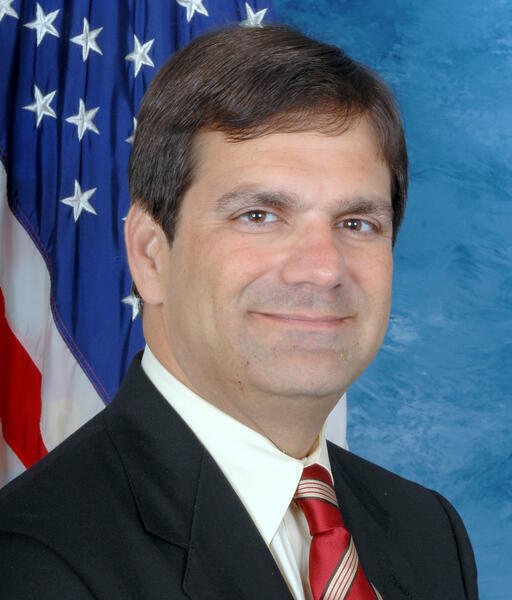
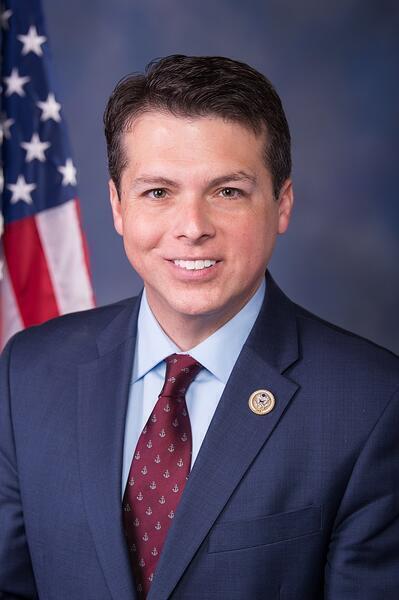









E
Eric Swalwell