H.R.2262 — Flexibility for Workers Education Act
House Roll Call
H.R.2262
| Bill | H.R.2262 — Flexibility for Workers Education Act |
|---|---|
| Vote question | On Motion to Recommit |
| Vote type | Yea-and-Nay |
| Result | Failed |
| Totals | Yea 209 / Nay 213 / Present 0 / Not Voting 9 |
| Party | Yea | Nay | Present | Not Voting |
|---|---|---|---|---|
| R | 0 | 213 | 0 | 5 |
| D | 209 | 0 | 0 | 4 |
| I | 0 | 0 | 0 | 0 |
Research Brief
On Motion to Recommit
Bill Analysis
HR 2262 – Flexibility for Workers Education Act (119th Congress)
HR 2262 amends federal higher education and tax-related rules to make education and training more flexible and accessible for working adults, particularly those seeking short-term, career-oriented programs.
Substantive provisions (as introduced and amended in House consideration) include:
Short-Term Program Eligibility: Expands eligibility for certain federal education-related benefits (likely including tax-favored or employer-supported education arrangements) to shorter, non-degree, workforce-oriented programs that meet quality and outcome standards. These may include certificate, credential, or skills-based programs aligned with in-demand occupations.
Flexible Learning Formats: Authorizes or clarifies that online, hybrid, competency-based, and other nontraditional delivery models can qualify for covered education benefits if they meet accreditation and oversight requirements.
Employer-Provided Education Support: Adjusts rules governing employer educational assistance so that more types of training—especially upskilling, reskilling, and industry-recognized credentials—can be supported on a tax-advantaged basis or with fewer regulatory constraints, while maintaining guardrails against abuse.
Coordination with Existing Federal Programs: Interfaces with existing Higher Education Act and Internal Revenue Code provisions to avoid double benefits and to ensure that expanded flexibility does not undermine existing student aid integrity rules (e.g., accreditation, program eligibility, and reporting).
Agencies and programs affected likely include the Department of Education (for program eligibility, institutional oversight, and data/reporting) and the Department of the Treasury/IRS (for tax treatment of educational assistance and related benefits).
Beneficiaries: Working adults, part-time students, mid-career workers seeking new skills, and employers offering education benefits. Regulated entities: Postsecondary institutions, training providers, and employers administering education programs.
Timelines: Provisions generally take effect for academic periods or tax years beginning after a specified date following enactment (e.g., the first tax year or award year after enactment), with transitional rules for programs already in operation.
The bill passed the House (motion to reconsider laid on the table, agreed to without objection), indicating final House action; further Senate action would be required for enactment.
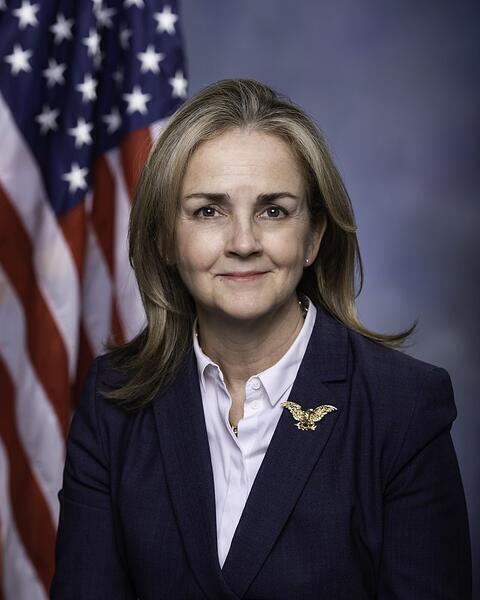
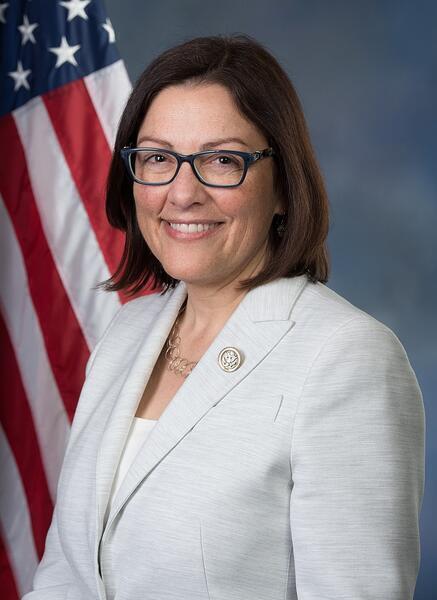
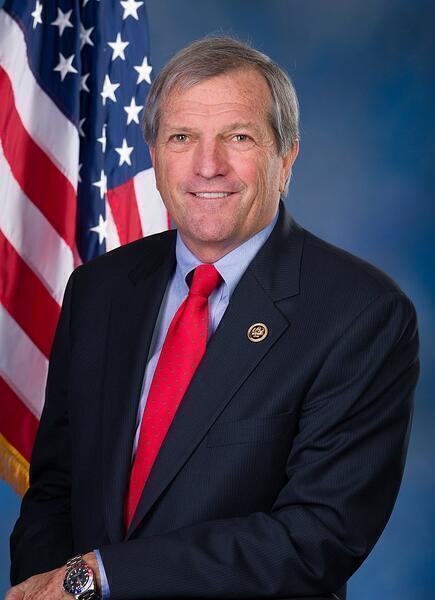
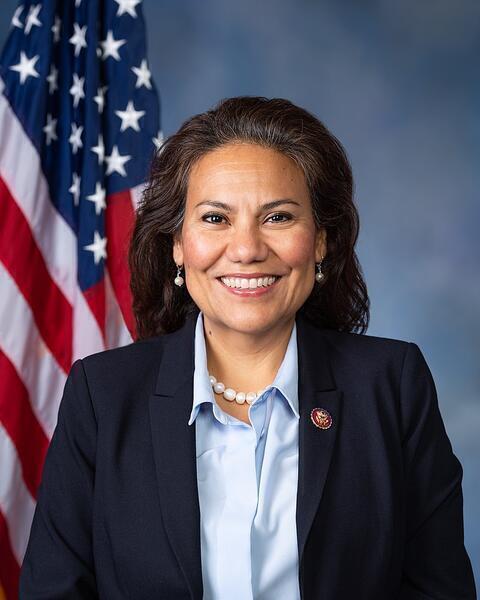
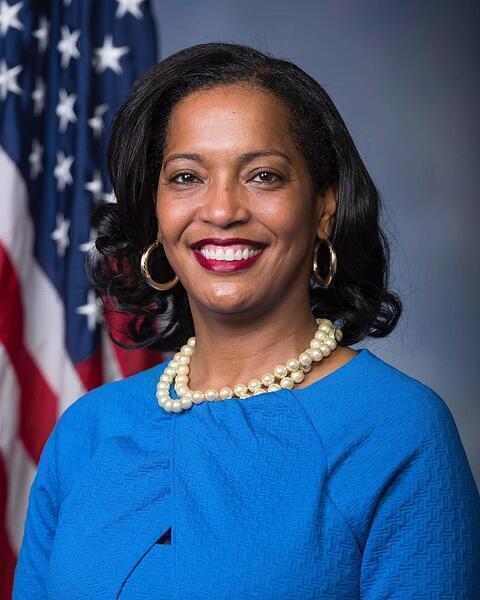
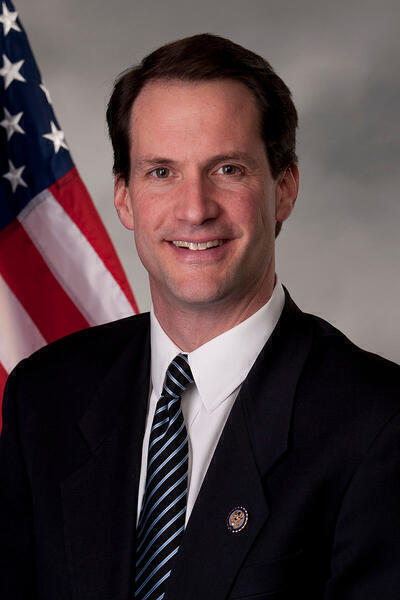
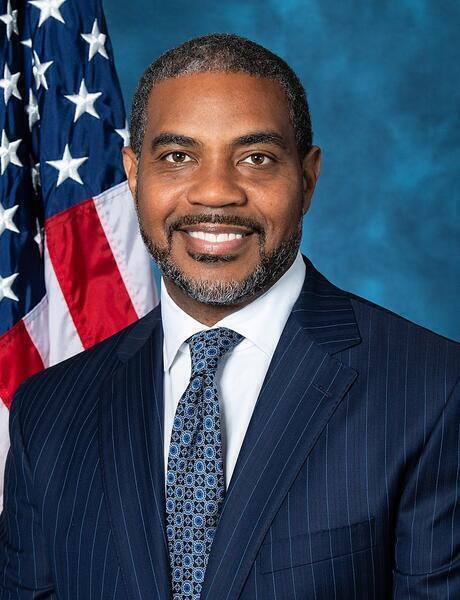
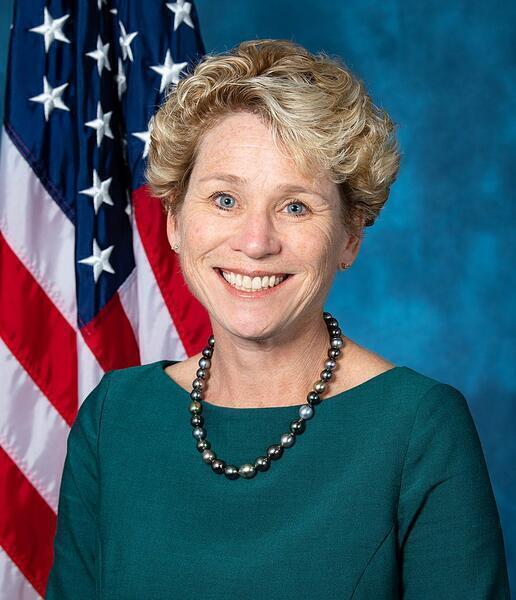
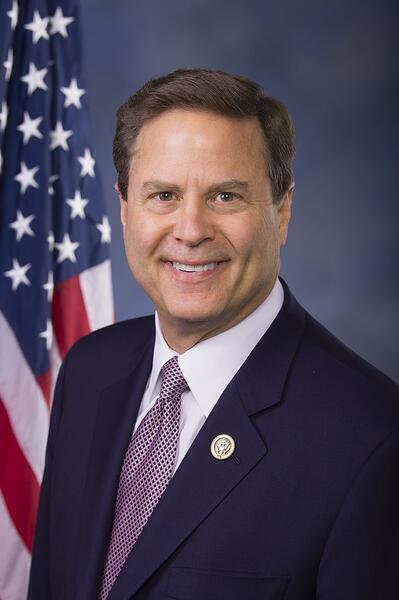
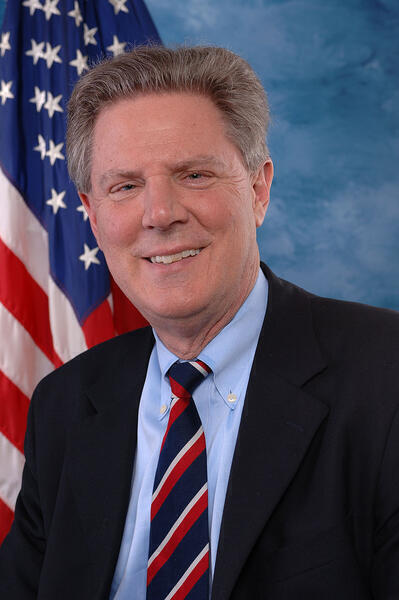
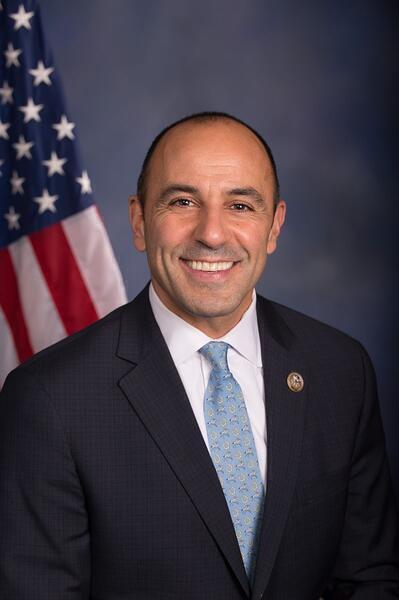
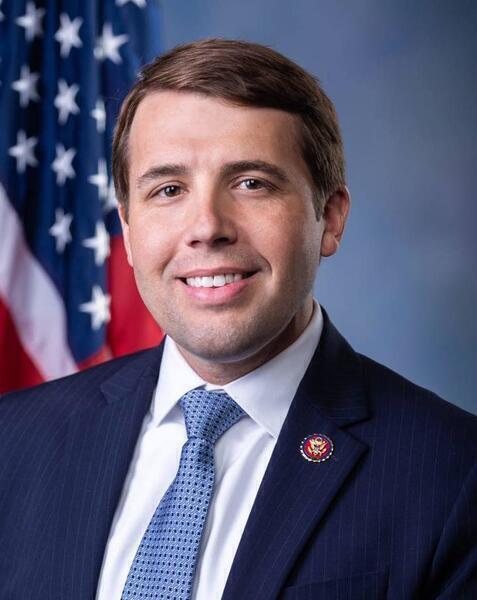
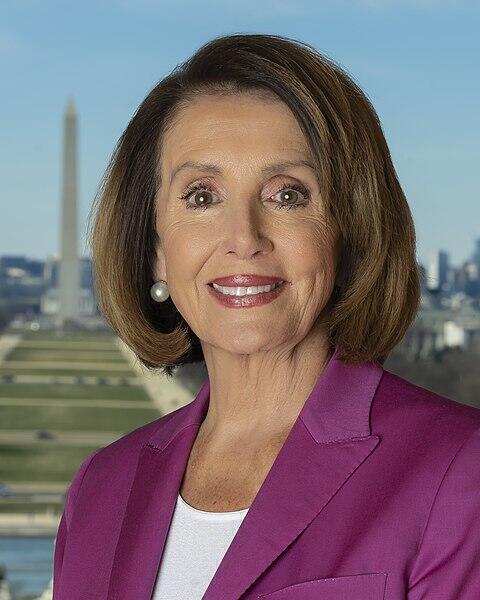
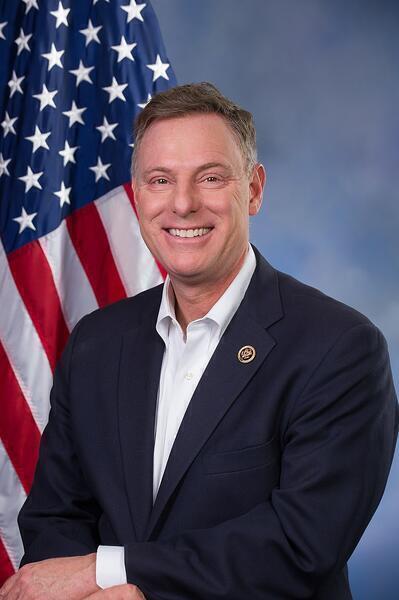
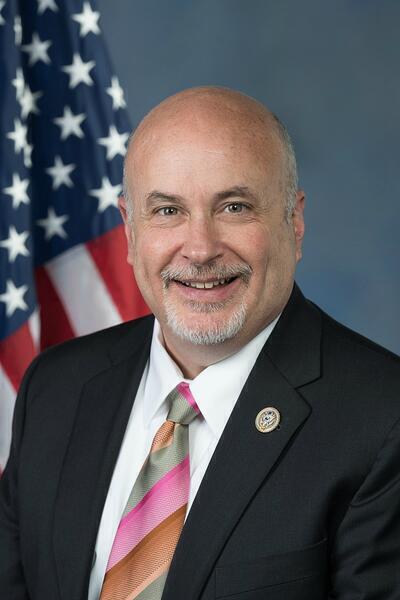
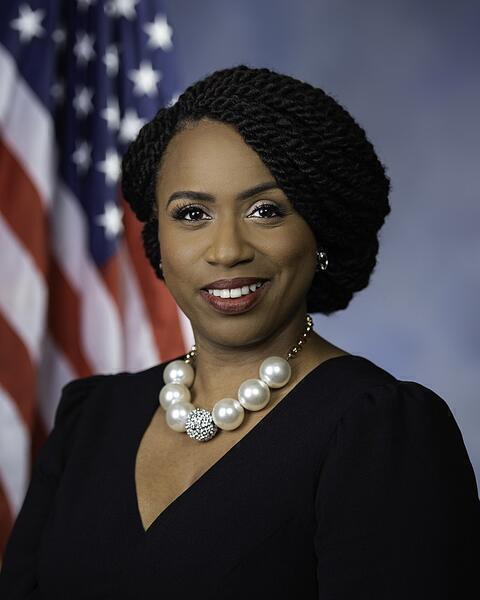
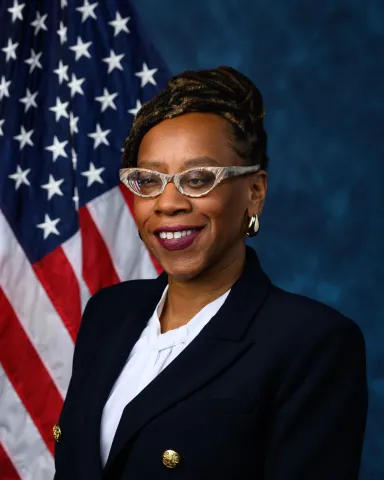
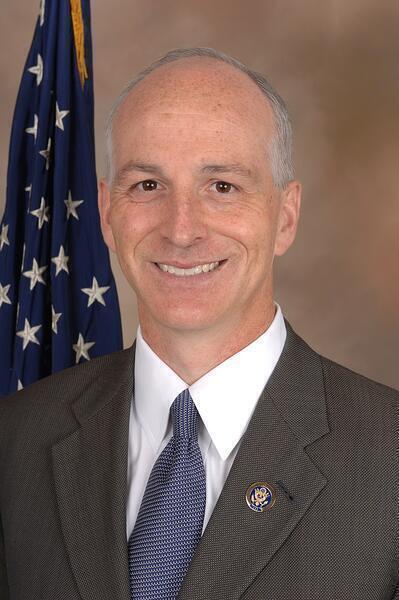
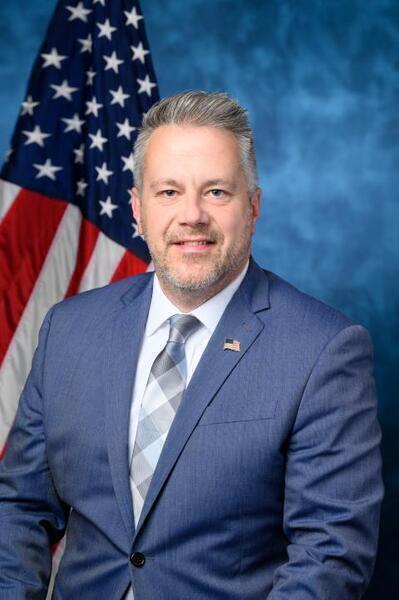
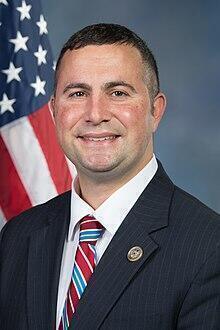
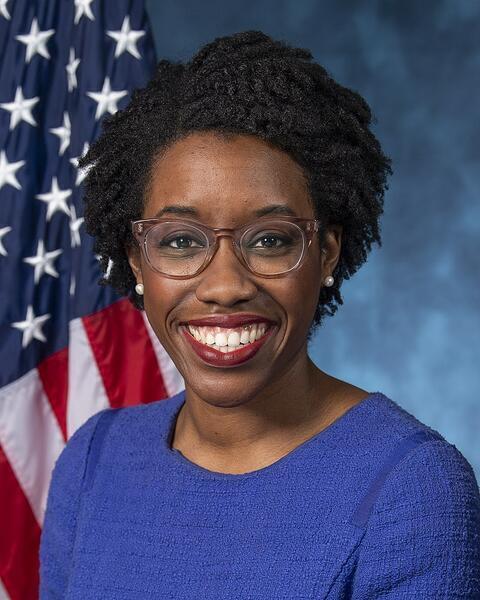
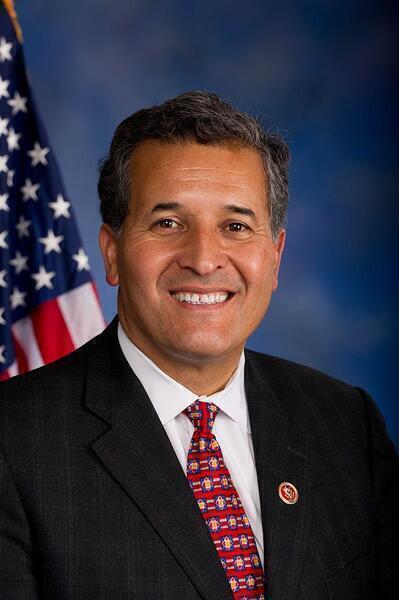
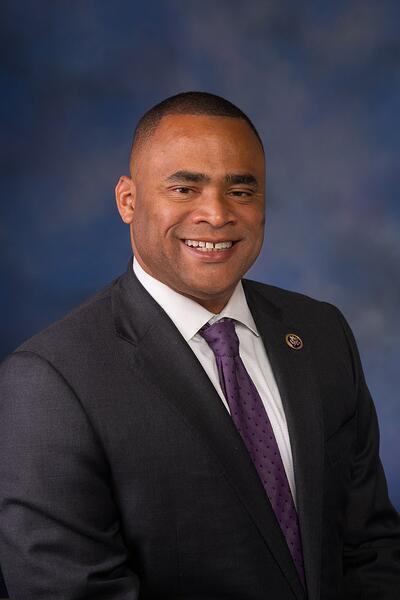
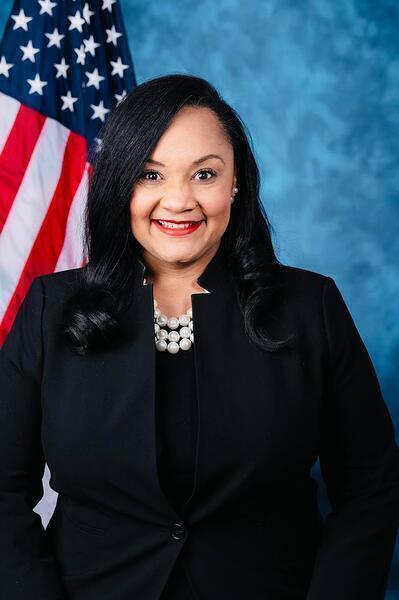
Yea (209)
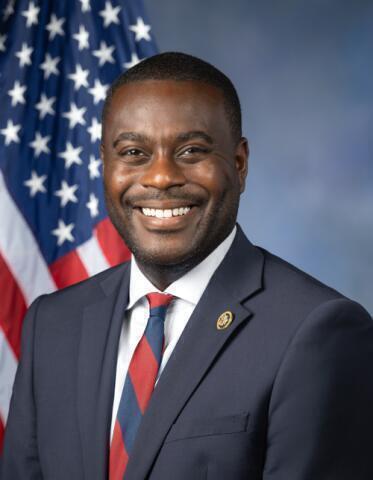
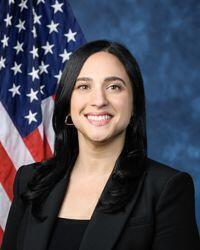
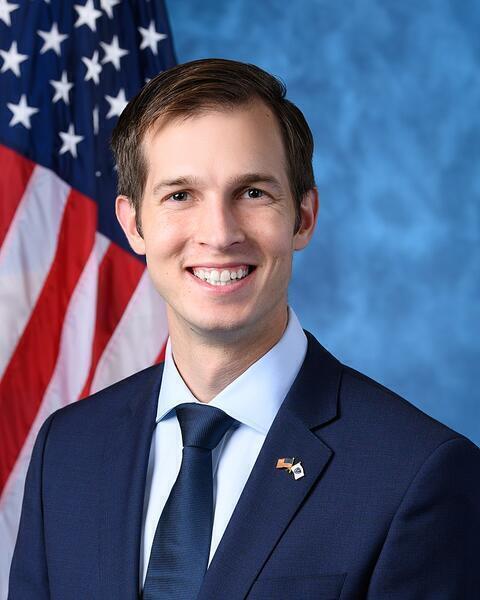

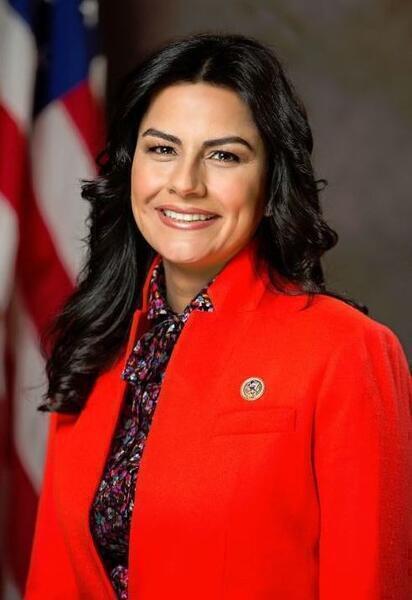
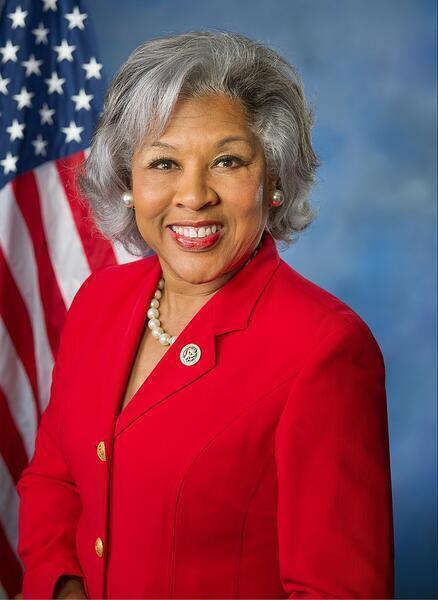
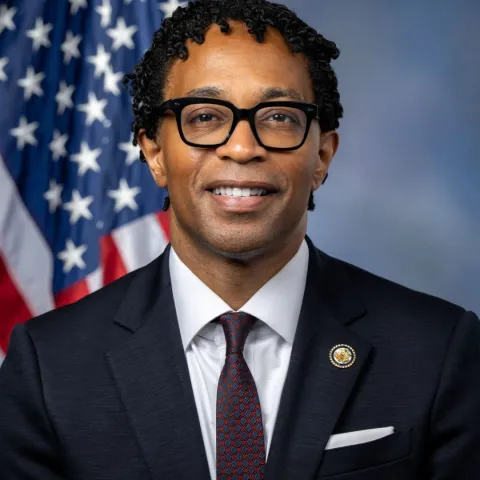
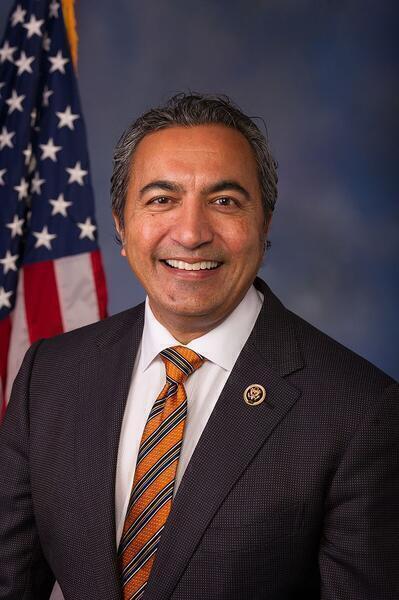
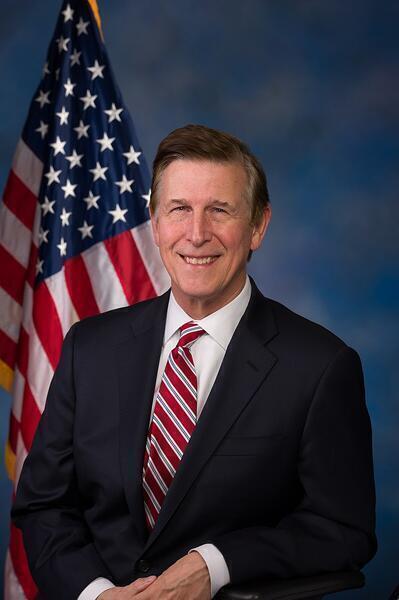
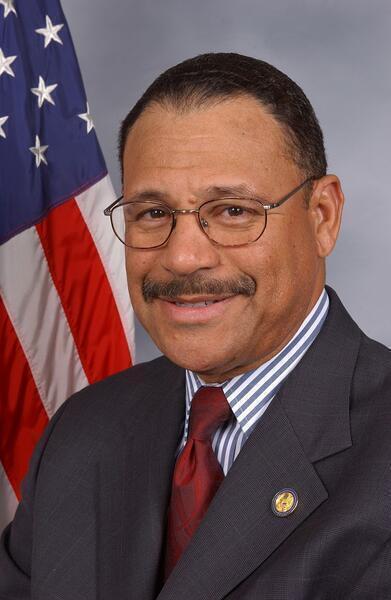
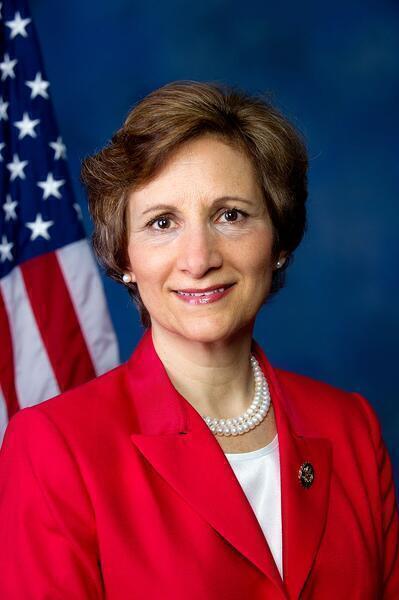
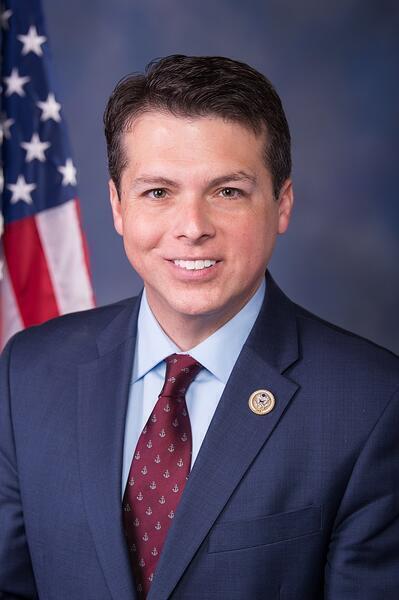

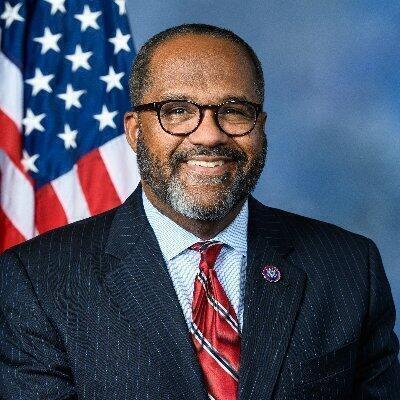
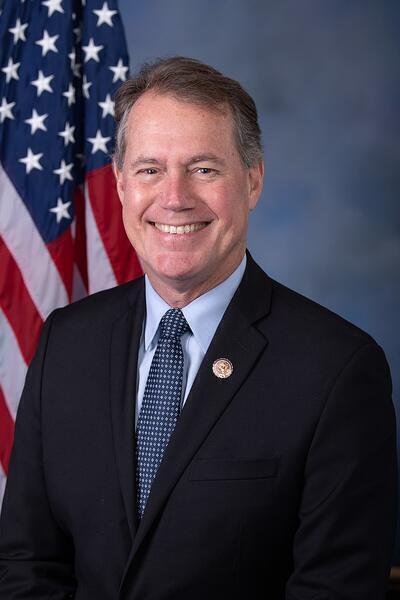
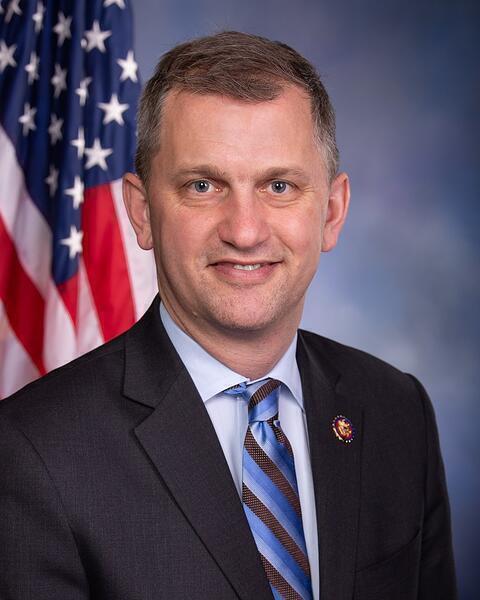
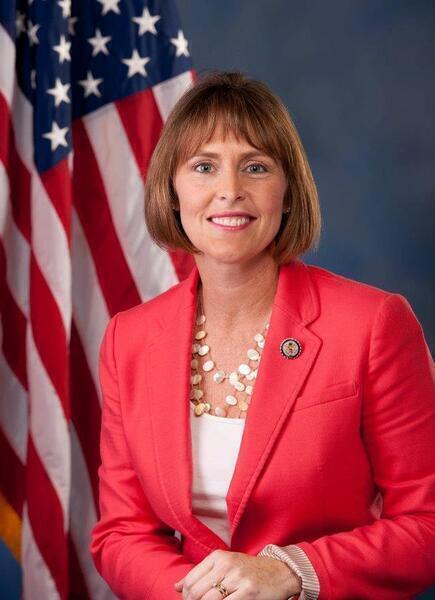



J
Jason Crow





L
Lloyd Doggett


J
John Garamendi



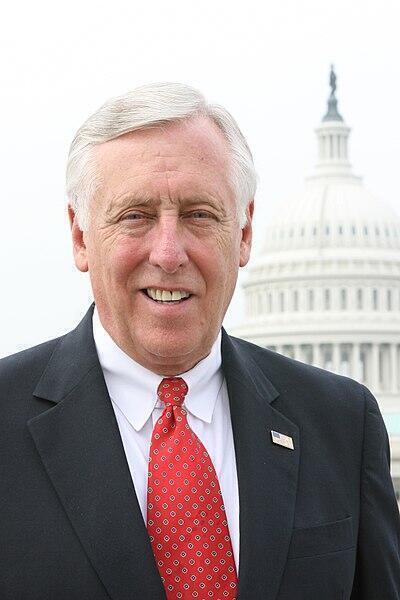
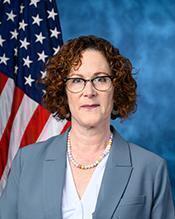
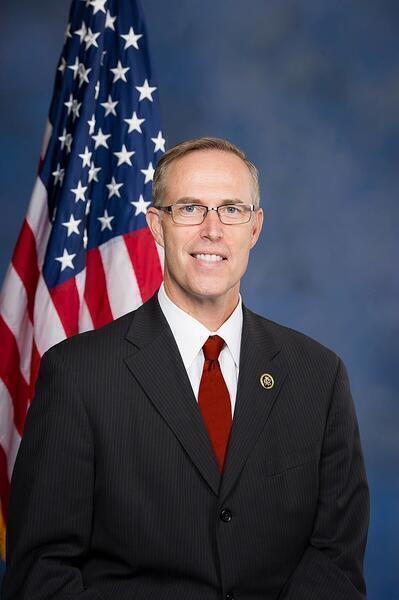
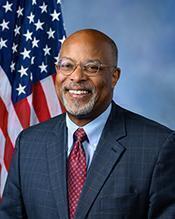


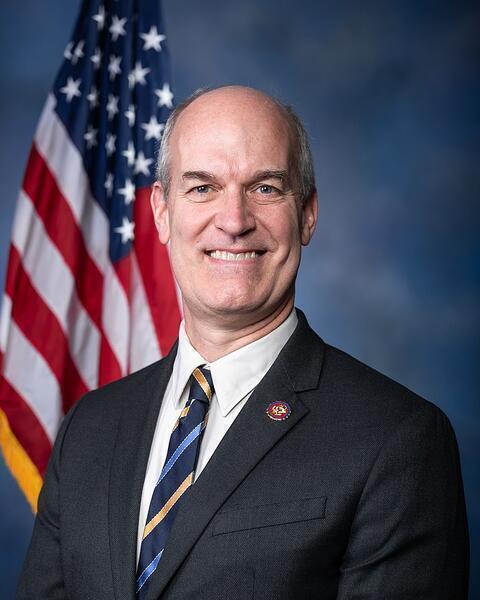
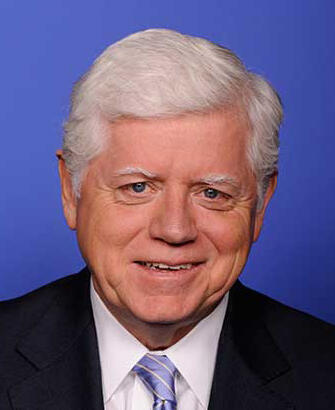
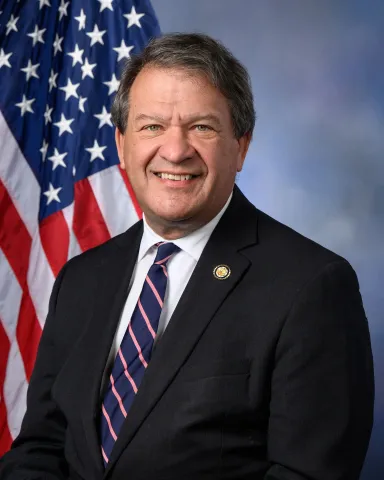
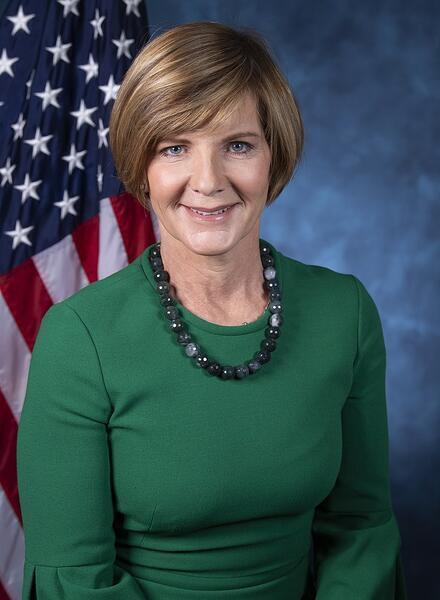
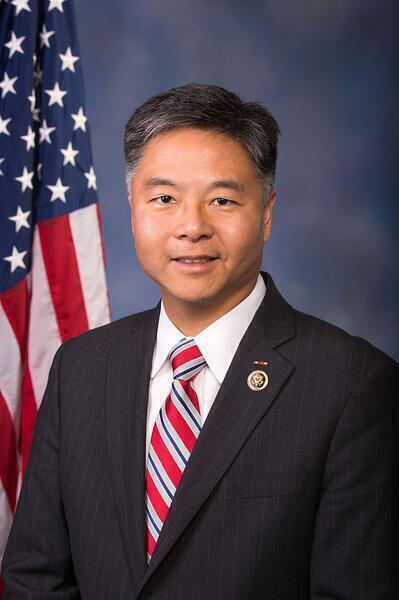
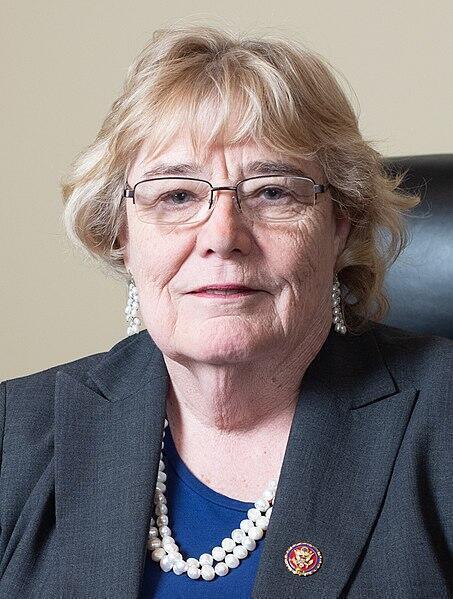
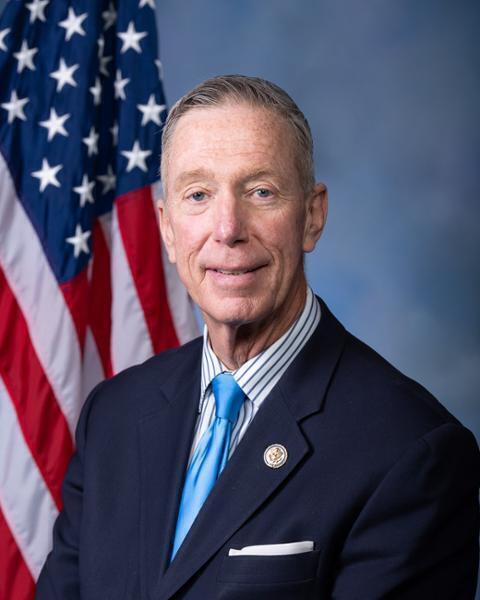

J
John Mannion
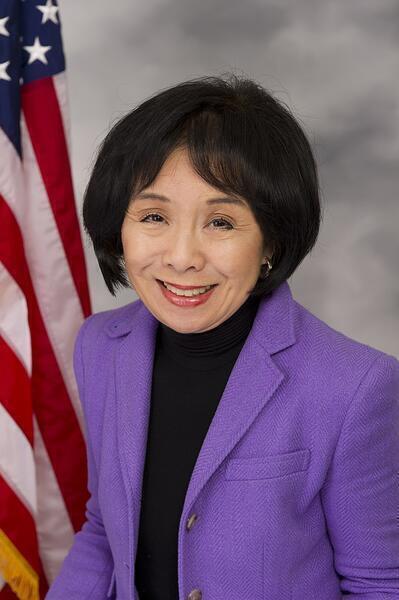
L
Lucy McBath



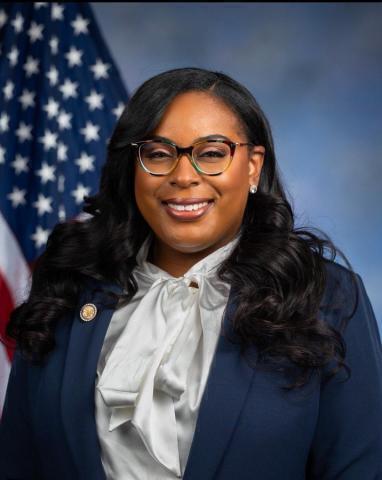


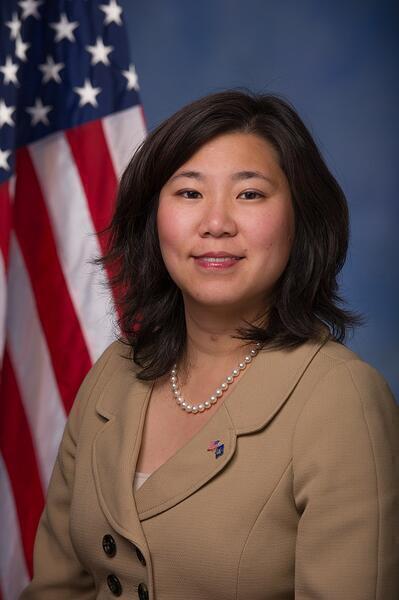
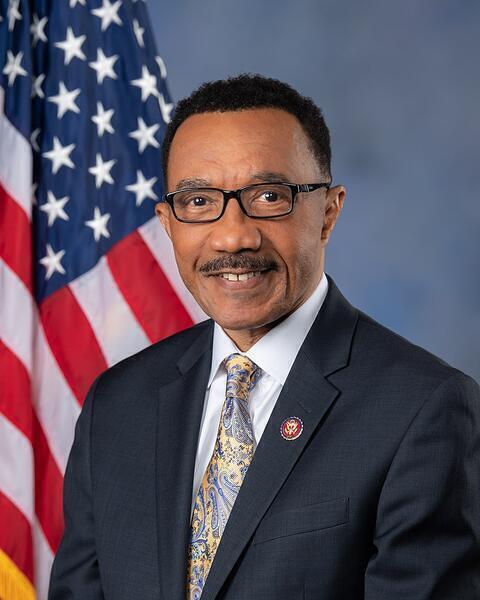
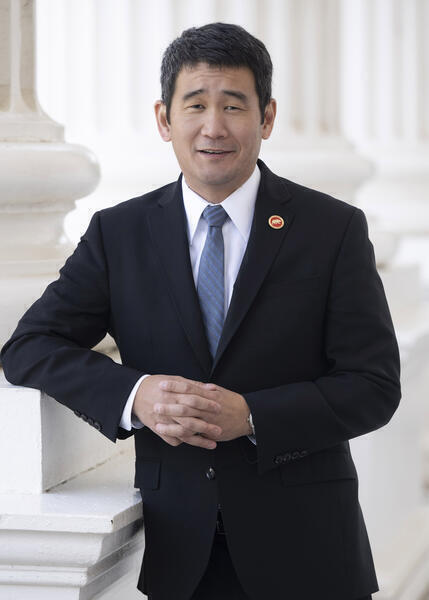














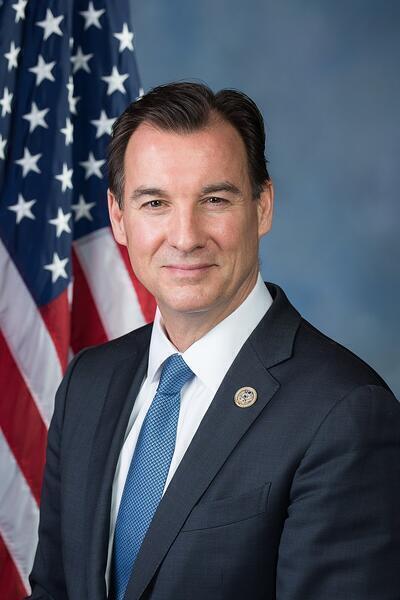
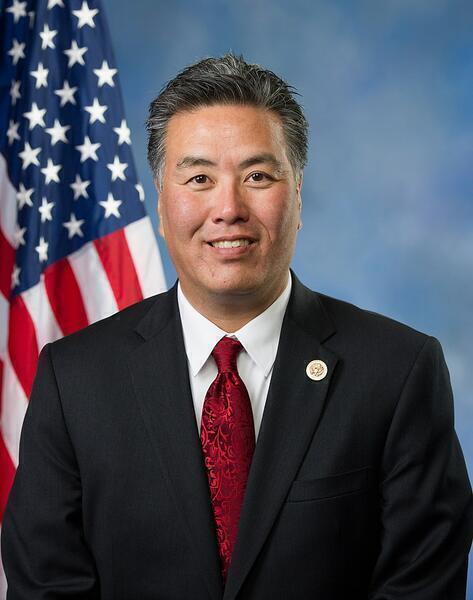
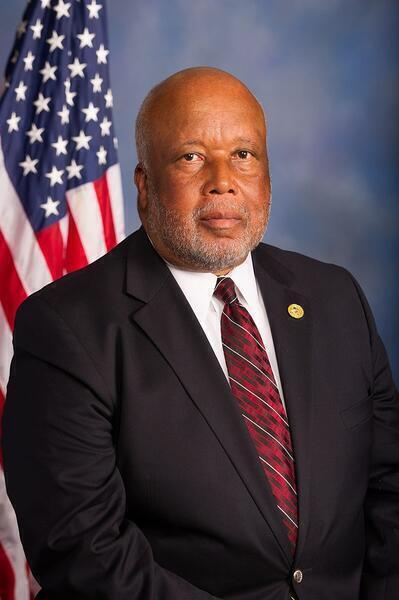
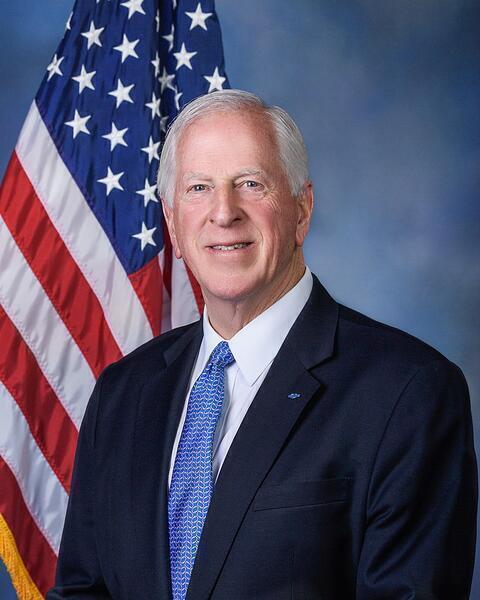
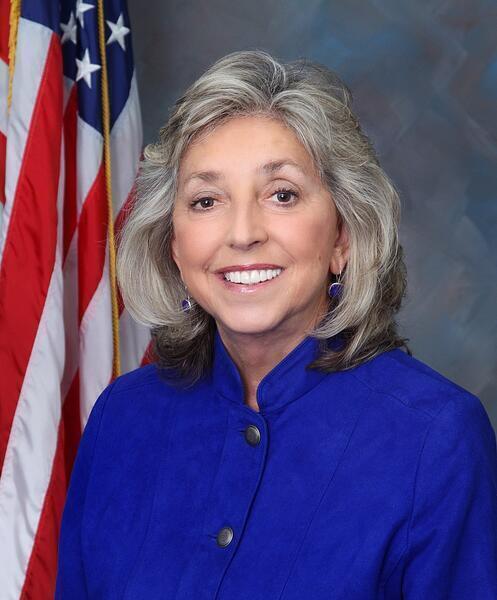
R
Rashida Tlaib
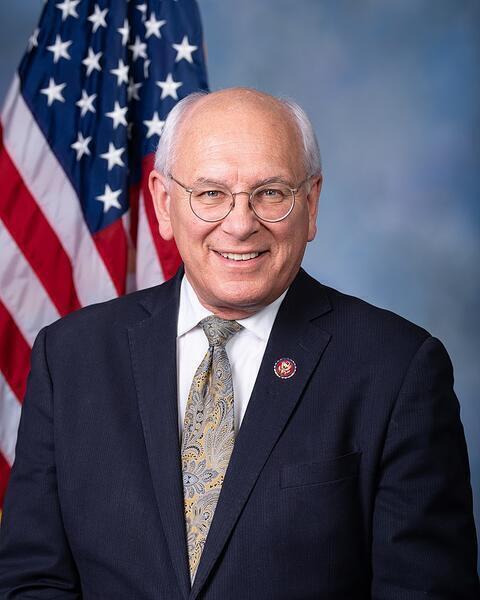
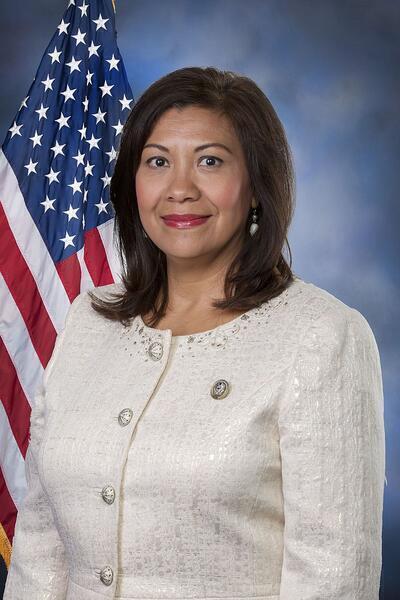
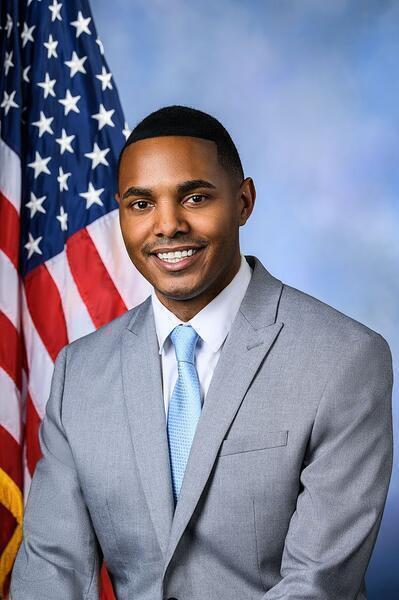
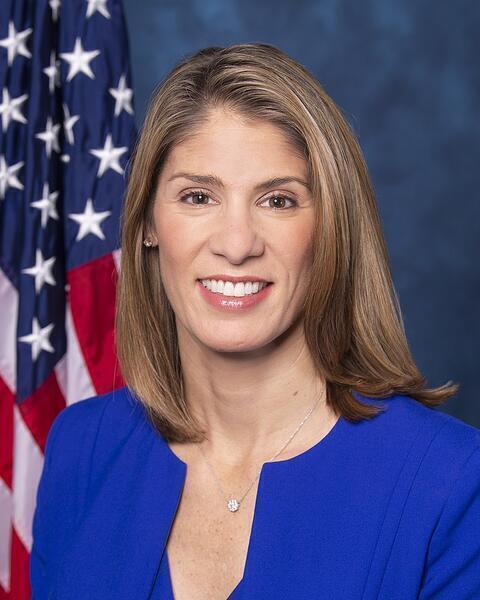
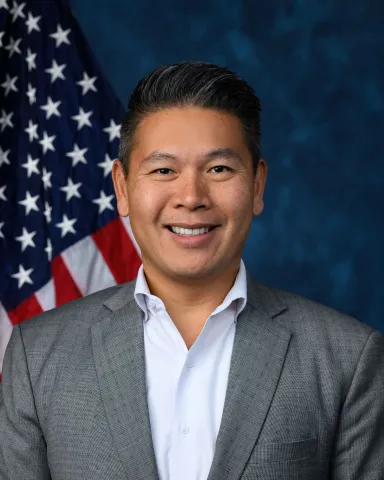
N
Nydia Velázquez
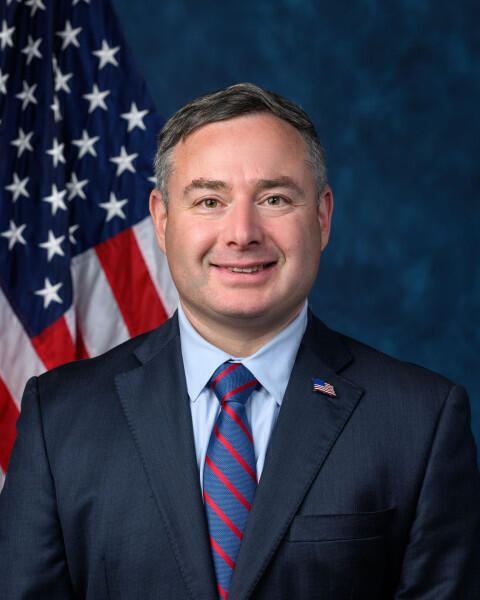

D
Debbie Wasserman Schultz
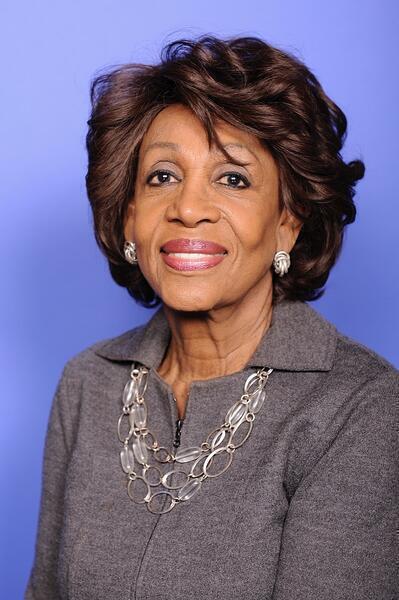
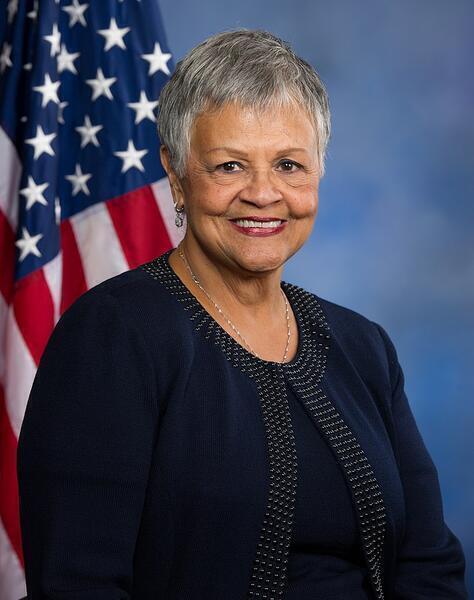
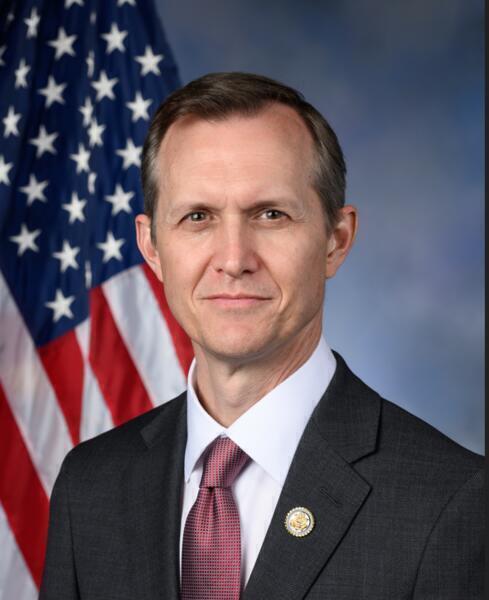
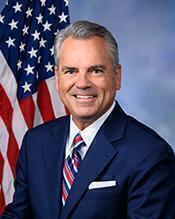
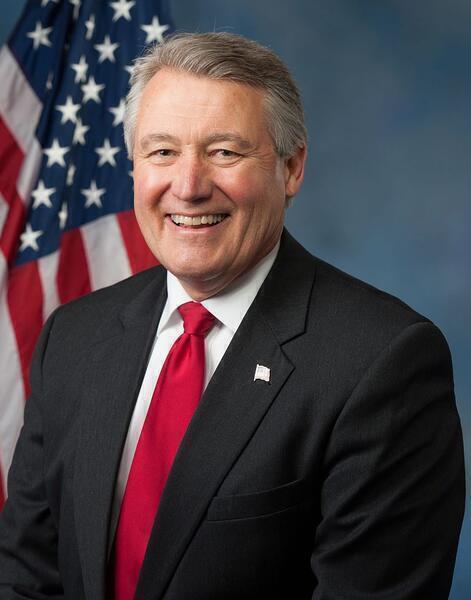
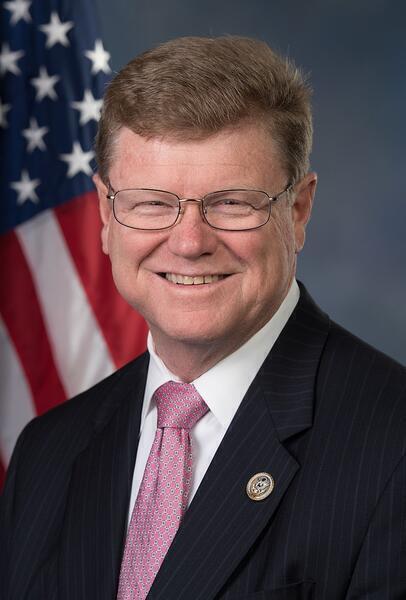
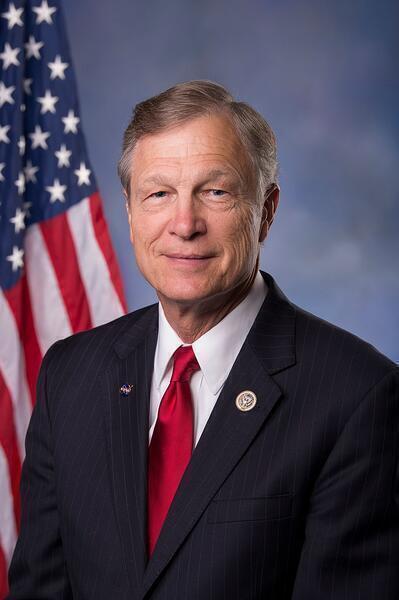
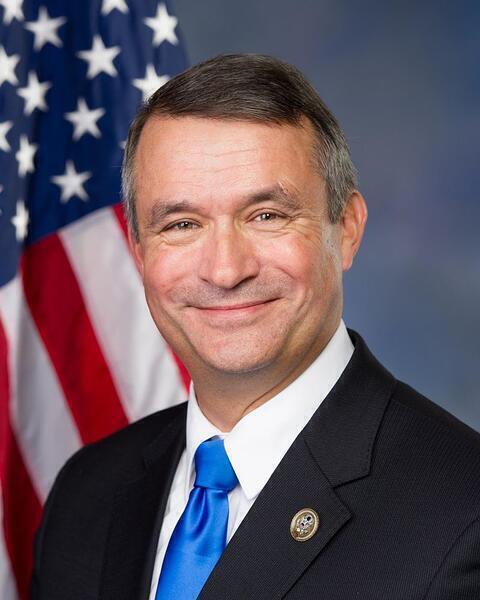
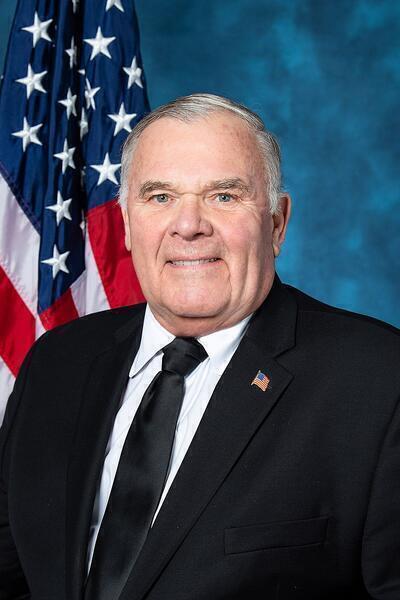
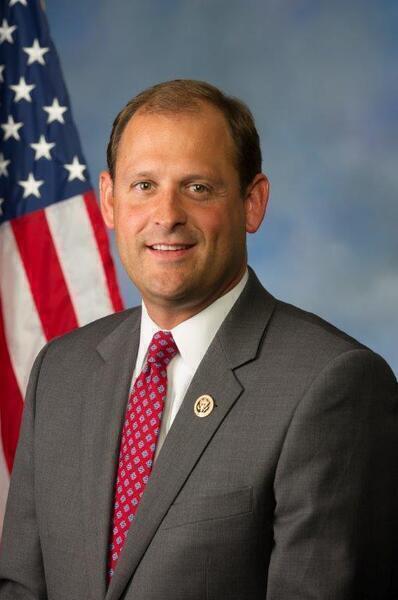
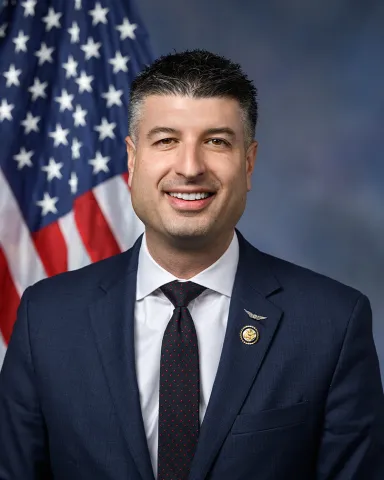
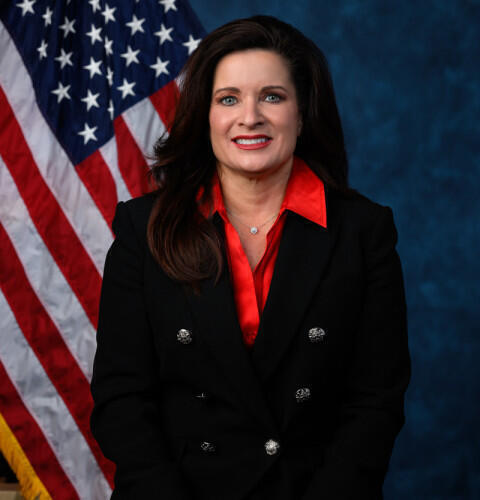
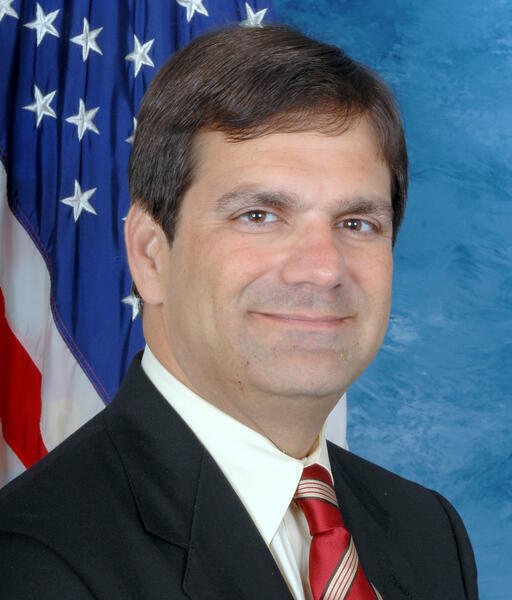
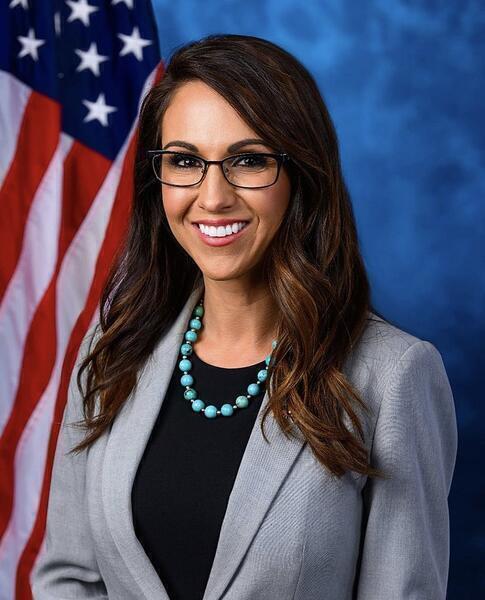
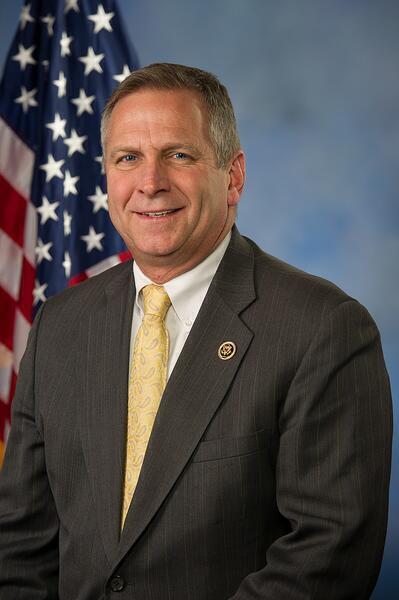
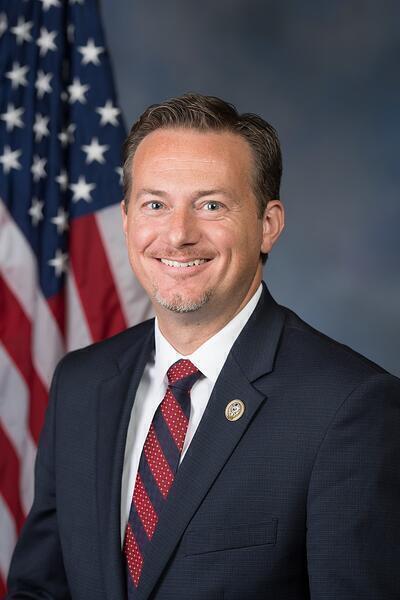
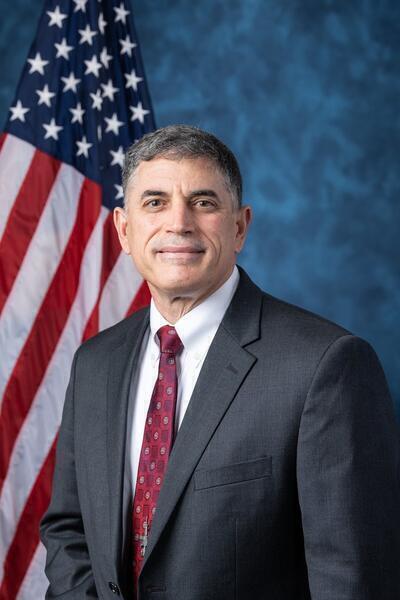
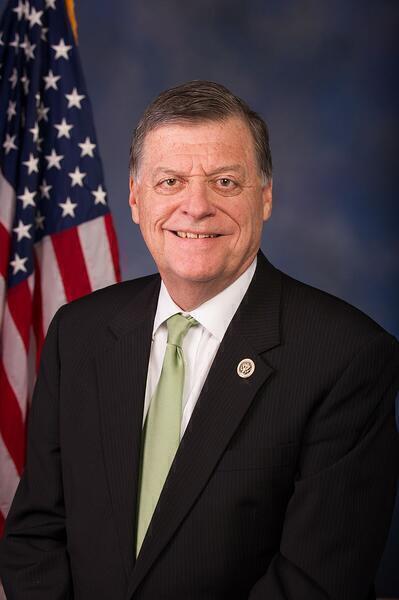
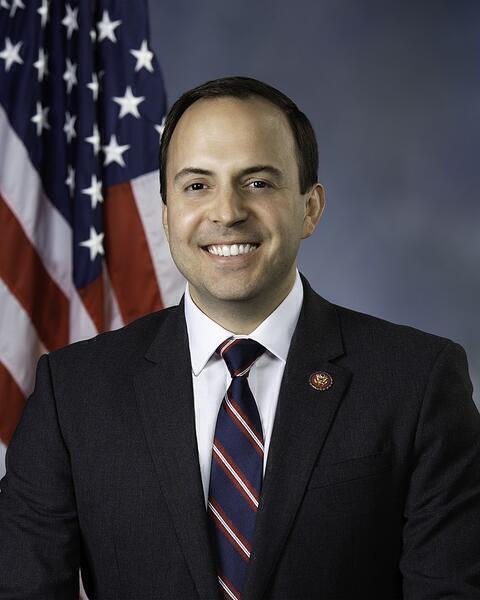
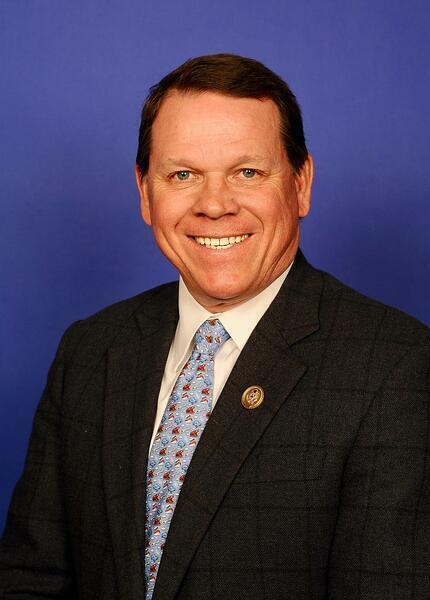
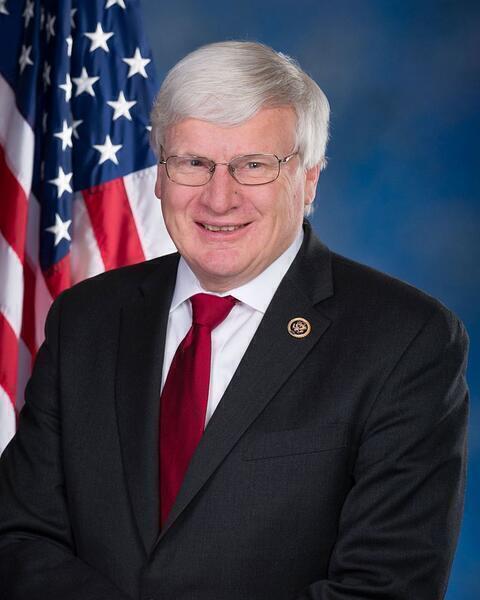
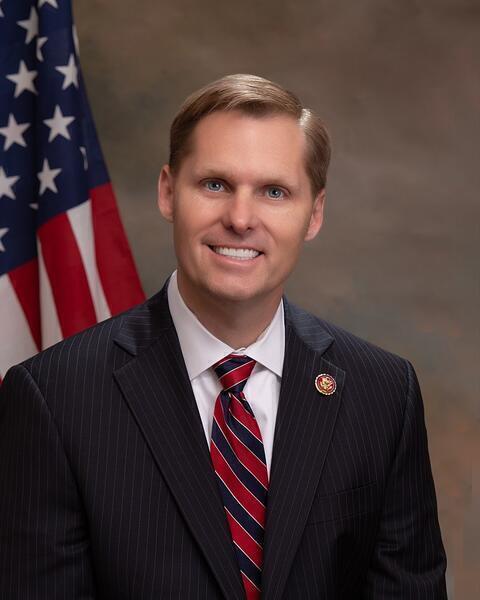
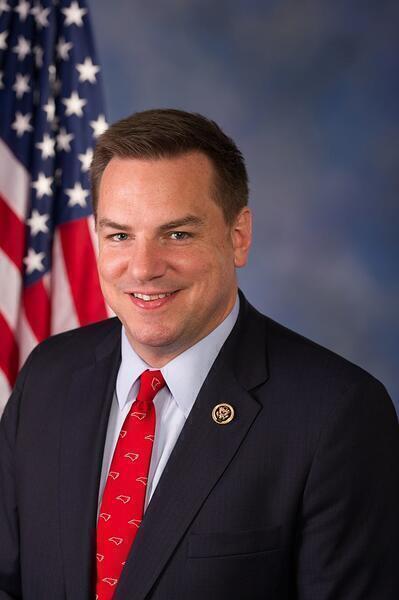
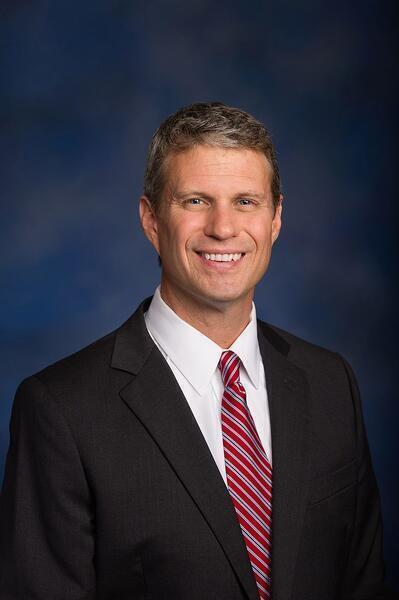
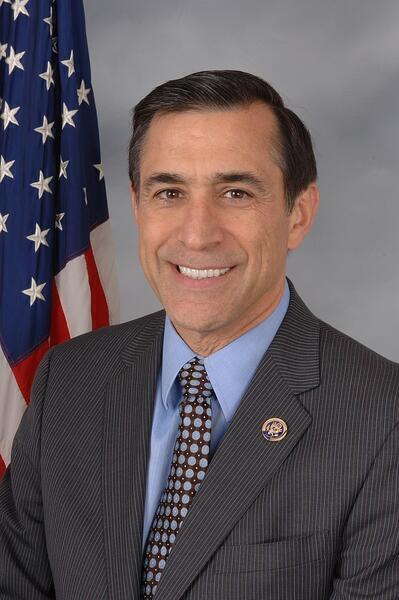
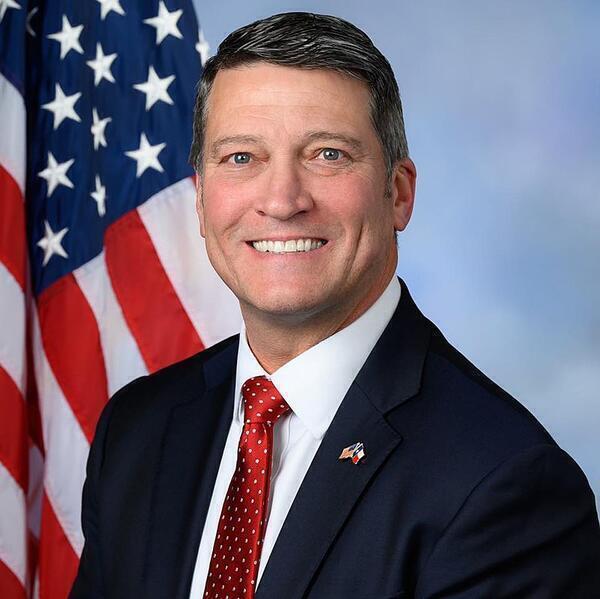
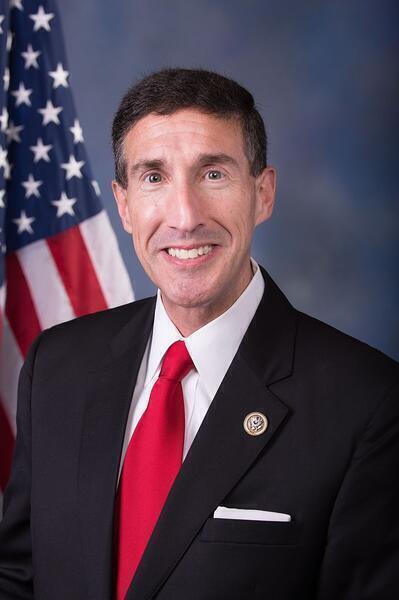
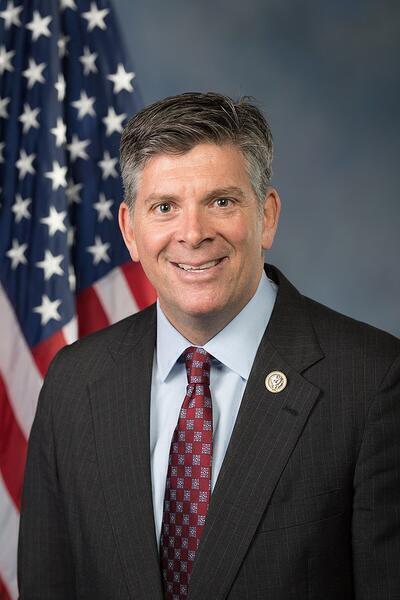
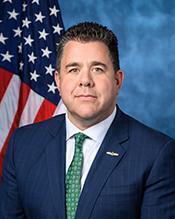
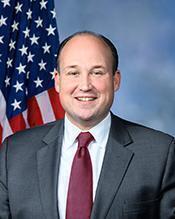
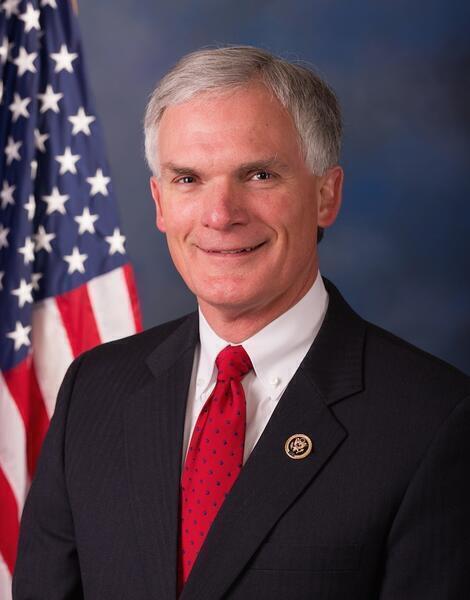
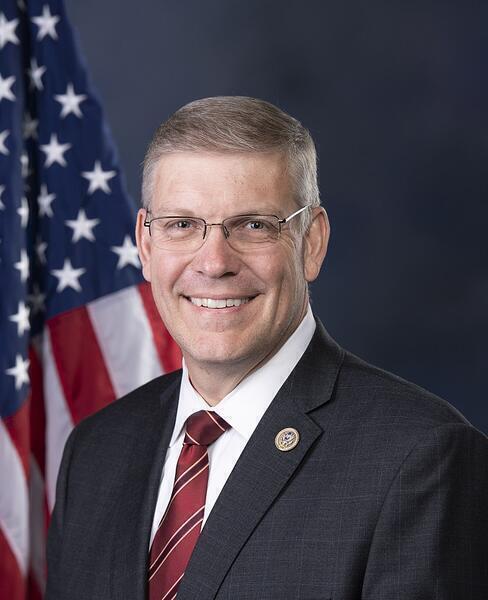
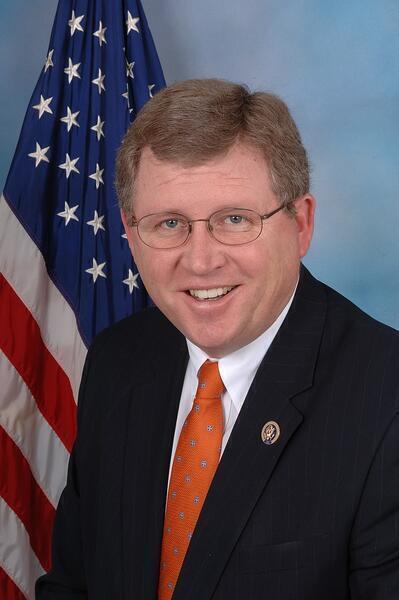
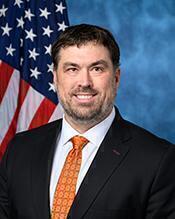
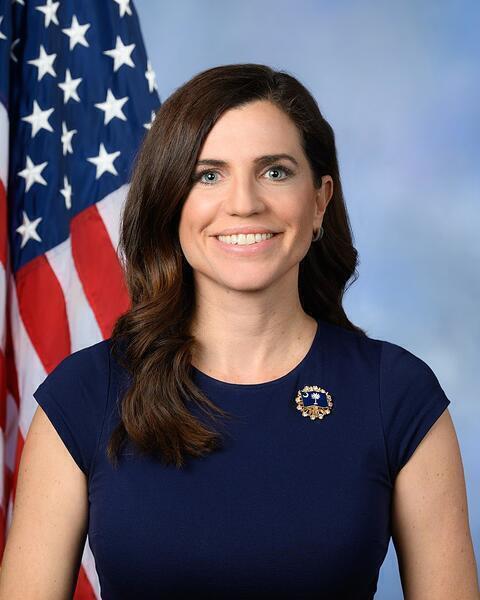
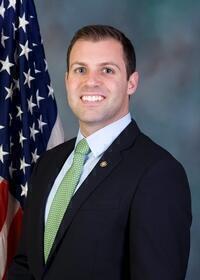
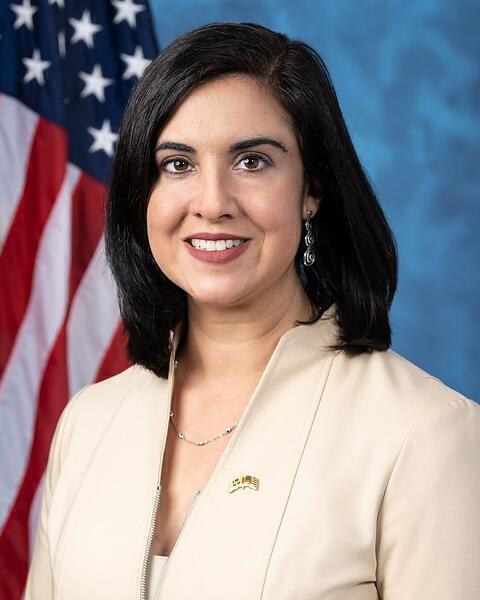
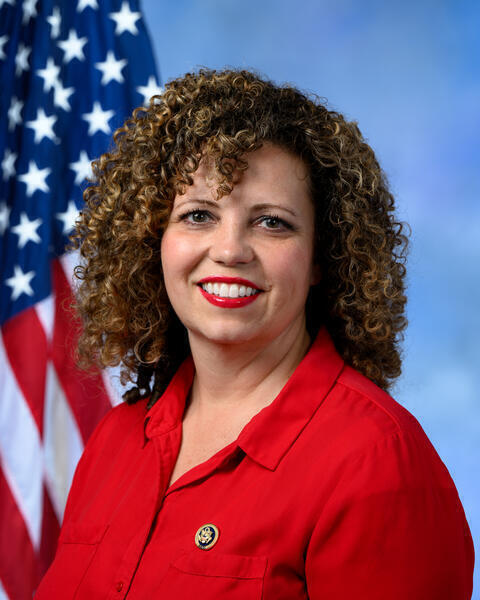
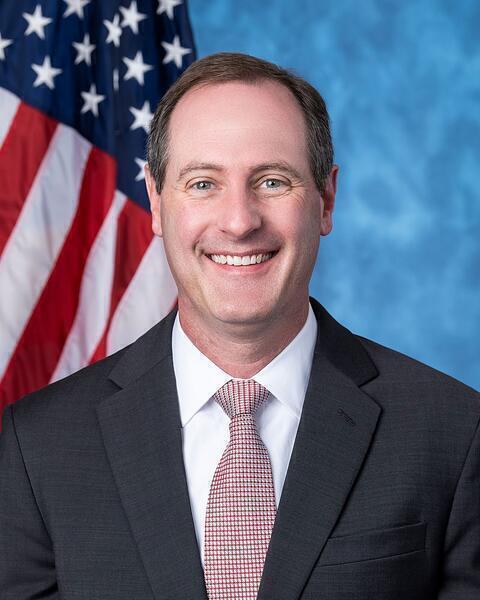
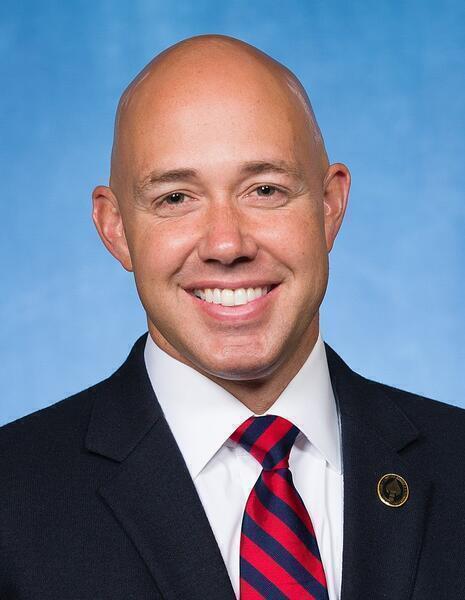
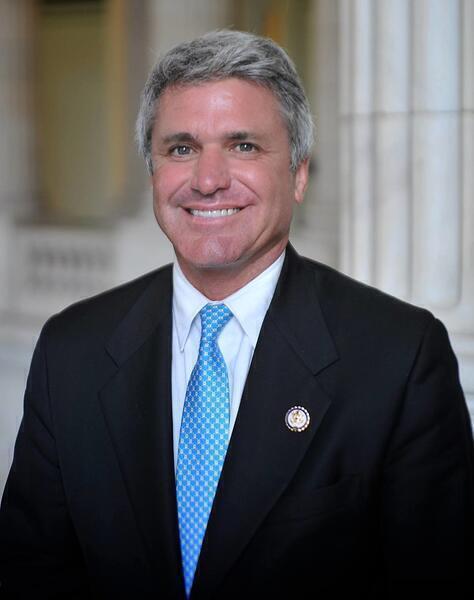
Nay (213)



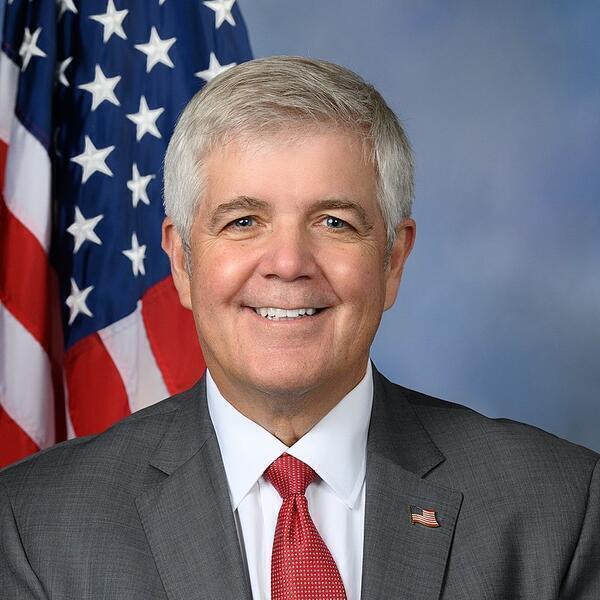
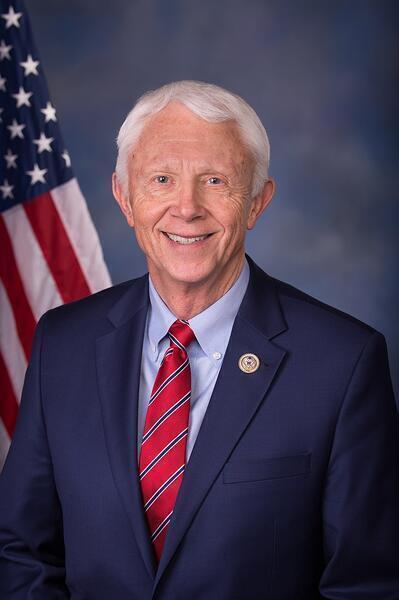
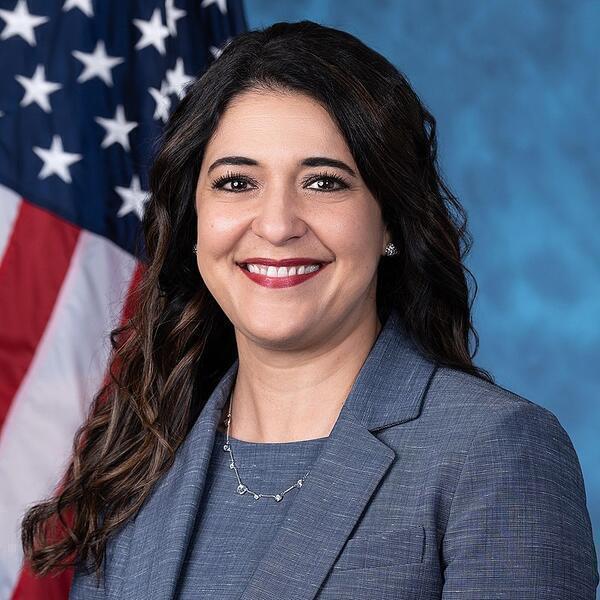
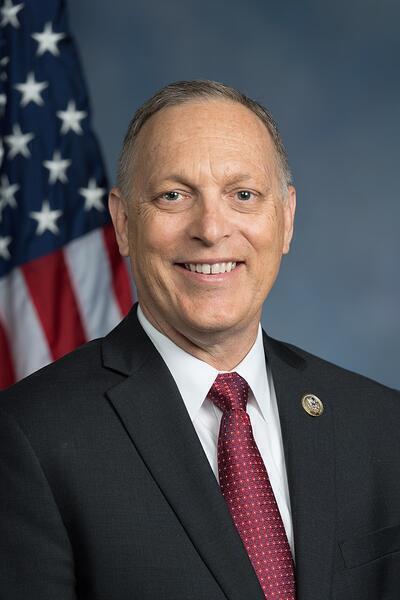


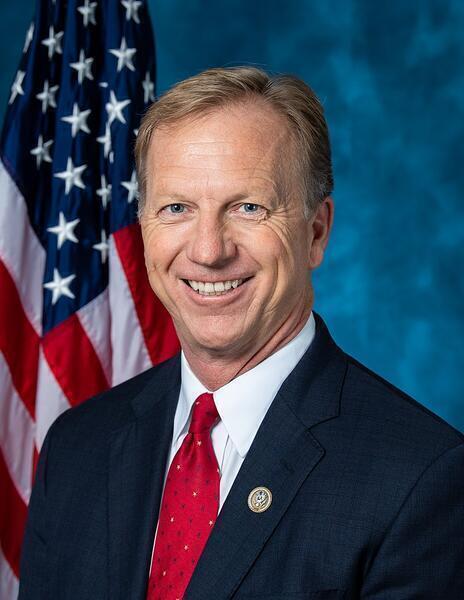
K
Ken Calvert


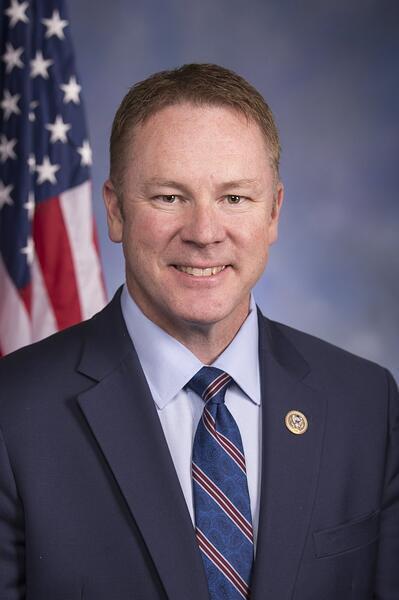
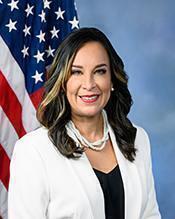
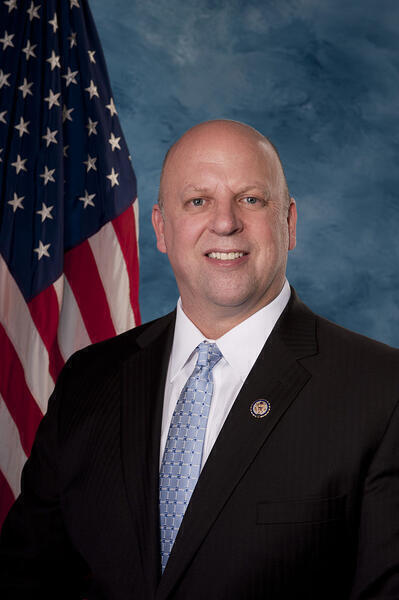
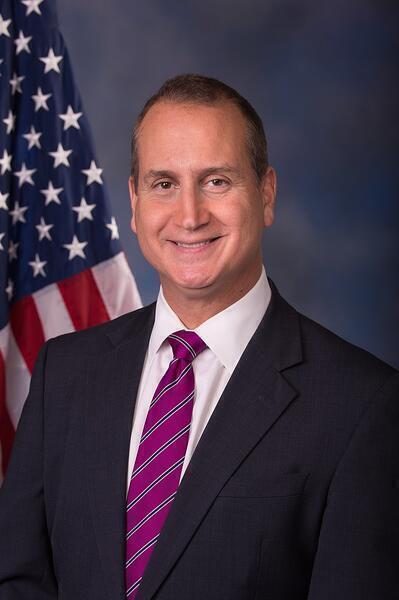



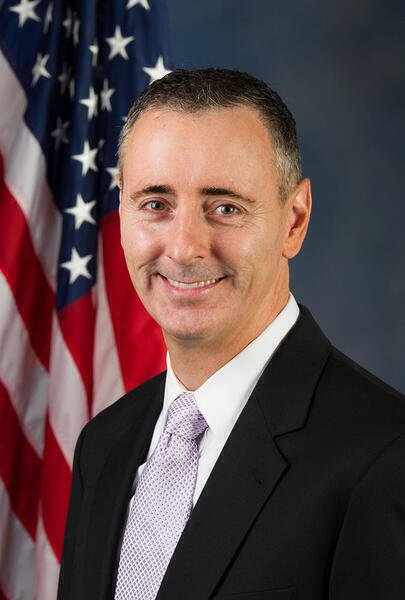
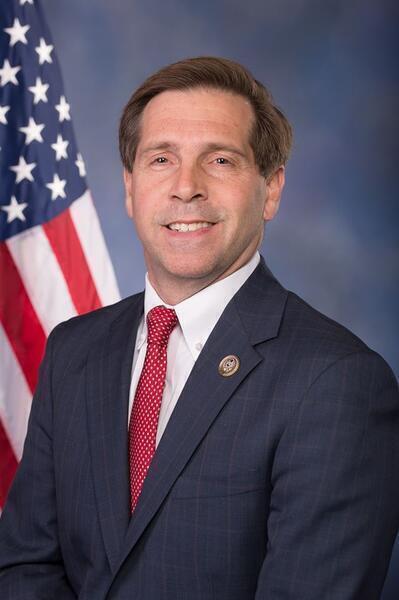


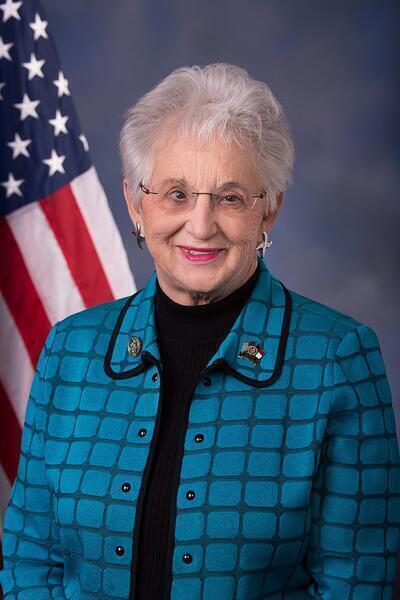
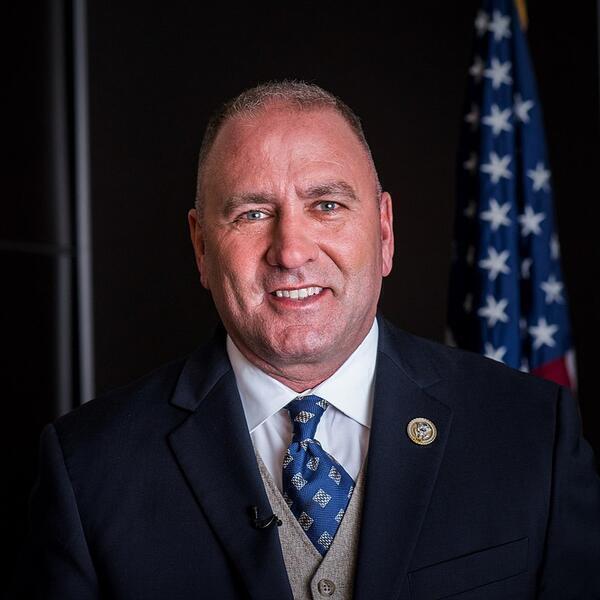
S
Scott Franklin









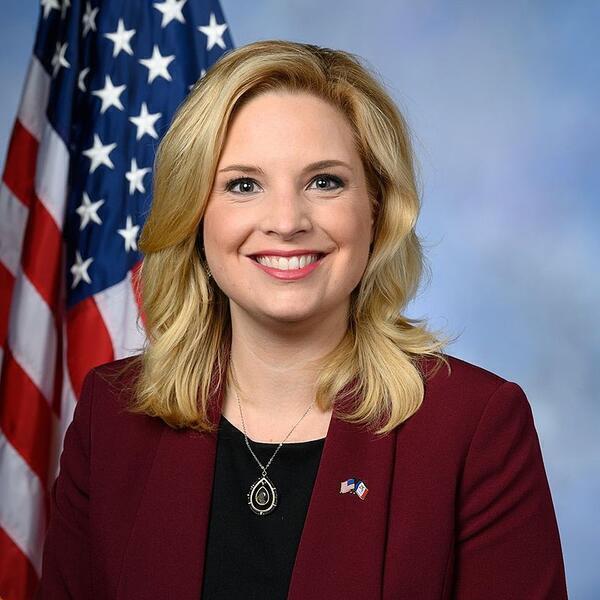








L
Lisa McClain









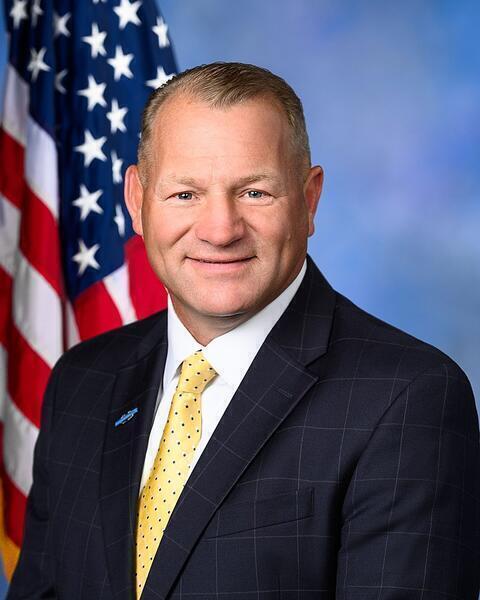

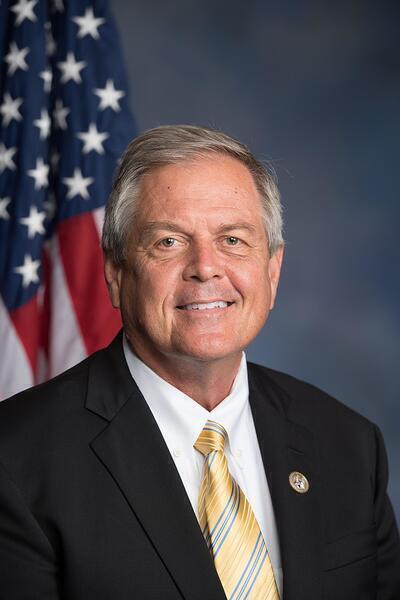
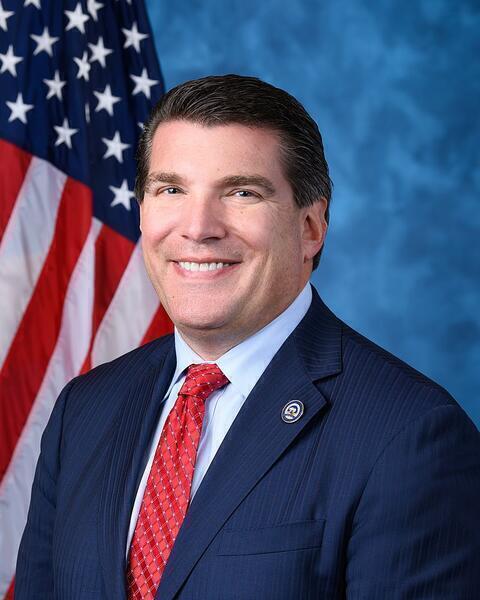


J
John Rutherford

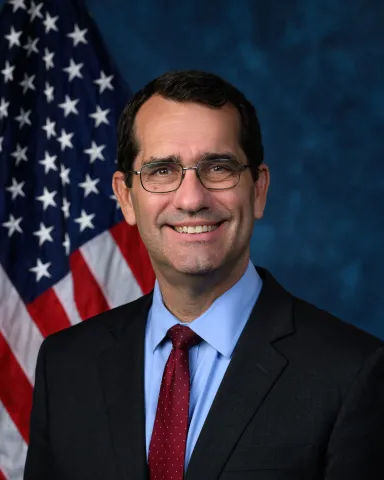
D
David Schweikert
P
Pete Sessions