H.R.2262 — Flexibility for Workers Education Act
House Roll Call
H.R.2262
| Bill | H.R.2262 — Flexibility for Workers Education Act |
|---|---|
| Vote question | On Passage |
| Vote type | Yea-and-Nay |
| Result | Failed |
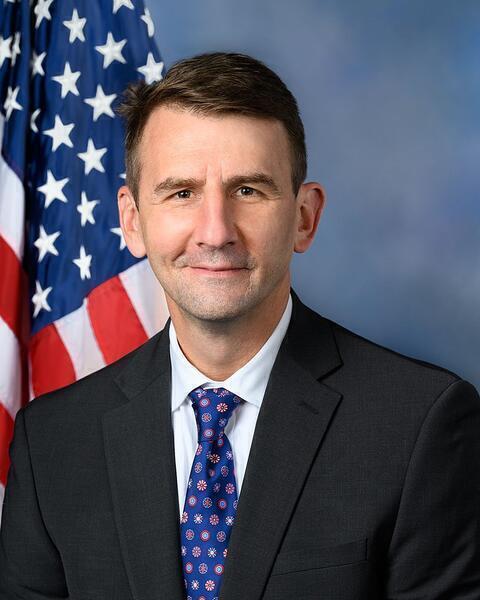
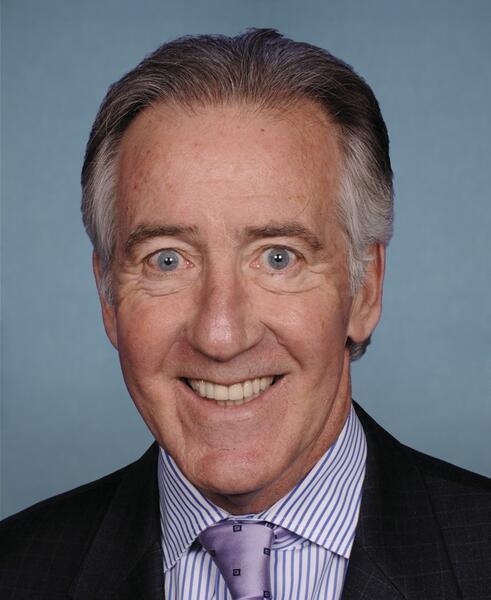
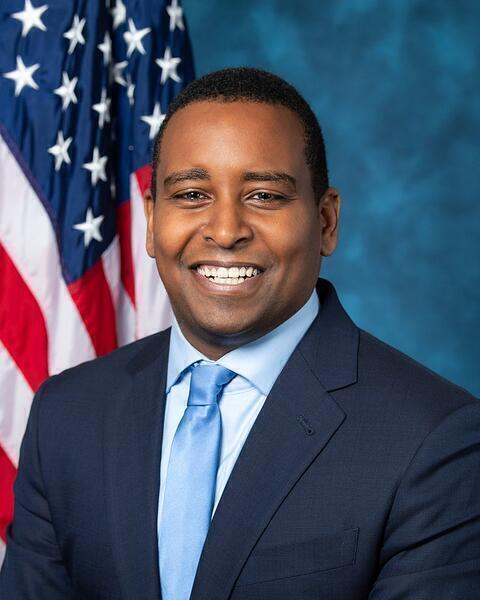
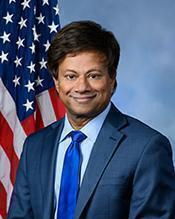
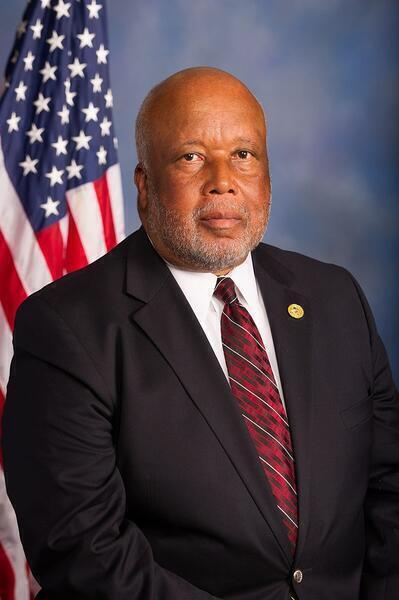
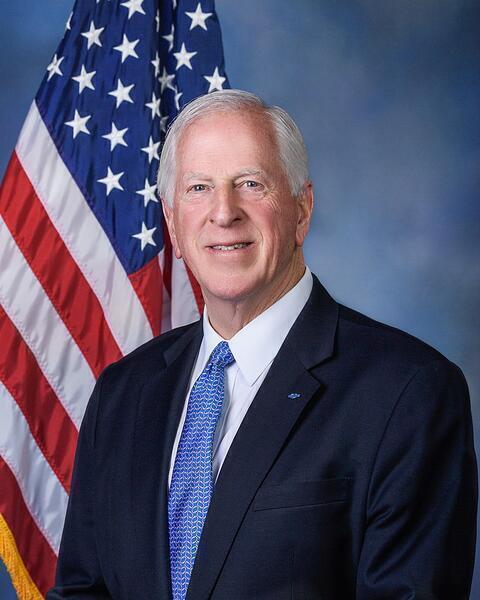
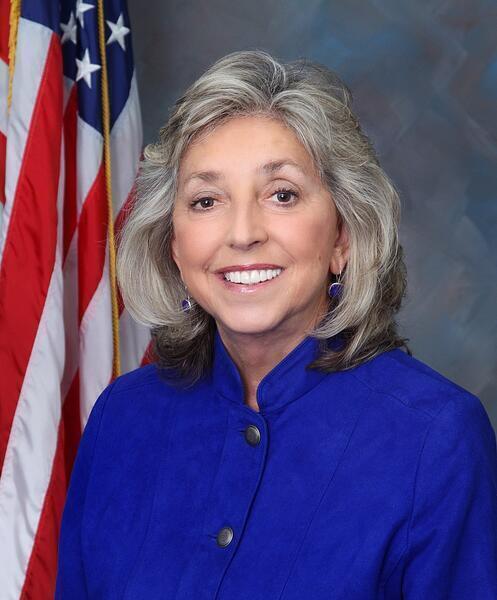
| Totals | Yea 209 / Nay 215 / Present 0 / Not Voting 7 |
| Party | Yea | Nay | Present | Not Voting |
|---|---|---|---|---|
| R | 209 | 6 | 0 | 3 |
| D | 0 | 209 | 0 | 4 |
| I | 0 | 0 | 0 | 0 |
Research Brief
On Passage
Bill Analysis
HR 2262 – Flexibility for Workers Education Act (119th Congress)
HR 2262 amends the Internal Revenue Code to expand and modernize tax-favored “529” education savings plans so they can better support working adults and nontraditional education pathways.
Core provisions
- Broadens “qualified higher education expenses” under 26 U.S.C. §529 to include additional workforce-oriented education and training, such as:
- Short-term credential programs, certificate courses, and certain nondegree occupational training.
- Likely specified noncredit courses tied to in-demand skills or industry-recognized credentials.
- May authorize use of 529 funds for related costs beyond traditional tuition and fees (e.g., required equipment, certain online programs), subject to statutory limits and accreditation/quality criteria.
- Aligns definitions with federal workforce and education statutes (e.g., Higher Education Act, Workforce Innovation and Opportunity Act) to ensure eligible programs meet minimum standards and labor-market relevance.
Funding and tax treatment
- Does not create a new spending program; it modifies tax expenditures by expanding what existing 529 account balances can be used for without incurring federal income tax or penalties on earnings.
- No new federal agency is created; the IRS retains primary implementation and enforcement authority through regulations and guidance on eligible institutions, programs, and expenses.
Affected programs and agencies
- 529 college savings plans administered by states and their program managers are directly affected; they must update plan disclosures, eligible expense lists, and administrative systems.
- The Department of the Treasury (IRS) is responsible for interpreting and enforcing the new definitions; the Department of Education and/or the Department of Labor may be referenced for program eligibility standards or lists of qualifying providers.
Beneficiaries and regulated parties
- Workers seeking upskilling, reskilling, or career changes, including mid-career adults and part-time students, gain more flexible use of 529 savings.
- Families and employers who contribute to 529 plans benefit from expanded options.
- Educational and training providers offering qualifying short-term or workforce programs may see increased enrollment.
Timelines
- Provisions generally take effect for distributions made after a specified tax year (e.g., after December 31 of the enactment year), with IRS rulemaking and state plan updates occurring in the ensuing months.
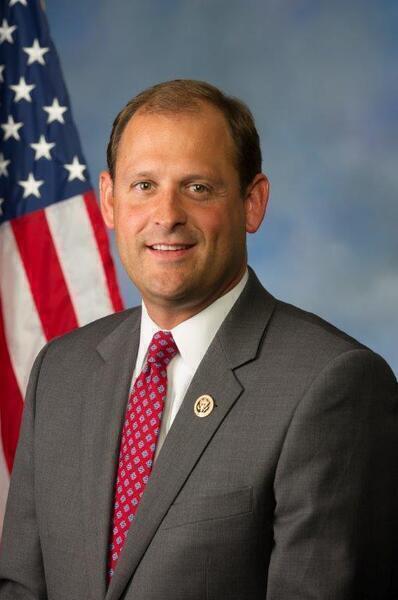
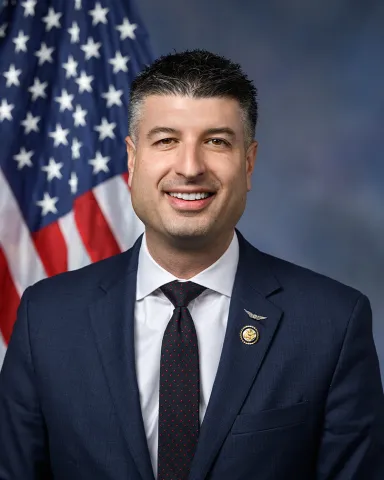
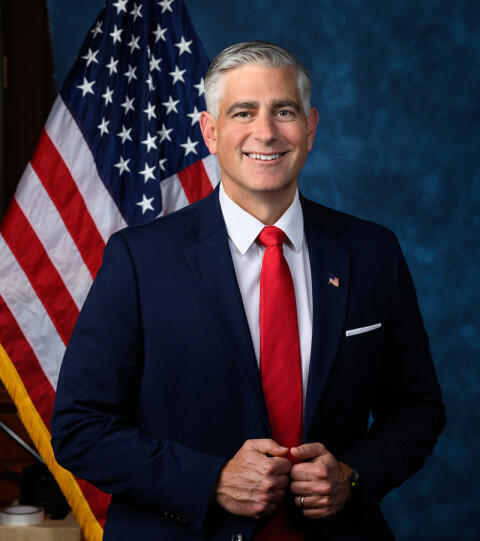
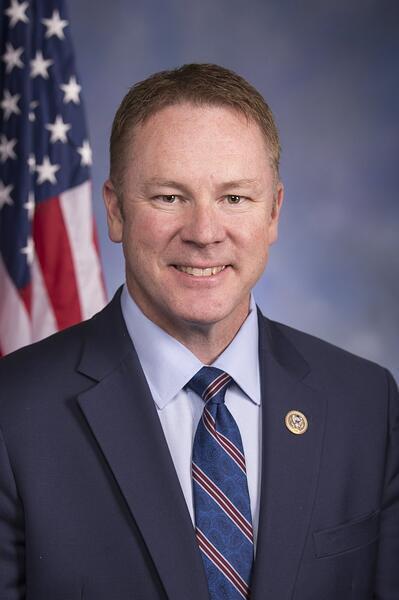
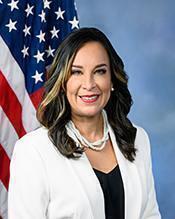
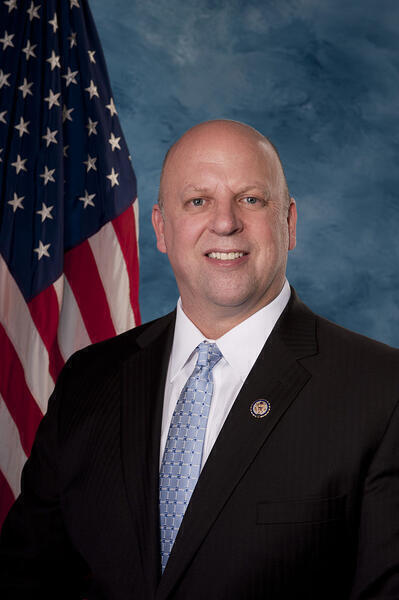
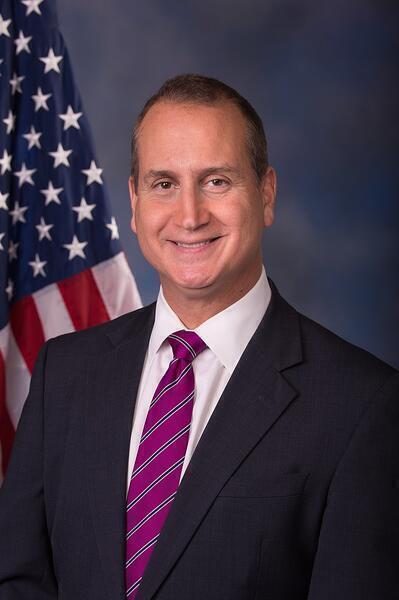
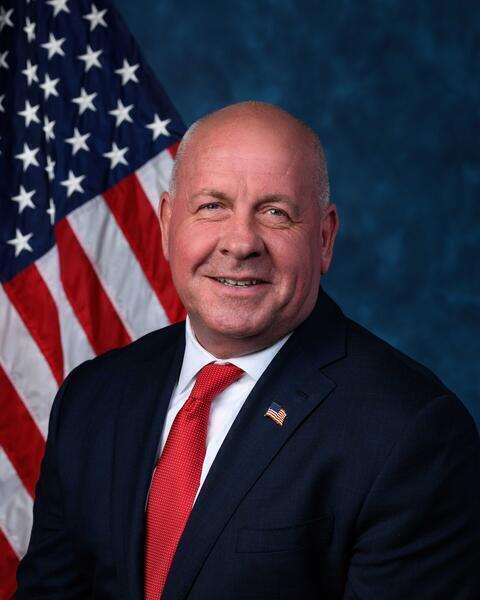
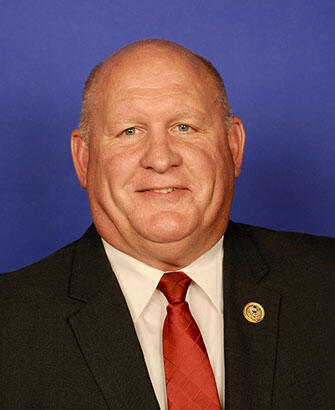
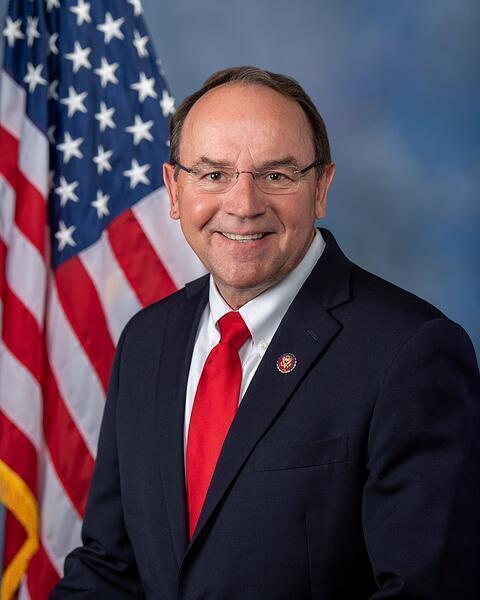
Yea (209)



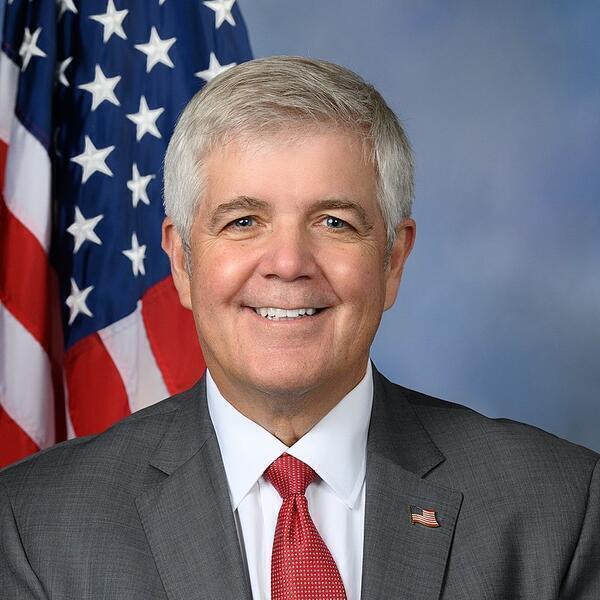
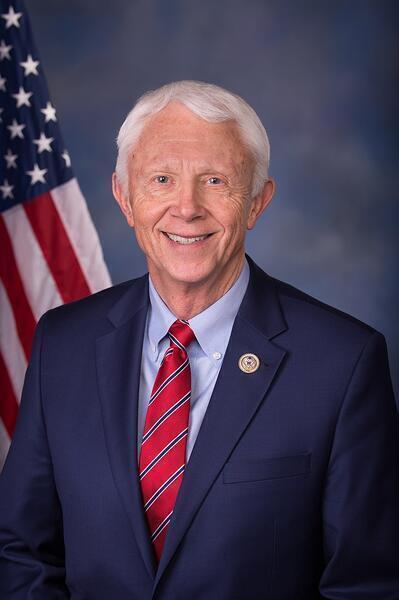
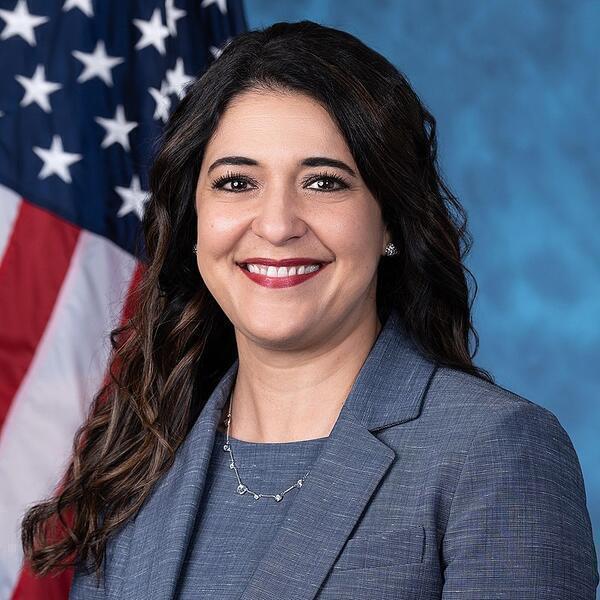
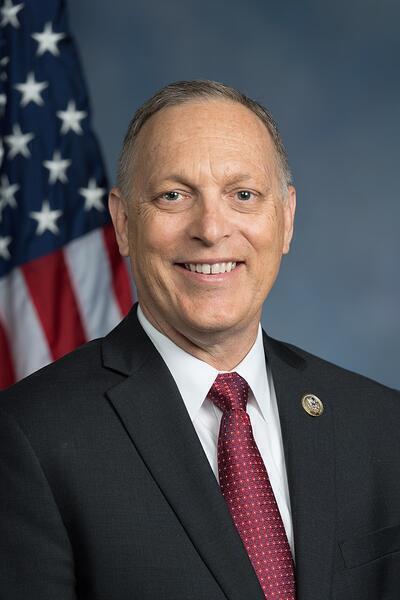
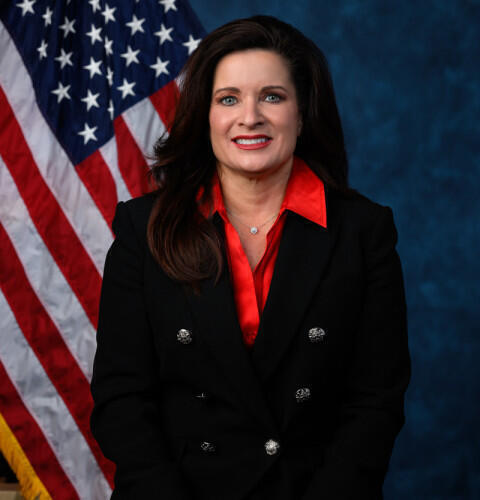
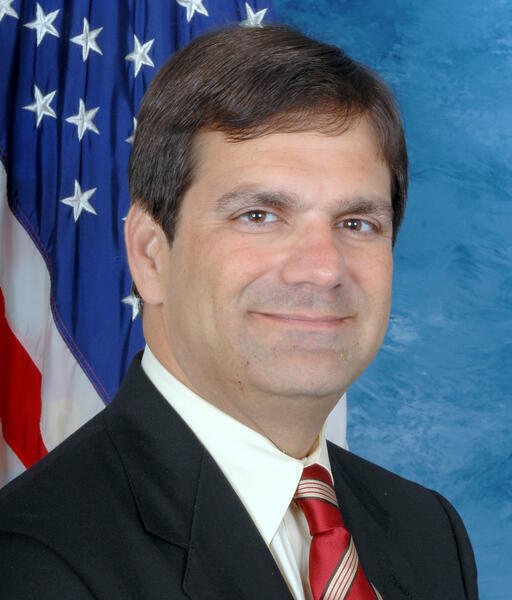
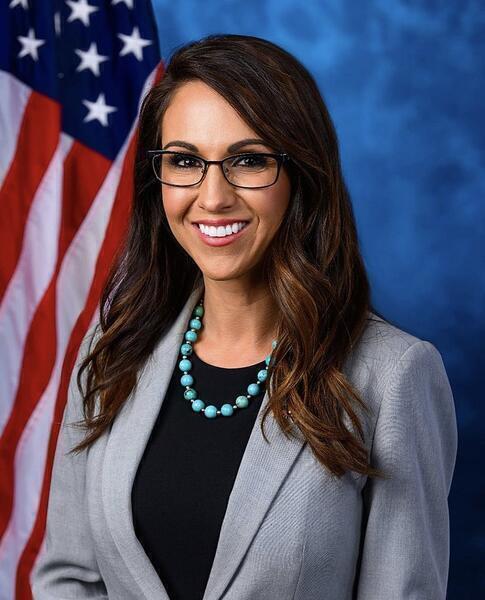
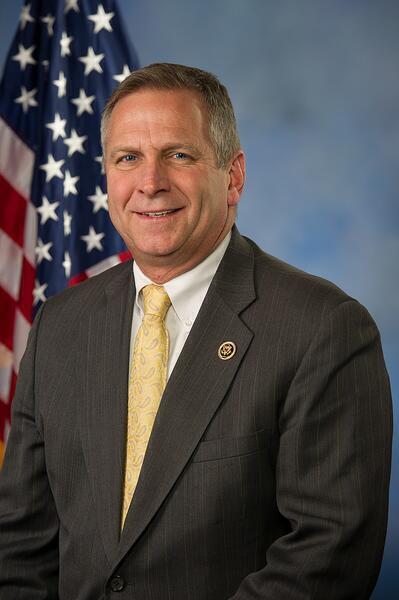

K
Ken Calvert







S
Scott Franklin


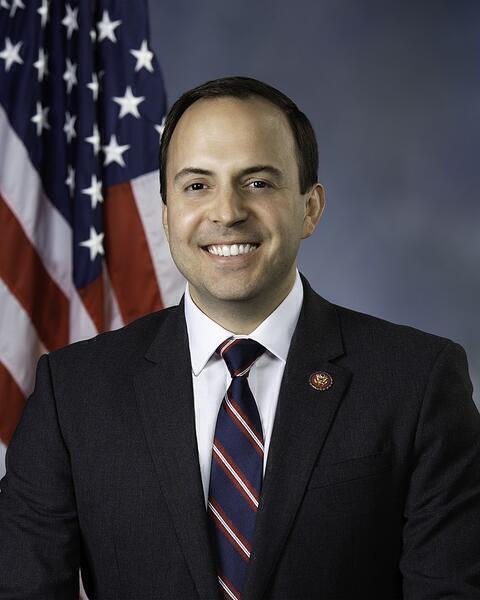

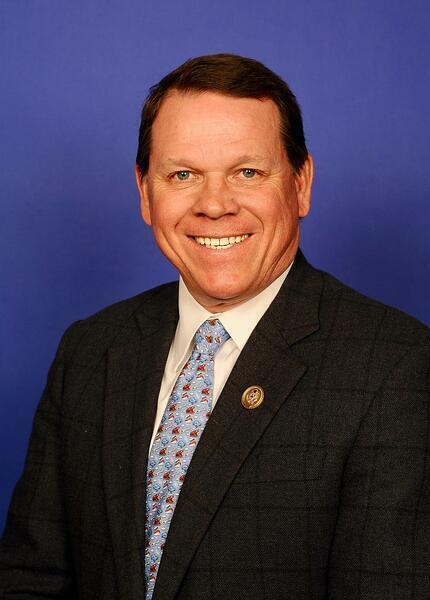
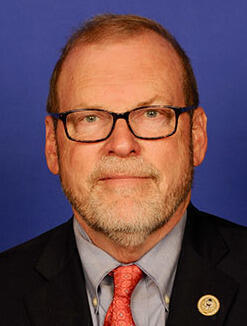
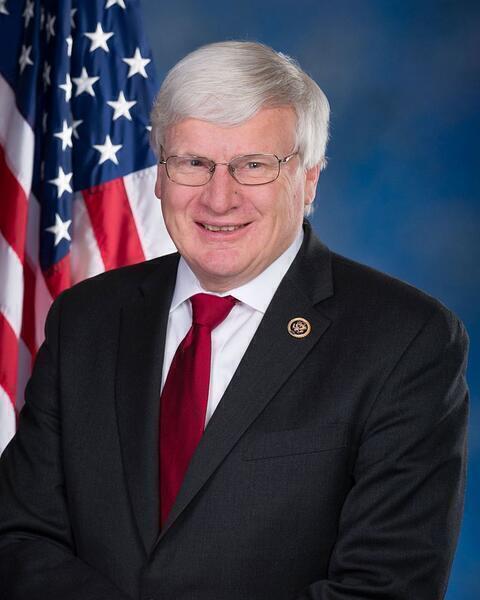





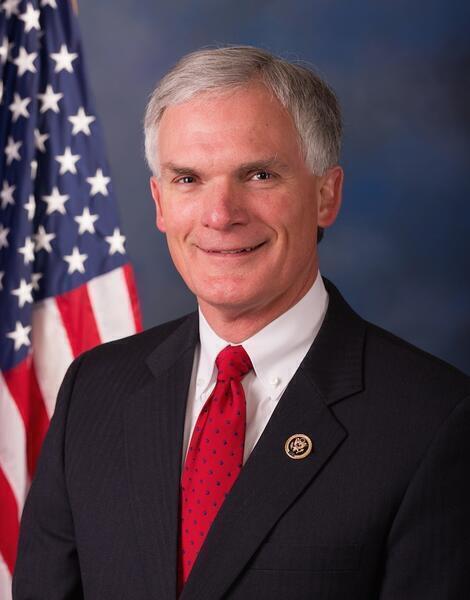

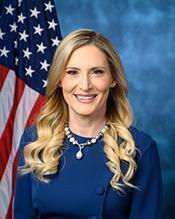

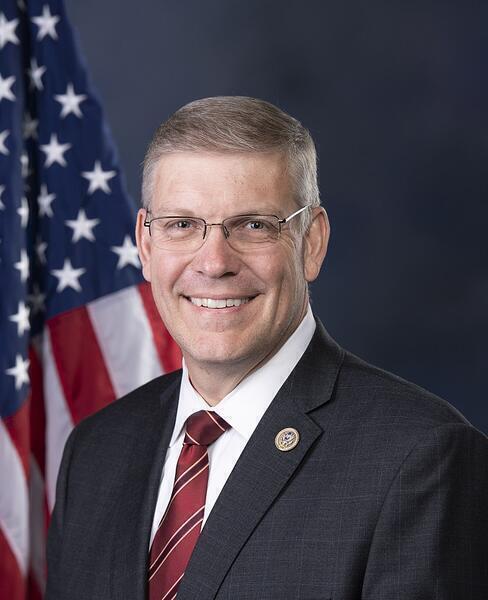
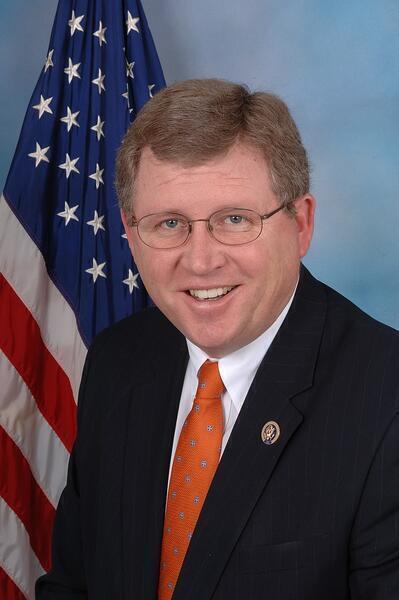


L
Lisa McClain










J
John Rutherford

D
David Schweikert
P
Pete Sessions



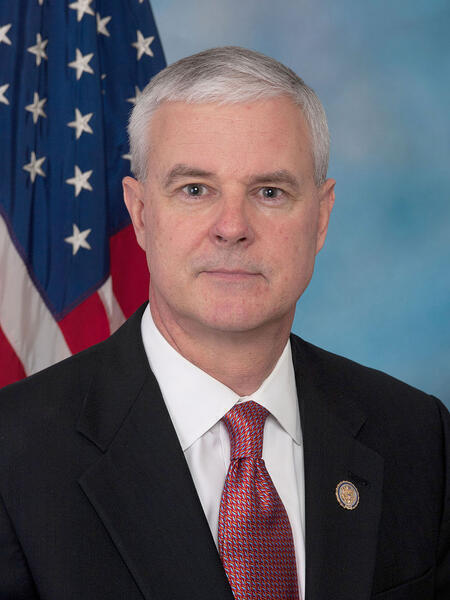

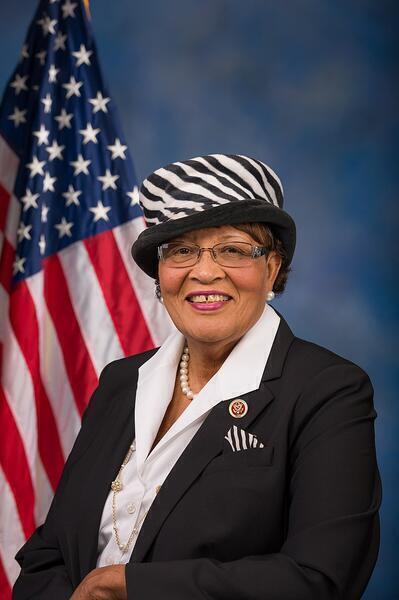
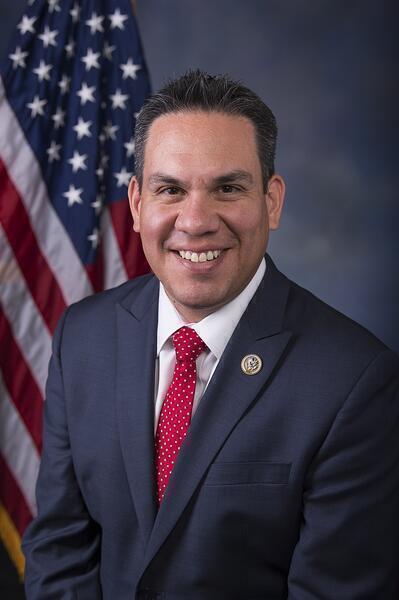
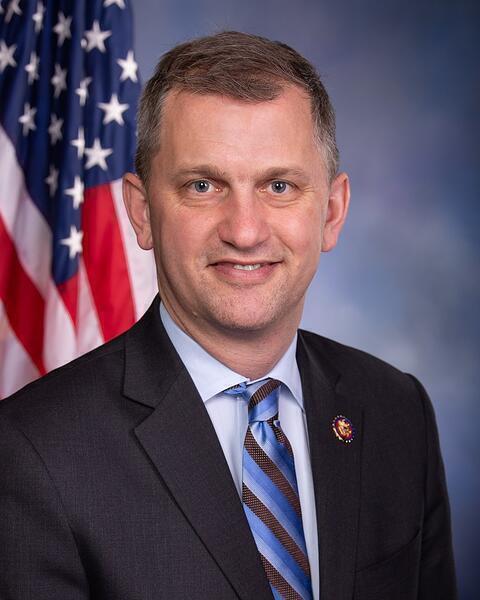
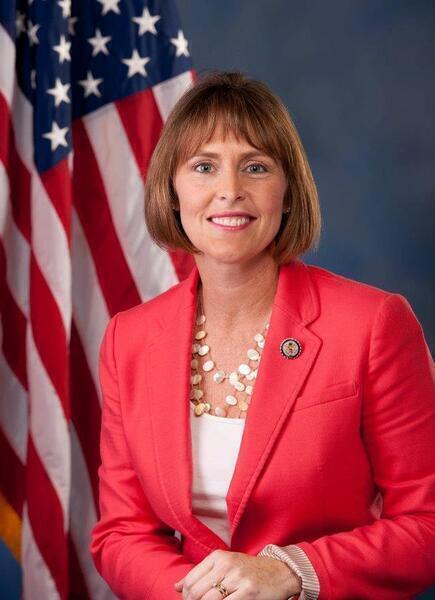
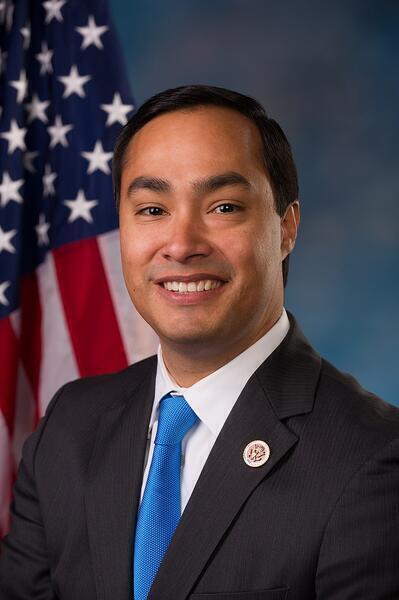
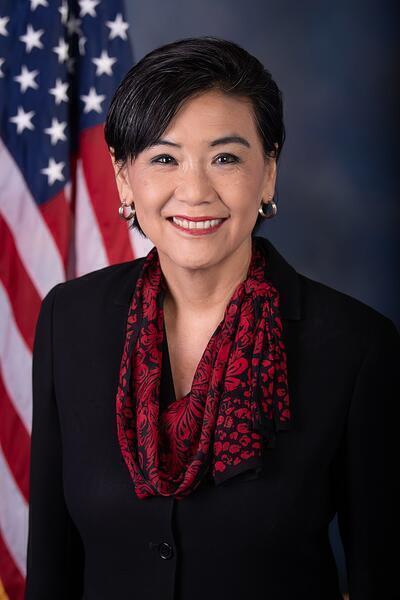
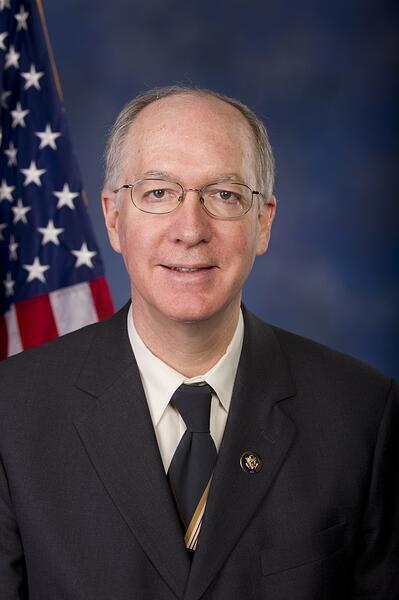
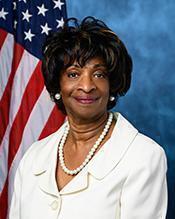
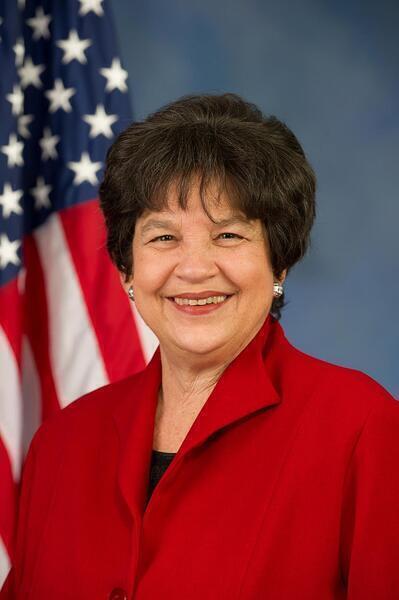
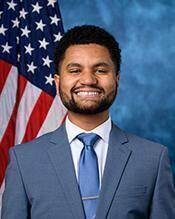
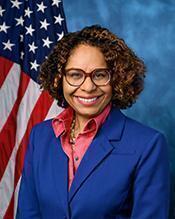
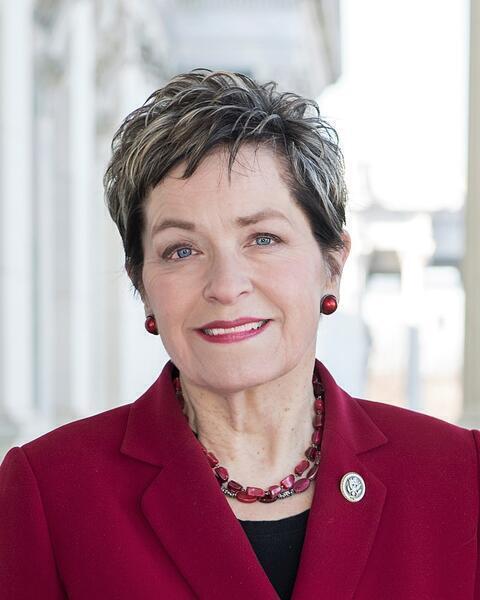
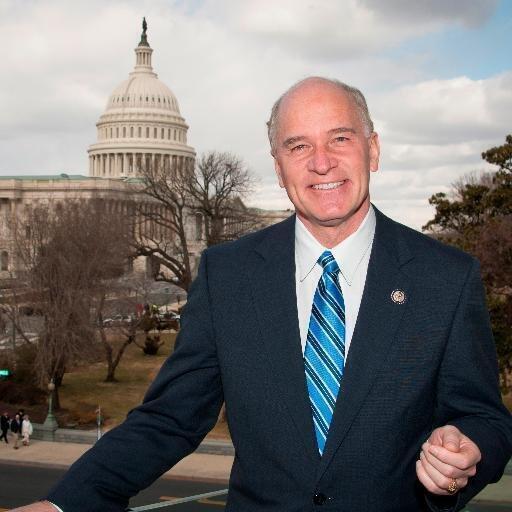
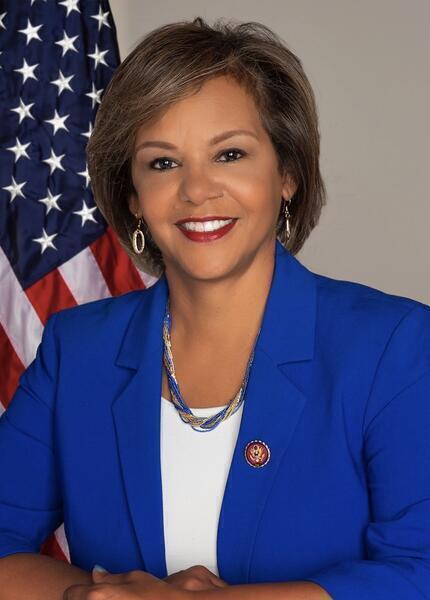
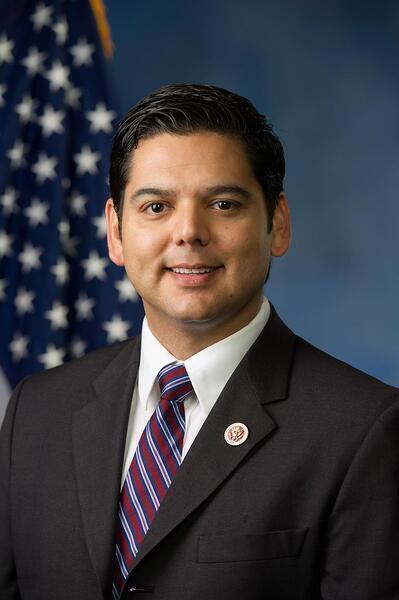
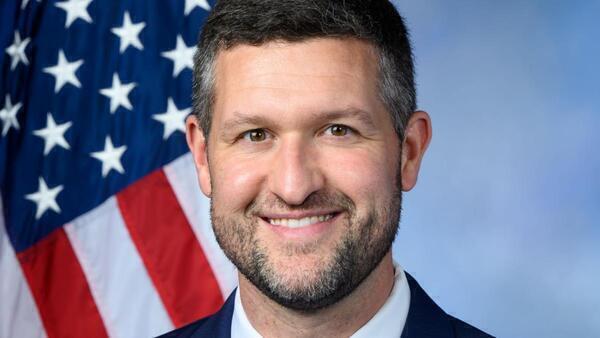
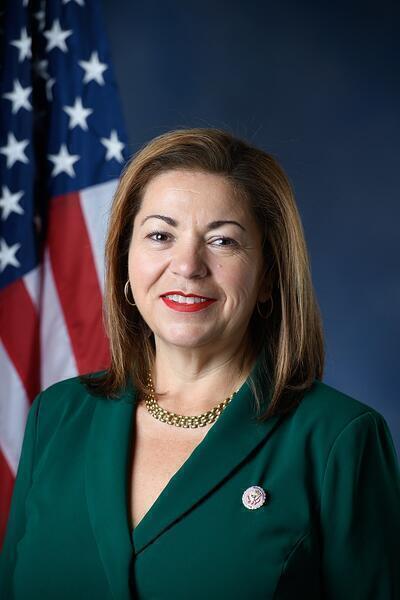
Nay (215)
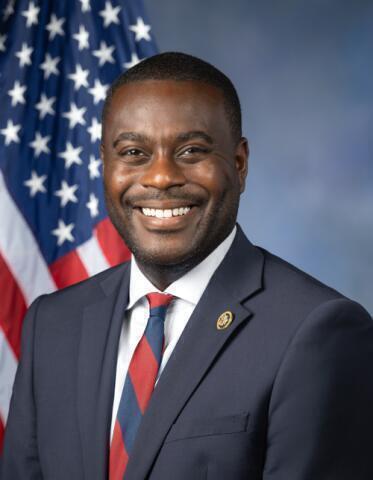
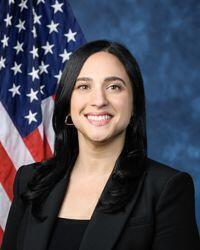
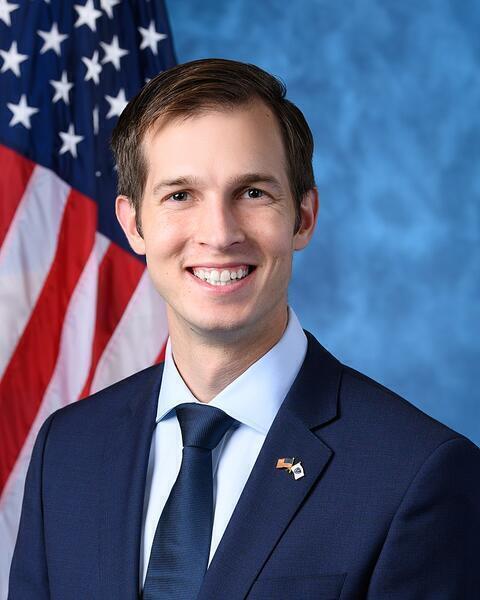
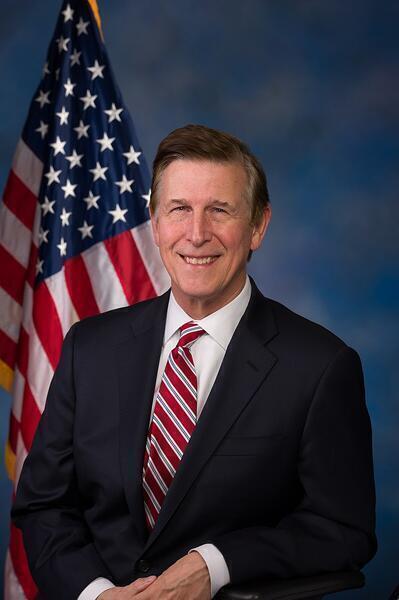
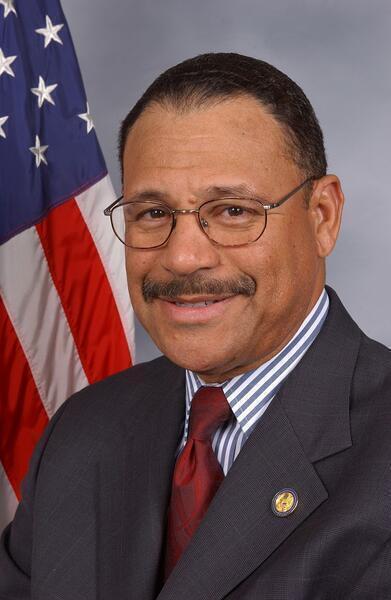
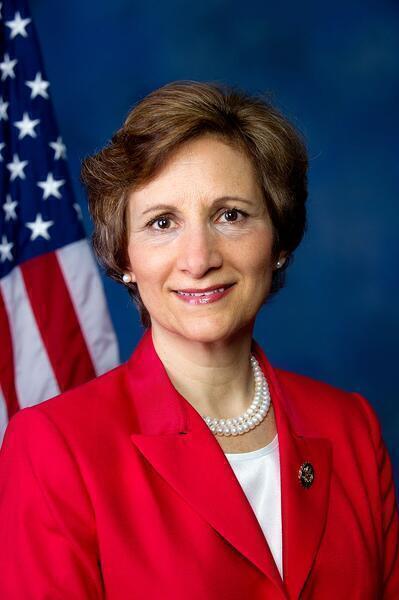
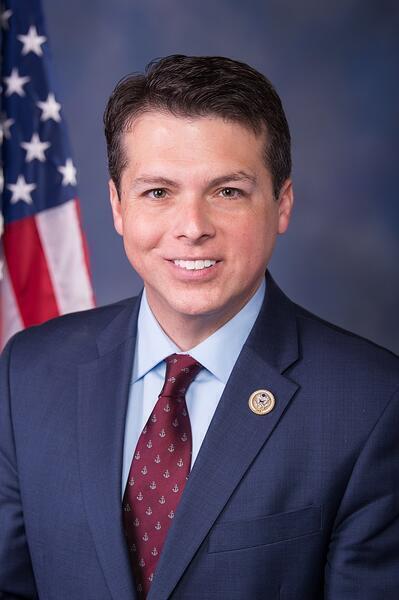


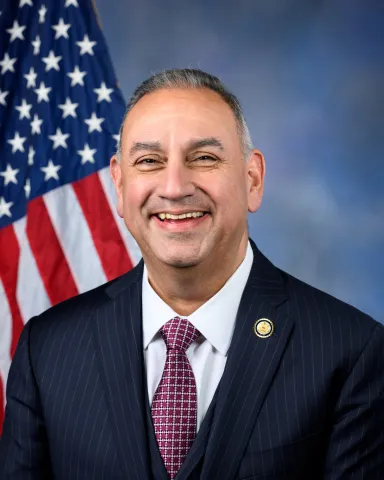

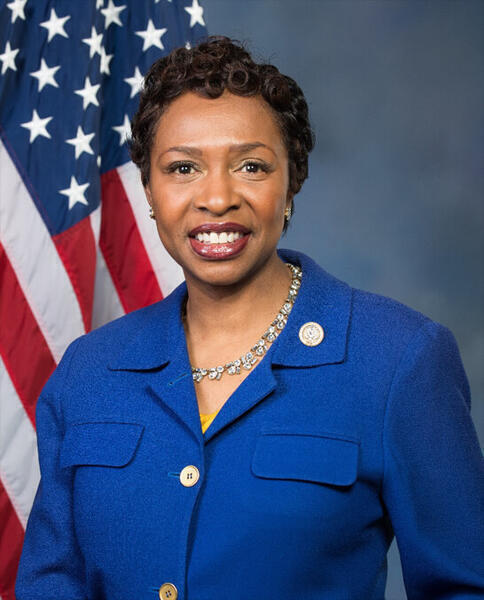
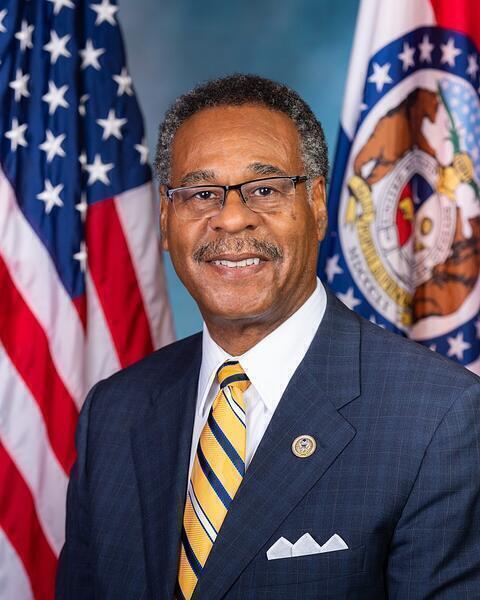
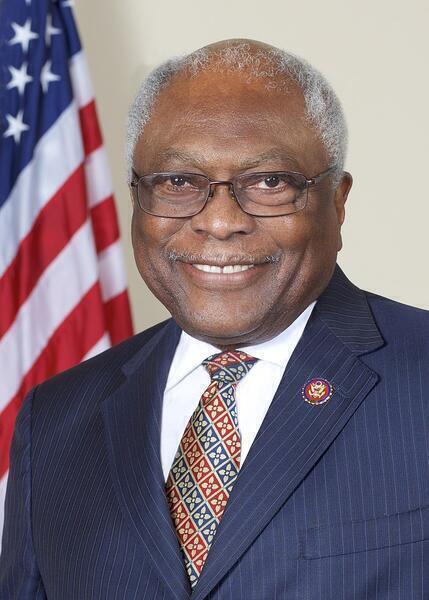
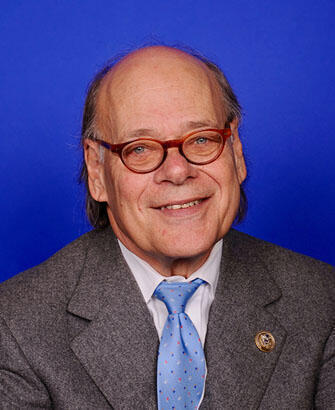
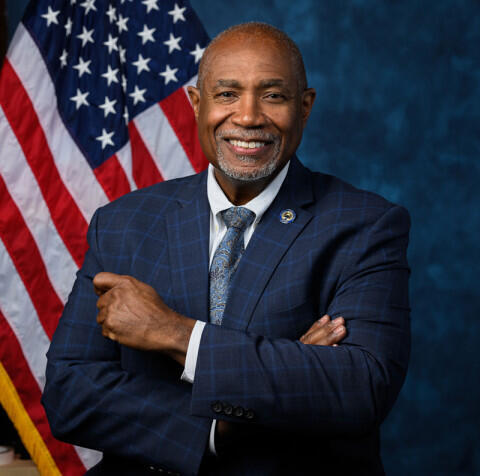
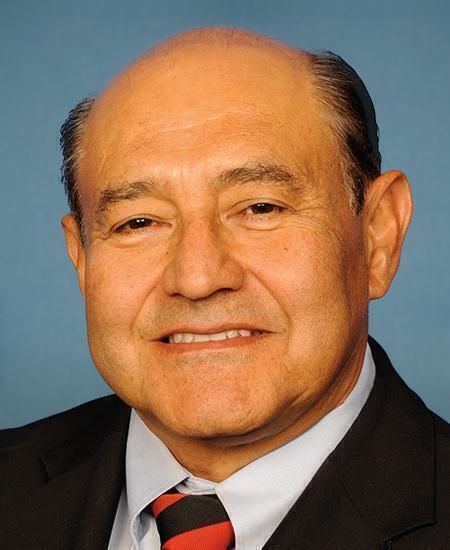
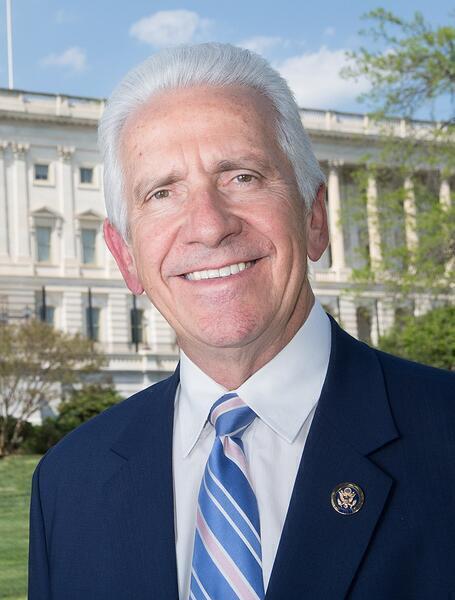
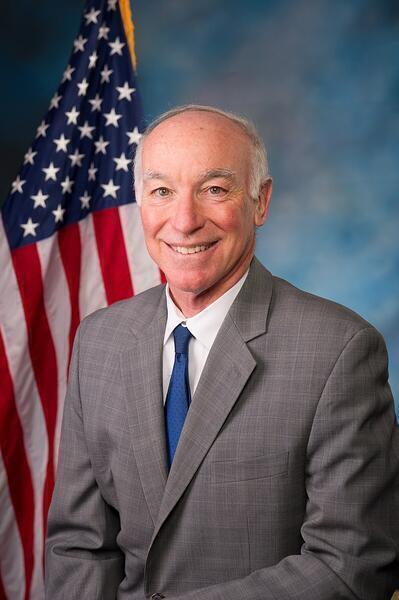
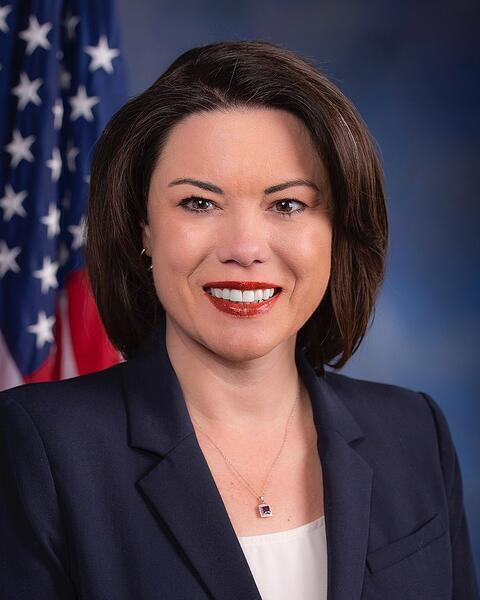

J
Jason Crow
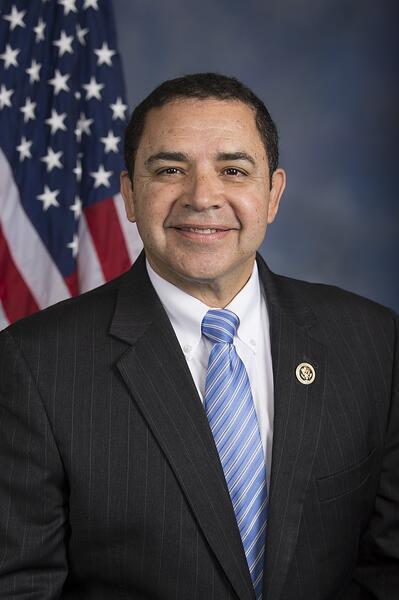
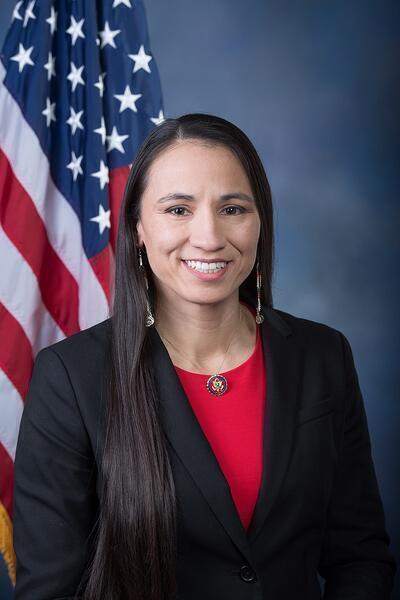





L
Lloyd Doggett


J
John Garamendi







J
John Mannion
L
Lucy McBath


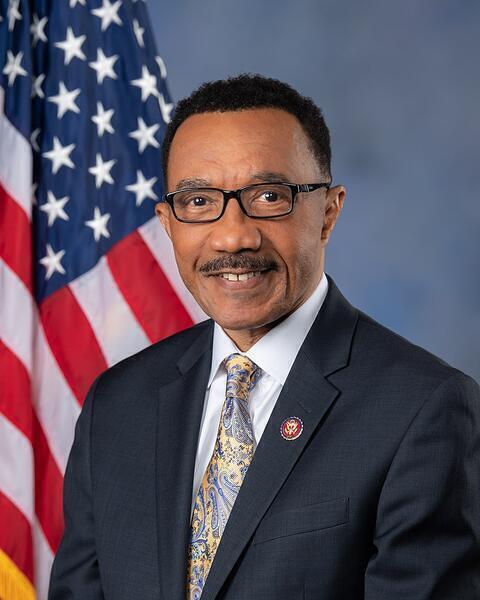
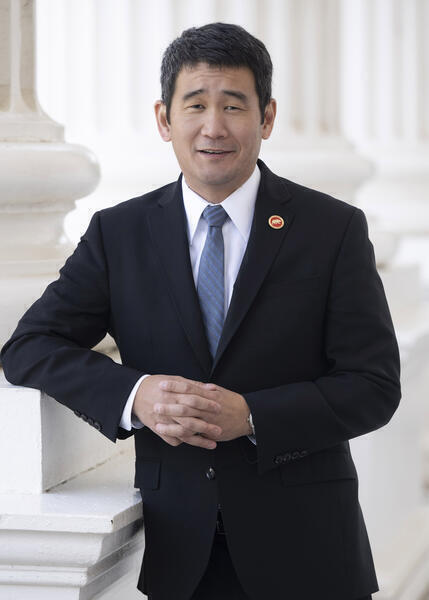
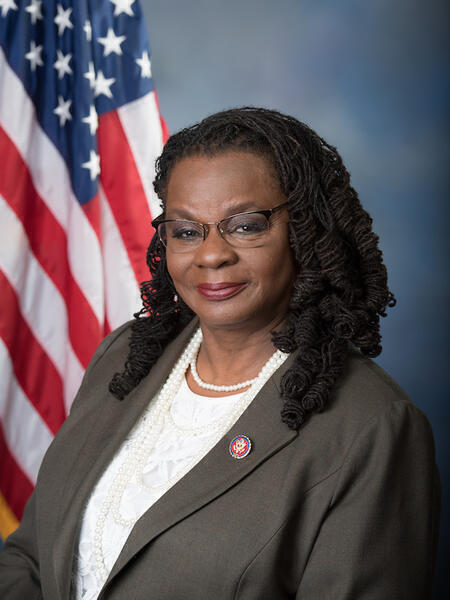
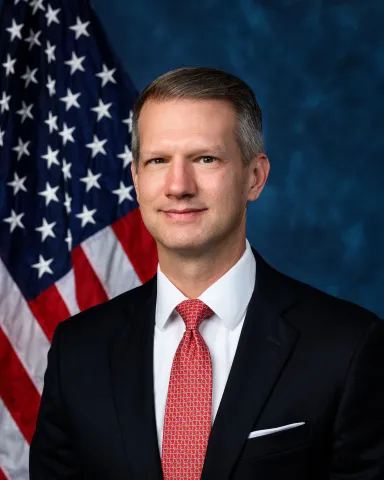








R
Rashida Tlaib
N
Nydia Velázquez
D
Debbie Wasserman Schultz