H.R.2270 — Empowering Employer Child and Elder Care Solutions Act
House Roll Call
H.R.2270
| Bill | H.R.2270 — Empowering Employer Child and Elder Care Solutions Act |
|---|---|
| Vote question | On Motion to Recommit |
| Vote type | Yea-and-Nay |
| Result | Failed |
| Totals | Yea 209 / Nay 213 / Present 0 / Not Voting 9 |
| Party | Yea | Nay | Present | Not Voting |
|---|---|---|---|---|
| R | 0 | 213 | 0 | 5 |
| D | 209 | 0 | 0 | 4 |
| I | 0 | 0 | 0 | 0 |
Research Brief
On Motion to Recommit
Bill Analysis
H.R. 2270 – Empowering Employer Child and Elder Care Solutions Act (119th Congress)
H.R. 2270 amends the Internal Revenue Code to expand and modernize the employer-provided dependent care tax credit under section 45F, with the goal of encouraging businesses to help employees access child care and elder care.
Substantive provisions (based on prior versions and title scope):
Expanded eligible services: Broadens qualifying expenditures from traditional on-site child care facilities to a wider range of employer-supported arrangements, such as:
- Contracted slots with licensed child care providers.
- Third-party or consortium child care centers serving multiple employers.
- Back-up or emergency child care.
- Elder care services, including adult day care or similar supervised care for dependent adults.
Tax credit structure: Retains the basic framework of a nonrefundable business tax credit for “qualified employer-provided dependent care,” but:
- Increases the maximum credit amount and/or percentage of qualified costs.
- Clarifies that both child and elder care qualify, subject to statutory definitions of dependents and care settings.
- May adjust per-employee or per-facility caps to reflect current care costs.
Eligible employers and employees:
- Applies to for-profit and, in some cases, tax-exempt employers with income tax liability.
- Benefits employees who receive subsidized or reserved child or elder care access through their employer.
- Indirectly benefits licensed care providers who contract with employers.
Administration and oversight:
- Implemented by the Department of the Treasury/IRS through guidance and forms revisions.
- Employers must substantiate expenditures and ensure providers meet applicable state licensing or regulatory standards.
Budgetary and timing aspects:
- The bill likely specifies an effective date (e.g., taxable years beginning after a given date) and may sunset or phase out after a set number of years, subject to revenue estimates by the Joint Committee on Taxation.
- No new federal agency is created; impact is through tax expenditures rather than direct appropriations.
As of the latest action, House floor proceedings on H.R. 2270 have been postponed under Rule XIX, and the bill has not been enacted.
Yea (209)



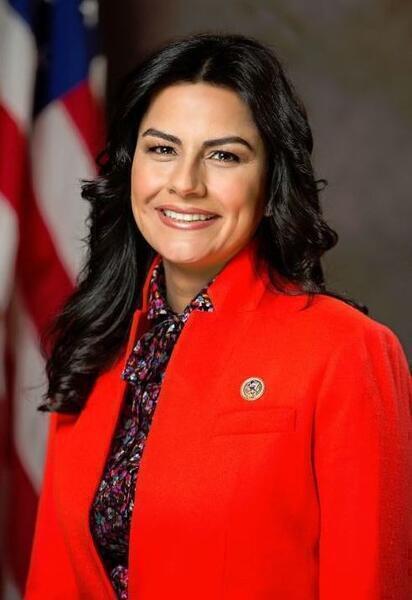
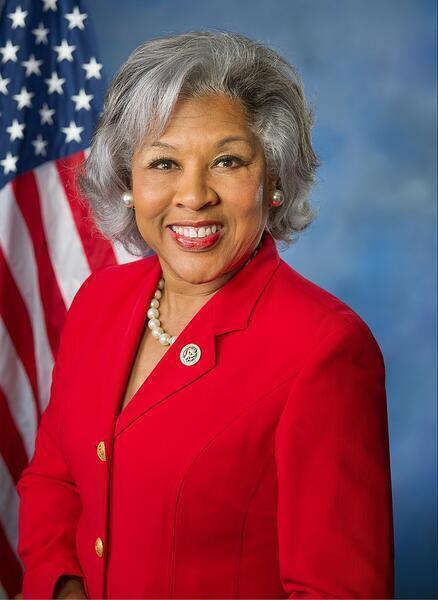

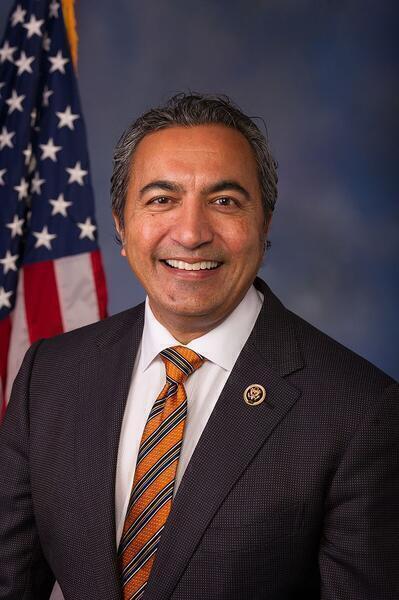
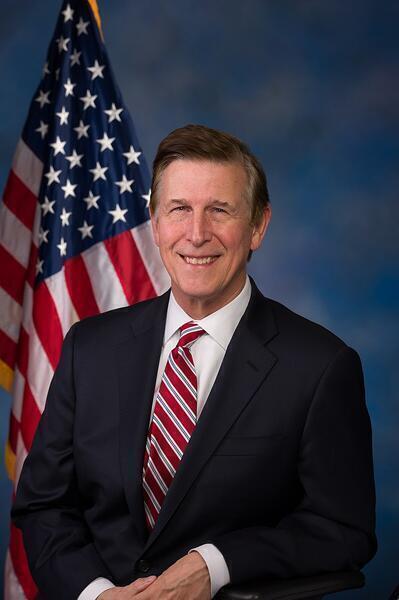



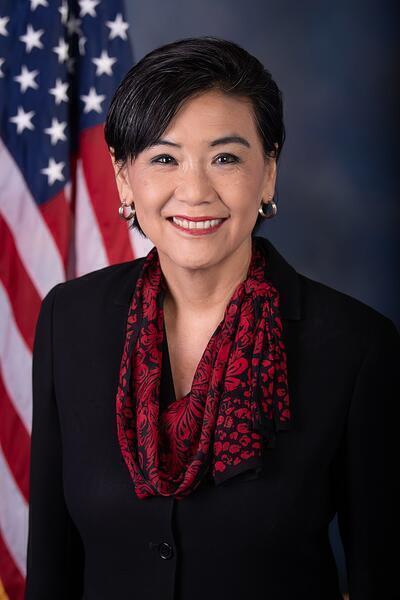
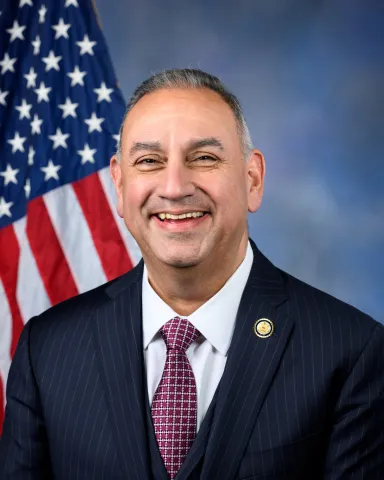

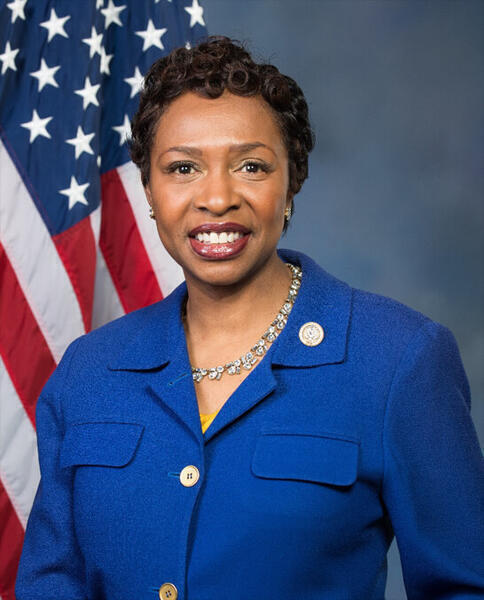
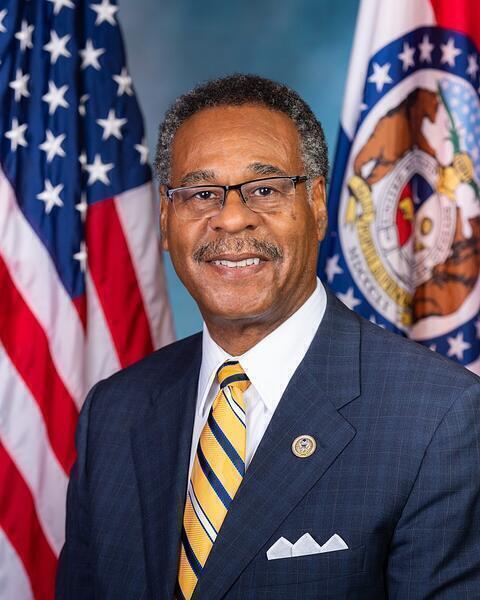
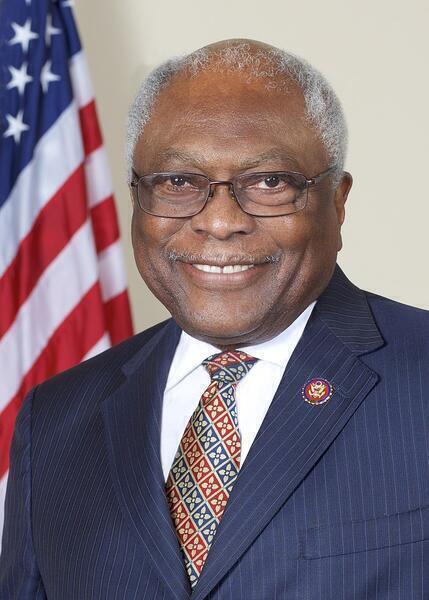

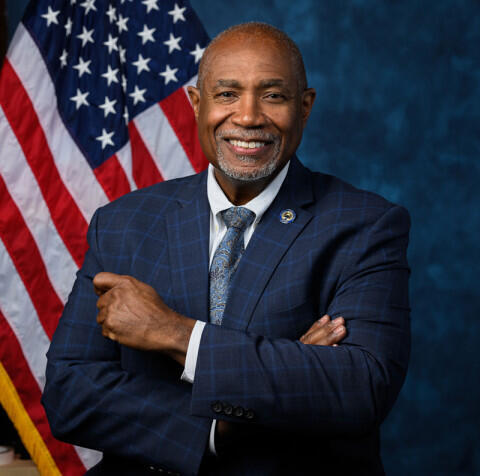
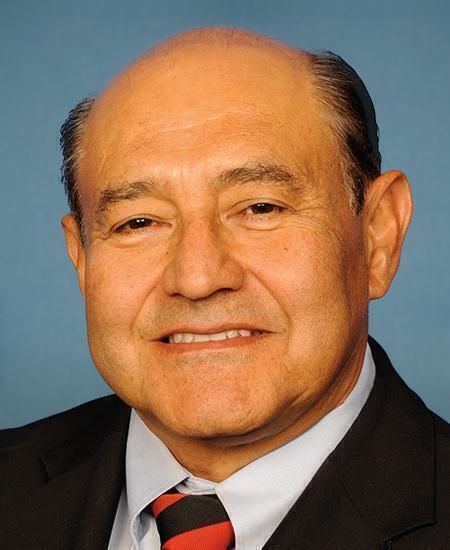
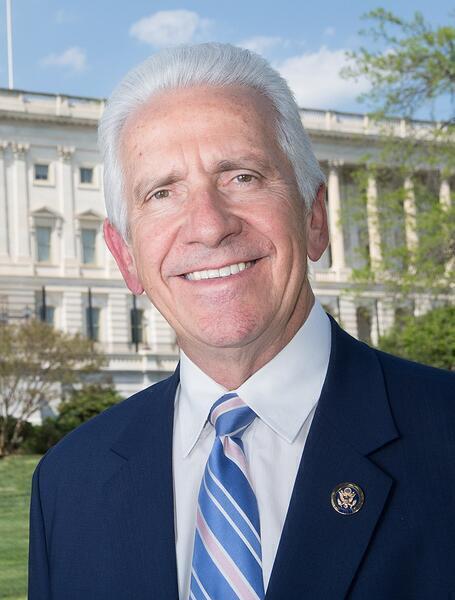
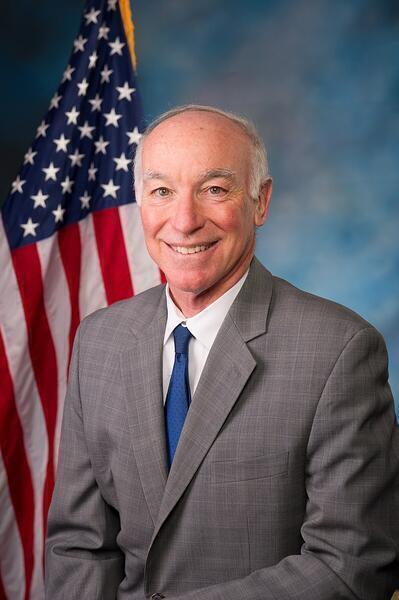
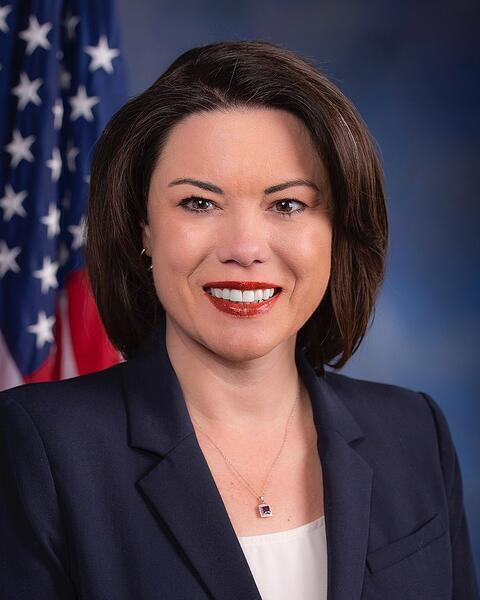

J
Jason Crow
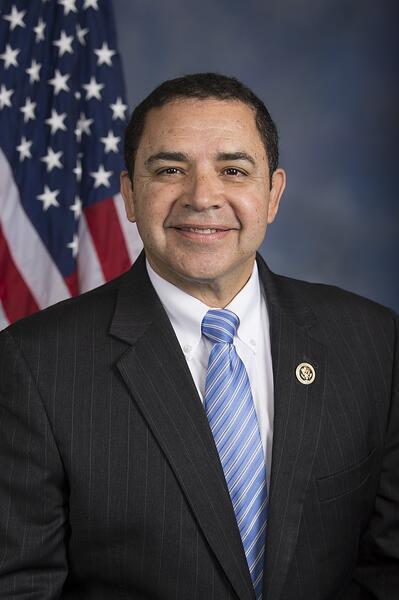
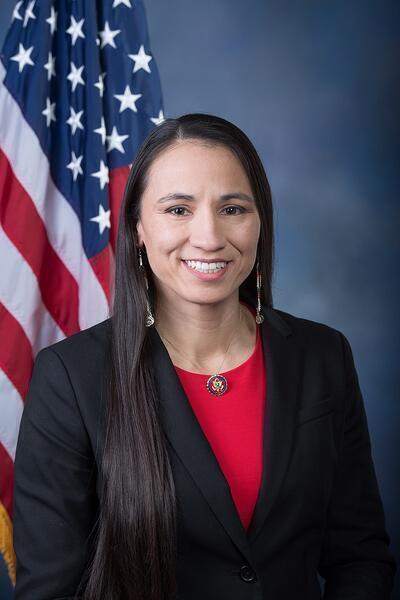






L
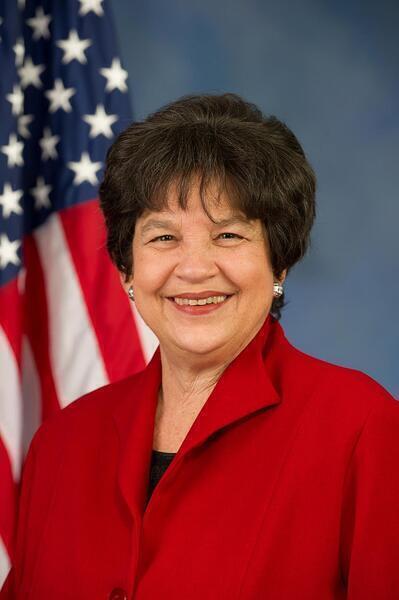
Lloyd Doggett

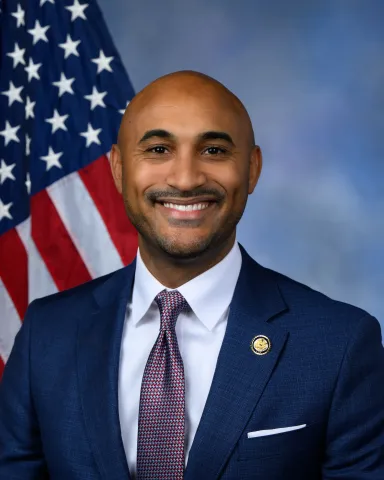
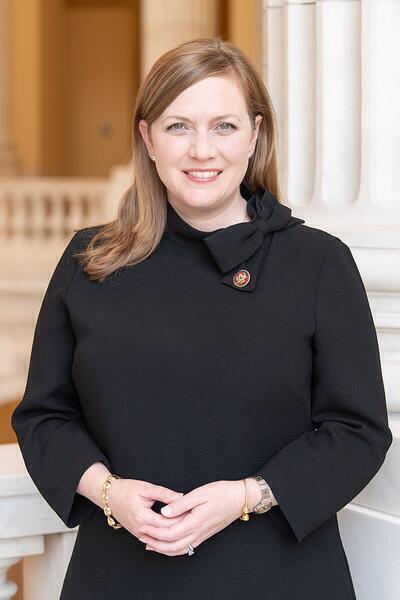
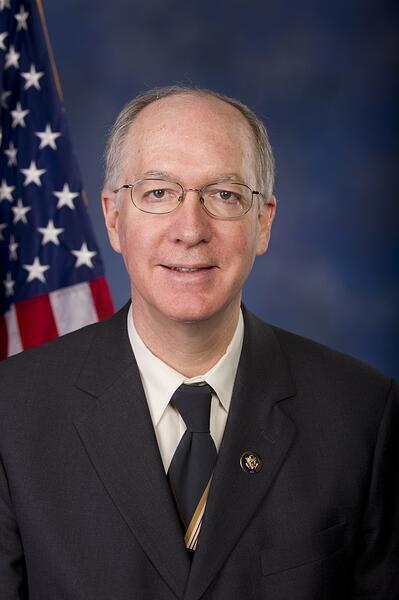


J
John Garamendi





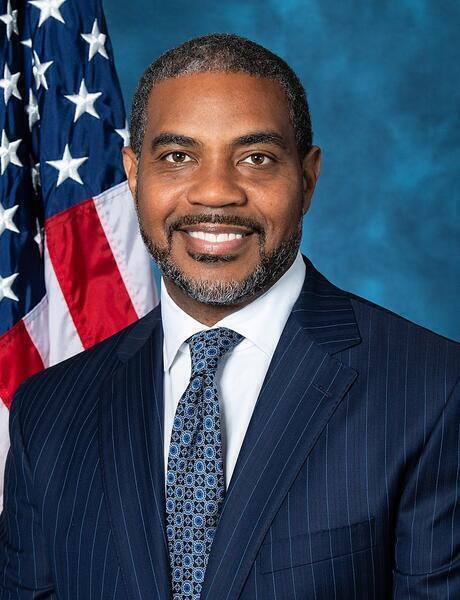
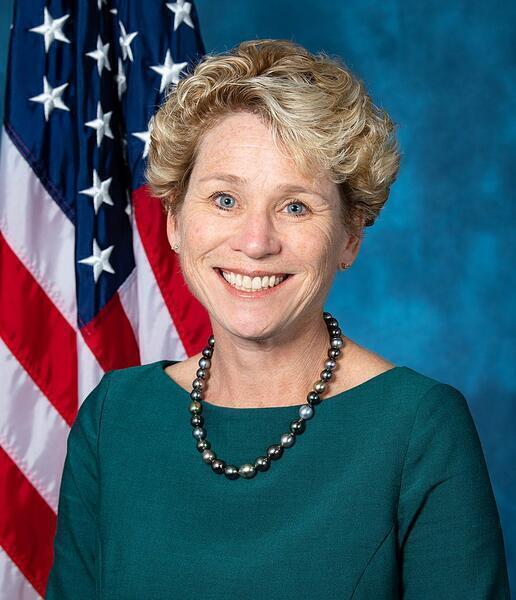
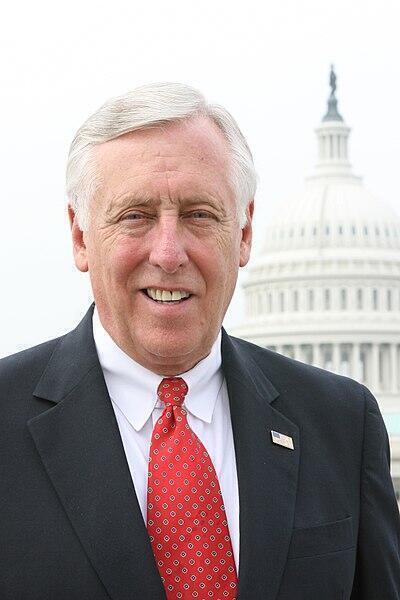



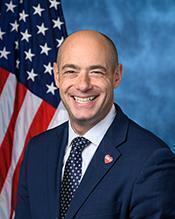
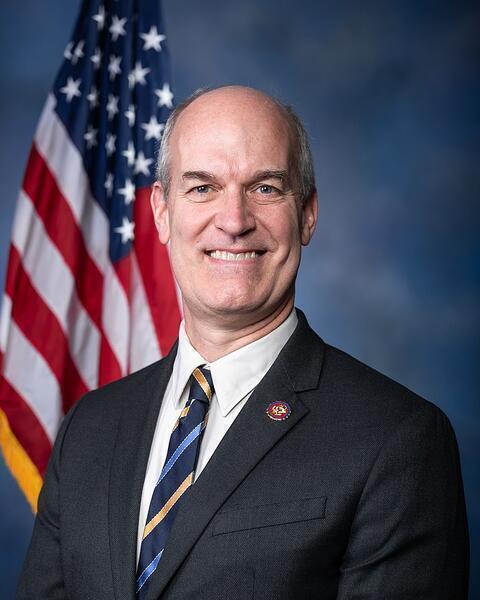
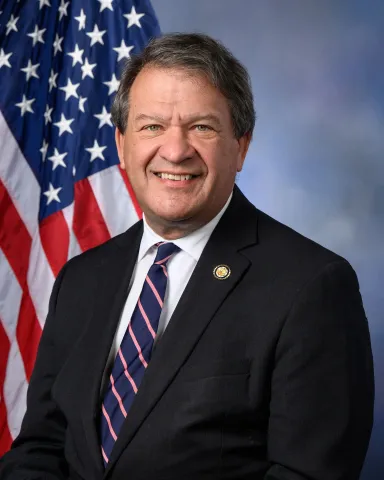
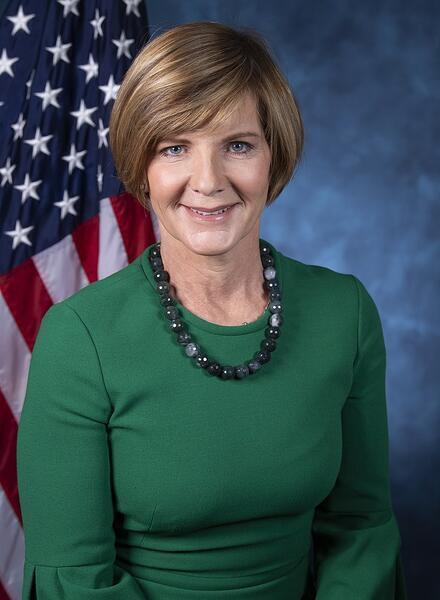

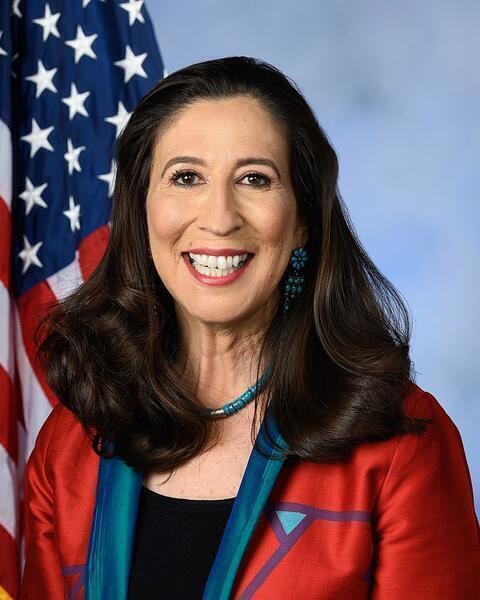


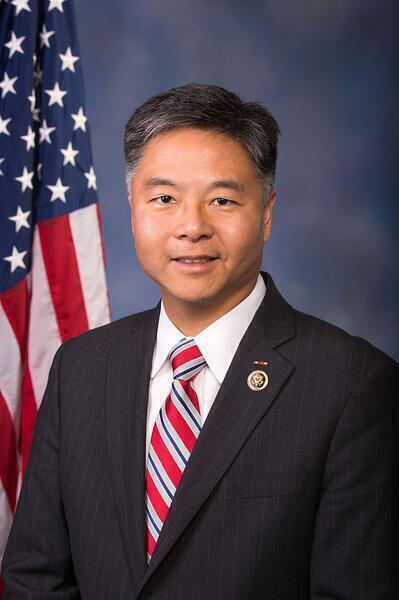

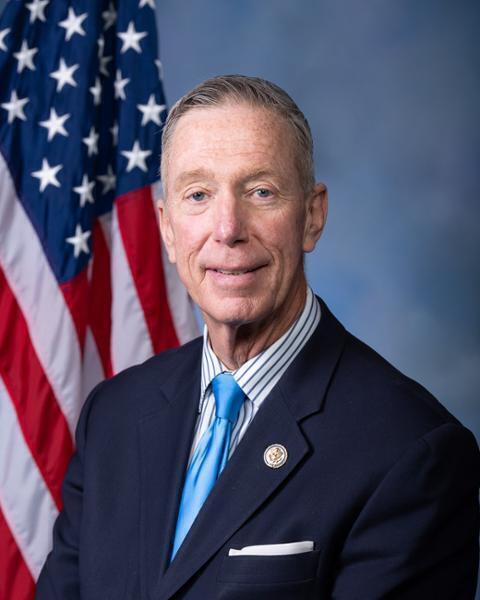

J
John Mannion
L
Lucy McBath


























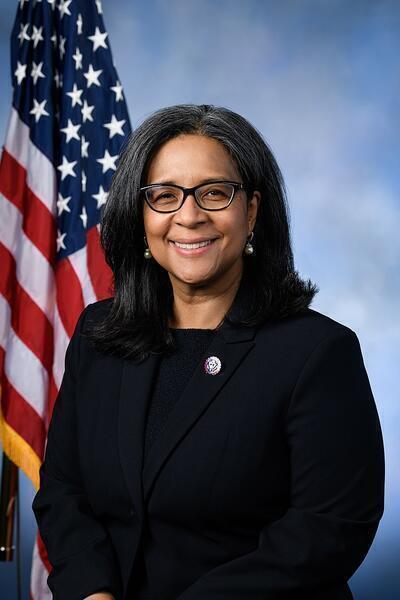

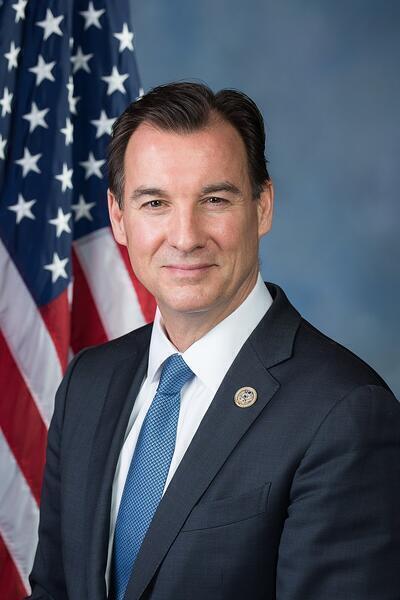
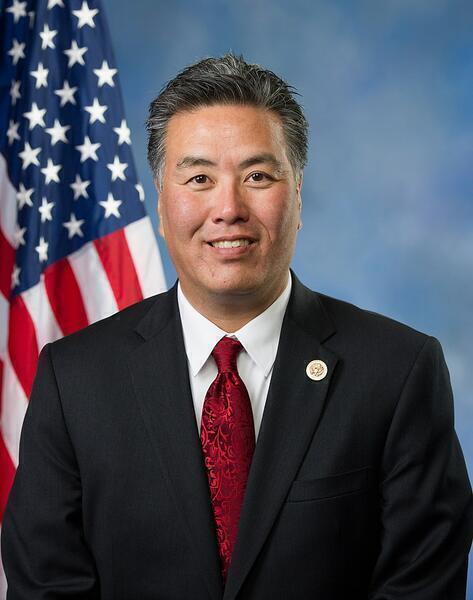
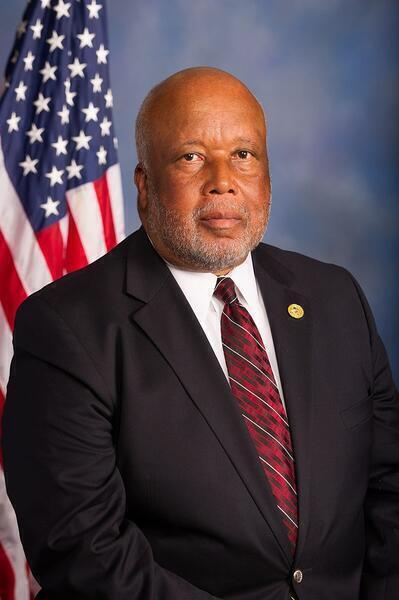
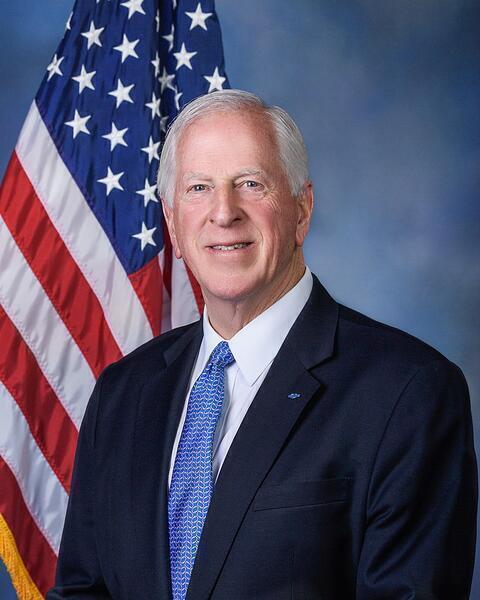
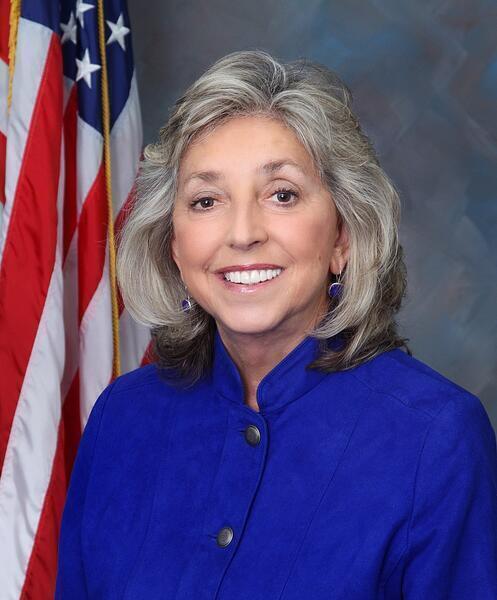
R
Rashida Tlaib
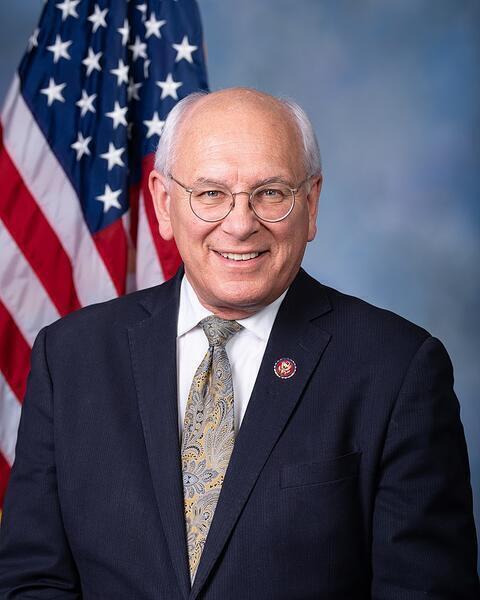
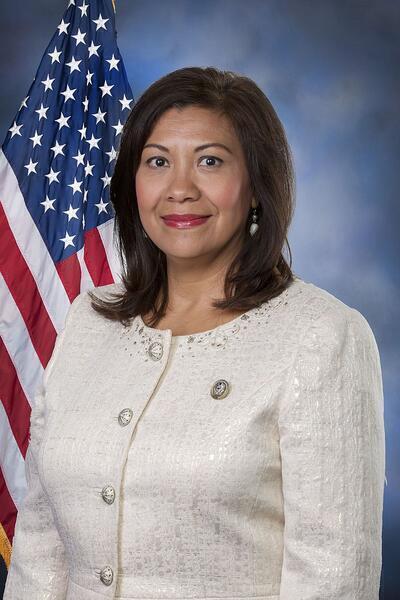
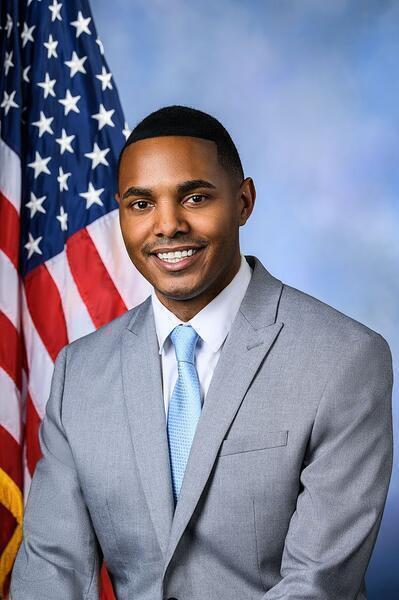
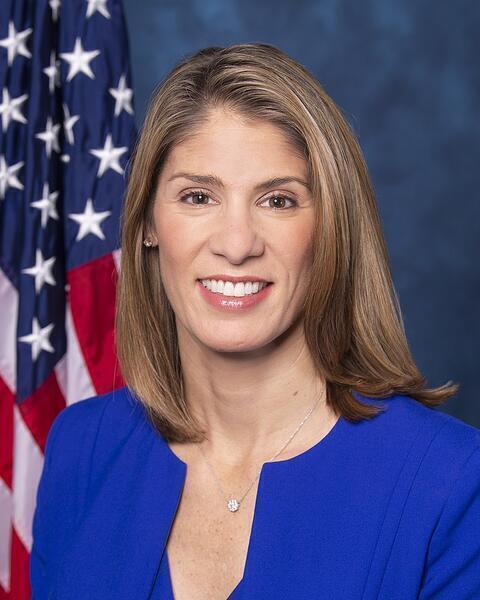


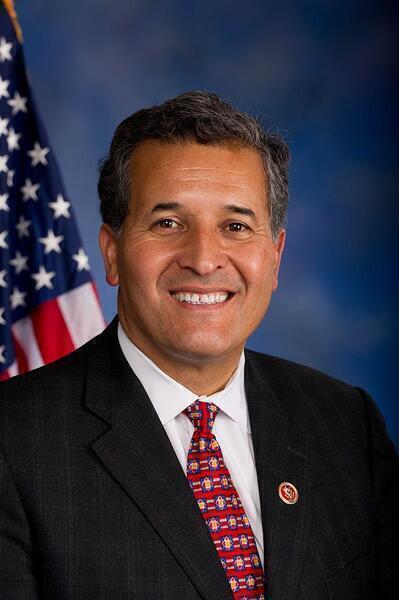

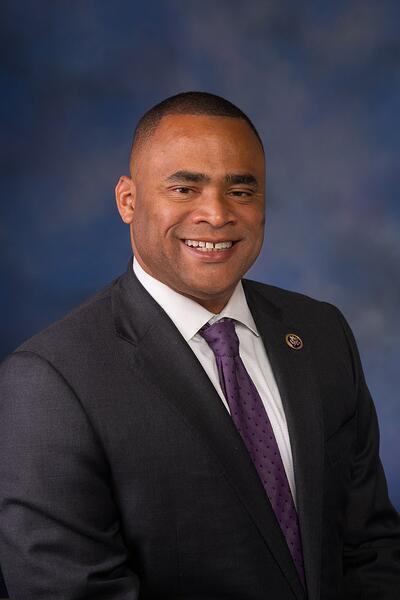
N
Nydia Velázquez


D
Debbie Wasserman Schultz
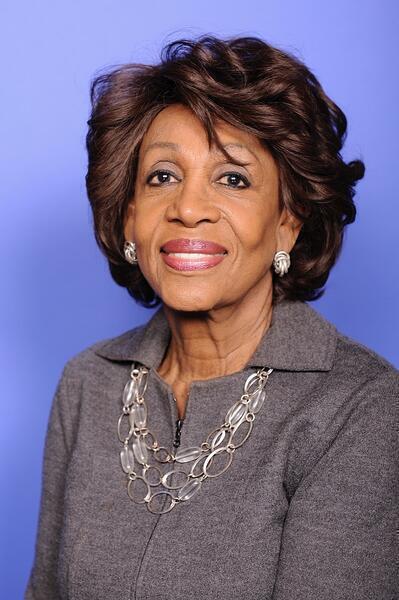
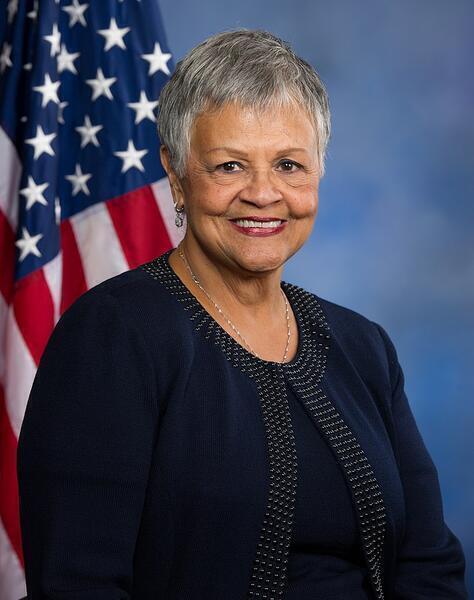
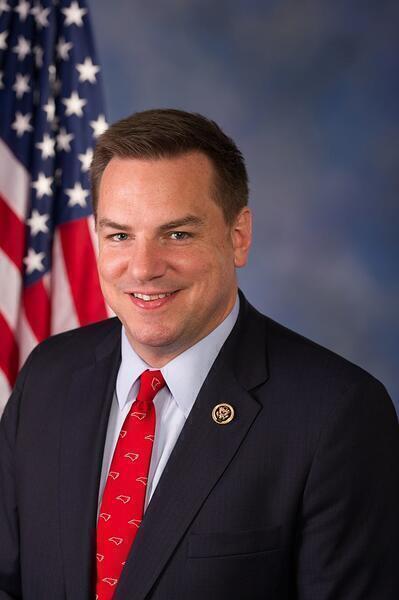
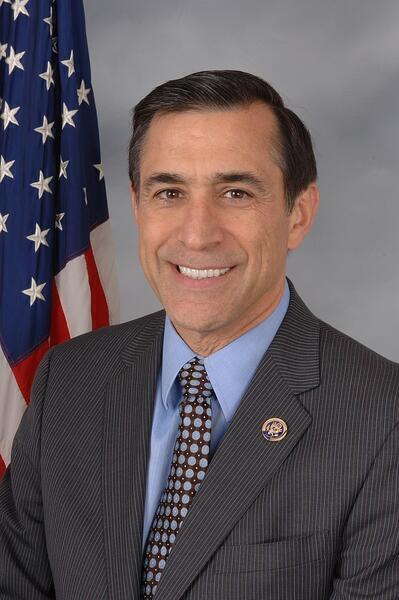
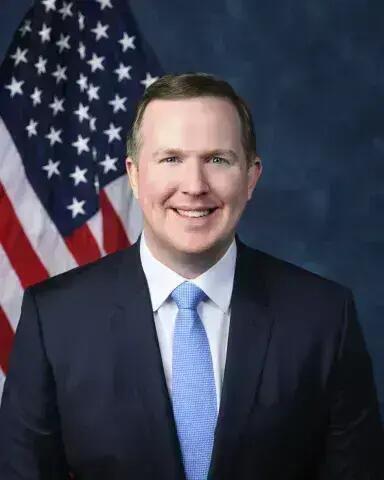
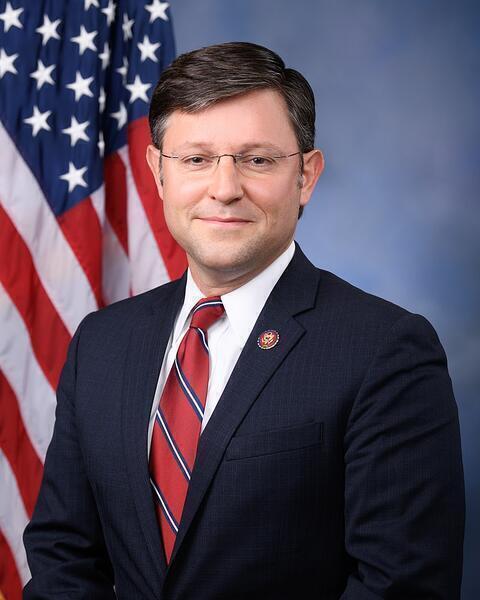
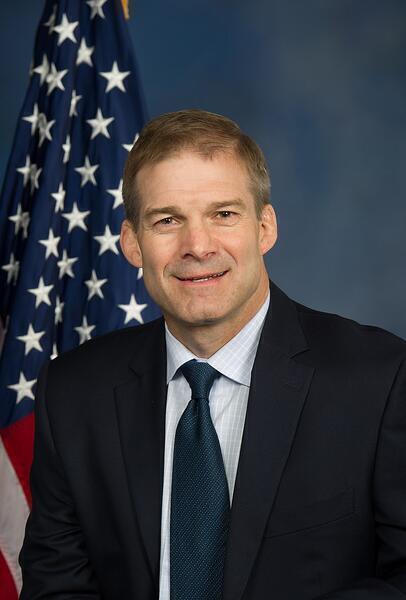
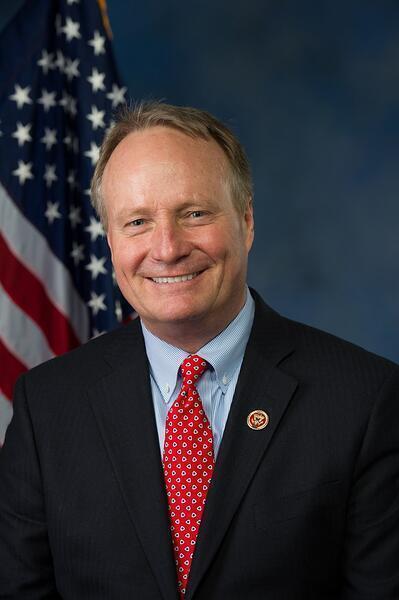
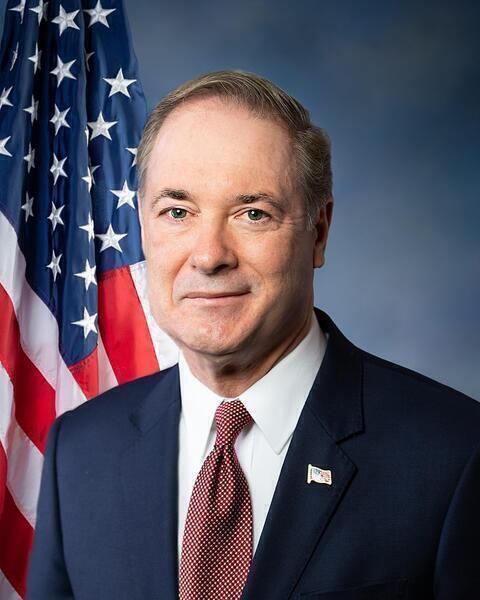
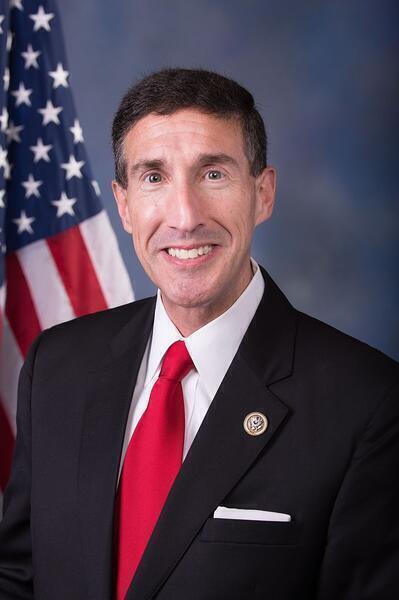
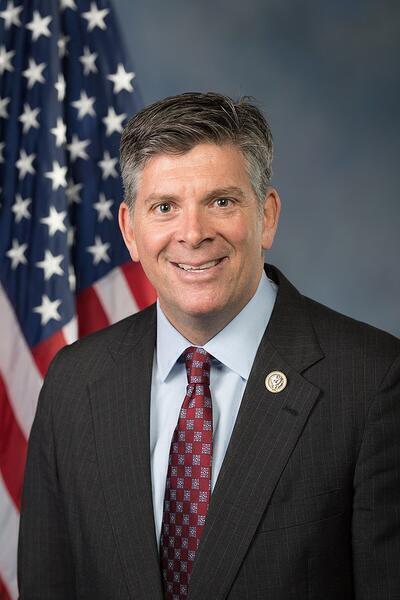
Nay (213)
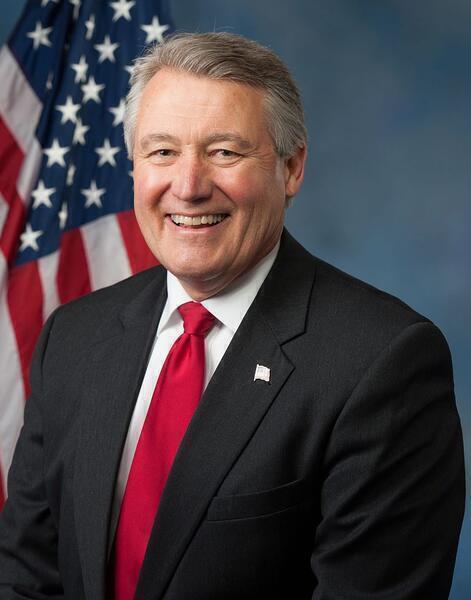
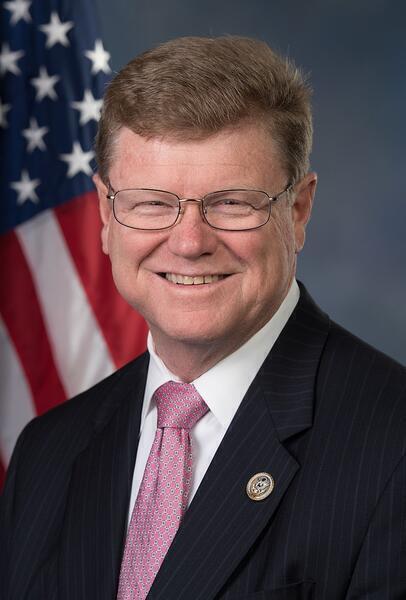

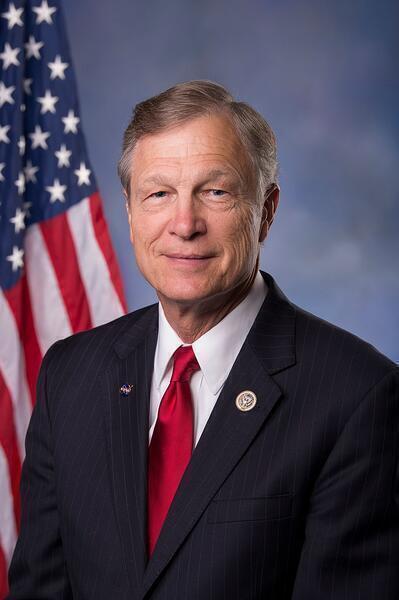
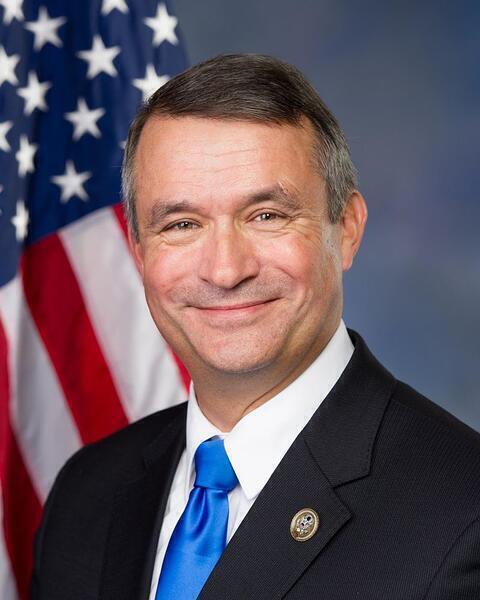
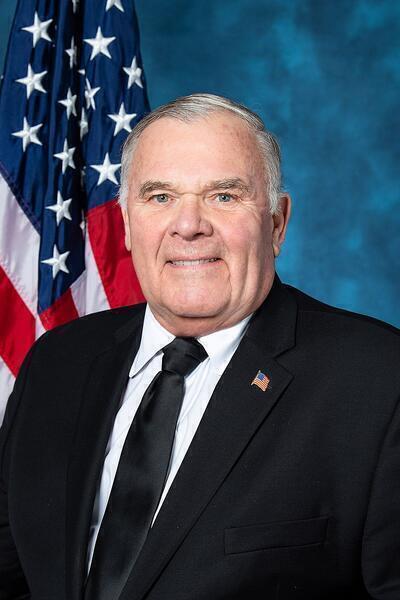

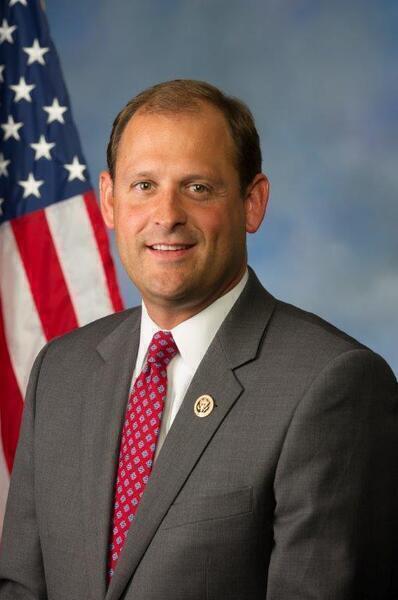
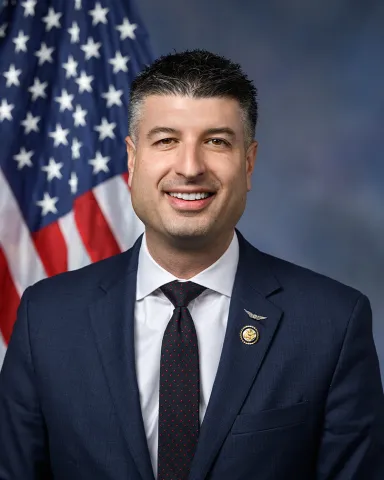






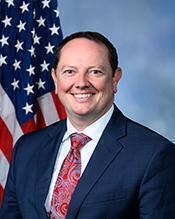
K
Ken Calvert
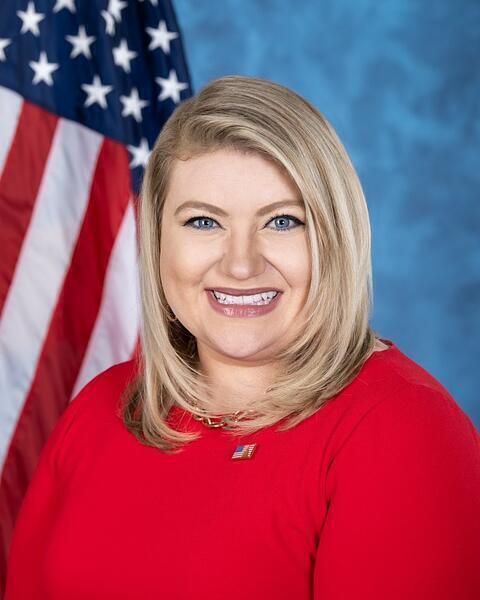

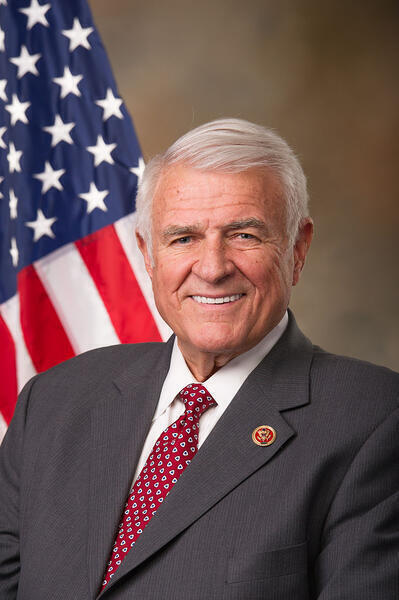
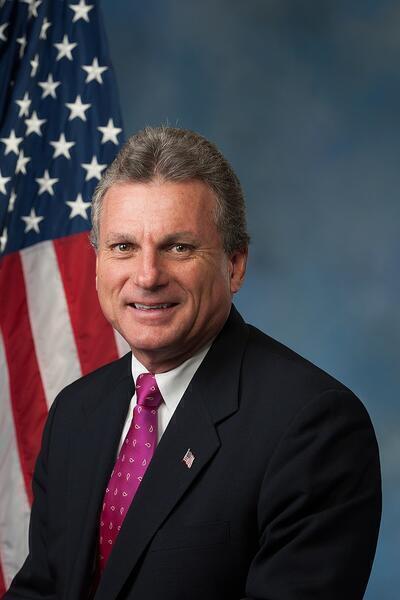












S
Scott Franklin


























L
Lisa McClain


















J
John Rutherford


D
David Schweikert
P
Pete Sessions