H.R.2312 — Tipped Employee Protection Act
House Roll Call
H.R.2312
| Bill | H.R.2312 — Tipped Employee Protection Act |
|---|---|
| Vote question | On Motion to Recommit |
| Vote type | Yea-and-Nay |
| Result | Failed |
| Totals | Yea 209 / Nay 215 / Present 0 / Not Voting 7 |
| Party | Yea | Nay | Present | Not Voting |
|---|---|---|---|---|
| R | 0 | 215 | 0 | 3 |
| D | 209 | 0 | 0 | 4 |
| I | 0 | 0 | 0 | 0 |
Research Brief
On Motion to Recommit
Bill Analysis
H.R. 2312 – Tipped Employee Protection Act (119th Congress)
H.R. 2312 amends the Fair Labor Standards Act of 1938 (FLSA) to strengthen protections for tipped workers and regulate employer use of tips and the tip credit. It primarily affects employers in industries that customarily use tipped labor (e.g., restaurants, hospitality, personal services) and the tipped employees they hire.
Substantively, the bill would tighten or redefine when an employer may claim a “tip credit” (the ability to pay a cash wage below the standard minimum wage if tips make up the difference). It is expected to:
- Clarify that tips are the property of employees and restrict employer retention or diversion of tips, including through mandatory tip pools that include managers, supervisors, or non-tipped staff.
- Narrow the circumstances under which employers can pay a sub-minimum cash wage to tipped employees, likely by limiting the proportion of time tipped workers can be assigned to non-tipped duties while still being treated as “tipped” for wage purposes.
- Codify or strengthen recordkeeping and notice requirements so tipped employees are clearly informed of their wage structure, tip credit use, and rights under the FLSA.
The bill primarily confers regulatory and enforcement responsibilities on the U.S. Department of Labor (DOL), particularly the Wage and Hour Division. It would likely authorize DOL to issue implementing regulations, conduct investigations, and impose civil penalties or require back pay where employers violate tip-related provisions. No large new spending program is contemplated; costs are mainly administrative and enforcement-related, absorbed within or modestly augmenting DOL’s existing wage-and-hour authority.
Beneficiaries include tipped workers who gain clearer rights, stronger protections against wage theft via misappropriated tips, and more predictable application of the tip credit. Regulated entities are covered employers under the FLSA who use tipped labor and claim the tip credit.
Key timelines include:
- Effective date: typically a set period (e.g., 60–180 days) after enactment to allow DOL rulemaking and employer compliance.
- Rulemaking deadlines: DOL may be directed to issue or update regulations within a defined timeframe following enactment.
As of the latest action, House floor consideration has begun but final passage was postponed under Rule XIX, leaving the bill’s ultimate status unresolved.
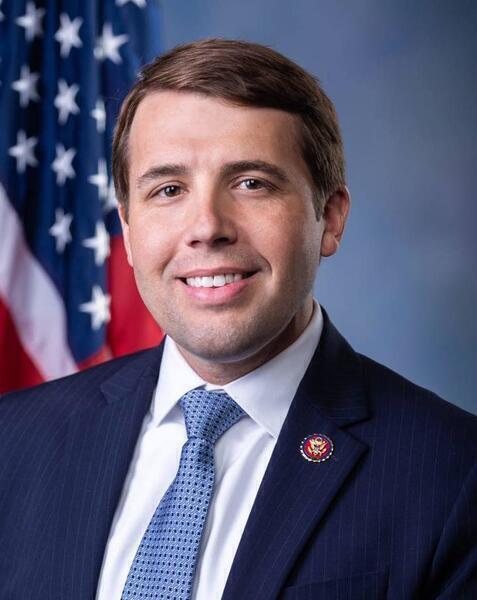
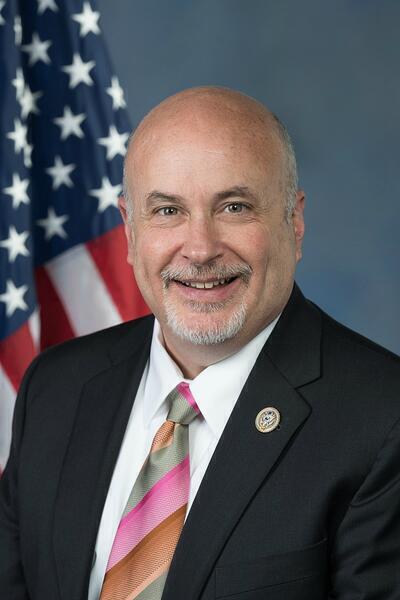
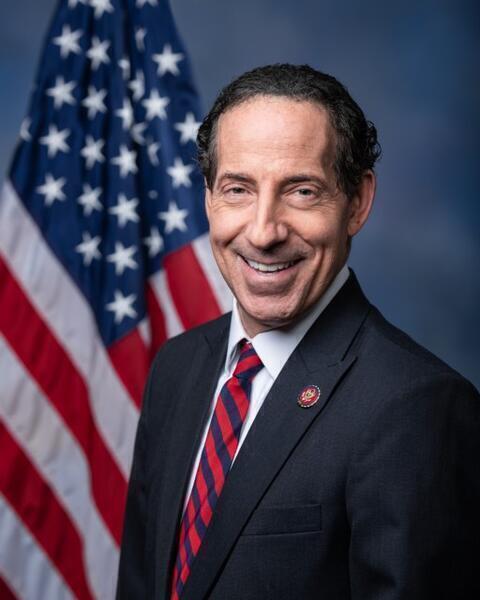
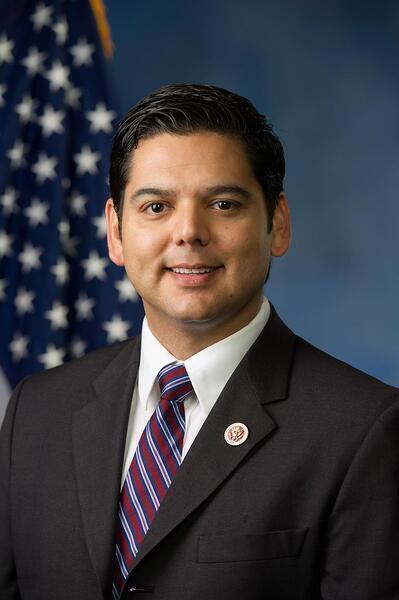
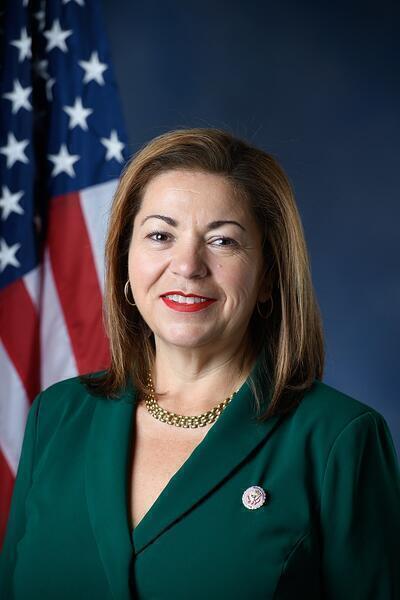
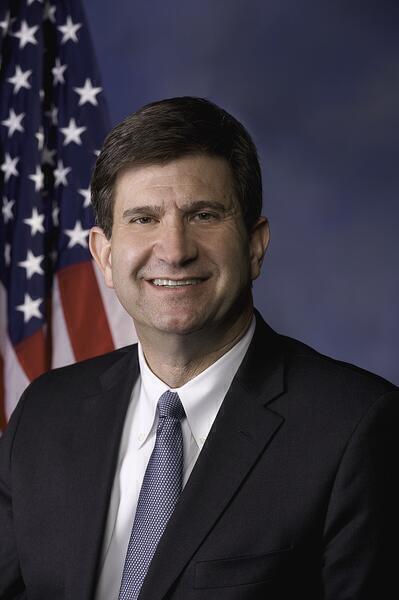
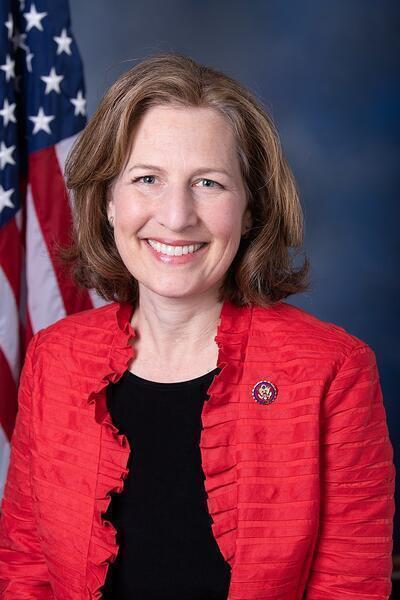
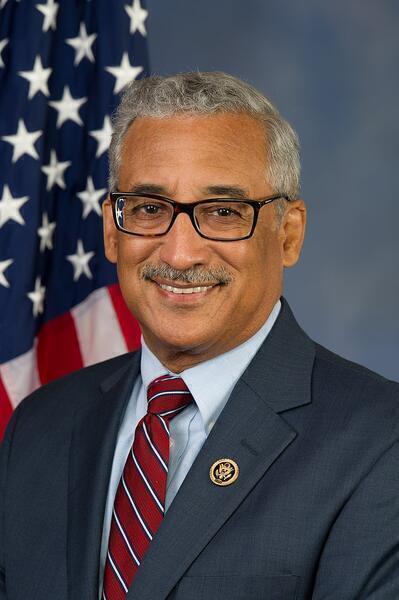
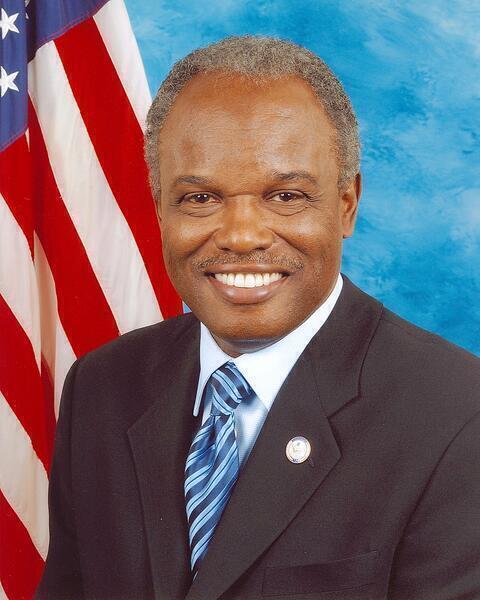
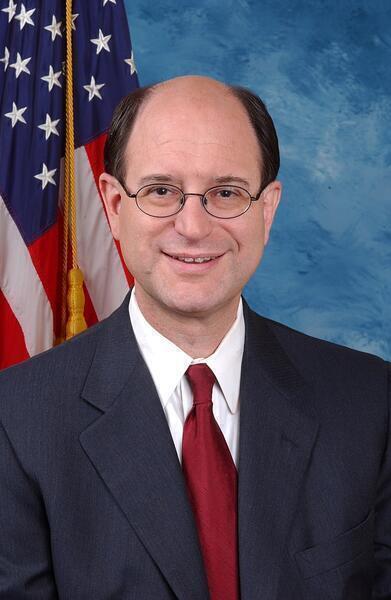
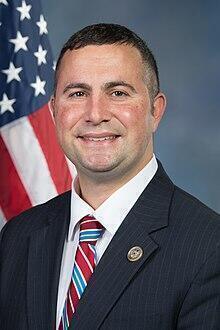
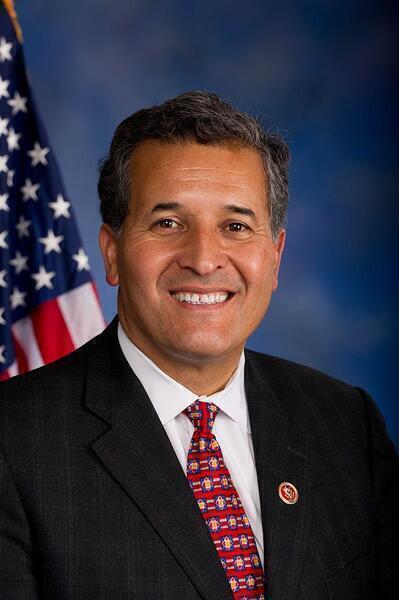
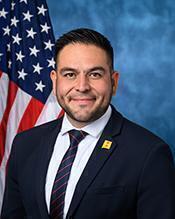
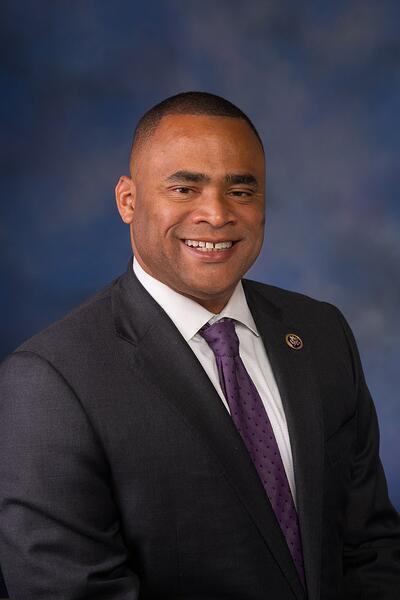
Yea (209)













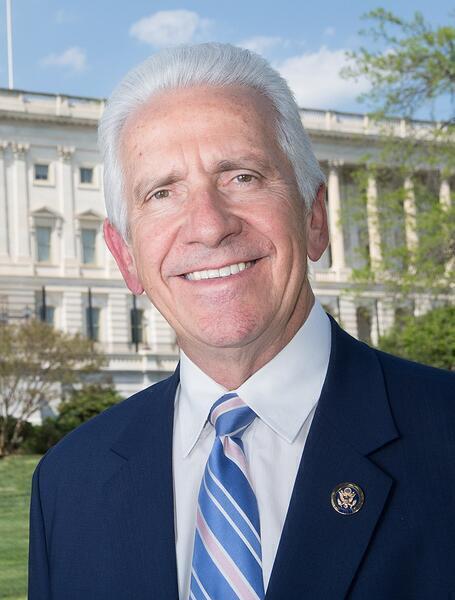

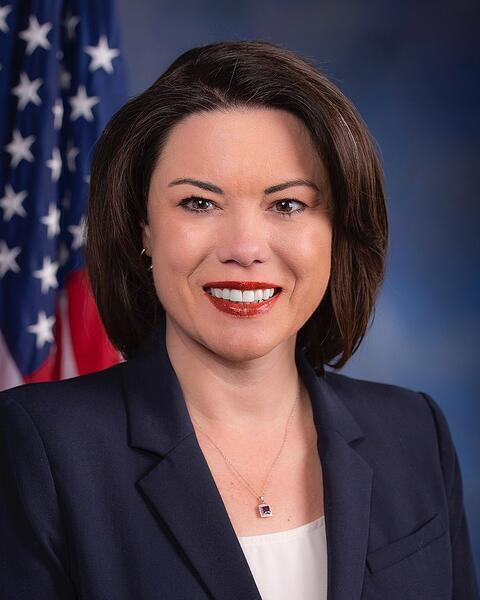

J
Jason Crow
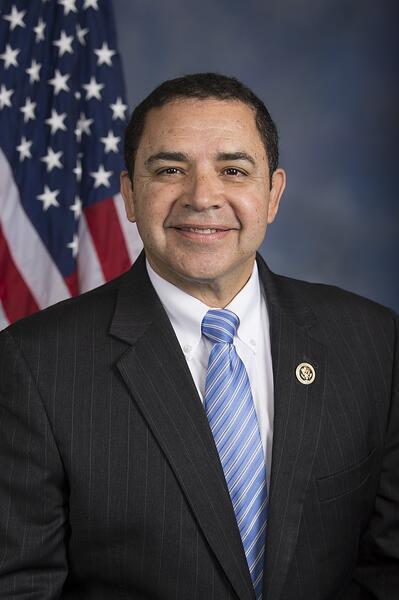
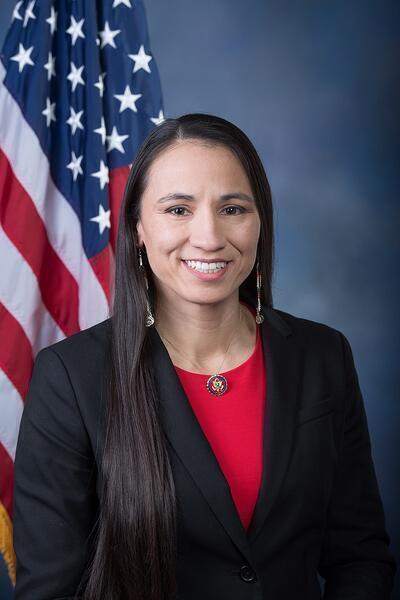







L
Lloyd Doggett





J
John Garamendi














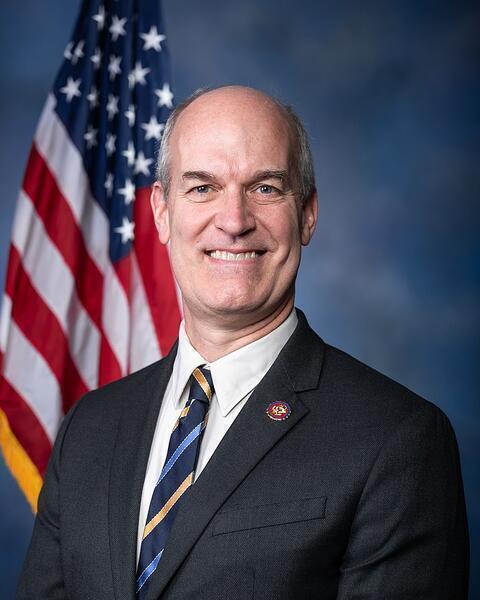

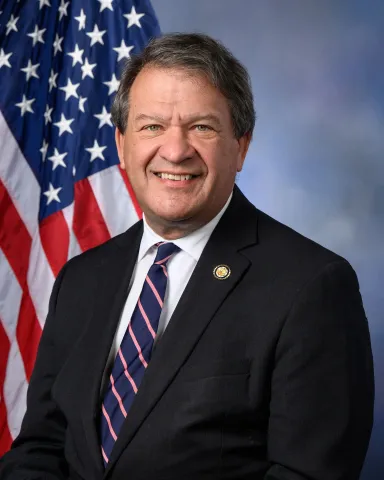


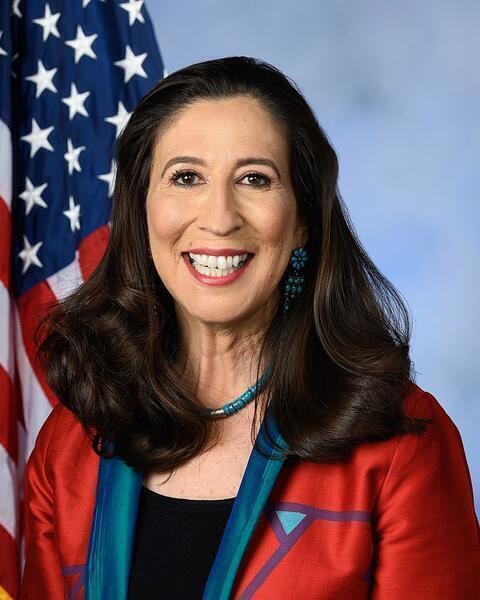

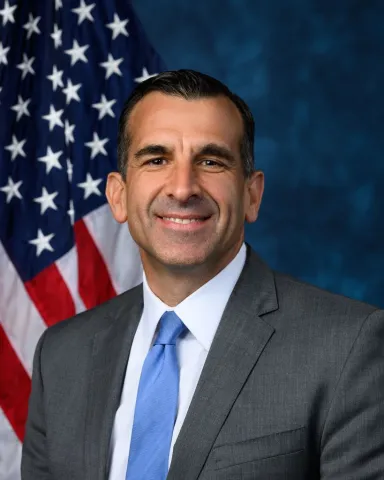
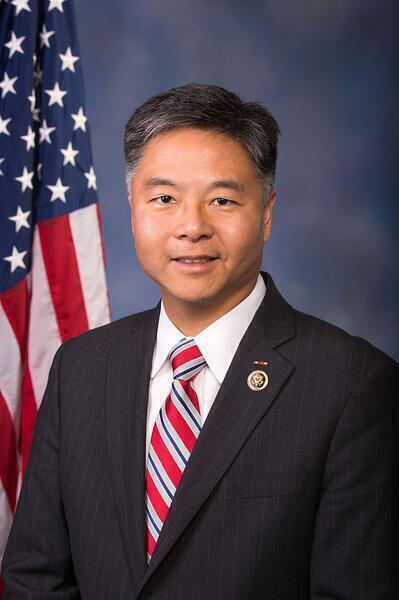

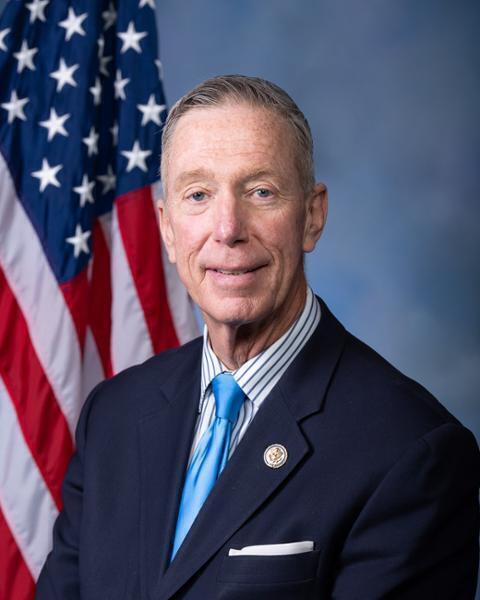

J
John Mannion

L
Lucy McBath

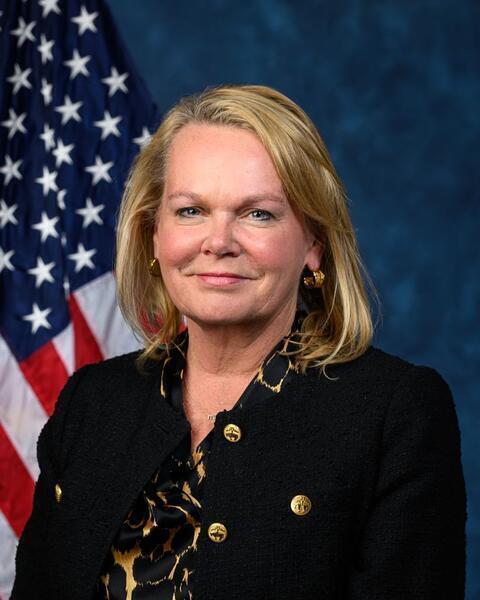
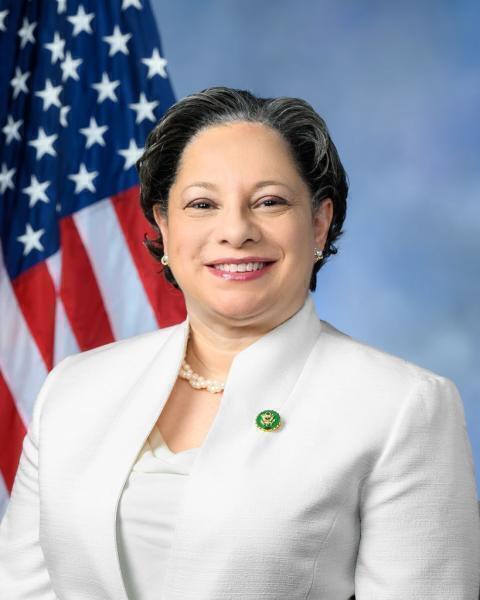







































R
Rashida Tlaib


N
Nydia Velázquez


D
Debbie Wasserman Schultz

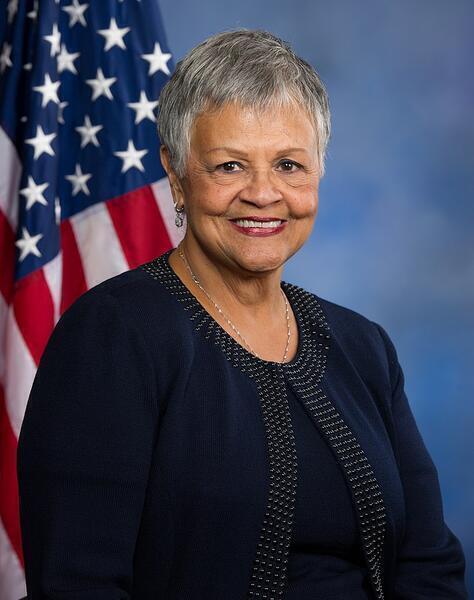

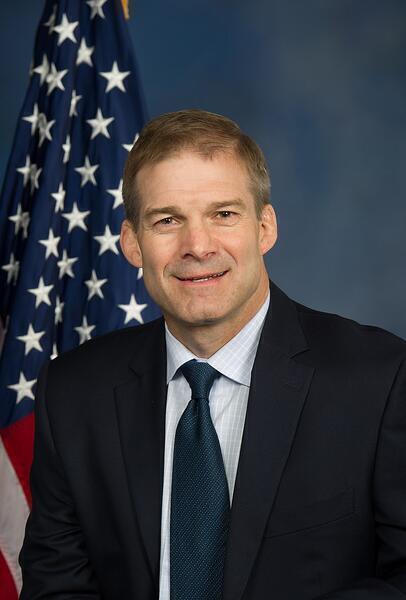
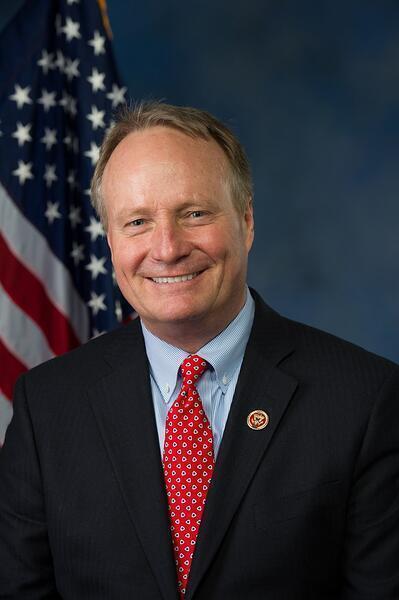
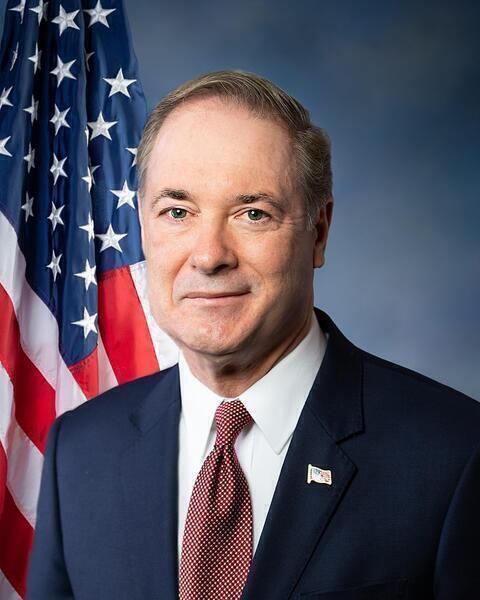
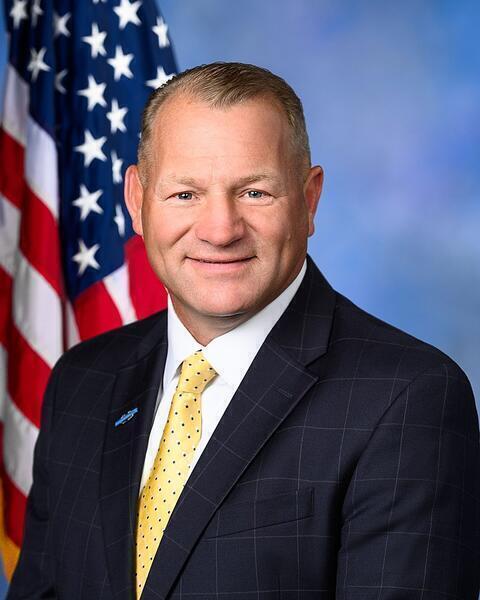
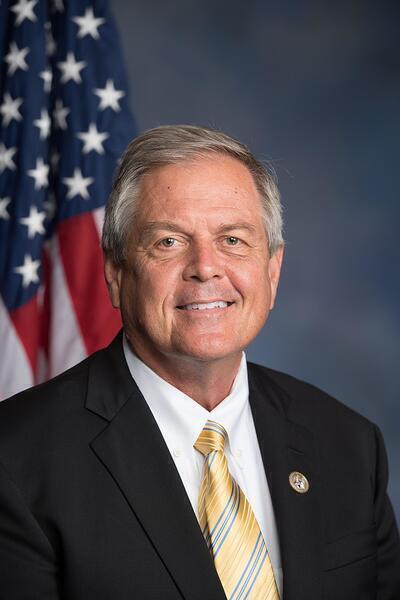
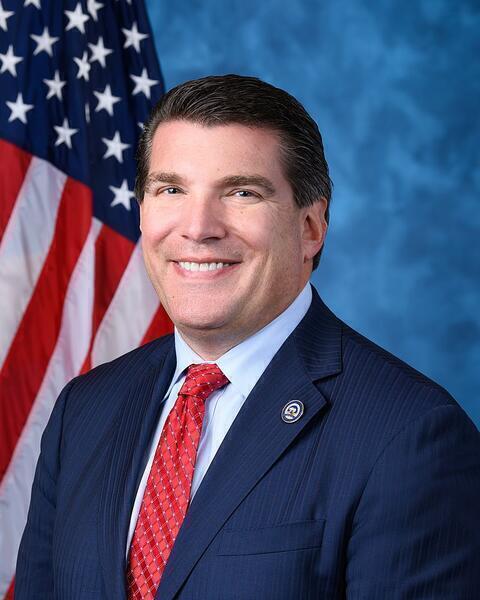
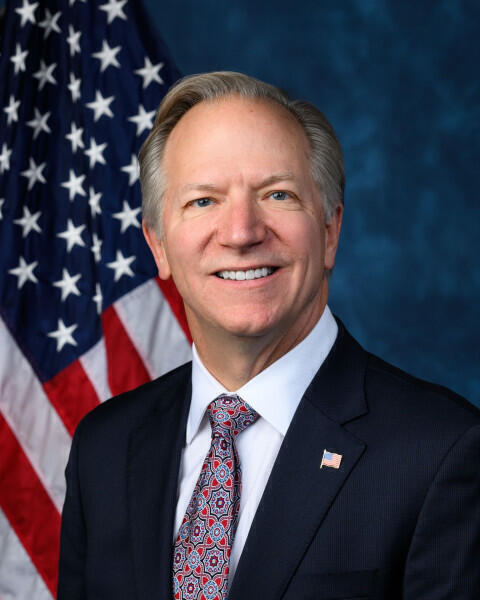
Nay (215)










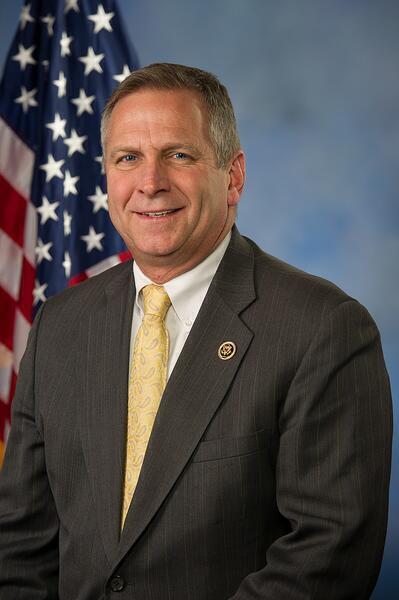


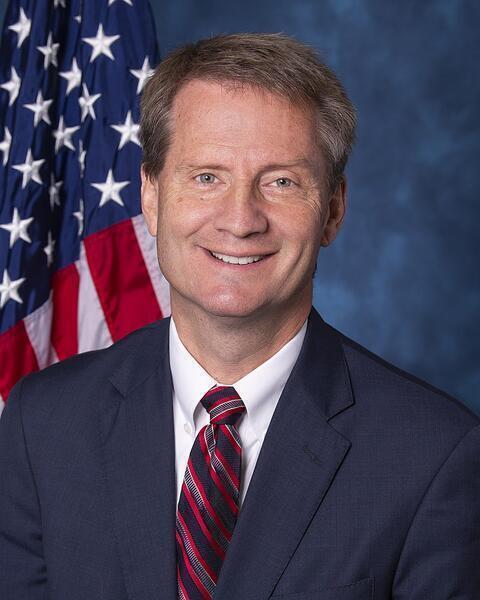
K
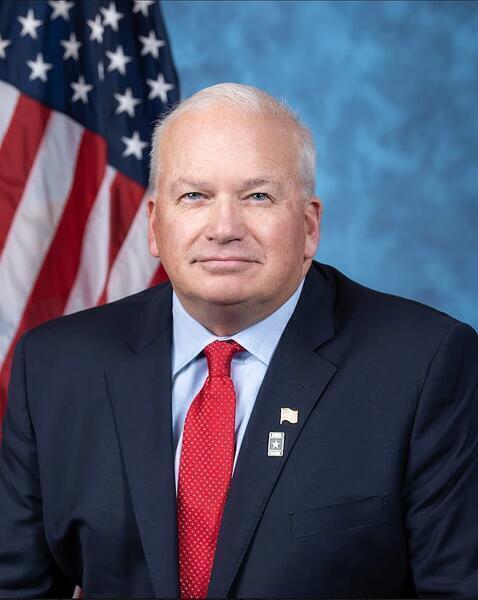
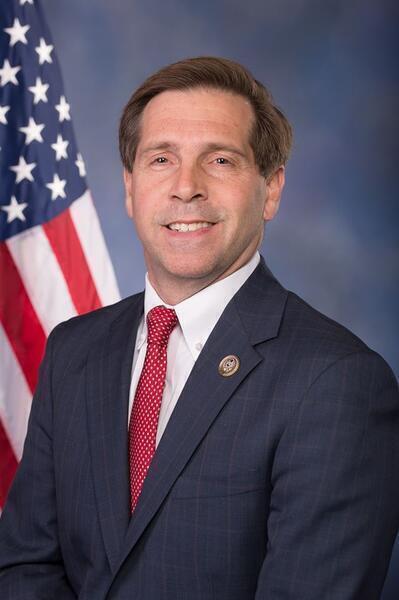
Ken Calvert


















S
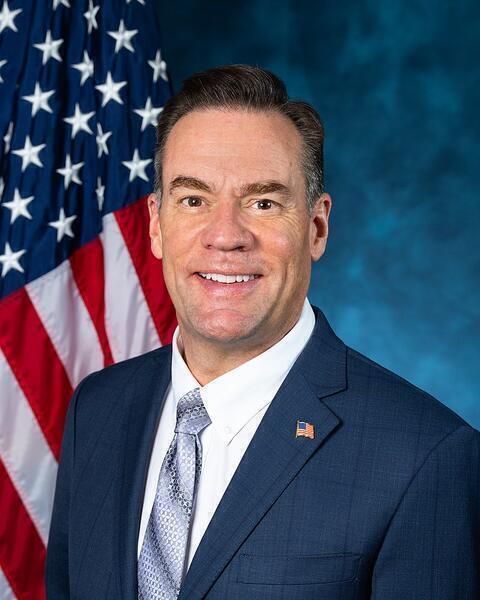
Scott Franklin
































L
Lisa McClain




















J
John Rutherford



D
David Schweikert
P
Pete Sessions