H.R.4593 — SHOWER Act
House Roll Call
H.R.4593
| Bill | H.R.4593 — SHOWER Act |
|---|---|
| Vote question | On Motion to Recommit |
| Vote type | Yea-and-Nay |
| Result | Failed |
| Totals | Yea 209 / Nay 215 / Present 0 / Not Voting 7 |
| Party | Yea | Nay | Present | Not Voting |
|---|---|---|---|---|
| R | 0 | 215 | 0 | 3 |
| D | 209 | 0 | 0 | 4 |
| I | 0 | 0 | 0 | 0 |
Research Brief
On Motion to Recommit
Bill Analysis
HR 4593 – SHOWER Act (119th Congress)
Status: Passed House (motion to reconsider laid on the table); pending further action.
HR 4593 amends the Public Health Service Act to expand and formalize federal support for hygiene services—primarily showers and related sanitation—for people experiencing homelessness.
Core purpose and scope
- Directs the Department of Health and Human Services (HHS), through the Health Resources and Services Administration (HRSA), to support access to basic hygiene facilities (e.g., showers, toilets, handwashing stations, laundry) as a component of health care and public health for unhoused individuals.
- Integrates hygiene access into existing health center and community health frameworks, rather than creating a wholly new standalone program.
Authorities and funding
- Authorizes HHS to award grants or cooperative agreements to:
- Federally qualified health centers (FQHCs) and other community health providers;
- Local governments and nonprofit organizations partnering with health providers.
- Funds may be used to:
- Construct, renovate, or equip fixed-site or mobile hygiene facilities;
- Operate and maintain hygiene services;
- Coordinate hygiene access with primary care, behavioral health, and case management.
- Authorizes appropriations for specified fiscal years (exact dollar levels and years are set in the bill text) and permits administrative expenses by HHS to manage the program.
Programs and agencies affected
- Public Health Service Act community health center authorities (Section 330–related provisions) are expanded to explicitly include hygiene services as eligible activities.
- HRSA gains explicit authority and direction to prioritize grants in areas with high rates of unsheltered homelessness or limited sanitation access.
- Encourages coordination with HUD-funded homeless assistance programs and local public health departments.
Beneficiaries and regulated entities
- Primary beneficiaries: individuals experiencing homelessness or housing instability, including those living unsheltered or in encampments.
- Secondary beneficiaries: communities facing public health risks from inadequate sanitation.
- Regulated/impacted entities: health centers and grantees must meet reporting, data, and quality standards on service utilization, health outcomes, and infection control.
Timelines and reporting
- Program begins upon appropriation; HHS must issue guidance and begin awarding grants within a defined period after enactment.
- Requires periodic reports to Congress on implementation, geographic distribution of services, and health and utilization outcomes, enabling potential reauthorization or expansion.
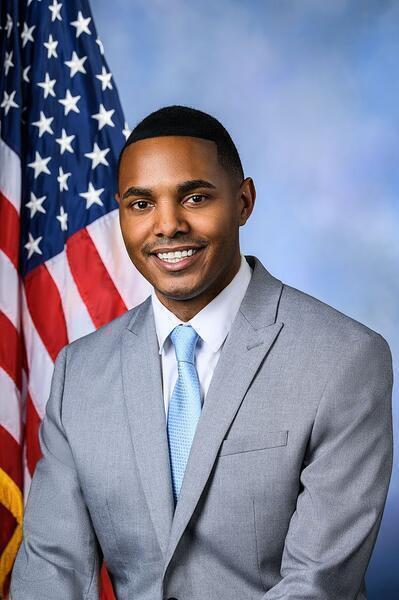
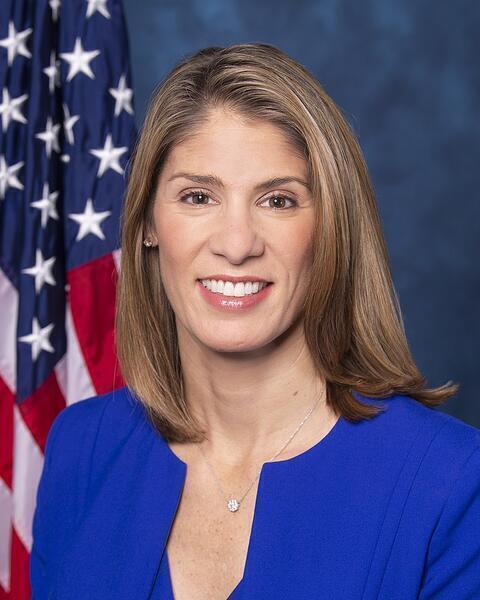
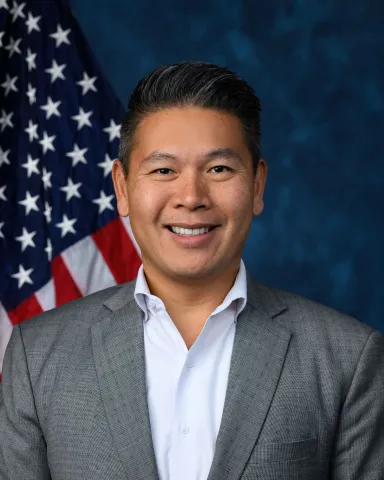
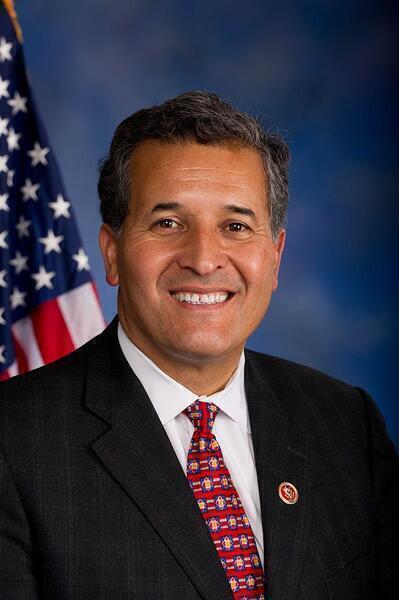
Yea (209)

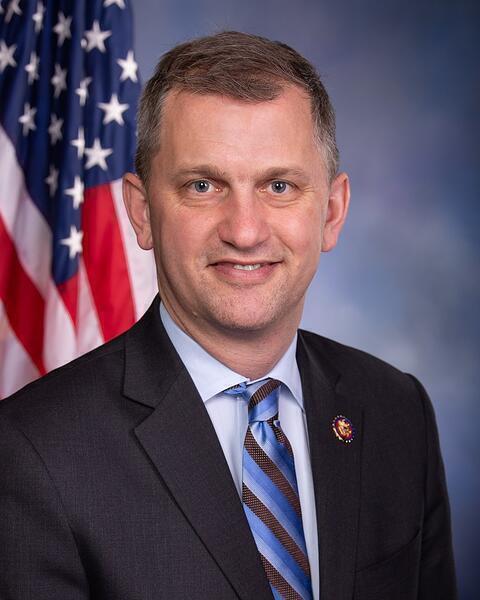
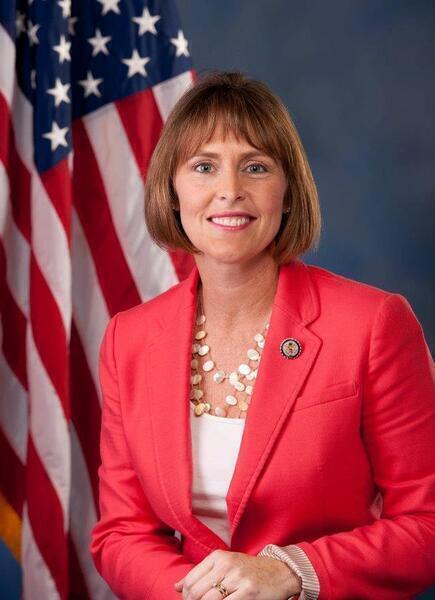
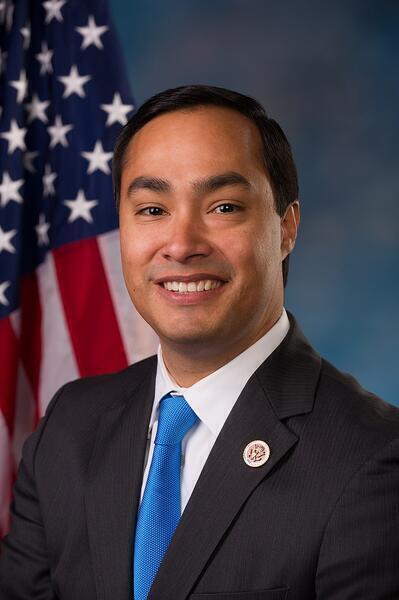

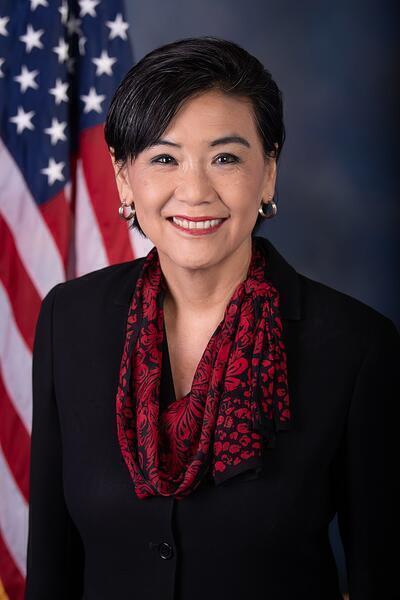
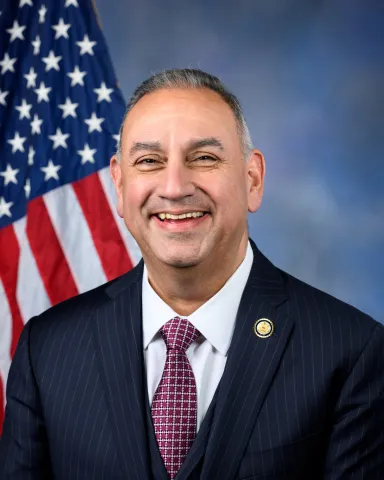

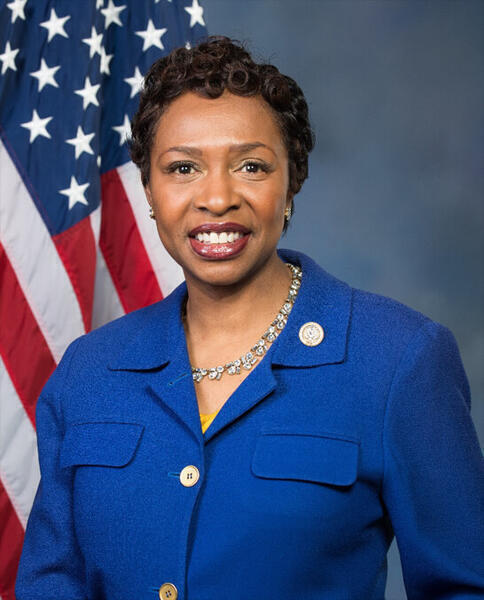
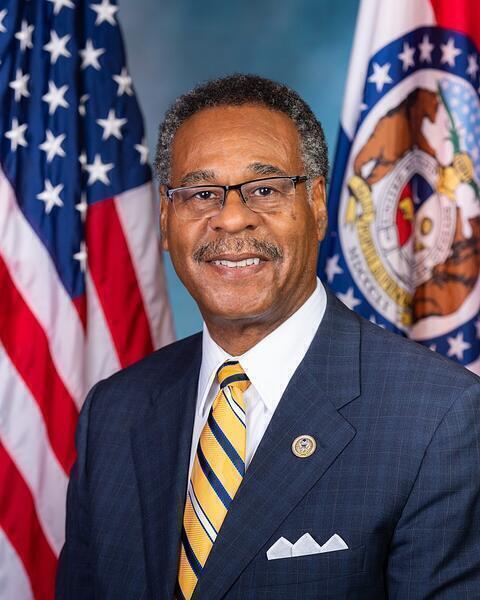
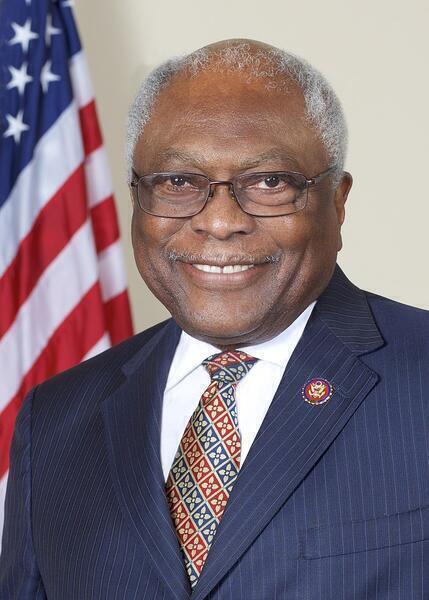

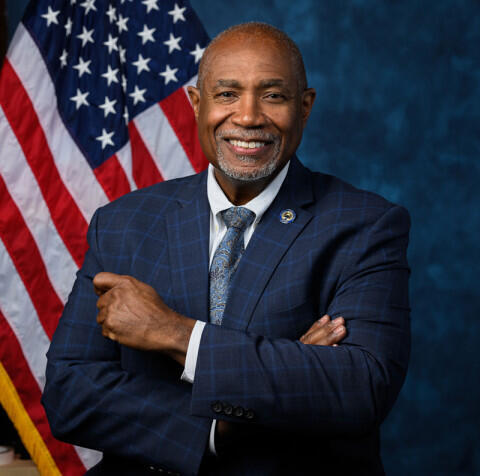
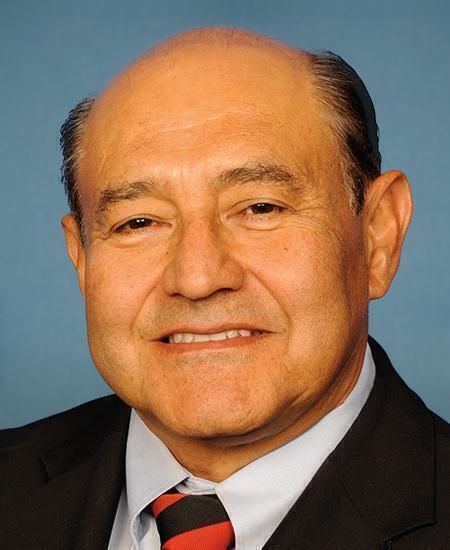
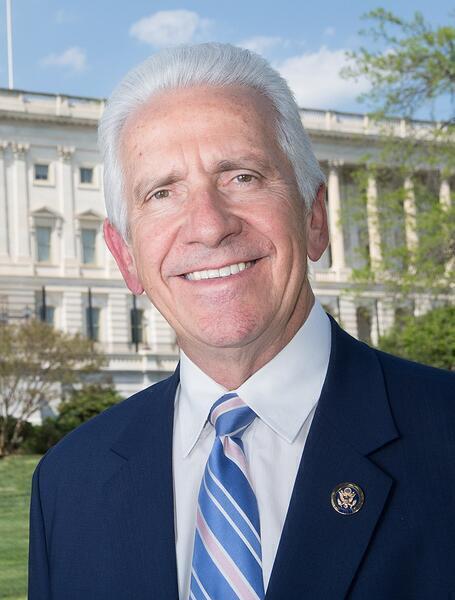
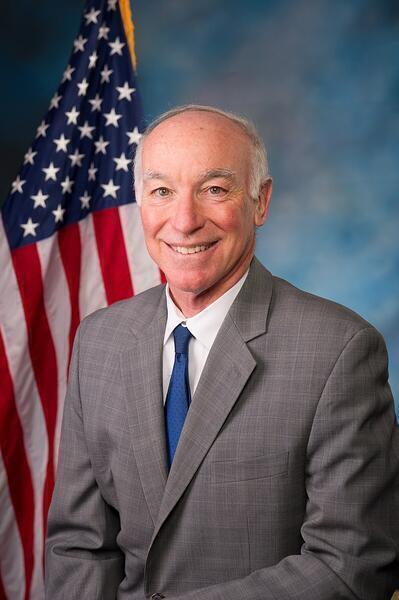

J
Jason Crow




L
Lloyd Doggett



J
John Garamendi

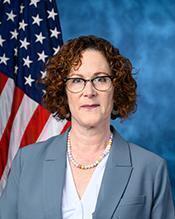
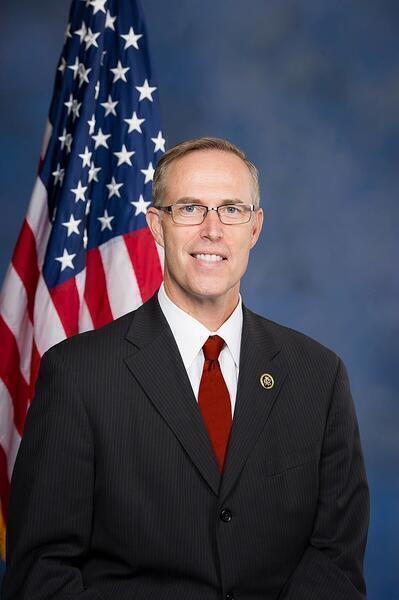

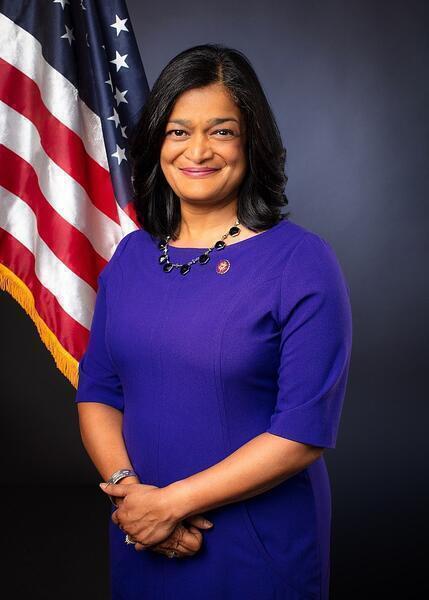
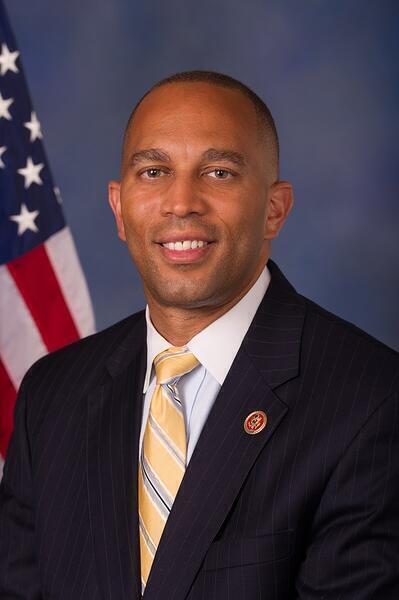
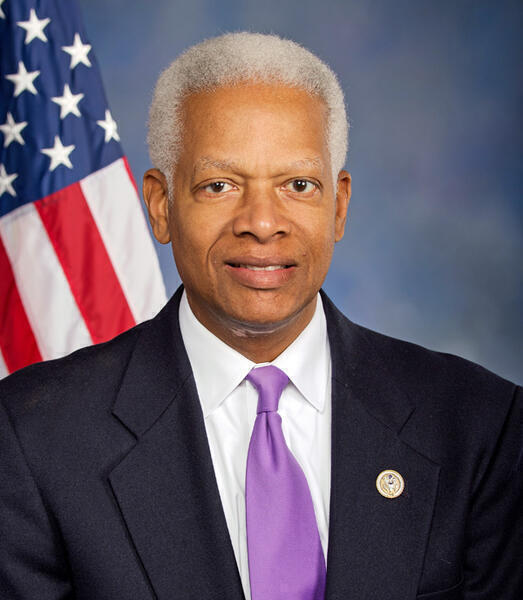



J
John Mannion
L
Lucy McBath




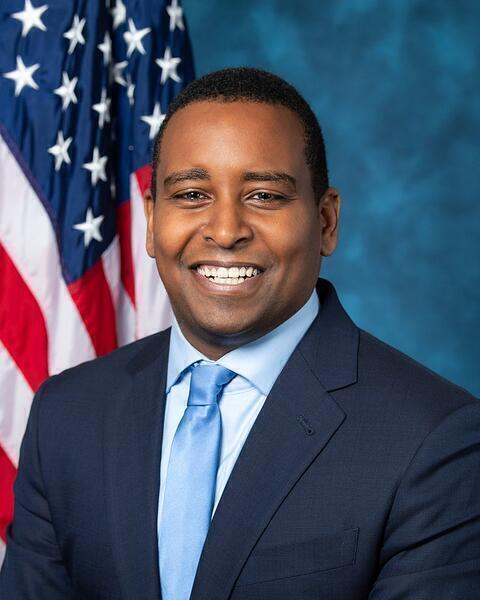
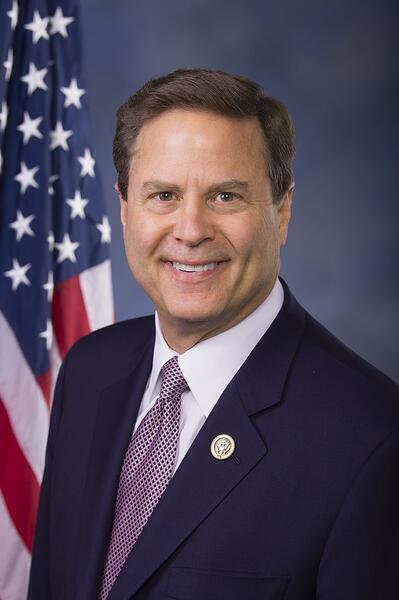

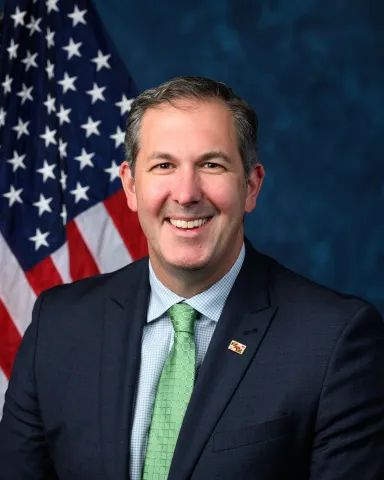

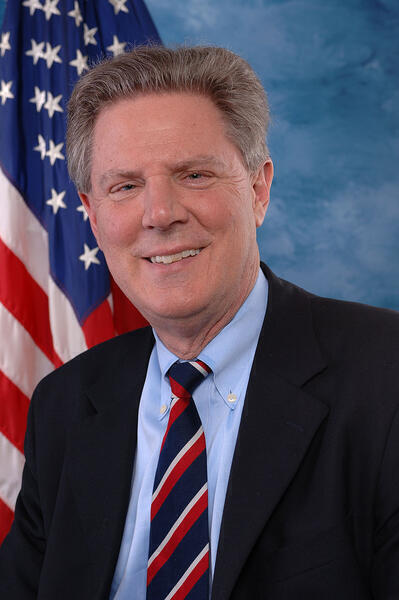








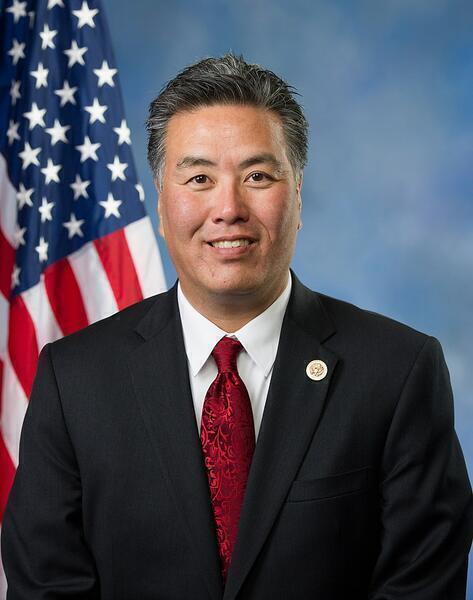
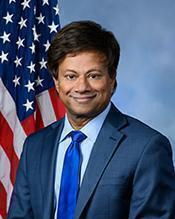
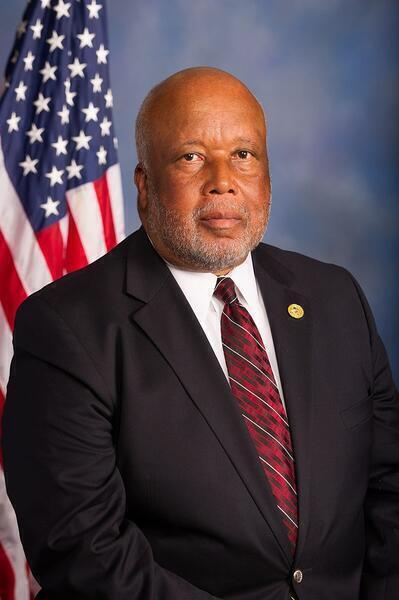
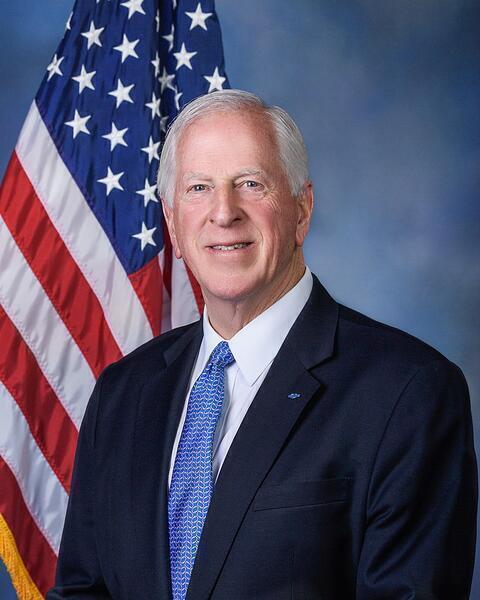
R
Rashida Tlaib

N
Nydia Velázquez
D
Debbie Wasserman Schultz
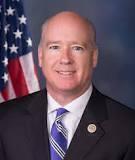
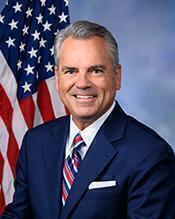
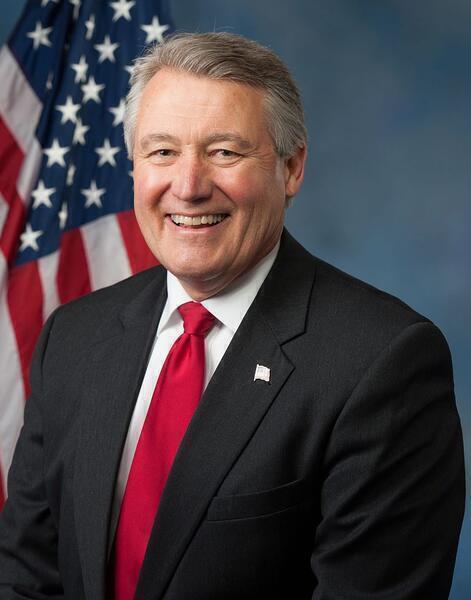
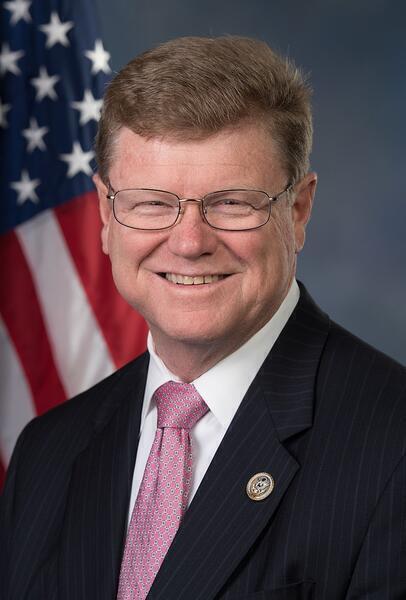
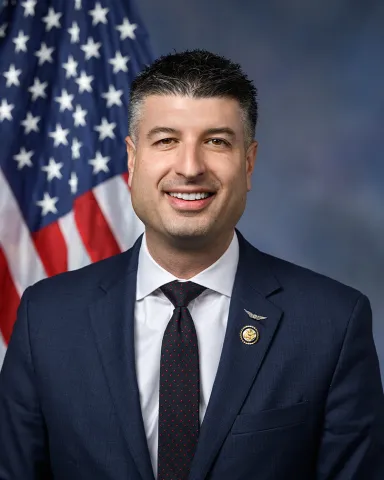
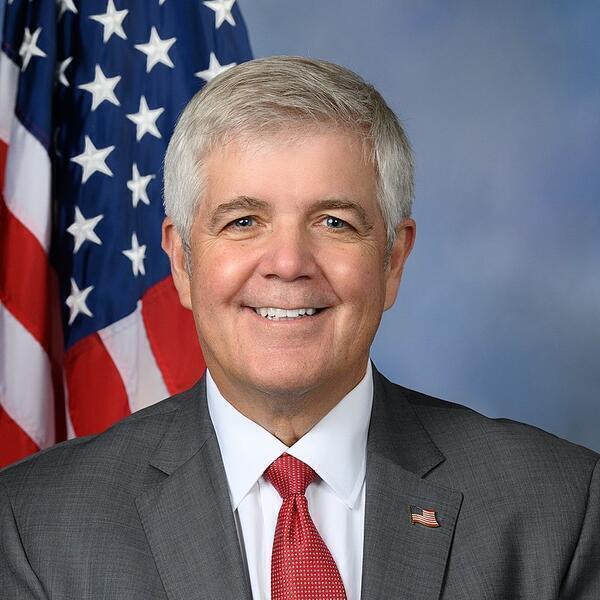
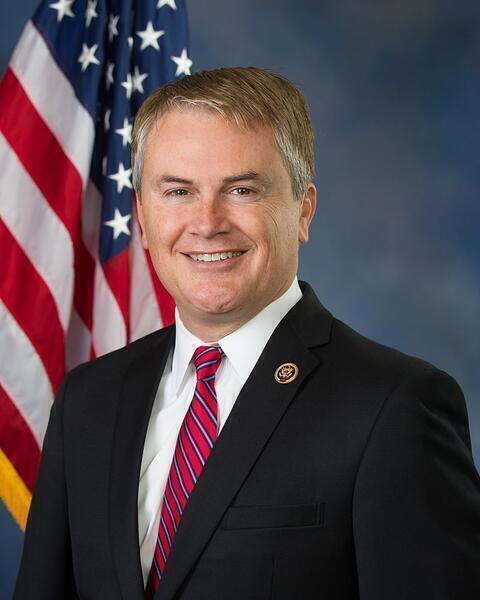
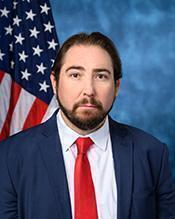
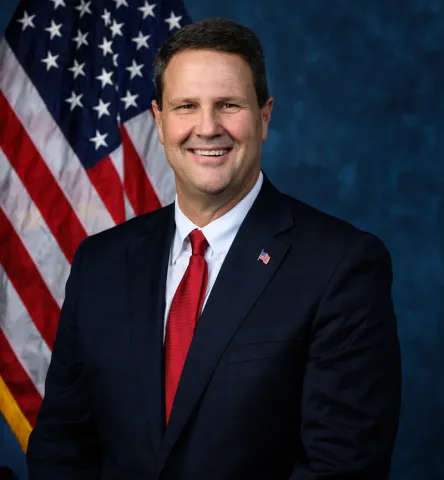
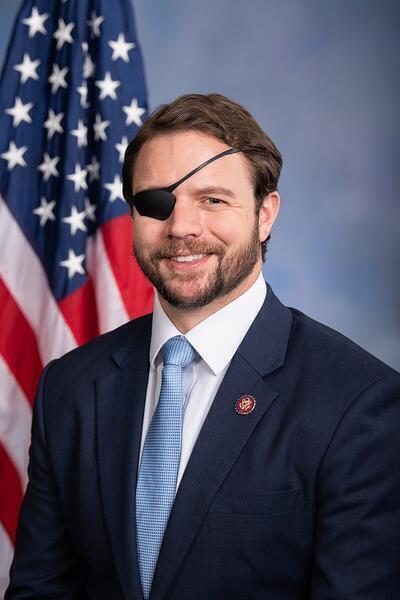
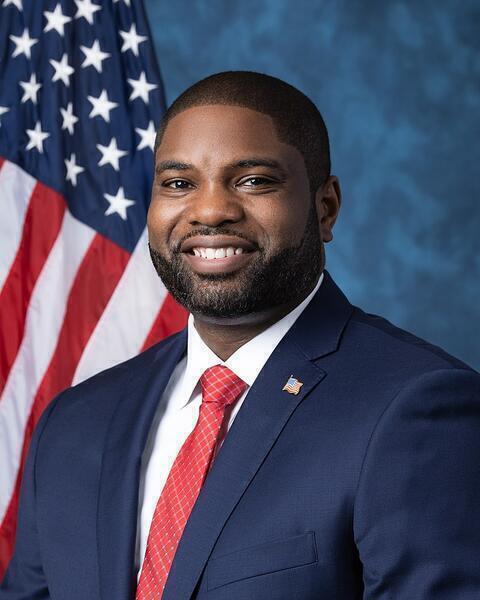
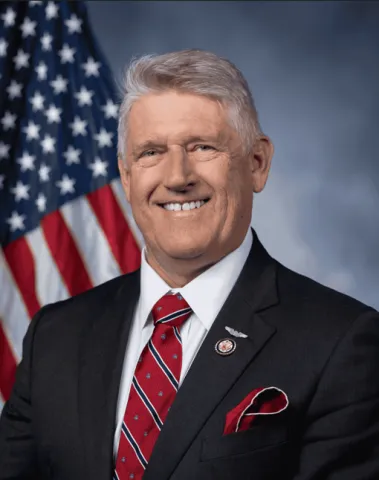
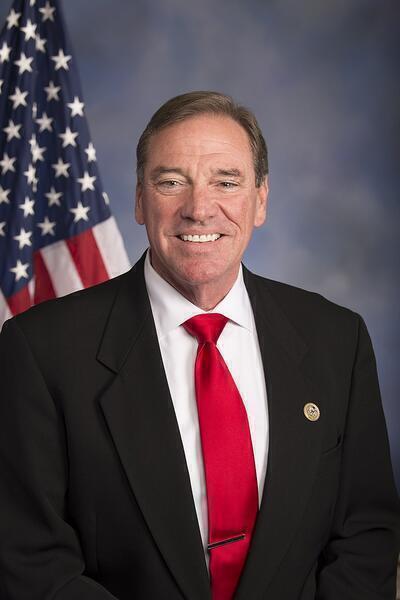
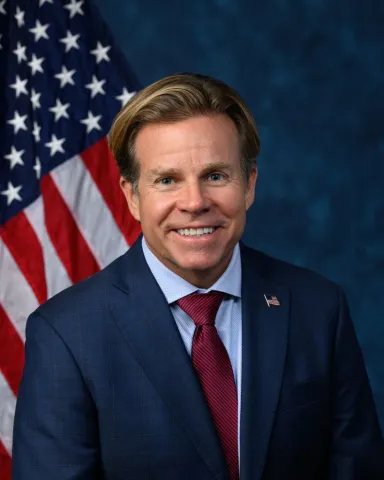
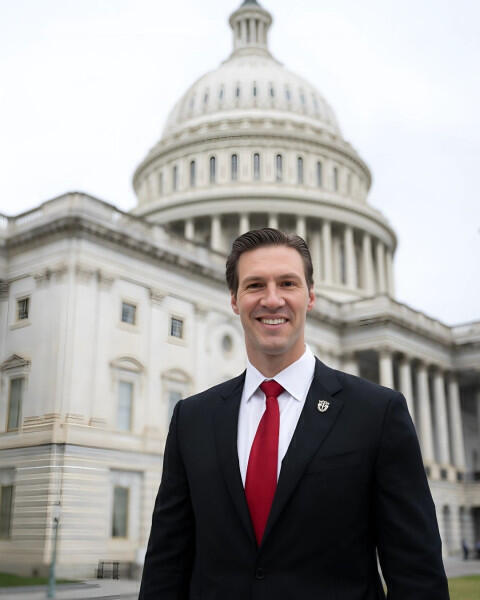
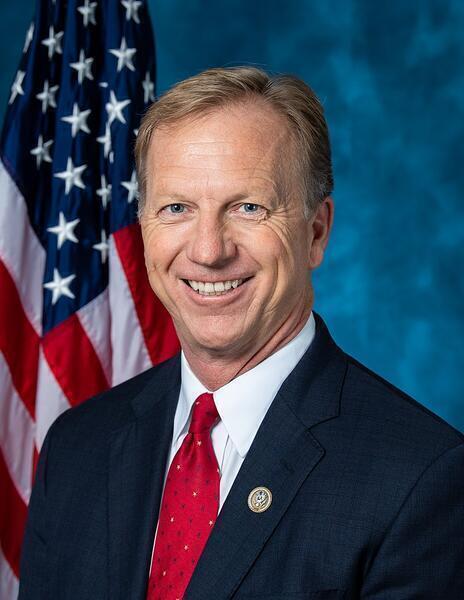
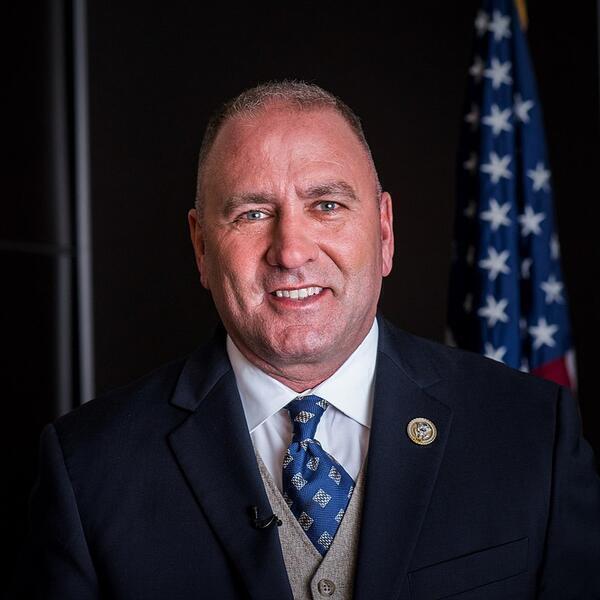
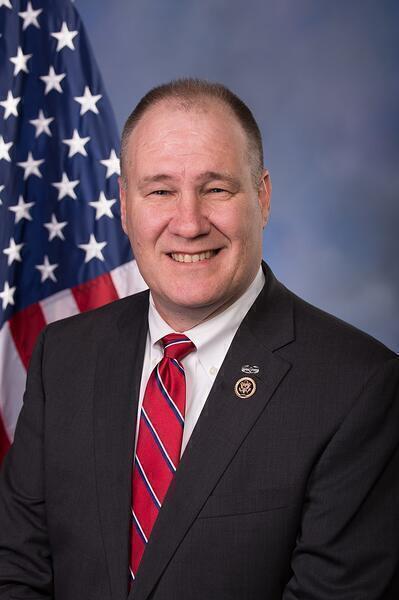
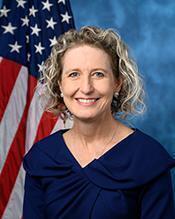
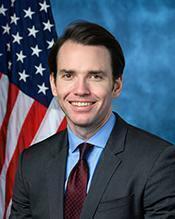
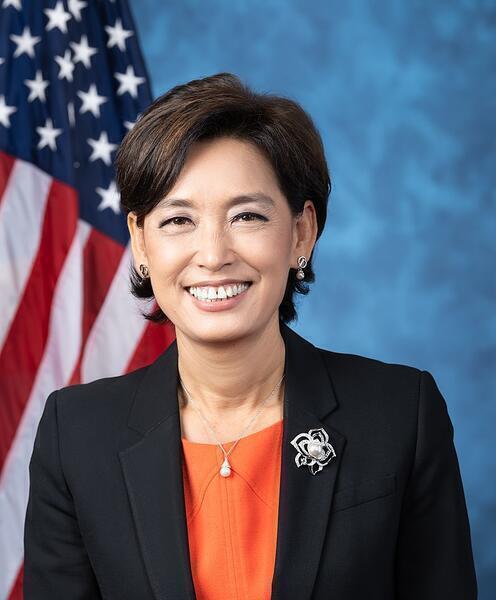
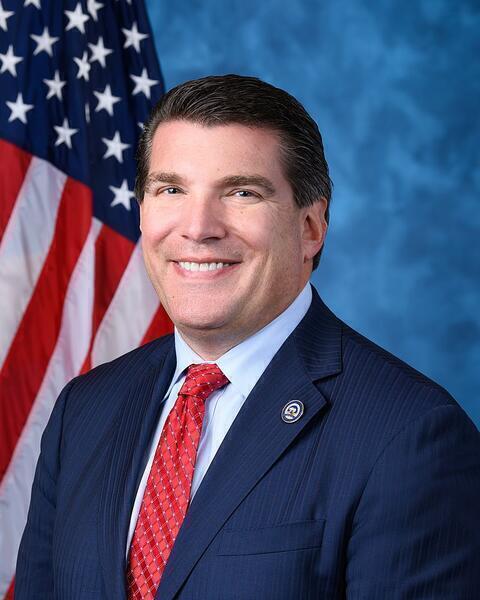
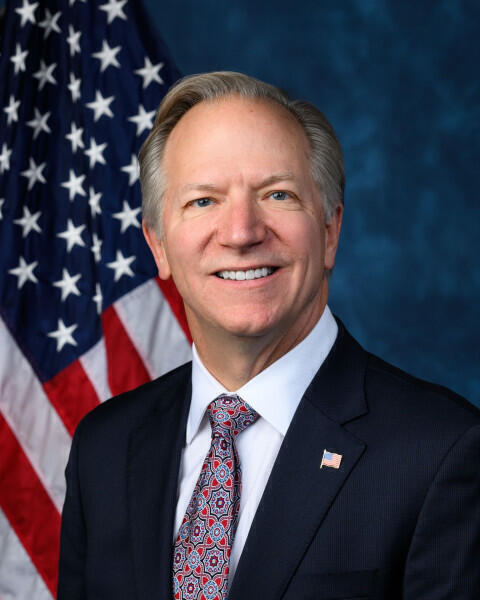
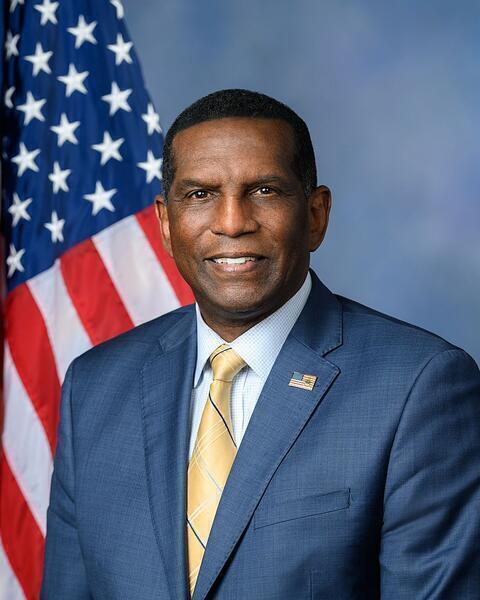
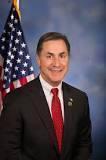
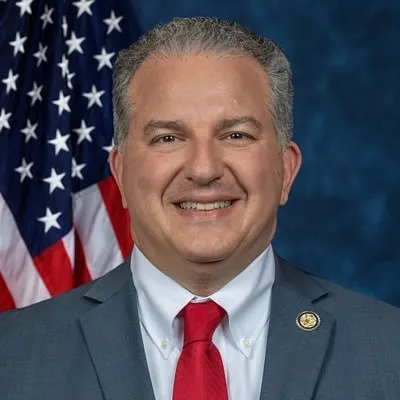
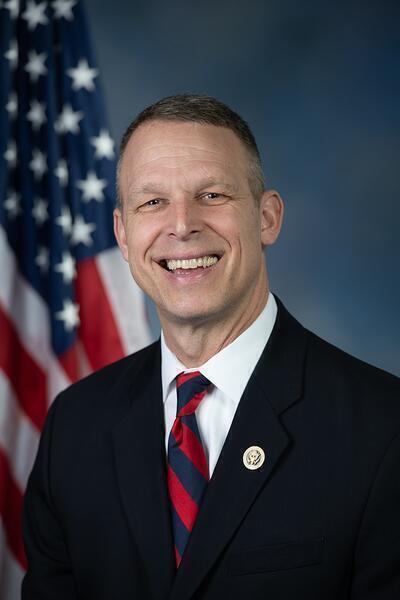
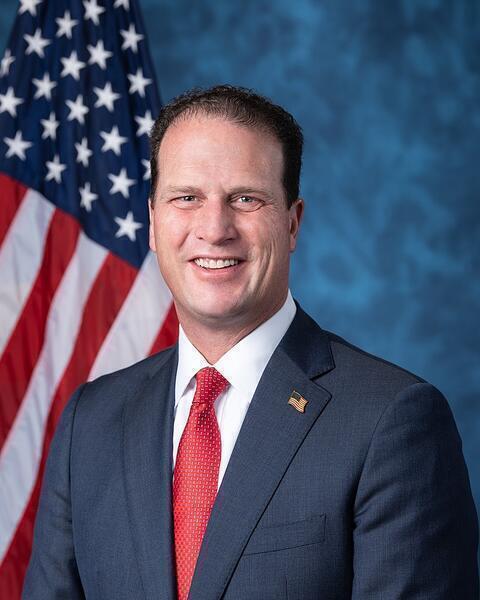
Nay (215)

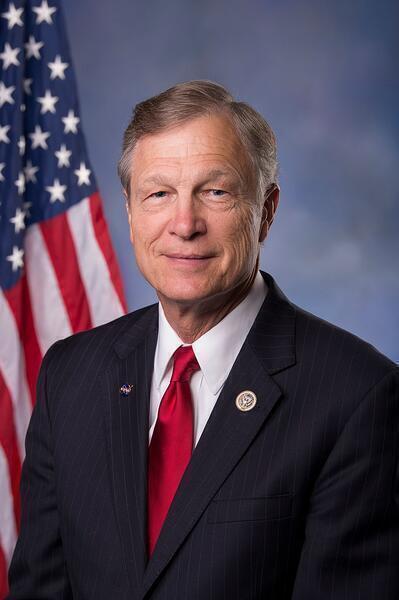
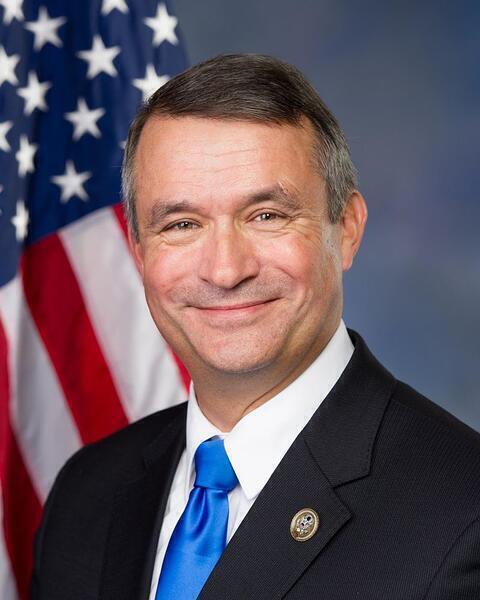
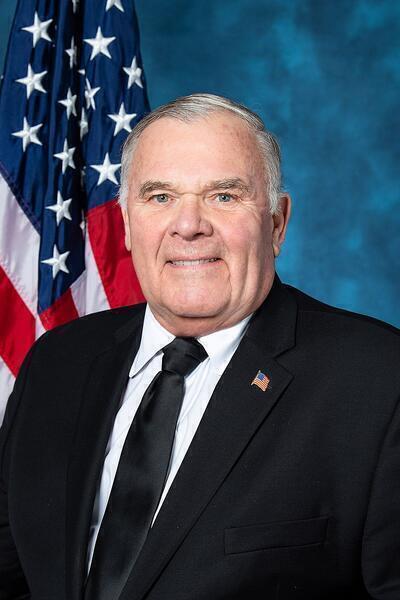

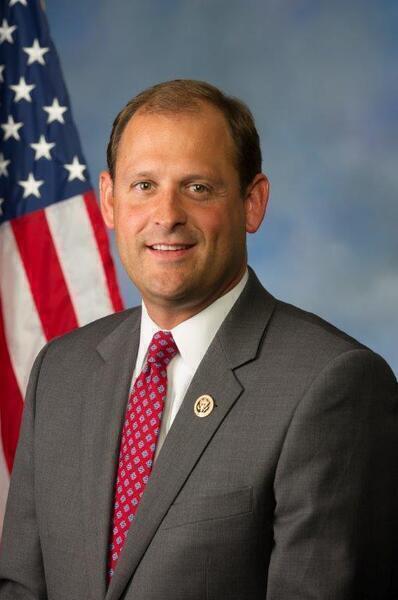

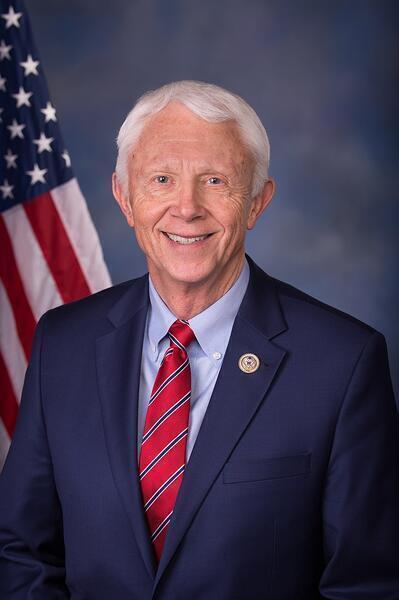
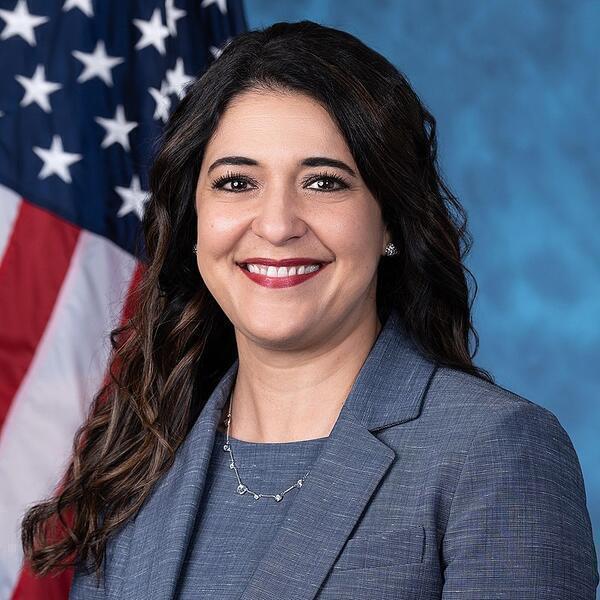
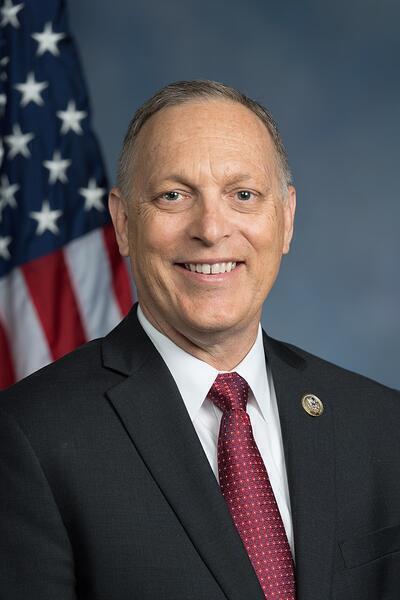
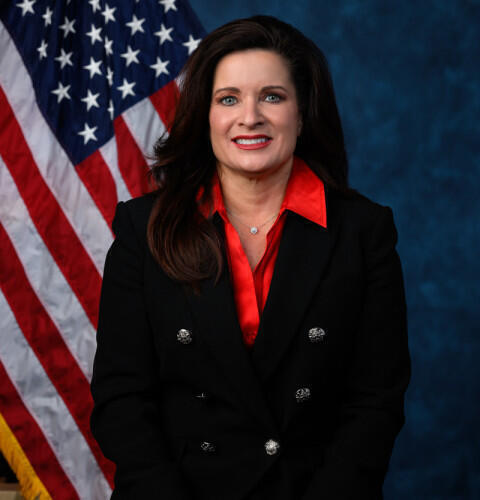

K
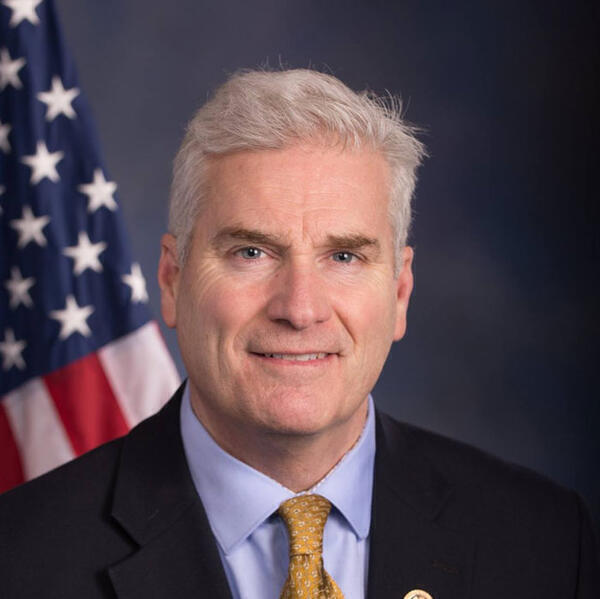
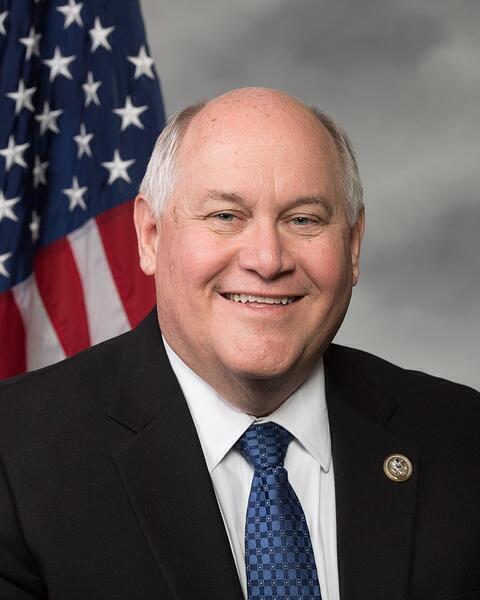
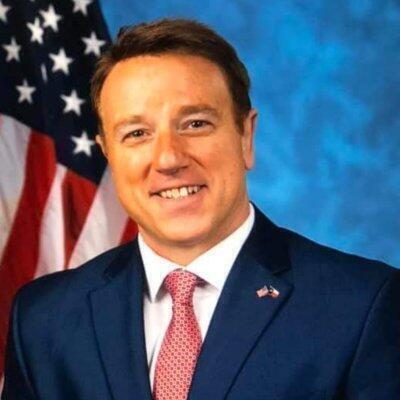
Ken Calvert







S
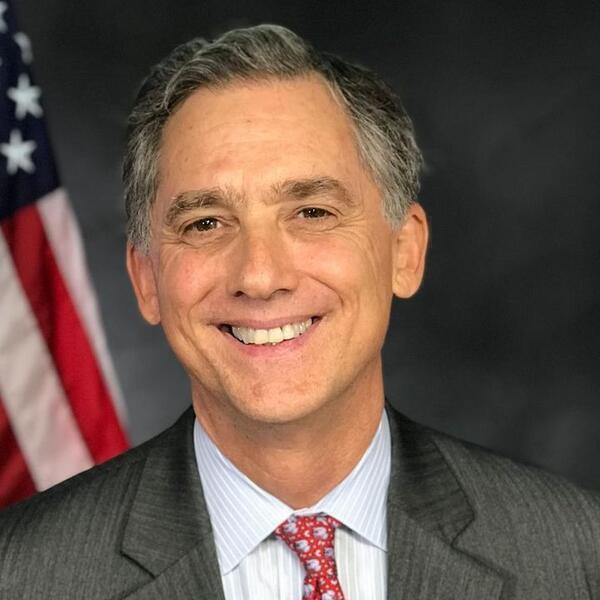
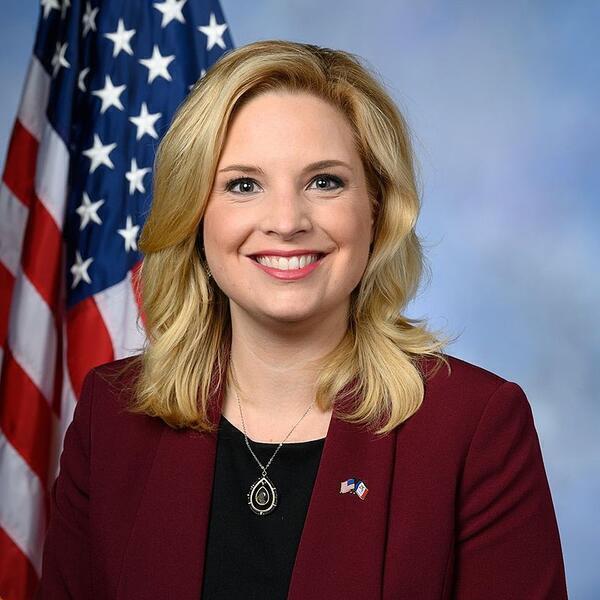
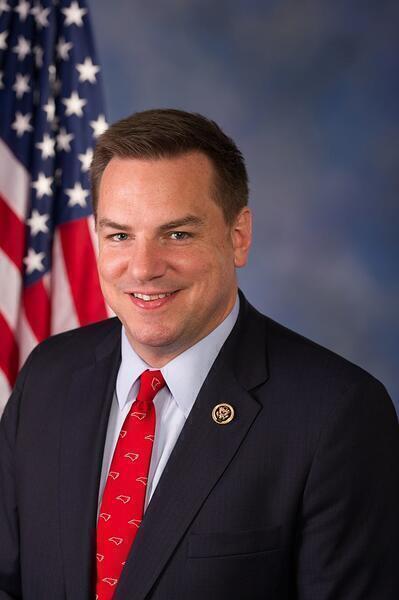
Scott Franklin











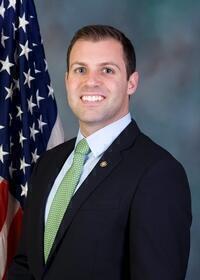
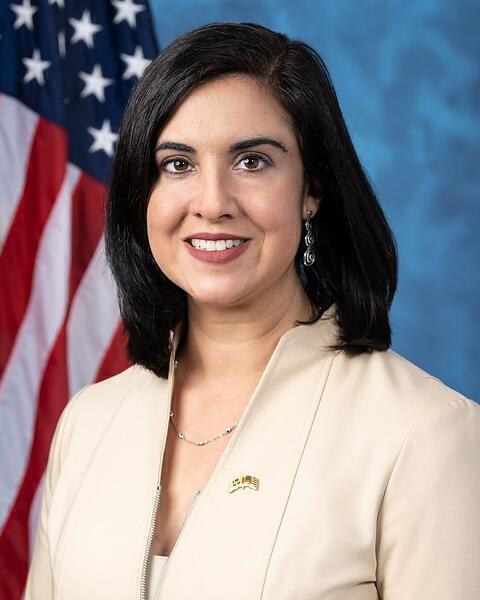
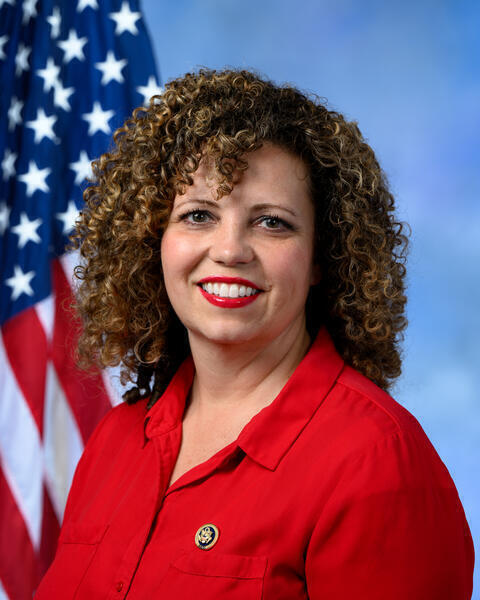
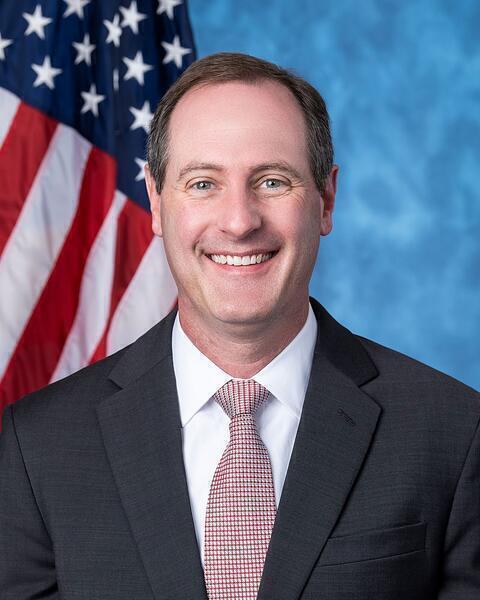
L
Lisa McClain






J
John Rutherford

D
David Schweikert
P
Pete Sessions