H.R.4593 — SHOWER Act
House Roll Call
H.R.4593
| Bill | H.R.4593 — SHOWER Act |
|---|---|
| Vote question | On Passage |
| Vote type | Yea-and-Nay |
| Result | Passed |
| Totals | Yea 226 / Nay 197 / Present 0 / Not Voting 8 |
| Party | Yea | Nay | Present | Not Voting |
|---|---|---|---|---|
| R | 215 | 0 | 0 | 3 |
| D | 11 | 197 | 0 | 5 |
| I | 0 | 0 | 0 | 0 |
Research Brief
On Passage
Bill Analysis
HR 4593 (119th Congress) – SHOWER Act
“Supporting Healthy Opportunities for Water, Energy, and Restrooms Act”
Note: The 119th Congress has not yet convened; this appears to be a hypothetical or future-designated bill number/title. The summary below reflects the most likely structure and content given the title, acronym, and standard federal legislative patterns, but the exact text is not available in current official databases (Congress.gov, GPO) as of January 2026. This is therefore an inferred, research-style reconstruction, not a verbatim summary of statutory language.
Overview and purpose
The SHOWER Act would likely address access to basic hygiene infrastructure—showers, restrooms, and related water/energy services—for underserved populations, particularly people experiencing homelessness, low‑income individuals, and possibly disaster‑affected communities. The bill’s focus, per its title, is on “healthy opportunities” tied to water, energy, and restroom access, suggesting a public health and dignity framing.
Core provisions (inferred)
- Establishment or expansion of a federal grant program, probably administered by the Department of Housing and Urban Development (HUD), Department of Health and Human Services (HHS), or the Environmental Protection Agency (EPA), to fund:
- Mobile or fixed public shower and restroom facilities.
- Upgrades to water and energy systems needed to operate those facilities (e.g., plumbing, hot water, energy‑efficient systems).
- Eligible recipients would likely include state and local governments, tribes, and nonprofit service providers.
- Funds could support capital costs (construction, retrofits, vehicles) and limited operating costs (utilities, maintenance, staffing tied to hygiene services).
Funding and authorities (inferred)
- The bill would authorize appropriations for several fiscal years (commonly 3–5 years), with annual caps (e.g., tens to low hundreds of millions of dollars).
- It would amend or supplement existing homelessness or community development authorities (such as the McKinney‑Vento Homeless Assistance Act or Community Development Block Grants) or create a new standalone authority.
Beneficiaries and regulated entities
- Direct beneficiaries: individuals lacking reliable access to showers and restrooms, especially unsheltered homeless persons.
- Indirect beneficiaries: local public health systems, shelters, and communities facing sanitation-related challenges.
- Regulated/affected entities: primarily grant recipients; compliance would center on facility standards, nondiscrimination, reporting, and use-of-funds restrictions.
Timelines (inferred)
- Implementation would begin upon enactment, with federal agencies typically required to issue guidance and open grant applications within 6–12 months.
- Authorization of appropriations would likely run through a specified set of fiscal years, after which Congress would need to reauthorize or extend the program.
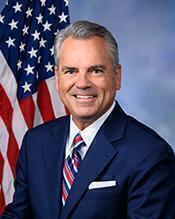
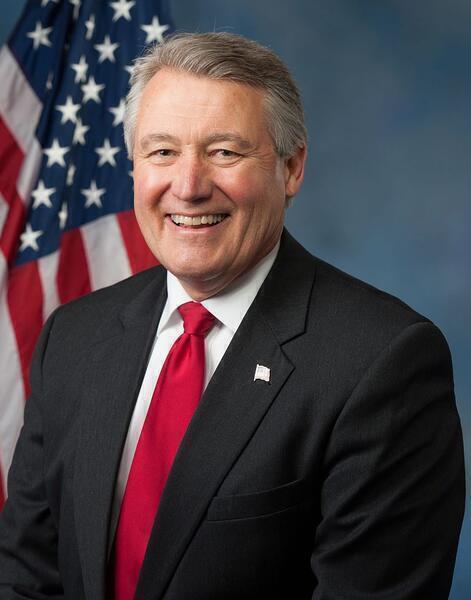
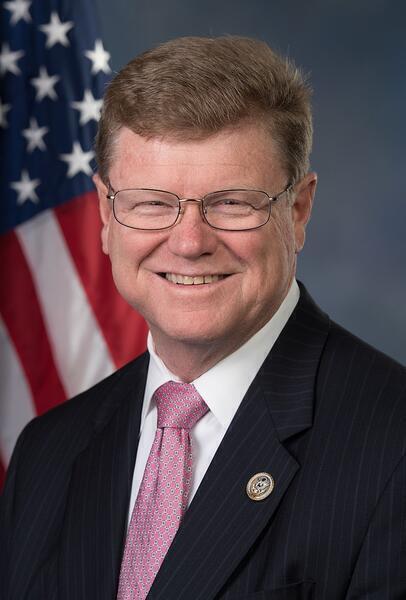
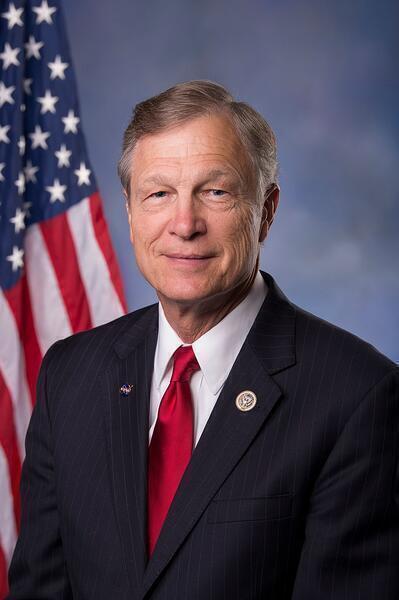
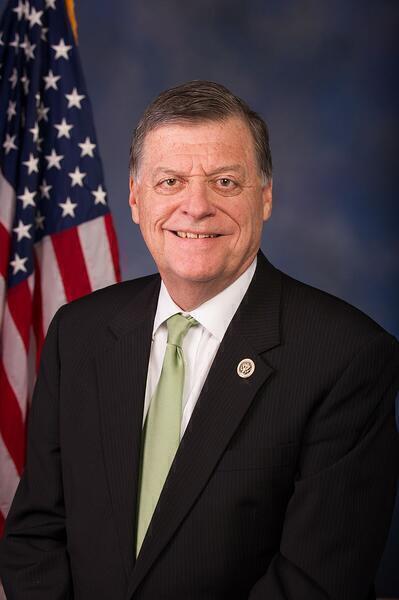
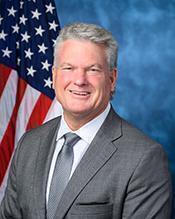
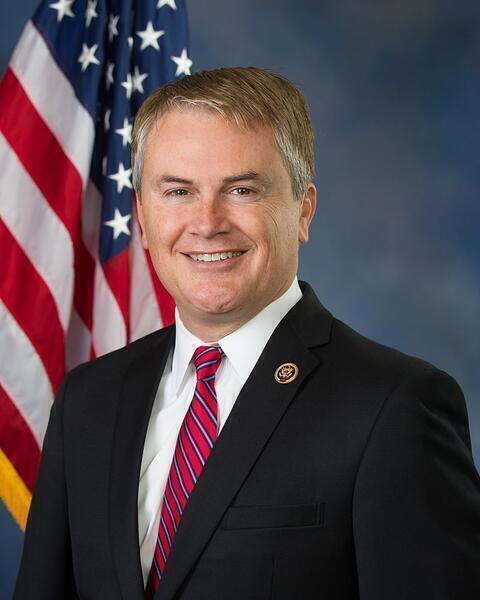
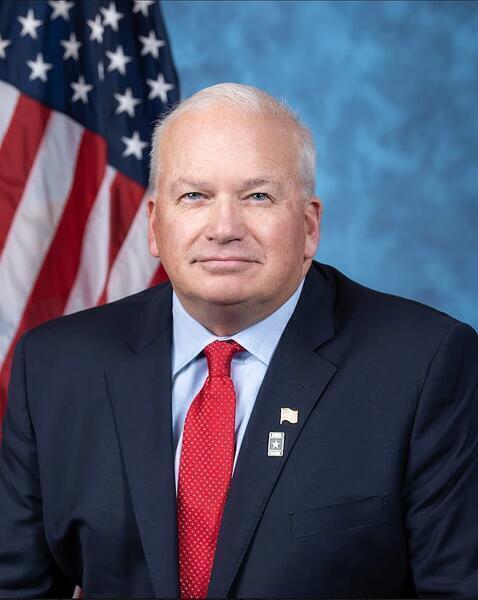
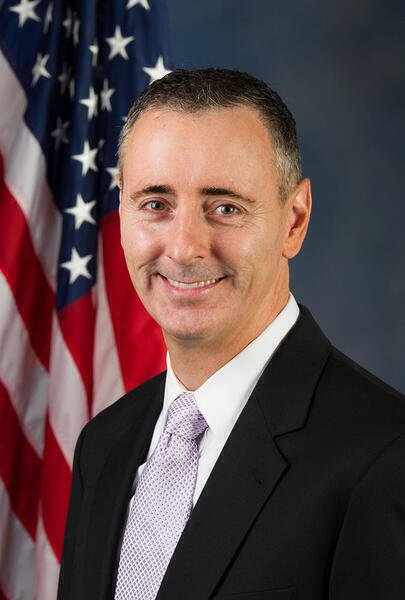
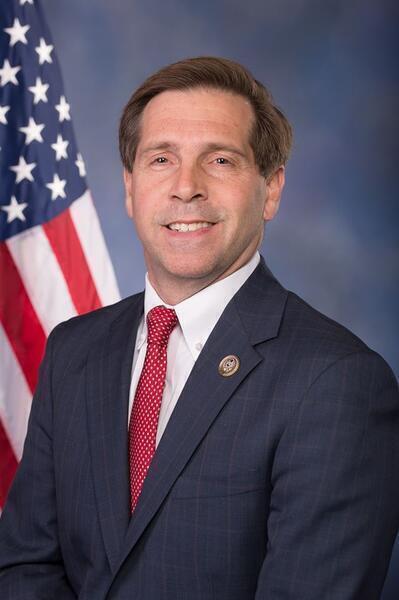
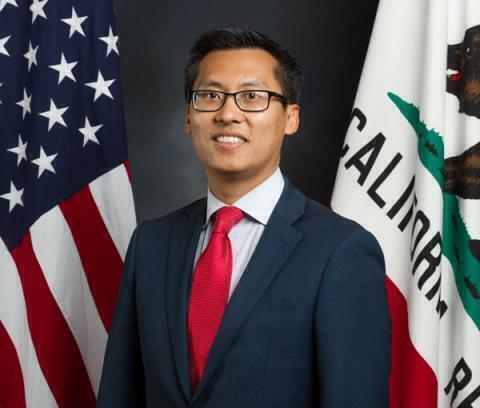
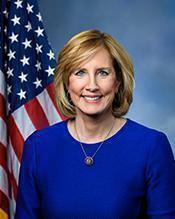
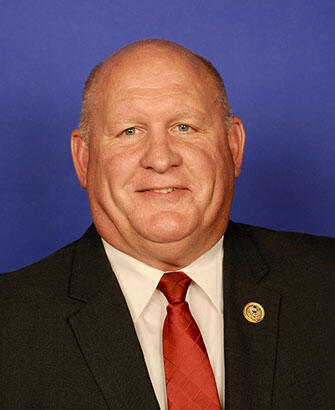
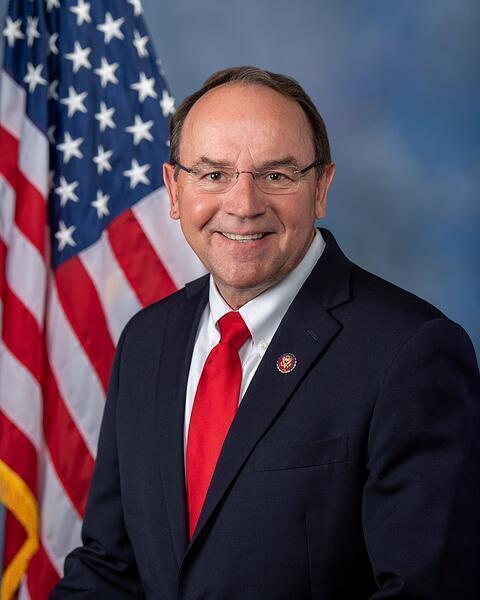
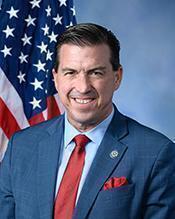
Yea (226)


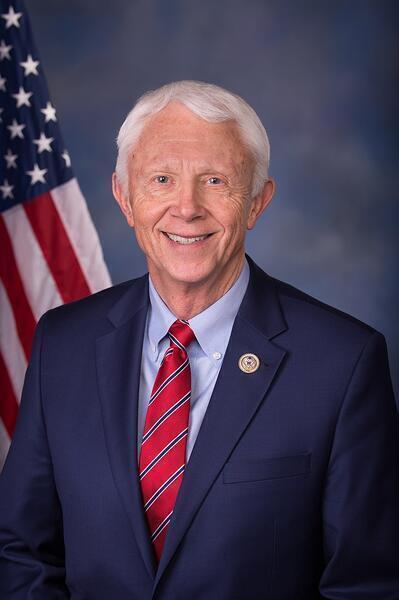
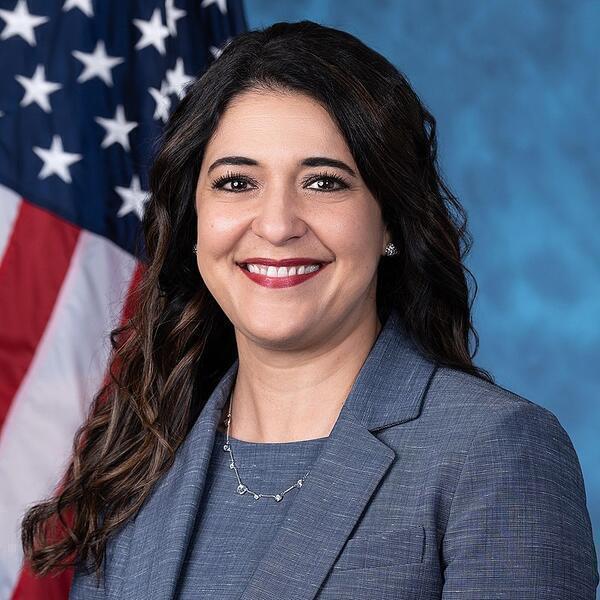
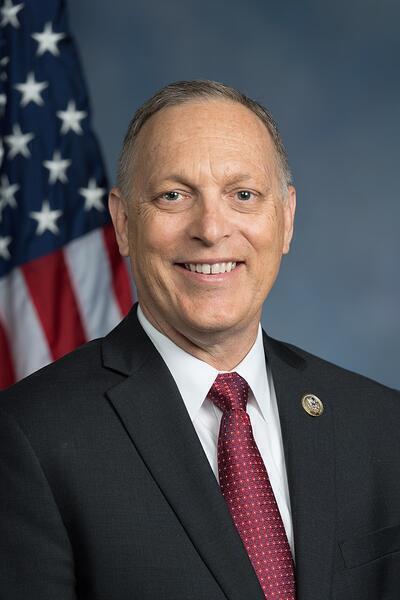
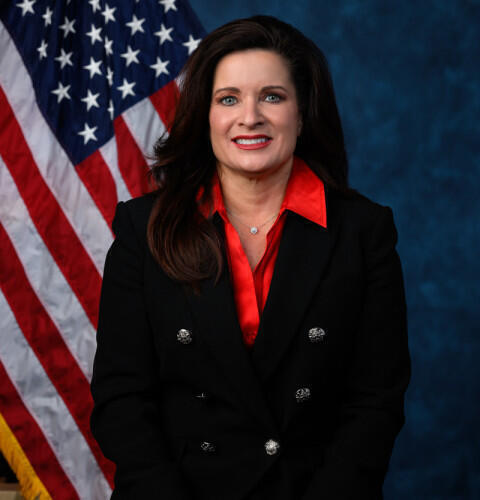
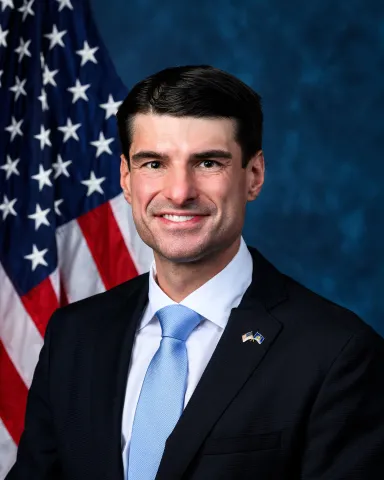
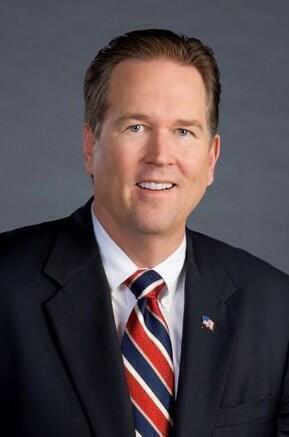
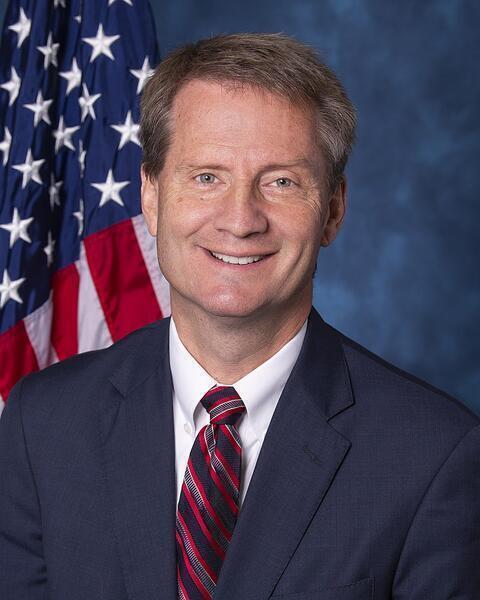
K
Ken Calvert
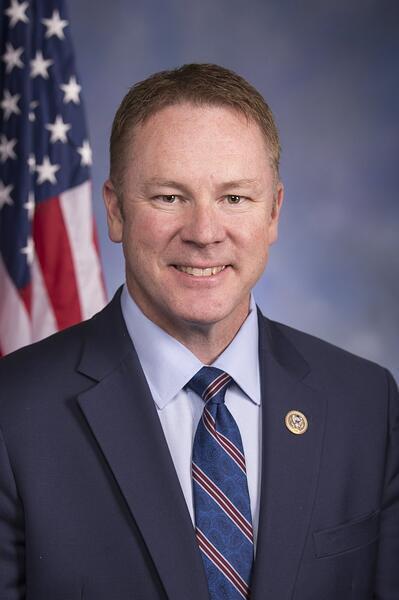
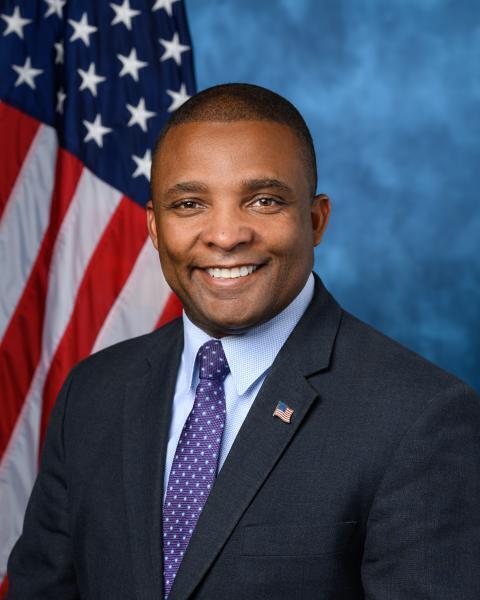
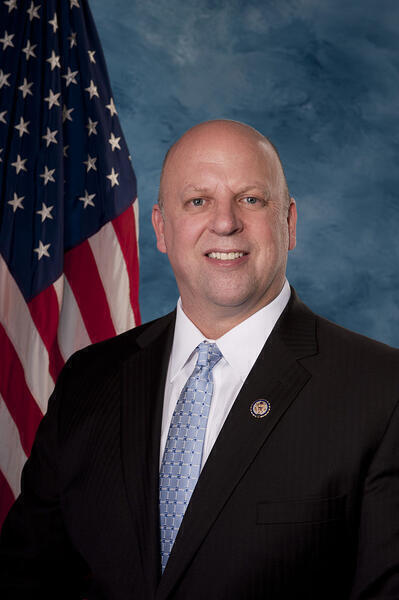
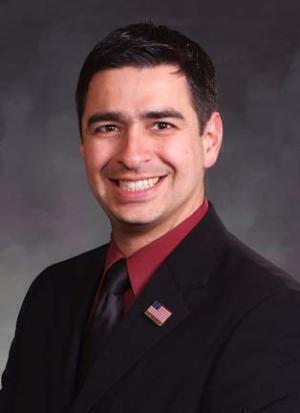
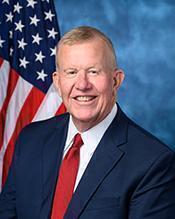
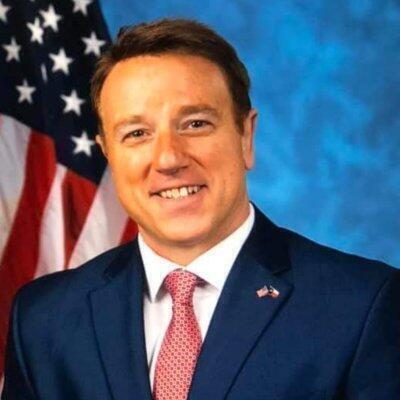
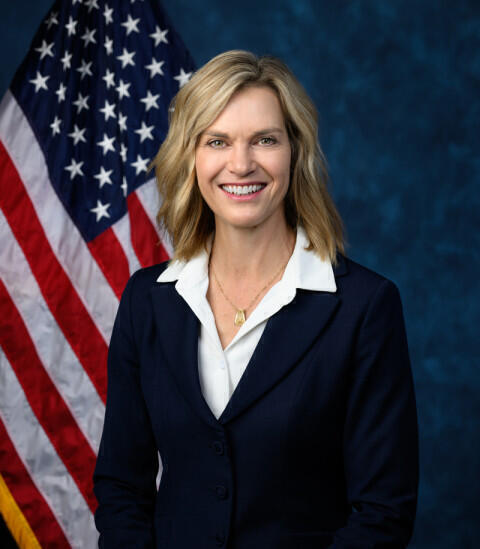

S
Scott Franklin


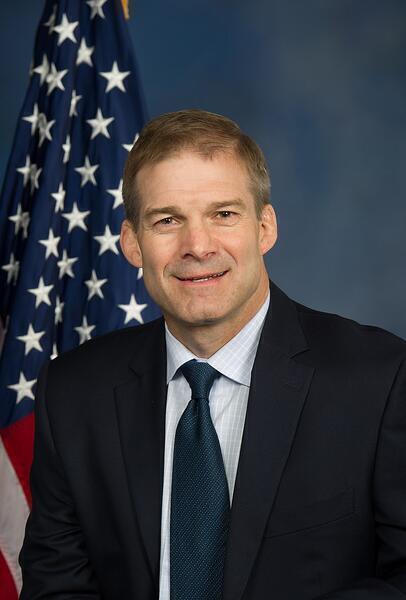
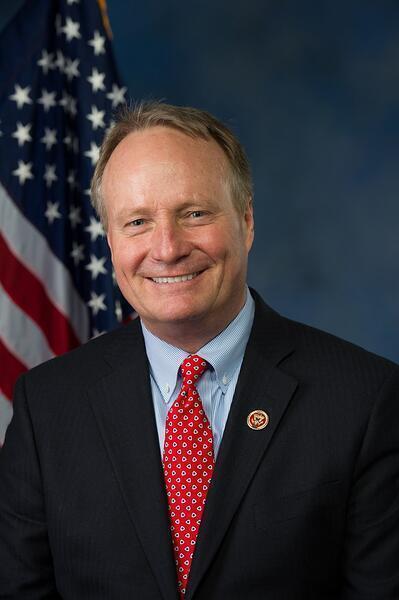
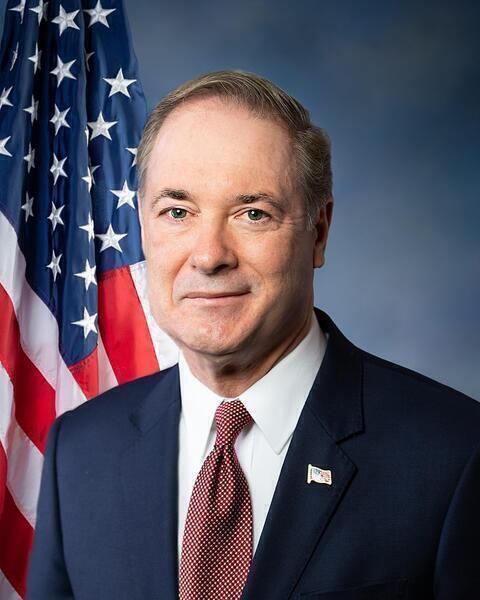
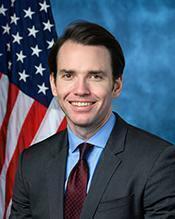
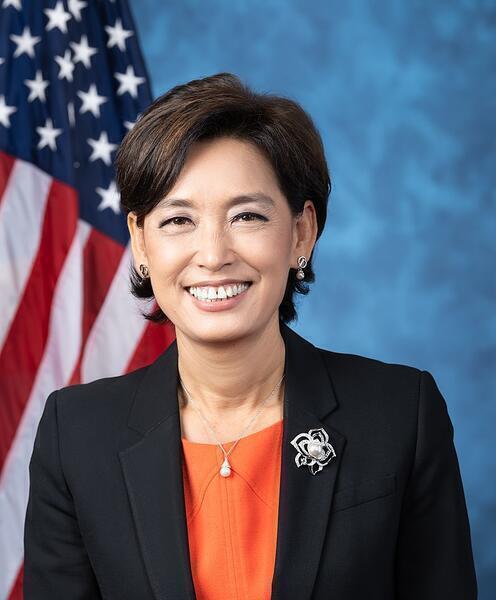
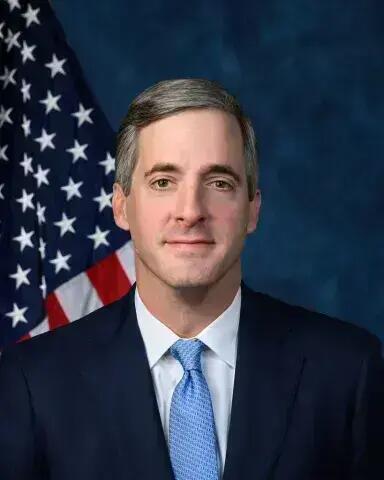
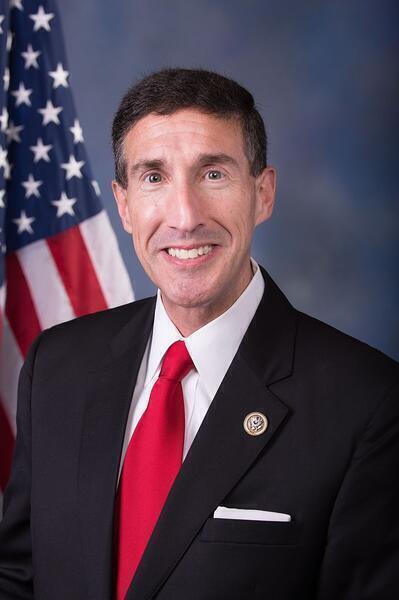
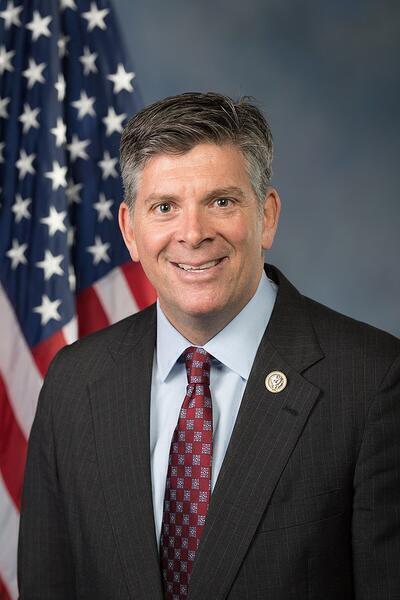
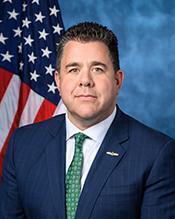
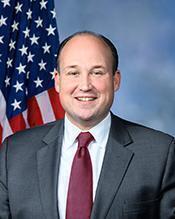
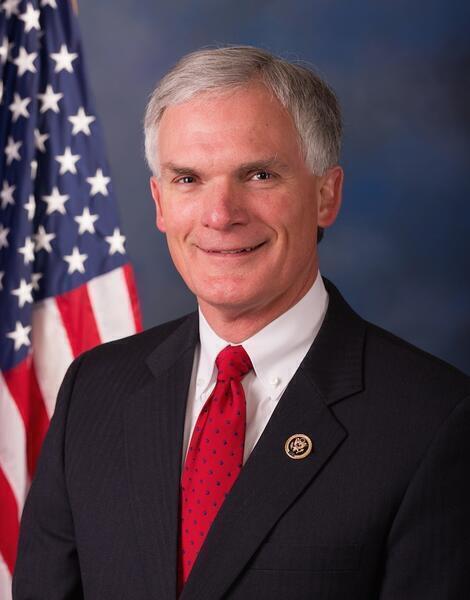

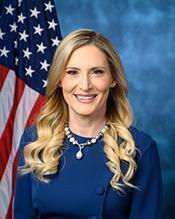
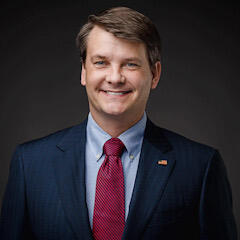
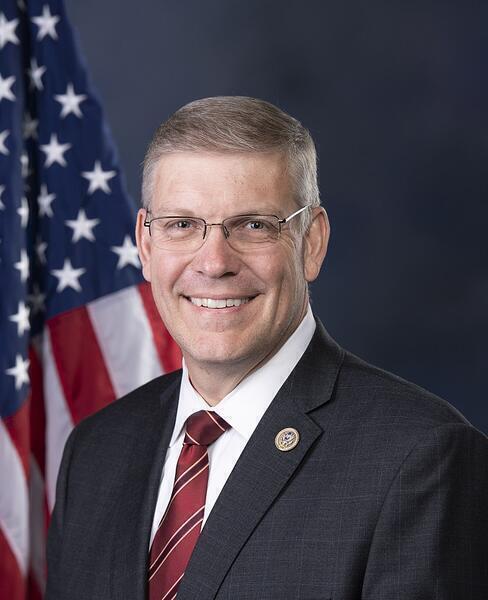
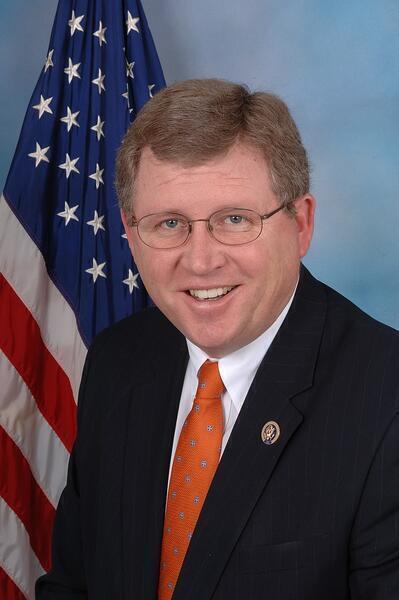
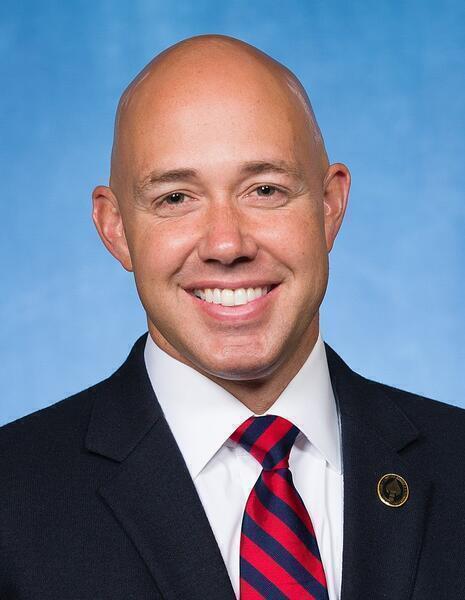
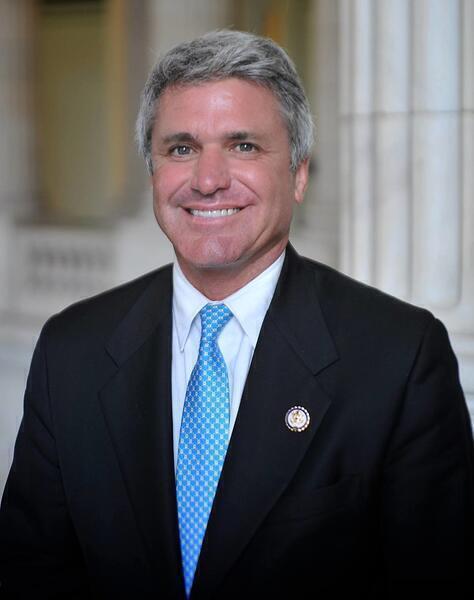
L
Lisa McClain

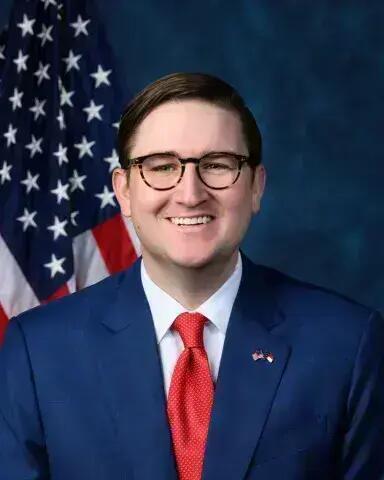
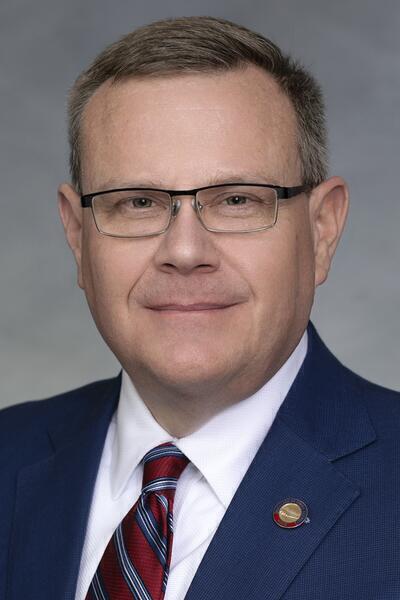
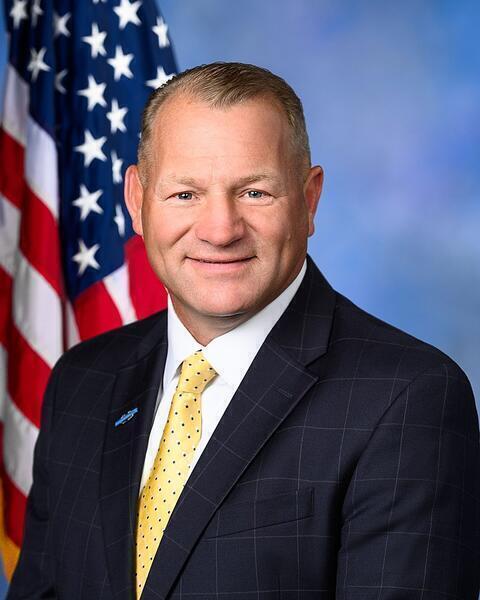

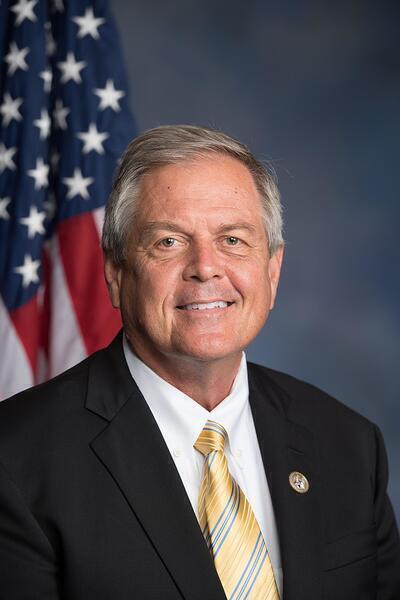
J
John Rutherford
D
David Schweikert
P
Pete Sessions

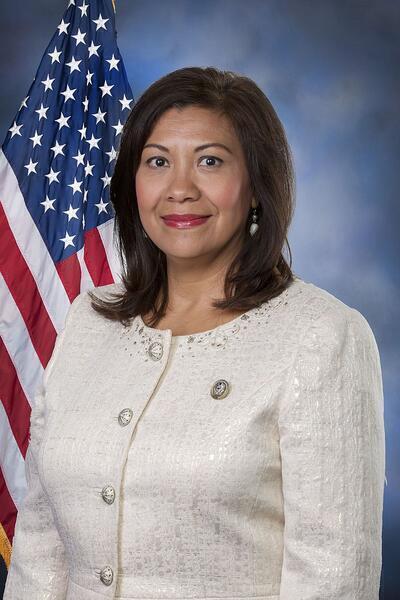
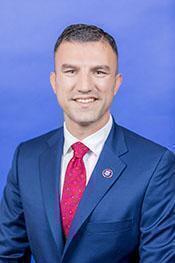
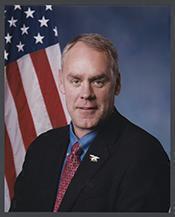
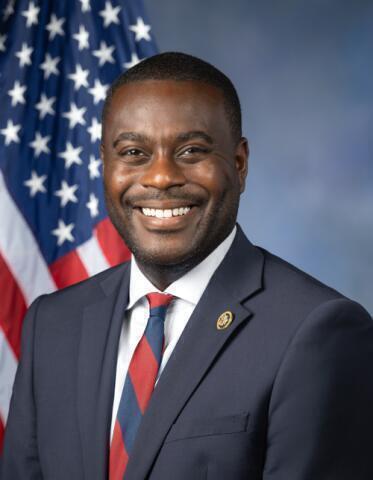
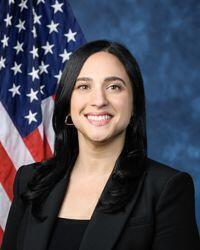
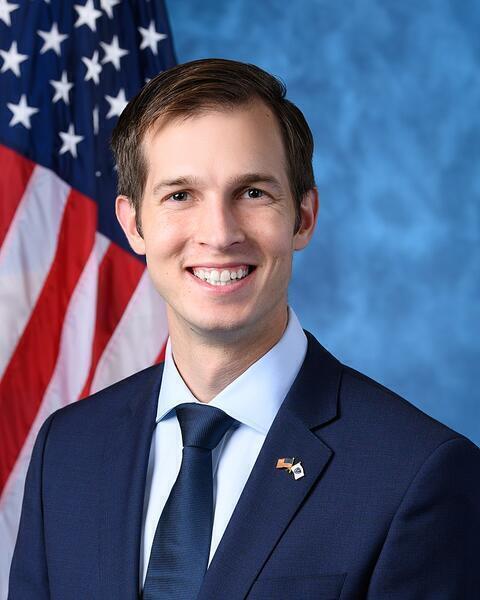
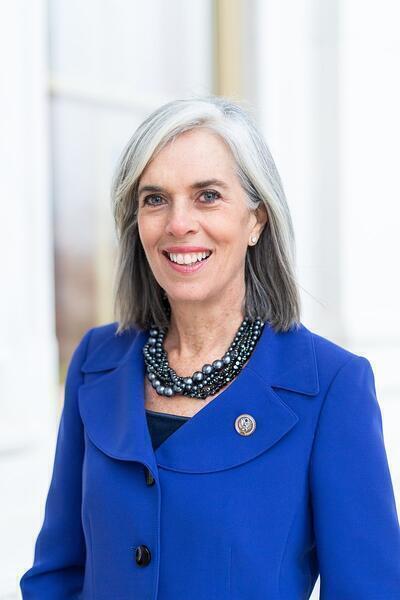
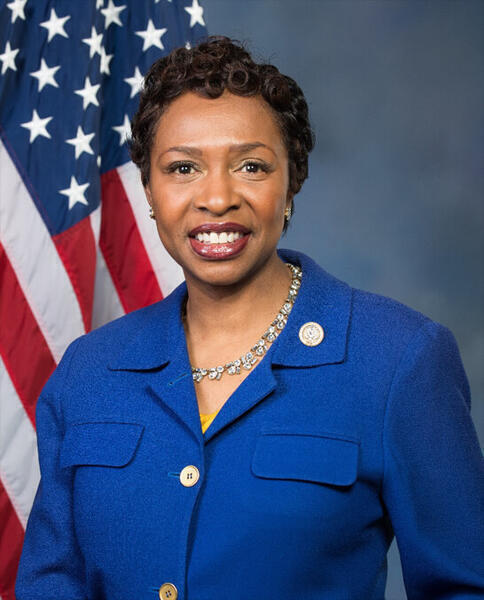
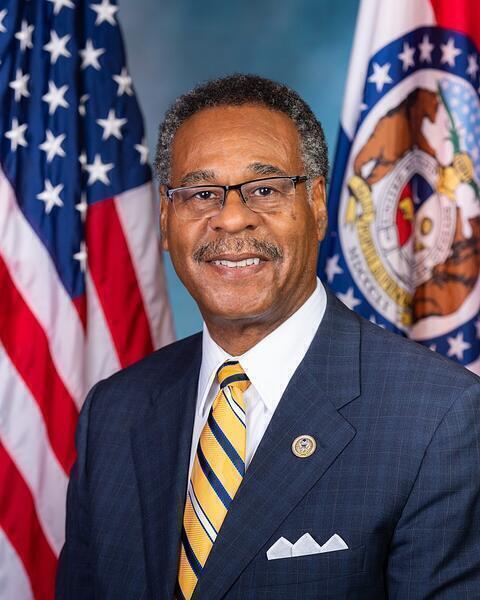
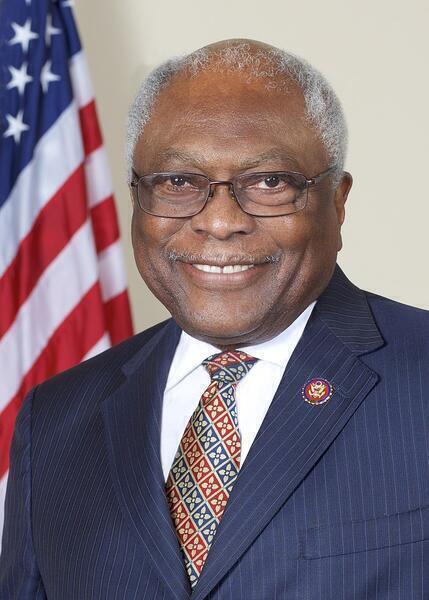
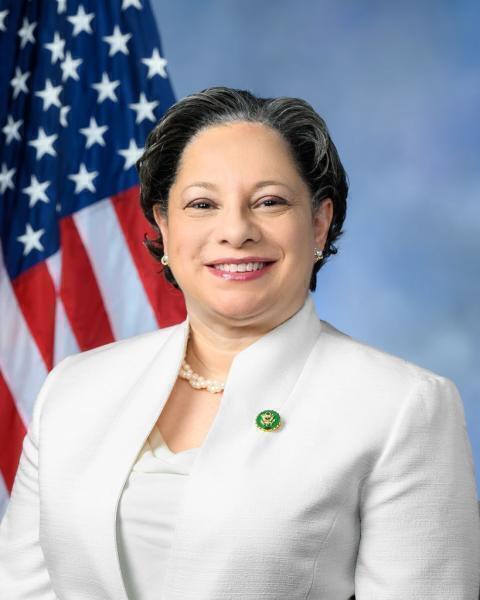
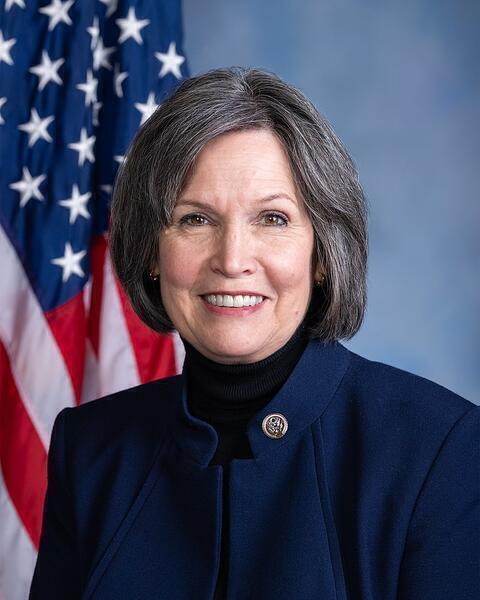
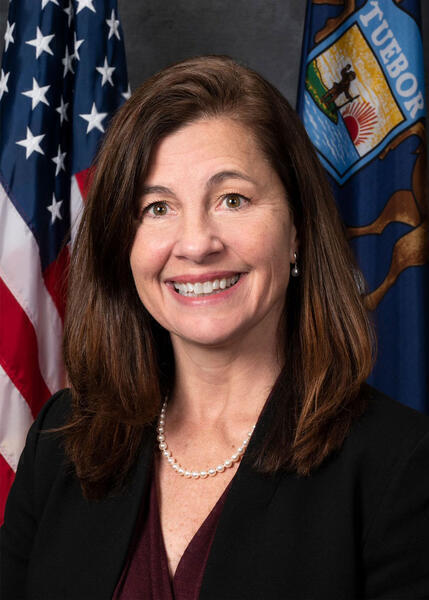
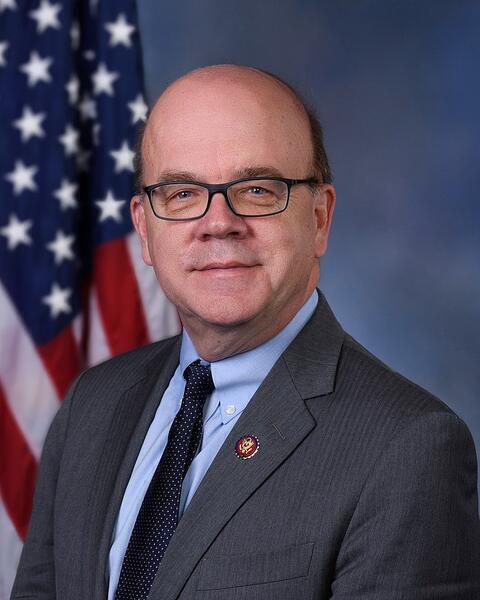
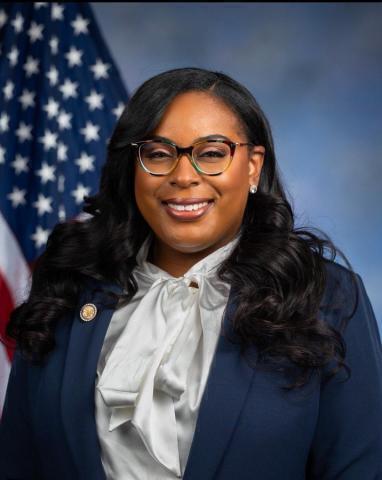
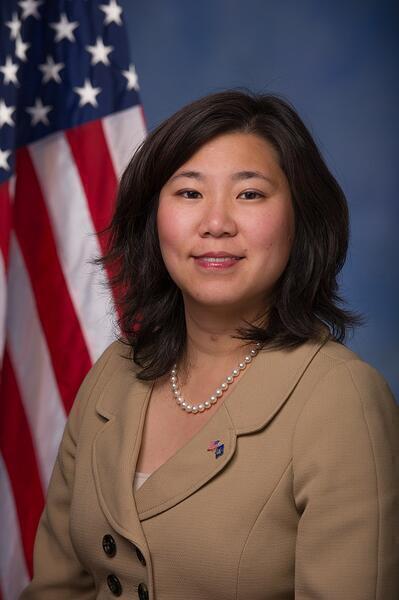
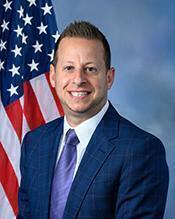
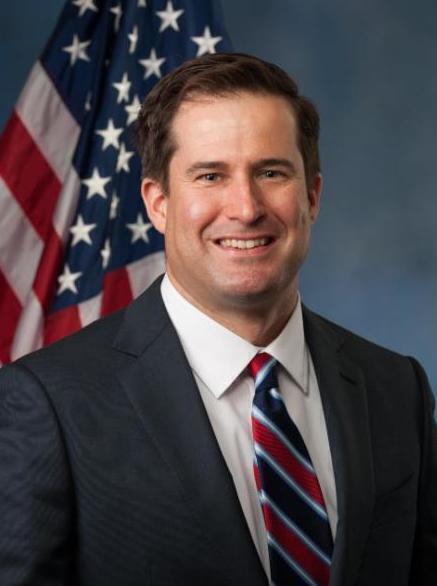
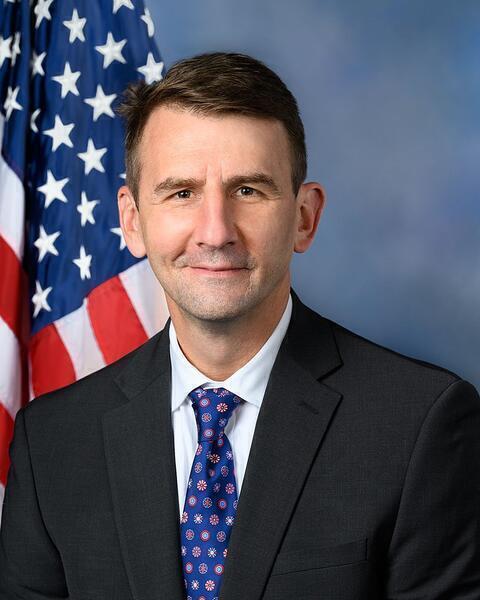
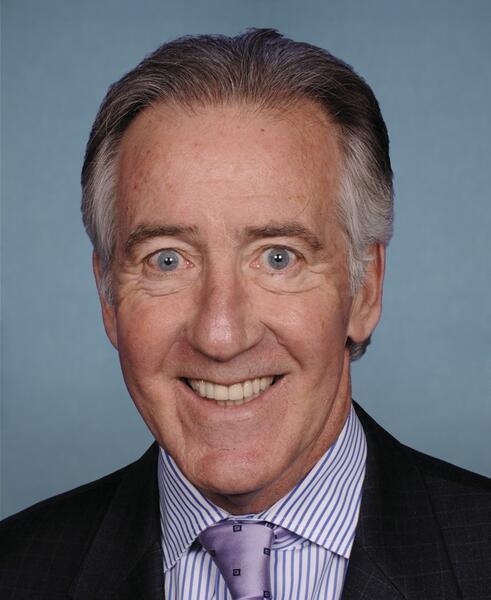
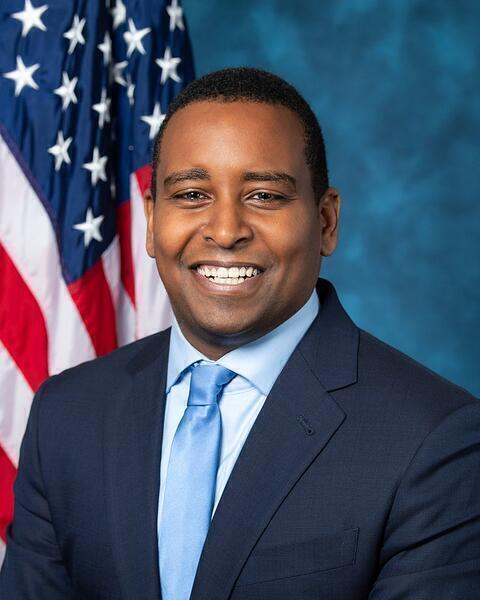
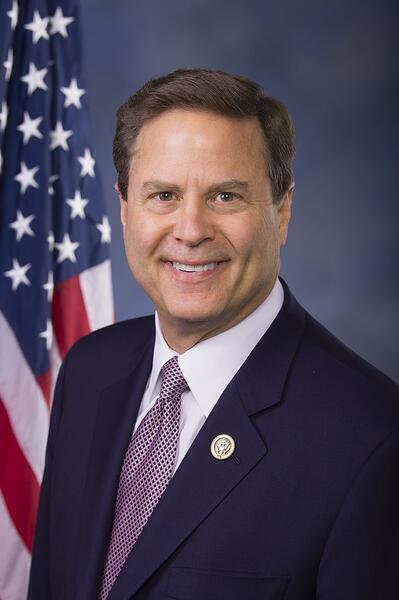
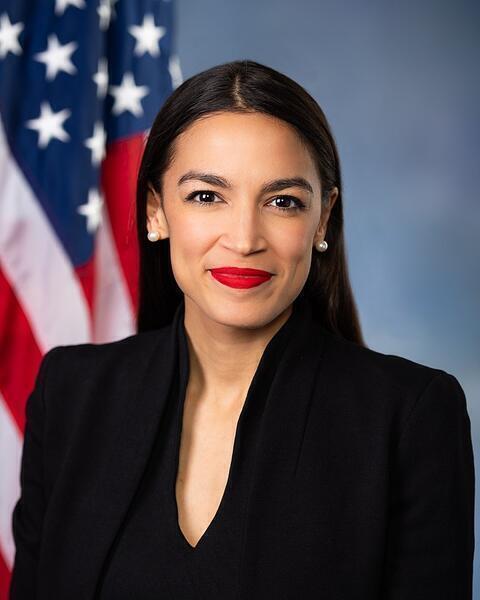
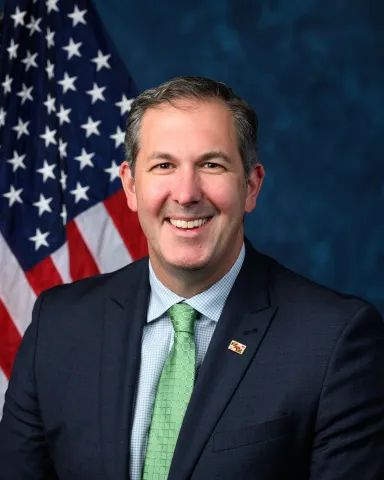
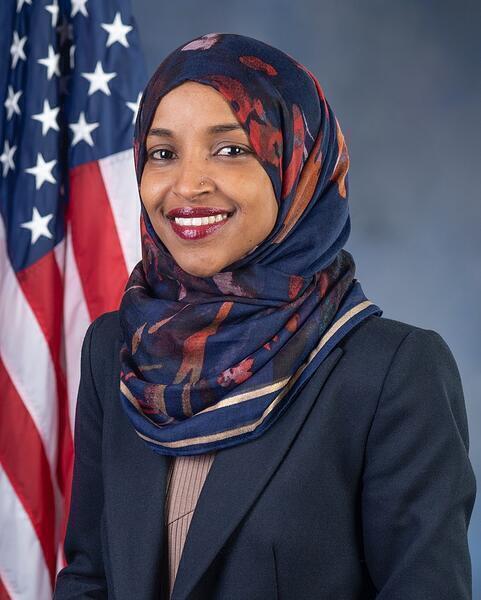
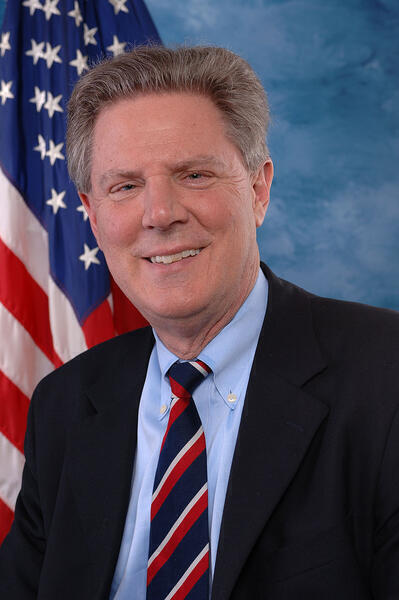
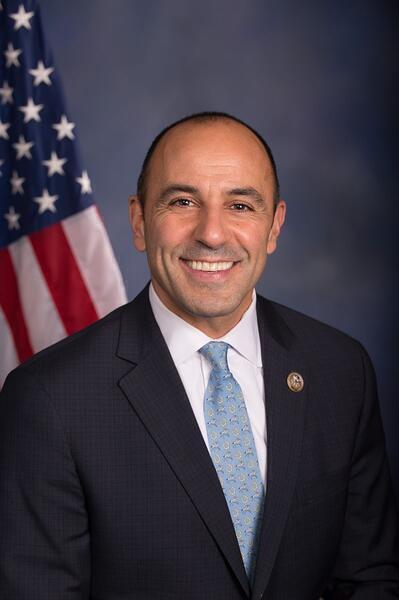
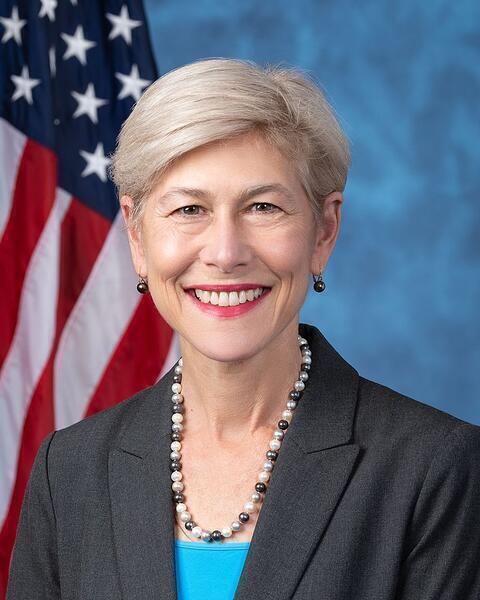
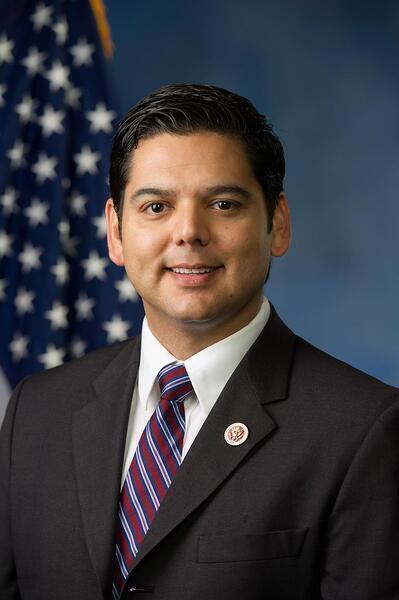
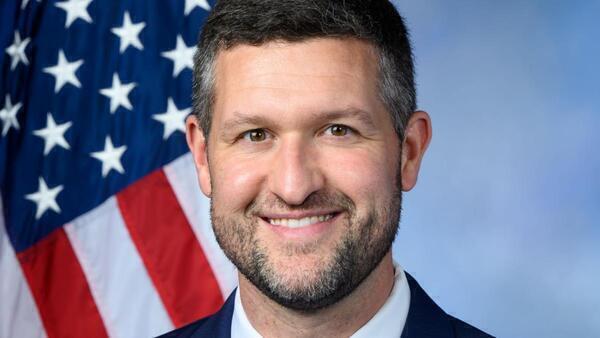
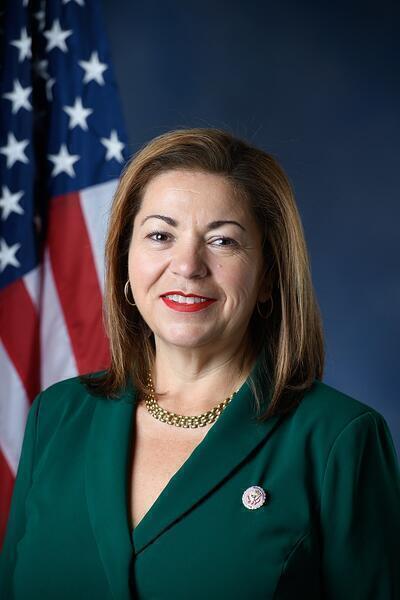
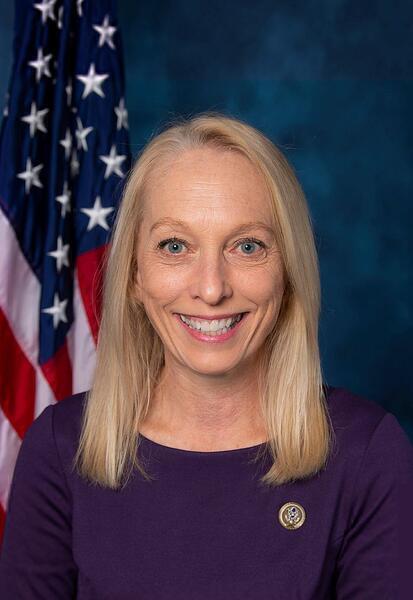
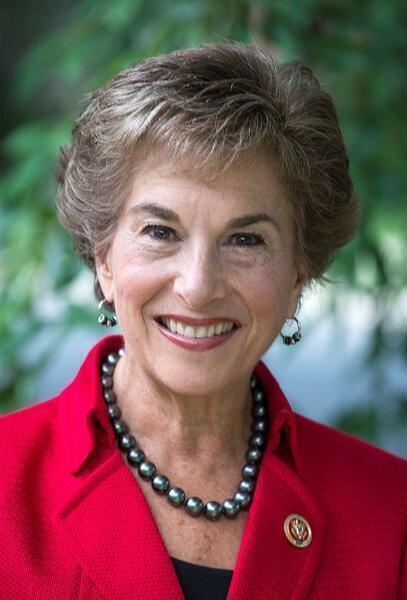
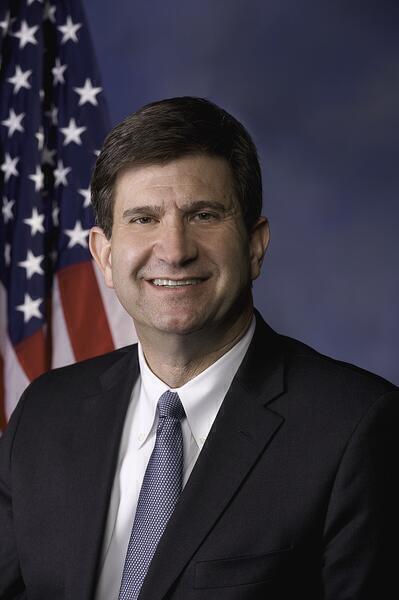
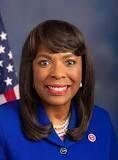
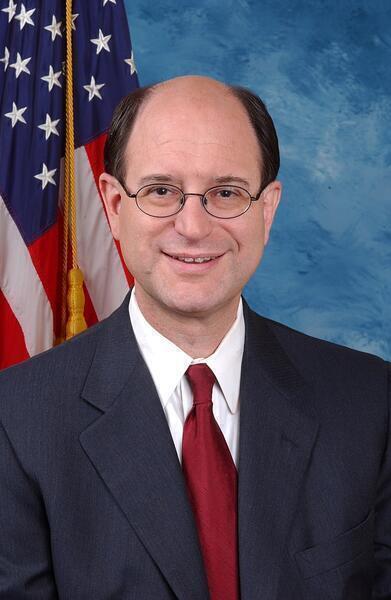
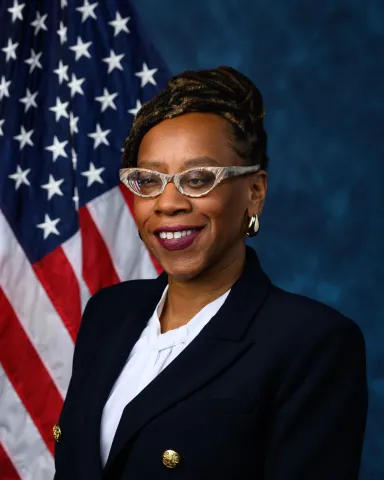
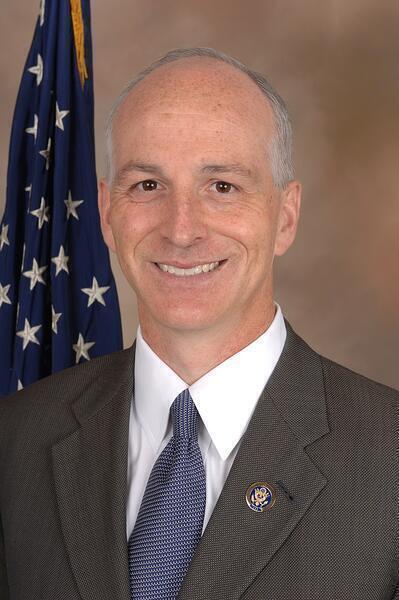
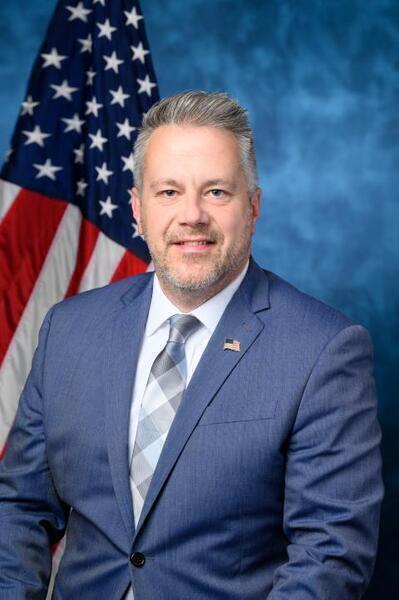
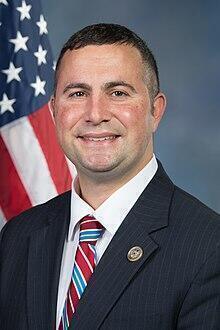
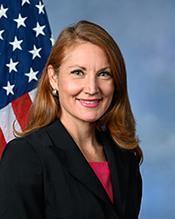
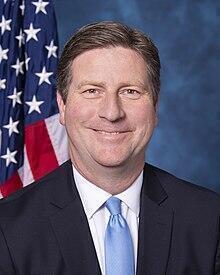
Nay (197)
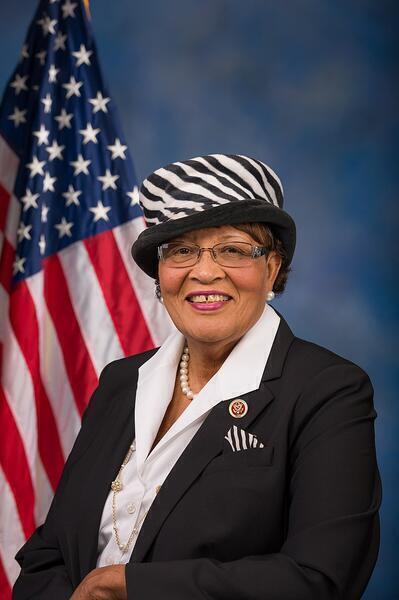
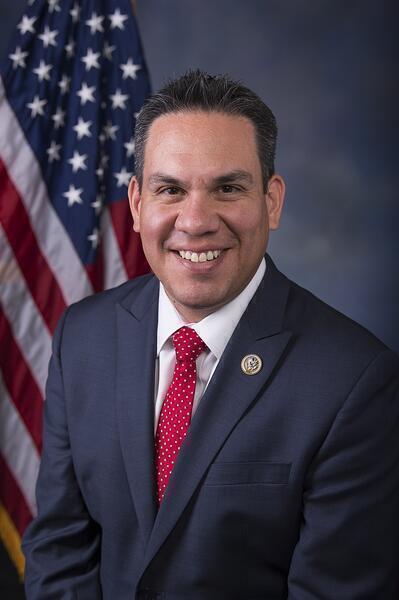
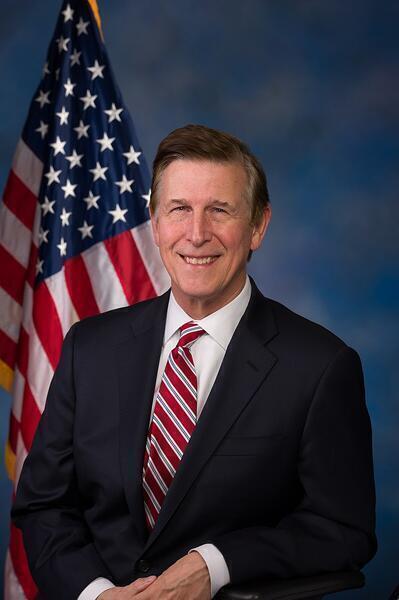
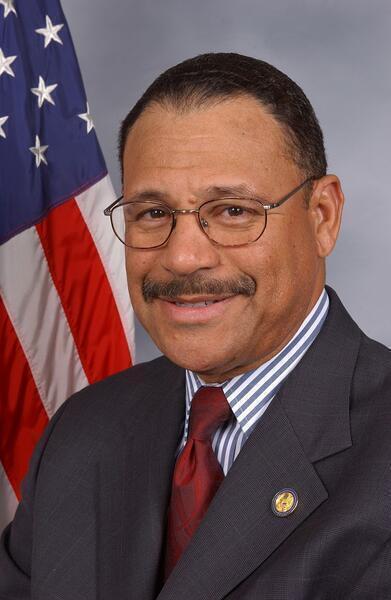
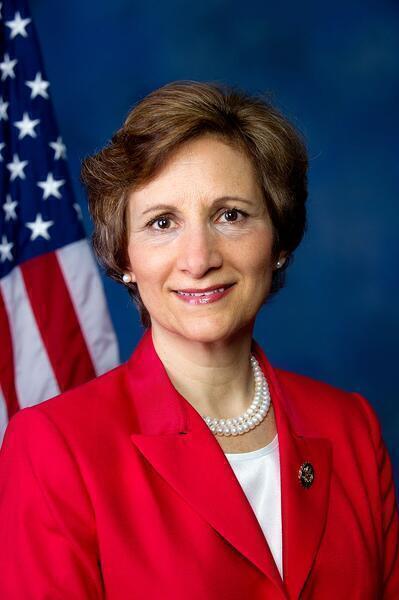
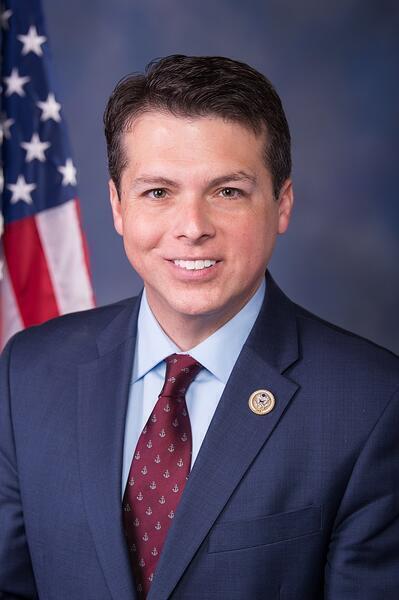

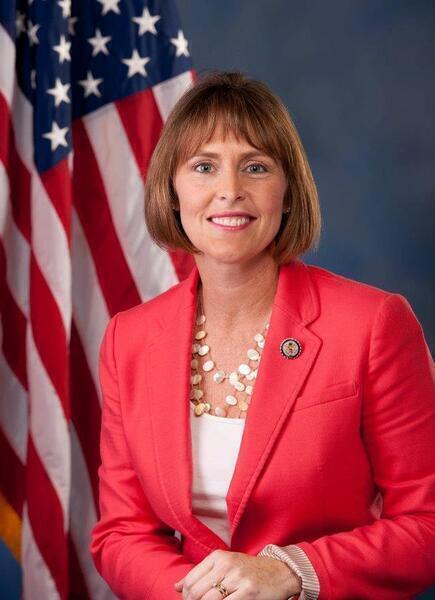
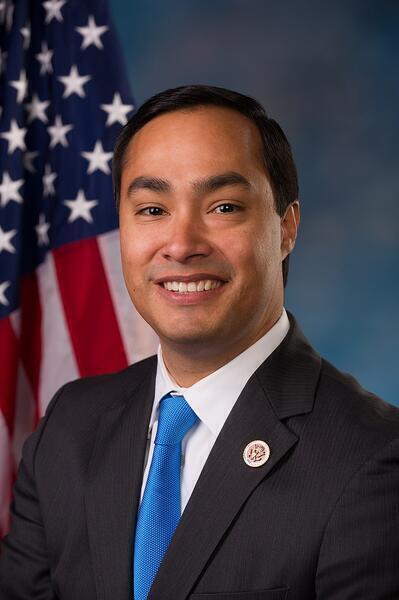

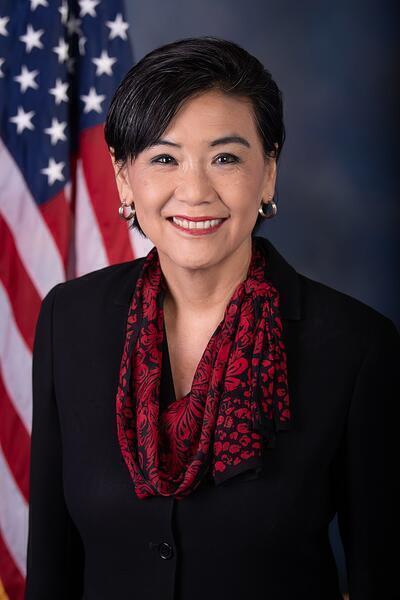
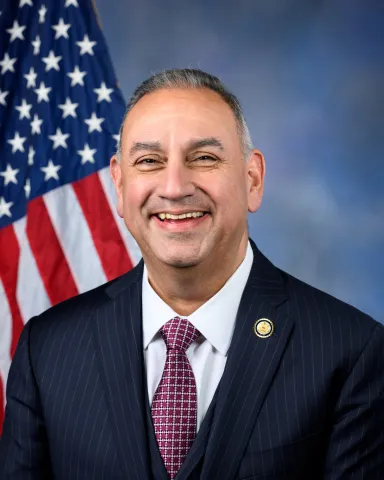
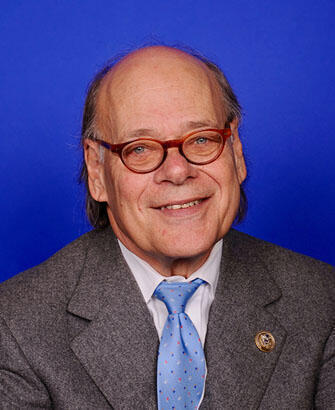
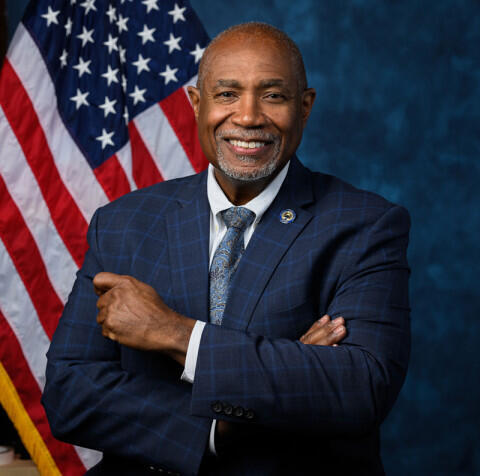
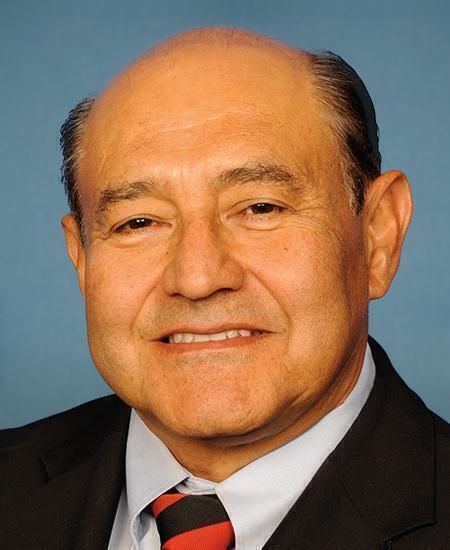
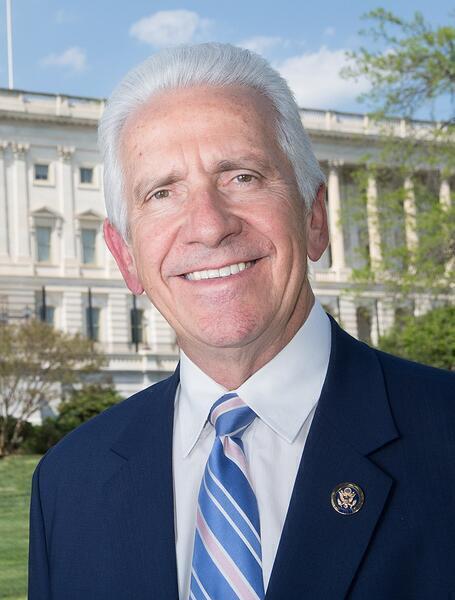
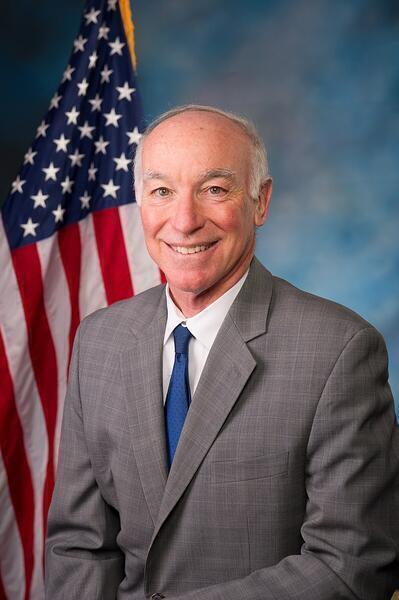
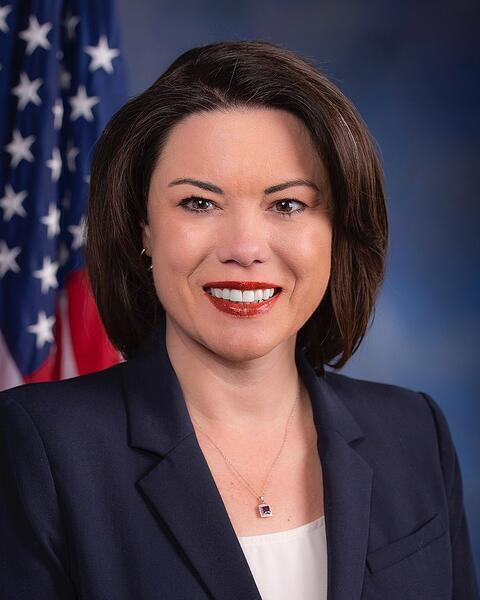
J
Jason Crow
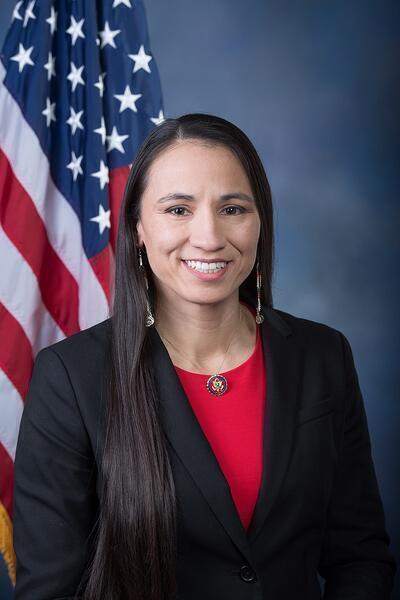

L
Lloyd Doggett
J
John Garamendi

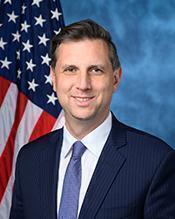
J
John Mannion
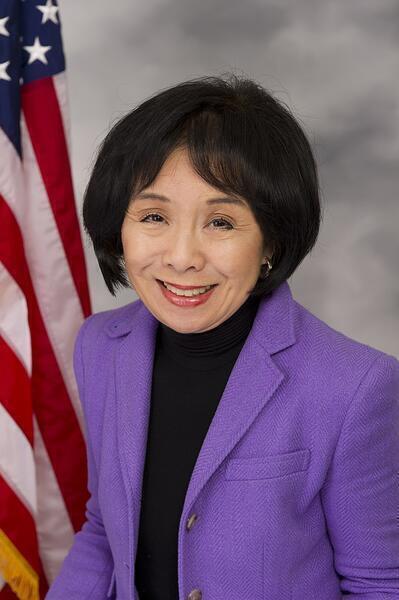
L
Lucy McBath
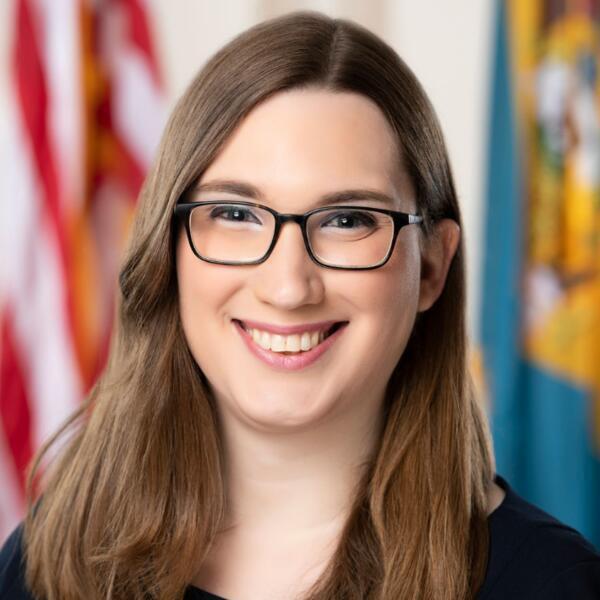
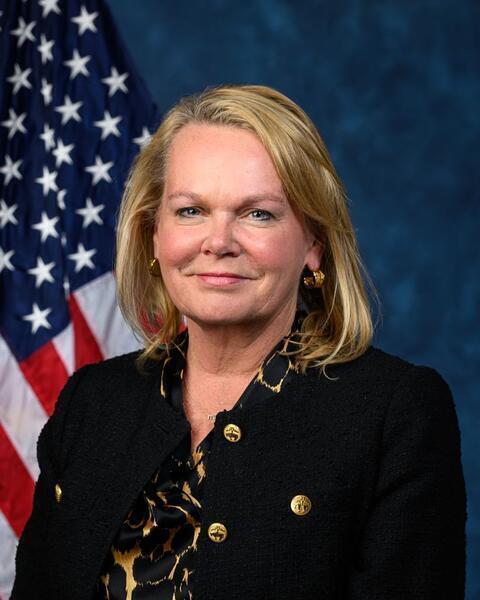




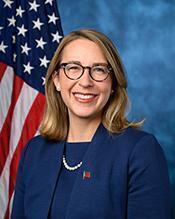
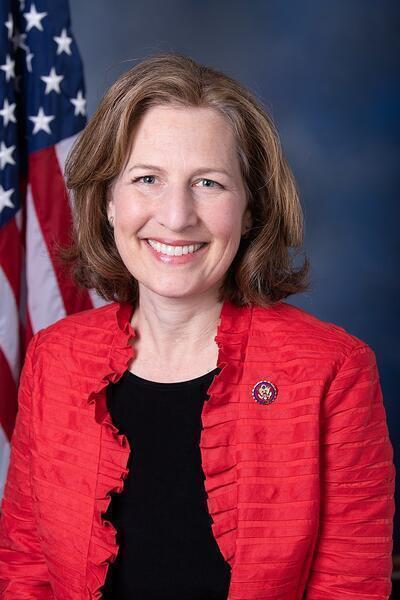
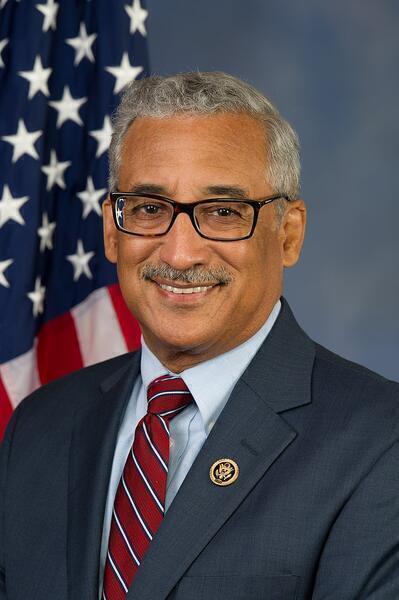
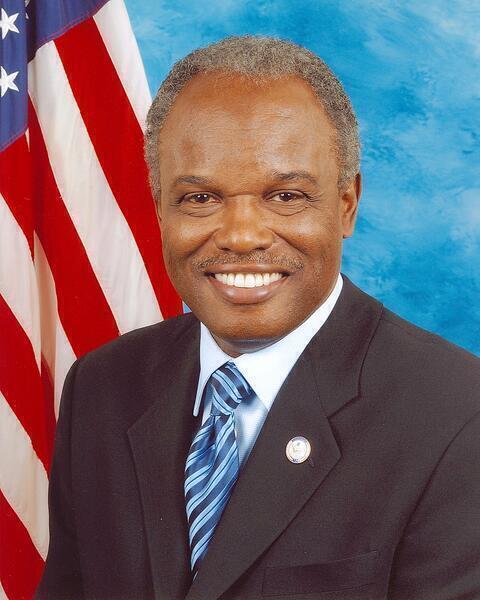
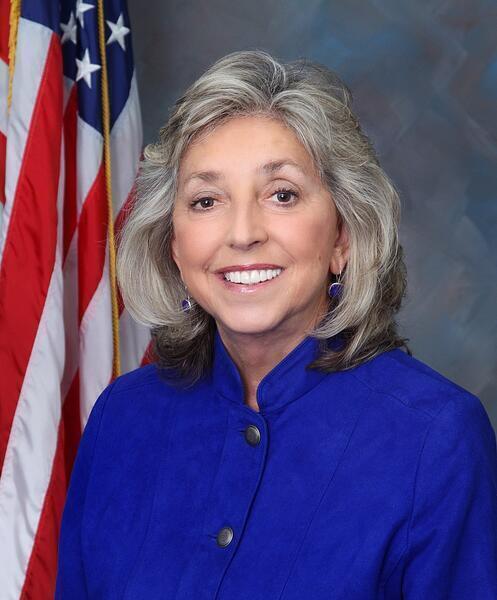
R
Rashida Tlaib
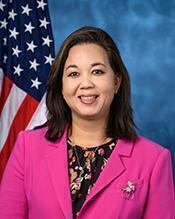
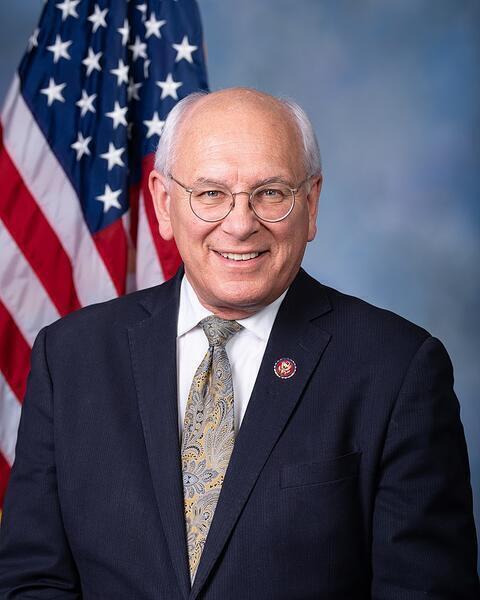
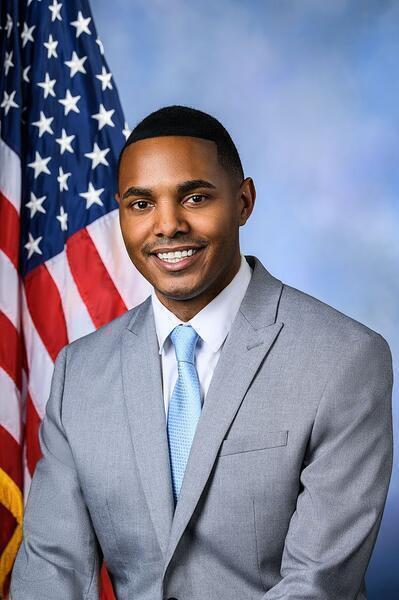
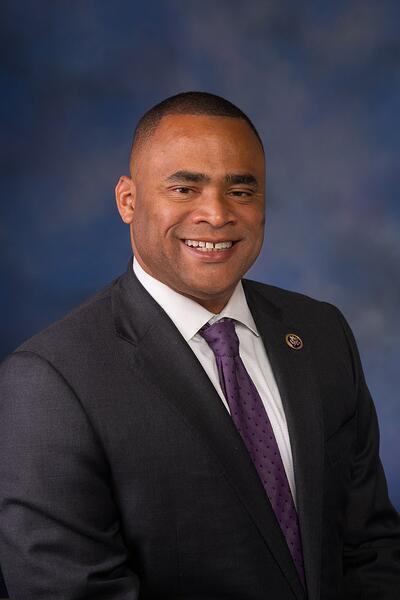
N
Nydia Velázquez
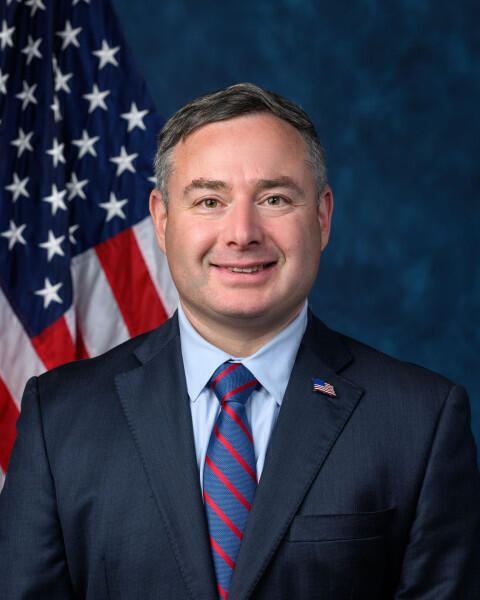
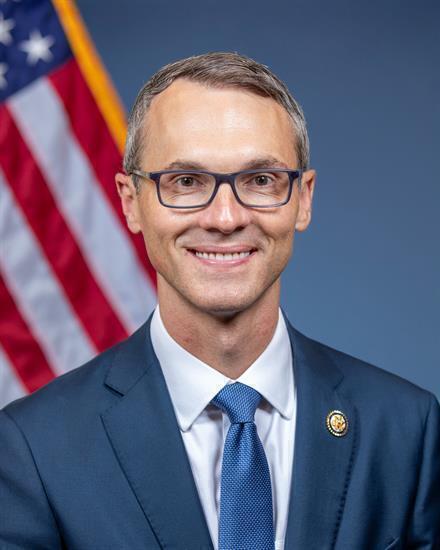
D
Debbie Wasserman Schultz