H.R.7006 — Financial Services and General Government and National Security, Department of State, and Related Programs Appropriations Act, 2026
House Roll Call
H.R.7006
| Bill | H.R.7006 — Financial Services and General Government and National Security, Department of State, and Related Programs Appropriations Act, 2026 |
|---|---|
| Vote question | On Passage |
| Vote type | Yea-and-Nay |
| Result | Passed |
| Totals | Yea 341 / Nay 79 / Present 0 / Not Voting 11 |
| Party | Yea | Nay | Present | Not Voting |
|---|---|---|---|---|
| R | 188 | 22 | 0 | 8 |
| D | 153 | 57 | 0 | 3 |
| I | 0 | 0 | 0 | 0 |
Research Brief
On Passage
Bill Analysis
HR 7006 is the FY2026 appropriations bill for: (1) Financial Services and General Government (FSGG) accounts, and (2) National Security, Department of State, and Related Programs. It provides full‑year discretionary budget authority and related conditions for a wide range of federal operations, primarily in financial regulation, tax administration, federal workforce and buildings, diplomacy, and certain security‑related international programs.
On the FSGG side, the bill funds the Department of the Treasury (including the Internal Revenue Service), the Executive Office of the President, the judiciary, the District of Columbia, the Small Business Administration, the Securities and Exchange Commission, Commodity Futures Trading Commission, Federal Trade Commission, Federal Communications Commission, Federal Trade Commission, Office of Personnel Management, General Services Administration, and several independent regulatory agencies and watchdogs (e.g., FDIC OIG, CFPB transfers, and inspectors general). It sets operating levels, hiring and IT modernization limits, and may include policy riders on tax enforcement, financial regulation, telecommunications, and use of federal buildings.
On the National Security/State side, it appropriates for the Department of State and related international programs with a national security nexus. This typically includes Diplomatic Programs, Embassy Security, Worldwide Security Protection, the U.S. Agency for Global Media, certain international organizations and peacekeeping accounts, and related commissions and boards. It may condition funds on human rights, security cooperation, and reporting to Congress.
Beneficiaries include federal employees and contractors across funded agencies, taxpayers and small businesses (via IRS and SBA operations), financial market participants (via SEC/CFTC/CFPB‑related funding), and U.S. diplomatic and security personnel overseas. Regulated entities—financial institutions, public companies, telecom and media firms—are indirectly affected through the resourcing of their regulators.
Authorities are largely annual spending authority and transfer/reprogramming flexibilities, plus directives and limitations in accompanying text. Timelines: funds generally become available October 1, 2025, for FY2026, with some multi‑year or no‑year accounts (e.g., capital projects, embassy construction). The noted House action (“motion to reconsider laid on the table”) indicates the chamber has completed action on that vote; further steps include Senate consideration, conference (or amendment exchange), and enactment or veto.
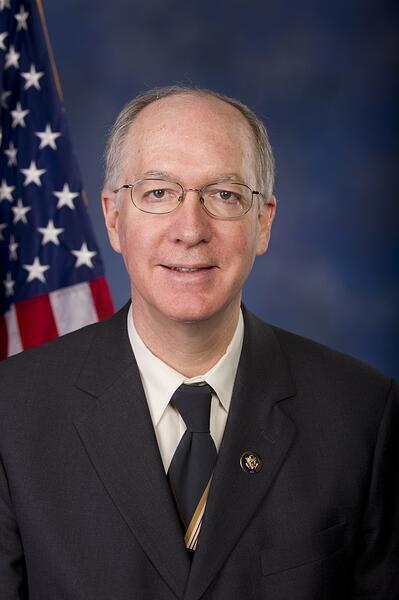
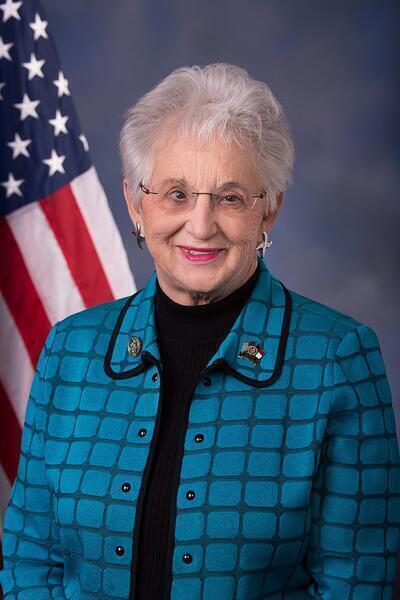
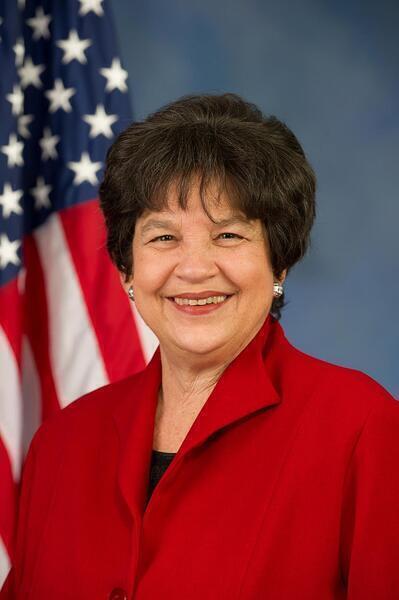
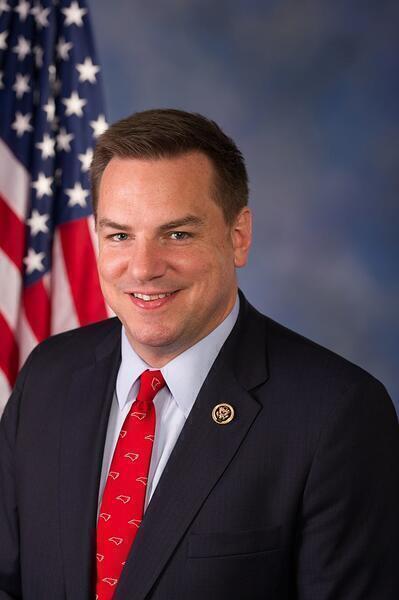
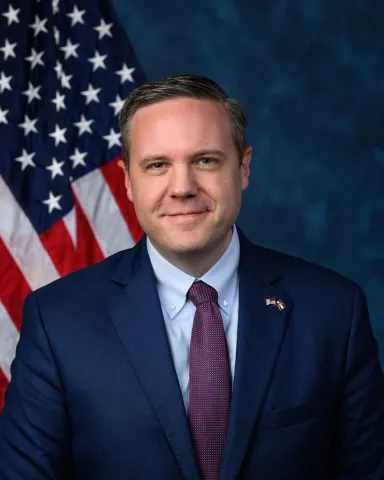
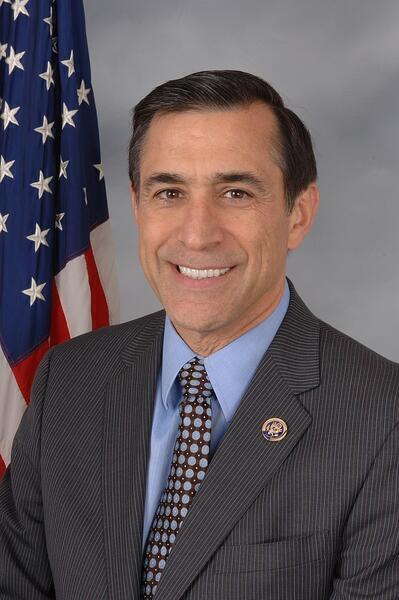
Yea (341)
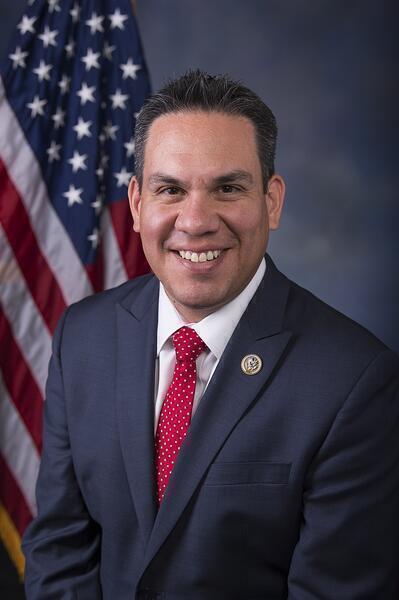
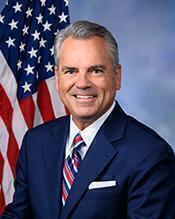
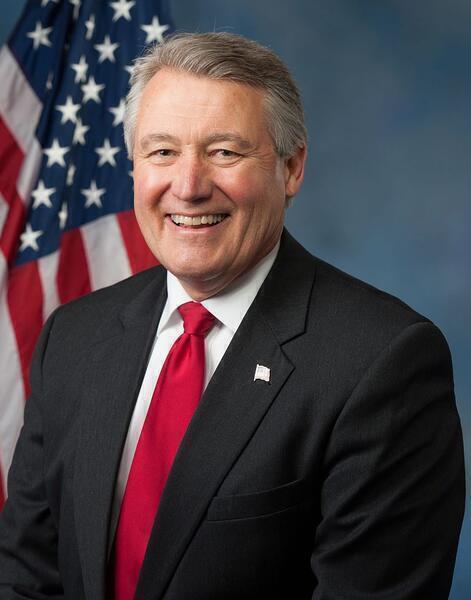
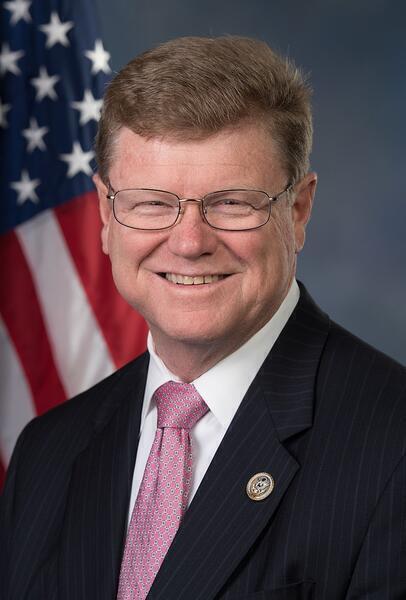


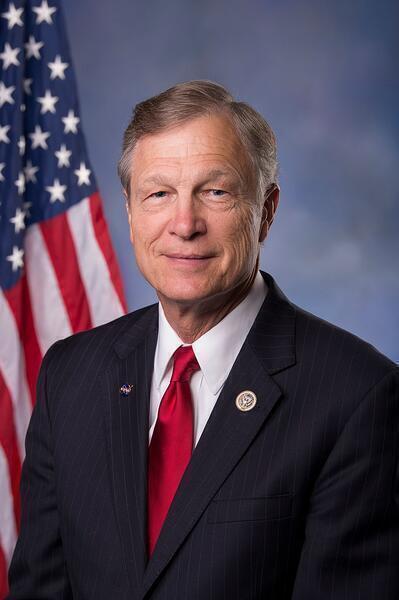
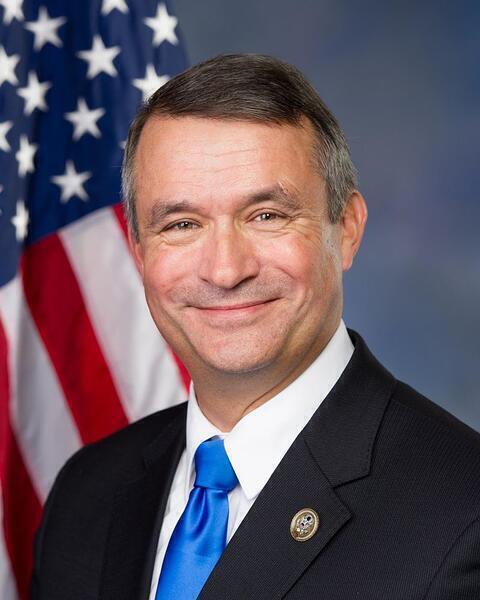
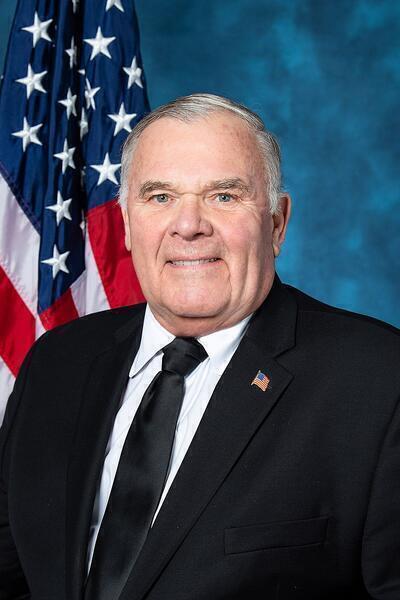

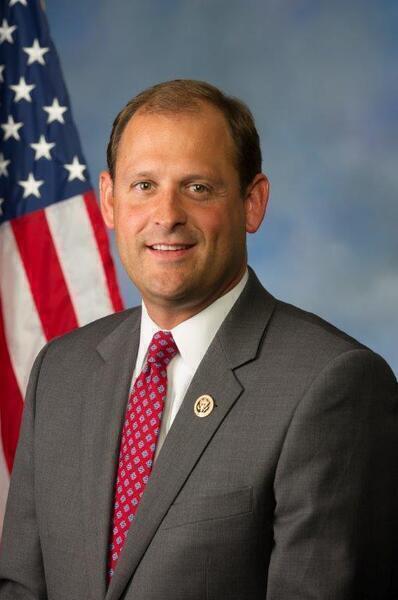


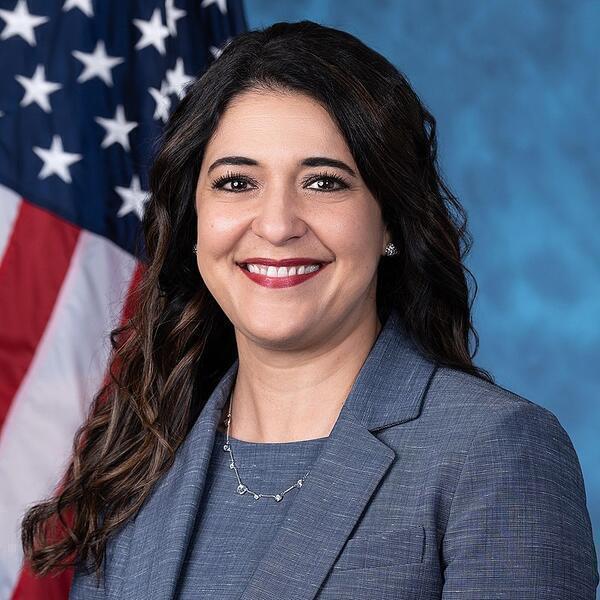
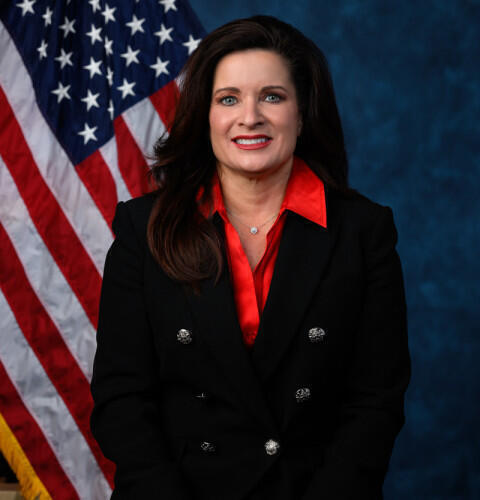
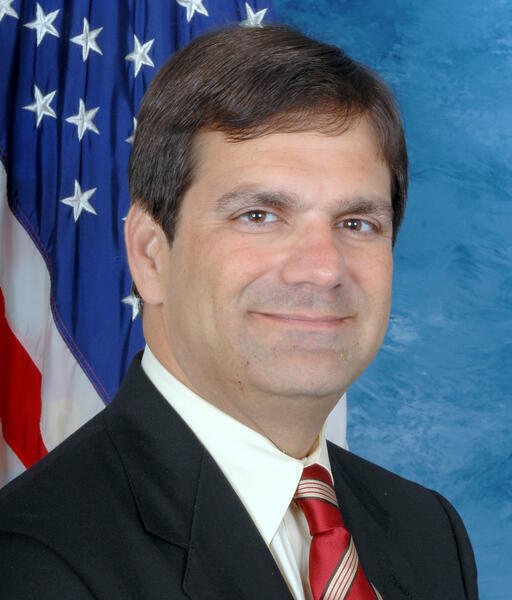
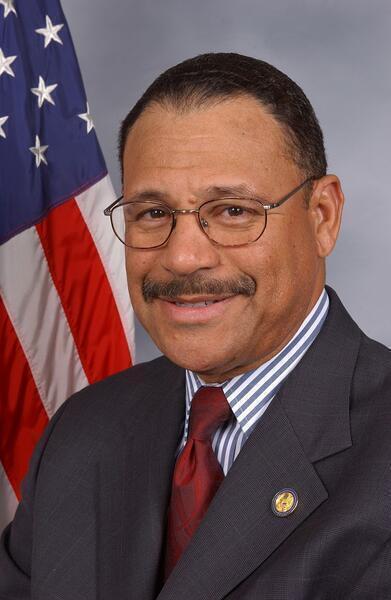
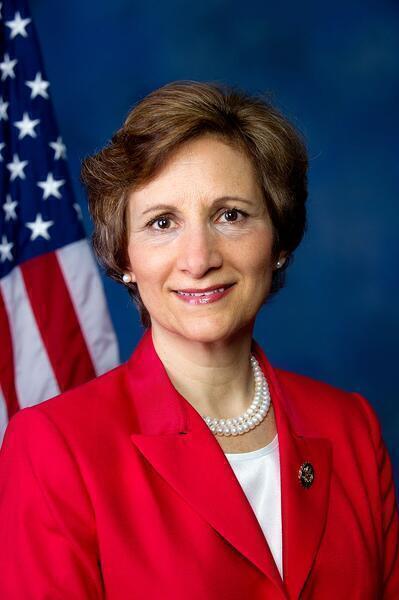
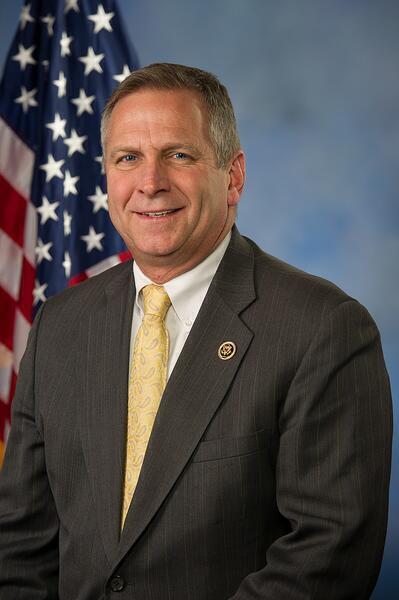
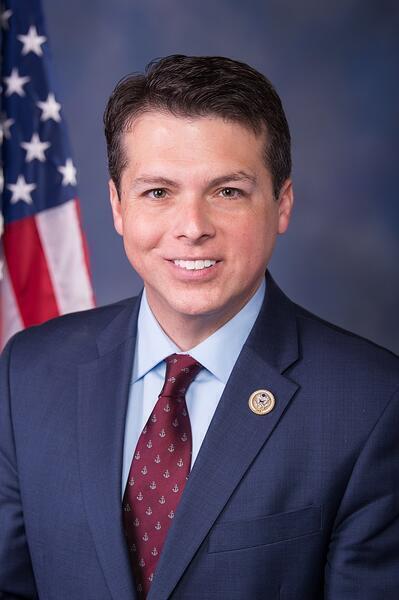


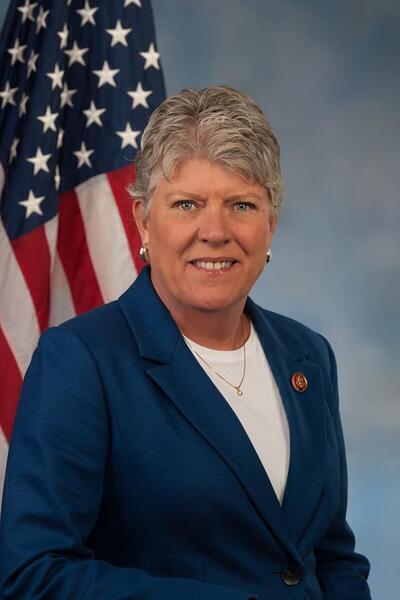


K
Ken Calvert


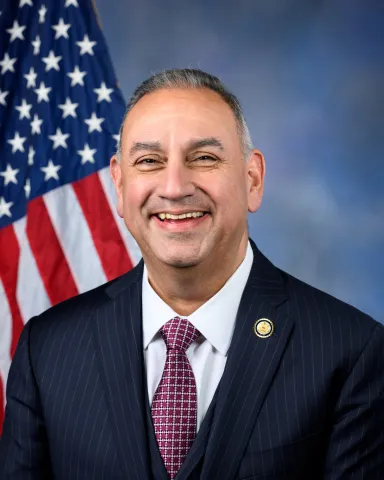

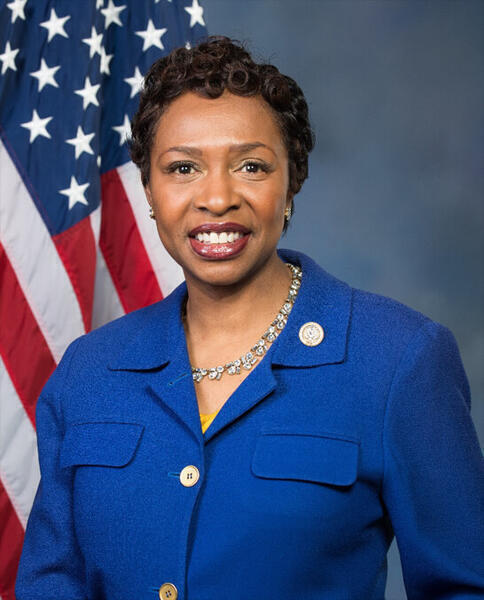
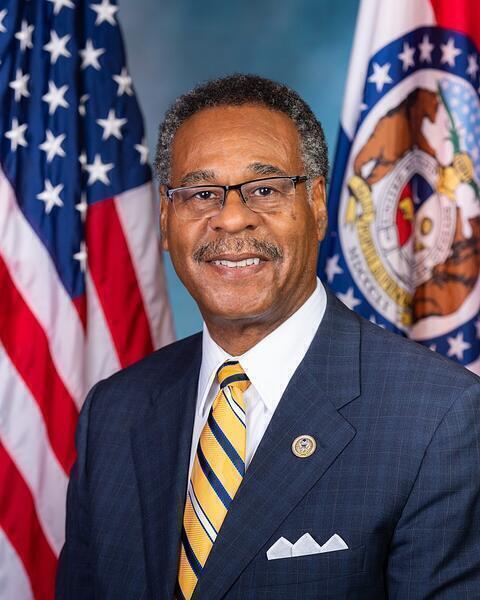
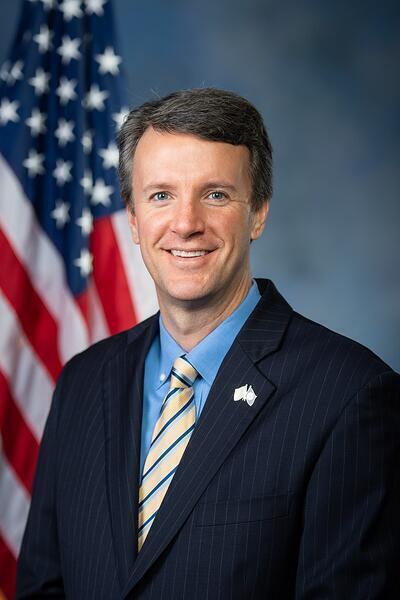
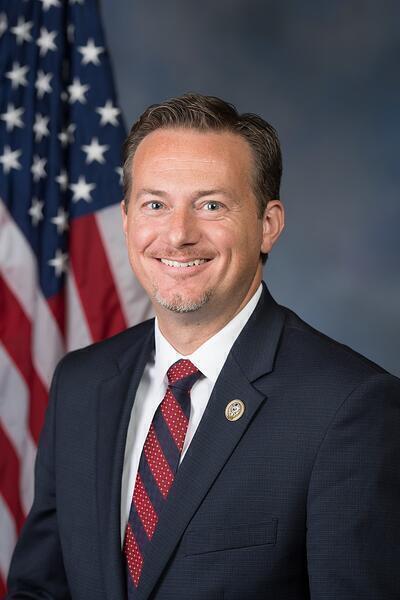
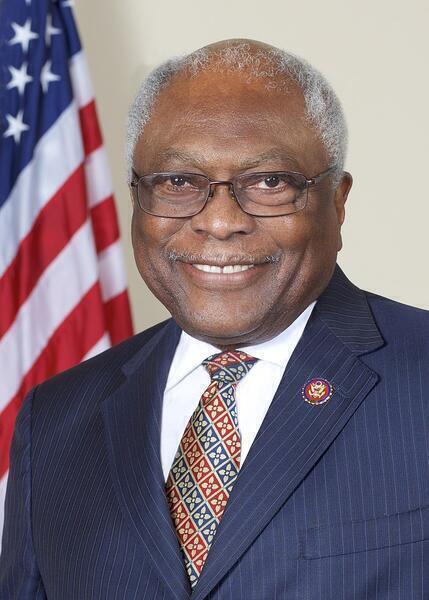
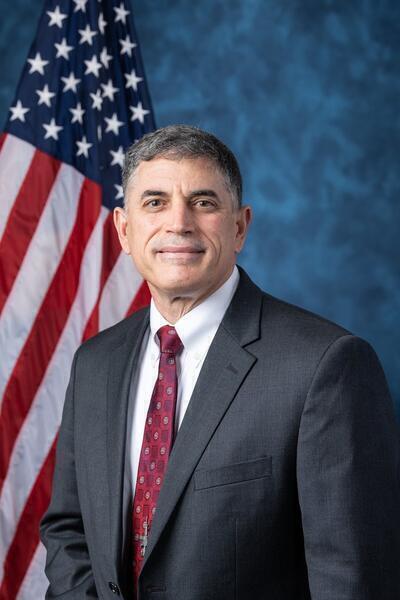
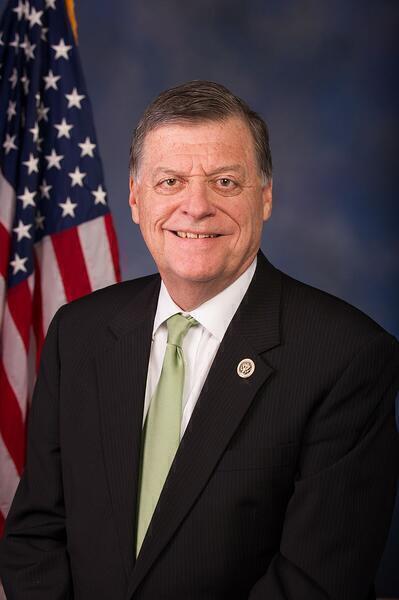

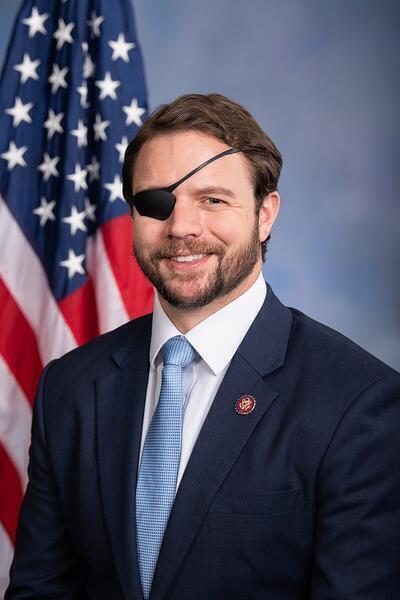

J
Jason Crow
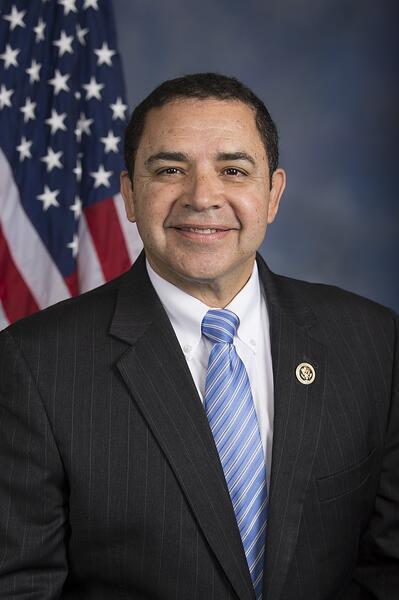
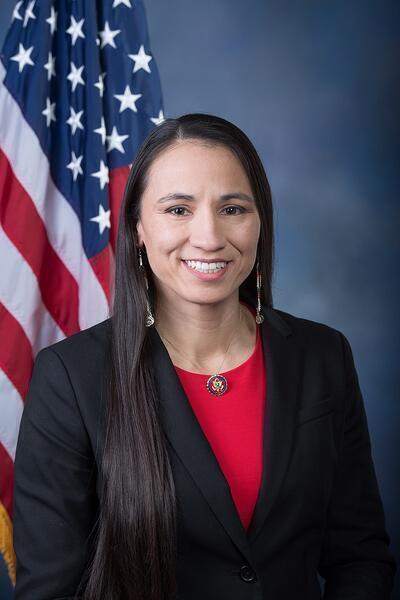
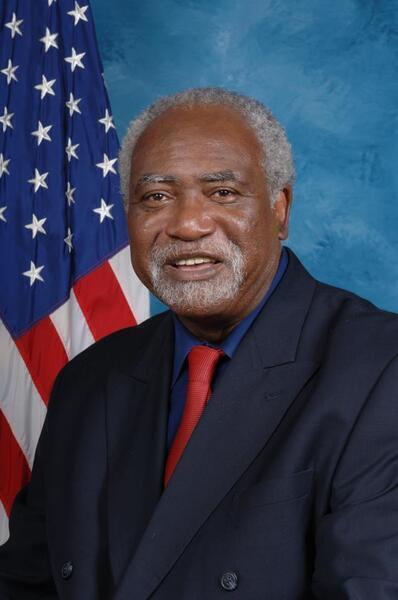




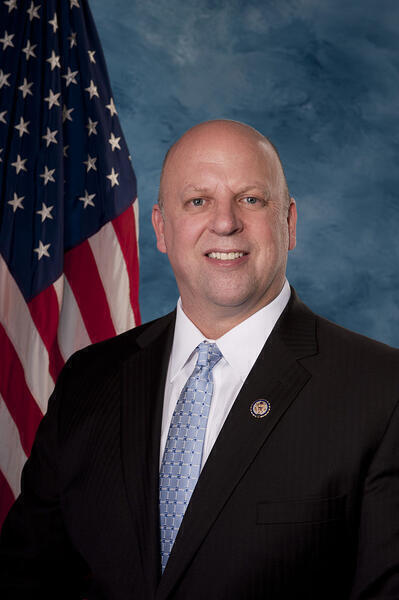
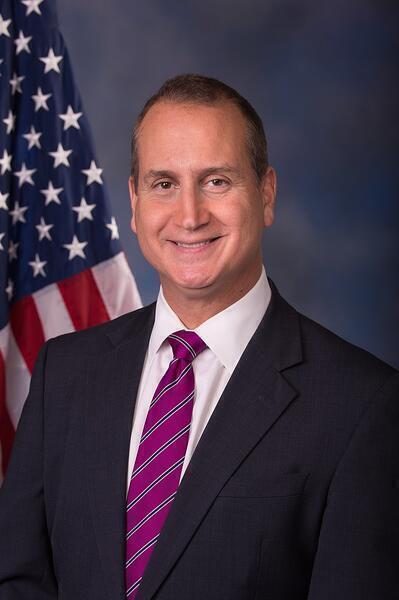

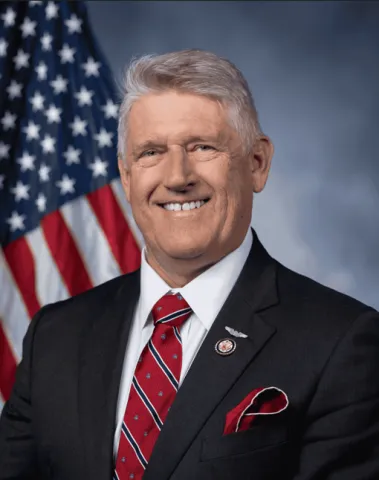








S
Scott Franklin
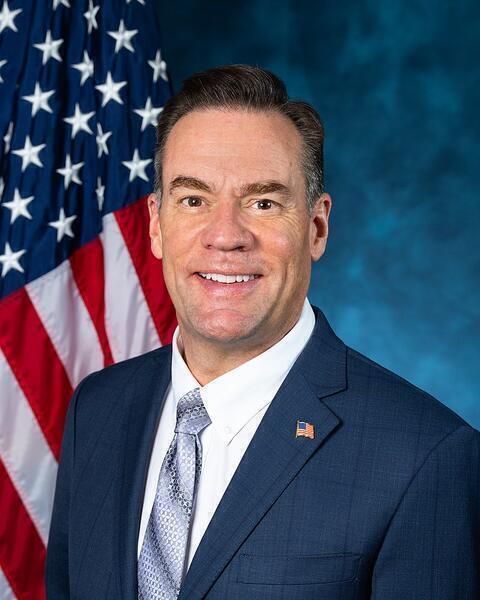
J
John Garamendi
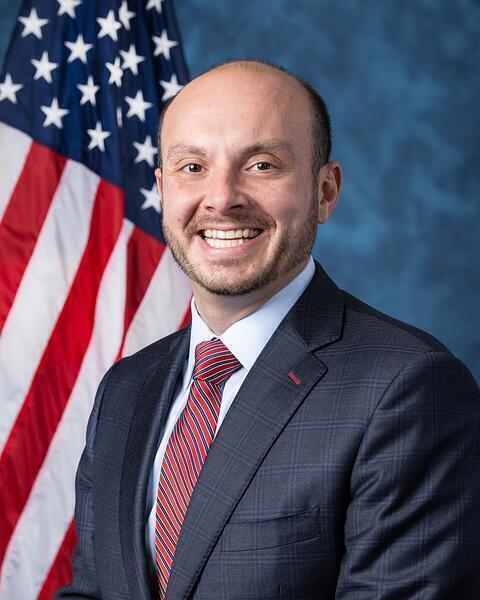
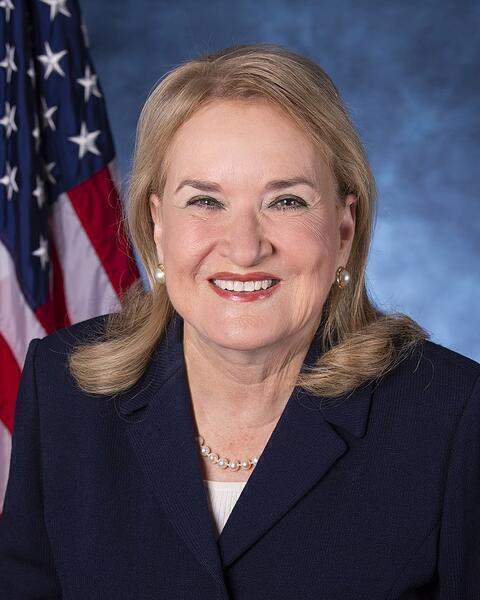
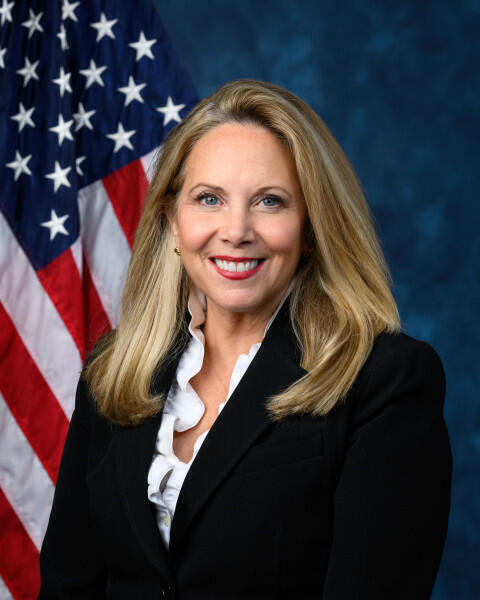










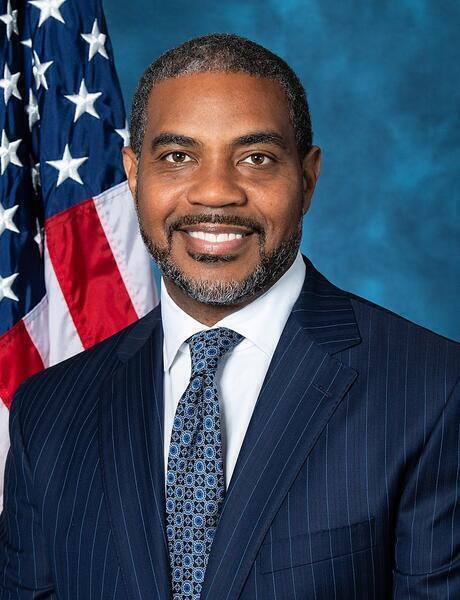
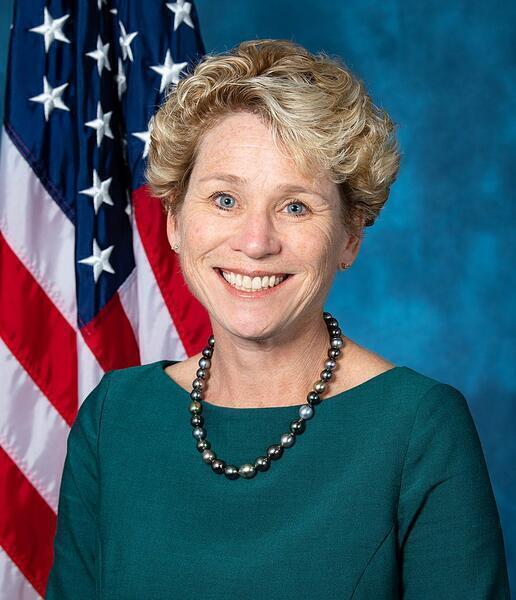
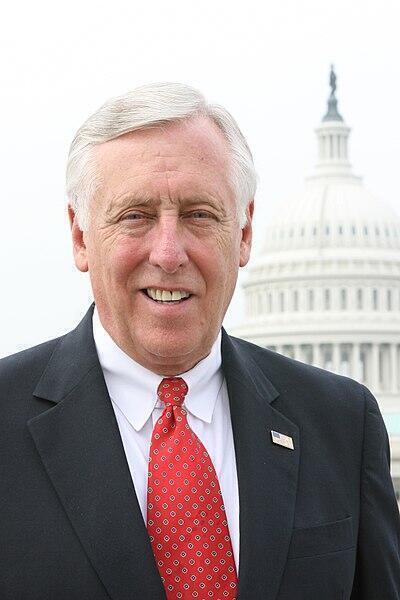










J
John Mannion
L
Lucy McBath
L
Lisa McClain

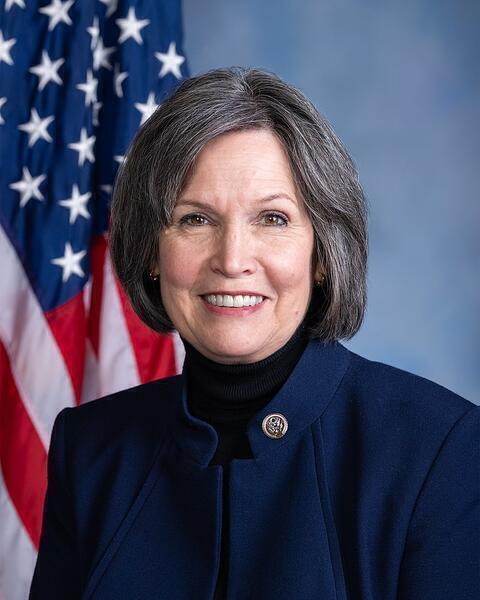
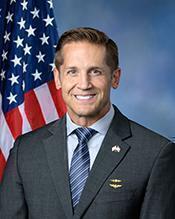



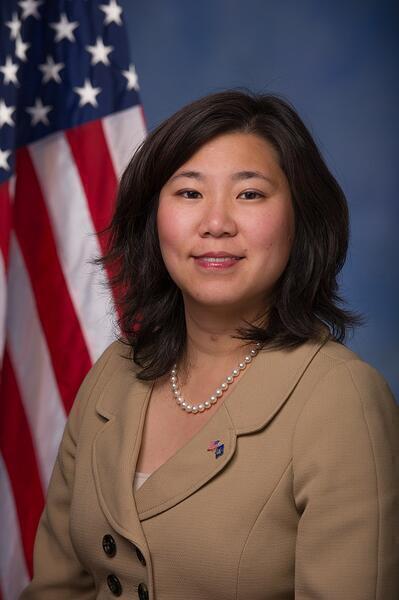

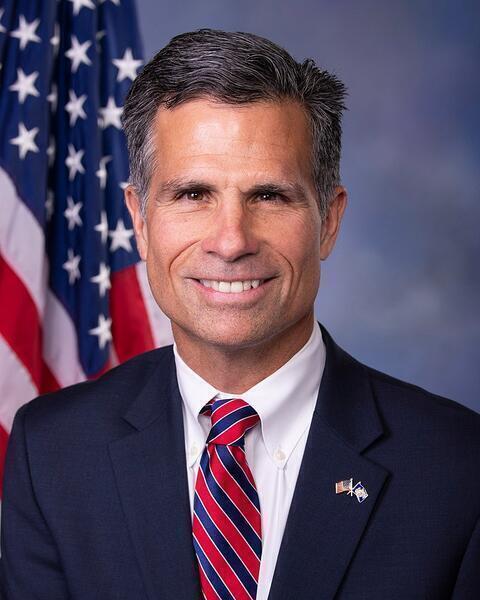


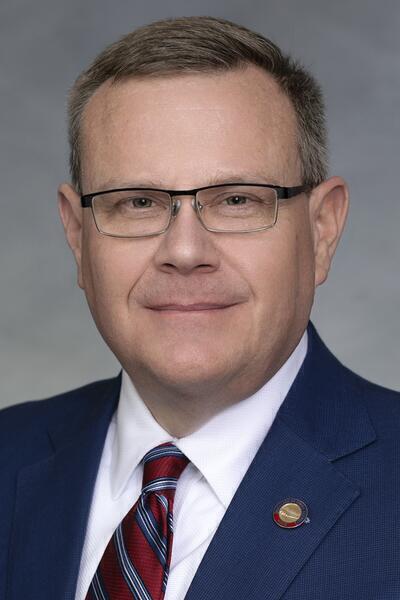
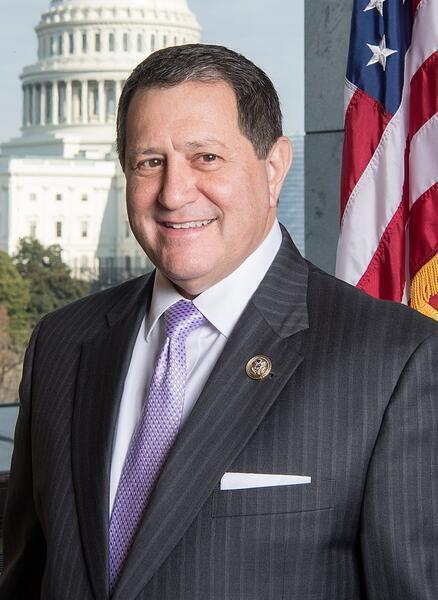










J
John Rutherford



D
David Schweikert
P
Pete Sessions









D
Debbie Wasserman Schultz





Nay (79)



L
Lloyd Doggett

















R
Rashida Tlaib
N
Nydia Velázquez