H.R.5764 — AI for Main Street Act
House Roll Call
H.R.5764
| Bill | H.R.5764 — AI for Main Street Act |
|---|---|
| Vote question | On Motion to Suspend the Rules and Pass, as Amended |
| Vote type | 2/3 Yea-And-Nay |
| Result | Passed |
| Totals | Yea 395 / Nay 14 / Present 0 / Not Voting 22 |
| Party | Yea | Nay | Present | Not Voting |
|---|---|---|---|---|
| R | 196 | 11 | 0 | 11 |
| D | 199 | 3 | 0 | 11 |
| I | 0 | 0 | 0 | 0 |
Research Brief
On Motion to Suspend the Rules and Pass, as Amended
Bill Analysis
HR 5764 – AI for Main Street Act (119th Congress)
HR 5764 directs the federal government to help small businesses adopt artificial intelligence (AI) tools by building technical assistance capacity within the Small Business Administration (SBA) and related networks, rather than regulating AI developers directly.
Core provisions and authorities
- Establishes an “AI for Main Street Initiative” within SBA to support small businesses in understanding, selecting, and safely using AI tools (e.g., for marketing, operations, finance, or customer service).
- Authorizes SBA to develop and disseminate AI-related guidance, best practices, training materials, and model policies tailored to small firms, including risk management, data privacy, cybersecurity, and bias mitigation.
- Directs SBA to coordinate with Small Business Development Centers (SBDCs), Women’s Business Centers, SCORE, and other SBA resource partners to deliver AI technical assistance and training nationwide.
- Requires SBA to consult with NIST, the Department of Commerce, and other relevant agencies to align small-business guidance with federal AI standards, frameworks, and risk-management practices.
Programs and agencies affected
- SBA is the lead agency; SBDCs and other SBA entrepreneurial support programs become primary delivery channels.
- May require updates to SBA counseling curricula, online resources, and outreach programs to incorporate AI literacy and adoption strategies.
Beneficiaries and regulated parties
- Primary beneficiaries: small businesses, startups, and entrepreneurs seeking to adopt AI tools but lacking in-house technical expertise.
- Secondary beneficiaries: SBA resource partners and local business support organizations that gain new AI-related content and authority.
- The bill does not impose new regulatory requirements on AI vendors or small businesses; it is an enablement and capacity-building measure, not a compliance regime.
Timelines and reporting
- The bill sets implementation timelines for SBA to stand up the initiative, develop guidance, and begin delivering services (e.g., within months of enactment, with periodic updates).
- Requires SBA to report to Congress on program activities, uptake, and outcomes, enabling oversight and potential future expansion or adjustment.
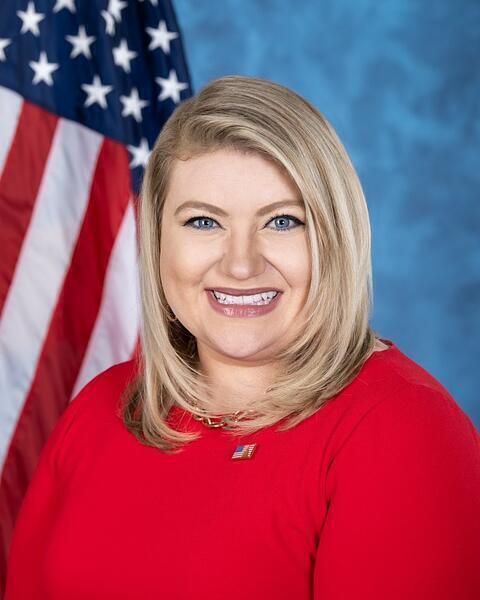
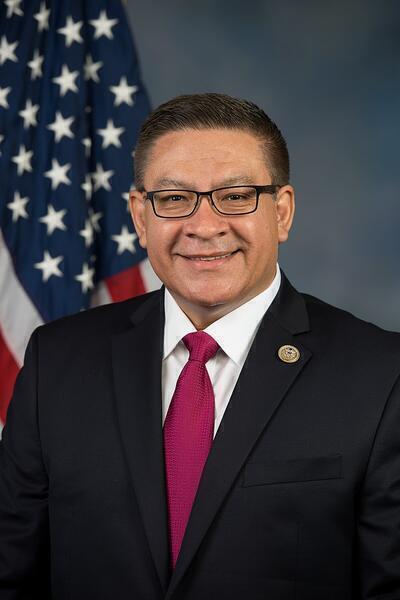
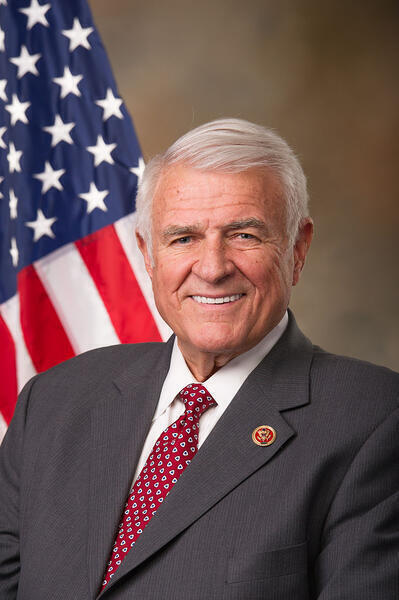
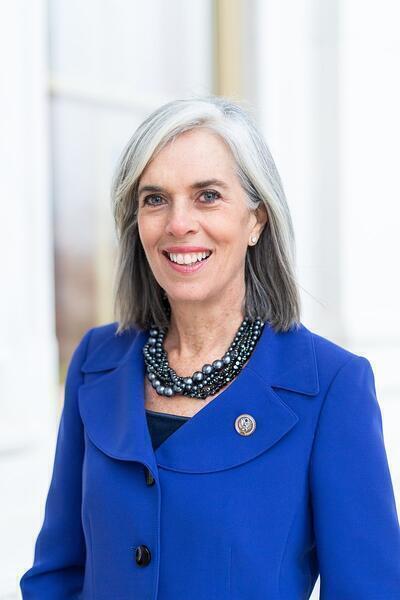
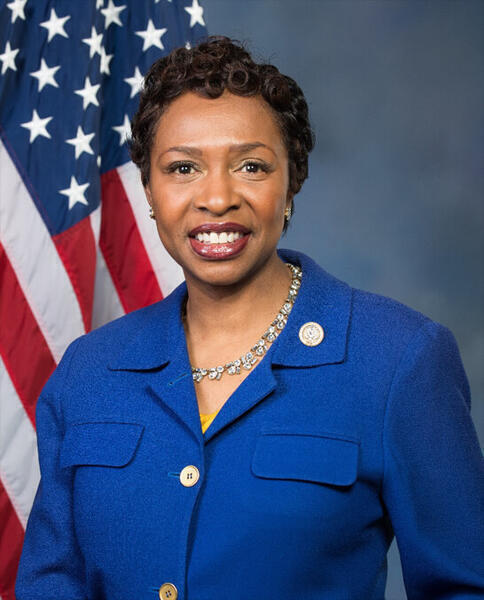
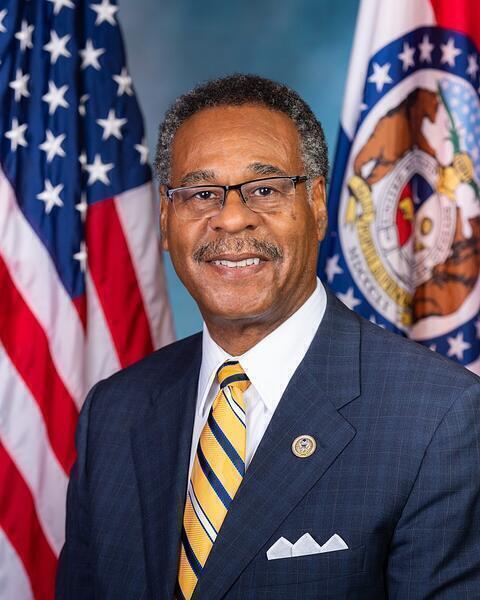
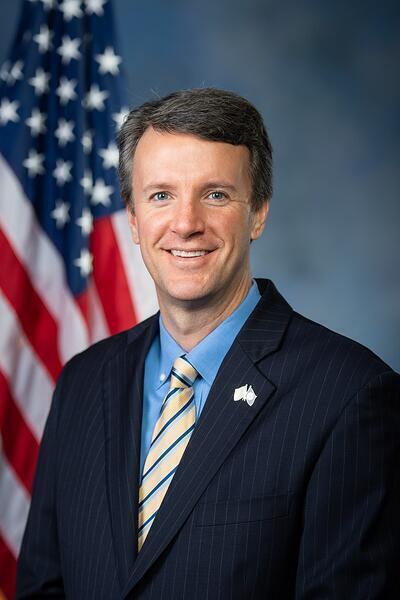
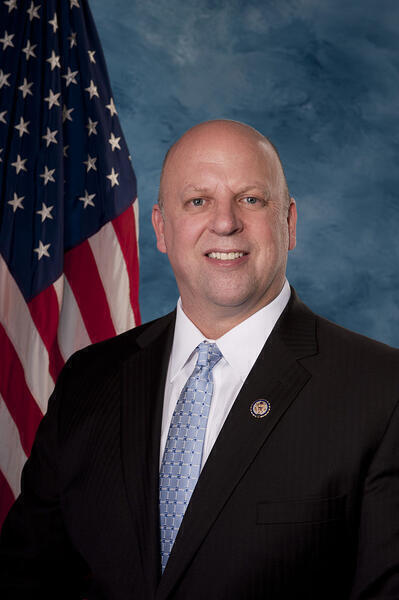
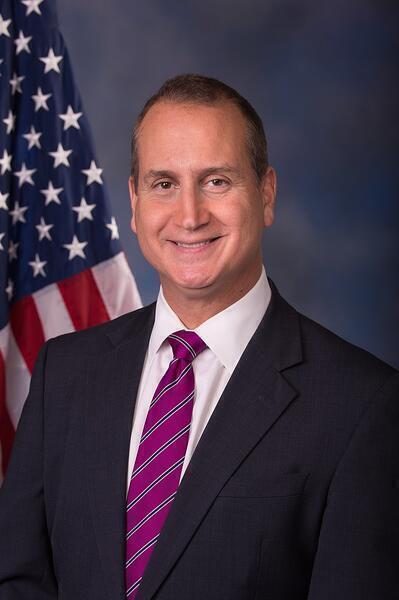
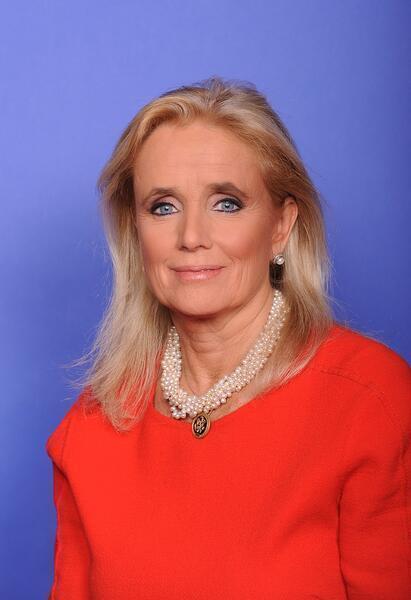
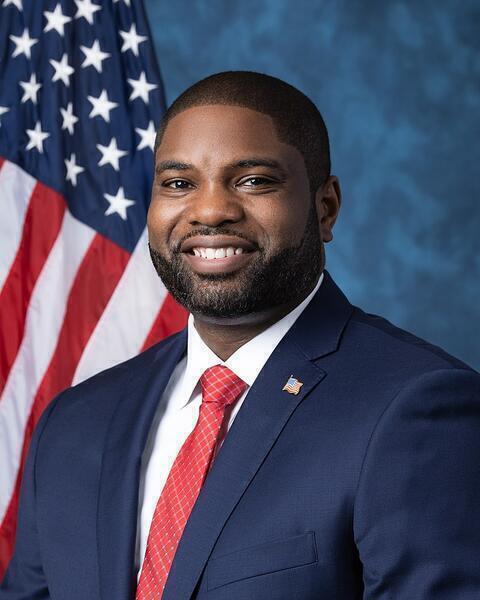
Yea (395)




K
Ken Calvert



J
Jason Crow



L
Lloyd Doggett






S
Scott Franklin

J
John Garamendi














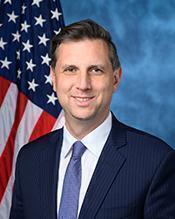
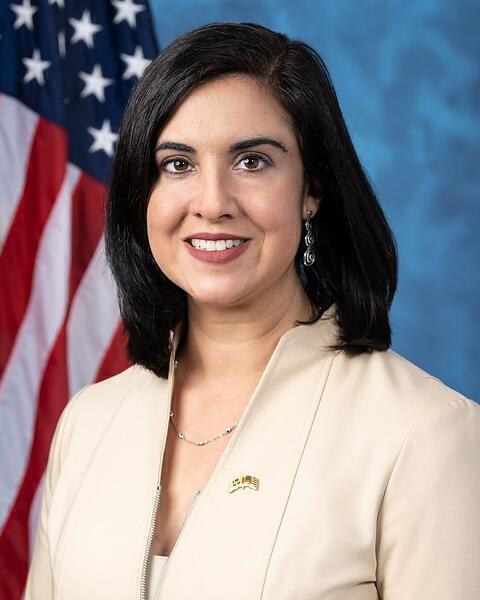
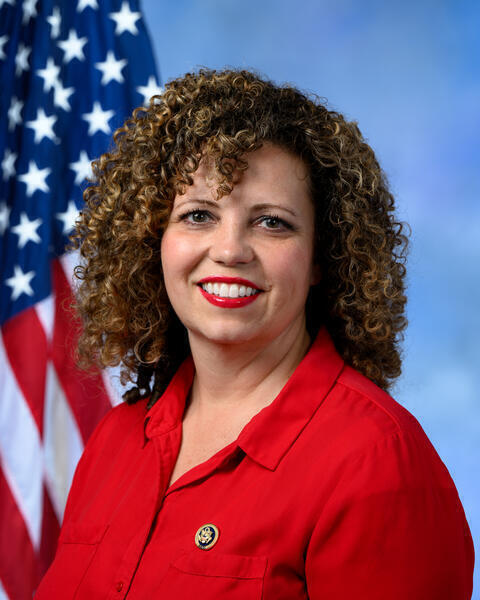
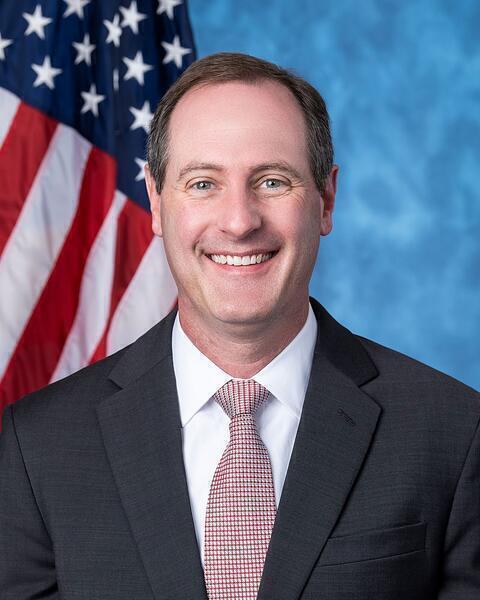
J
John Mannion
L
Lucy McBath
L
Lisa McClain










J
John Rutherford
D
David Schweikert
P
Pete Sessions


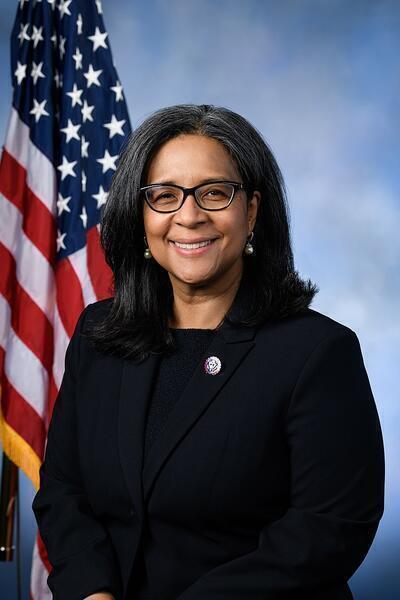
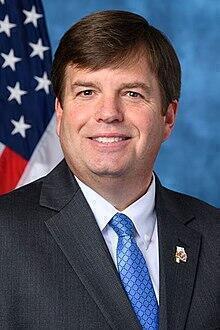
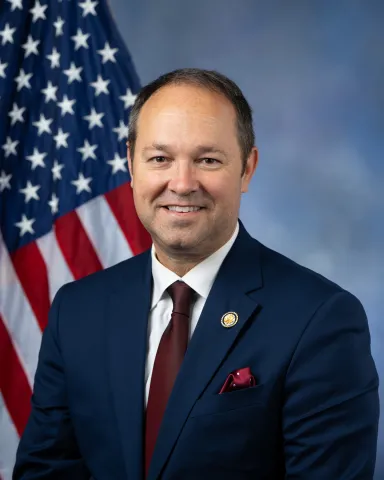

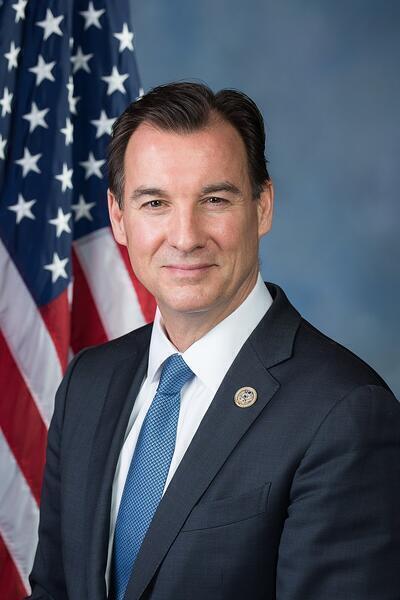



N
Nydia Velázquez
D
Debbie Wasserman Schultz


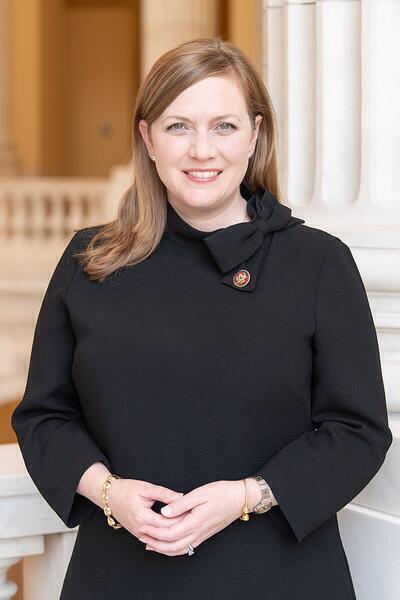
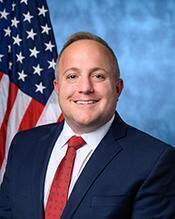
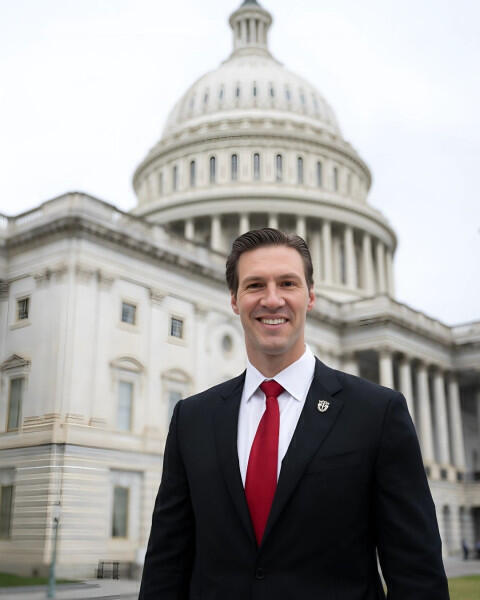
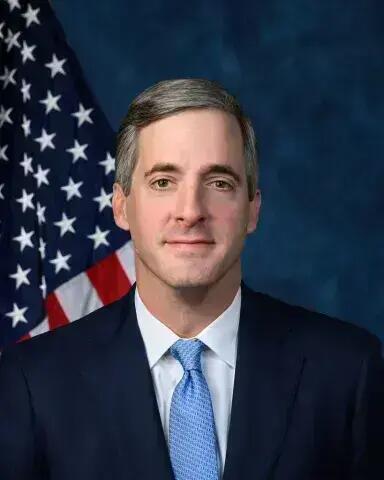
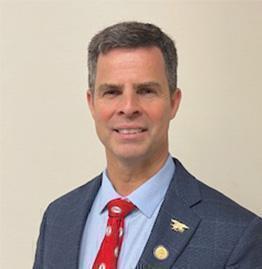
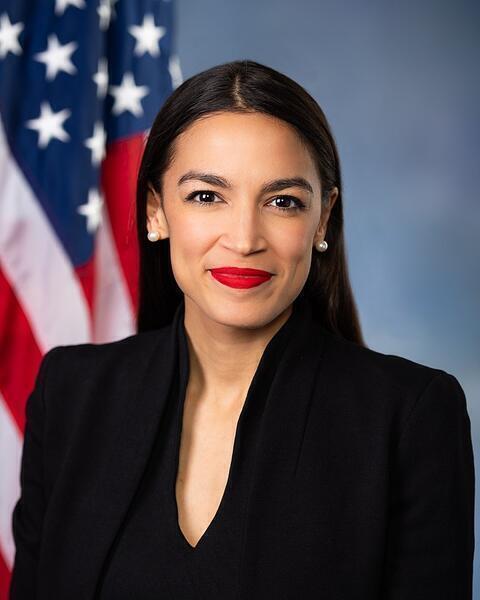
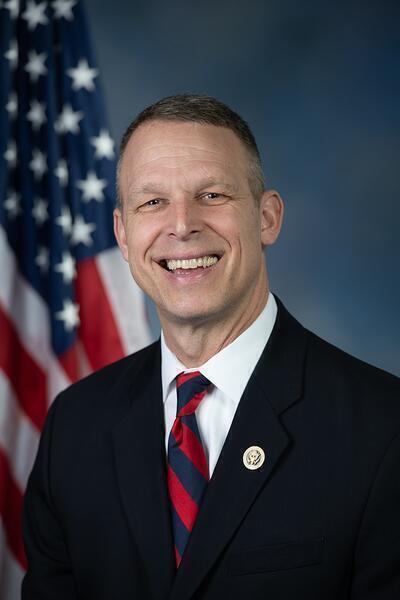
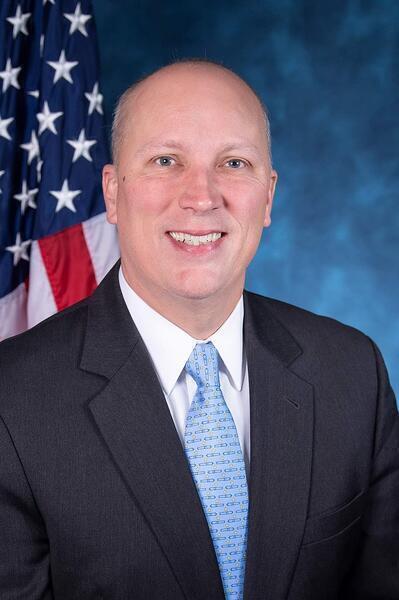
Nay (14)

Not Voting (22)


E
Eric Swalwell