H.Res.1014
House Roll Call
H.Res.1014
| Bill | H.Res.1014 |
|---|---|
| Vote question | On Agreeing to the Amendment |
| Vote type | Yea-and-Nay |
| Result | Agreed to |
| Totals | Yea 427 / Nay 0 / Present 0 / Not Voting 4 |
| Party | Yea | Nay | Present | Not Voting |
|---|---|---|---|---|
| R | 214 | 0 | 0 | 4 |
| D | 213 | 0 | 0 | 0 |
| I | 0 | 0 | 0 | 0 |
Research Brief
On Agreeing to the Amendment
Bill Analysis
H.Res. 1014 is a House procedural measure (a special rule) that governs how the House considers two major FY2026 appropriations packages: H.R. 7148 and H.R. 7147. It does not itself appropriate funds or change substantive law, but it structures debate and amendment for those bills, which together provide “further consolidated appropriations” through September 30, 2026.
Core function
- Authorizes floor consideration of:
- H.R. 7148: a consolidated appropriations bill (likely covering a defined set of departments/operations).
- H.R. 7147: a separate consolidated appropriations bill (covering other titles/agencies).
- Specifies how these bills are brought up (e.g., as privileged matters), how long they are debated, and how time is divided between majority and minority.
Procedural authorities and constraints
- Typically “deems” an amendment in the nature of a substitute as adopted or designates a specific text as base text for amendment, effectively locking in the version reported by the Rules Committee.
- May declare certain points of order waived (e.g., against provisions violating House rules on appropriations, such as unauthorized appropriations or legislative language in an appropriations bill).
- Defines which amendments, if any, are in order, often via a printed list, and whether they must be offered in a specified sequence and time-limited.
- Can provide for “closed,” “structured,” or “modified open” rules; in practice for large consolidated appropriations, this often means a structured or largely closed process.
Affected entities
- Directly affects House floor procedure, not outside parties.
- Indirectly affects all federal agencies and programs funded or conditioned in H.R. 7147 and H.R. 7148, as the rule shapes what policy and funding changes can be considered.
- Influences stakeholders (states, contractors, beneficiaries) only through its impact on the content and timing of the underlying appropriations.
Timelines
- Applies to consideration of the two bills during the 119th Congress.
- Covers appropriations through FY2026 (ending September 30, 2026).
- The motion to reconsider adoption of the rule was laid on the table and agreed to, making the rule’s adoption final and clearing the way for floor action on H.R. 7147 and H.R. 7148.
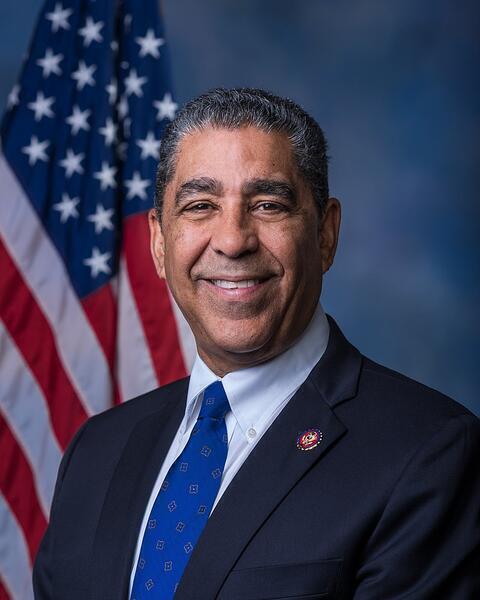
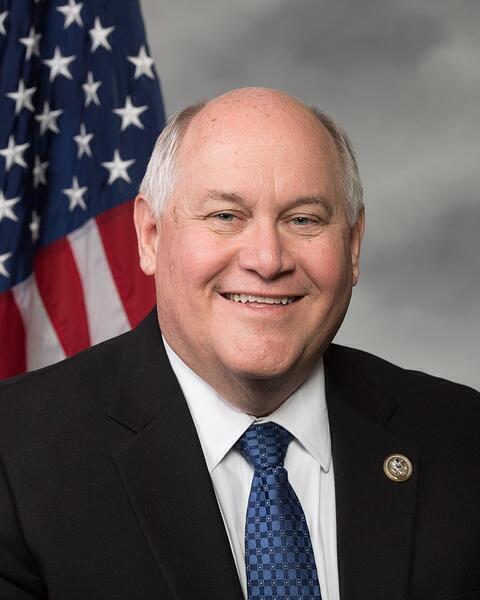
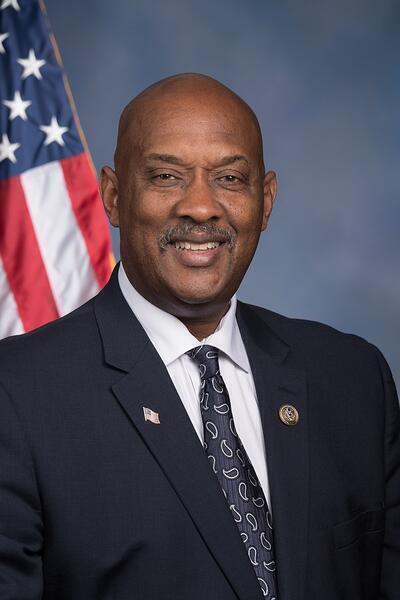
Yea (427)
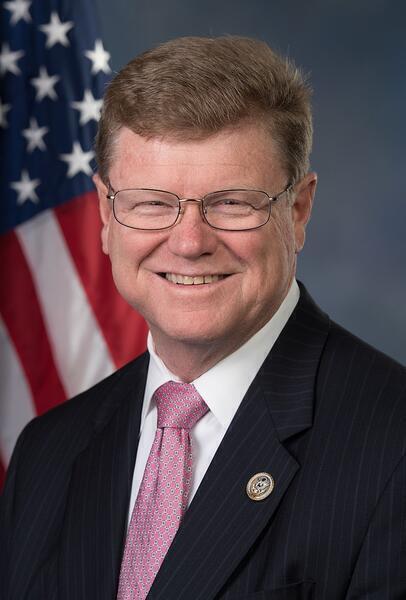


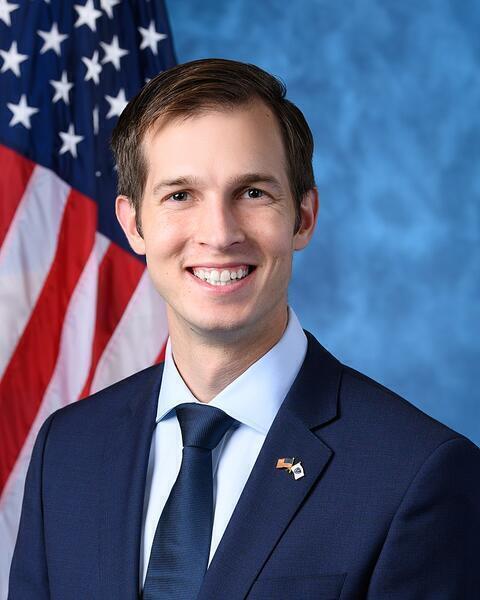
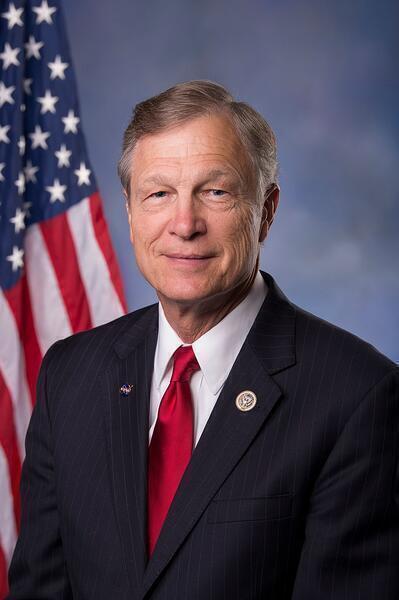
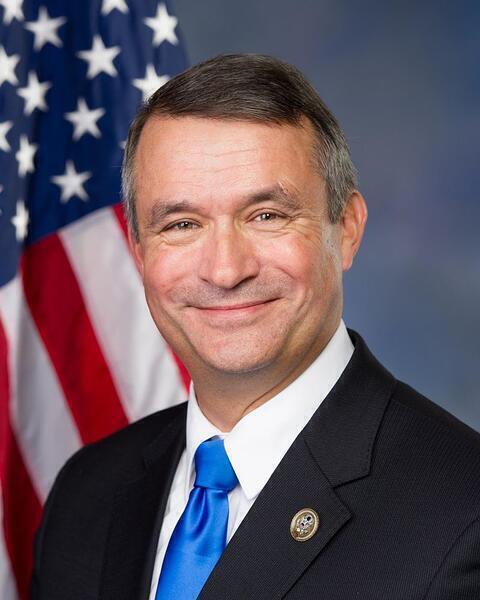




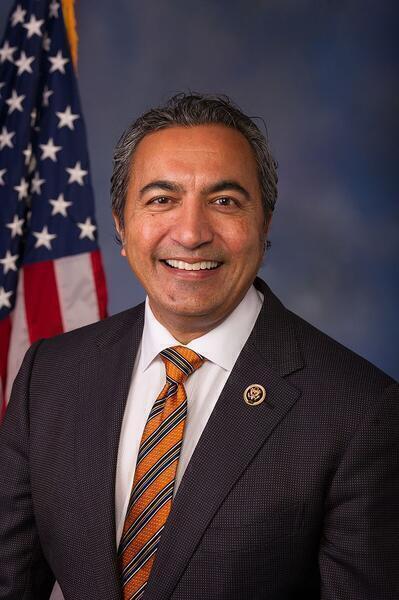
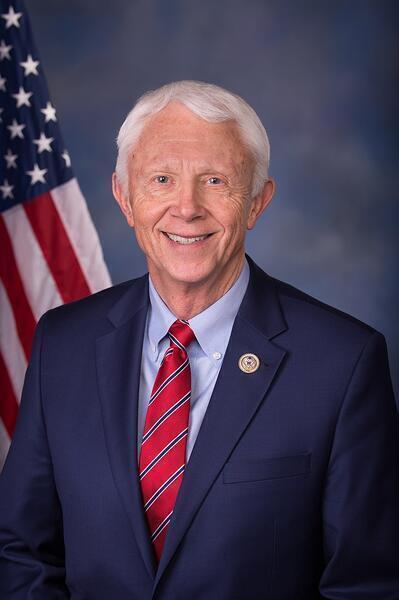
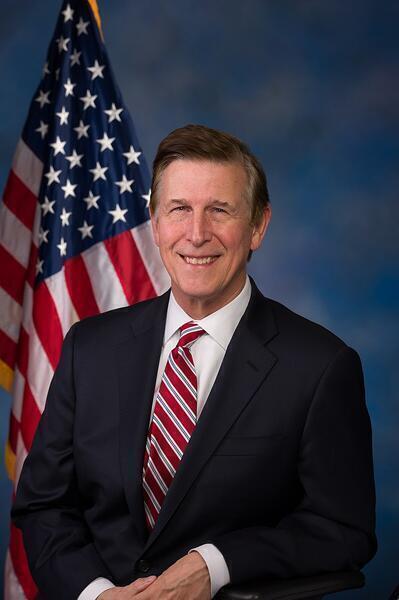
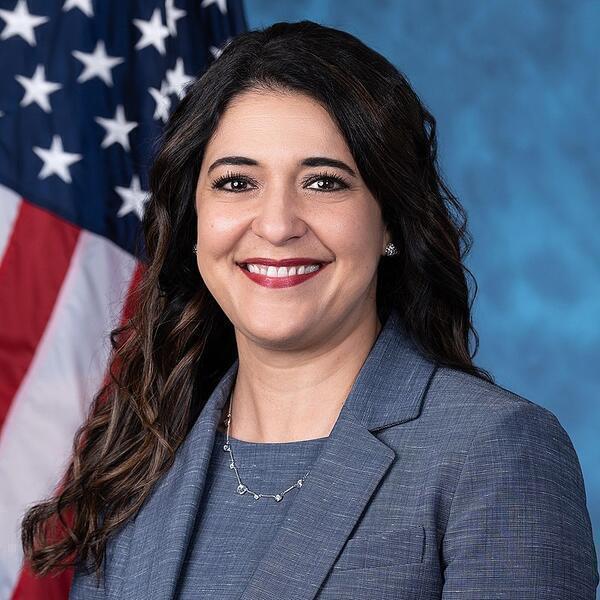




K
Ken Calvert






J
Jason Crow





L
Lloyd Doggett












S
Scott Franklin



J
John Garamendi

































J
John Mannion


L
Lucy McBath

L
Lisa McClain






















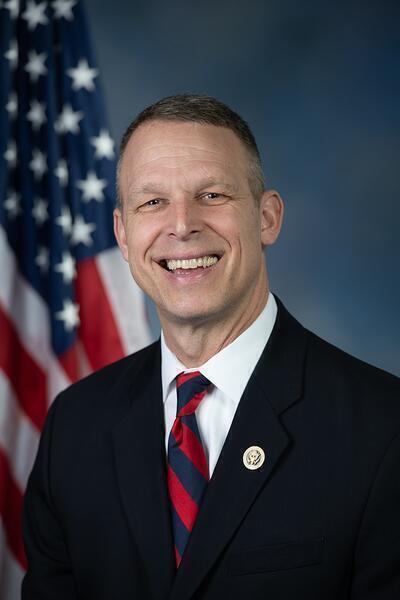
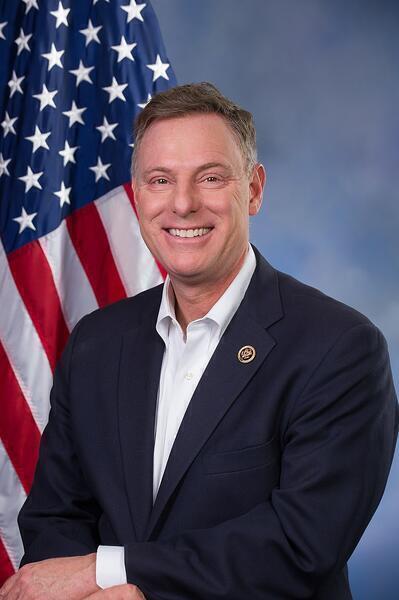

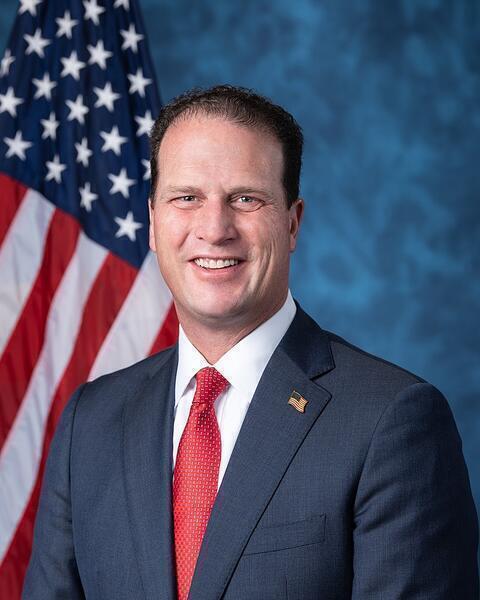

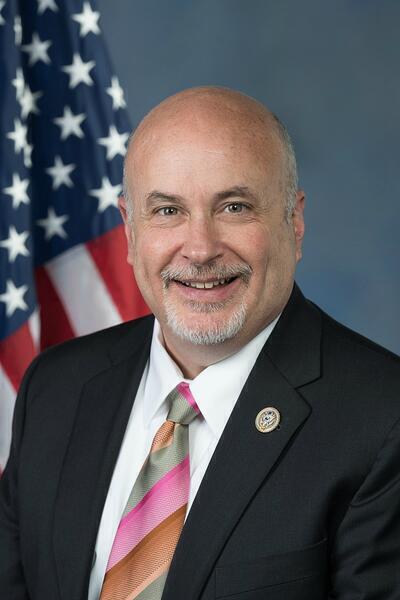






J
John Rutherford





D
David Schweikert
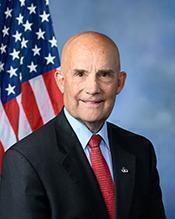
P
Pete Sessions





E
Eric Swalwell


R
Rashida Tlaib




N
Nydia Velázquez

D
Debbie Wasserman Schultz