H.R.7147 — Making further consolidated appropriations for the fiscal year ending September 30, 2026, and for other purposes
House Roll Call
H.R.7147
| Bill | H.R.7147 — Making further consolidated appropriations for the fiscal year ending September 30, 2026, and for other purposes |
|---|---|
| Vote question | On Passage |
| Vote type | Yea-and-Nay |
| Result | Passed |
| Totals | Yea 220 / Nay 207 / Present 0 / Not Voting 4 |
| Party | Yea | Nay | Present | Not Voting |
|---|---|---|---|---|
| R | 213 | 1 | 0 | 4 |
| D | 7 | 206 | 0 | 0 |
| I | 0 | 0 | 0 | 0 |
Research Brief
On Passage
Bill Analysis
HR 7147 is a short, procedural appropriations vehicle rather than a fully detailed spending bill. As introduced, it provides a statutory framework to carry forward and consolidate full-year appropriations for FY2026 (ending September 30, 2026) and to serve as a legislative vehicle for broader budgetary or policy provisions (“and for other purposes”).
Core function and scope
- The bill’s title and referral indicate it is intended as a consolidated appropriations measure—i.e., a single omnibus or minibus bill that will ultimately bundle multiple regular appropriations acts (Defense, Labor-HHS-Education, Transportation-HUD, etc.) into one law for FY2026.
- It is not yet populated with detailed accounts, dollar amounts, or program directives; those will be added through committee and floor amendments.
Funding and authorities
- HR 7147 is expected to provide full-year discretionary budget authority for most federal departments and agencies for FY2026, replacing any short-term continuing resolutions.
- It will likely incorporate or reference existing authorizing statutes (e.g., for defense, health, transportation, education) and may include limited authorizing language (“riders”) that modify or condition how funds can be used.
- The bill can also carry emergency, supplemental, or offsetting provisions, as well as scorekeeping rules relevant to the Budget Act.
Agencies and programs affected
- Ultimately, nearly all federal cabinet departments and many independent agencies will be affected, since consolidated appropriations typically cover the full range of annual discretionary programs.
- Specific program impacts, funding levels, and policy conditions are not yet defined at the referral stage.
Beneficiaries and regulated parties
- Beneficiaries will include federal agencies receiving appropriations and downstream recipients: states, local governments, contractors, grantees, and individuals served by federally funded programs.
- Regulated entities may be indirectly affected through appropriations riders that restrict or direct agency regulatory actions, enforcement priorities, or grant conditions.
Process and timelines
- The bill has been referred to the House Committee on Appropriations (primary jurisdiction) and the House Budget Committee (for provisions affecting budget enforcement and aggregates).
- Detailed funding tables, policy riders, and any offsets will be developed in committee and during negotiations with the Senate and the Administration, with the goal of enactment before or early in FY2026 (by September 30, 2026).
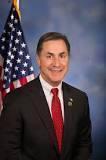
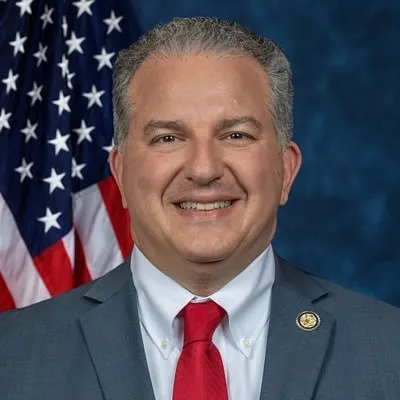
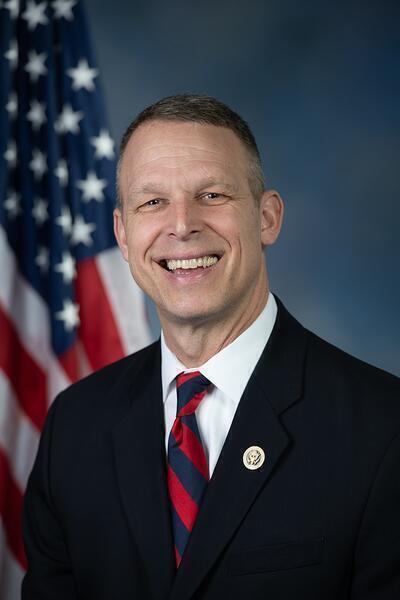
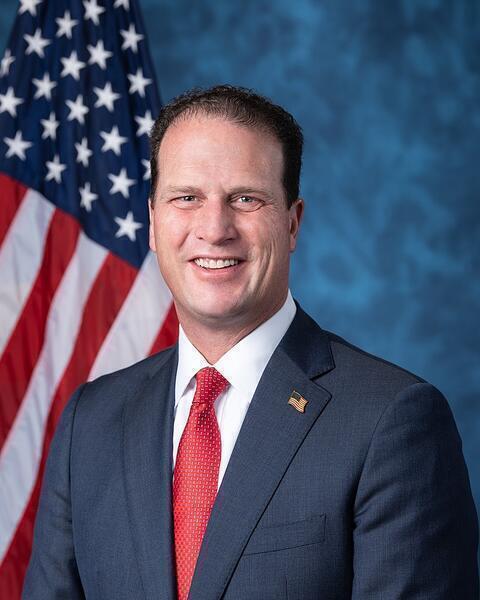
Yea (220)
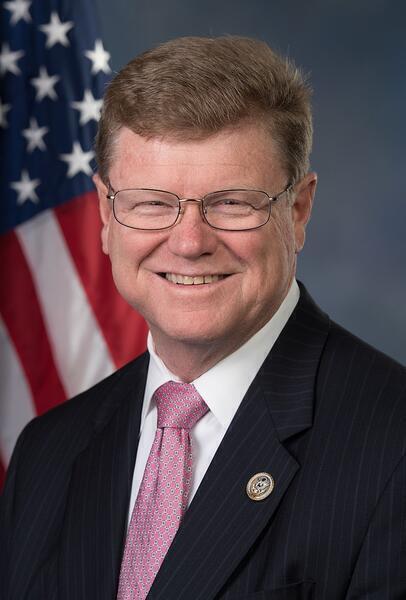

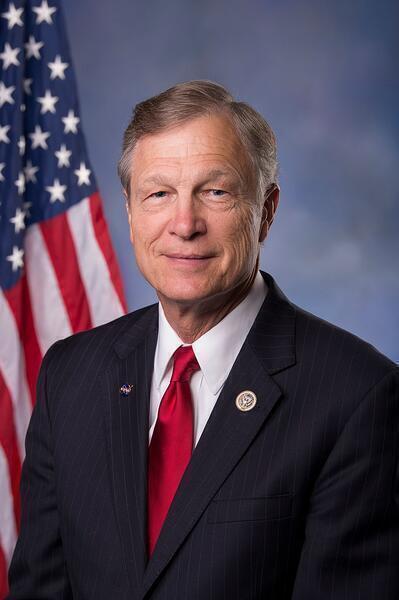
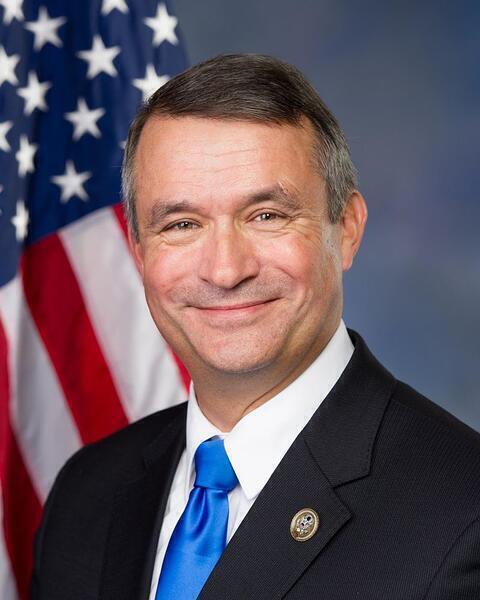
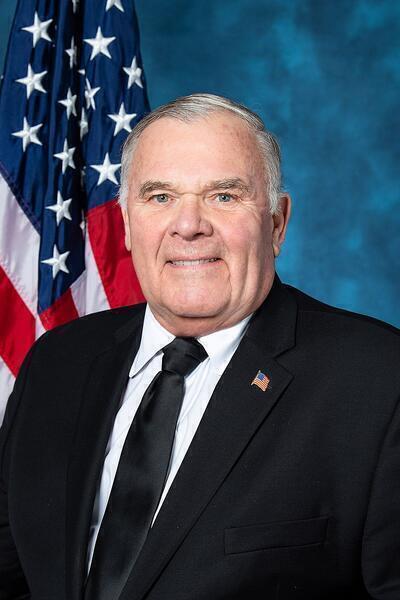



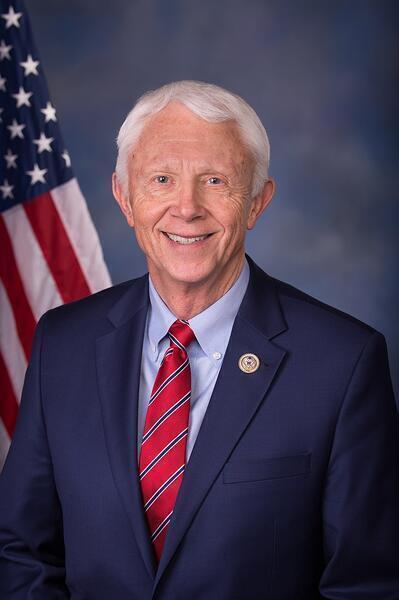
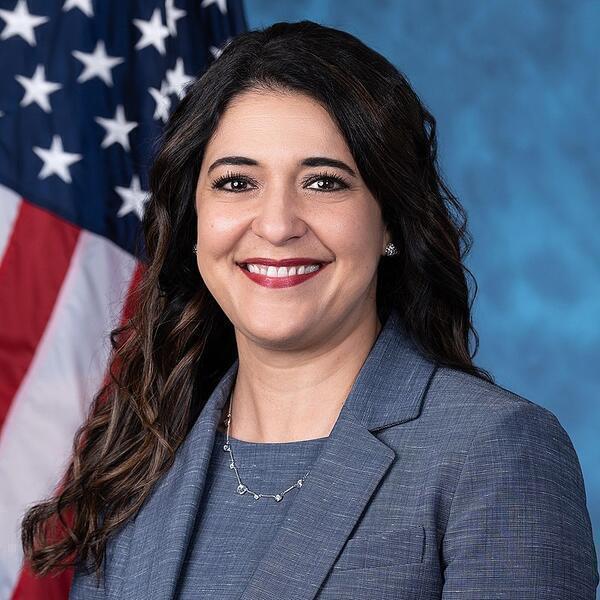
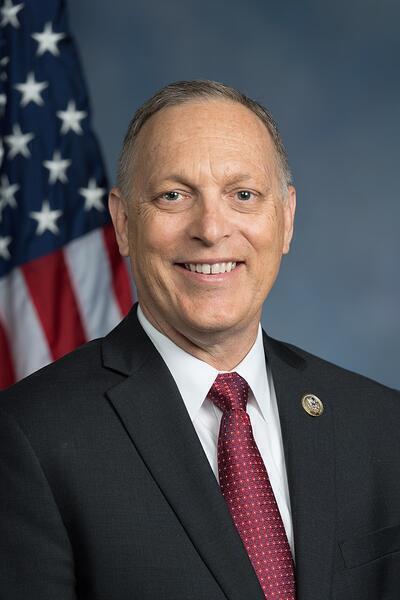
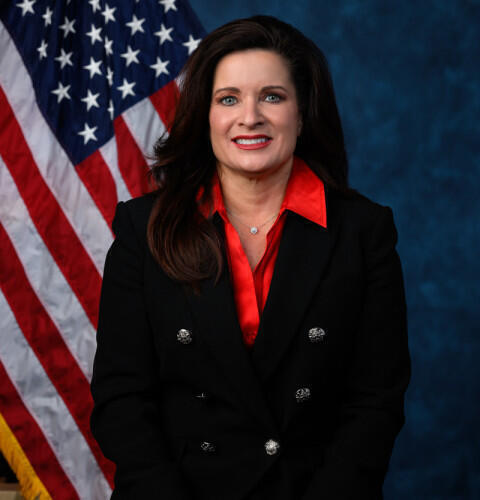


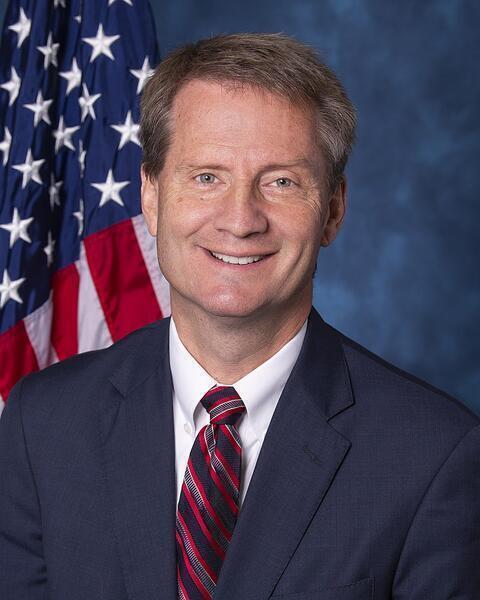
K
Ken Calvert
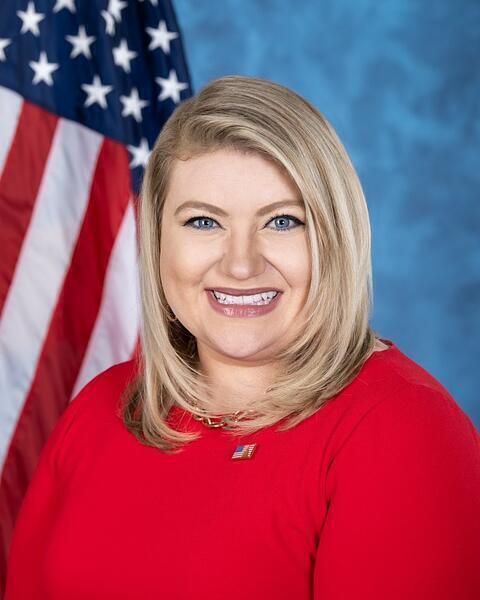

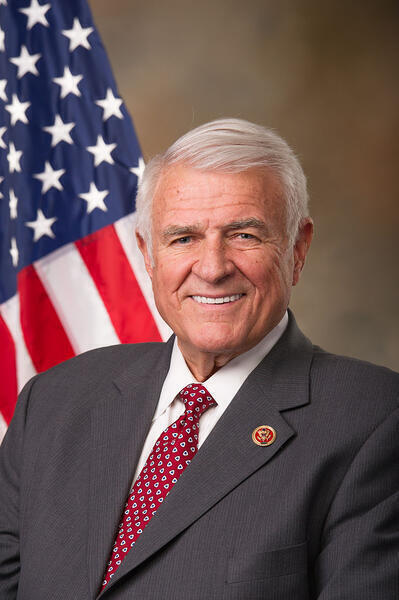



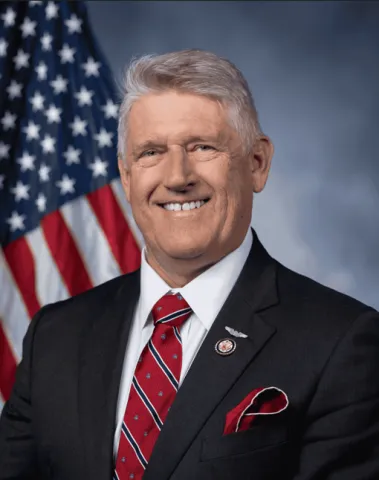
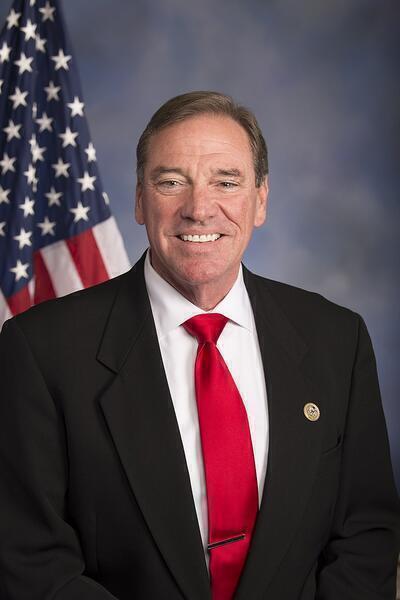


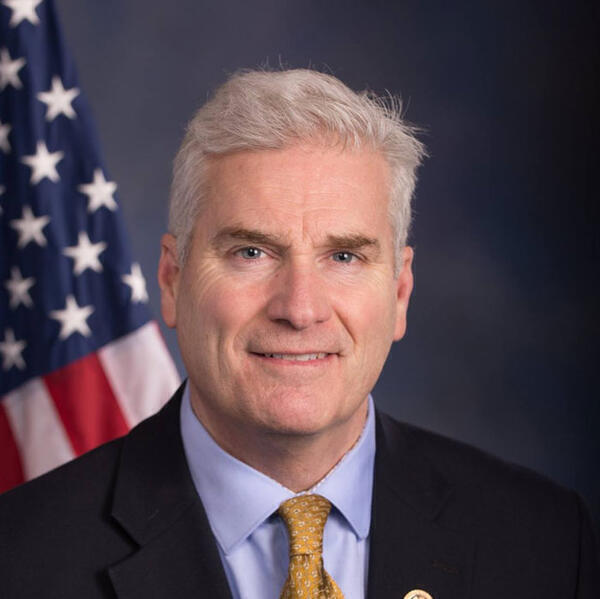
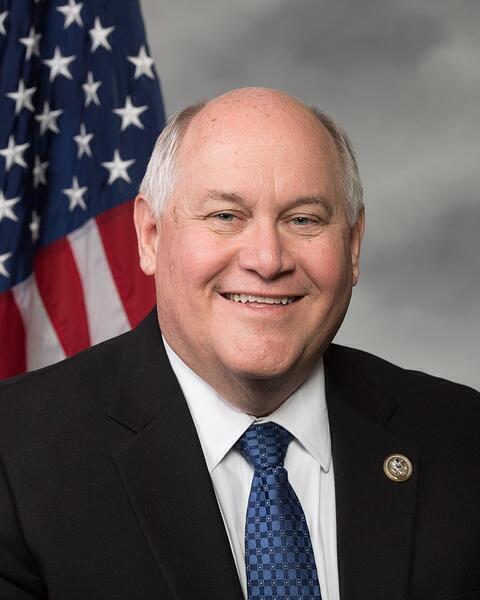








S
Scott Franklin









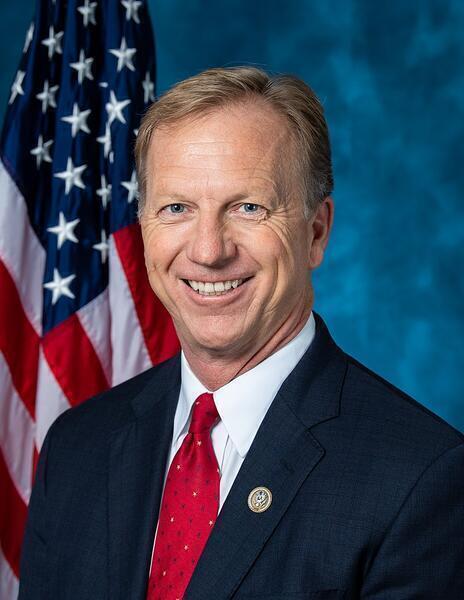
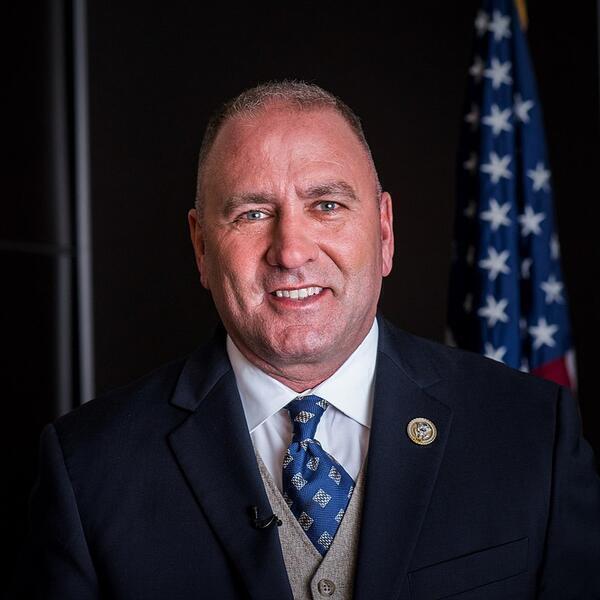

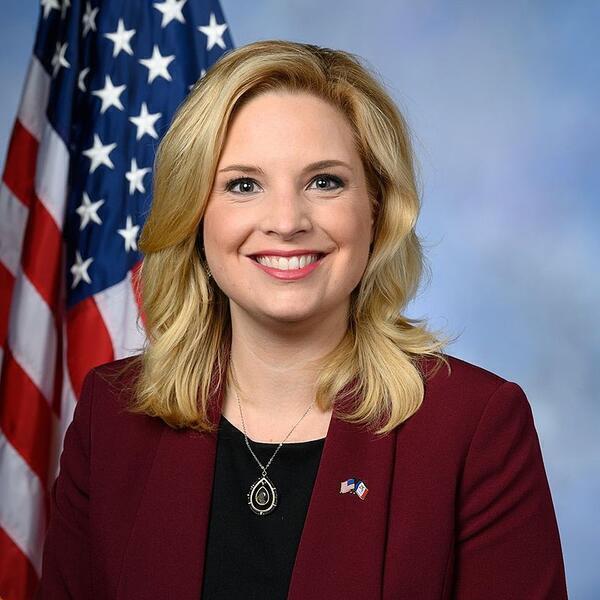








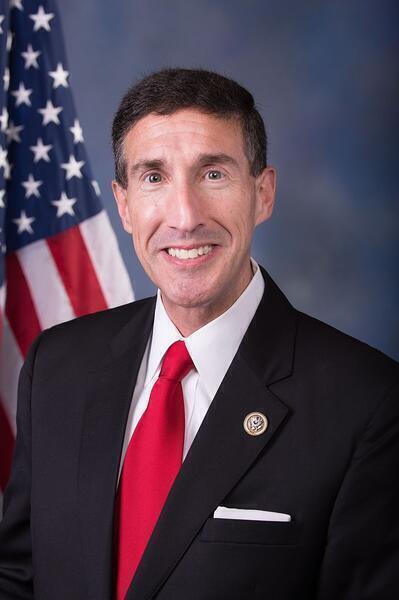
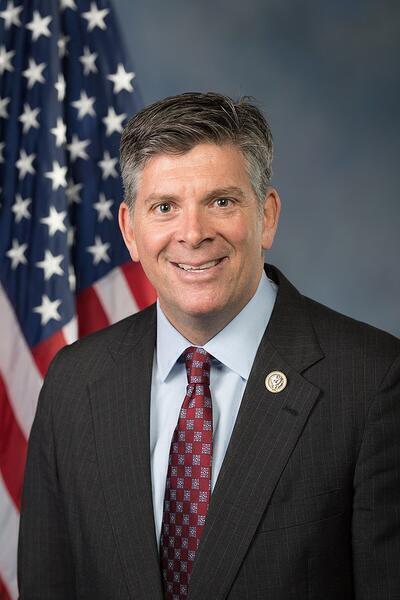





L
Lisa McClain















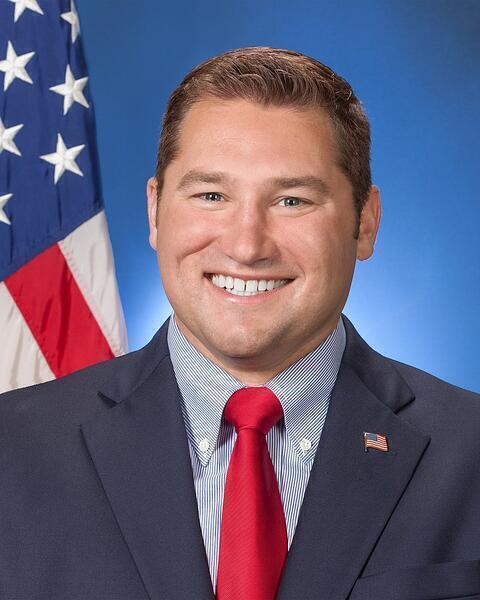


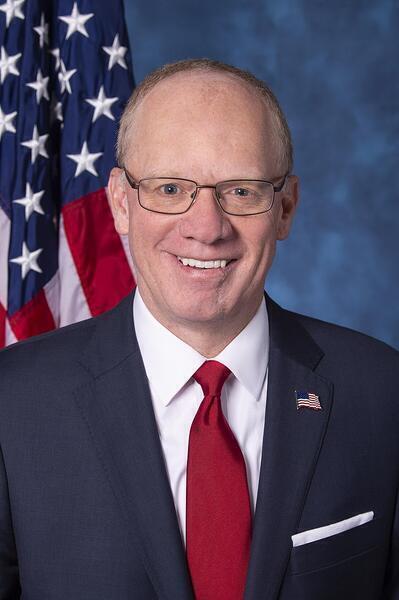
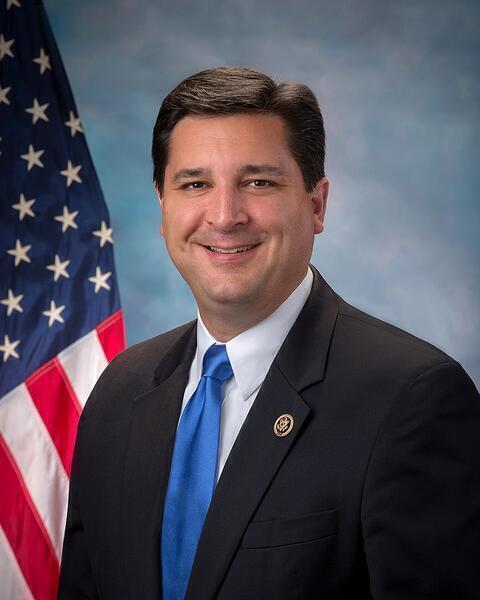
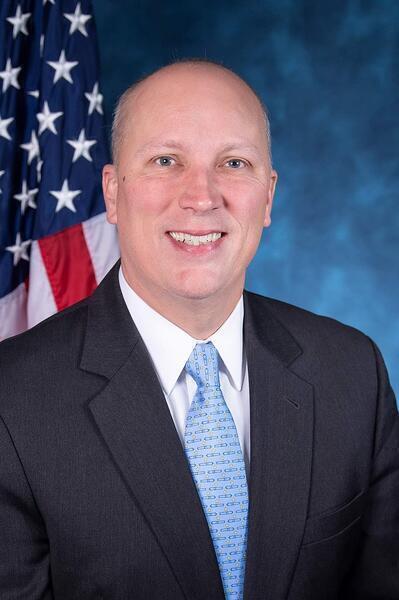

J
John Rutherford

D
David Schweikert
P
Pete Sessions








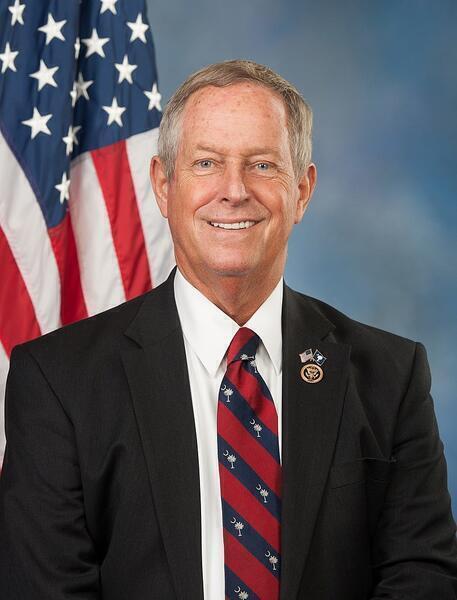

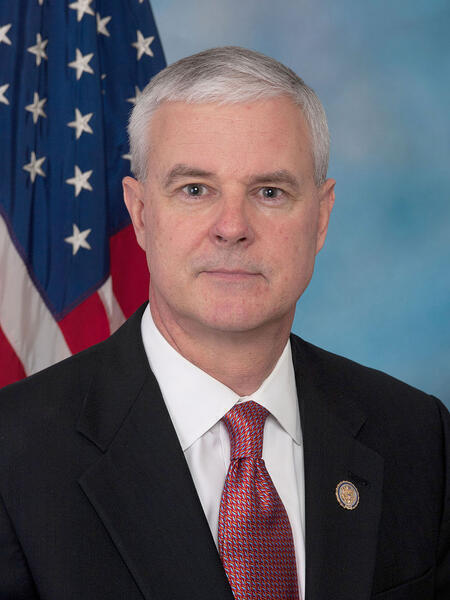

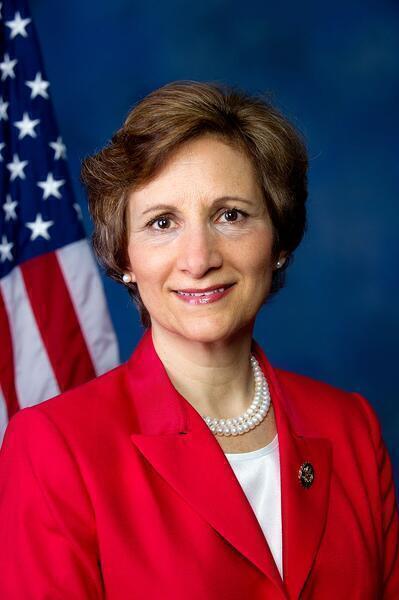
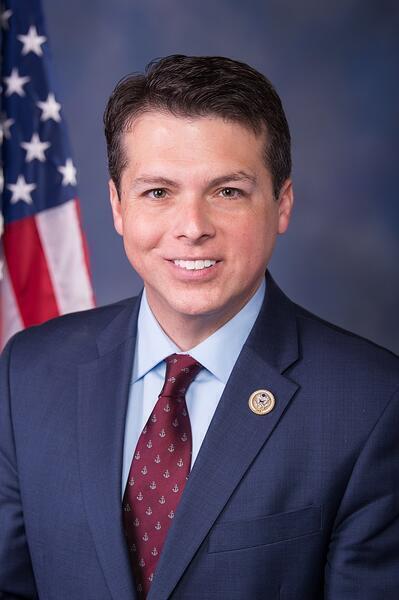
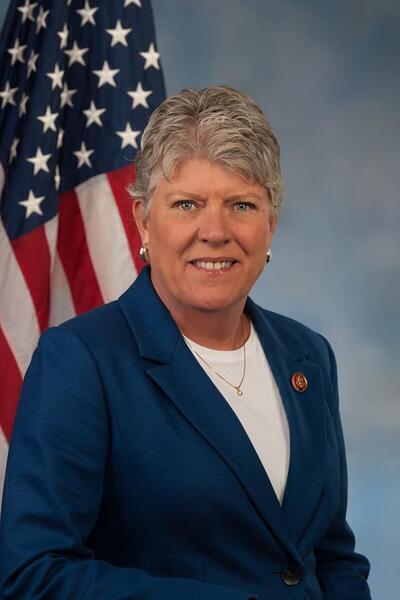
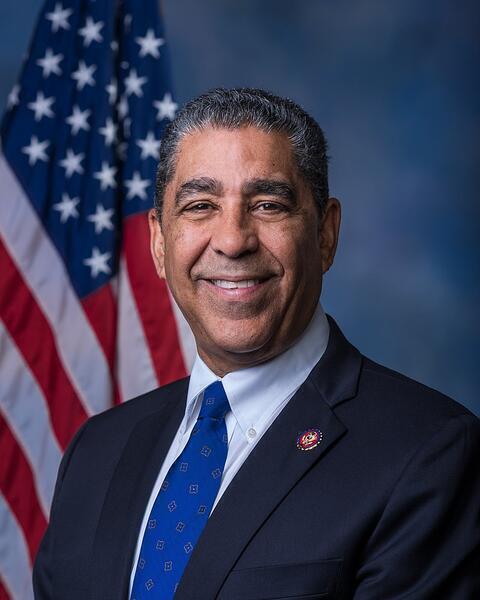
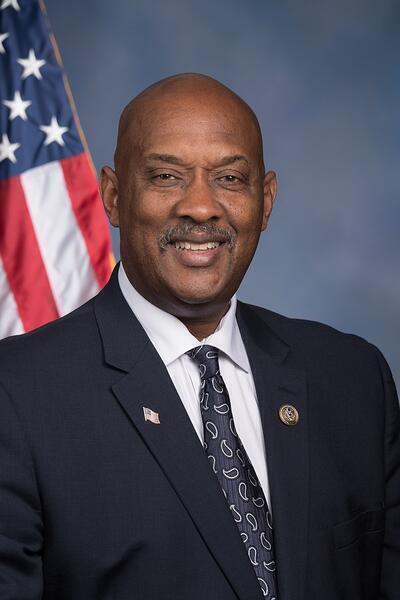
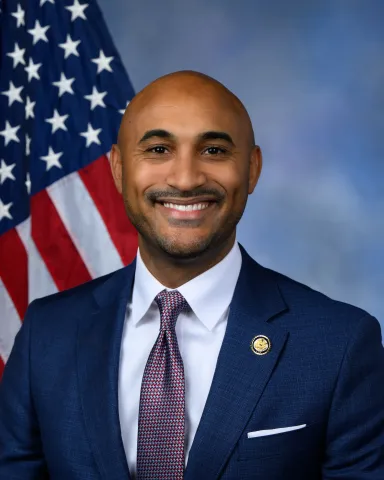
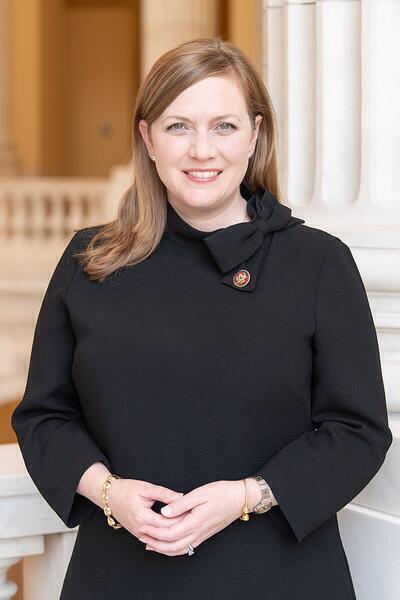
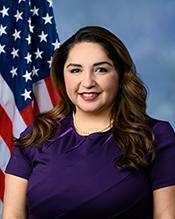
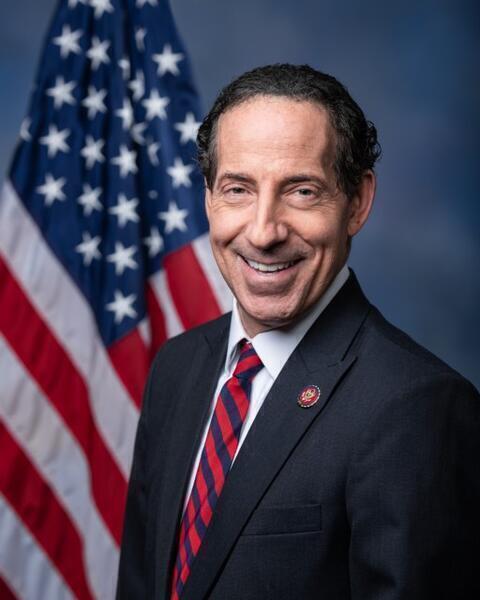
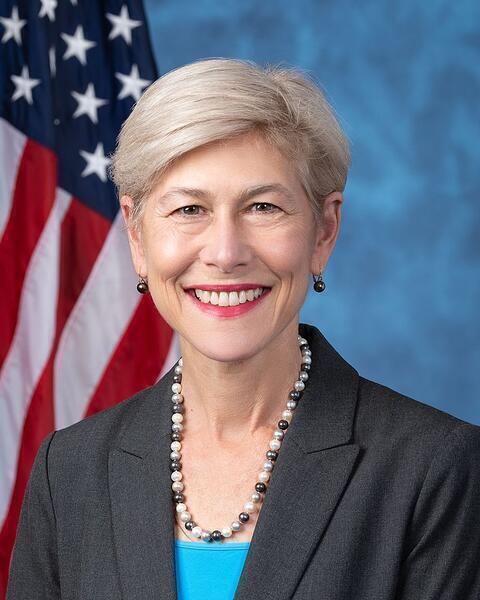
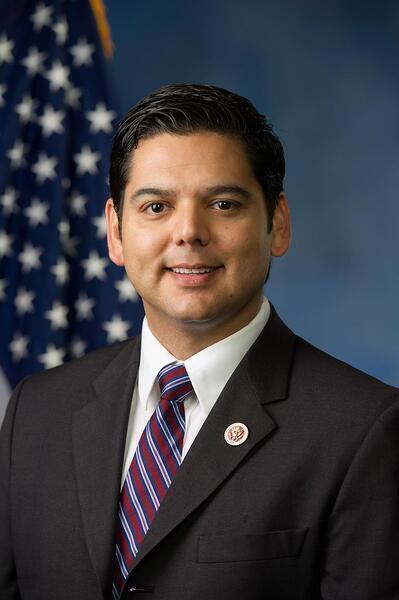
Nay (207)
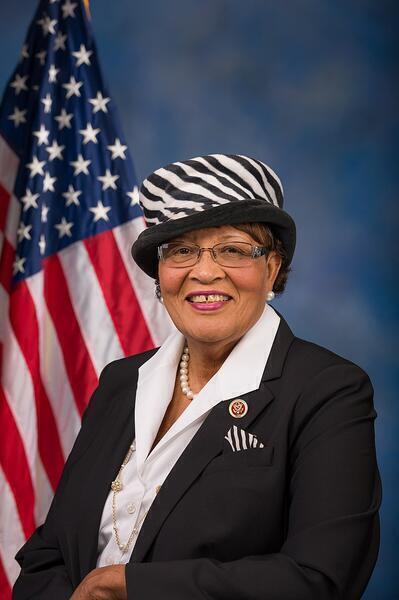
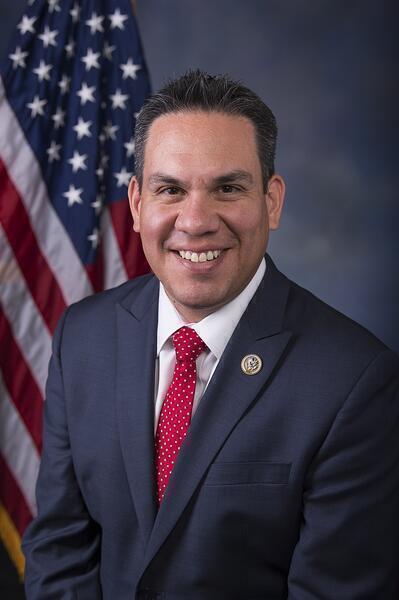
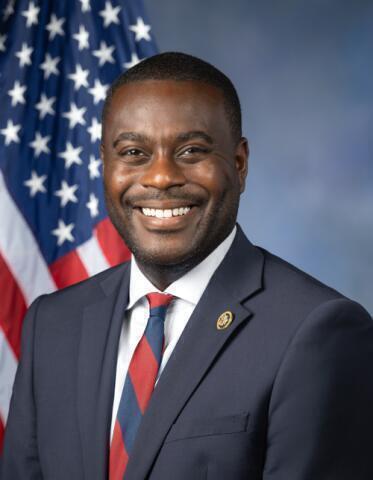
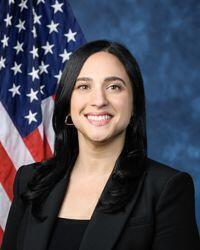


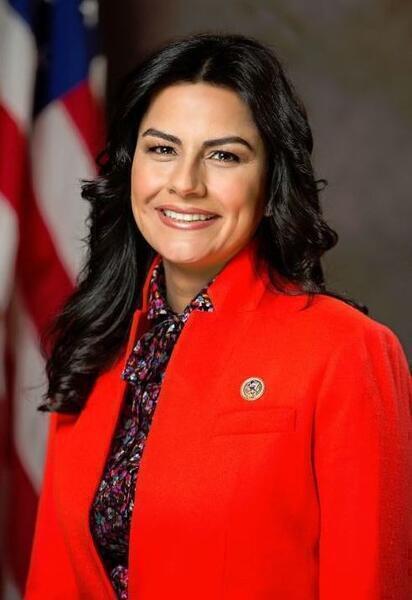

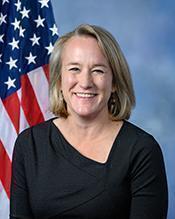

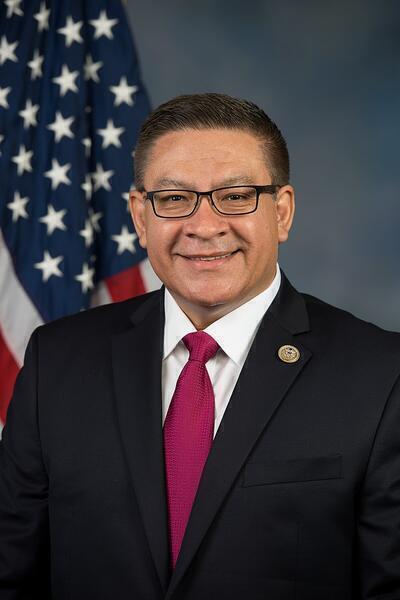
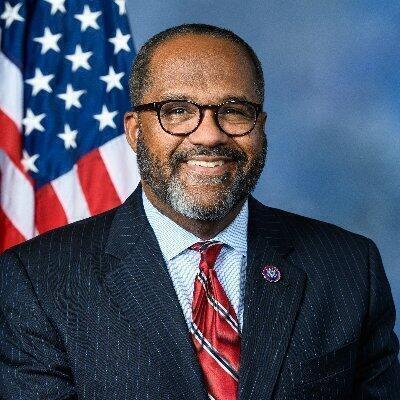



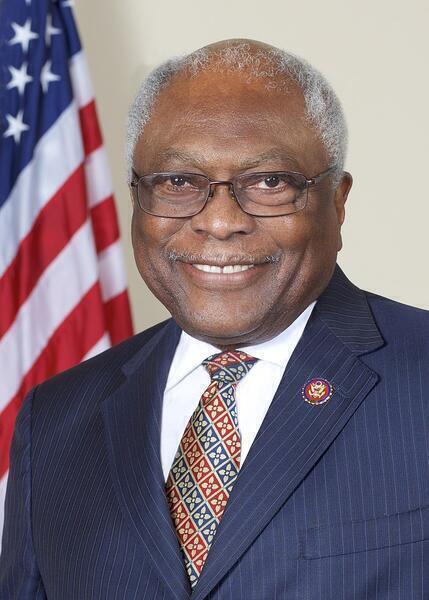

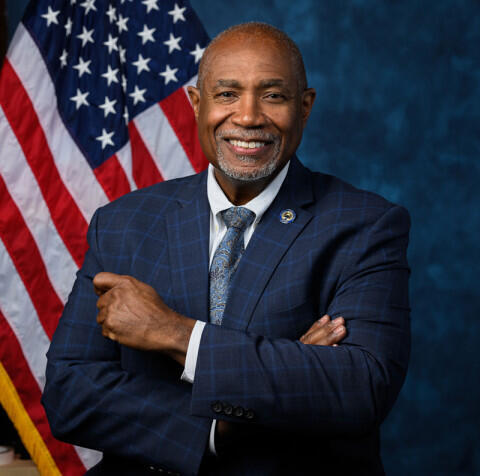
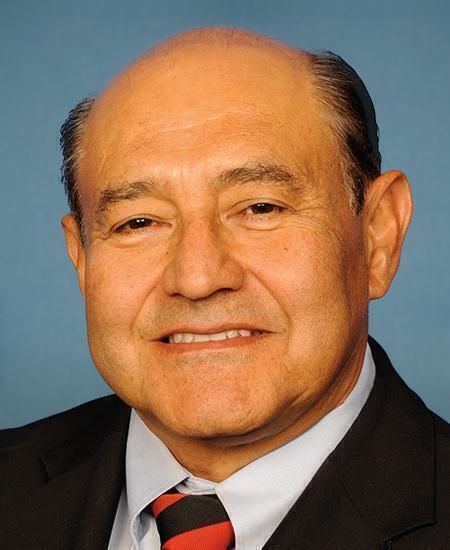
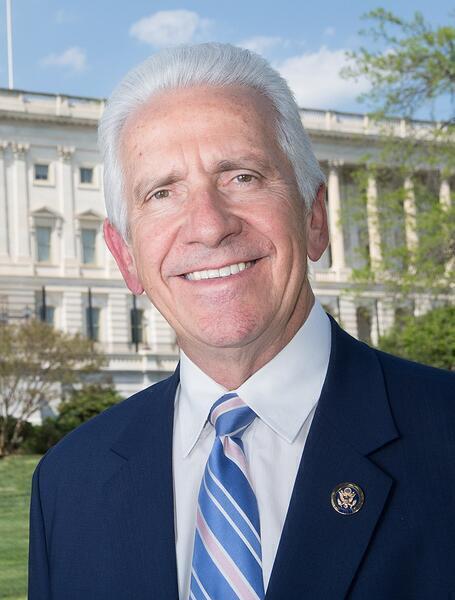
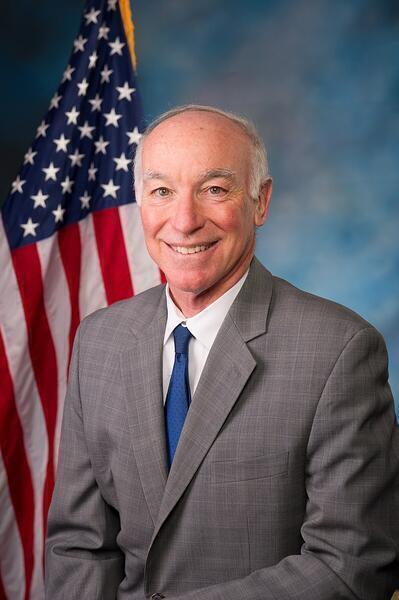
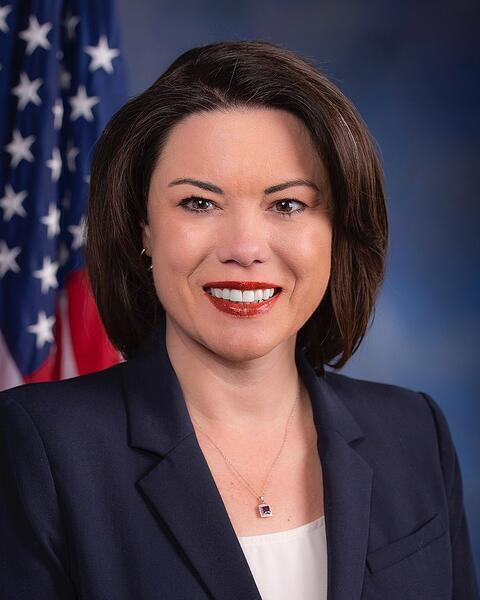

J
Jason Crow
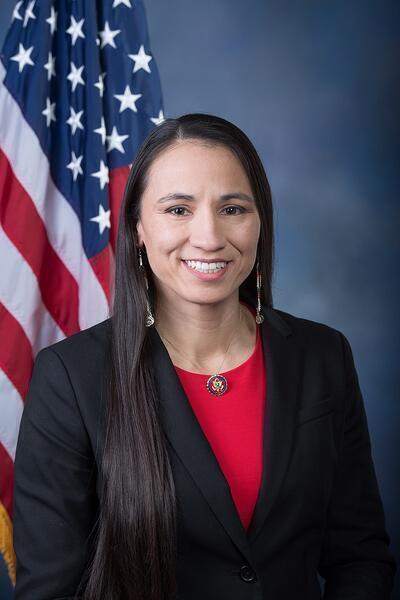
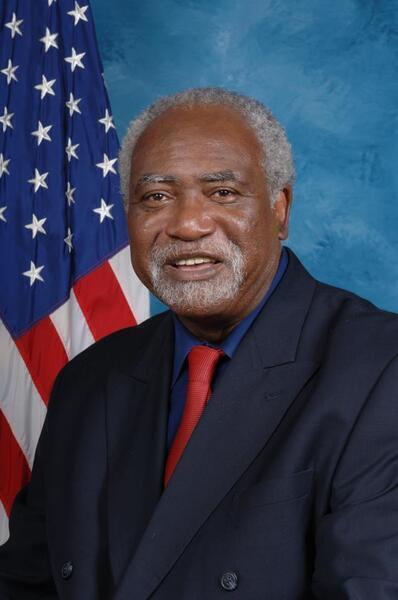





L
Lloyd Doggett




J
John Garamendi










J
John Mannion


L
Lucy McBath






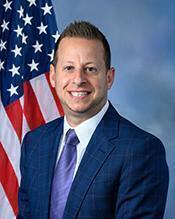
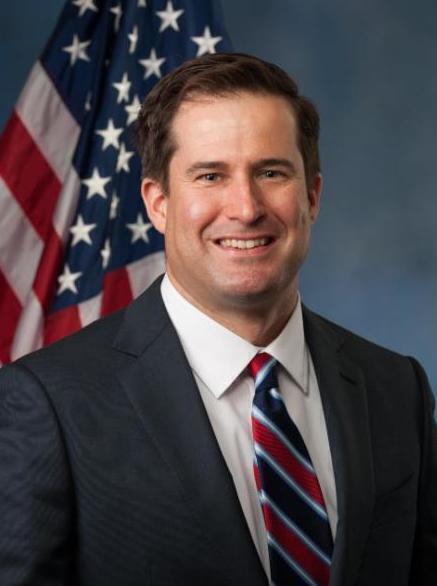
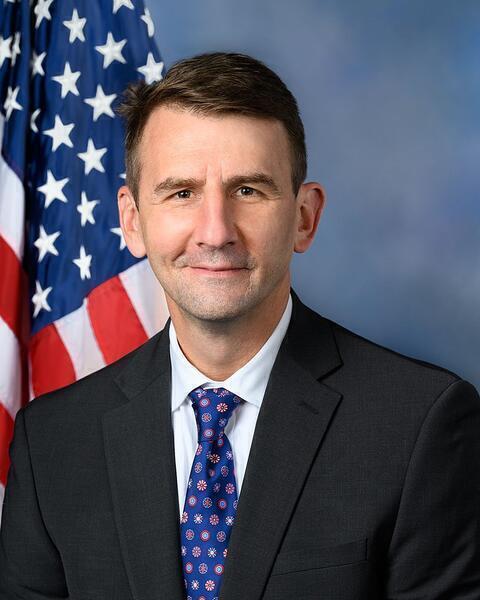



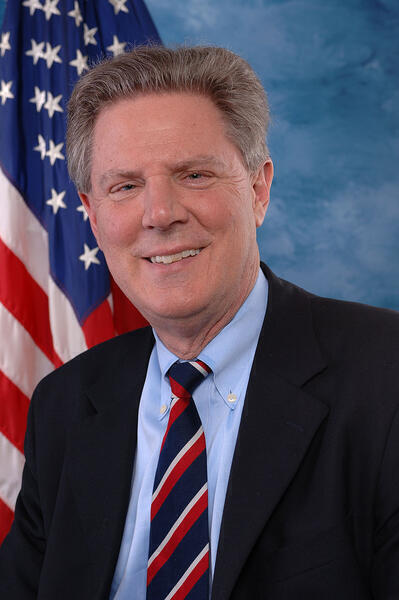
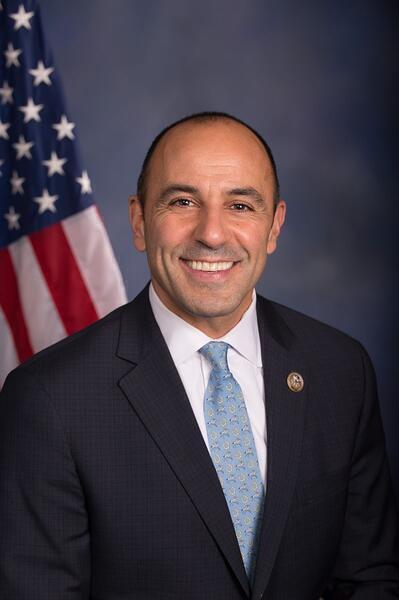
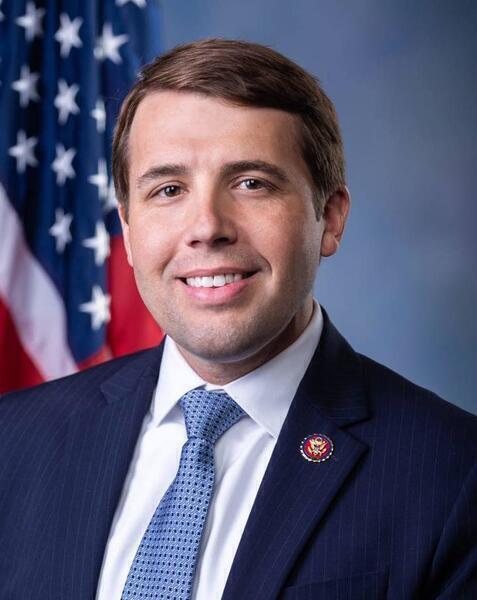
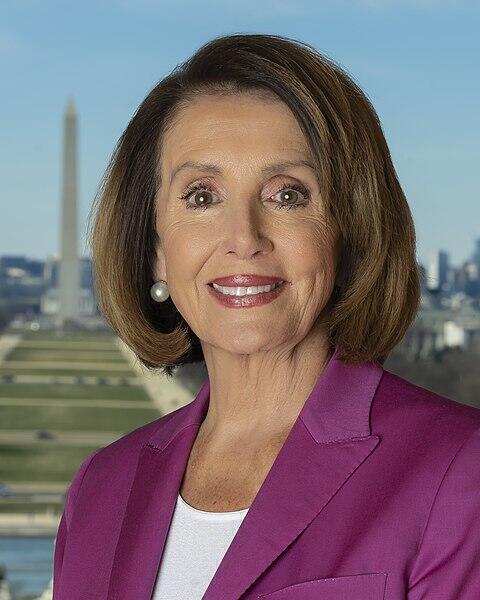













E
Eric Swalwell

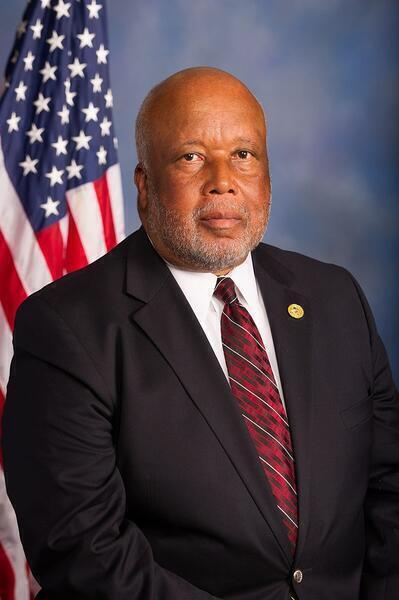
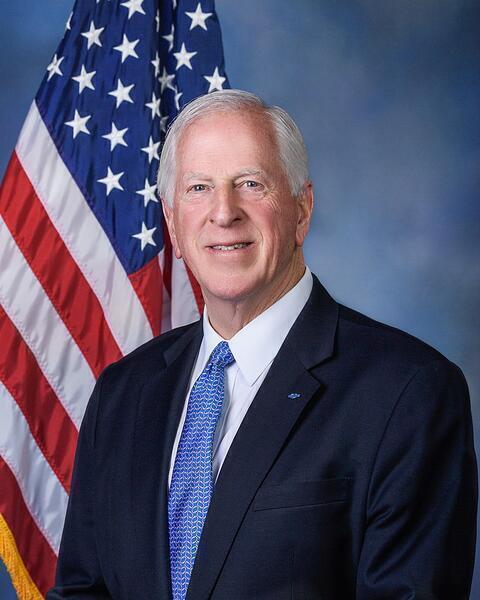
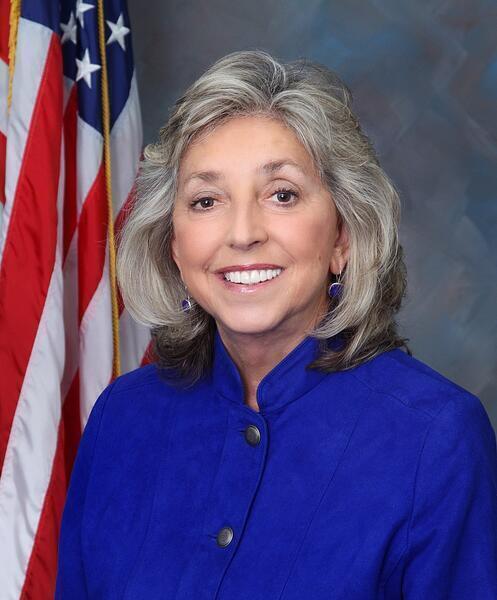
R
Rashida Tlaib


N
Nydia Velázquez


D
Debbie Wasserman Schultz