H.R.7148
House Roll Call
H.R.7148
| Bill | H.R.7148 |
|---|---|
| Vote question | On Agreeing to the Amendment |
| Vote type | Recorded Vote |
| Result | Failed |
| Totals | Yea 164 / Nay 268 / Present 0 / Not Voting 4 |
| Party | Yea | Nay | Present | Not Voting |
|---|---|---|---|---|
| R | 160 | 57 | 0 | 3 |
| D | 4 | 211 | 0 | 1 |
| I | 0 | 0 | 0 | 0 |
Research Brief
On Agreeing to the Amendment
Bill Analysis
HR 7148, the “Consolidated Appropriations Act, 2026,” is an omnibus spending bill that would provide full-year discretionary appropriations for federal agencies and programs for Fiscal Year (FY) 2026 and make associated budgetary, revenue, and policy changes. As a consolidated appropriations measure, it is expected to bundle multiple regular appropriations bills (e.g., Defense; Labor-HHS-Education; Homeland Security; Transportation-HUD; Interior-Environment; Agriculture; Commerce-Justice-Science; Energy-Water; Financial Services; Legislative Branch; Military Construction-VA; State-Foreign Operations) into a single act.
The bill’s core function is to set agency-by-agency spending ceilings, program-level funding amounts, and conditions on the use of funds. It typically specifies: (1) lump-sum and line-item appropriations; (2) limitations on obligations and expenditures; (3) reprogramming and transfer authorities; and (4) rescissions of previously appropriated but unobligated balances. It may also include “general provisions” that temporarily amend or extend existing statutes, impose policy riders, or direct reports and studies.
Referral to the Committees on Appropriations, Budget, and Ways and Means signals that HR 7148 likely contains:
- Appropriations authorities: New budget authority for FY2026 discretionary programs across the executive branch.
- Budget enforcement provisions: Mechanisms to align the bill with statutory or procedural spending caps, deficit targets, or reconciliation instructions.
- Revenue or tax-related items: Limited tax, tariff, or offset provisions under Ways and Means jurisdiction to help meet budgetary targets or pay for spending.
Beneficiaries include federal departments and agencies receiving operating funds; state, local, and tribal governments that depend on federal grants; contractors and grantees; and individuals served by federally funded programs (e.g., Medicare administration, education grants, housing assistance, transportation infrastructure, veterans’ services, and national defense). Regulated entities may be indirectly affected through appropriations riders that constrain or direct regulatory activity (e.g., environmental, labor, financial, or health regulations).
Key timelines: HR 7148 is intended to be enacted before the start of FY2026 (October 1, 2025). Failure to enact it or alternative funding (e.g., continuing resolutions) by that date would risk partial government shutdowns or funding lapses for covered agencies. Specific program expirations, pilot projects, or reporting deadlines would be detailed in the bill’s text once available.
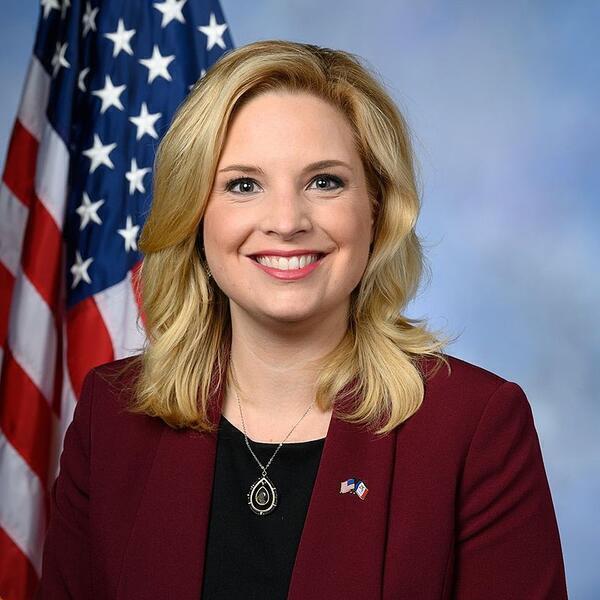
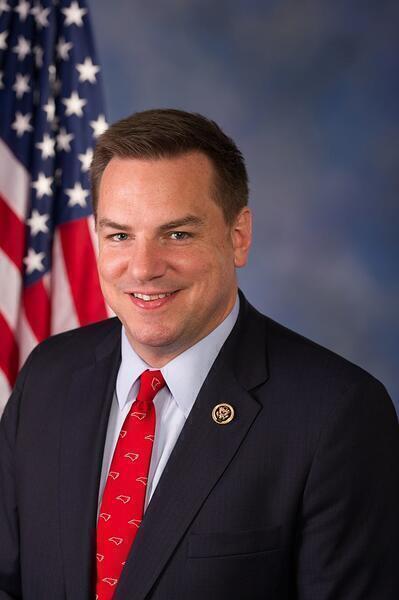
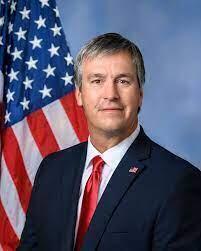
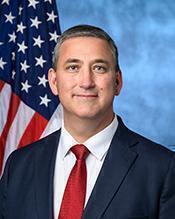
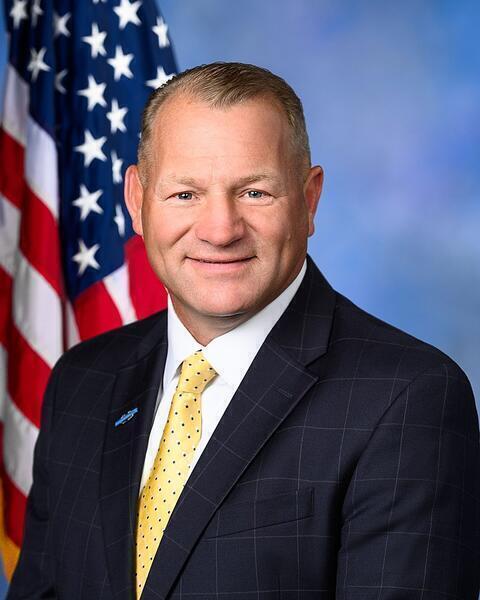
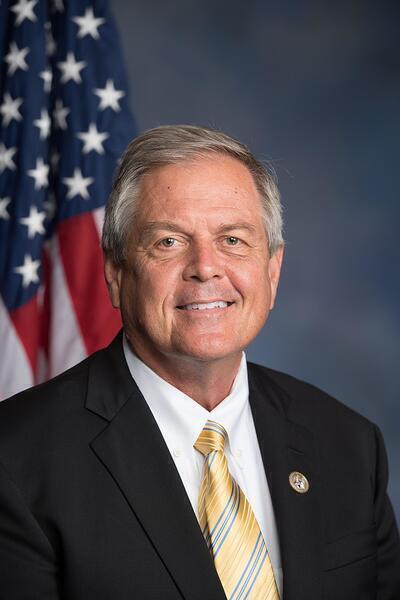
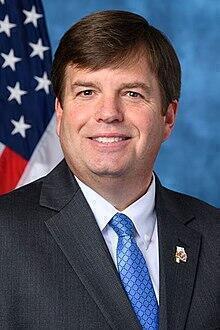
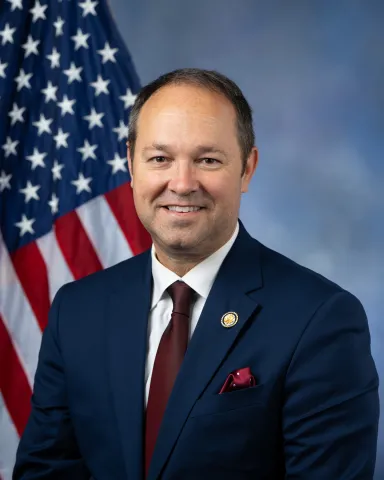
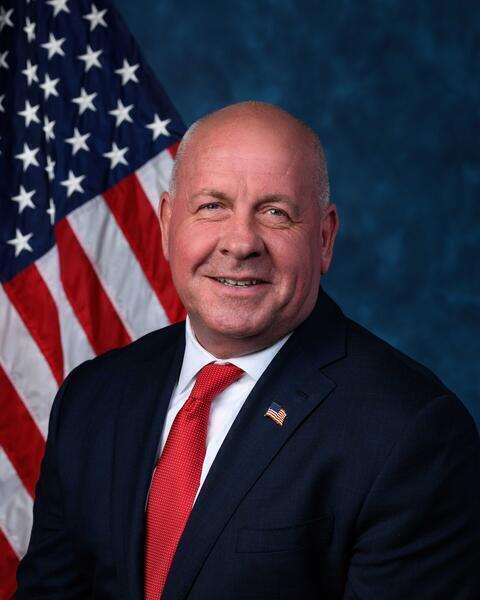
Yea (164)
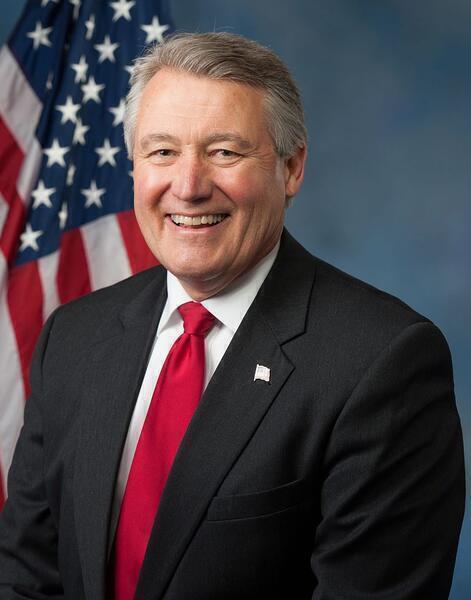

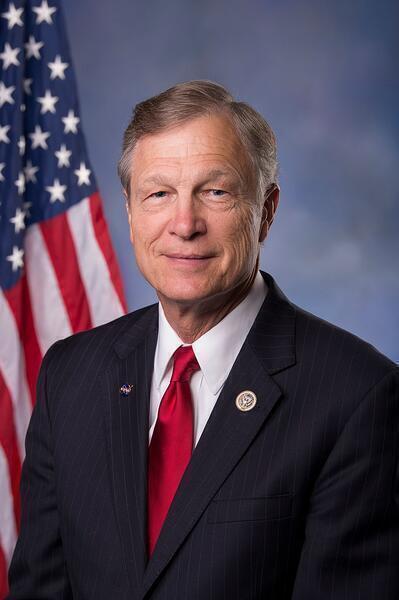
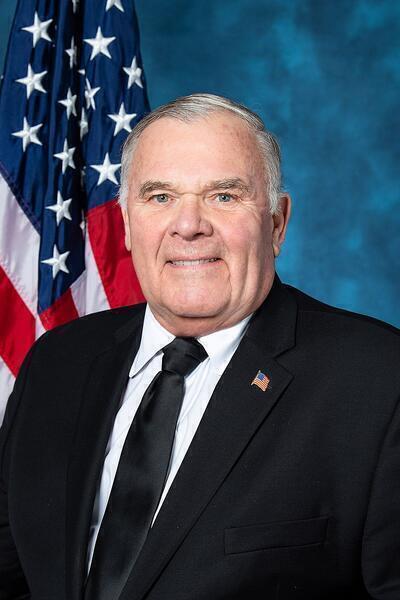

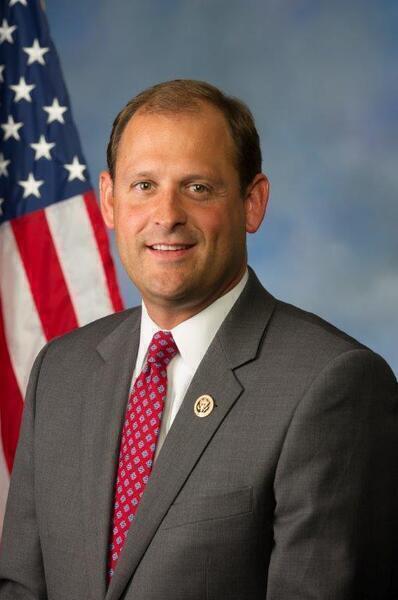
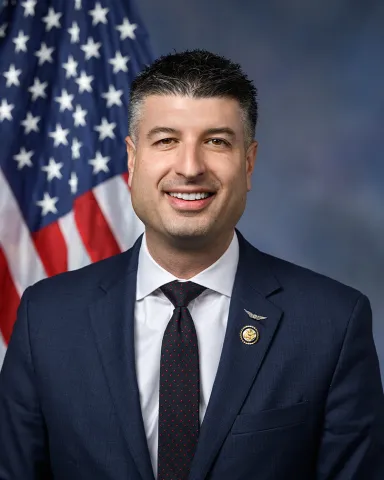

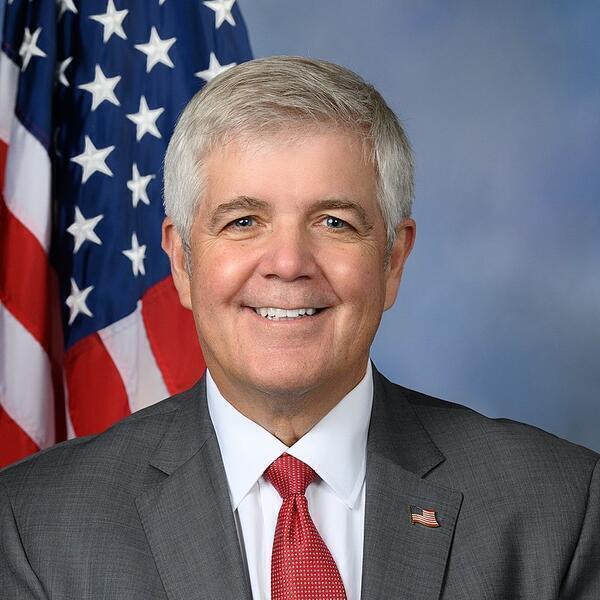
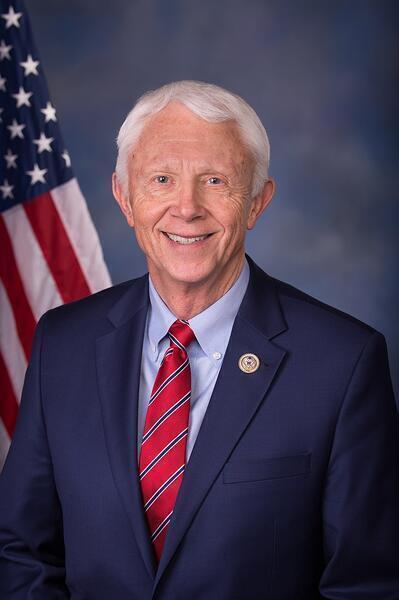
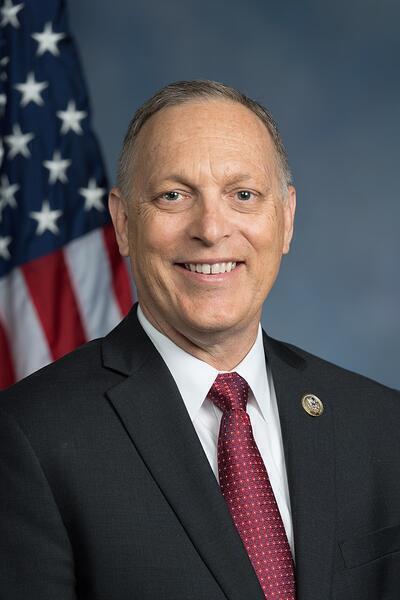
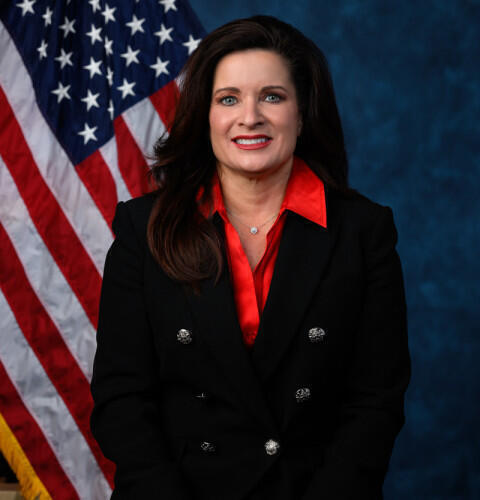
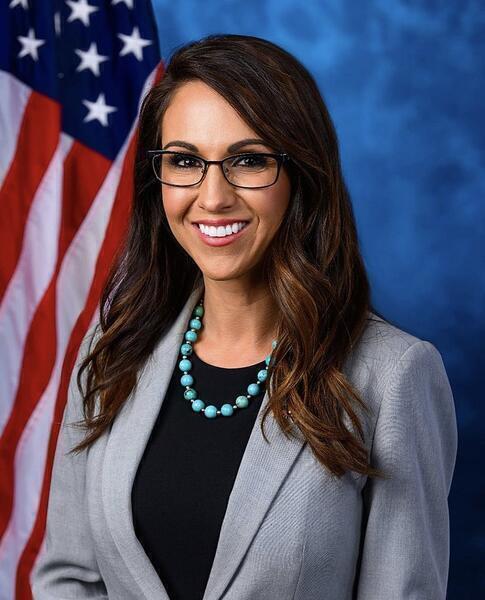
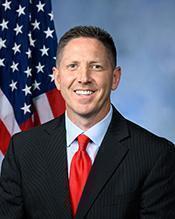


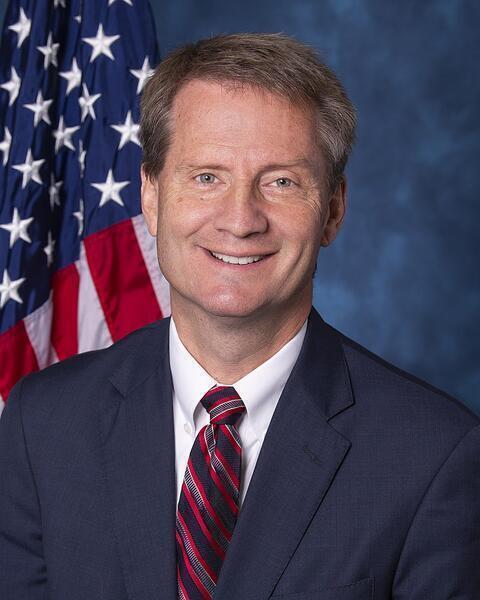
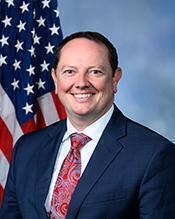
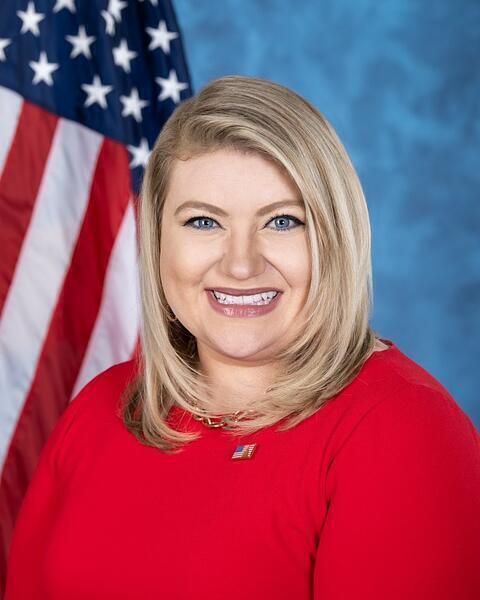

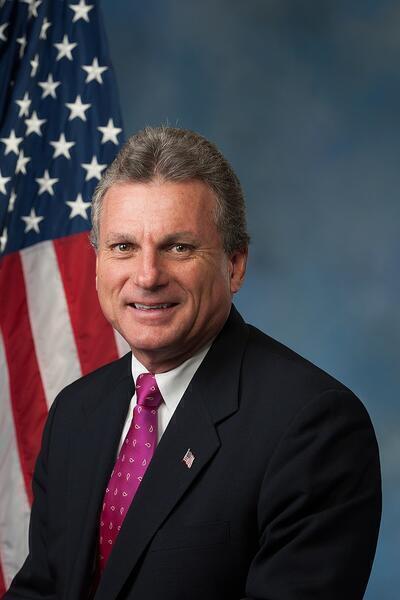
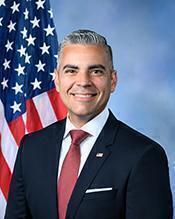
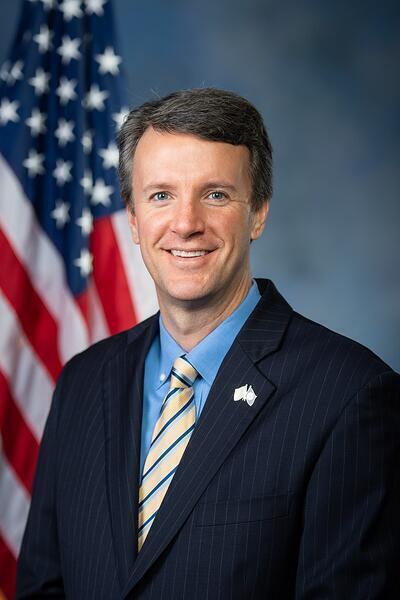
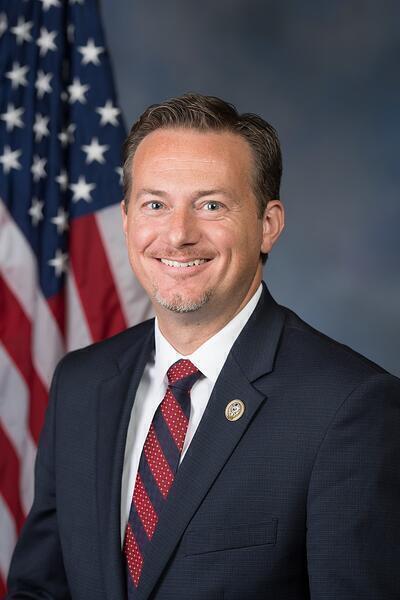
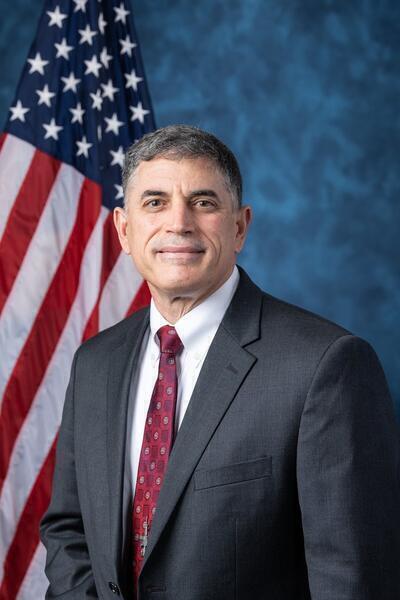
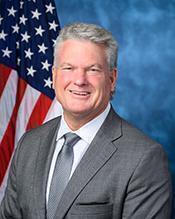
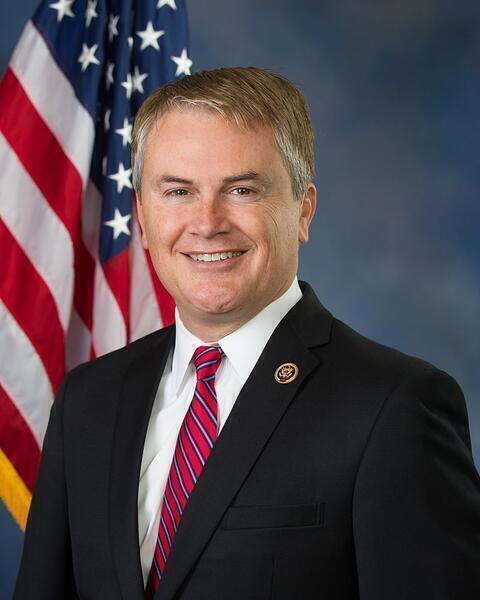
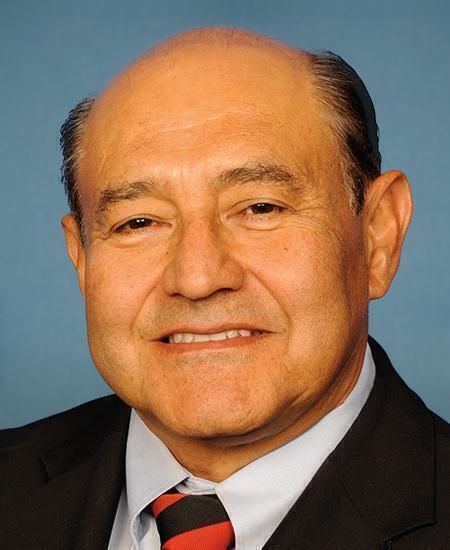
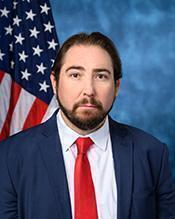
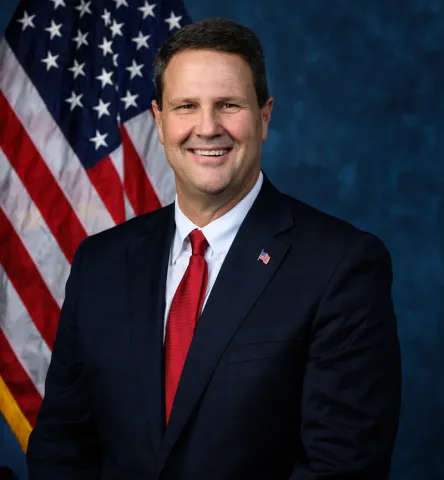

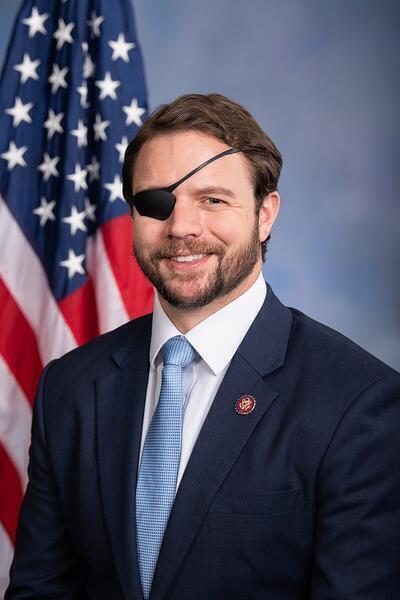
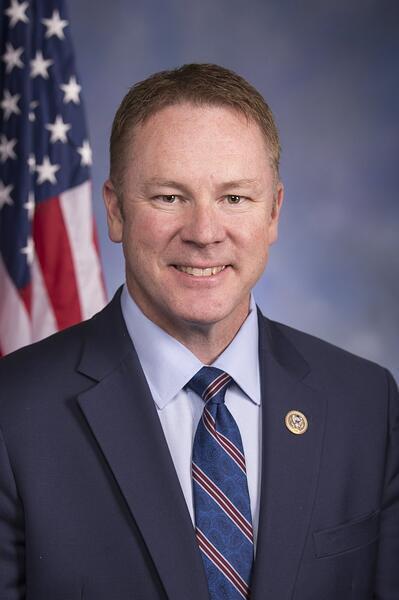
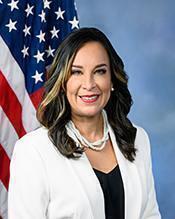
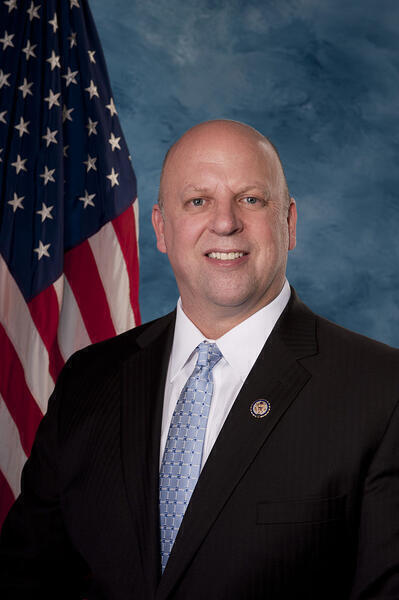
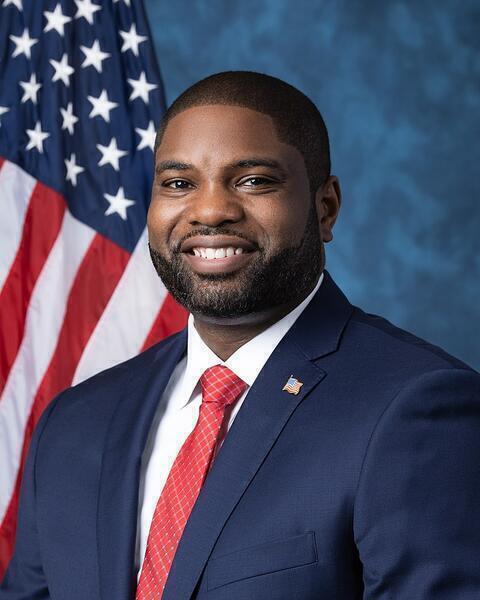
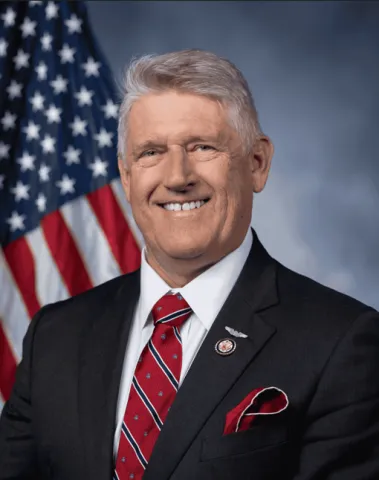
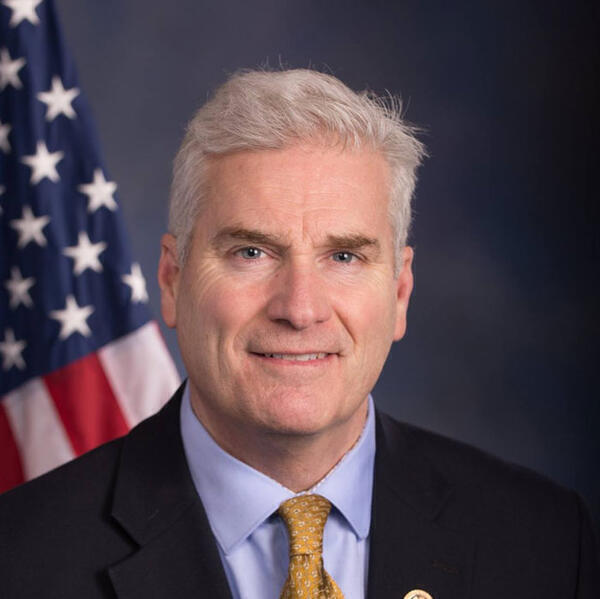
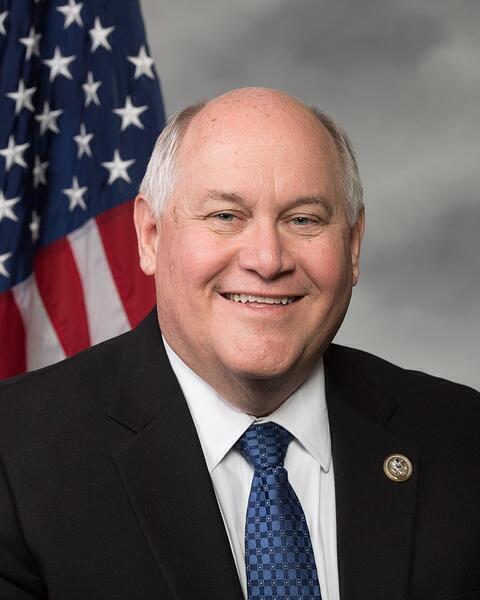

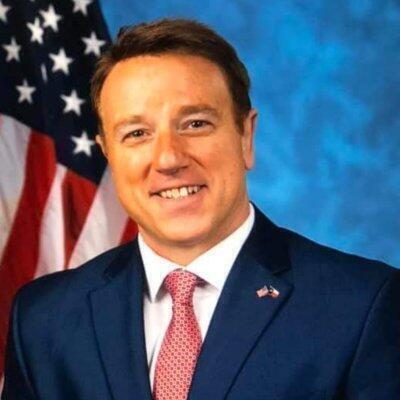

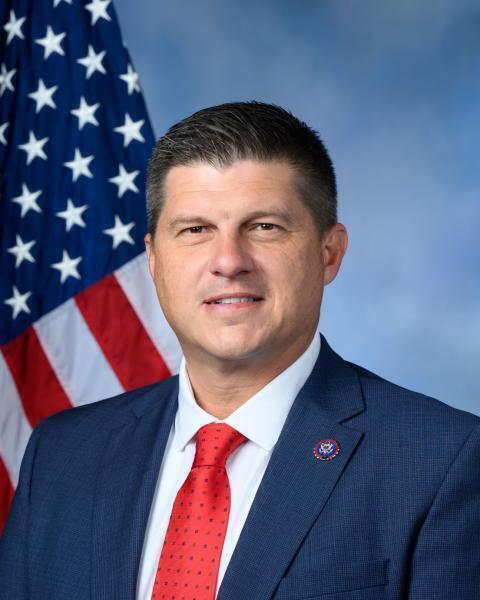
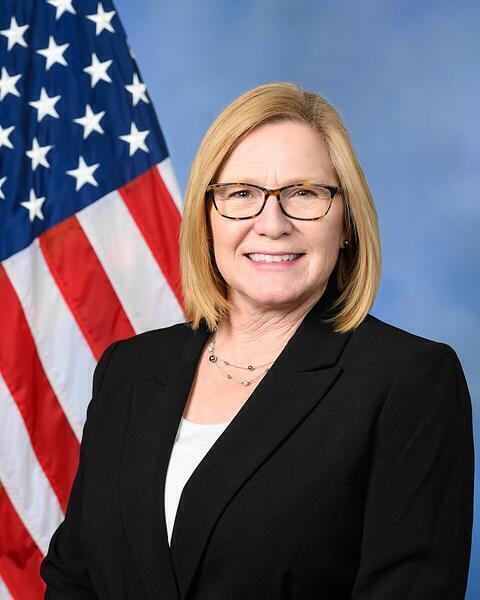
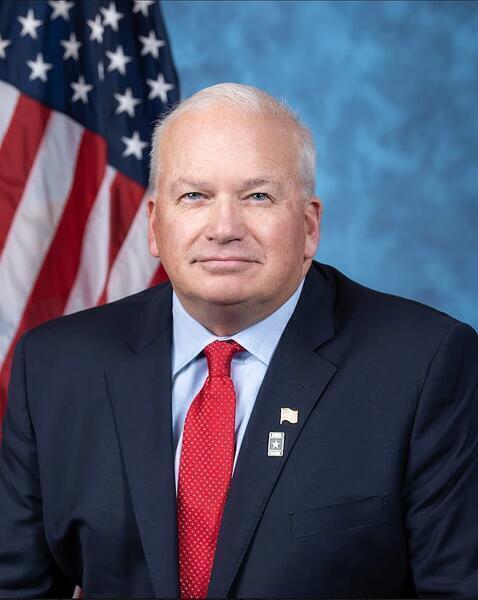

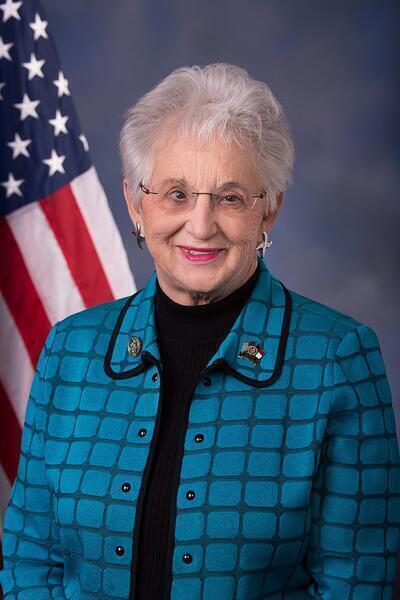
S
Scott Franklin


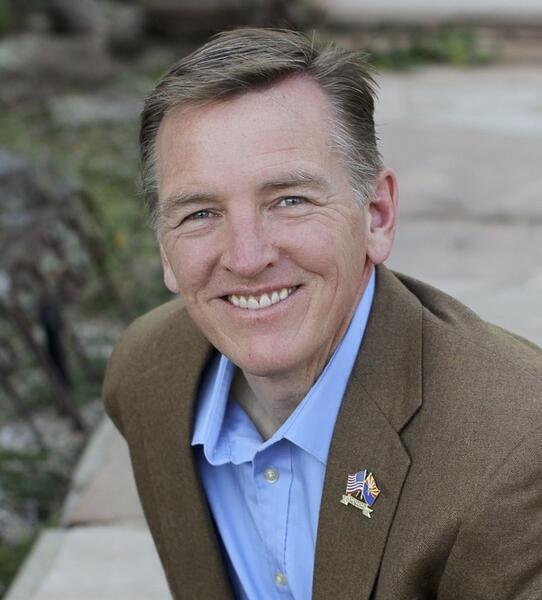
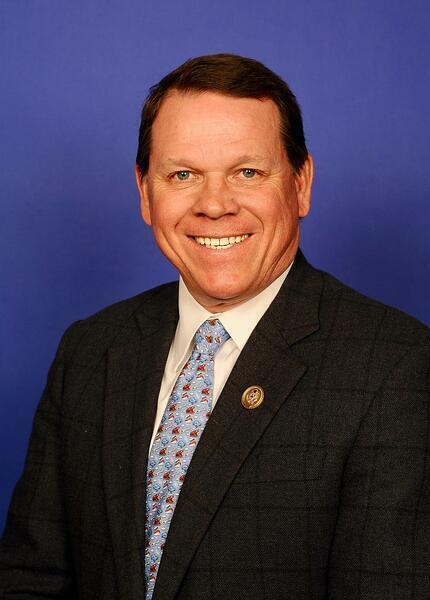
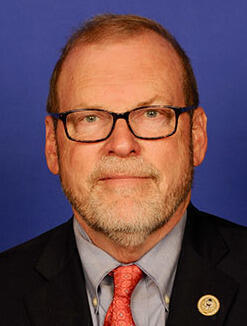
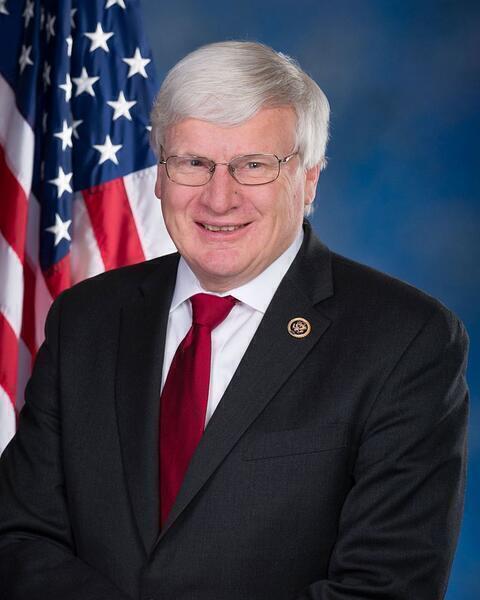
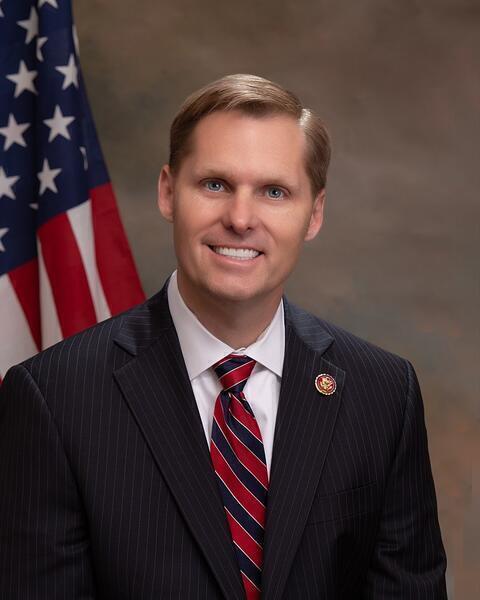
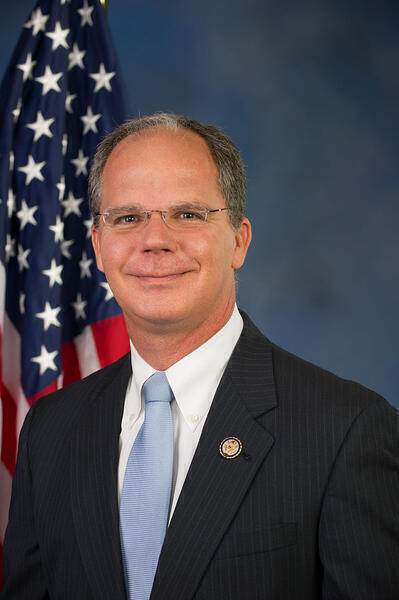
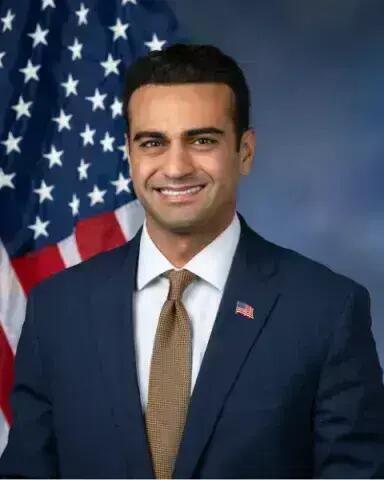







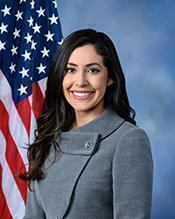

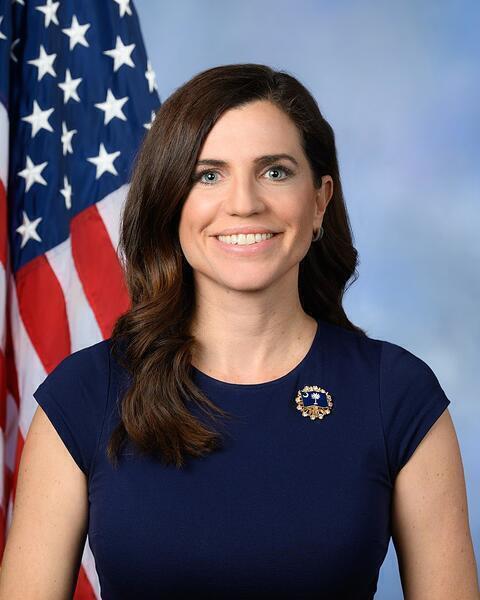

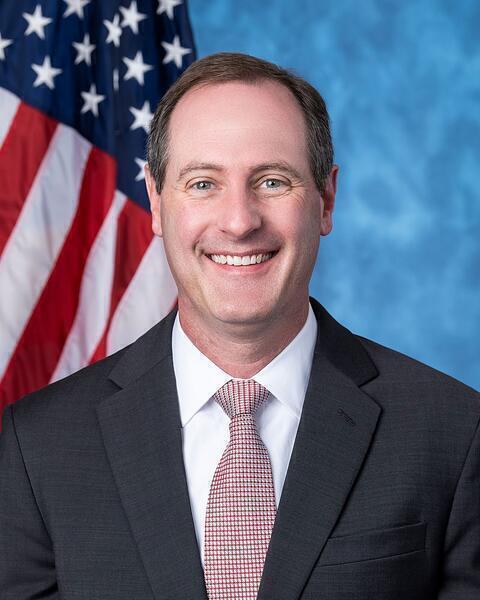

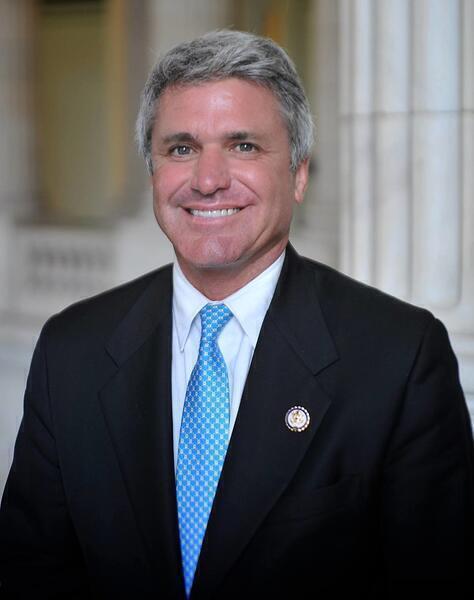
L
Lisa McClain







J
John Rutherford

D
David Schweikert
P
Pete Sessions
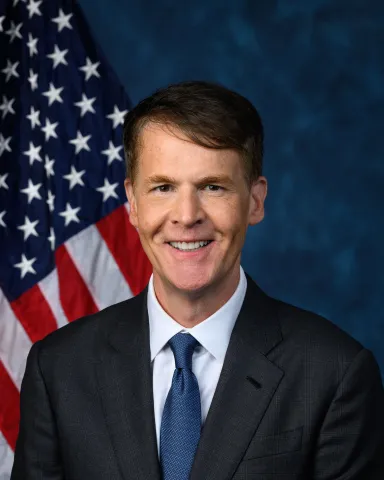
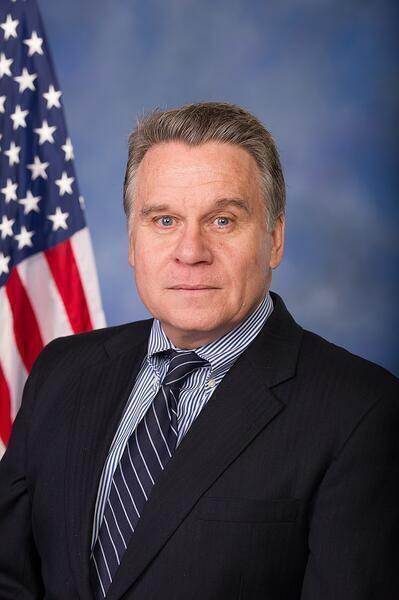
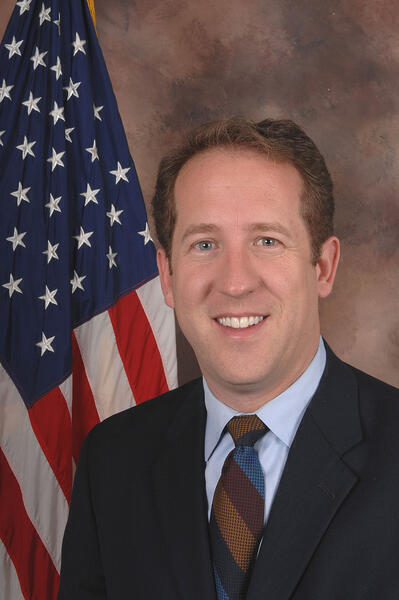
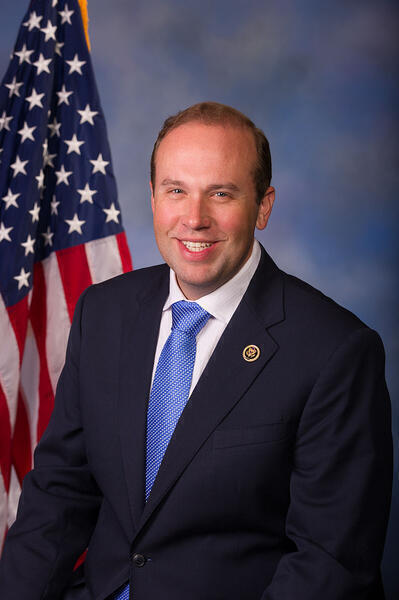



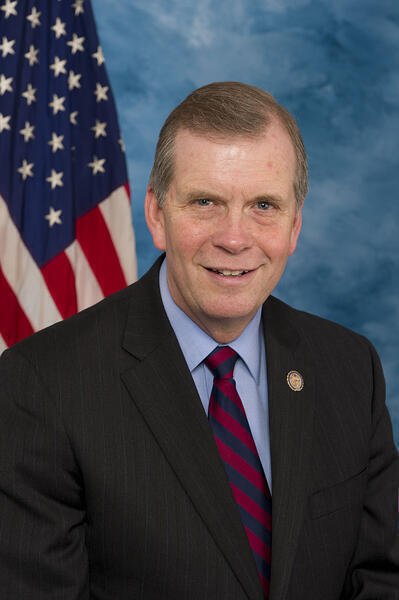
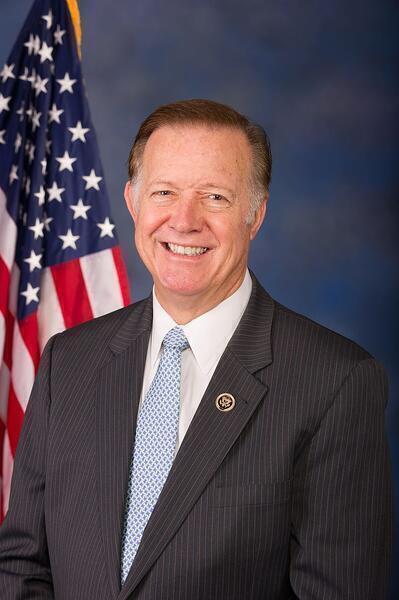
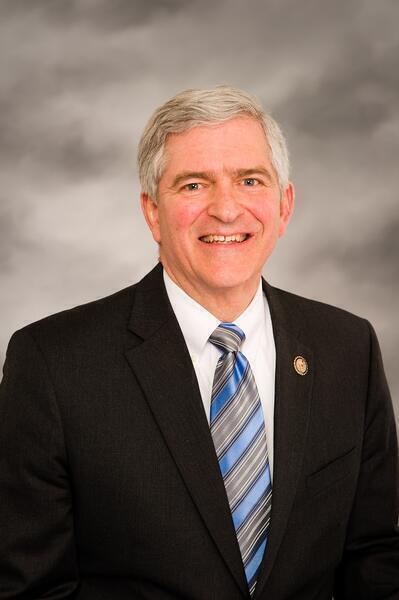
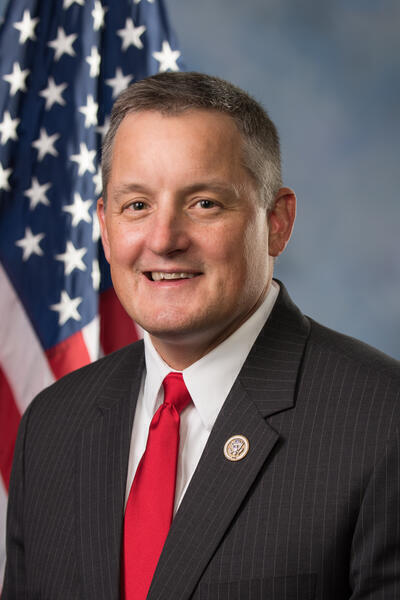

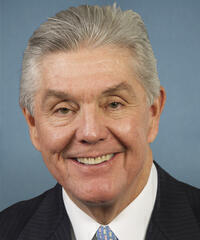
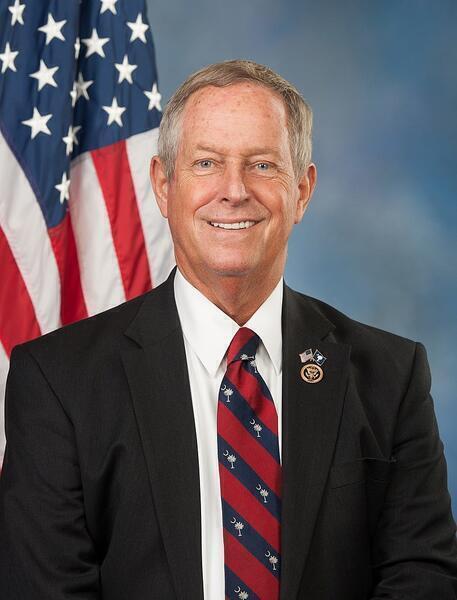

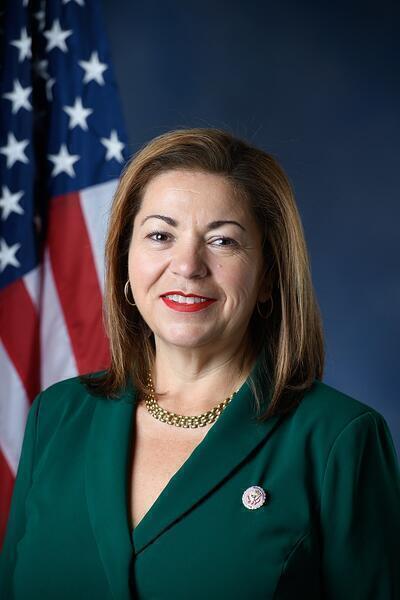
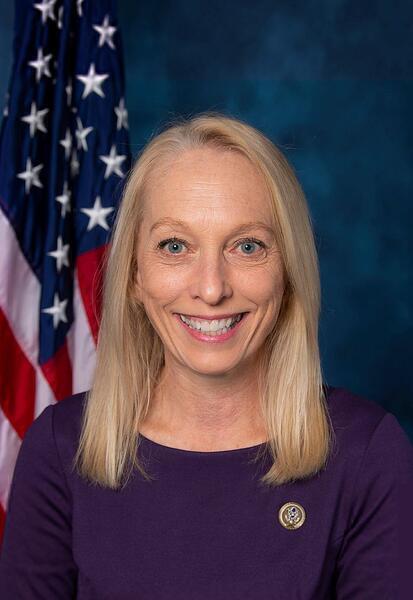
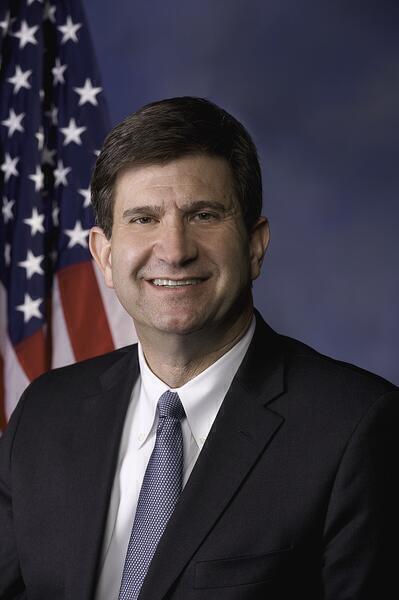
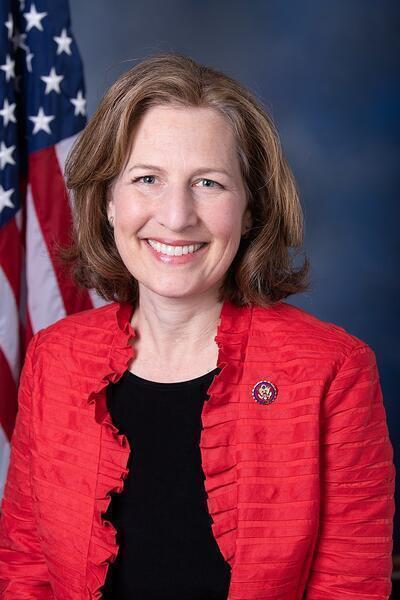
Nay (268)
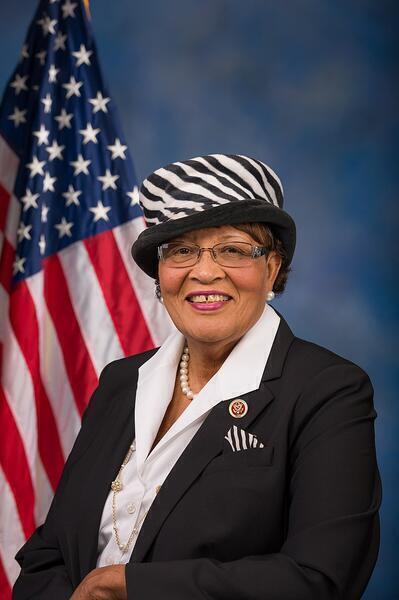
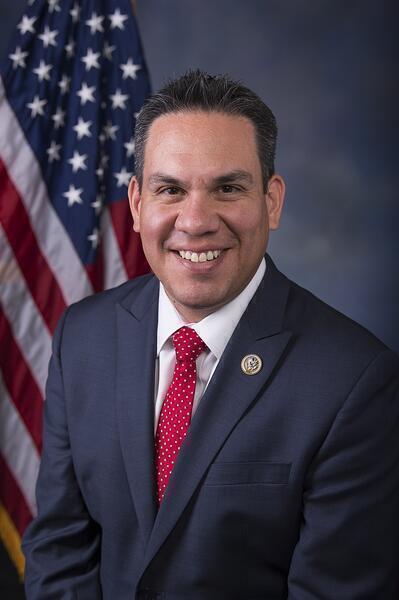

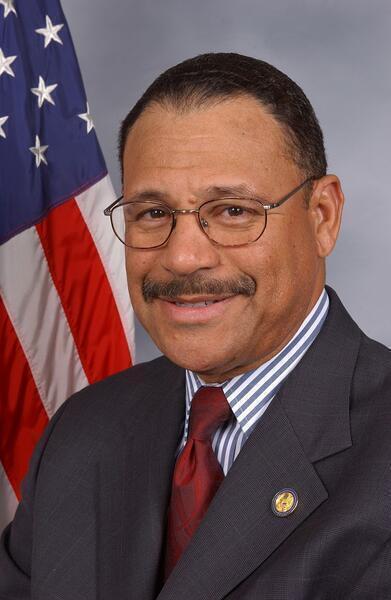
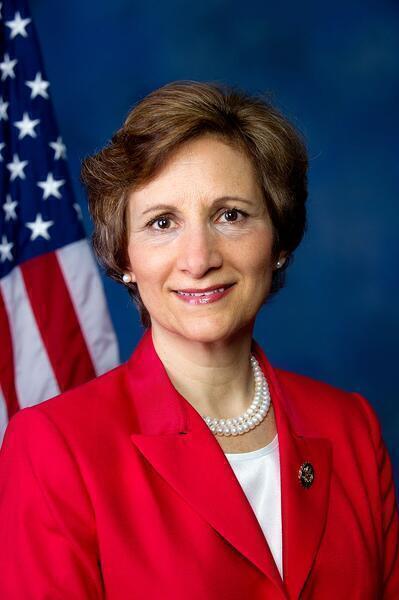
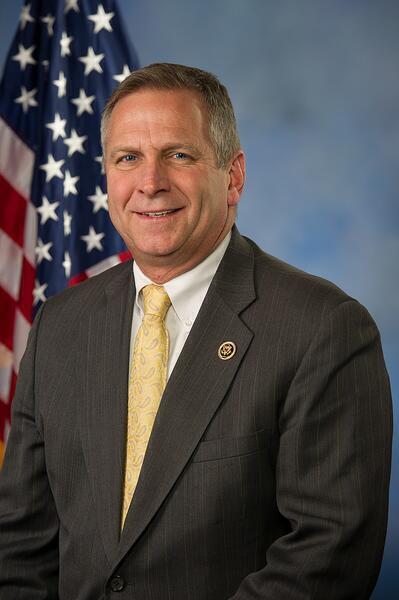
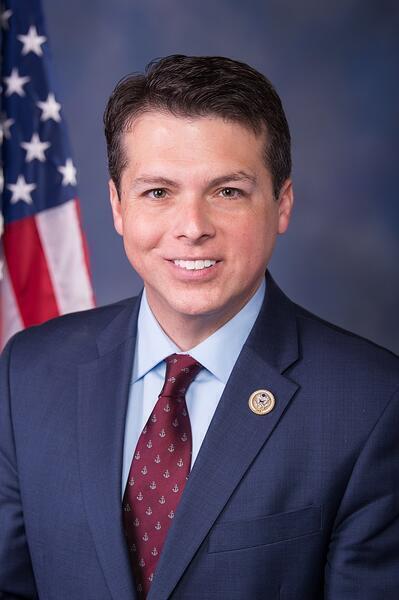

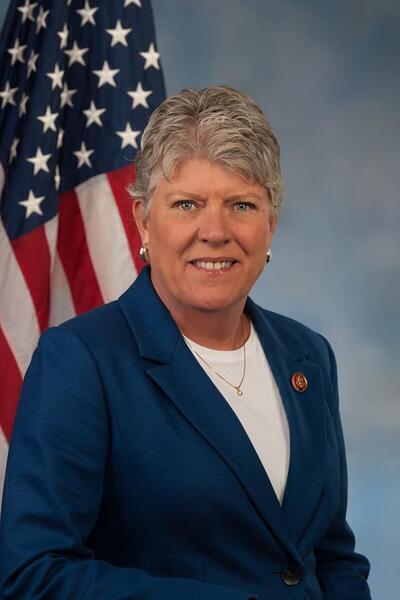

K
Ken Calvert
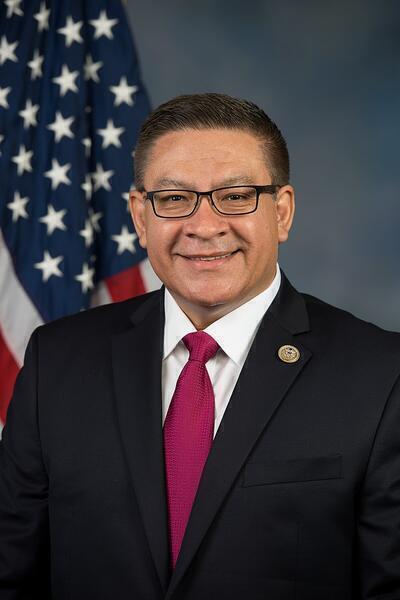



J
Jason Crow





L
Lloyd Doggett








J
John Garamendi

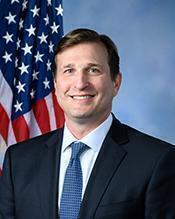
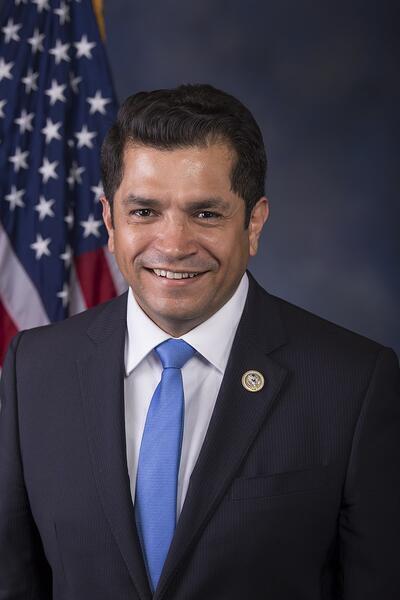
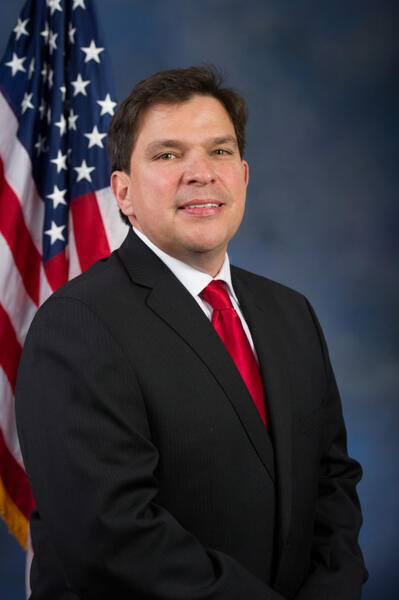
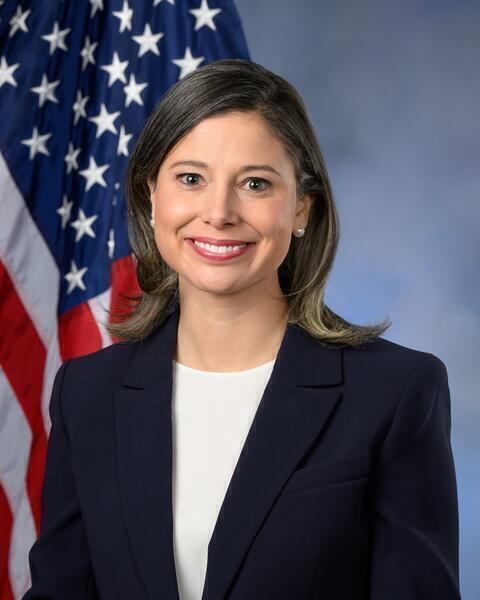










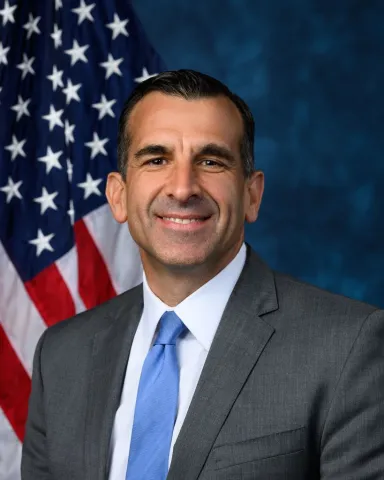
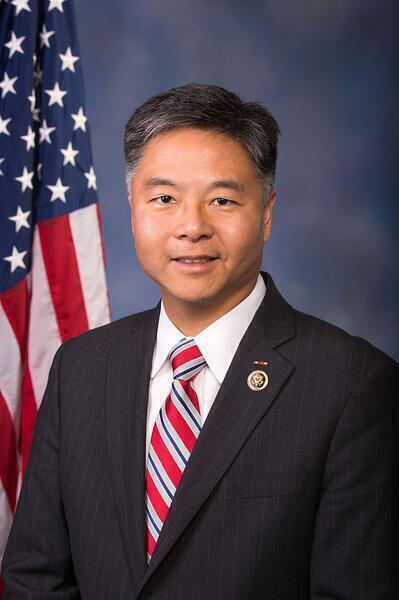

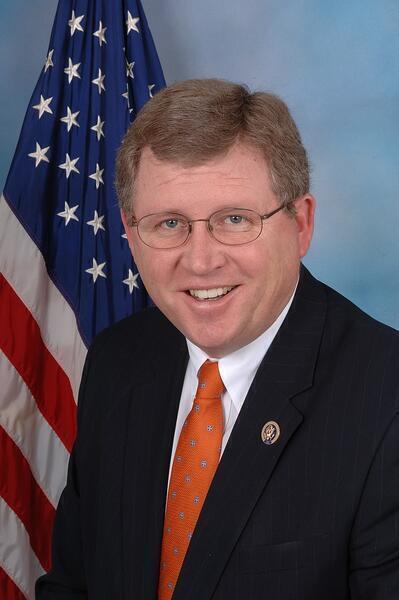
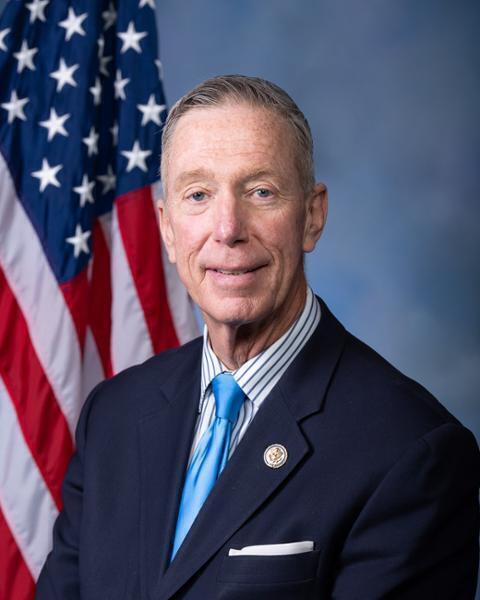

J
John Mannion

L
Lucy McBath

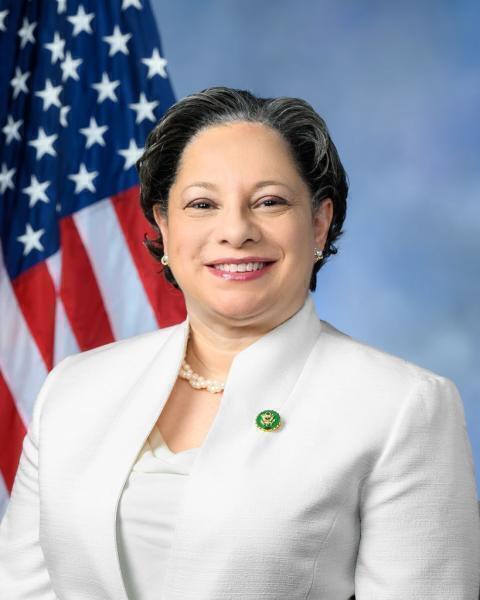
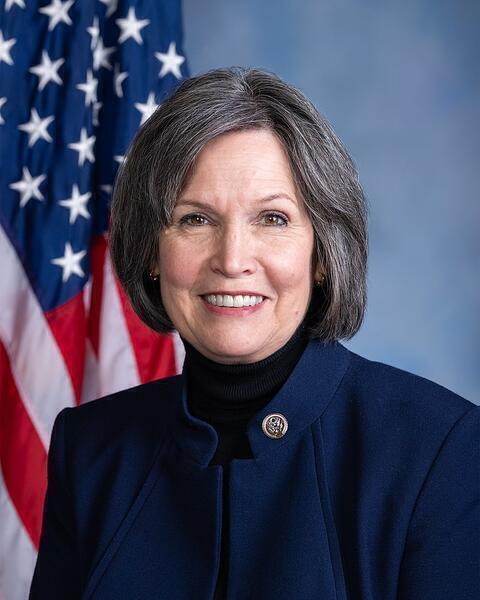


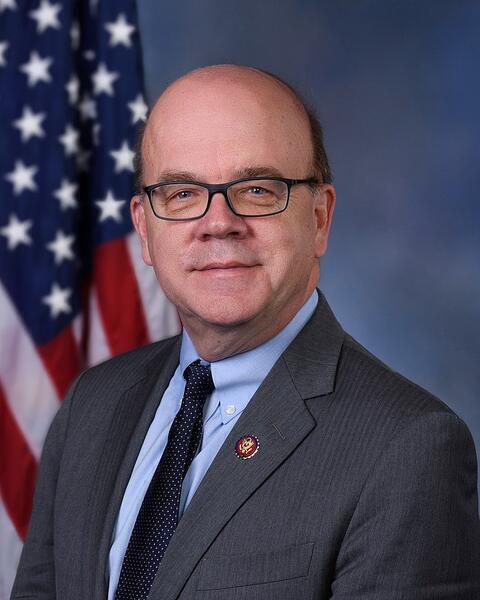



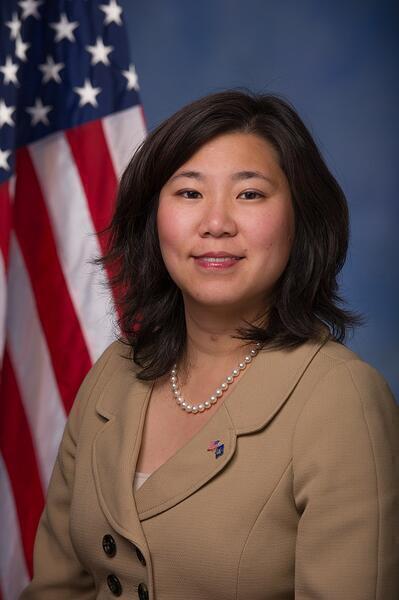


















E
Eric Swalwell

R
Rashida Tlaib


N
Nydia Velázquez

D
Debbie Wasserman Schultz