H.R.7148 — Consolidated Appropriations Act, 2026
House Roll Call
H.R.7148
| Bill | H.R.7148 — Consolidated Appropriations Act, 2026 |
|---|---|
| Vote question | On Passage |
| Vote type | Yea-and-Nay |
| Result | Passed |
| Totals | Yea 341 / Nay 88 / Present 0 / Not Voting 2 |
| Party | Yea | Nay | Present | Not Voting |
|---|---|---|---|---|
| R | 192 | 24 | 0 | 2 |
| D | 149 | 64 | 0 | 0 |
| I | 0 | 0 | 0 | 0 |
Research Brief
On Passage
Bill Analysis
HR 7148, the “Consolidated Appropriations Act, 2026,” is an omnibus spending bill intended to provide full-year discretionary appropriations for federal agencies and programs for FY2026, while also carrying selected authorizing and revenue-related provisions.
As introduced, the bill would:
- Appropriate annual funding across all 12 regular appropriations areas (e.g., Defense; Labor‑HHS‑Education; Transportation‑HUD; Homeland Security; Interior‑Environment; Agriculture‑FDA; Commerce‑Justice‑Science; Energy‑Water; Financial Services‑General Government; State‑Foreign Operations; Military Construction‑VA; Legislative Branch).
- Set overall discretionary spending levels and sub-allocations consistent with, or modifying, existing budget enforcement mechanisms (e.g., statutory caps or internal House budget targets).
- Provide detailed line-item or account-level funding for cabinet departments, independent agencies, commissions, and the legislative and judicial branches, including operations, grants, contracts, and personnel.
- Include general provisions that may restrict or condition the use of funds (e.g., limitations on rulemaking, transfer authorities, reprogramming thresholds, reporting requirements, and policy riders affecting domestic and foreign programs).
- Potentially extend, modify, or create selected mandatory-spending or tax-related items typically attached to omnibus measures (e.g., temporary health, tax, or social program extensions), which is why it is also referred to the Ways and Means Committee.
Primary beneficiaries include federal agencies receiving operating funds; state, local, territorial, and tribal governments that depend on federal grants; defense and civilian contractors; research institutions; and individuals served by federally funded programs (health, education, housing, transportation, veterans’ services, etc.). Regulated entities may be indirectly affected through appropriations riders that constrain or direct regulatory activity.
Key authorities include: one‑year budget authority for FY2026 (with some multi‑year or no‑year accounts), transfer and reprogramming authority within and between accounts, and directive report language. Timelines are tied to the FY2026 fiscal year (October 1, 2025–September 30, 2026), with some provisions likely specifying obligation or expenditure deadlines and reporting dates.
As of its latest action, HR 7148 has been referred to the House Committees on Appropriations, Budget, and Ways and Means for further consideration and potential amendment.
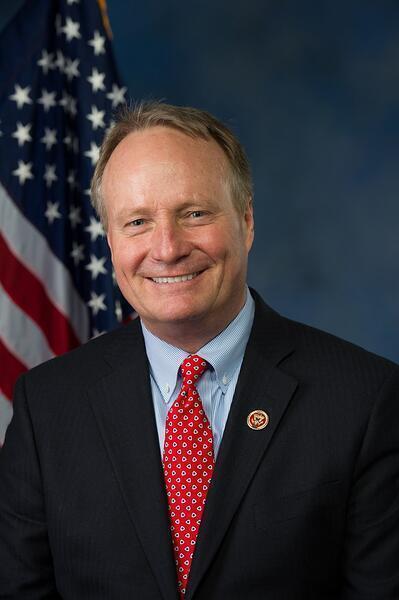
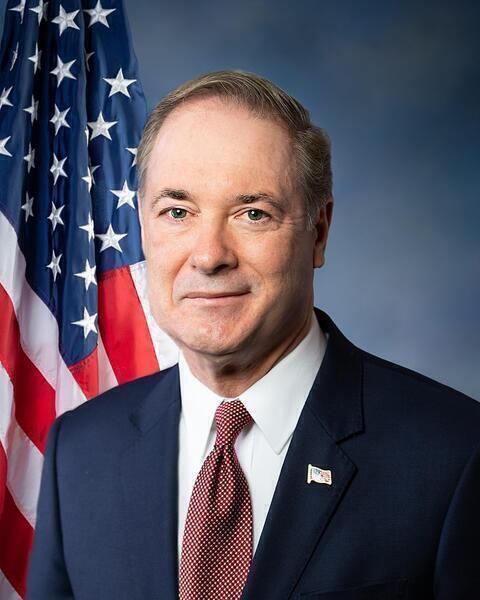
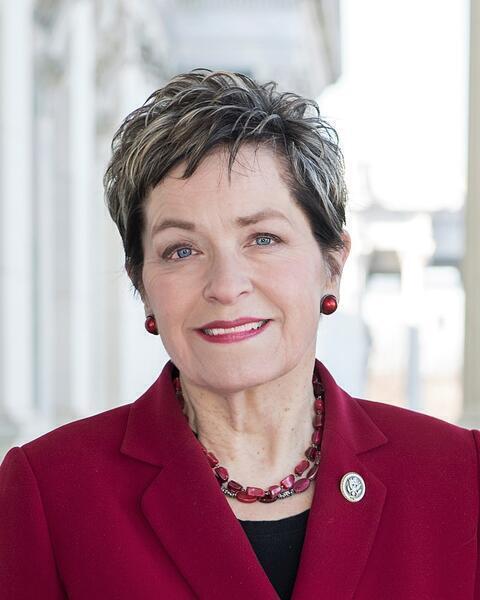
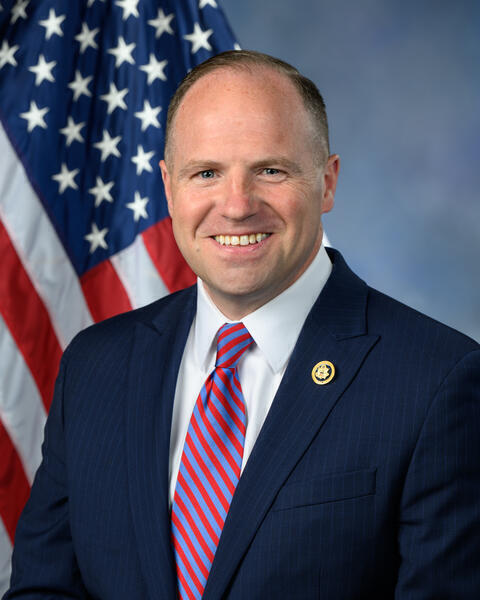
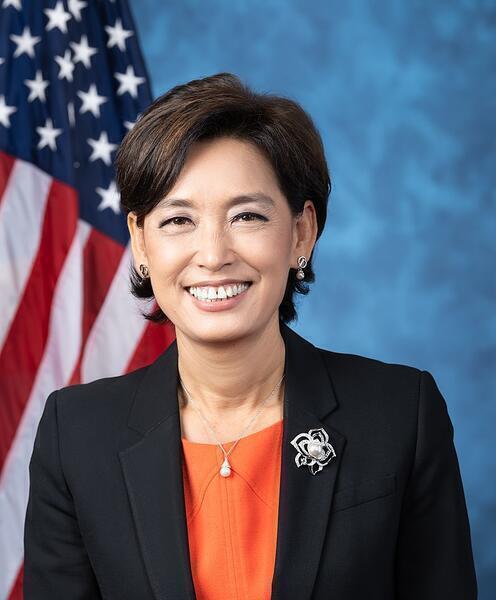
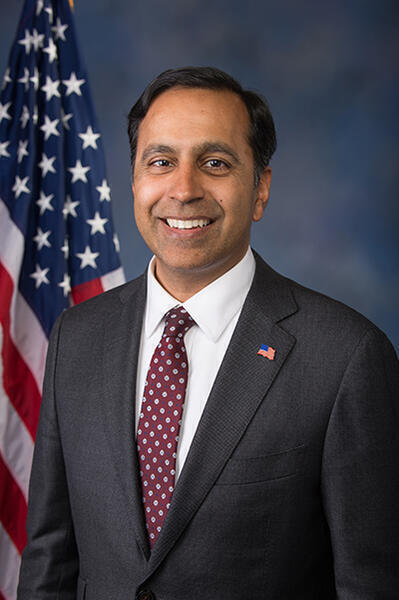
Yea (341)








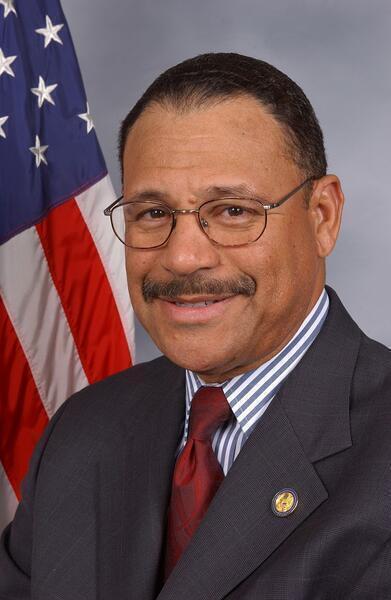
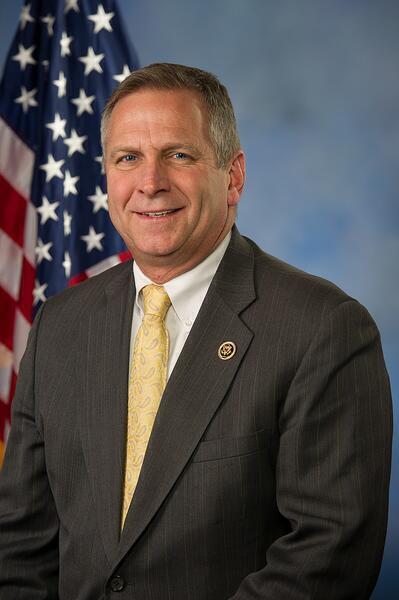

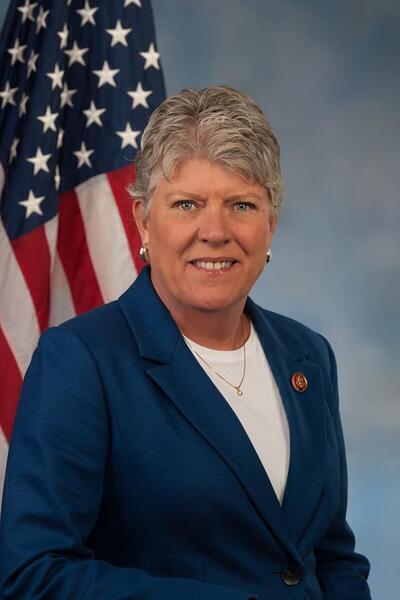


K
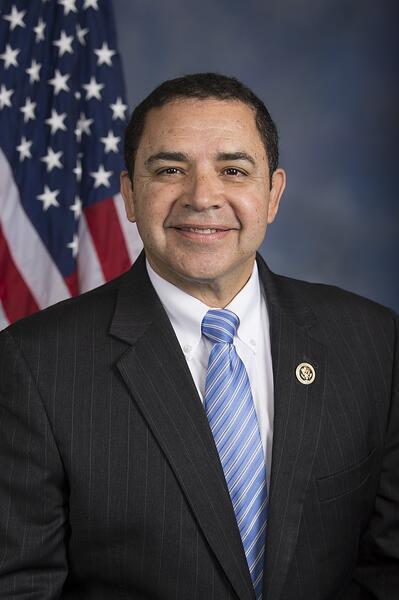
Ken Calvert
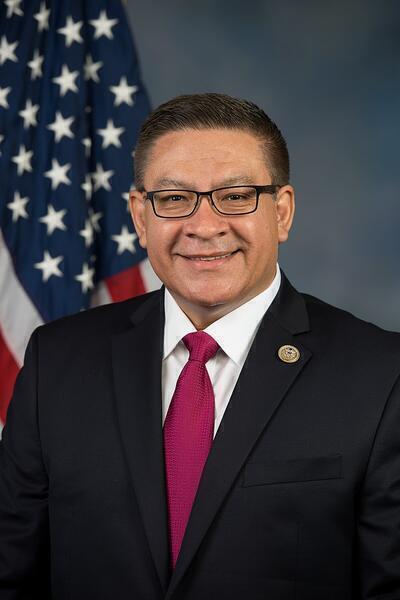

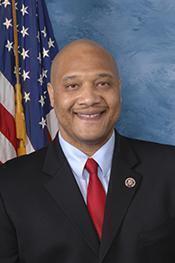
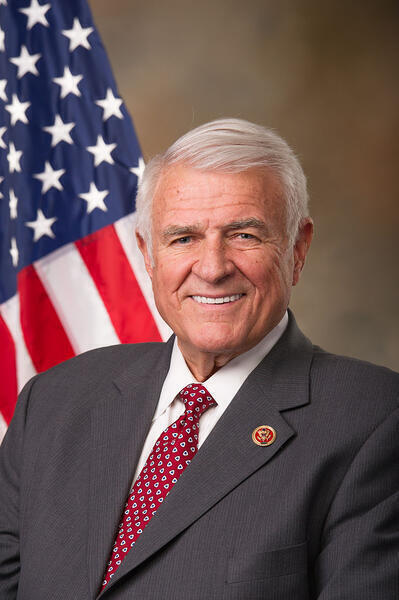
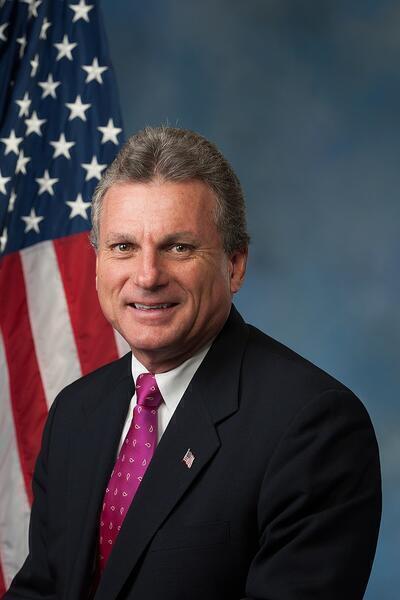

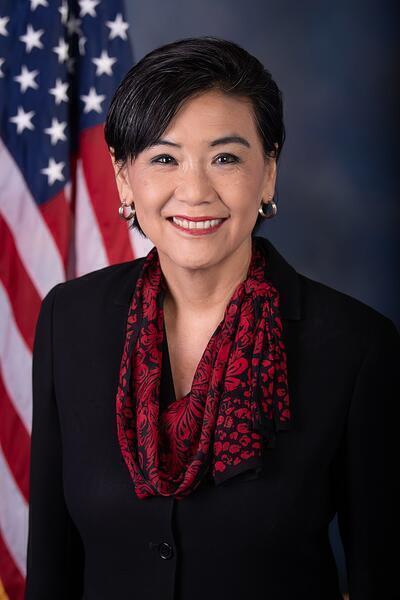
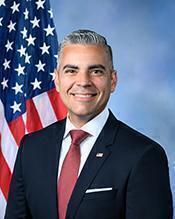

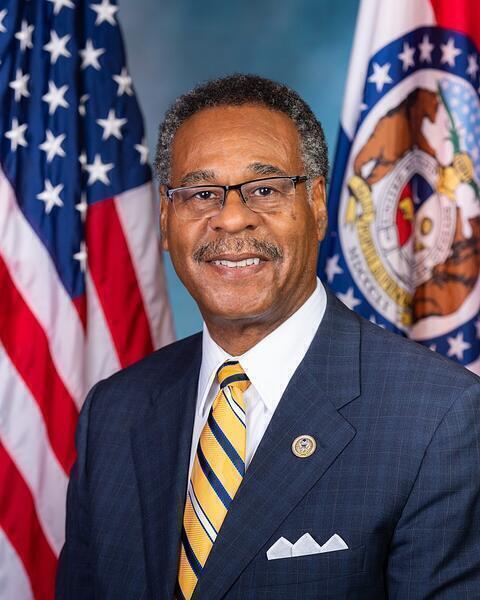
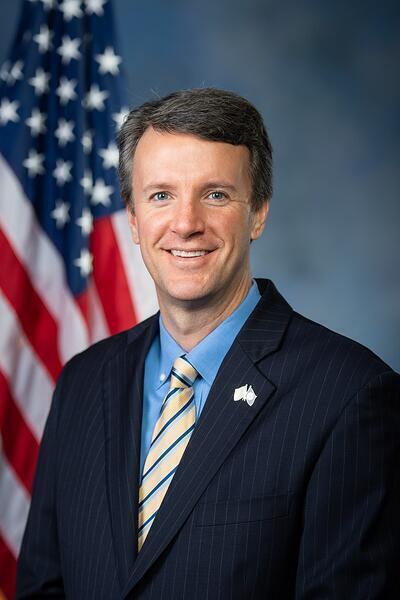

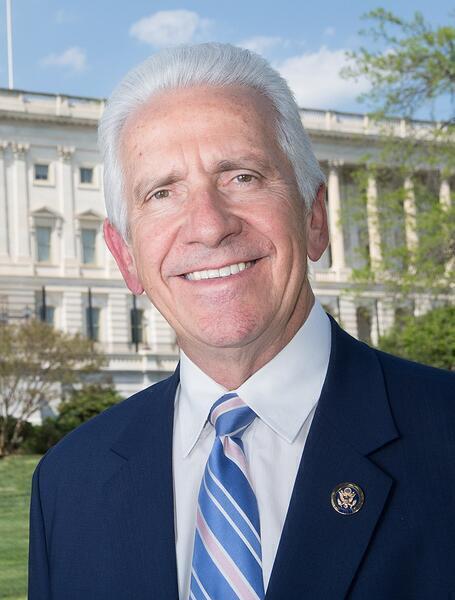
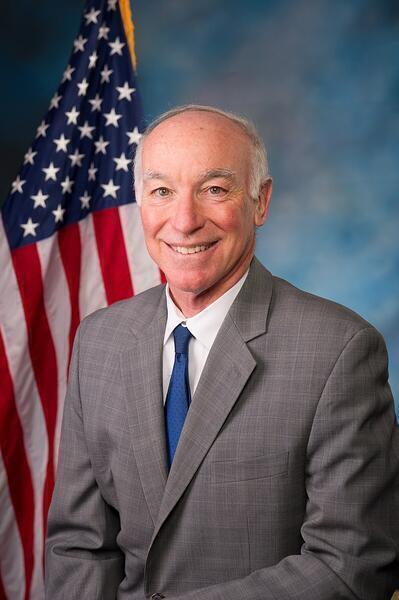
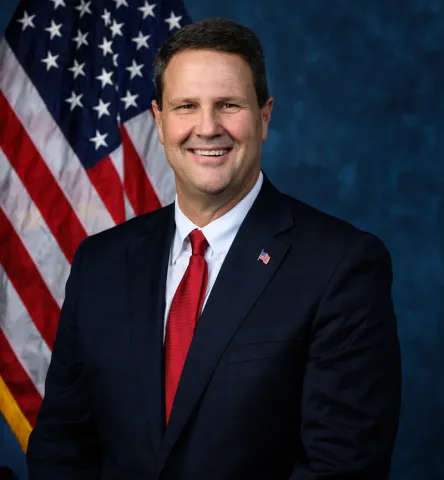



J
Jason Crow












S
Scott Franklin
J
John Garamendi











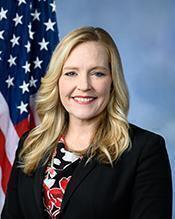
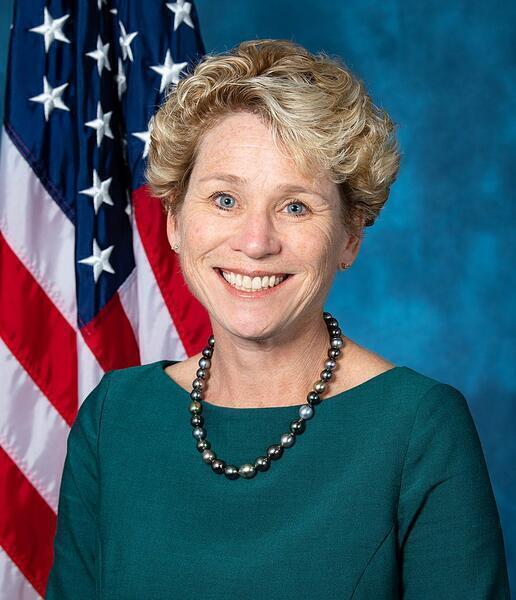
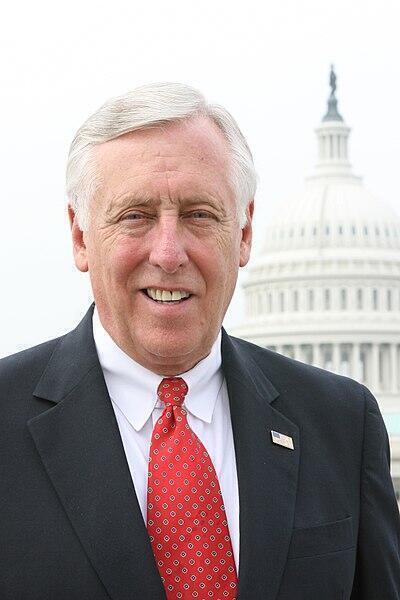
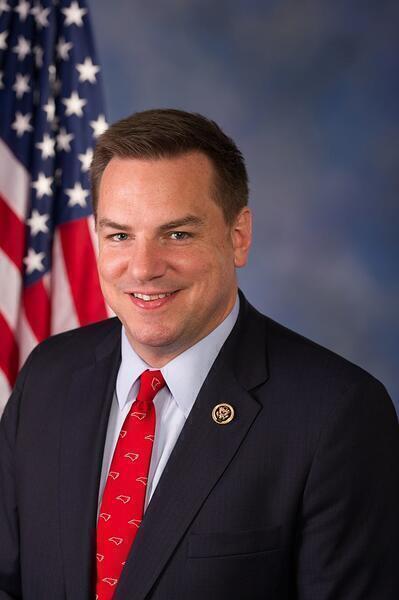







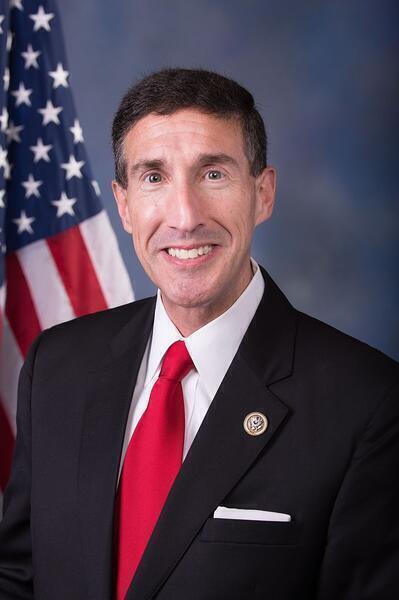
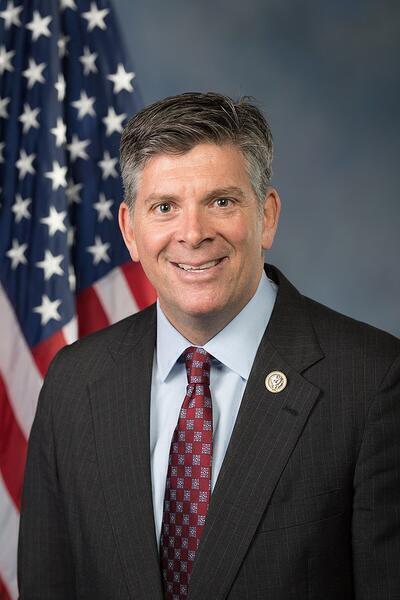
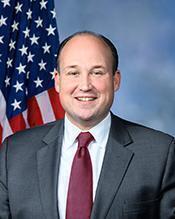
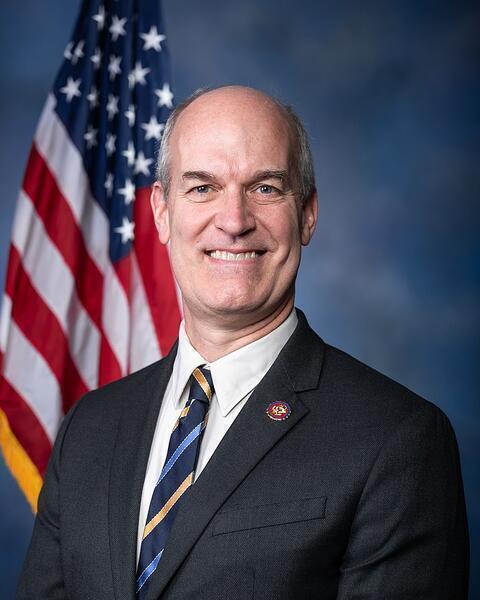
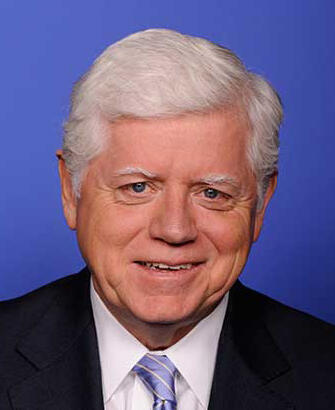
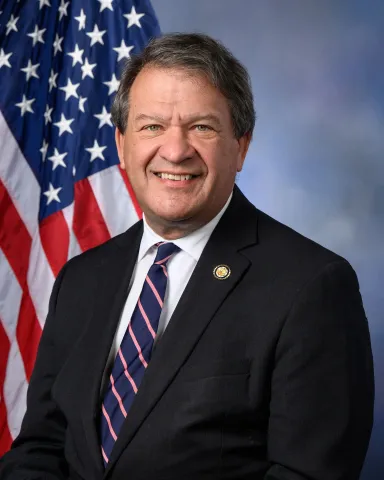




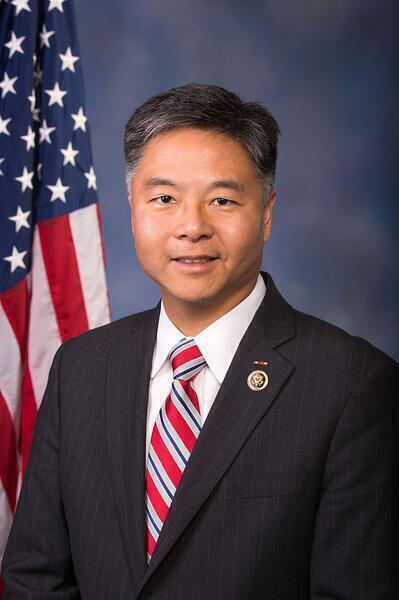
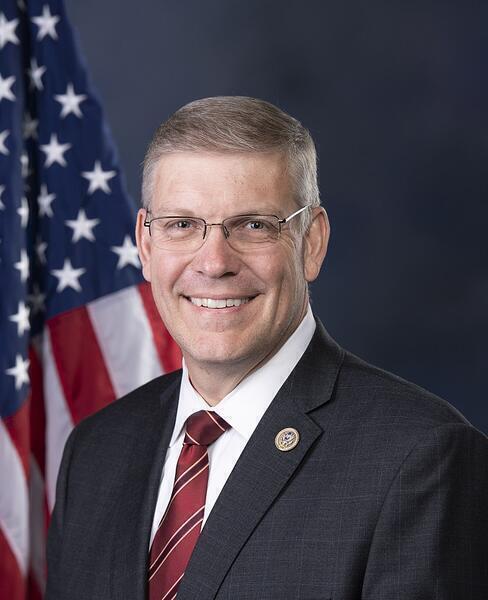
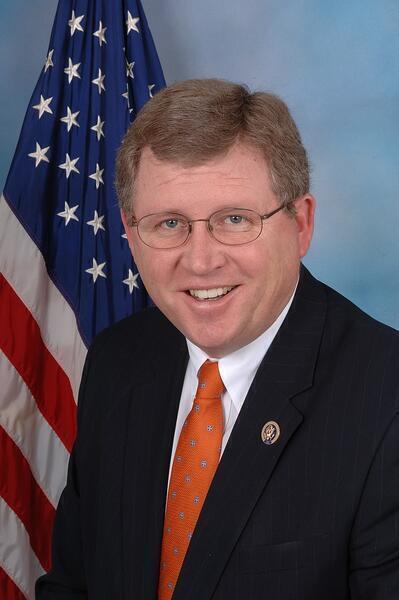

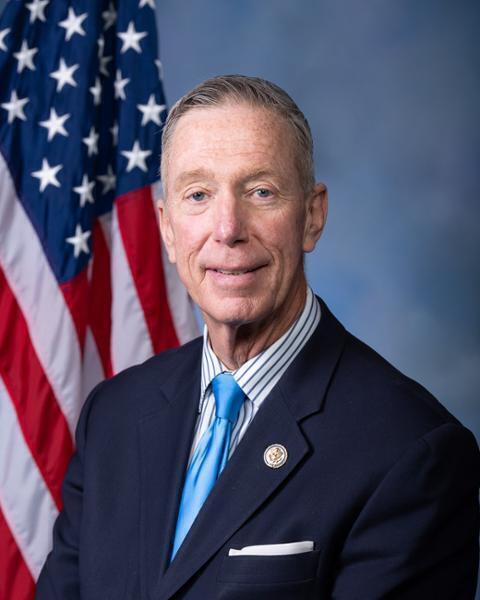
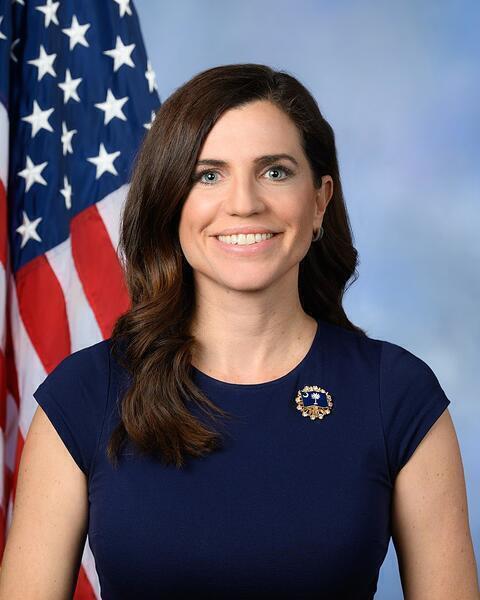


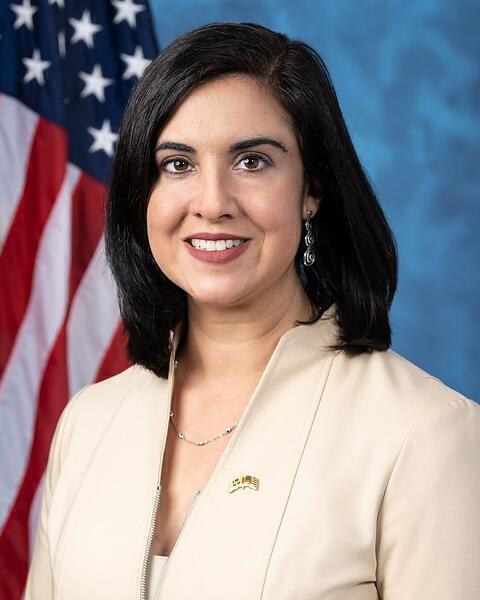
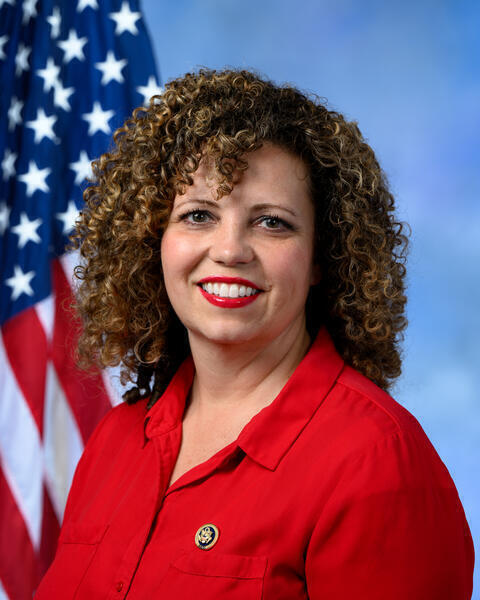
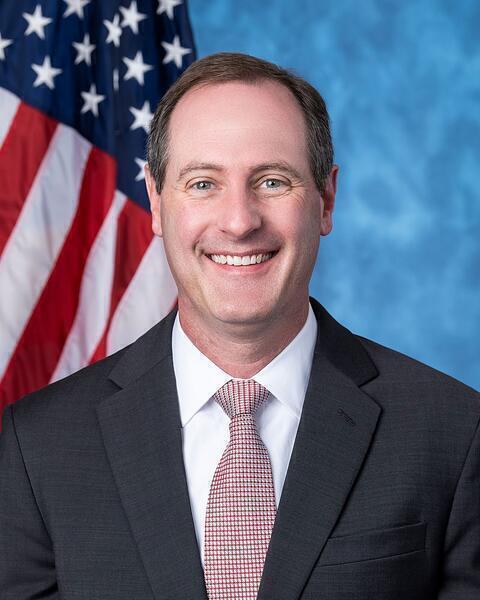
J
John Mannion
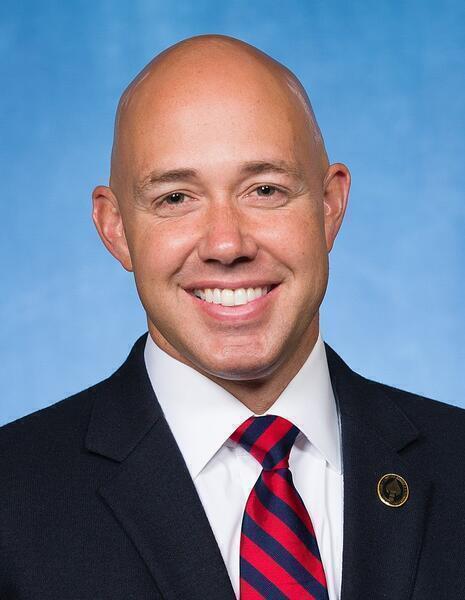
L
Lucy McBath

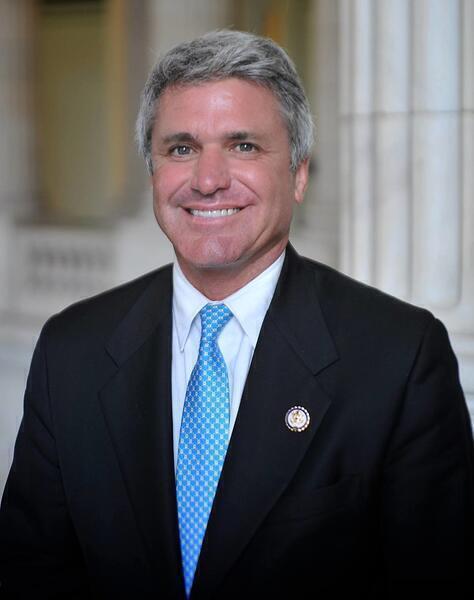
L
Lisa McClain
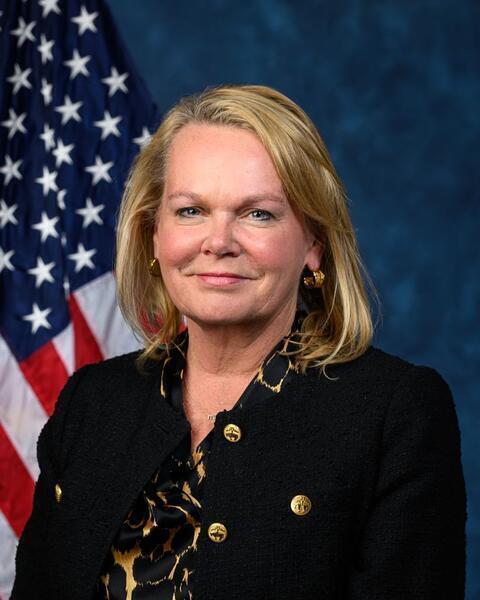
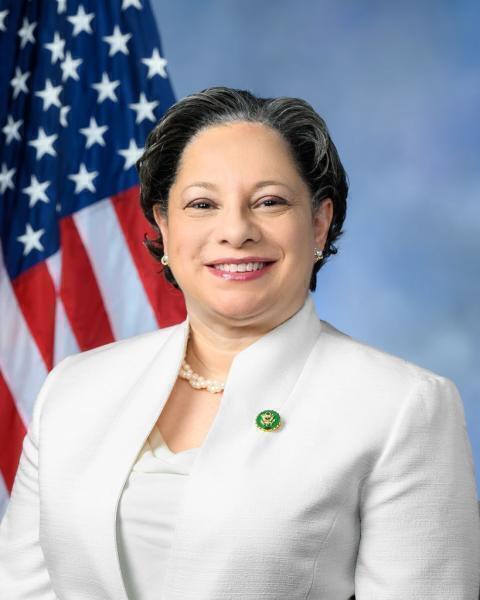
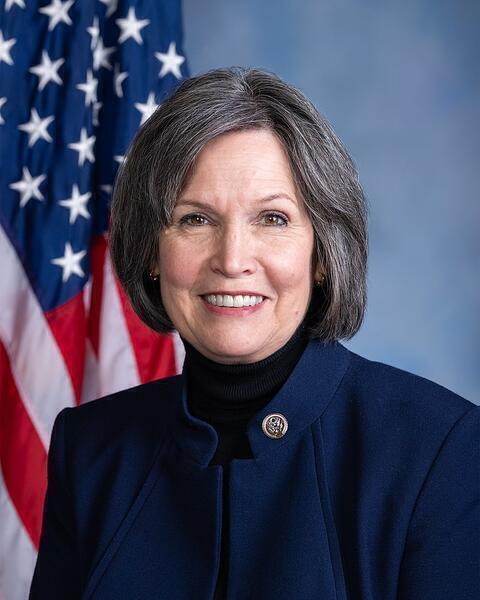







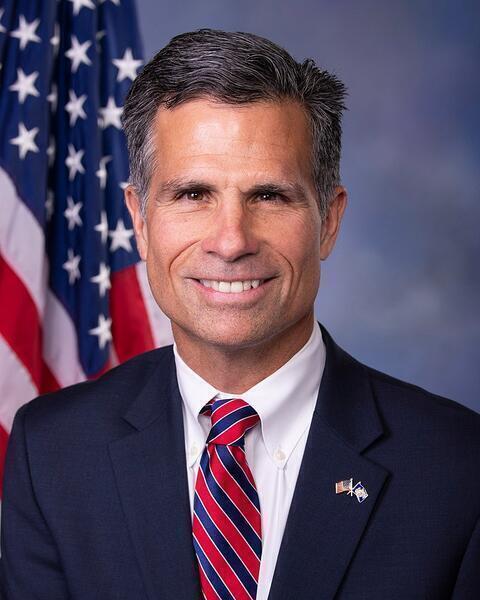
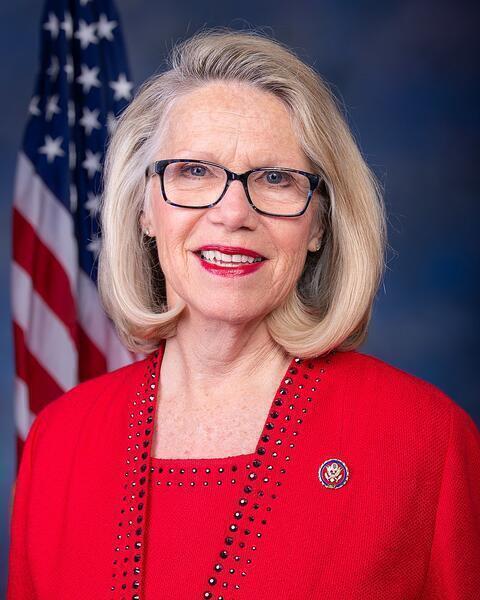















J
John Rutherford




P
Pete Sessions









D
Debbie Wasserman Schultz




Nay (88)

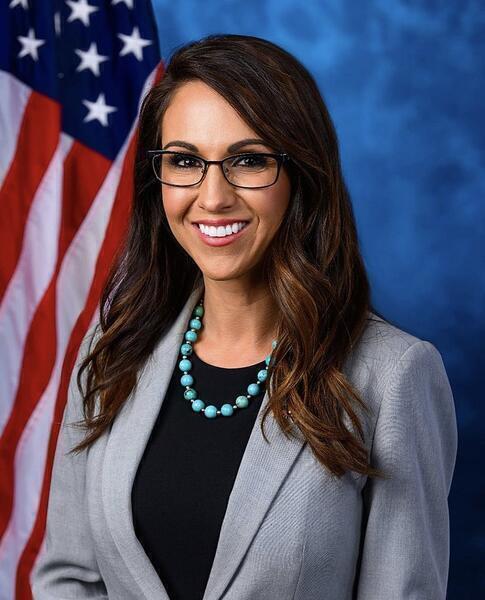
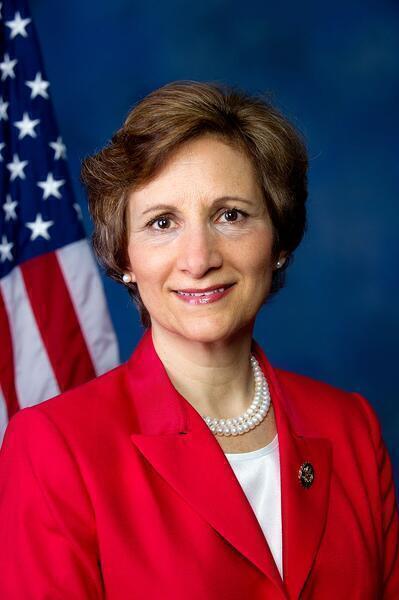
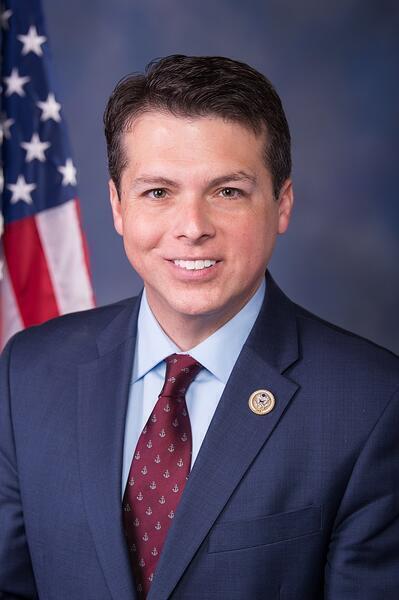





L
Lloyd Doggett
























D
David Schweikert



E
Eric Swalwell
R
Rashida Tlaib

N
Nydia Velázquez