H.R.7148 — Consolidated Appropriations Act, 2026
House Roll Call
H.R.7148
| Bill | H.R.7148 — Consolidated Appropriations Act, 2026 |
|---|---|
| Vote question | On Motion to Concur in the Senate Amendments |
| Vote type | Yea-and-Nay |
| Result | Passed |
| Totals | Yea 217 / Nay 214 / Present 0 / Not Voting 1 |
| Party | Yea | Nay | Present | Not Voting |
|---|---|---|---|---|
| R | 196 | 21 | 0 | 1 |
| D | 21 | 193 | 0 | 0 |
| I | 0 | 0 | 0 | 0 |
Research Brief
On Motion to Concur in the Senate Amendments
Bill Analysis
I don’t yet have access to the full text or section-by-section summary of H.R. 7148 (119th Congress), the “Consolidated Appropriations Act, 2026,” beyond its title and the fact that it became Public Law 119‑75. Without the statutory text, committee reports, or a reliable synopsis, I can’t accurately describe its specific funding levels, riders, or policy changes.
However, based on how recent consolidated appropriations acts are structured, the law almost certainly:
Function and Scope
- Serves as the primary omnibus spending law for FY2026, providing discretionary appropriations across all or nearly all federal departments and agencies.
- Combines multiple regular appropriations bills (e.g., Defense; Labor‑HHS‑Education; Homeland Security; Interior‑Environment; Transportation‑HUD; Agriculture‑FDA; Commerce‑Justice‑Science; State‑Foreign Operations; Financial Services; Energy‑Water; Legislative Branch; Military Construction‑VA) into a single statute.
- Likely includes “general provisions” that set cross‑cutting rules on use of funds (e.g., reprogramming limits, transfer authorities, restrictions on certain activities).
Funding and Authorities
- Establishes specific dollar amounts, by account, for each covered agency for FY2026, often with earmarked or directed spending for particular projects.
- May provide limited‑term authorities (or extensions of expiring authorities) tied to appropriations—such as pilot programs, reporting requirements, or temporary waivers.
- Often includes emergency or supplemental funding titles (e.g., disaster relief, public health, or national security contingencies), if negotiated that year.
Programs and Agencies Affected
- Affects virtually all Cabinet departments and many independent agencies, including DOD, HHS, DHS, DOT, DOJ, USDA, EPA, DOE, State/USAID, VA, HUD, and others.
- Can adjust program caps, create or terminate small grant programs, and impose conditions on grant recipients and contractors.
Beneficiaries and Regulated Parties
- Beneficiaries typically include state and local governments, school districts, transit agencies, health providers, research institutions, defense and civilian contractors, and low‑income households receiving federal assistance.
- Regulated or conditioned parties include federal agencies (through spending directives), grantees, and sometimes foreign governments or entities via funding restrictions.
Timelines
- Appropriations generally apply to FY2026 (October 1, 2025–September 30, 2026), with some accounts designated as multi‑year or no‑year funds.
- Reporting and implementation deadlines (e.g., GAO studies, agency plans) are usually set within 90–365 days of enactment.
For a truly research‑grade summary, the enacted text or official explanatory statement would be needed to specify exact amounts, policy riders, and program‑level impacts.
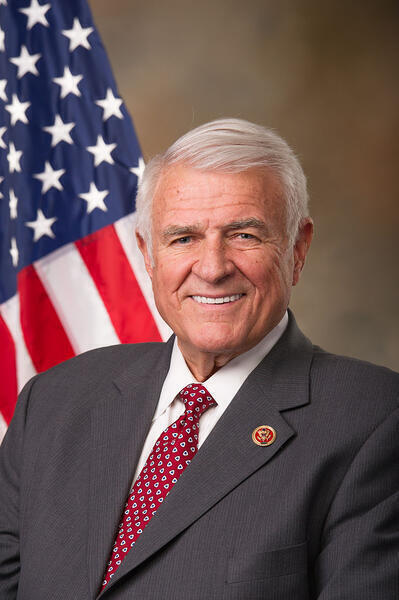
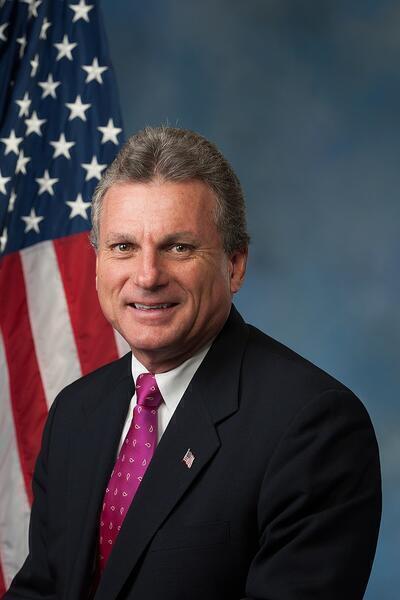
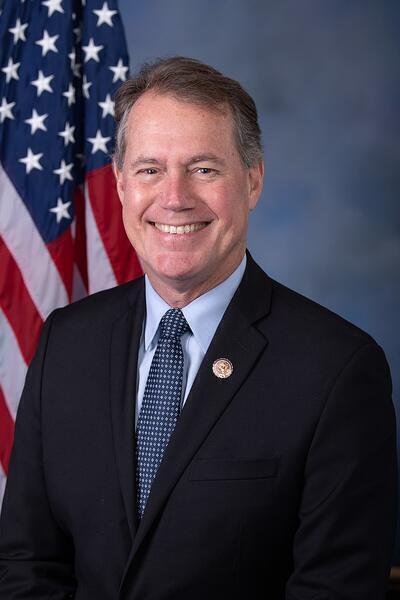
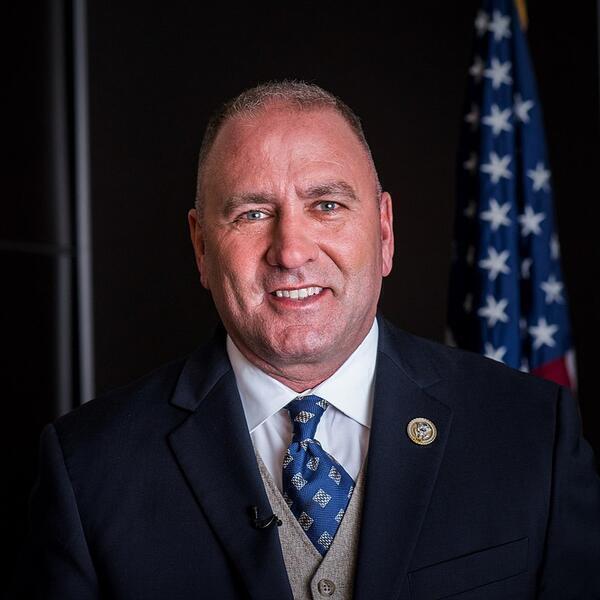
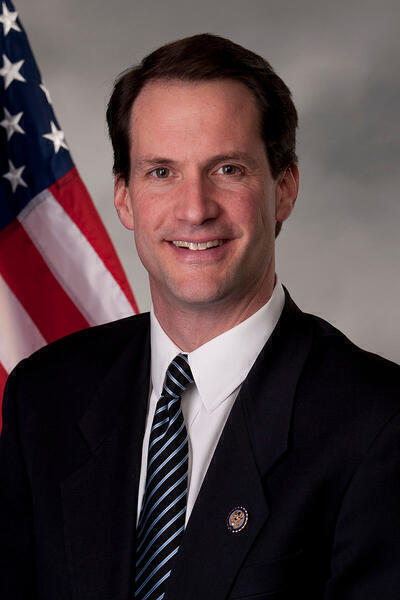
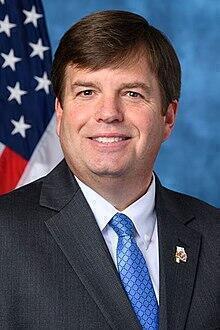
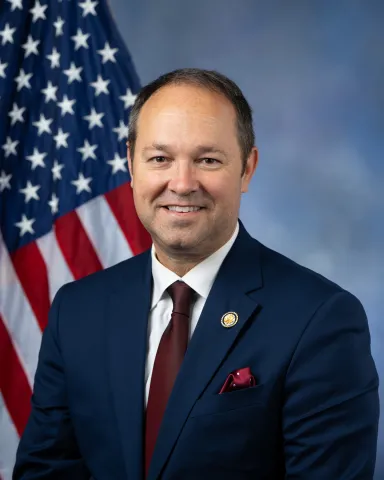
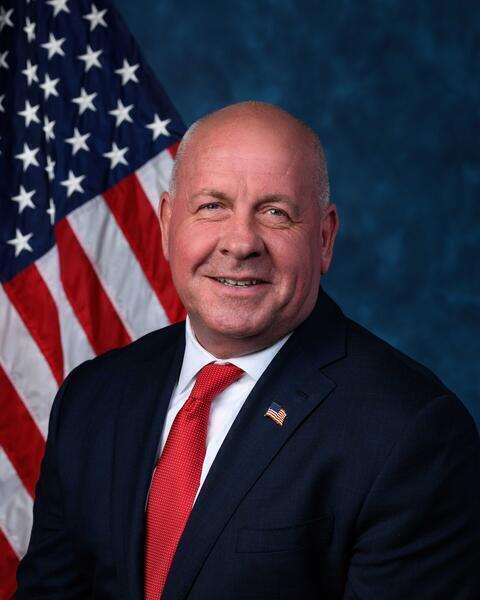
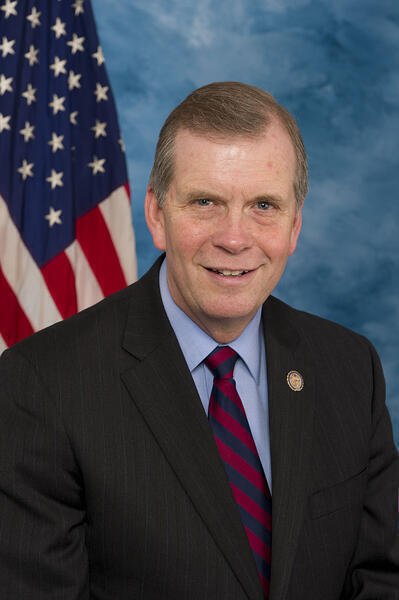
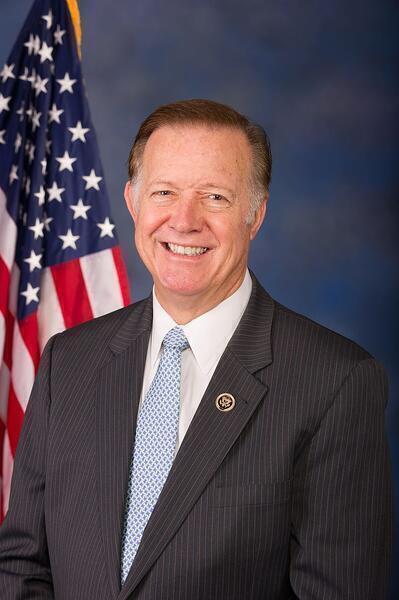
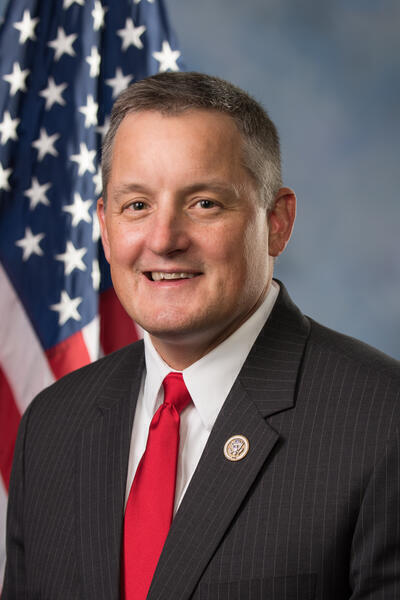
Yea (217)

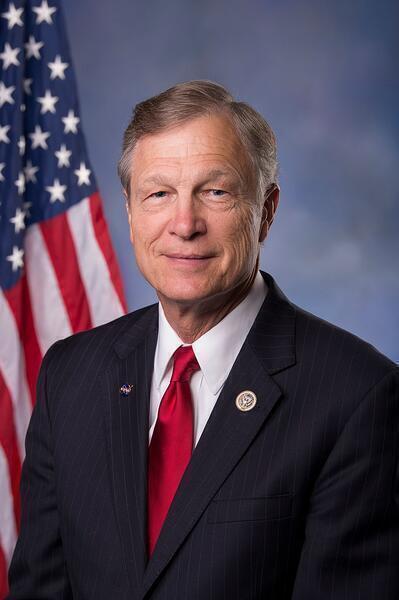
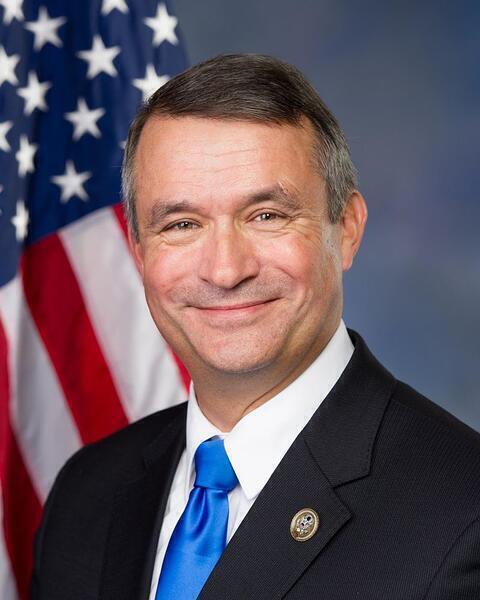
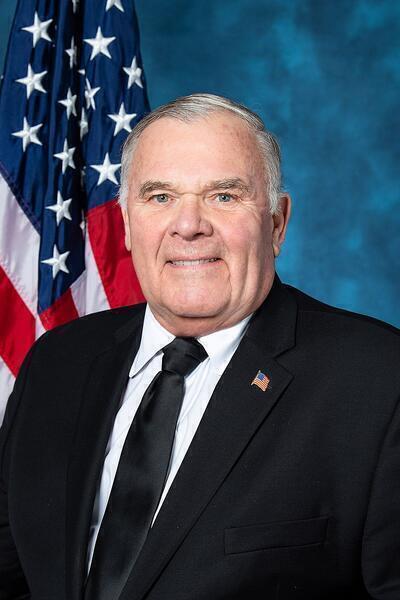

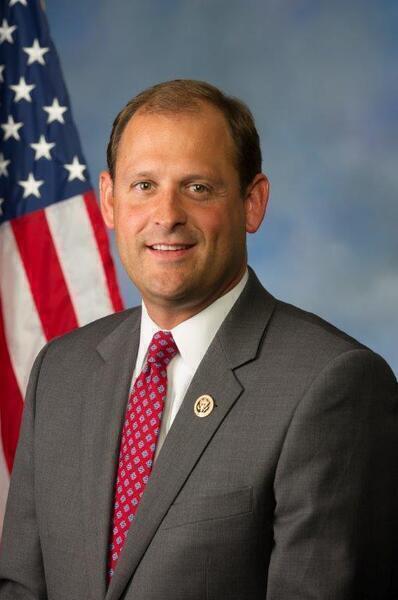
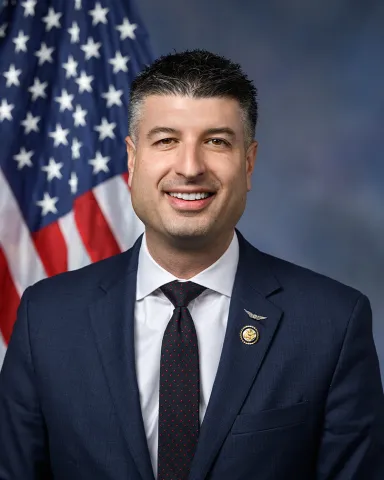



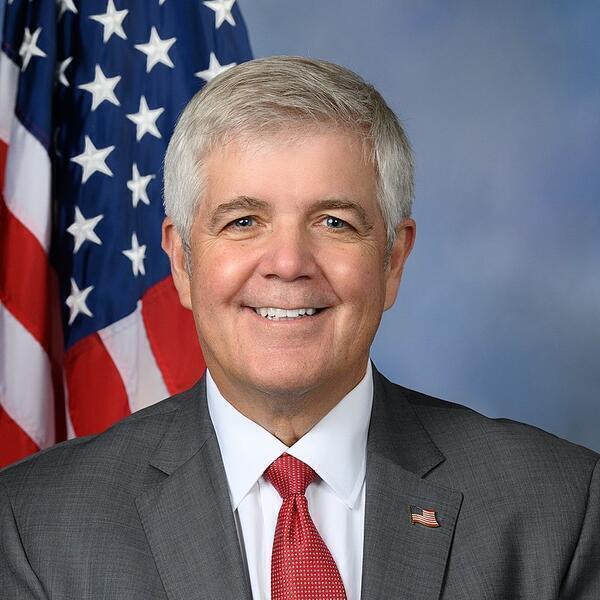
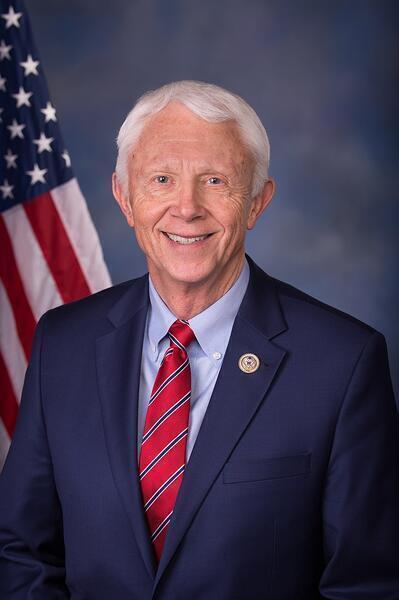
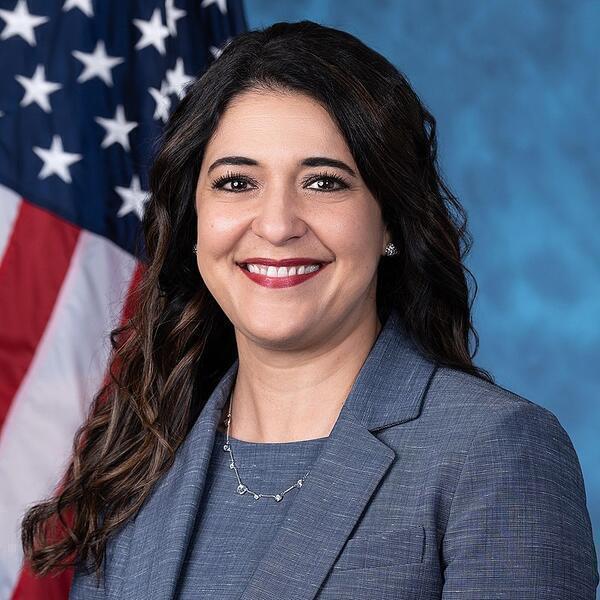


K
Ken Calvert




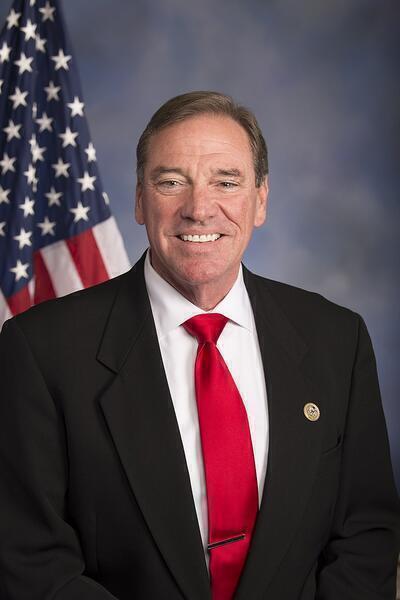


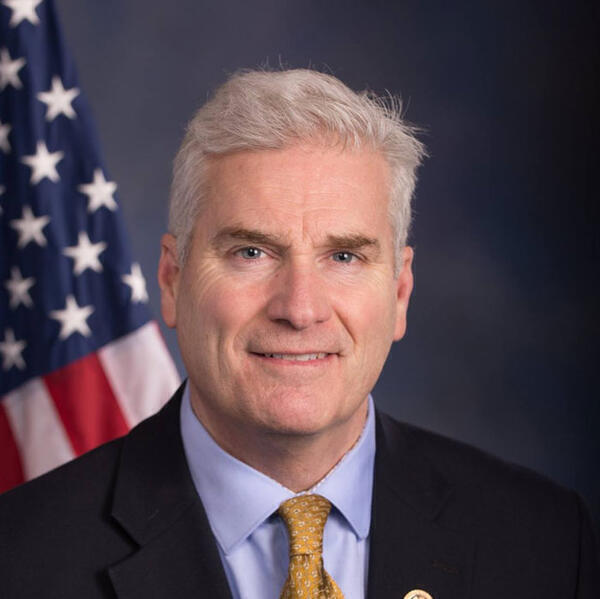
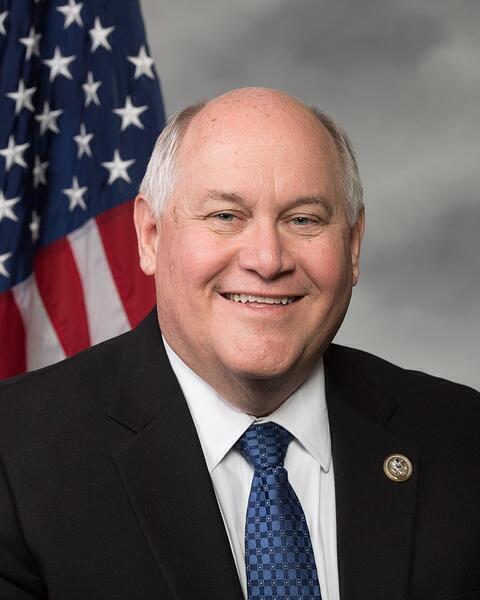




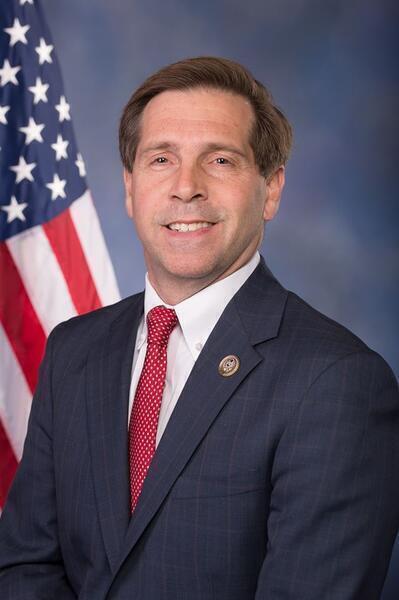


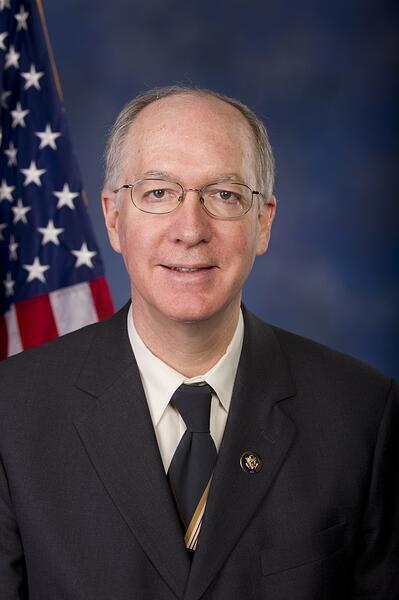
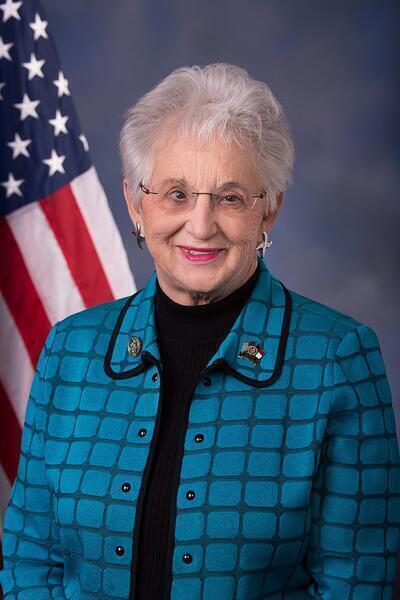
S
Scott Franklin











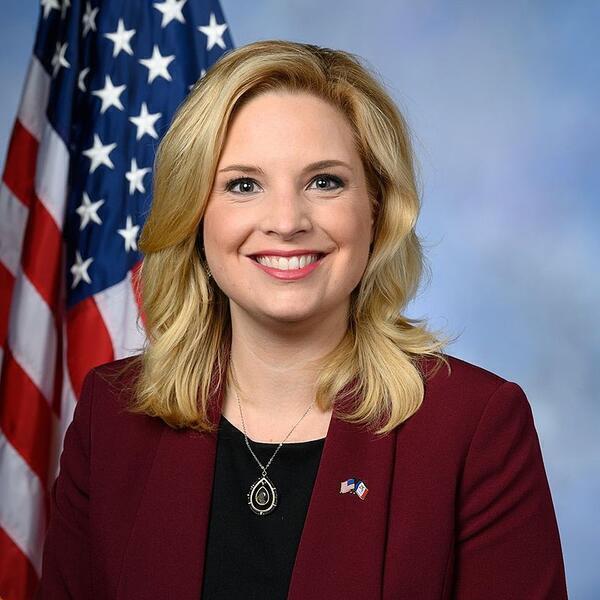







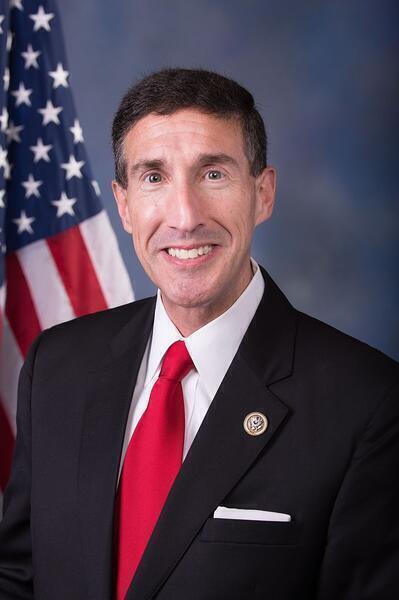
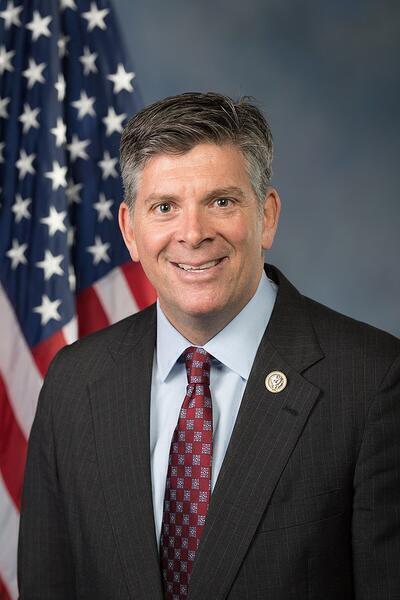





L
Lisa McClain




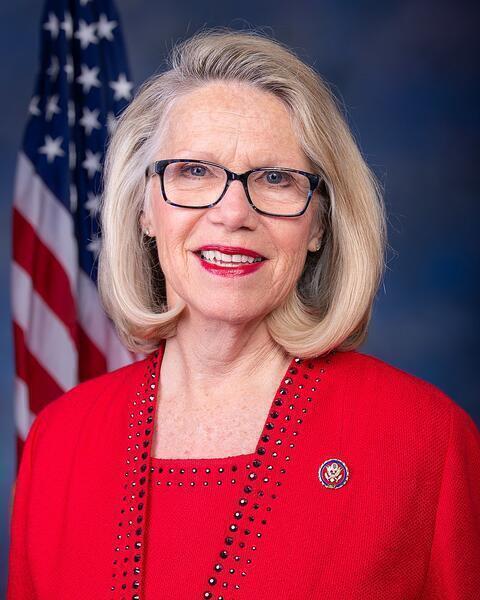


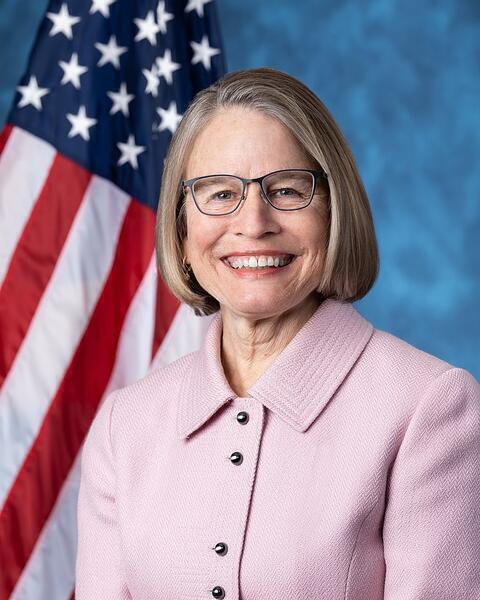

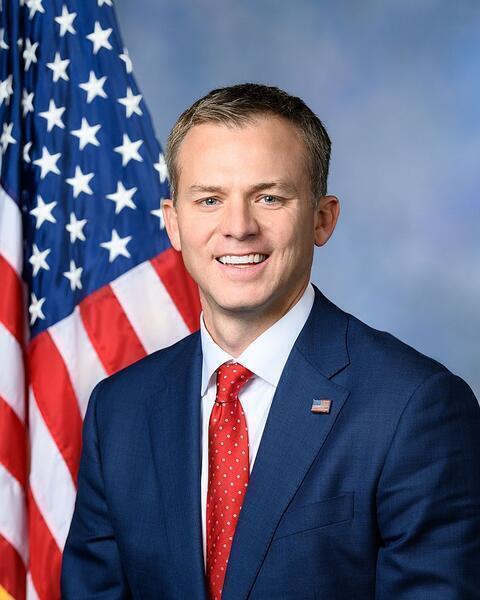




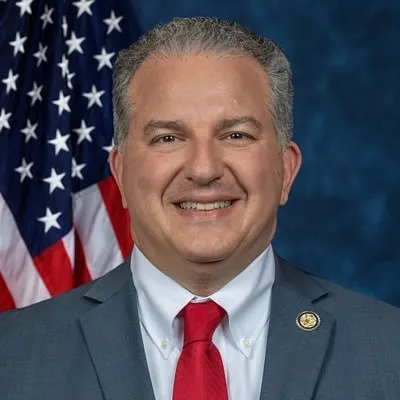

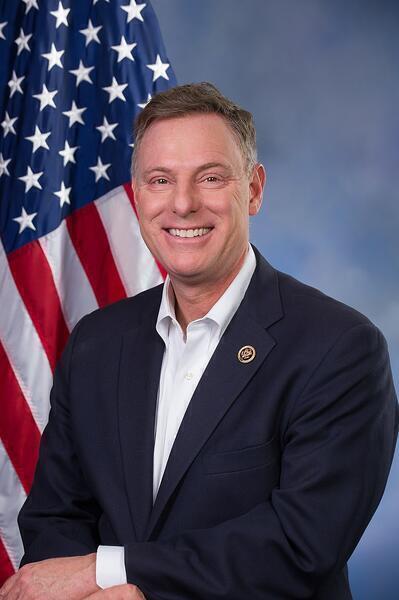
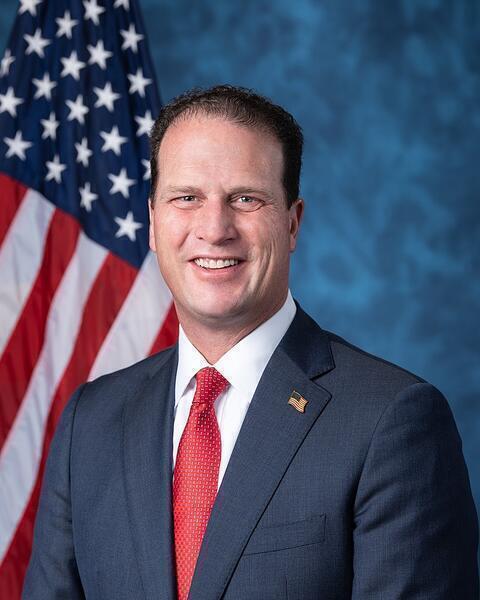
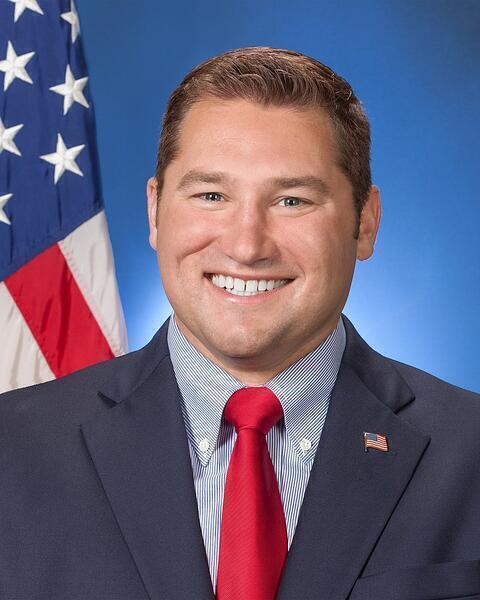
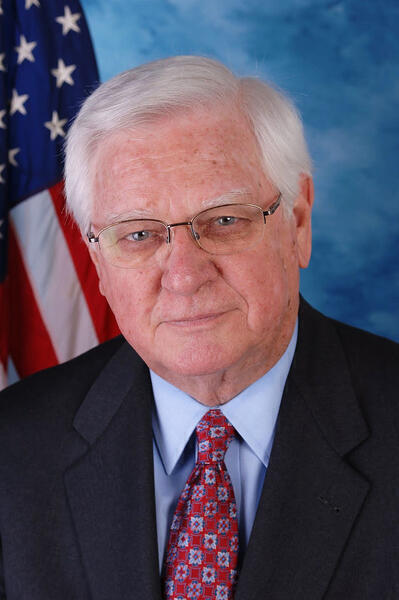

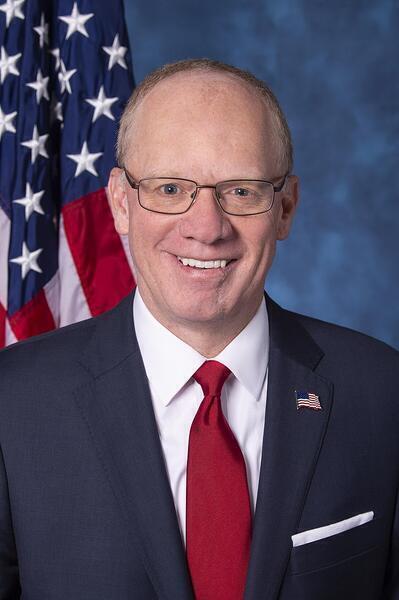
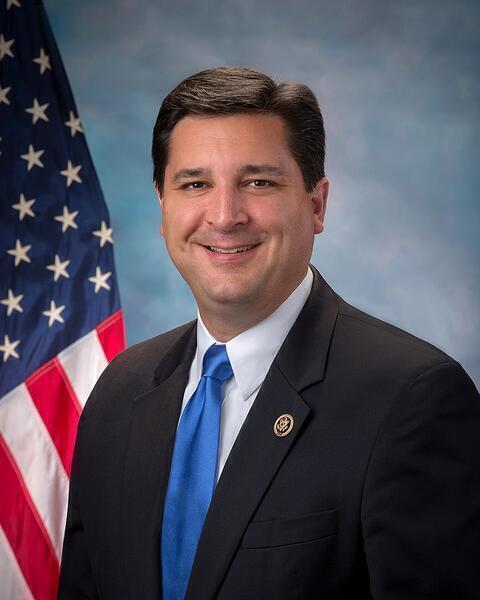

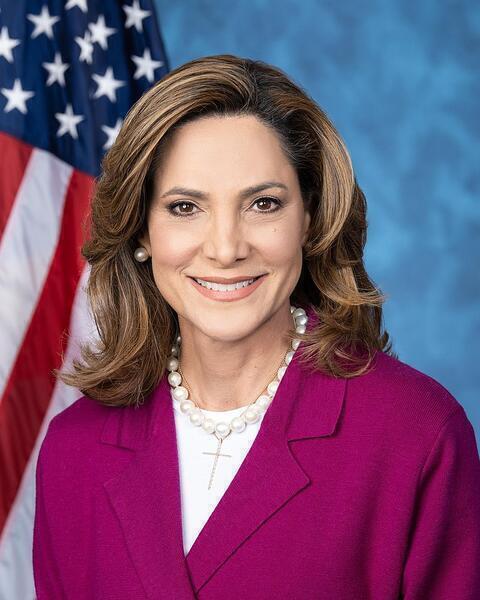
J
John Rutherford

P
Pete Sessions









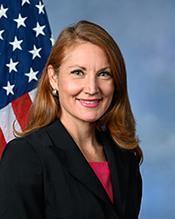
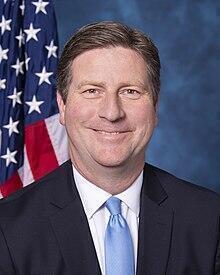
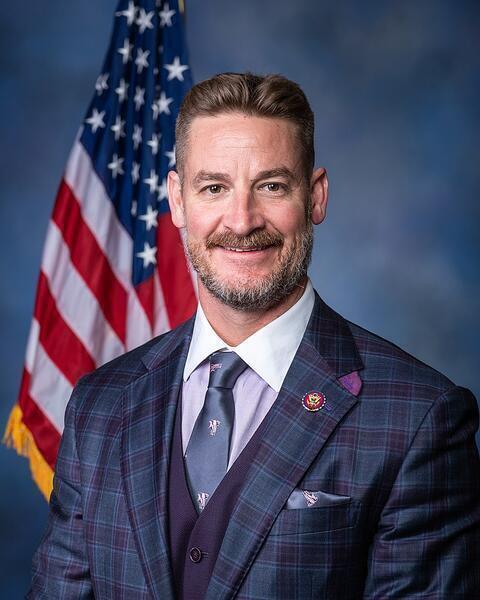
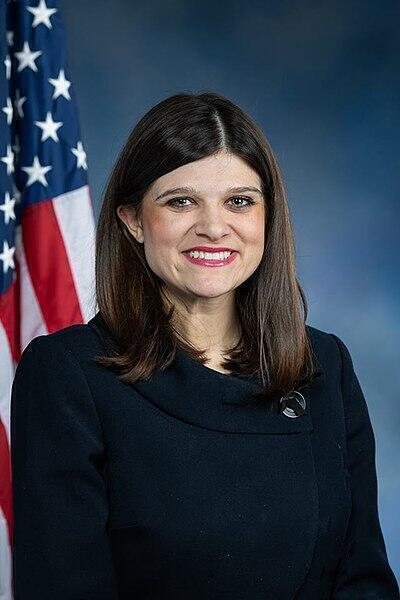
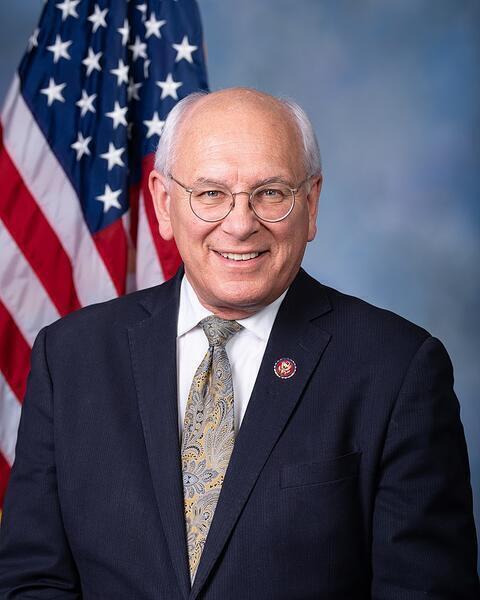
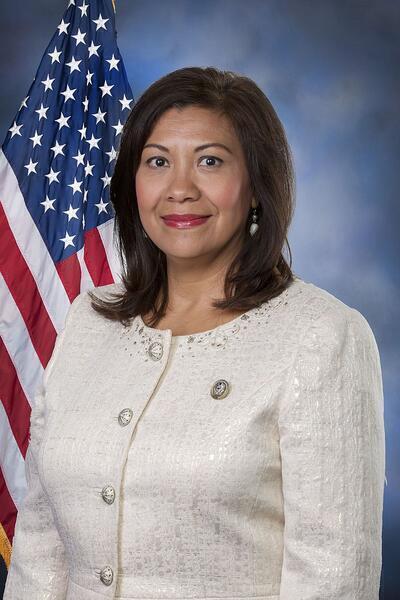
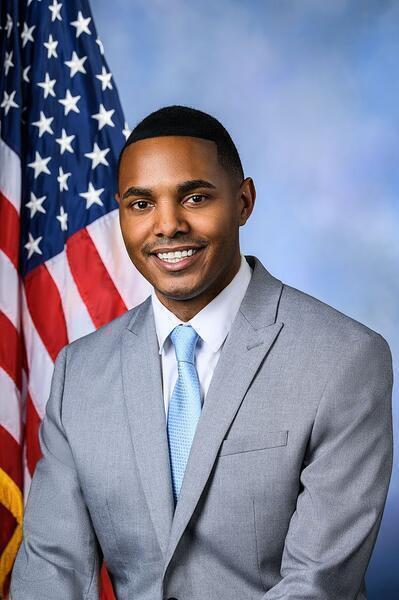
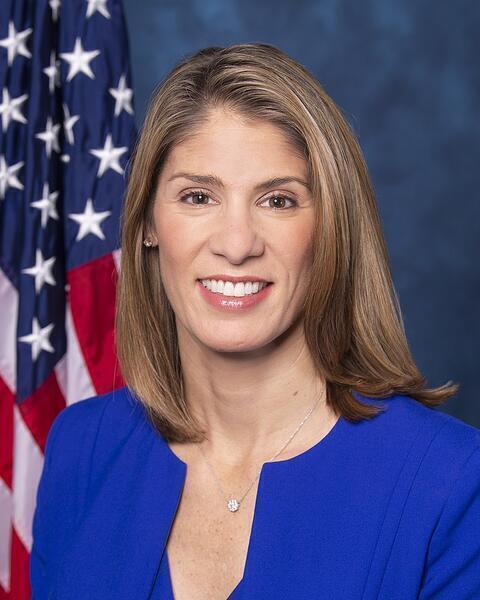
Nay (214)

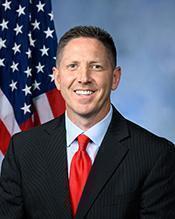

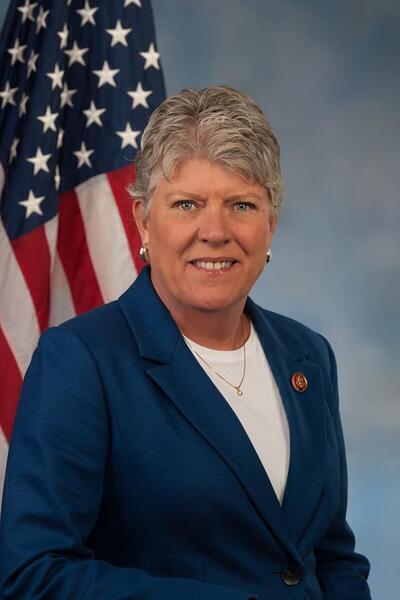
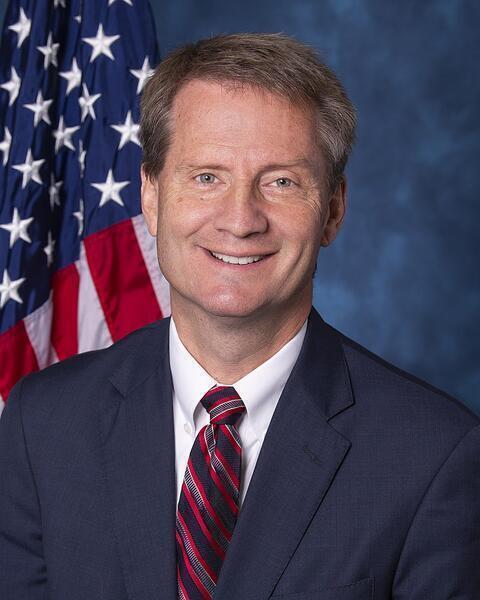

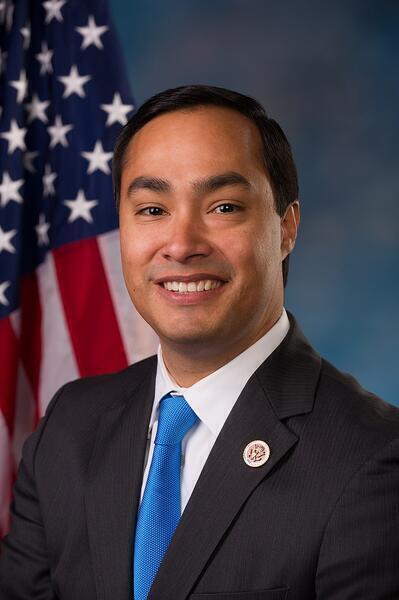

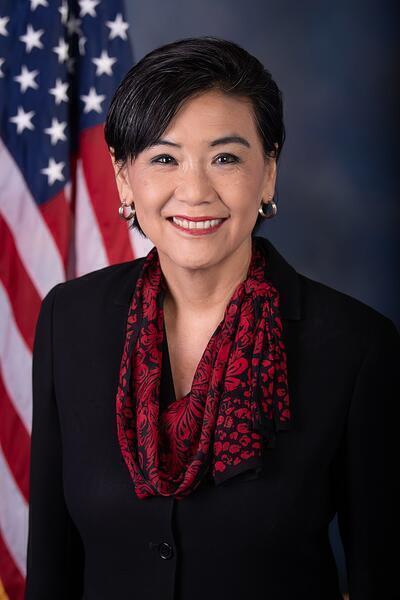
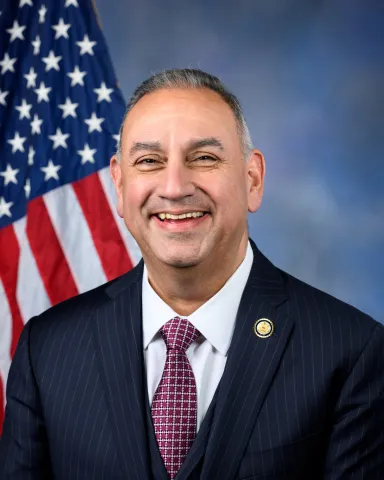

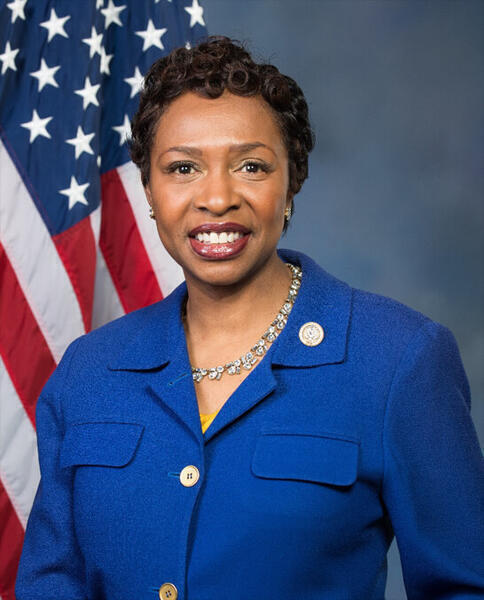



J
Jason Crow




L
Lloyd Doggett






J
John Garamendi










J
John Mannion


L
Lucy McBath

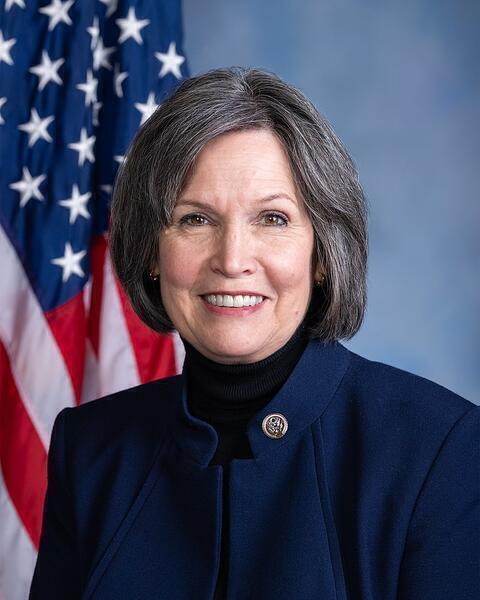


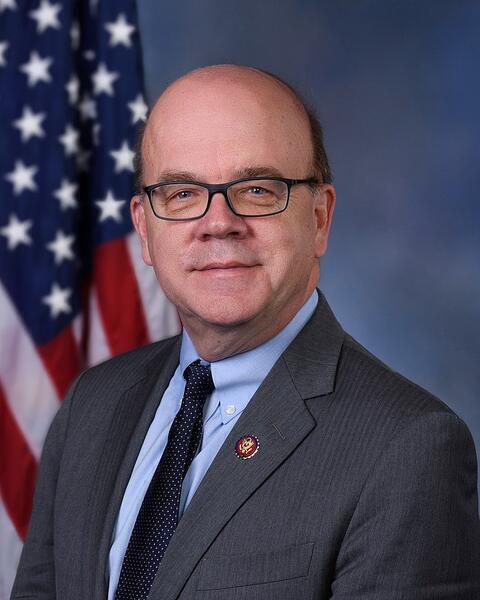


C
Christian Menefee

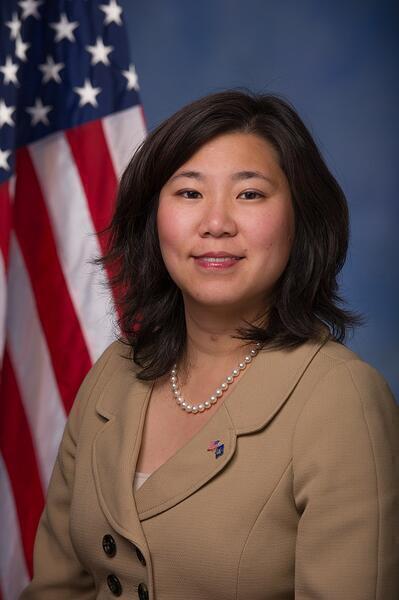
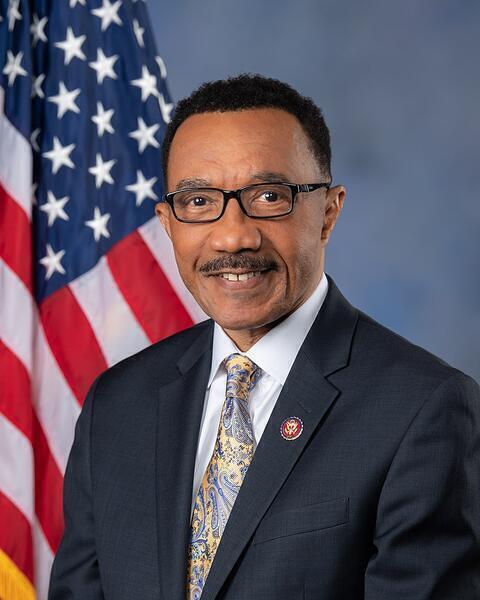












D
David Schweikert




E
Eric Swalwell


R
Rashida Tlaib
N
Nydia Velázquez


D
Debbie Wasserman Schultz