
H.R.4090 — Critical Mineral Dominance Act
House Roll Call
H.R.4090
| Bill | H.R.4090 — Critical Mineral Dominance Act |
|---|---|
| Vote question | On Motion to Recommit |
| Vote type | Yea-and-Nay |
| Result | Failed |
| Totals | Yea 209 / Nay 212 / Present 0 / Not Voting 11 |
| Party | Yea | Nay | Present | Not Voting |
|---|---|---|---|---|
| R | 0 | 212 | 0 | 6 |
| D | 209 | 0 | 0 | 5 |
| I | 0 | 0 | 0 | 0 |
Research Brief
On Motion to Recommit
Bill Analysis
HR 4090 – Critical Mineral Dominance Act (119th Congress)
HR 4090 seeks to accelerate and expand U.S. production, processing, and refining of “critical minerals” and related materials essential for defense, energy, and advanced manufacturing, with a strong emphasis on reducing dependence on China and other geopolitical rivals.
The bill directs the Department of the Interior (DOI), through the U.S. Geological Survey (USGS), to update and maintain a federal critical minerals list on an accelerated schedule and to identify vulnerabilities in U.S. supply chains, including import reliance, single‑point failures, and foreign control of processing capacity. It requires periodic reports to Congress on supply risks, global market concentration, and the role of adversarial nations in mining, processing, and refining.
HR 4090 expands or clarifies federal authorities to streamline permitting for domestic critical mineral projects on federal lands, including exploration, mining, processing, and associated infrastructure. It sets tighter timelines for environmental reviews under NEPA and directs coordination among DOI, the Department of Energy (DOE), and other agencies to avoid duplicative reviews. The bill encourages co‑location of processing and refining facilities near mine sites and directs agencies to prioritize critical mineral projects in land‑use planning and leasing decisions.
DOE is tasked with supporting mid‑stream and downstream capacity—processing, refining, separation, and recycling—through existing loan, grant, and R&D authorities, with a focus on technologies that reduce reliance on foreign processing and improve recovery from mine waste and end‑of‑life products. The bill may authorize targeted funding (subject to appropriations) for demonstration projects, pilot facilities, and workforce development in mining engineering, metallurgy, and mineral processing.
Beneficiaries include U.S. mining and processing companies, advanced manufacturers (e.g., batteries, semiconductors, defense systems), and communities hosting new facilities. Regulated or affected parties include mining operators on federal lands, project developers subject to federal permitting, and importers whose supply chains rely heavily on foreign—especially Chinese—critical mineral inputs.
Key timelines typically include accelerated deadlines for USGS assessments and list updates (e.g., within 1 year and at regular intervals thereafter) and statutory time limits for federal permit decisions, intended to compress multi‑year reviews into shorter, defined periods.
Yea (209)































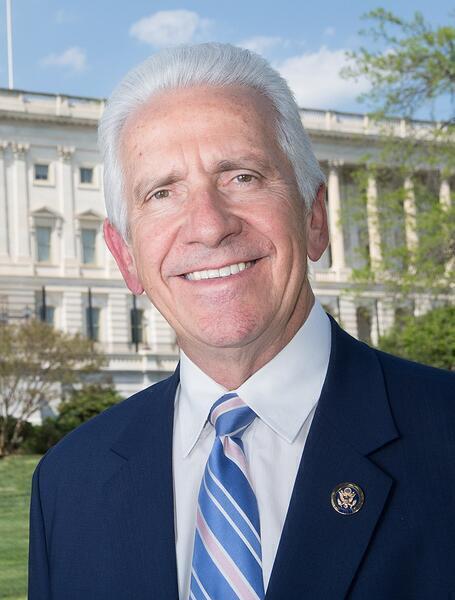


J
Jason Crow

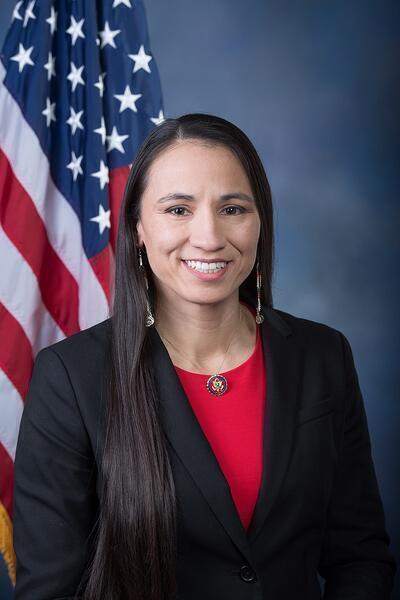










L
Lloyd Doggett


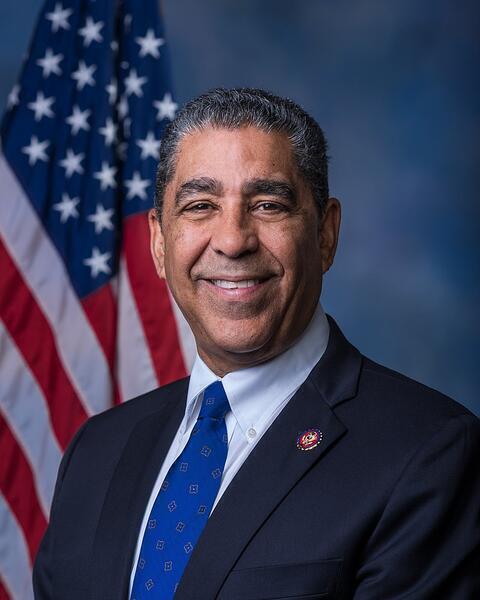









J
John Garamendi
















































J
John Mannion

L
Lucy McBath








C
Christian Menefee








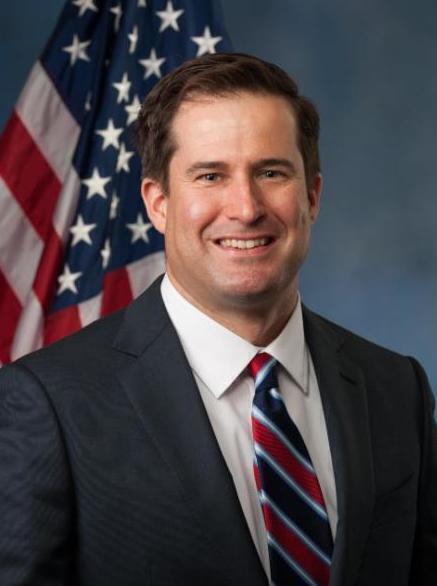

















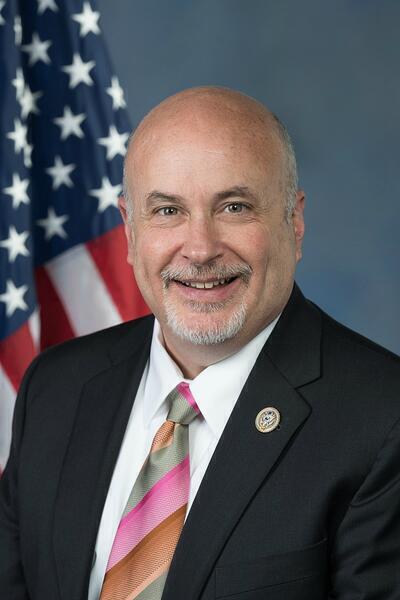





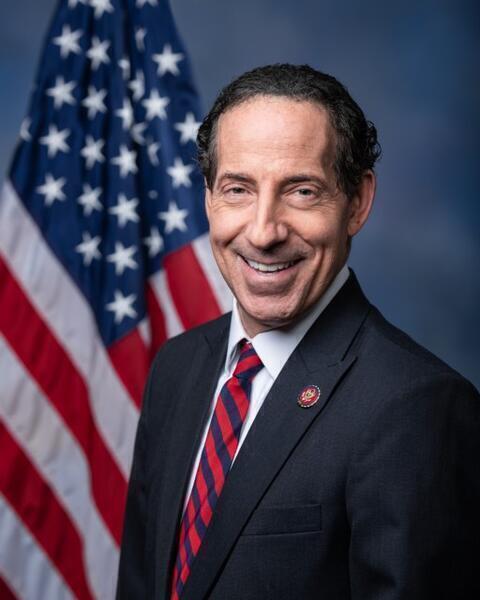






























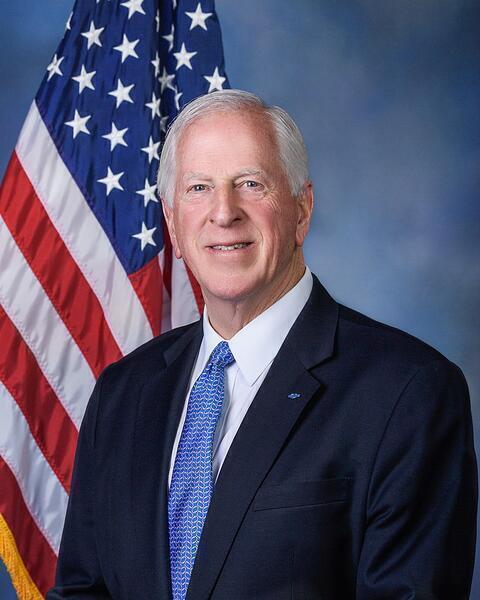

R
Rashida Tlaib










N
Nydia Velázquez

D
Debbie Wasserman Schultz




Nay (212)


























K
Ken Calvert












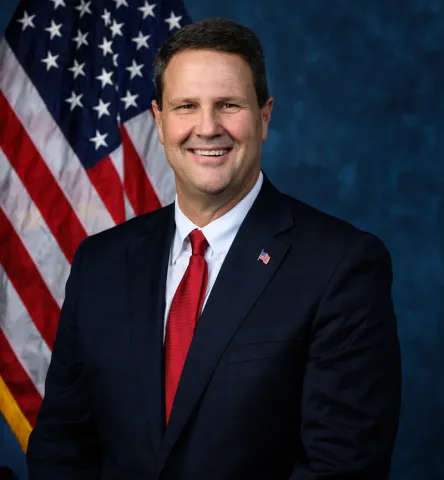


























S
Scott Franklin
































































L
Lisa McClain


































J
John Rutherford


D
David Schweikert


P
Pete Sessions