H.R.1531 — PROTECT Taiwan Act
House Roll Call
H.R.1531
| Bill | H.R.1531 — PROTECT Taiwan Act |
|---|---|
| Vote question | On Motion to Suspend the Rules and Pass, as Amended |
| Vote type | 2/3 Yea-And-Nay |
| Result | Passed |
| Totals | Yea 395 / Nay 2 / Present 0 / Not Voting 35 |
| Party | Yea | Nay | Present | Not Voting |
|---|---|---|---|---|
| R | 198 | 1 | 0 | 19 |
| D | 197 | 1 | 0 | 16 |
| I | 0 | 0 | 0 | 0 |
Research Brief
On Motion to Suspend the Rules and Pass, as Amended
Bill Analysis
HR 1531 – PROTECT Taiwan Act (119th Congress)
HR 1531 directs the U.S. government to use its influence in international financial institutions (IFIs) to penalize the People’s Republic of China (PRC) if it takes certain coercive actions against Taiwan. It does not create new domestic regulatory programs or direct appropriations; instead, it mandates specific U.S. positions and voting behavior within multilateral development banks and related bodies.
Core provisions:
- The bill defines “significant escalation” or “hostile action” by the PRC against Taiwan (e.g., invasion, blockade, major use of force, or comparable coercive military/economic action).
- Upon a presidential determination that such an escalation has occurred, the United States must oppose:
- New lending, financial assistance, or guarantees to the PRC by IFIs in which the U.S. participates (such as the World Bank and Asian Development Bank).
- Any changes that would increase the PRC’s voting power, shareholding, or leadership roles in those institutions.
- The bill requires U.S. executive directors at these institutions to vote “no” or otherwise use their voice and vote to block such measures, and to advocate for similar positions by other member states.
Agencies and authorities:
- The Department of the Treasury, as lead U.S. agency for IFI policy, is the primary implementer; the Secretary of the Treasury must instruct U.S. executive directors accordingly.
- The Department of State and other foreign policy agencies are implicated in assessing PRC actions against Taiwan and coordinating the U.S. position.
- The President (or a designated official) must make the formal determination that a qualifying hostile action has occurred, which triggers the bill’s requirements.
Beneficiaries and regulated parties:
- Taiwan benefits indirectly through increased economic and diplomatic costs imposed on the PRC for aggression.
- The PRC is the de facto target, facing potential loss or restriction of multilateral financing and influence.
- IFIs are not directly regulated by U.S. law, but U.S. participation and voting behavior are constrained.
Timelines:
- Provisions take effect upon enactment.
- The sanctions-like IFI restrictions apply only after a qualifying presidential determination of PRC hostile action against Taiwan and remain in force as specified in the bill (likely until the President certifies the threat has abated or as otherwise provided).
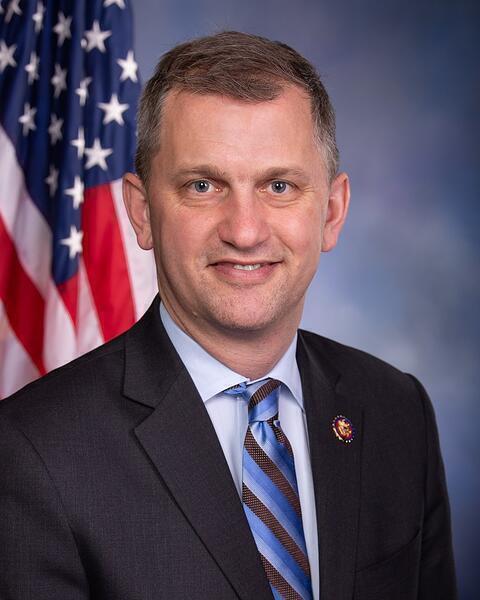
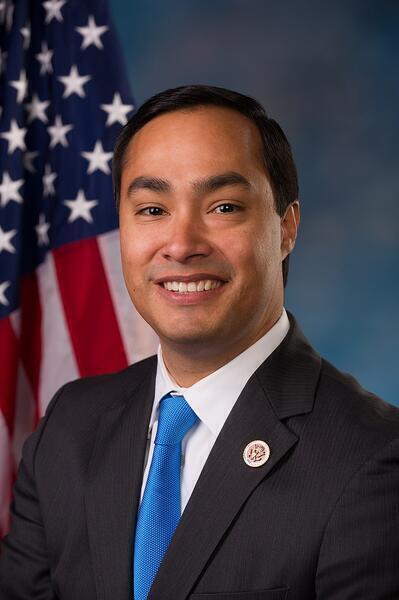
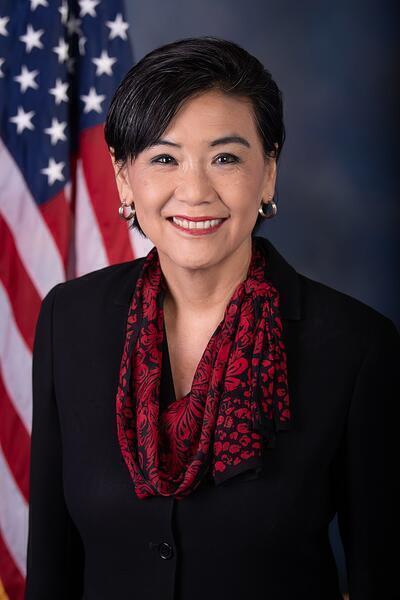
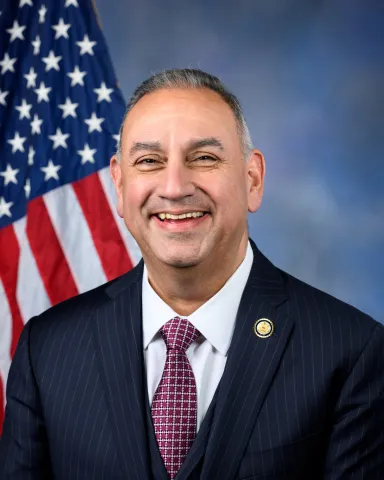
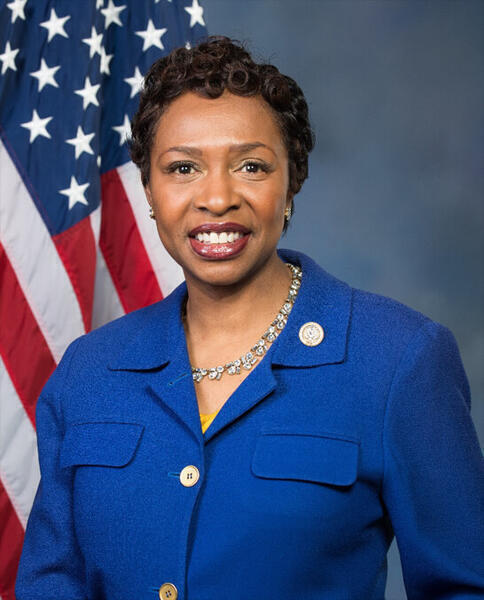
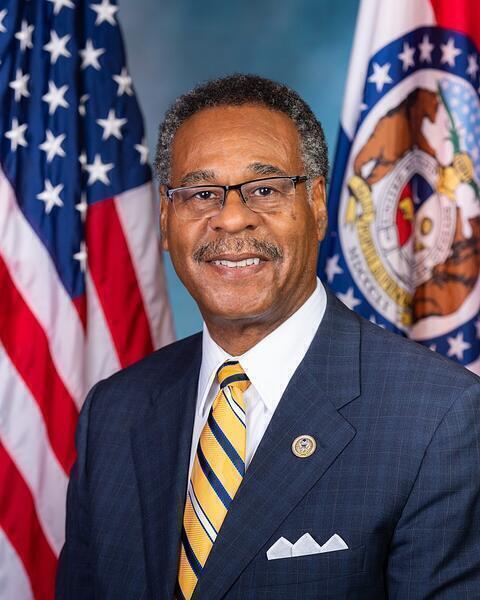
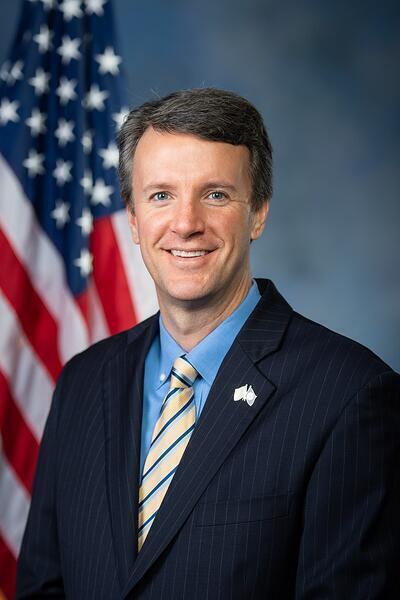
Yea (395)









K
Ken Calvert





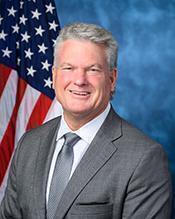
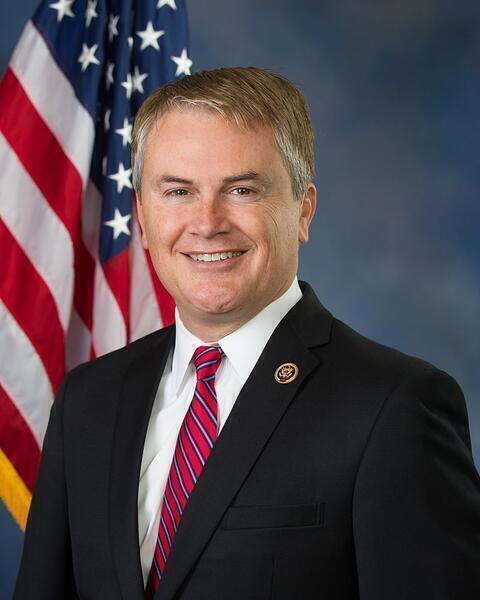
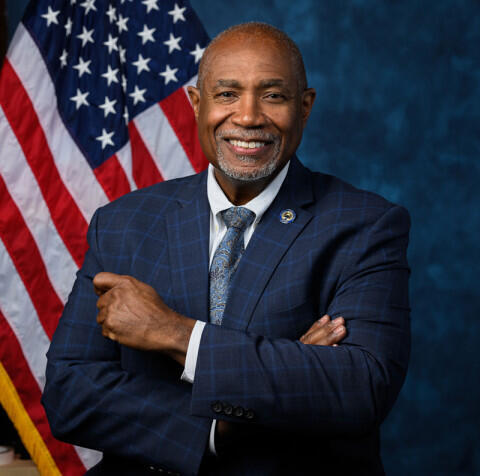
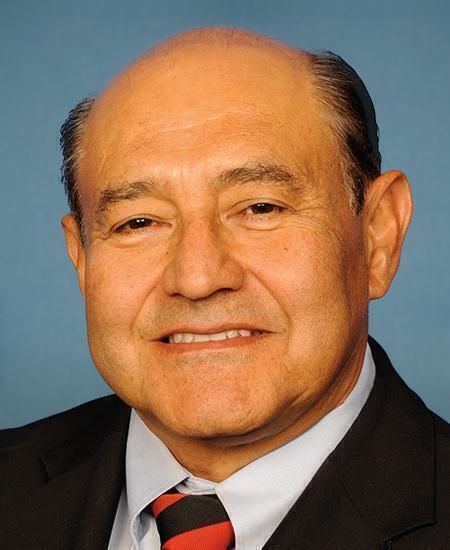
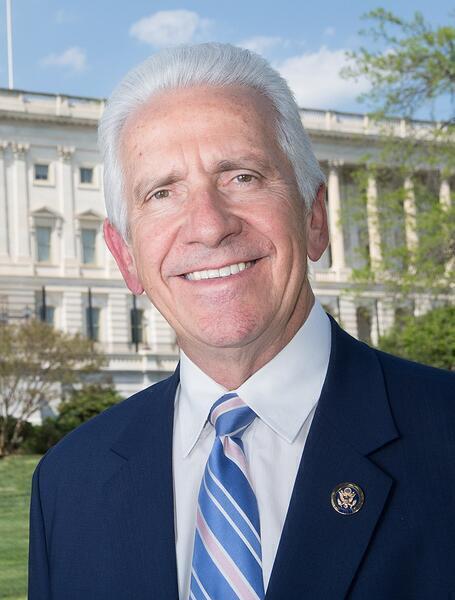
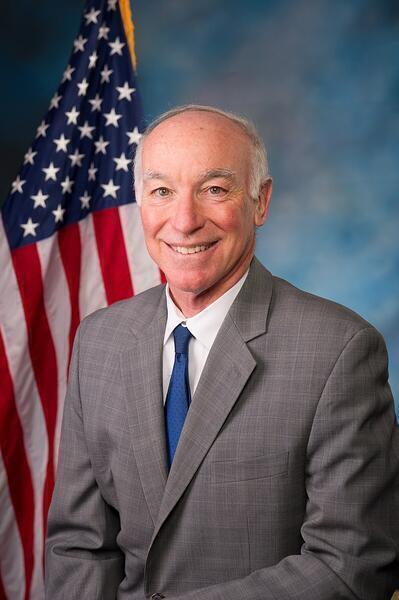
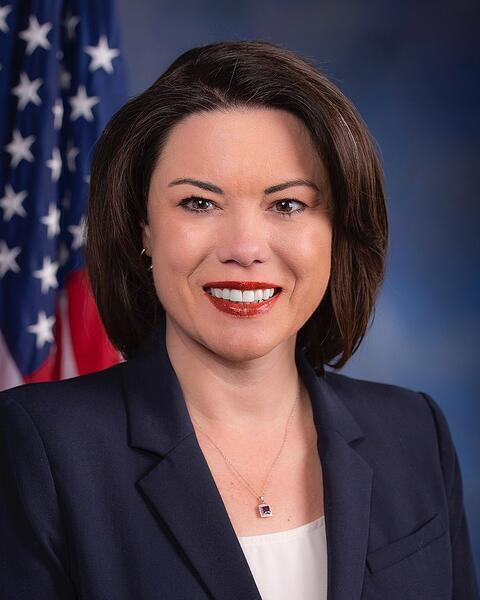

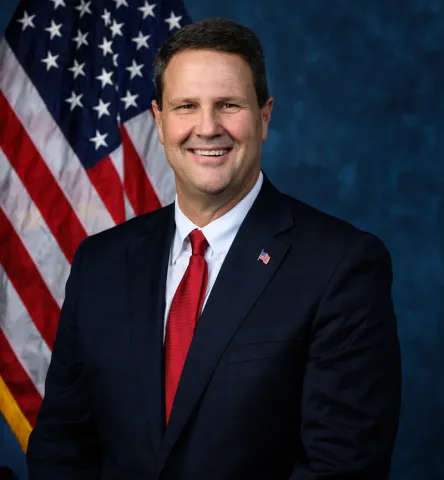


J
Jason Crow






L
Lloyd Doggett


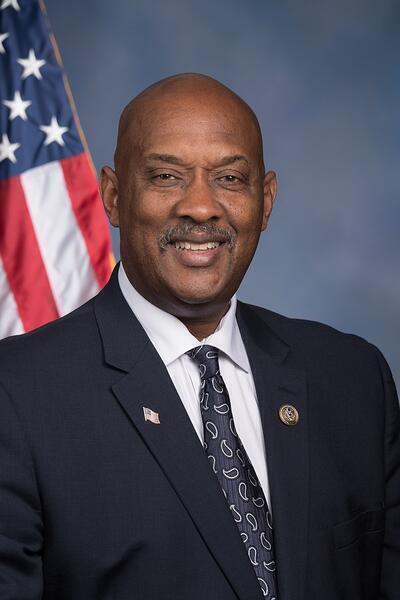

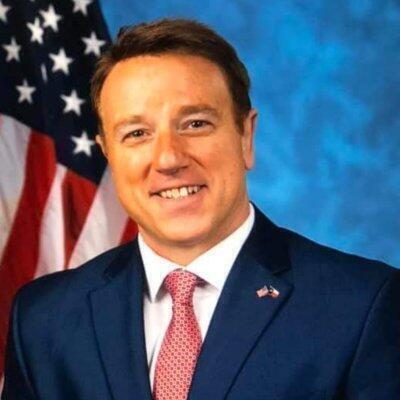



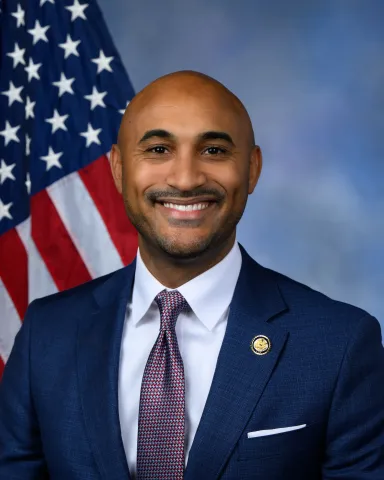



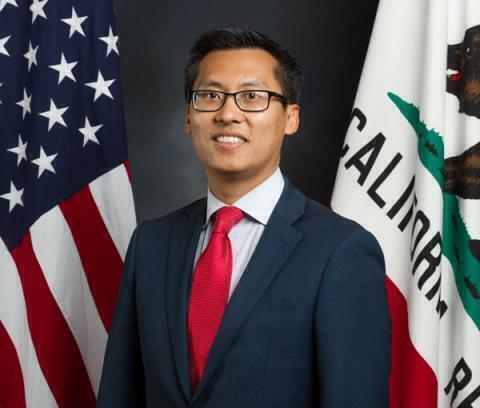
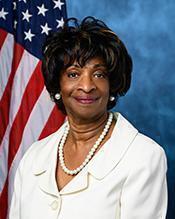

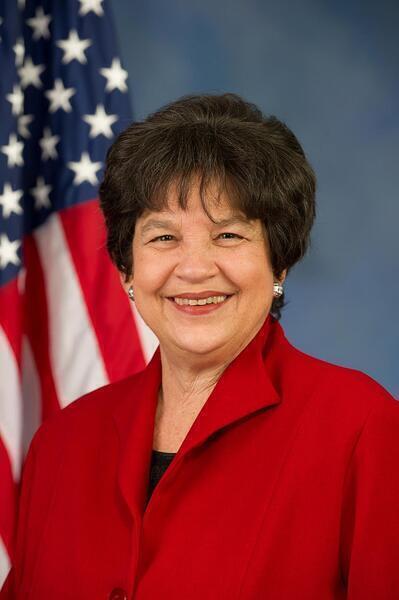
S
Scott Franklin


J
John Garamendi






































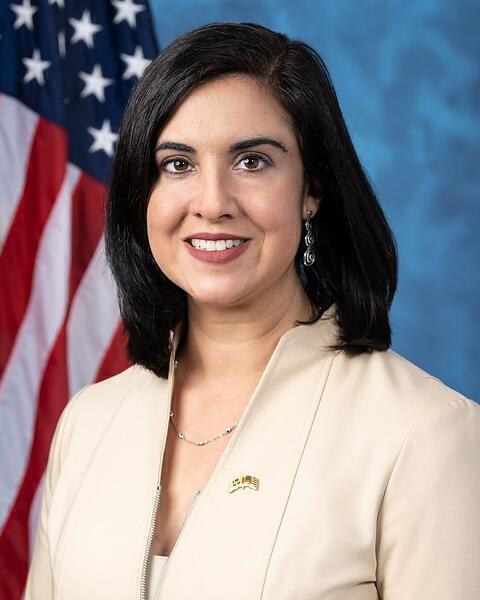

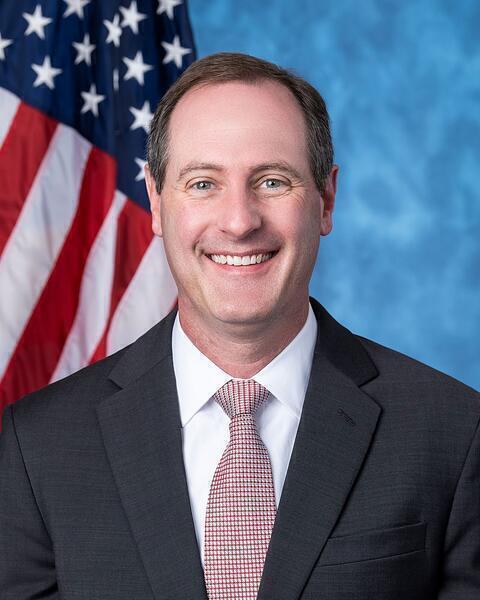
J
John Mannion
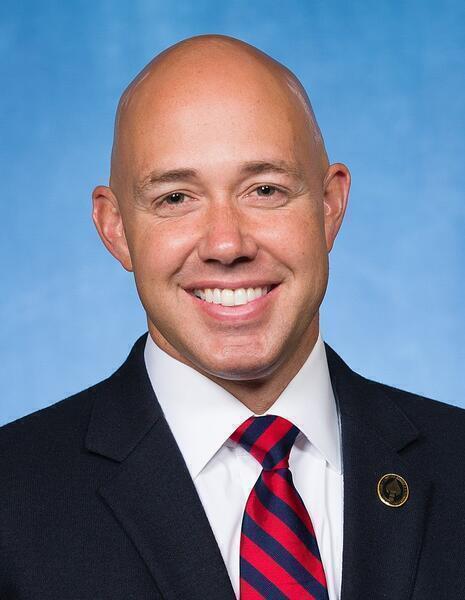
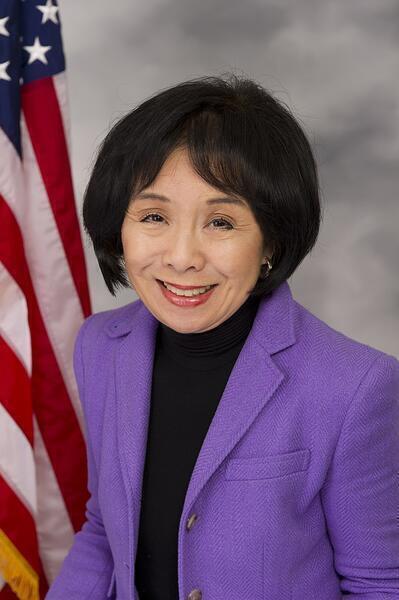
L
Lucy McBath

L
Lisa McClain






C
Christian Menefee




















J
John Rutherford


D
David Schweikert
P
Pete Sessions









R
Rashida Tlaib





N
Nydia Velázquez

D
Debbie Wasserman Schultz




Nay (2)


Not Voting (35)










E
Eric Swalwell