
H.R.3617 — Securing America’s Critical Minerals Supply Act
House Roll Call
H.R.3617
| Bill | H.R.3617 — Securing America’s Critical Minerals Supply Act |
|---|---|
| Vote question | On Motion to Recommit |
| Vote type | Yea-and-Nay |
| Result | Failed |
| Totals | Yea 214 / Nay 215 / Present 0 / Not Voting 3 |
| Party | Yea | Nay | Present | Not Voting |
|---|---|---|---|---|
| R | 0 | 215 | 0 | 3 |
| D | 214 | 0 | 0 | 0 |
| I | 0 | 0 | 0 | 0 |
Research Brief
On Motion to Recommit
Bill Analysis
HR 3617, the “Securing America’s Critical Minerals Supply Act,” directs a comprehensive federal strategy to strengthen U.S. access to critical minerals essential for defense, energy, and advanced manufacturing.
The bill requires the Department of the Interior, through the U.S. Geological Survey (USGS), and the Department of Energy (DOE) to update and maintain a federal list of “critical minerals” based on supply risk and strategic importance. It mandates periodic assessments of domestic and foreign supply chains, including mining, processing, recycling, and substitution options, and requires regular reporting to Congress.
The legislation streamlines federal permitting for critical mineral exploration and development on federal lands by imposing time limits on environmental reviews and agency decisions, coordinating interagency review processes, and designating lead agencies for permitting. It does not waive environmental laws but seeks to accelerate decision-making under existing statutes such as NEPA.
DOE is authorized to support research, development, and demonstration projects on critical mineral extraction (including from unconventional sources such as mine waste and brines), processing, recycling, and materials substitution. This includes competitive grants and cooperative agreements with universities, national laboratories, and private firms. The bill encourages public‑private partnerships and may authorize loan guarantees or other financial tools to de‑risk domestic projects, subject to appropriations.
Agencies affected include Interior (USGS, Bureau of Land Management), DOE, the Department of Defense (as a key end user and planning partner), and potentially the Department of Commerce and U.S. Trade Representative for trade and supply-chain coordination. States and tribal governments are indirectly affected through permitting coordination and potential project siting.
Beneficiaries include U.S. mining and processing companies, advanced manufacturing sectors (e.g., batteries, semiconductors, defense systems, renewable energy technologies), and research institutions. The bill primarily regulates federal agencies’ processes rather than private actors directly, though it shapes the regulatory environment for project developers.
Key timelines typically include: (1) initial critical minerals list and supply-chain assessment within roughly 180 days–1 year of enactment; (2) periodic (often 3–5 year) updates; and (3) statutory deadlines (e.g., 1–2 years) for implementing streamlined permitting procedures. Funding levels and specific authorizations of appropriations are set for defined fiscal years and remain subject to annual congressional appropriations.
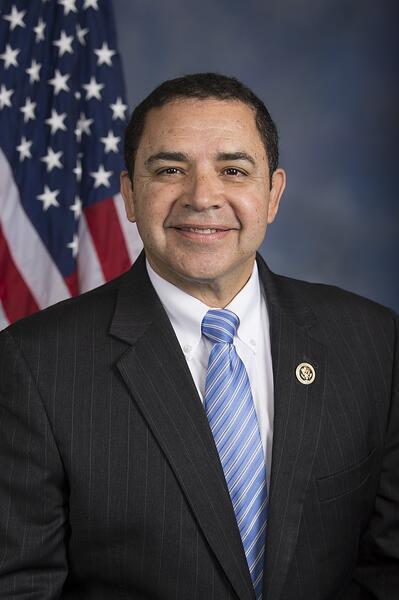
Yea (214)
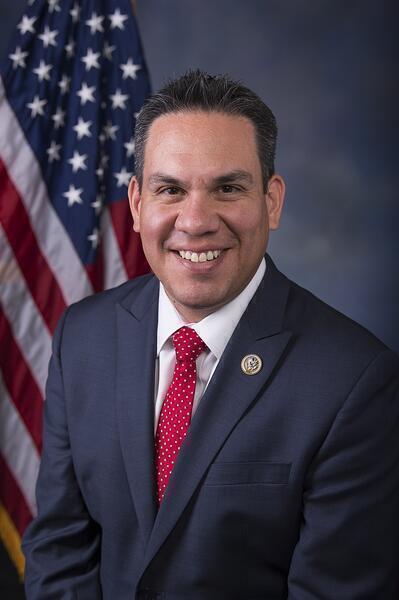









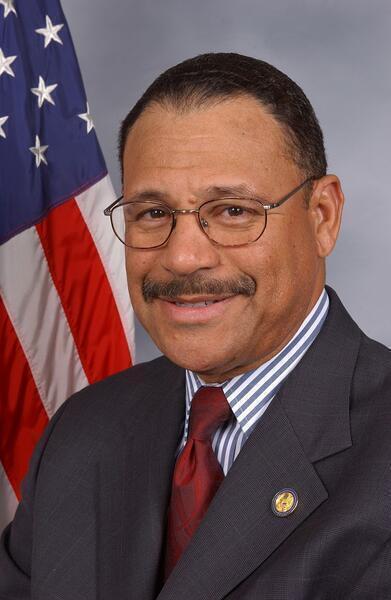























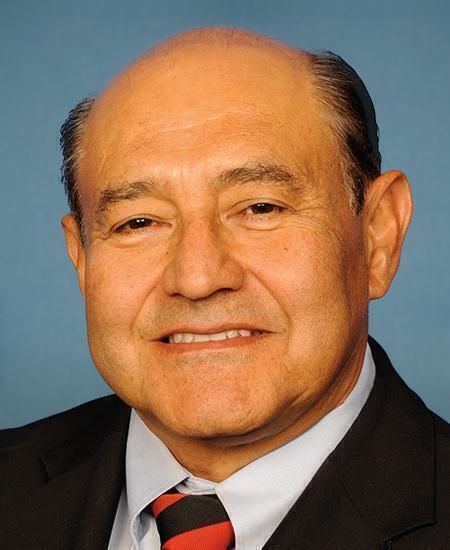
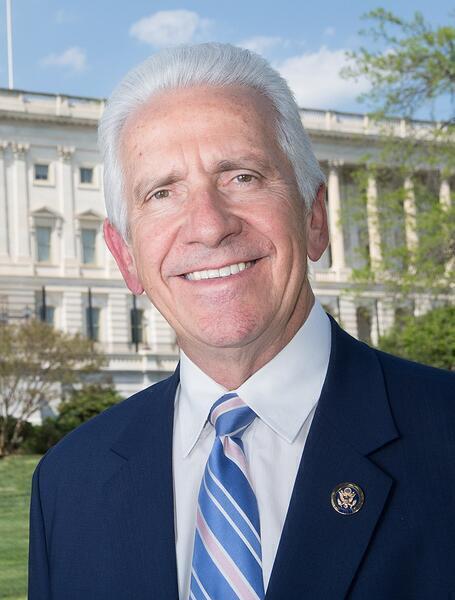



J
Jason Crow











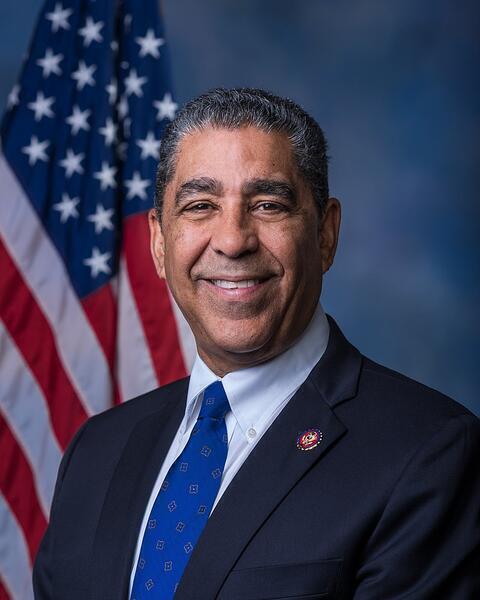
L
Lloyd Doggett








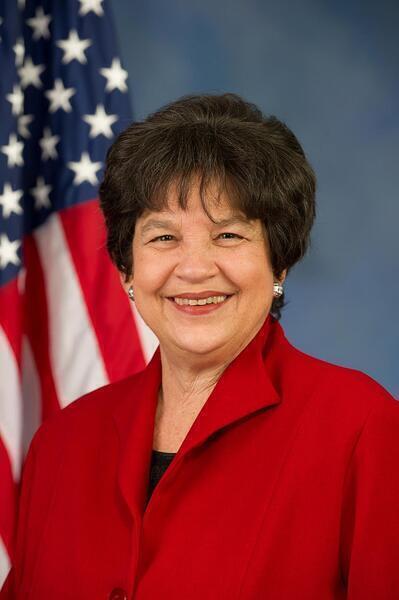


J
John Garamendi

























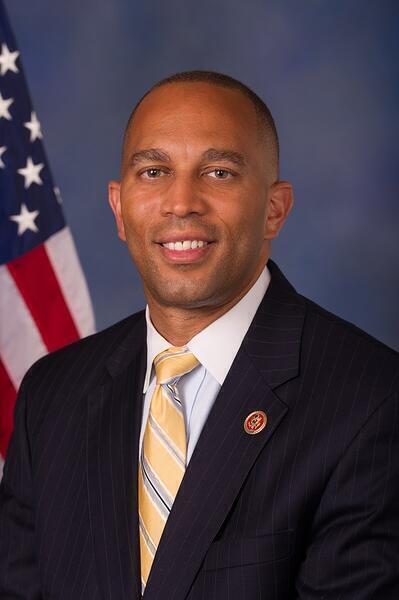






















J
John Mannion

L
Lucy McBath









C
Christian Menefee

























































E
Eric Swalwell





R
Rashida Tlaib









N
Nydia Velázquez


D
Debbie Wasserman Schultz





Nay (215)


























K
Ken Calvert






































S
Scott Franklin
































































L
Lisa McClain
































J
John Rutherford



D
David Schweikert


P
Pete Sessions