
H.R.3617 — Securing America’s Critical Minerals Supply Act
House Roll Call
H.R.3617
| Bill | H.R.3617 — Securing America’s Critical Minerals Supply Act |
|---|---|
| Vote question | On Passage |
| Vote type | Yea-and-Nay |
| Result | Passed |
| Totals | Yea 223 / Nay 206 / Present 0 / Not Voting 3 |
| Party | Yea | Nay | Present | Not Voting |
|---|---|---|---|---|
| R | 214 | 1 | 0 | 3 |
| D | 9 | 205 | 0 | 0 |
| I | 0 | 0 | 0 | 0 |
Research Brief
On Passage
Bill Analysis
HR 3617, the “Securing America’s Critical Minerals Supply Act,” directs a coordinated federal strategy to strengthen U.S. access to critical minerals essential for defense, energy, and advanced manufacturing, with a strong focus on reducing dependence on foreign (especially adversarial) supply chains.
The bill requires the Secretary of the Interior, in consultation with the Secretaries of Energy, Defense, Commerce, and others, to update and maintain a federal list of “critical minerals” based on supply risk and strategic importance. It mandates a comprehensive national assessment of domestic critical mineral resources, including reserves, production capacity, and processing capabilities, and requires regular reporting to Congress.
HR 3617 streamlines federal permitting for exploration, mining, and processing of designated critical minerals on federal lands by setting time limits for environmental reviews and agency decisions, enhancing interagency coordination, and encouraging the use of programmatic and categorical reviews where appropriate. It does not waive core environmental laws but seeks to accelerate decision-making under NEPA and related statutes.
The bill directs the Department of Energy and other agencies to support research, development, and demonstration projects for critical mineral extraction, processing, recycling, and substitution, including from unconventional sources (e.g., mine waste, coal byproducts). It authorizes technical assistance and potential financial support mechanisms (such as grants or cooperative agreements) to industry, universities, and national laboratories, though specific dollar authorizations are left to appropriations.
Agencies principally affected include the Departments of the Interior, Energy, Defense, Commerce, and the U.S. Geological Survey. Beneficiaries include domestic mining and processing firms, advanced manufacturing sectors (e.g., batteries, electronics, defense systems), and allied supply-chain partners; regulated entities are primarily mining and processing operators seeking federal permits.
Key timelines include deadlines (typically within 180 days to 1 year of enactment) for: updating the critical minerals list; completing initial resource and supply-chain assessments; issuing interagency permitting guidance; and submitting recurring progress reports and strategy updates to Congress. The bill’s provisions generally take effect upon enactment, with implementation contingent on subsequent appropriations.
Yea (223)

























K
Ken Calvert











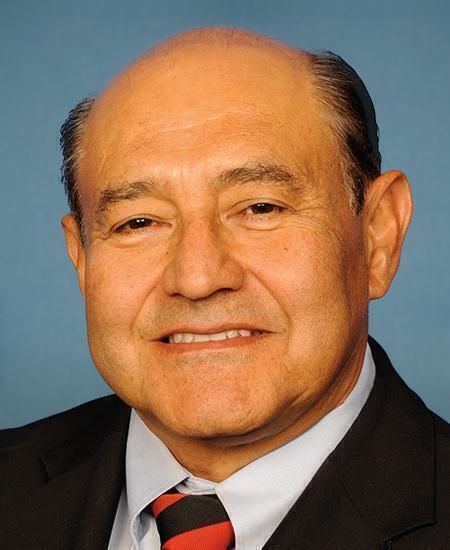































S
Scott Franklin






































































L
Lisa McClain





































J
John Rutherford



D
David Schweikert


P
Pete Sessions




































Nay (206)

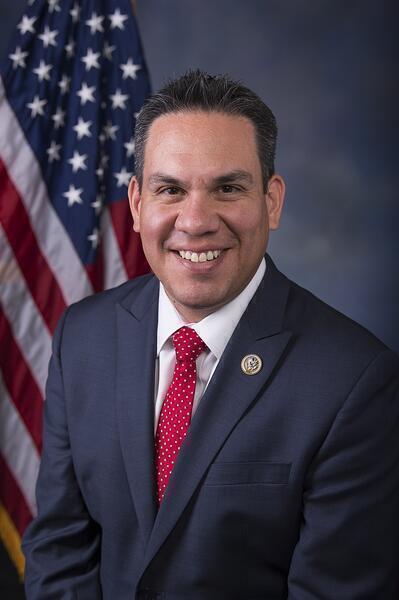




































J
Jason Crow










L
Lloyd Doggett


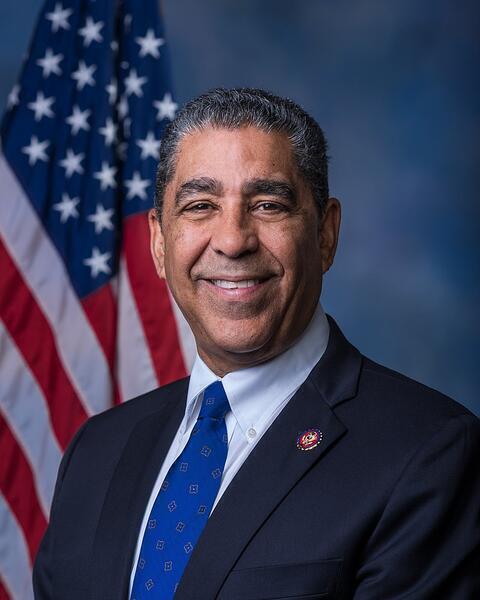










J
John Garamendi













































J
John Mannion

L
Lucy McBath









C
Christian Menefee

























































E
Eric Swalwell






R
Rashida Tlaib







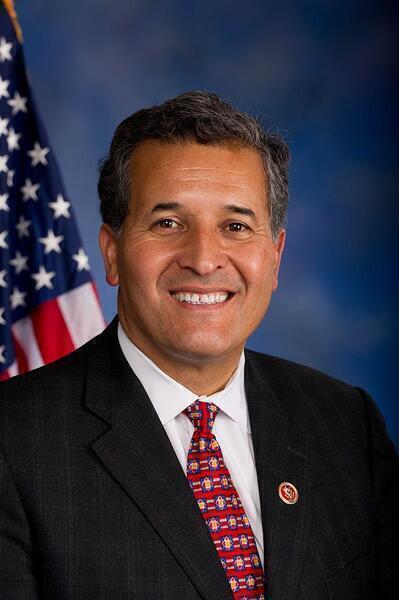


N
Nydia Velázquez


D
Debbie Wasserman Schultz