H.R.261 — Undersea Cable Protection Act of 2025
House Roll Call
H.R.261
| Bill | H.R.261 — Undersea Cable Protection Act of 2025 |
|---|---|
| Vote question | On Motion to Recommit |
| Vote type | Yea-and-Nay |
| Result | Failed |
| Totals | Yea 214 / Nay 216 / Present 0 / Not Voting 2 |
| Party | Yea | Nay | Present | Not Voting |
|---|---|---|---|---|
| R | 0 | 216 | 0 | 2 |
| D | 214 | 0 | 0 | 0 |
| I | 0 | 0 | 0 | 0 |
Research Brief
On Motion to Recommit
Bill Analysis
The Undersea Cable Protection Act of 2025 (H.R. 261, 119th Congress) amends federal law to strengthen protection of submarine communications cables that carry global internet, voice, and data traffic to and from the United States.
Substantive provisions:
- New federal offense for damaging cables: The bill revises and expands existing criminal prohibitions related to willful or reckless damage, interference, or obstruction of undersea cables located in U.S. territorial sea, exclusive economic zone (EEZ), or on the U.S. continental shelf, as well as cables connecting the U.S. to foreign countries. It covers both physical damage (e.g., anchoring, trawling, sabotage) and certain forms of intentional interference with cable operations.
- Enhanced penalties: It increases maximum criminal penalties (fines and imprisonment) for intentional or malicious acts, particularly where national security, critical infrastructure, or public safety is implicated. Repeat offenses and actions undertaken on behalf of foreign adversaries or terrorist organizations are subject to heightened sanctions.
- Jurisdiction and enforcement: The bill clarifies U.S. jurisdiction over offenses involving U.S.-owned or -operated cables, cables landing at U.S. facilities, and conduct by U.S. persons abroad. It authorizes federal law enforcement and the Department of Justice to investigate and prosecute violations, and facilitates interagency coordination with the Departments of Defense, Homeland Security, and State.
- Regulatory and planning authorities: Federal agencies with maritime, telecommunications, and security responsibilities (including the Federal Communications Commission, National Telecommunications and Information Administration, and U.S. Coast Guard) are directed to update regulations, incident-reporting mechanisms, and protection plans for critical undersea cable routes.
Funding and implementation:
- The bill authorizes appropriations (amounts to be set or drawn from existing national security and infrastructure protection accounts) to support enforcement, monitoring, and interagency coordination. Agencies must implement regulatory updates and operational protocols on a defined timeline following enactment (generally within 12–24 months).
Beneficiaries and regulated parties:
- Beneficiaries include telecommunications carriers, cloud and content providers, financial institutions, and the general public relying on global connectivity.
- Regulated or affected parties include vessel operators, offshore industries, cable owners and operators, and any individuals or entities whose activities may endanger undersea cable infrastructure.
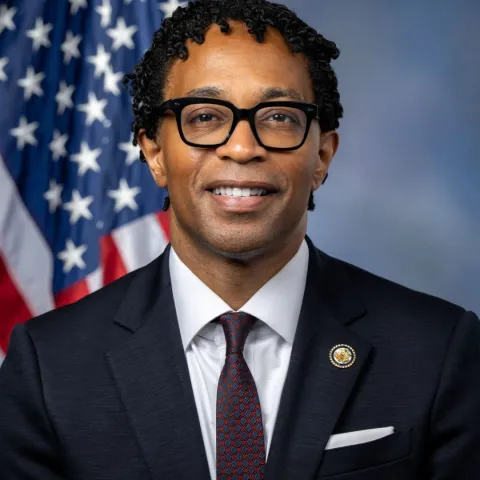
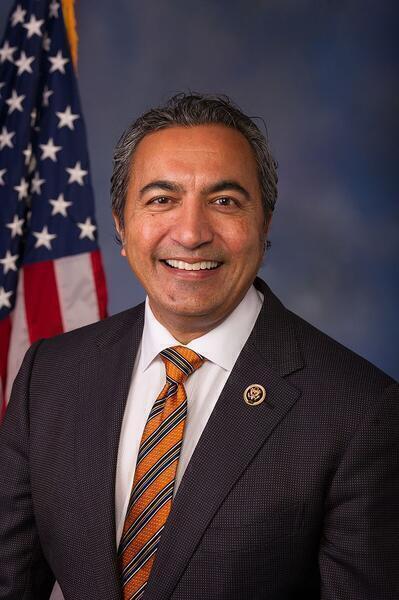
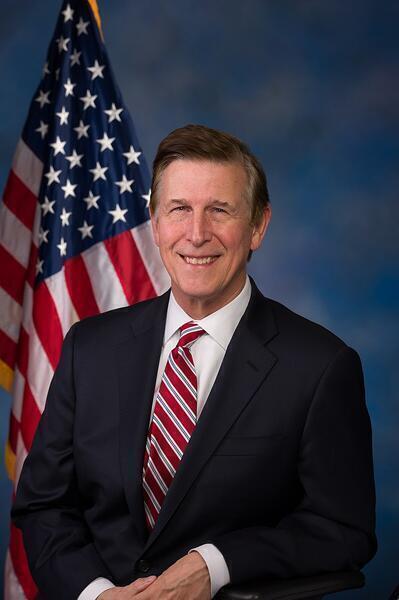
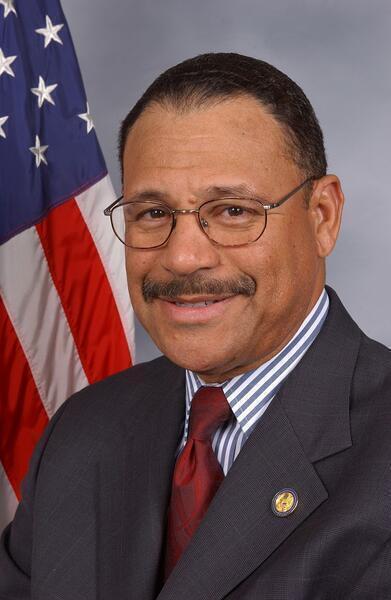
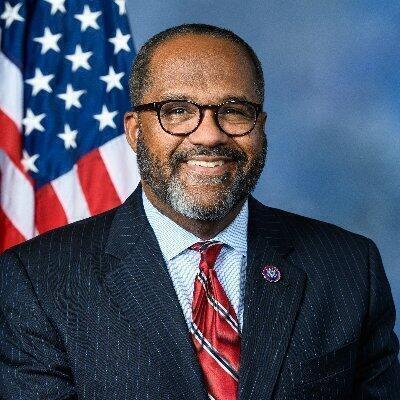
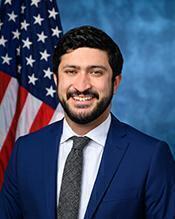
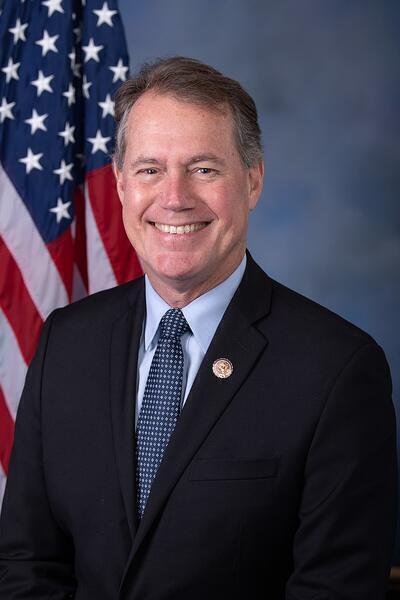
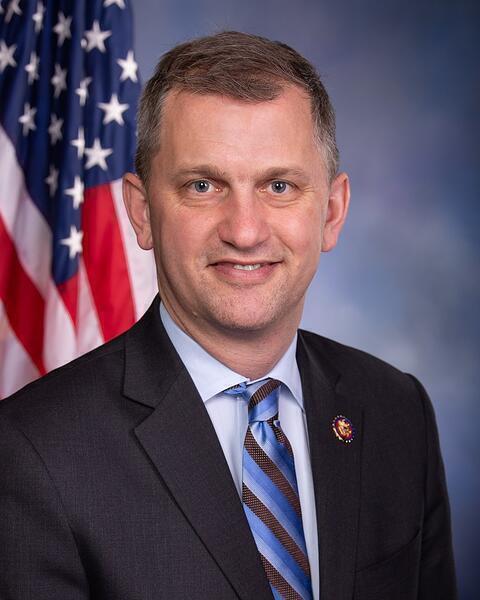
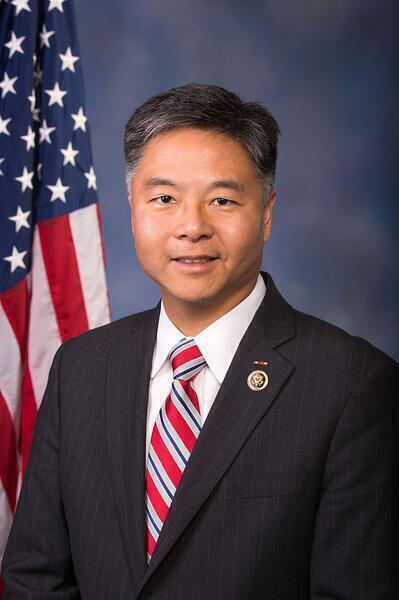
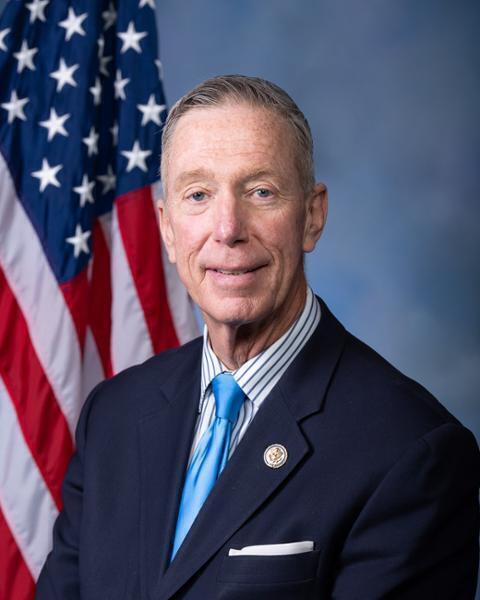
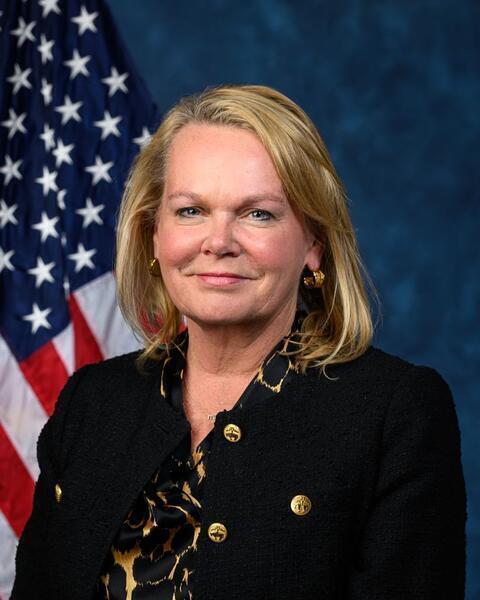
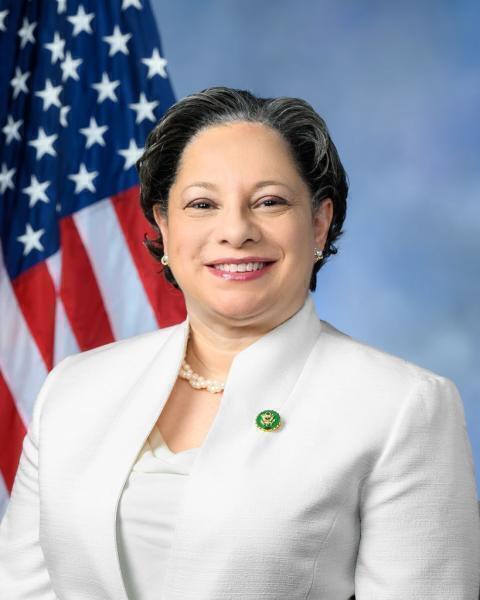
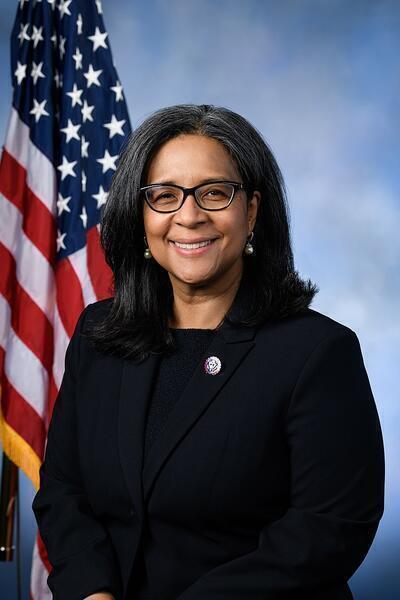
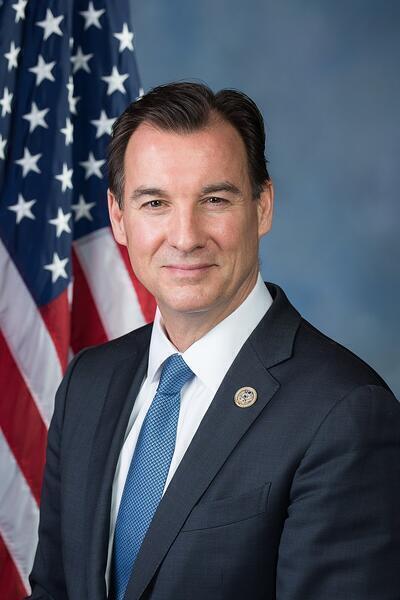
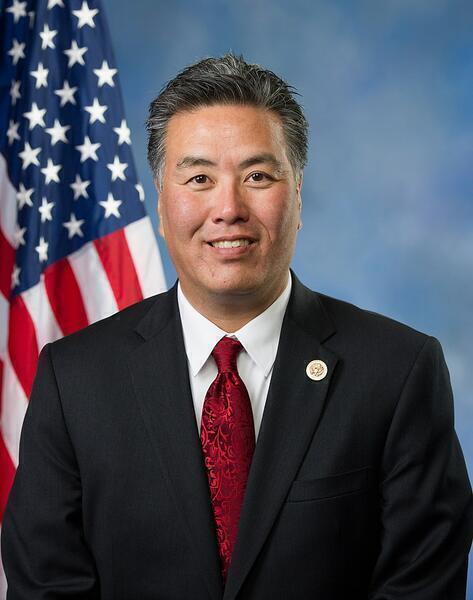
Yea (214)













J
Jason Crow






L
Lloyd Doggett


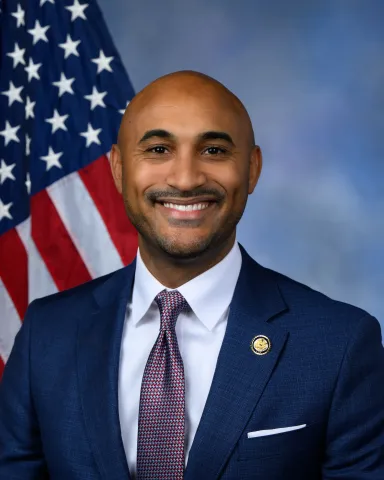


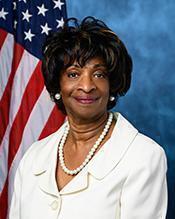
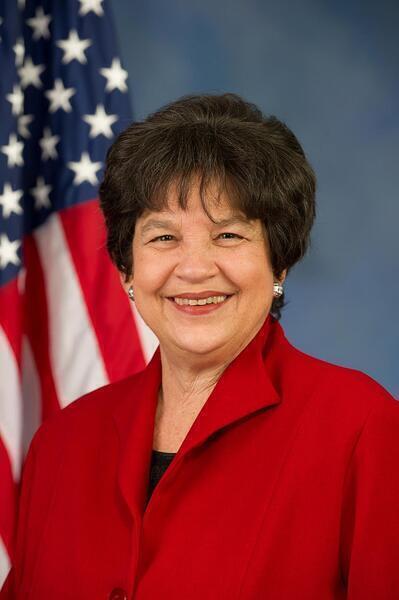


J
John Garamendi
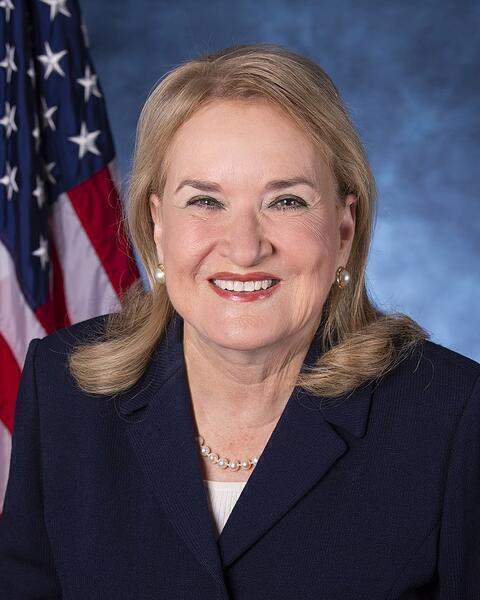

















J
John Mannion

L
Lucy McBath

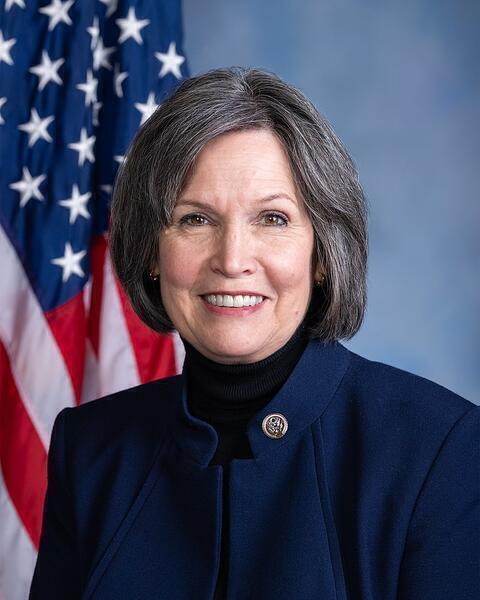


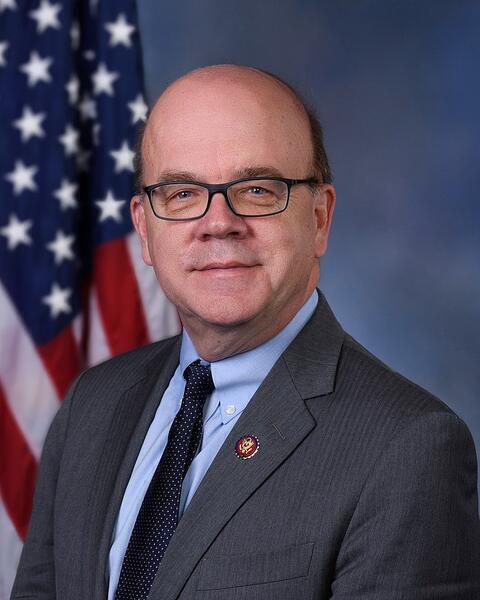
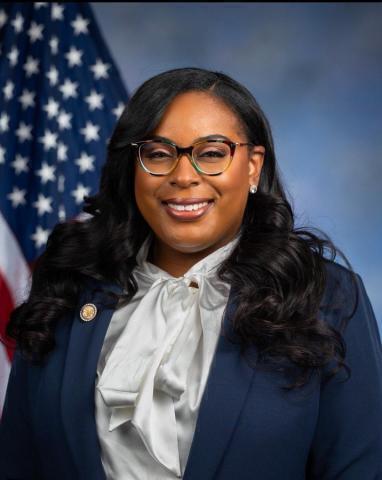

C
Christian Menefee


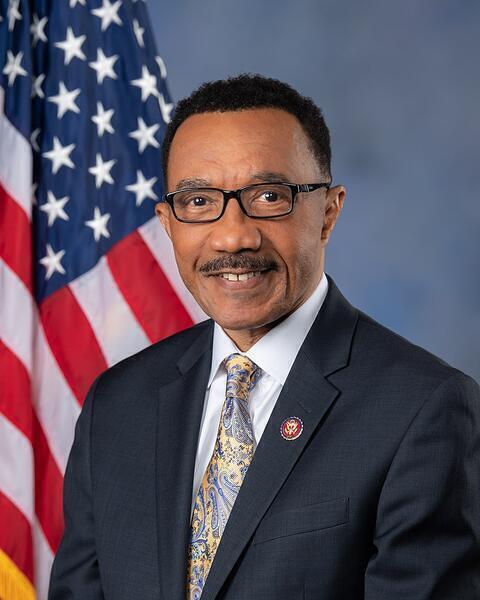


























E
Eric Swalwell


R
Rashida Tlaib




N
Nydia Velázquez


D
Debbie Wasserman Schultz


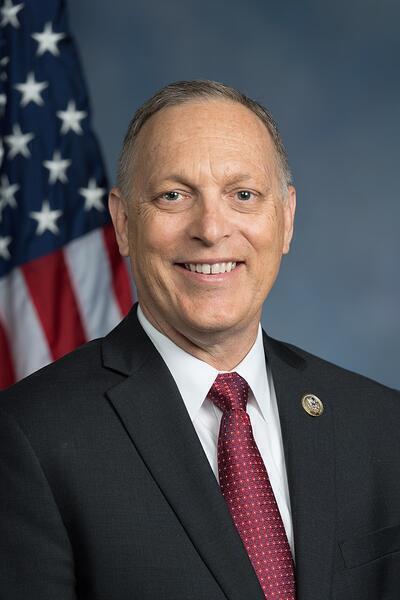
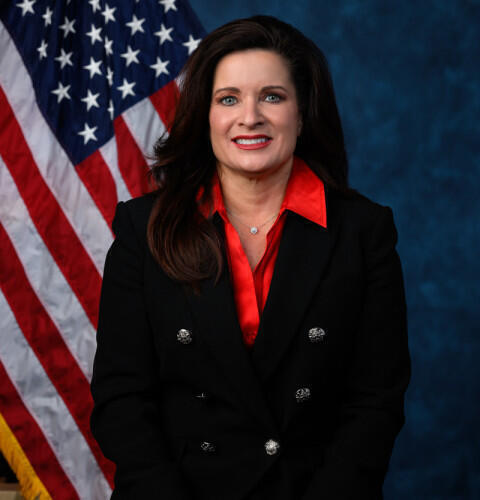
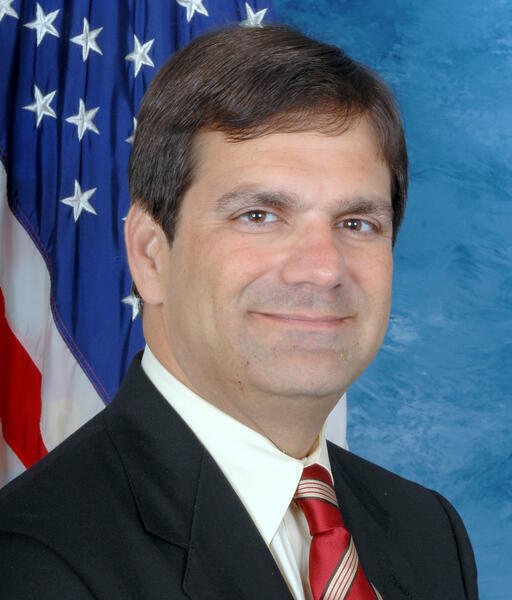
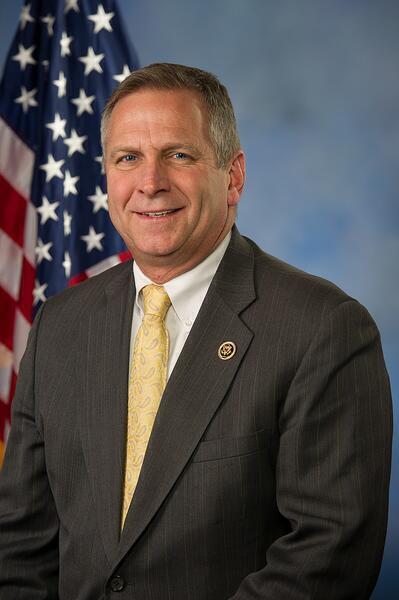
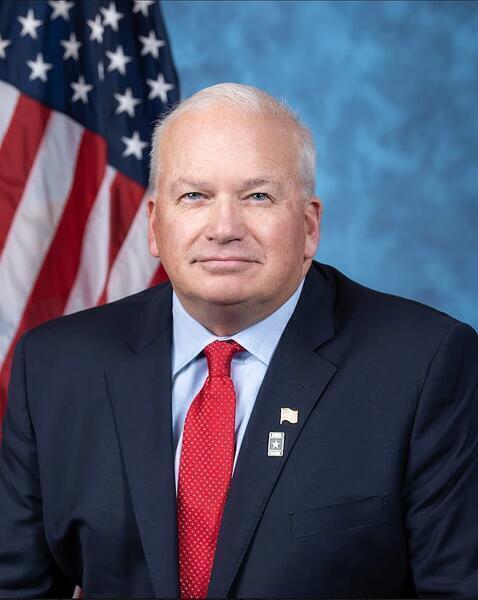
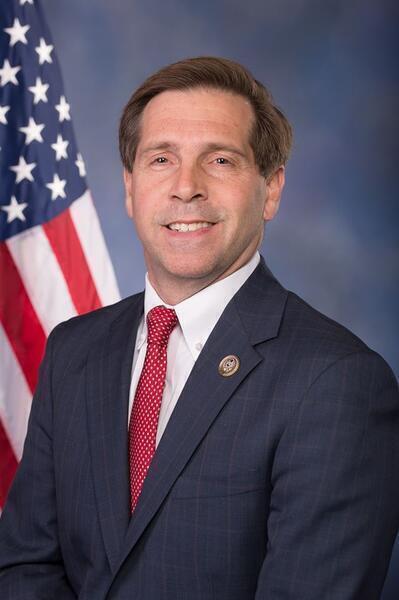
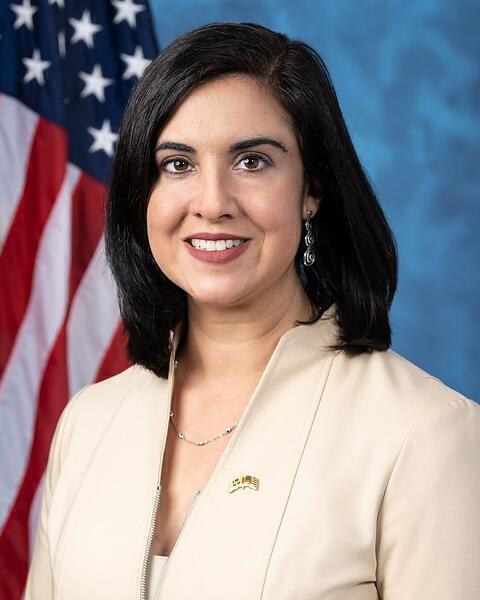
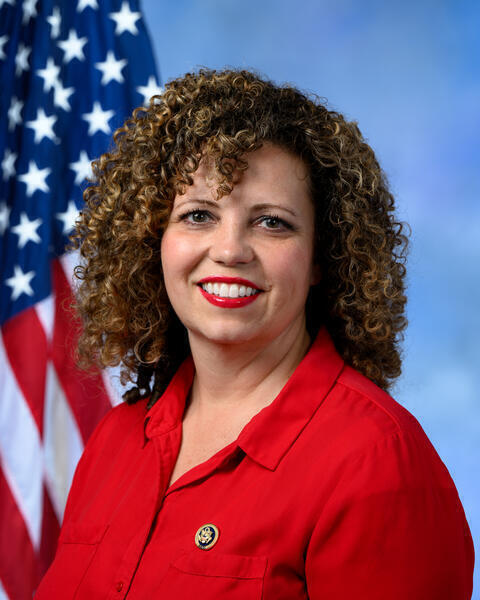
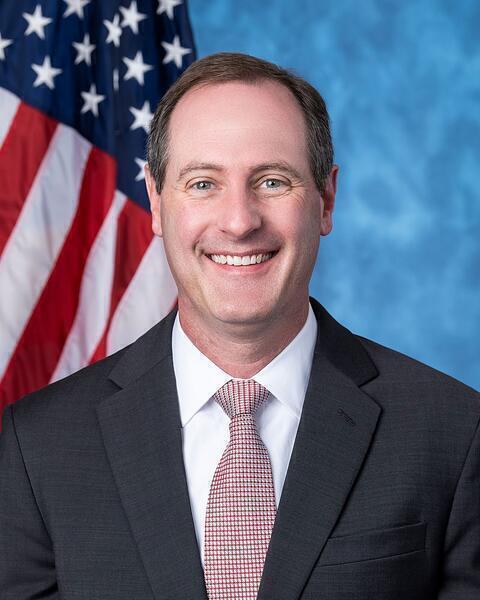
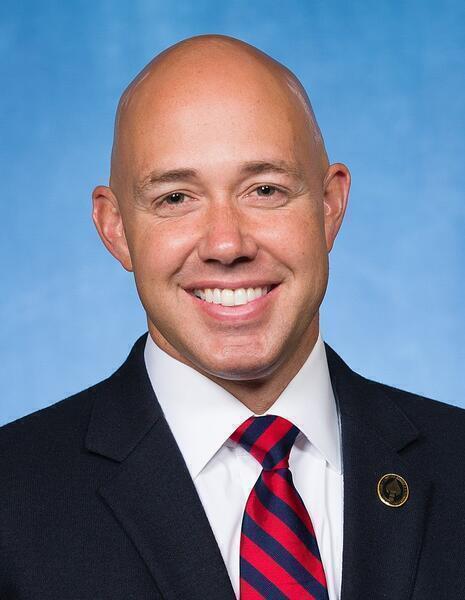
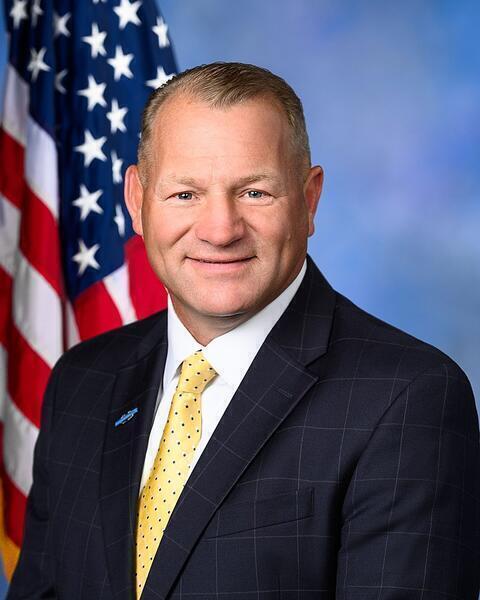
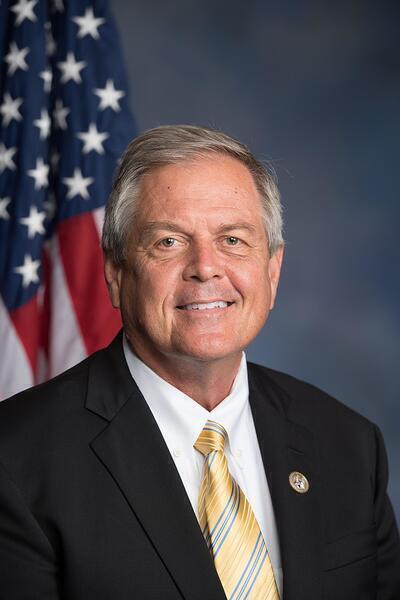
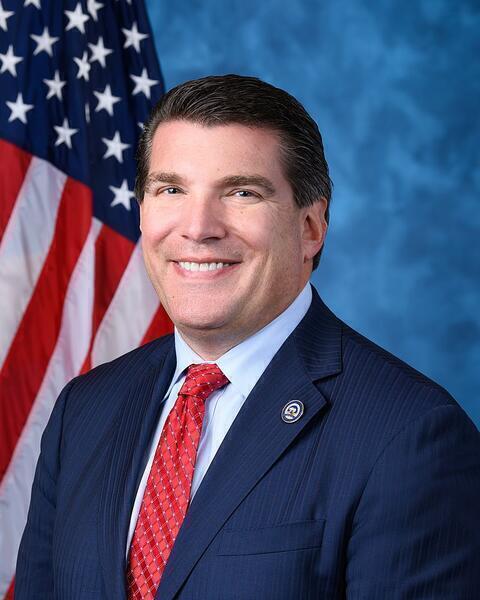
Nay (216)
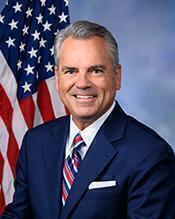
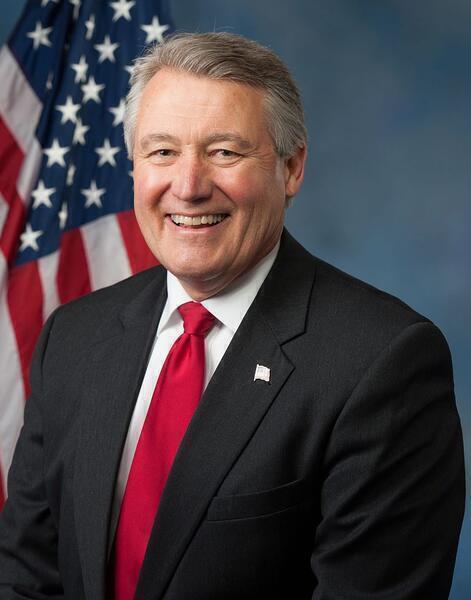
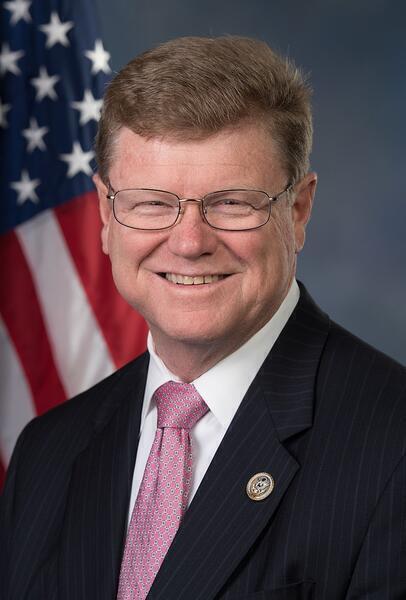

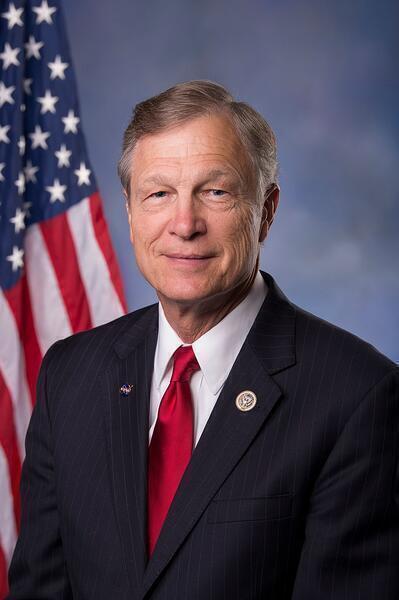




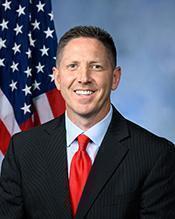
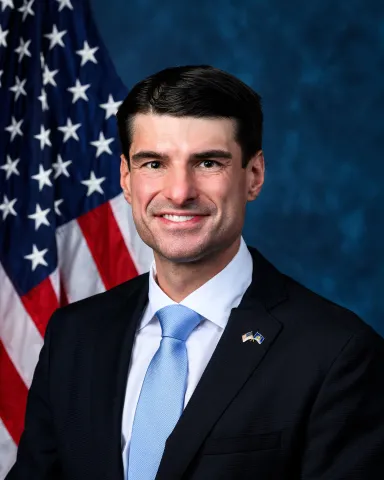

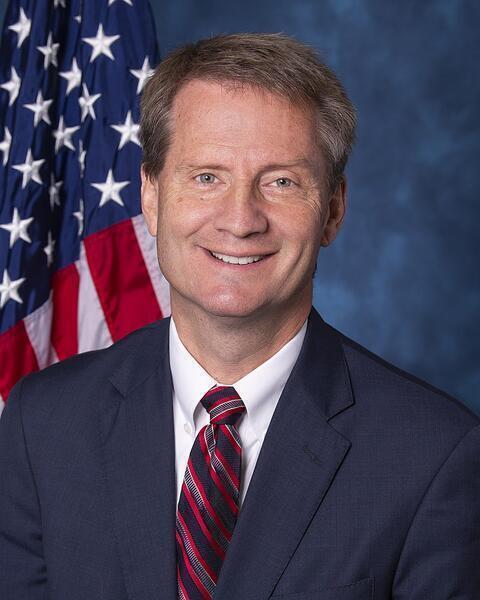
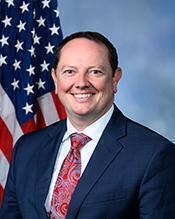
K
Ken Calvert














S
Scott Franklin
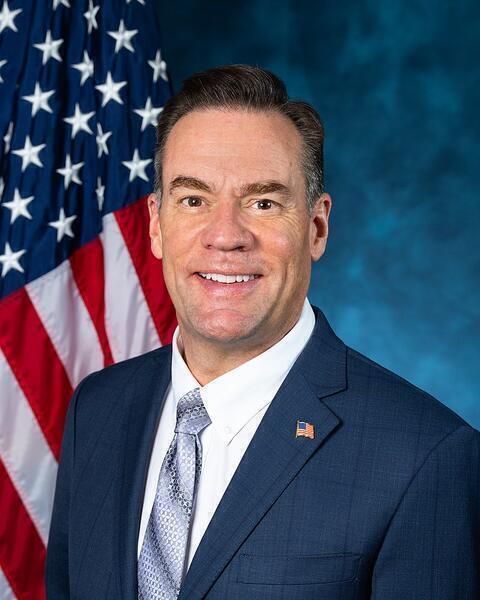




























L
Lisa McClain















J
John Rutherford

D
David Schweikert
P
Pete Sessions