H.R.261 — Undersea Cable Protection Act of 2025
House Roll Call
H.R.261
| Bill | H.R.261 — Undersea Cable Protection Act of 2025 |
|---|---|
| Vote question | On Passage |
| Vote type | Yea-and-Nay |
| Result | Passed |
| Totals | Yea 218 / Nay 212 / Present 0 / Not Voting 2 |
| Party | Yea | Nay | Present | Not Voting |
|---|---|---|---|---|
| R | 215 | 1 | 0 | 2 |
| D | 3 | 211 | 0 | 0 |
| I | 0 | 0 | 0 | 0 |
Research Brief
On Passage
Bill Analysis
The Undersea Cable Protection Act of 2025 (H.R. 261) strengthens federal authority to protect U.S. undersea communications cables from foreign threats, particularly from China and Russia, and enhances domestic oversight of cable landing and maintenance activities.
The bill designates the Federal Communications Commission (FCC) as a central security gatekeeper for submarine cable licenses and authorizations, in coordination with national security agencies. It formalizes and expands the role of “Team Telecom” (the interagency group reviewing foreign participation in U.S. telecom) in reviewing undersea cable applications, amendments, and transfers, with explicit authority to recommend denial, conditioning, modification, or revocation based on national security, law enforcement, or foreign policy risks.
H.R. 261 directs the FCC, in consultation with the Departments of Justice, Homeland Security, Defense, and State, to issue or update rules governing: (1) foreign ownership and control of cable systems and landing stations; (2) security, monitoring, and access controls at landing sites; and (3) data security, incident reporting, and mitigation measures for cable operators. It also requires periodic security reviews of existing licenses and provides clearer authority to reopen or modify licenses when risk profiles change.
The bill affects submarine cable operators, landing station owners, telecom carriers, and foreign investors seeking to participate in U.S.-connected cable projects. Beneficiaries include U.S. national security agencies, critical infrastructure operators, and end users reliant on transoceanic data flows. Regulated parties face tighter scrutiny of ownership structures, technology supply chains, and operational practices.
H.R. 261 likely authorizes appropriations or reallocation of existing resources for the FCC and participating agencies to implement enhanced review, monitoring, and enforcement, though specific dollar amounts and funding mechanisms would be set or refined through appropriations and rulemaking.
Key timelines include: near-term rulemaking deadlines for the FCC and relevant agencies to update regulations; specified review periods for interagency security assessments of new and existing cable licenses; and reporting requirements to Congress on implementation, identified vulnerabilities, and enforcement actions. The bill takes effect upon enactment, with phased implementation through subsequent regulations and interagency procedures.
Yea (218)





















K
Ken Calvert









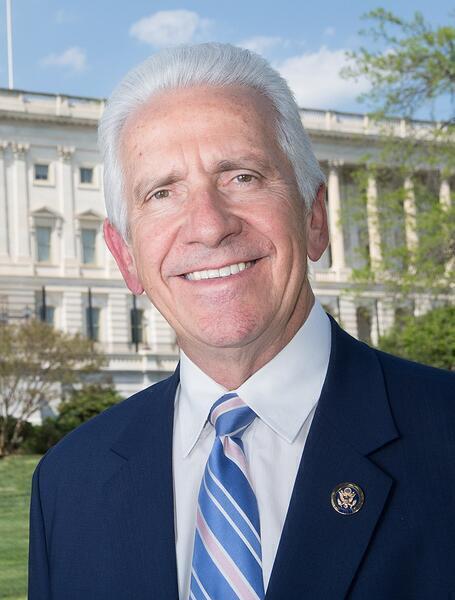

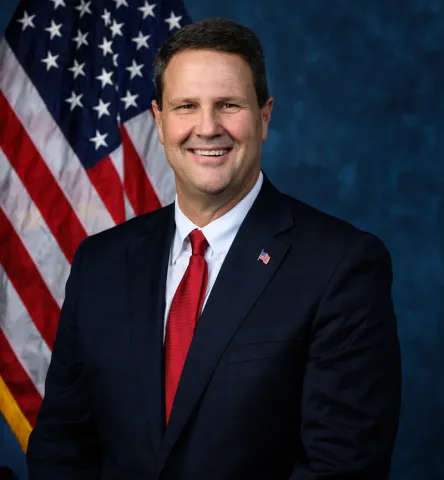




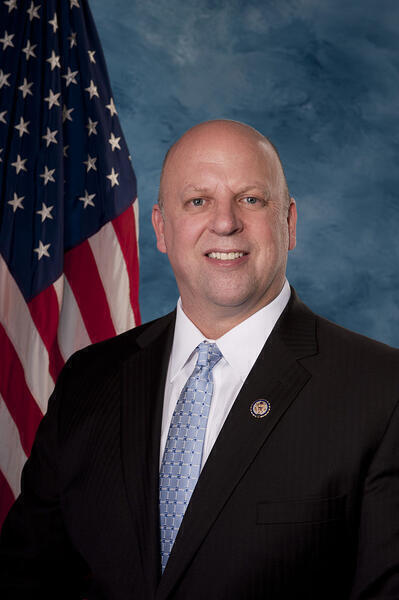
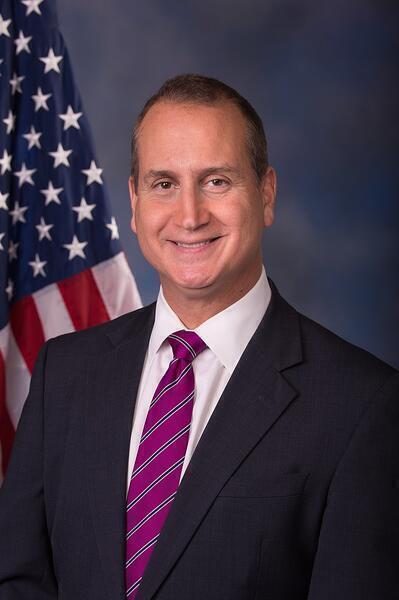


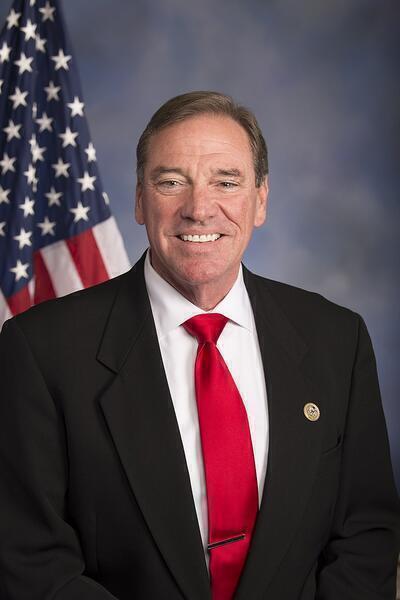



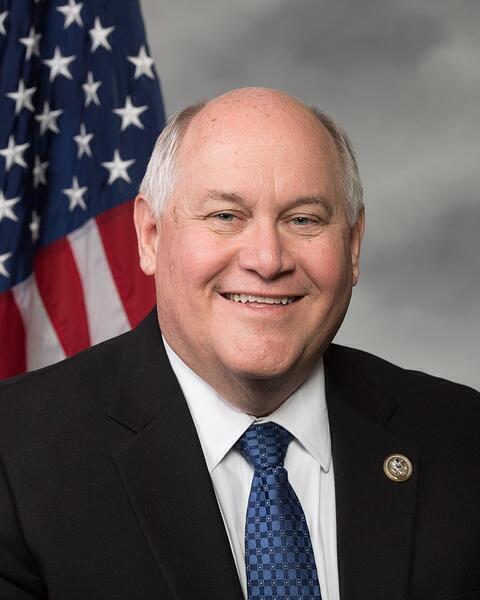






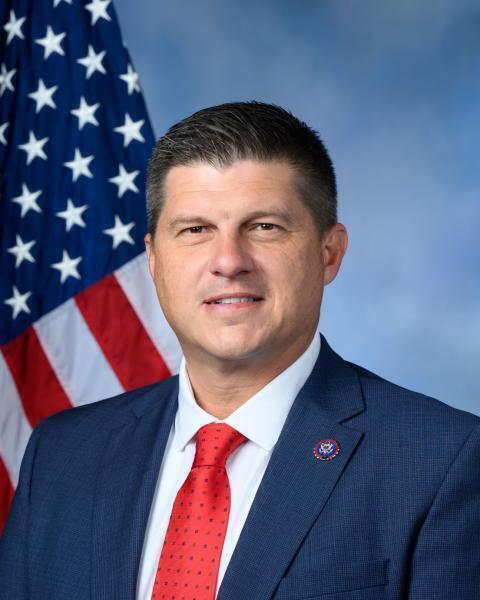

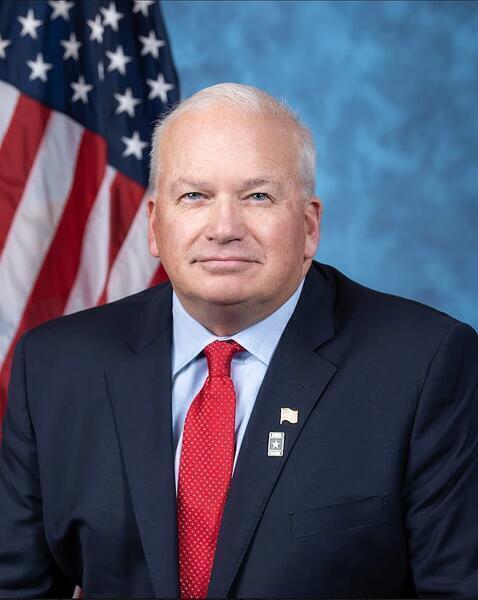




S
Scott Franklin






























































L
Lisa McClain
















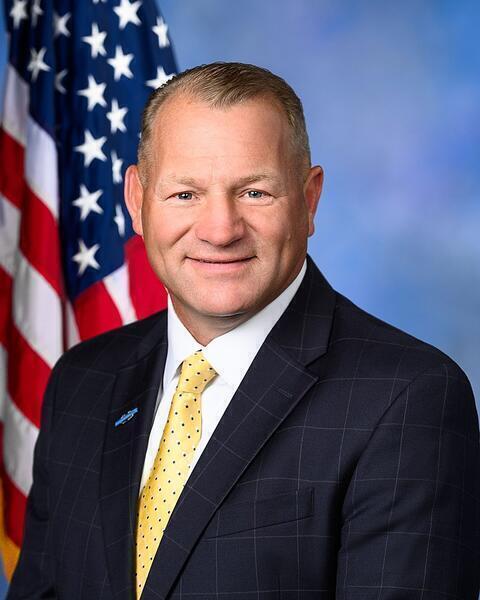






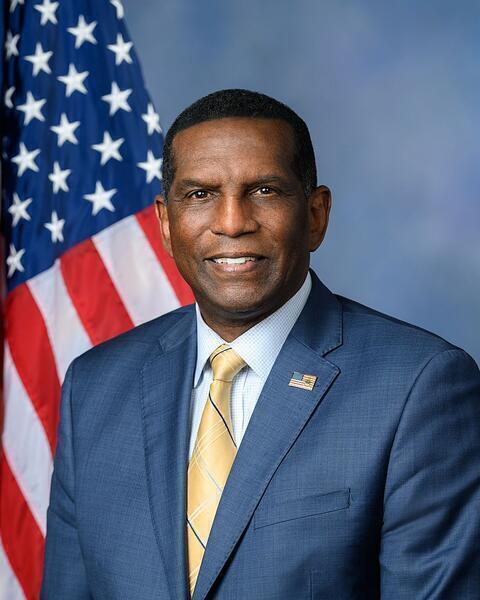

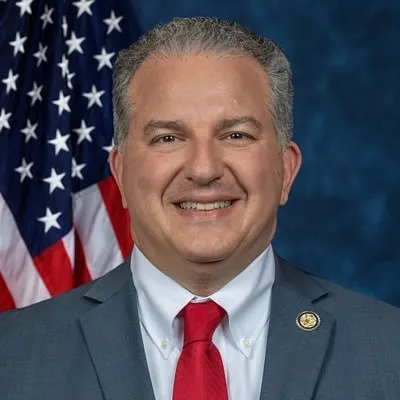

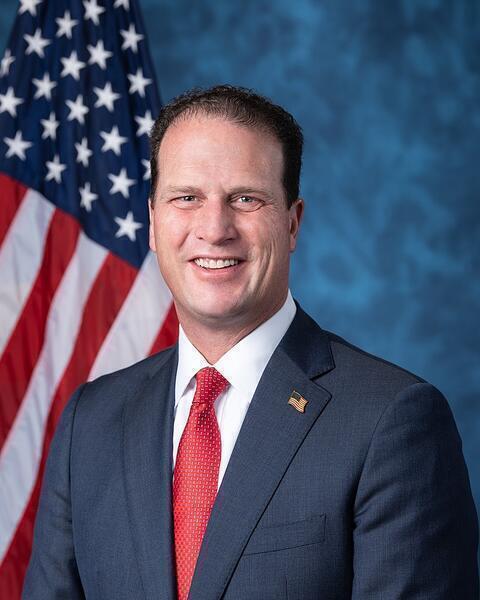



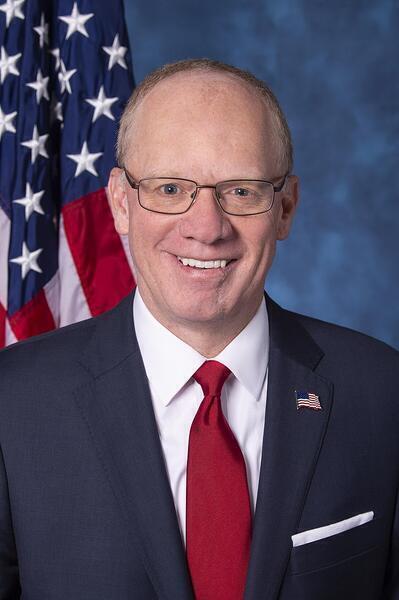
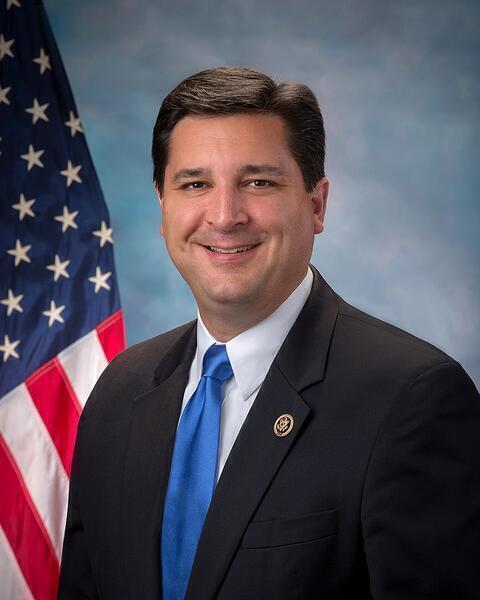


J
John Rutherford



D
David Schweikert


P
Pete Sessions





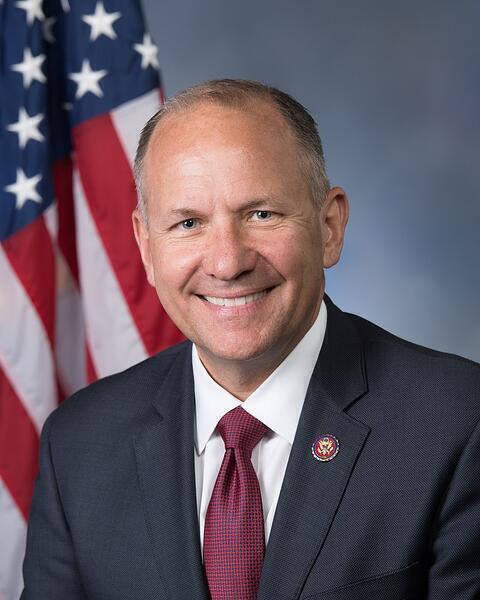






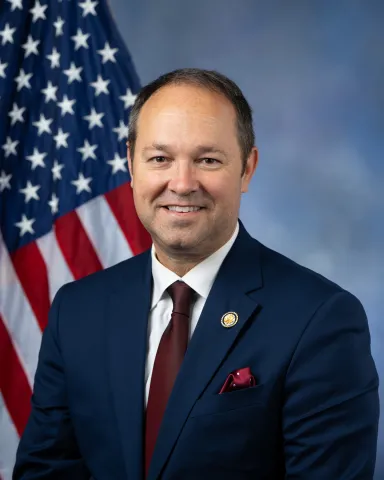




















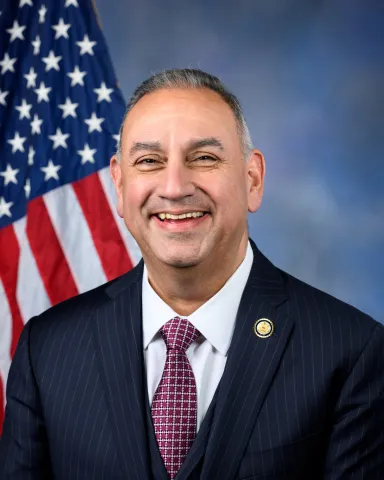
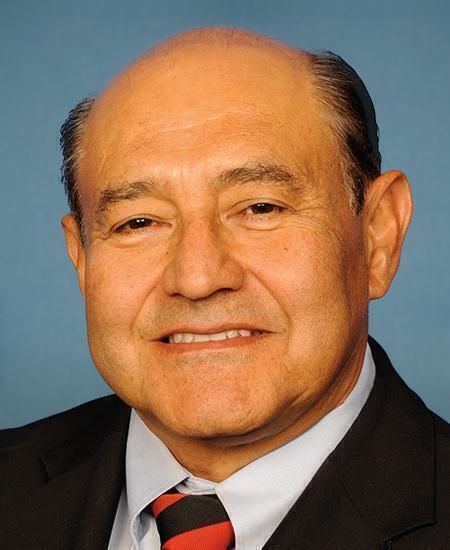
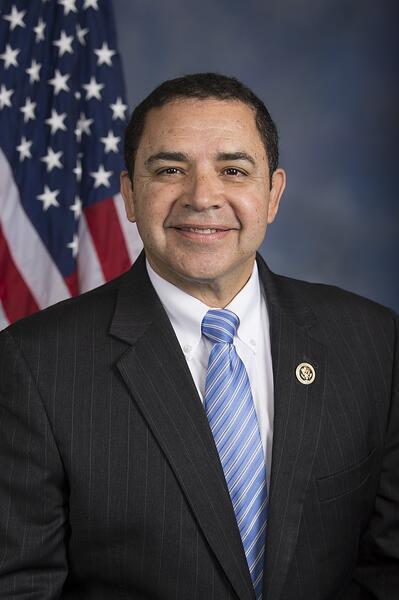
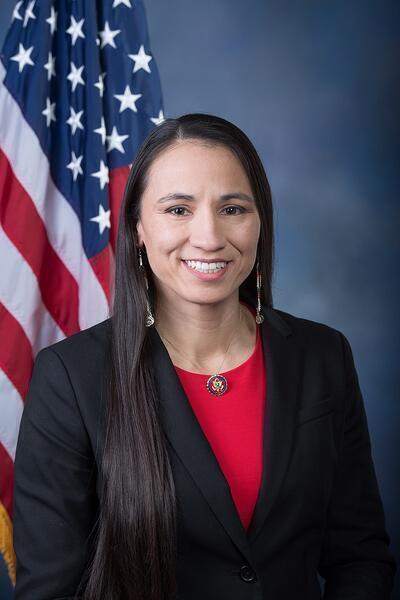
Nay (212)




























J
Jason Crow









L
Lloyd Doggett








J
John Garamendi








































J
John Mannion

L
Lucy McBath







C
Christian Menefee















































E
Eric Swalwell




R
Rashida Tlaib








N
Nydia Velázquez


D
Debbie Wasserman Schultz