H.R.2189 — Law-Enforcement Innovate to De-Escalate Act
House Roll Call
H.R.2189
| Bill | H.R.2189 — Law-Enforcement Innovate to De-Escalate Act |
|---|---|
| Vote question | On Passage |
| Vote type | Yea-and-Nay |
| Result | Passed |
| Totals | Yea 233 / Nay 185 / Present 0 / Not Voting 13 |
| Party | Yea | Nay | Present | Not Voting |
|---|---|---|---|---|
| R | 211 | 1 | 0 | 5 |
| D | 22 | 184 | 0 | 8 |
| I | 0 | 0 | 0 | 0 |
Research Brief
On Passage
Bill Analysis
HR 2189 – Law-Enforcement Innovate to De-Escalate Act (119th Congress)
HR 2189 directs the federal government to support, test, and scale evidence-based de-escalation practices in law enforcement through research, grants, and technical assistance, with the goal of reducing use-of-force incidents and improving officer and public safety.
The bill authorizes the Attorney General, often acting through the Office of Justice Programs (OJP) and related DOJ components, to:
- Fund pilot projects and demonstration programs in state, local, Tribal, and territorial law-enforcement agencies to implement de-escalation strategies, technologies, and training models.
- Support research, evaluation, and data collection on de-escalation tactics, including comparative studies of different training curricula, response models (e.g., co-responder or crisis intervention teams), and technology-assisted approaches.
- Develop and disseminate national best-practice guidelines, model policies, and training standards for de-escalation, including scenario-based and ongoing in-service training.
- Provide technical assistance to agencies adopting de-escalation programs, including help with policy revision, data systems, and integration with existing use-of-force and accountability frameworks.
Funding is authorized (typically via specified annual authorization levels over several fiscal years) for competitive grants to eligible law-enforcement agencies, research institutions, and nonprofit organizations. Funds may be used for training development and delivery, personnel time, equipment and technology that support de-escalation (e.g., communication tools, less-lethal options where tied to de-escalation protocols), and rigorous evaluation.
Beneficiaries include state, local, Tribal, and territorial law-enforcement agencies; their officers; academic and research partners; and communities experiencing police encounters, particularly those with high rates of use-of-force incidents. The bill regulates no private actors directly but conditions federal grant support on compliance with program requirements, data reporting, and participation in evaluations.
Key timelines generally include: deadlines for DOJ to issue implementation guidance and solicit grant applications (often within 6–12 months of enactment); periods for awarding and obligating funds; and reporting deadlines for DOJ to submit evaluations and best-practice reports to Congress (commonly within 2–3 years, with possible periodic updates). These timelines are designed to generate early pilot results and then inform broader national adoption of effective de-escalation practices.
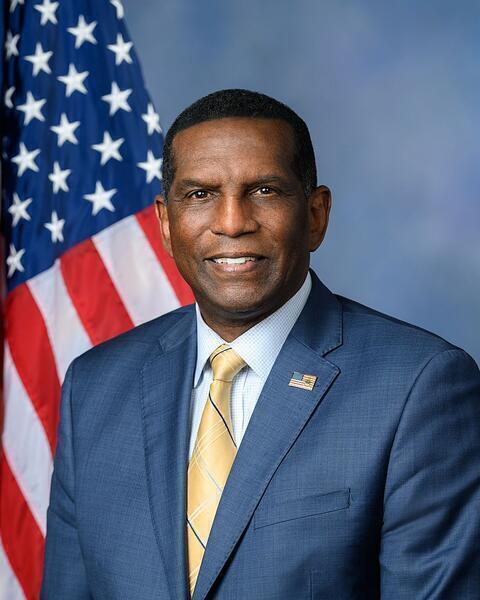
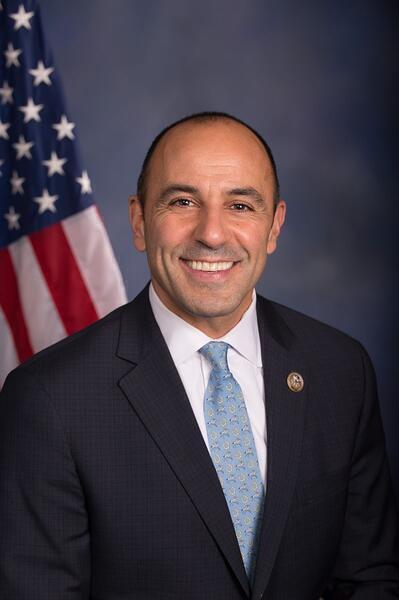
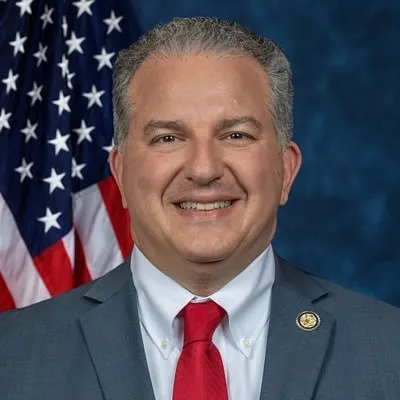
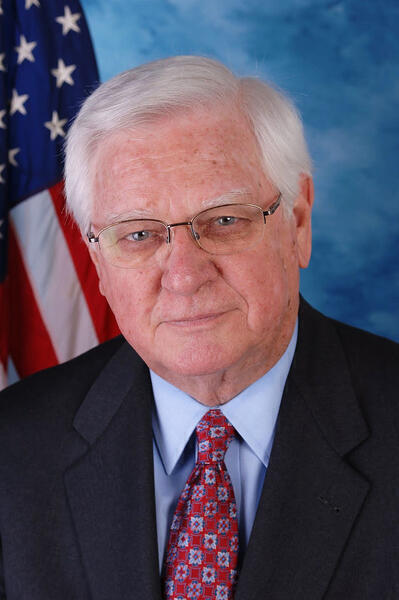
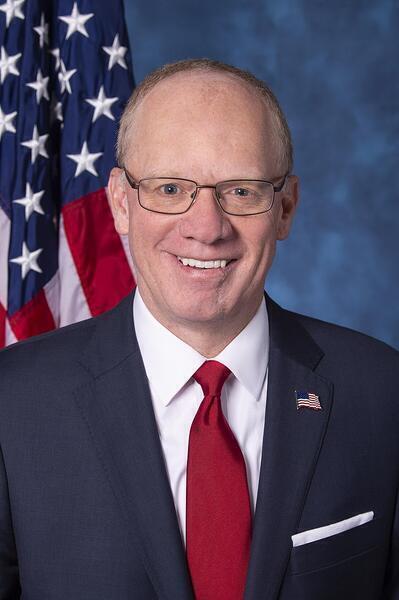
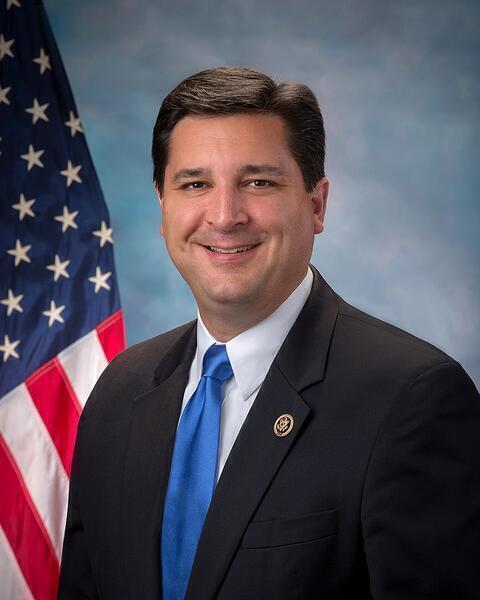
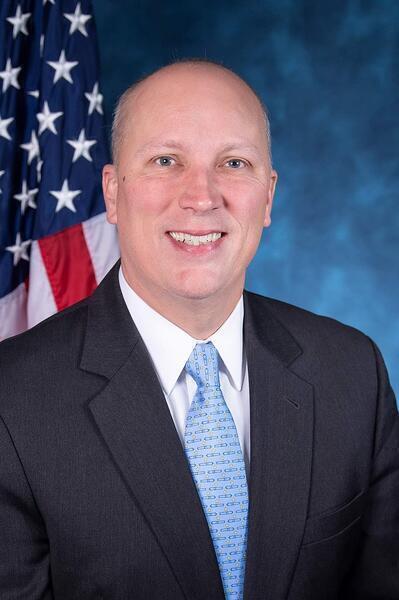
Yea (233)
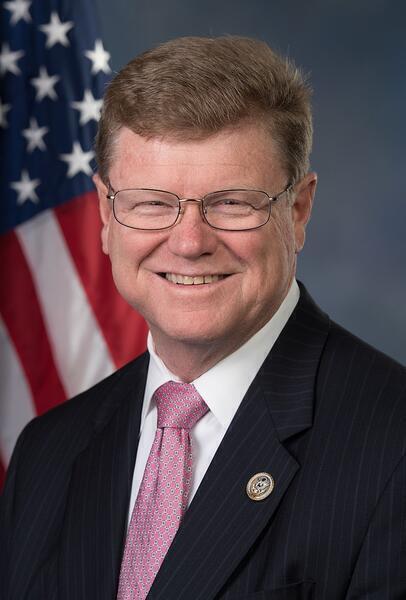

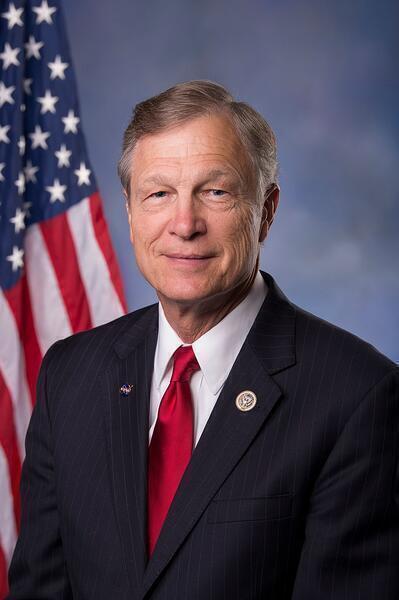
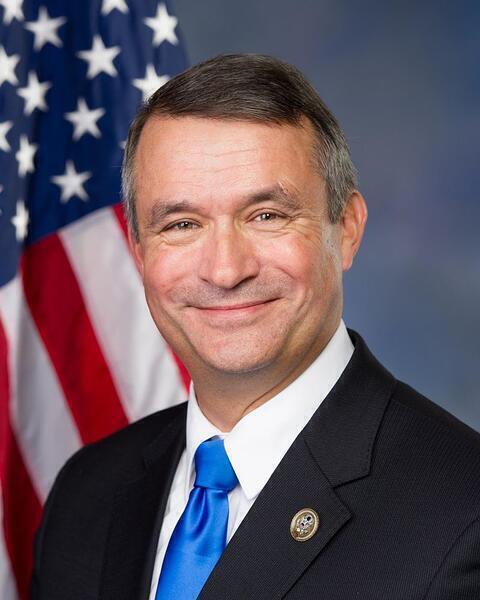
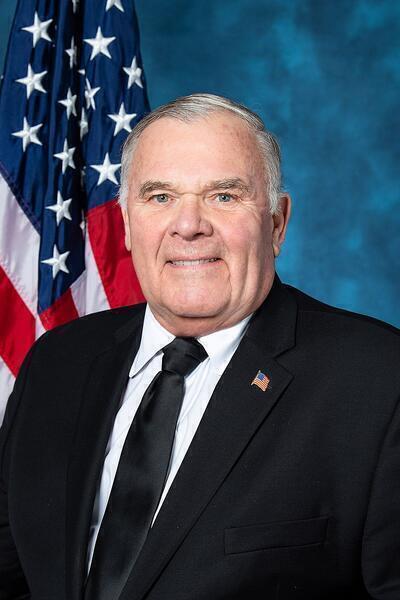

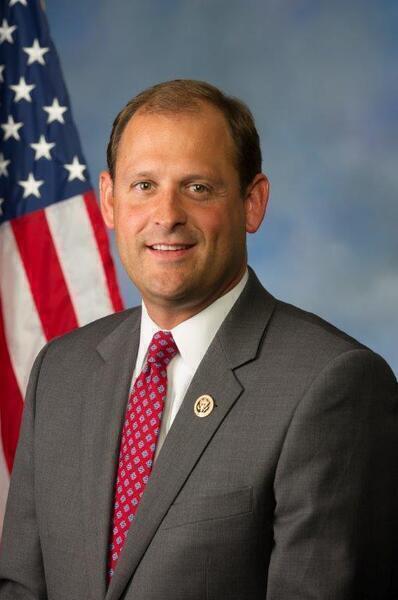
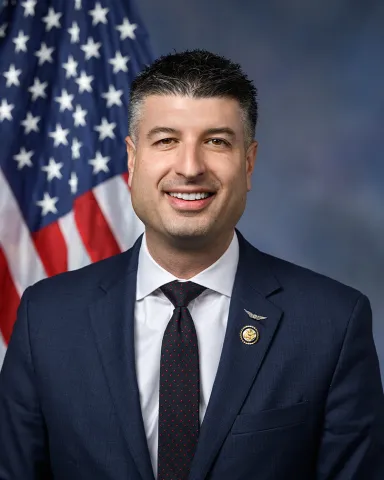
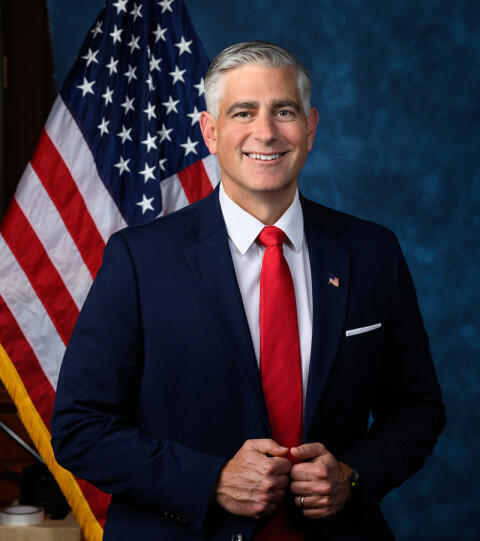
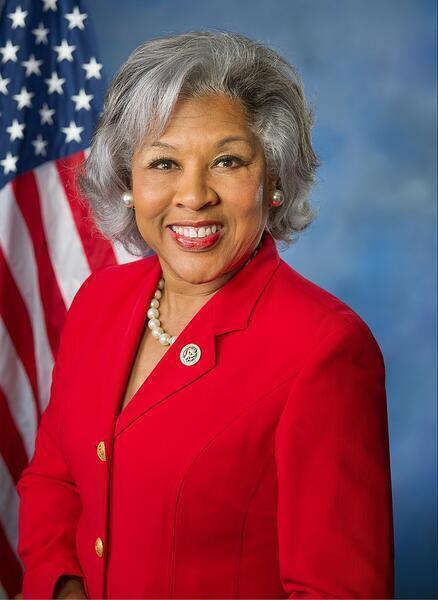
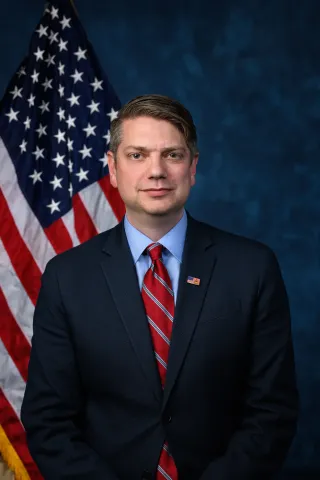
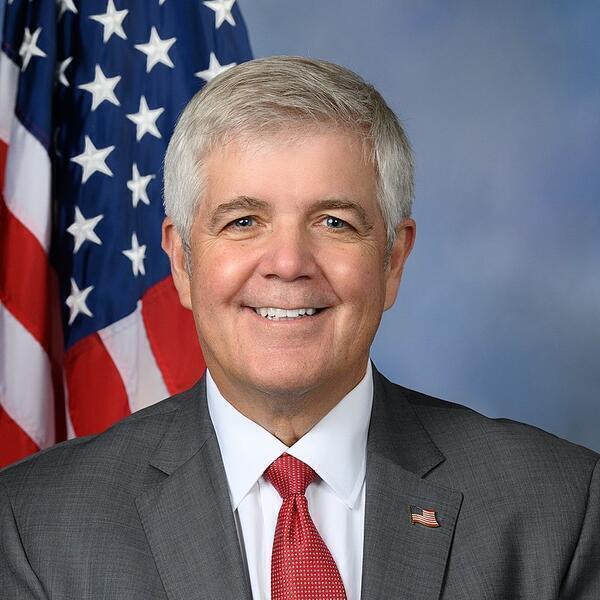
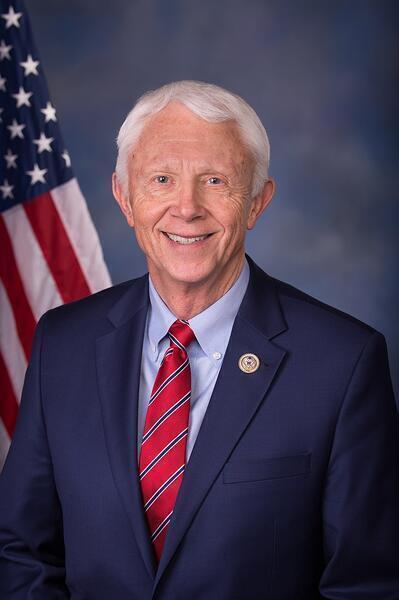
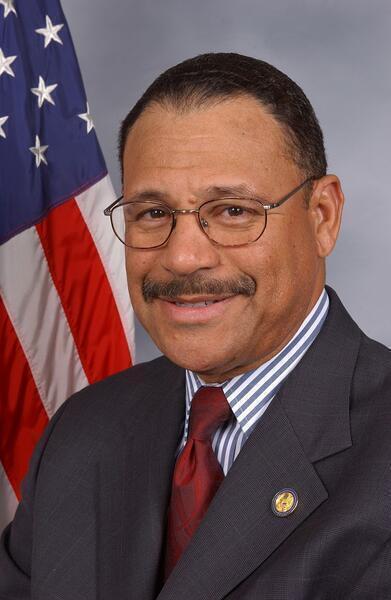
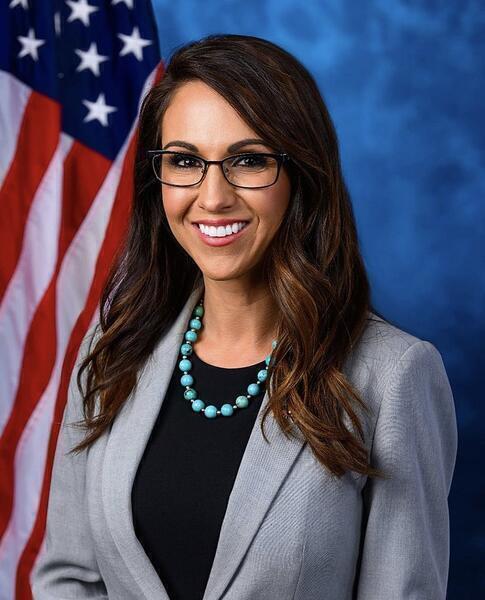
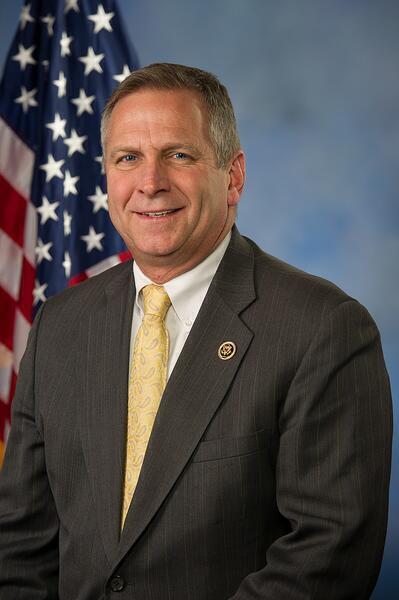
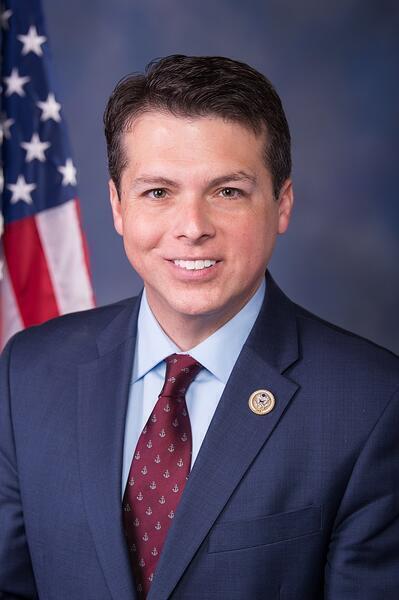
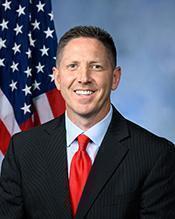
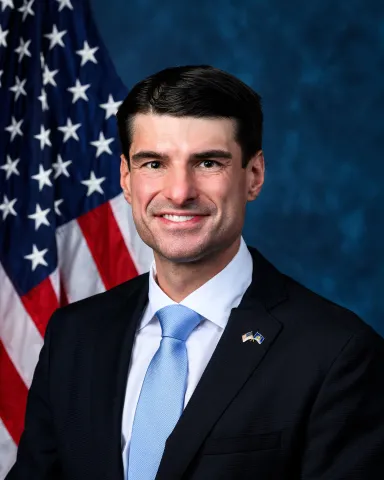

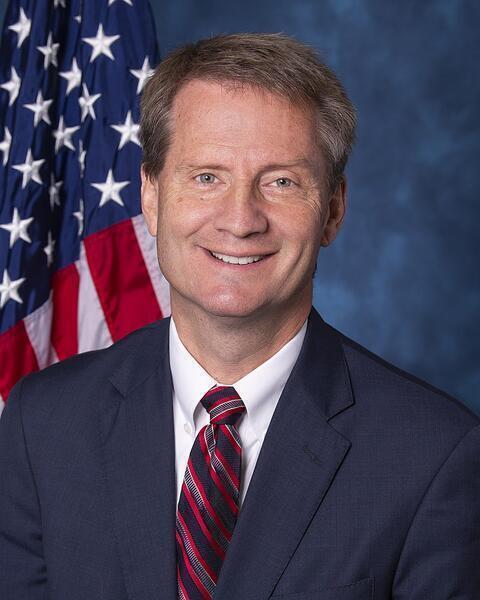
K
Ken Calvert

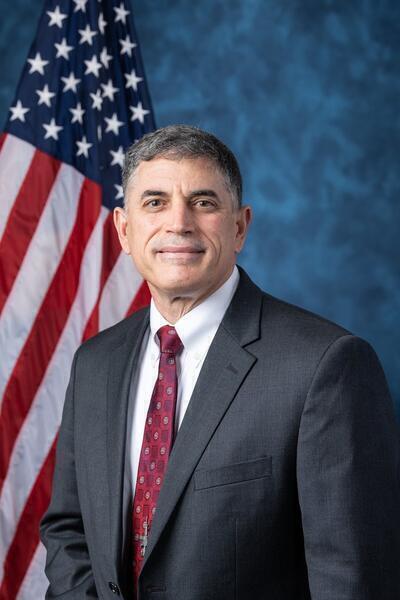
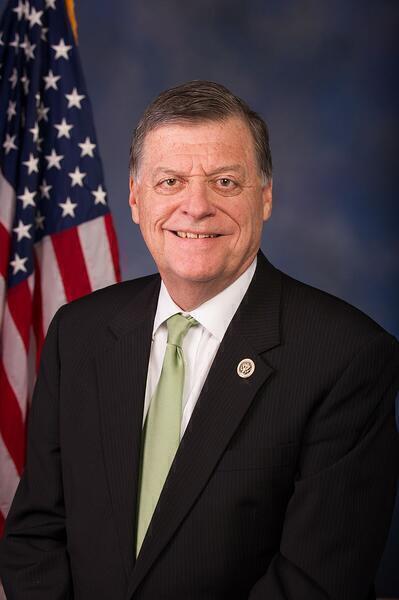
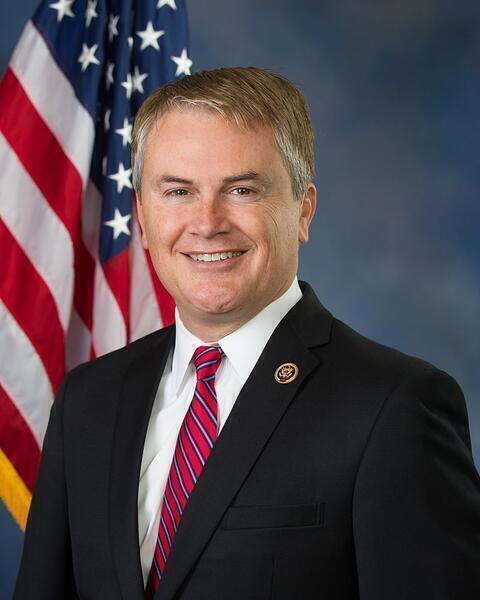

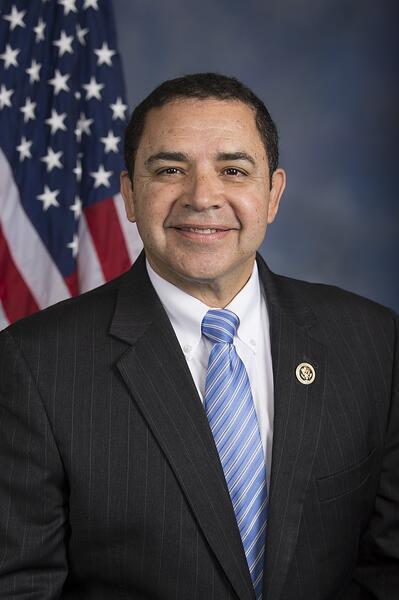
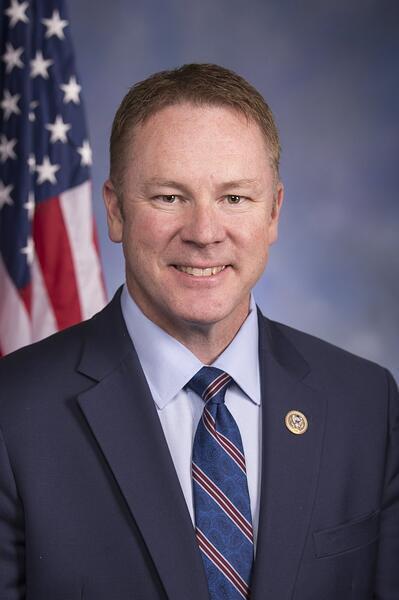
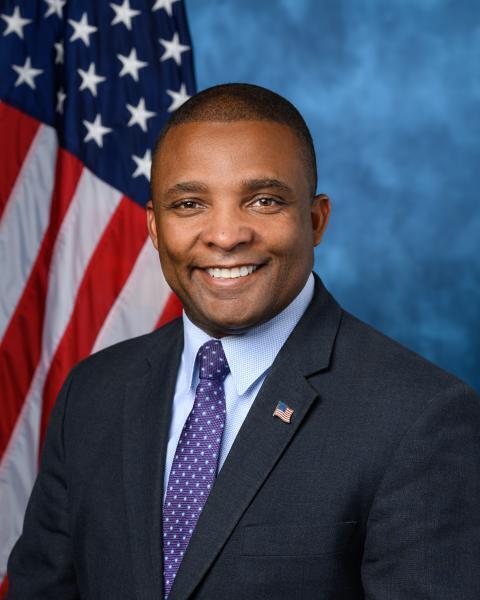
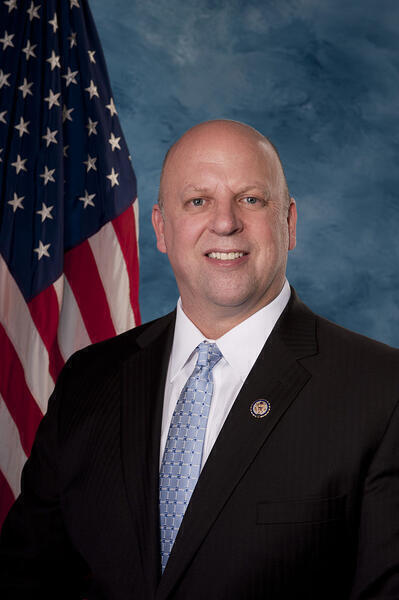
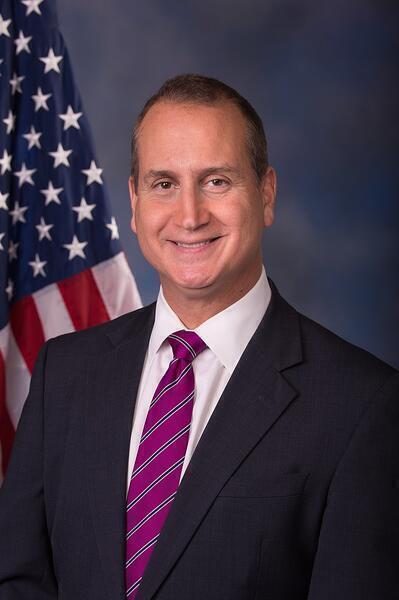
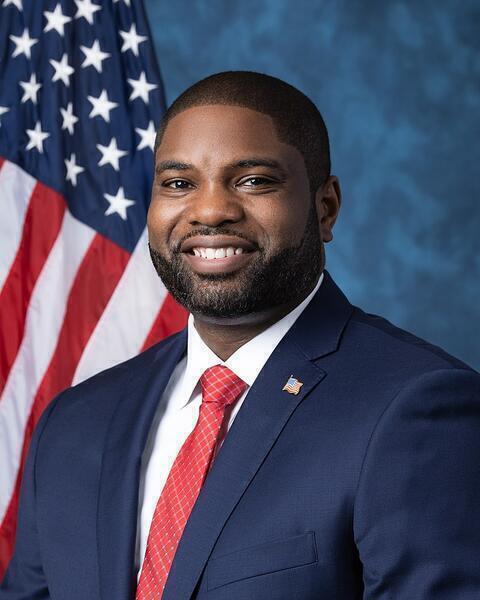
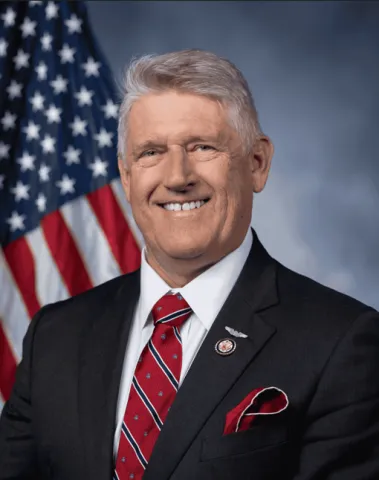




S
Scott Franklin


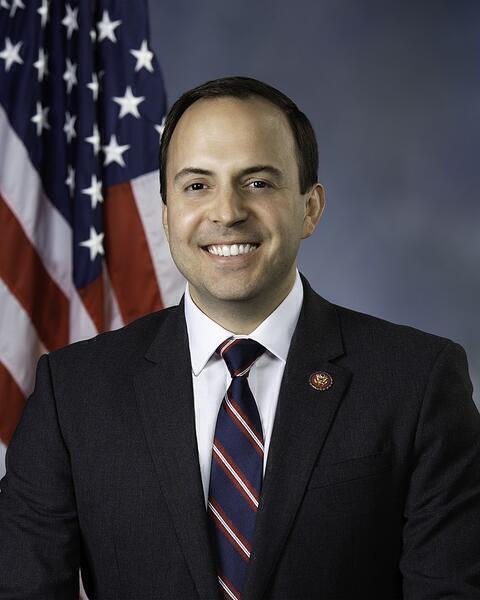
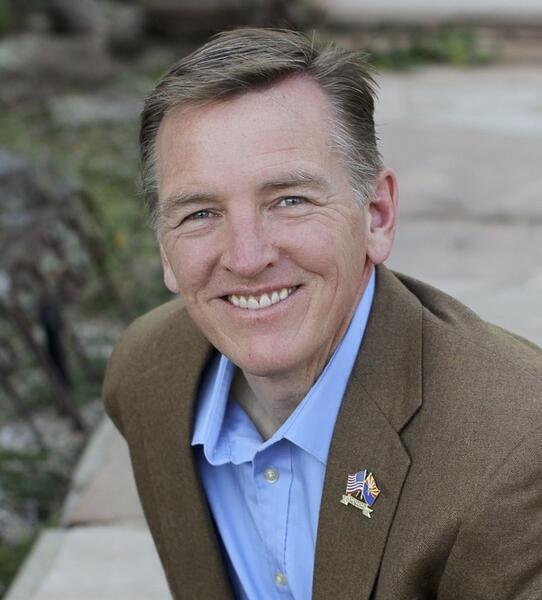
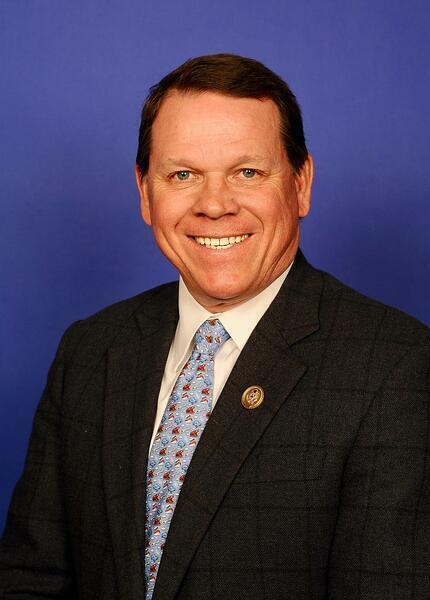

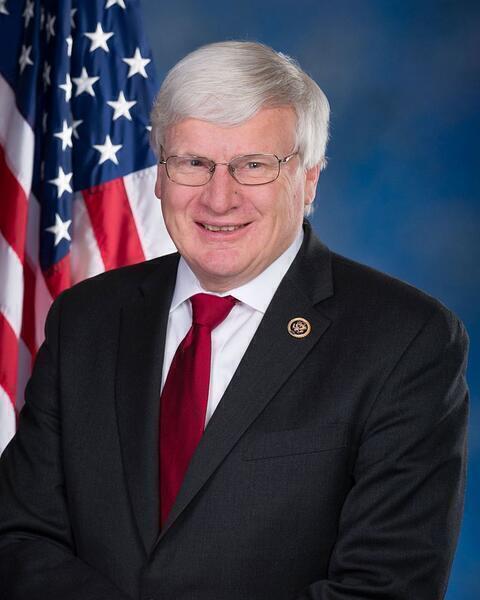
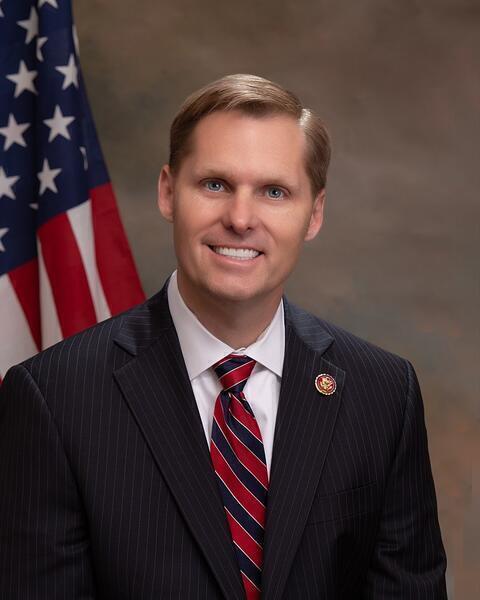
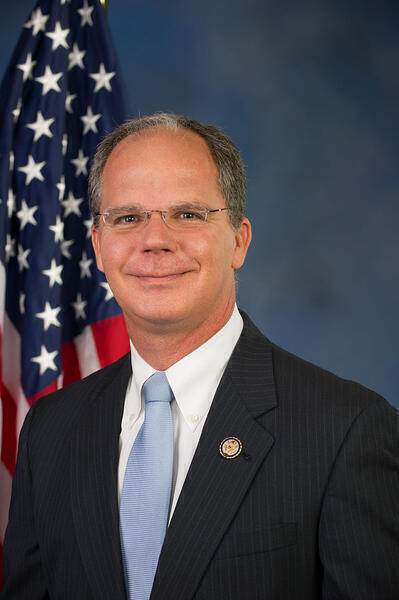
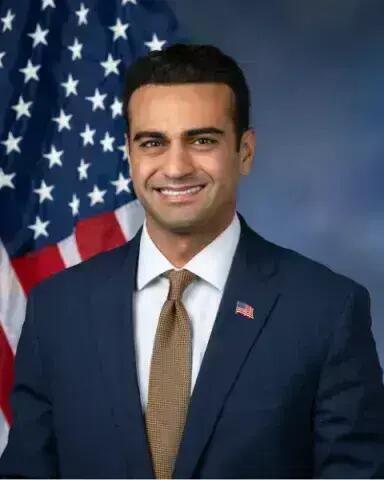
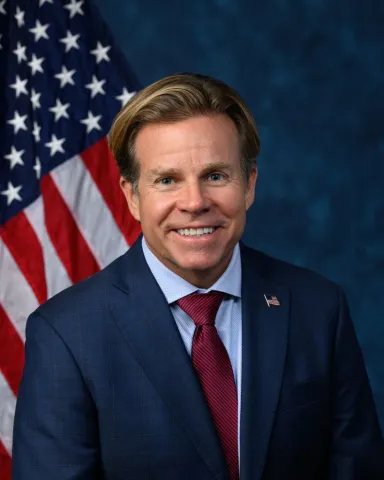
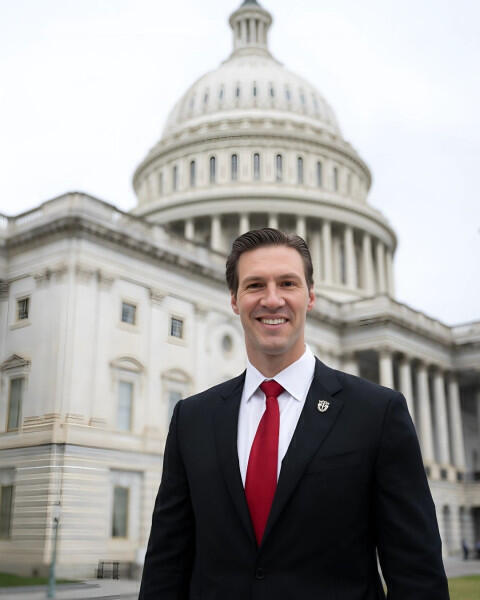



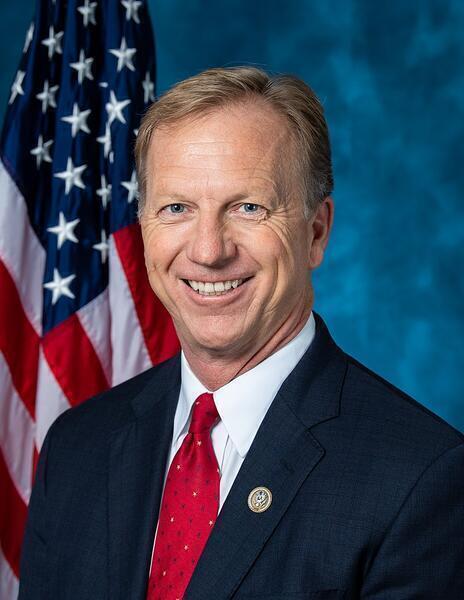
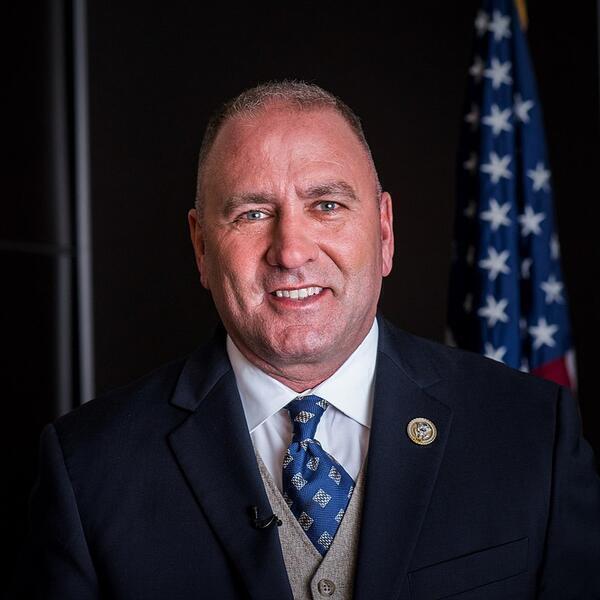

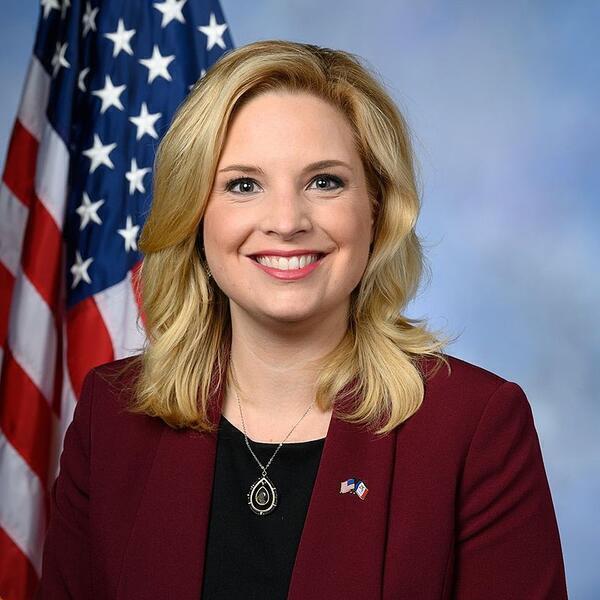
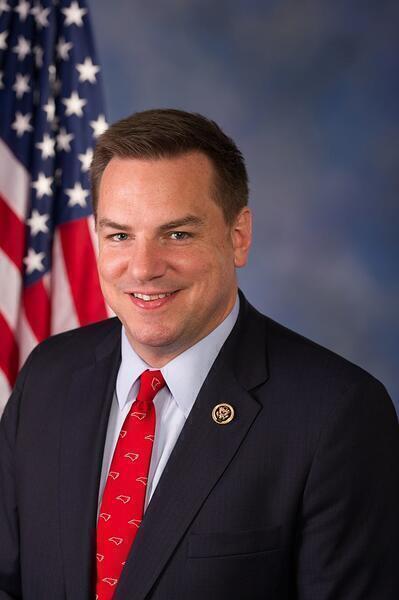




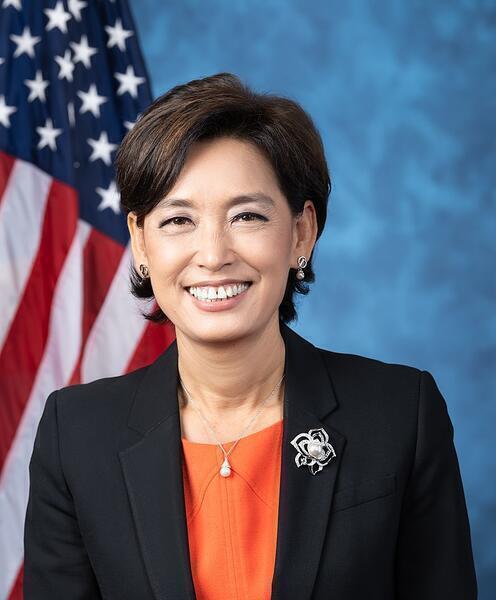
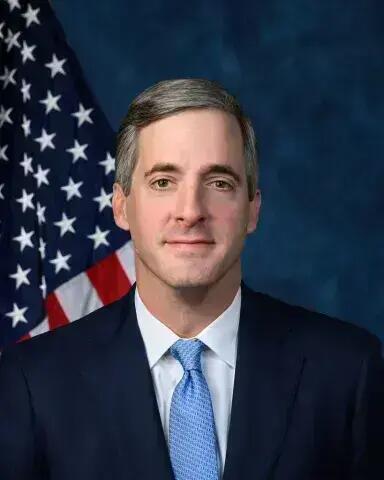
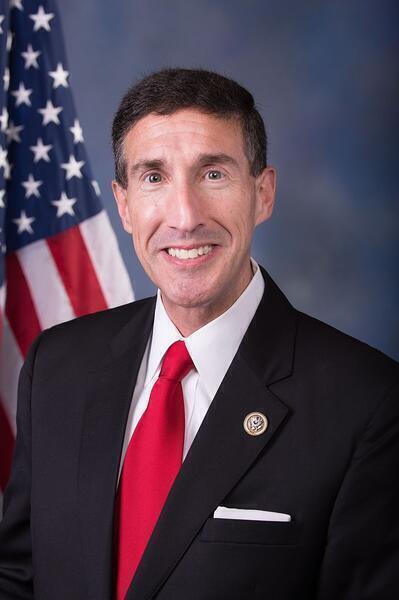
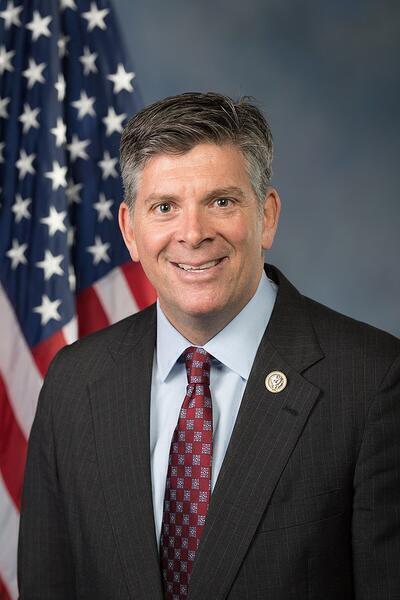



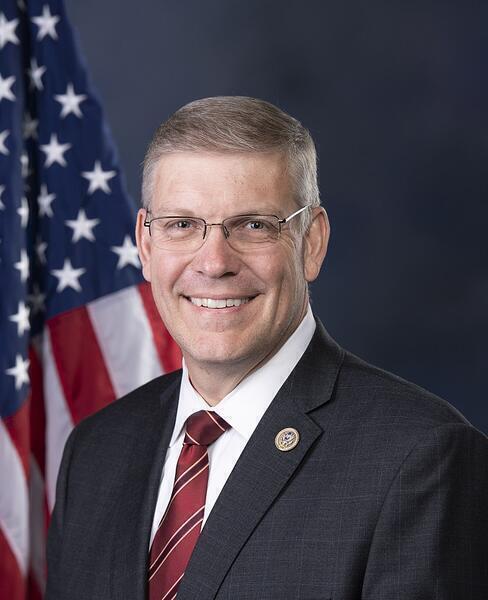
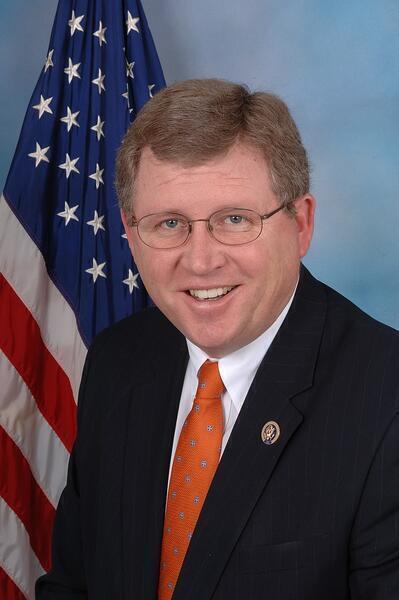
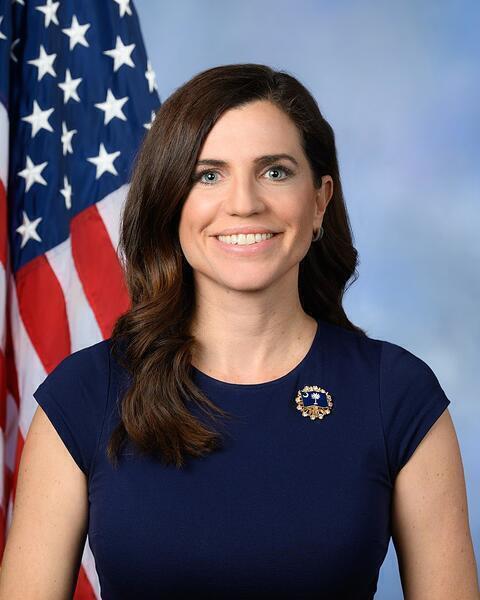

L
Lisa McClain

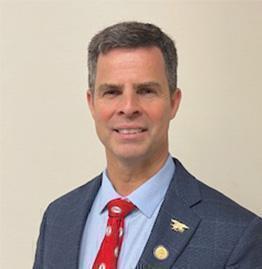

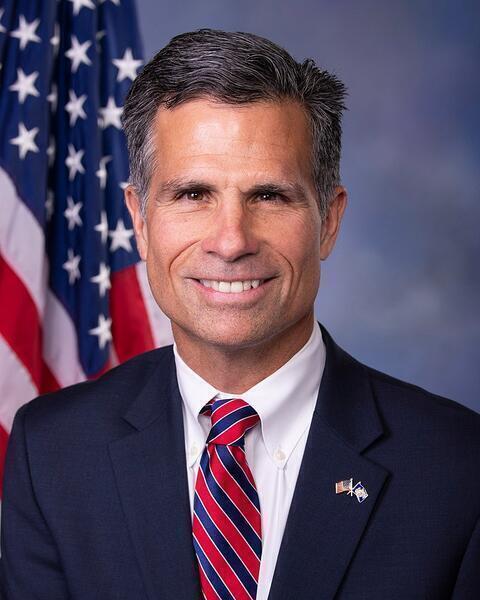
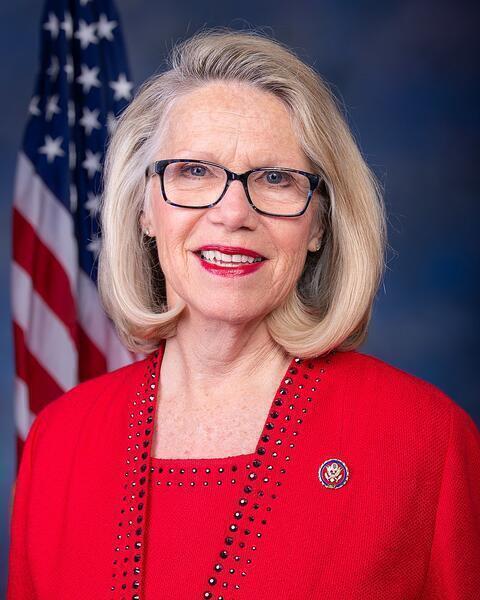
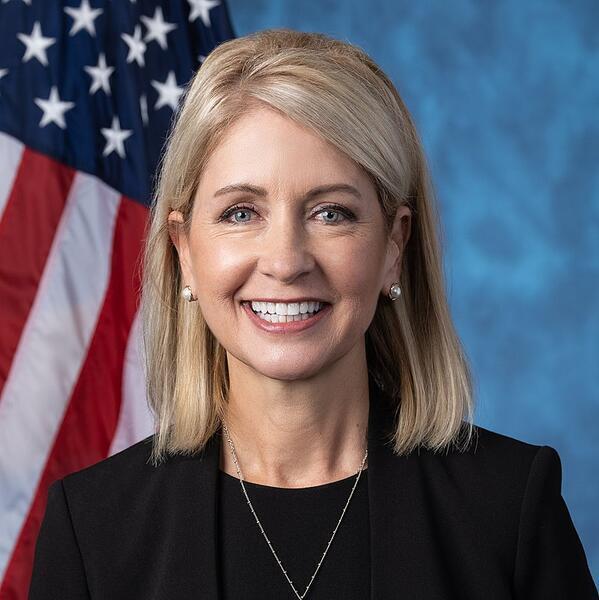






J
John Rutherford
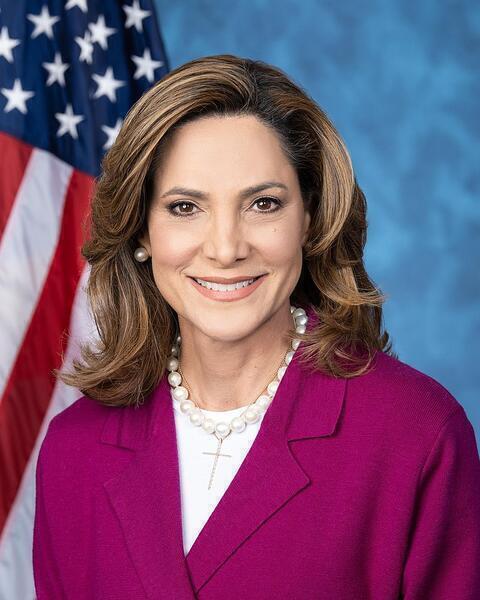

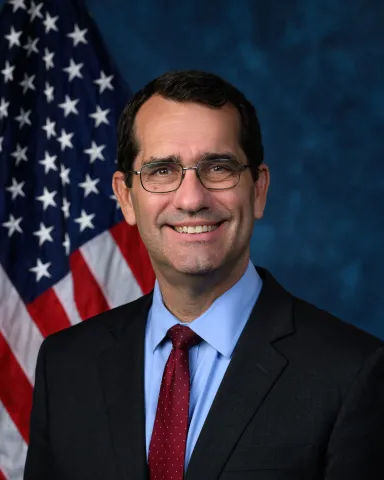
D
David Schweikert
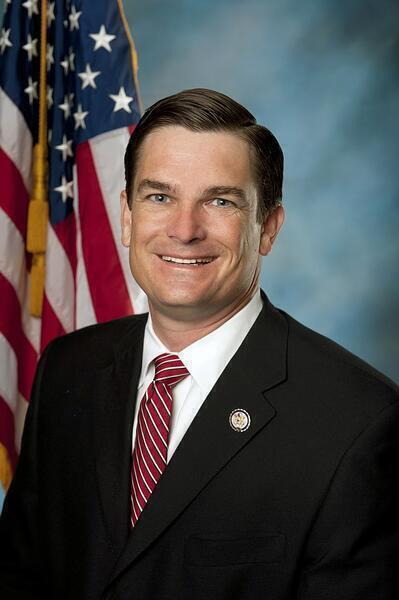
P
Pete Sessions

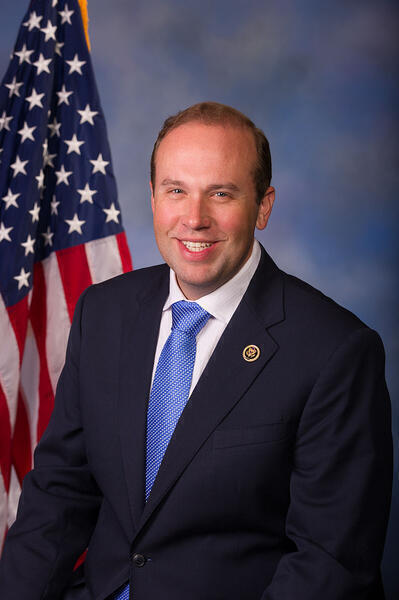
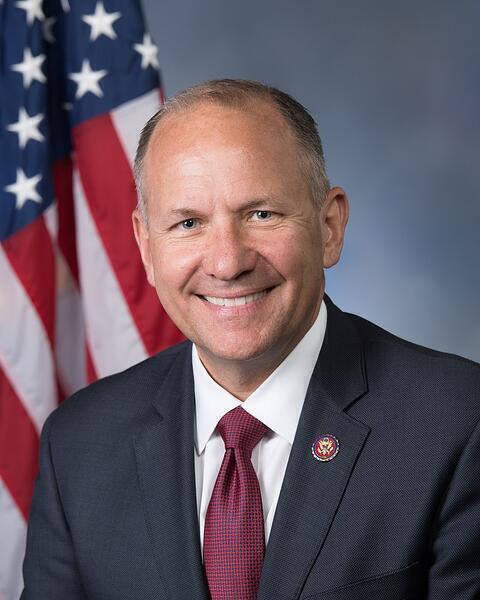

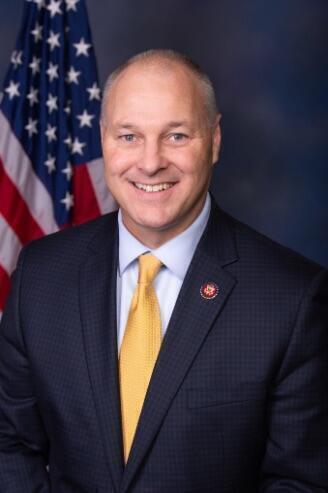






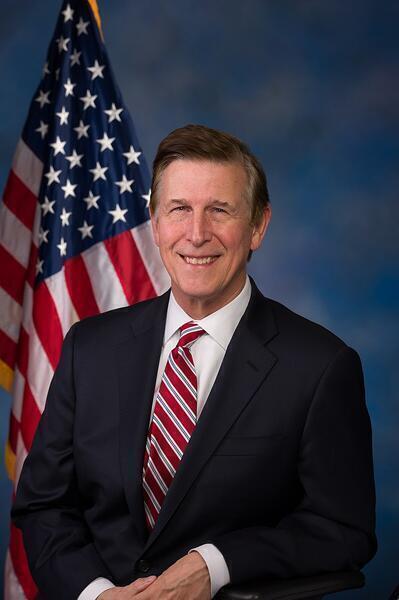
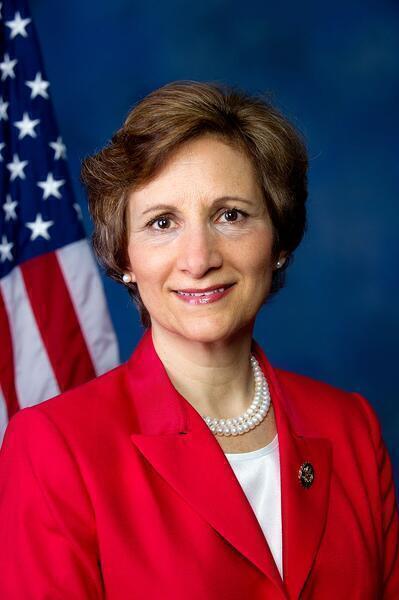
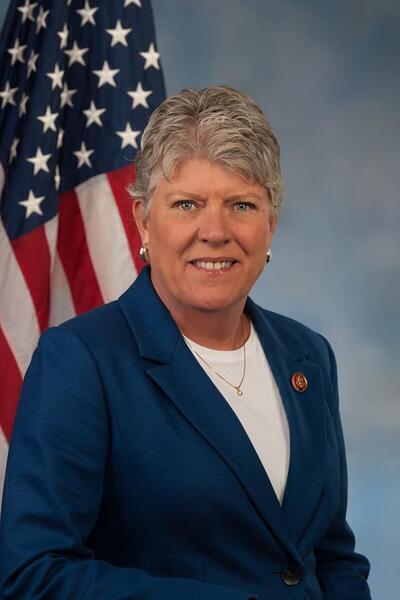
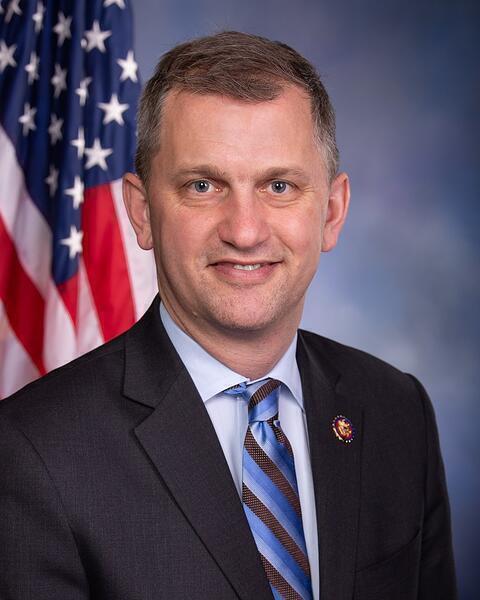
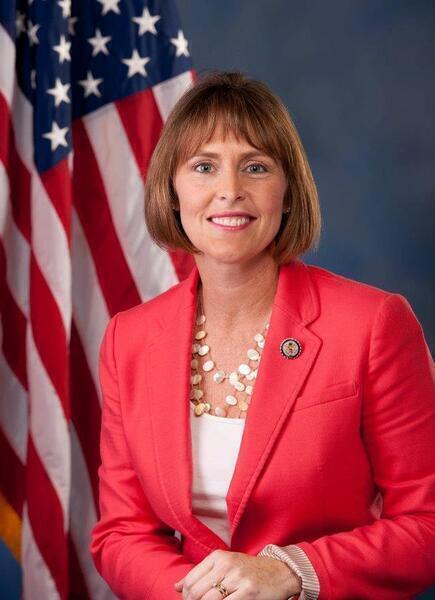
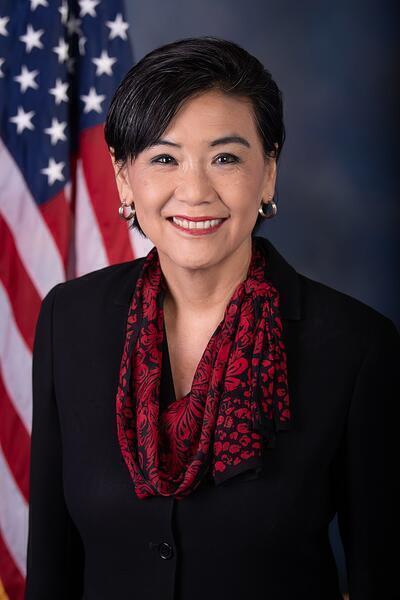
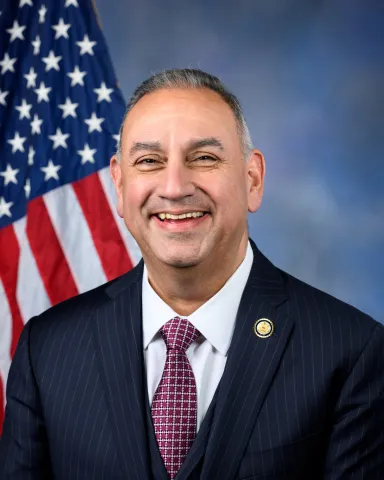
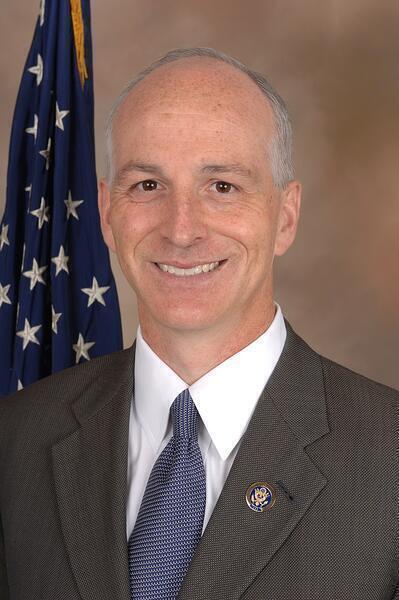
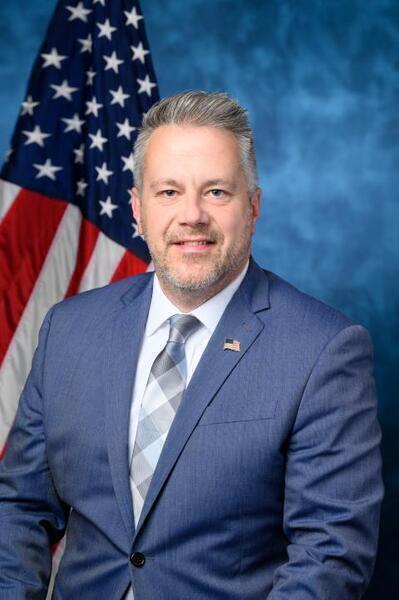
Nay (185)






J
Jason Crow




L
Lloyd Doggett

J
John Garamendi

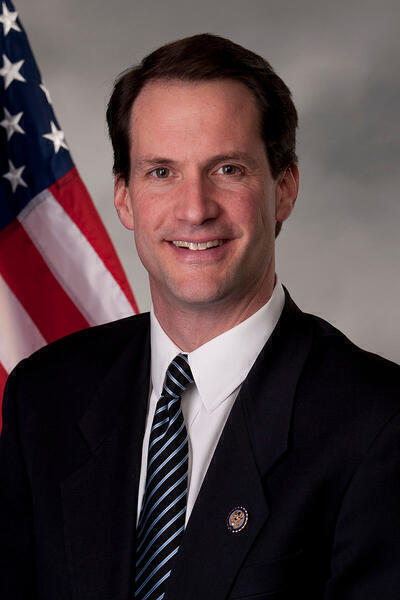
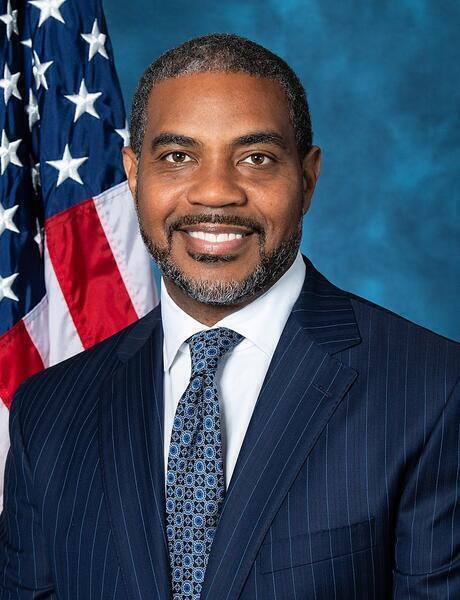
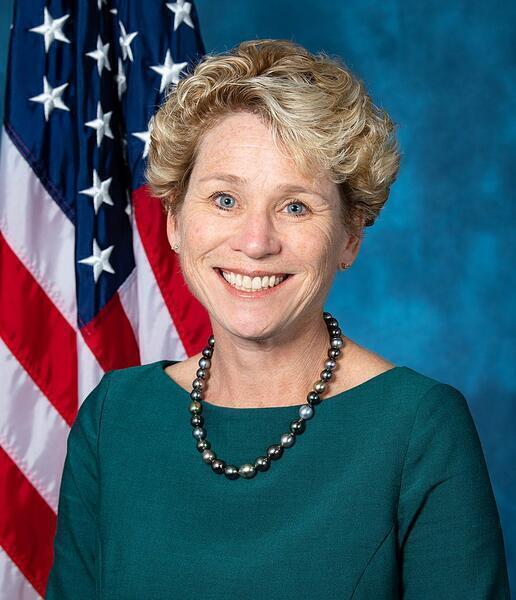
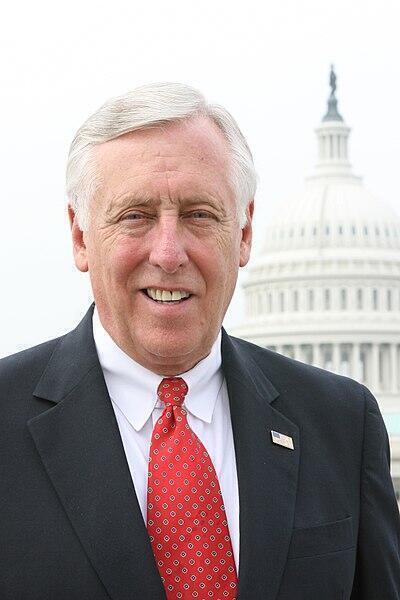



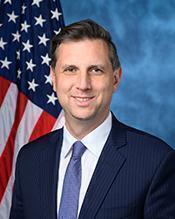
J
John Mannion
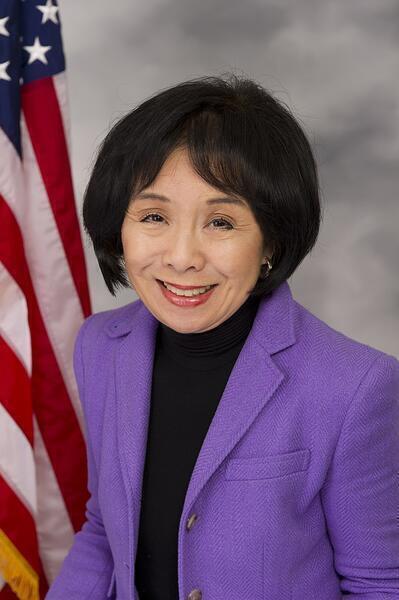
L
Lucy McBath

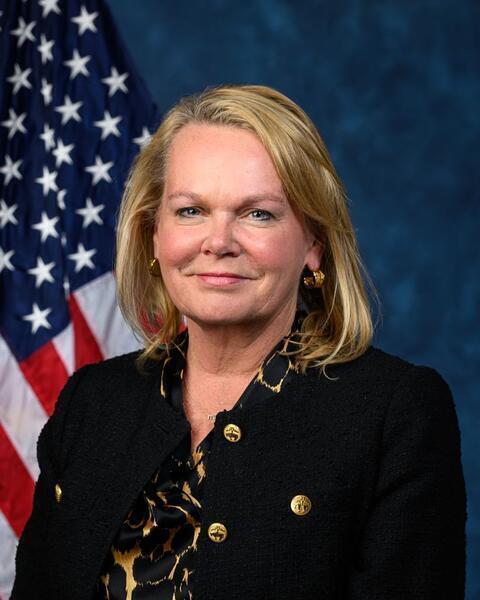
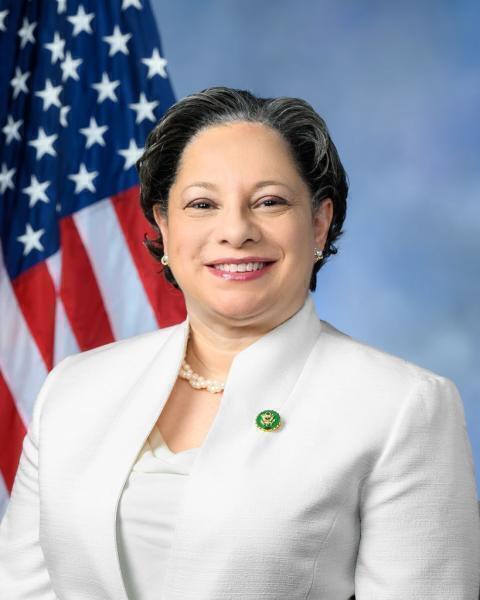
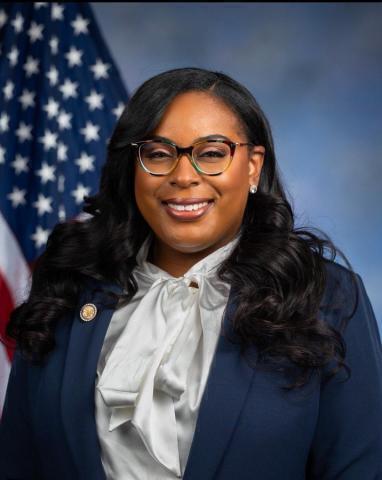

C
Christian Menefee









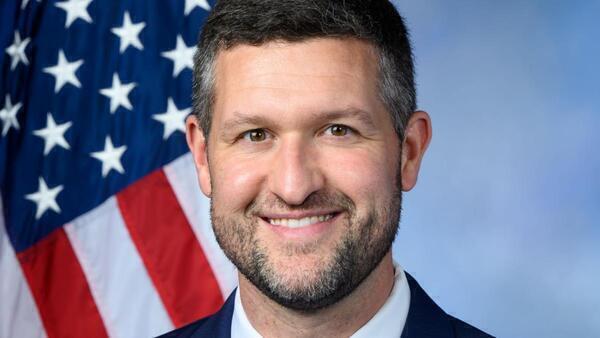
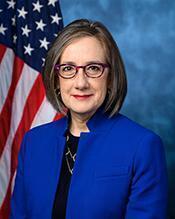
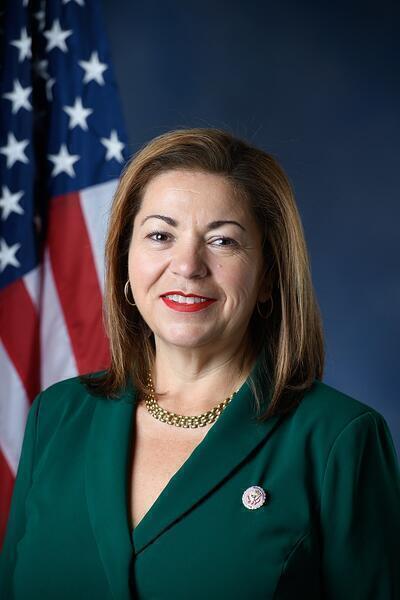


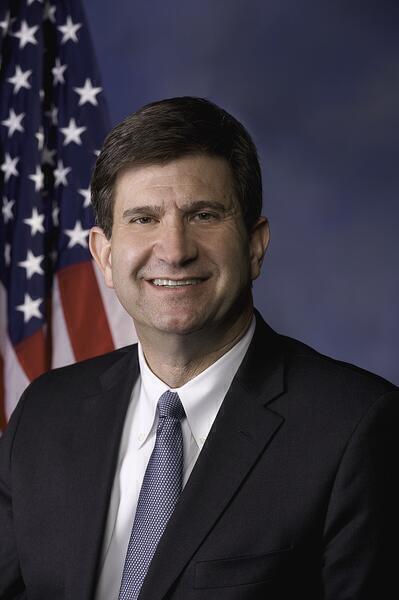




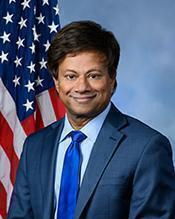
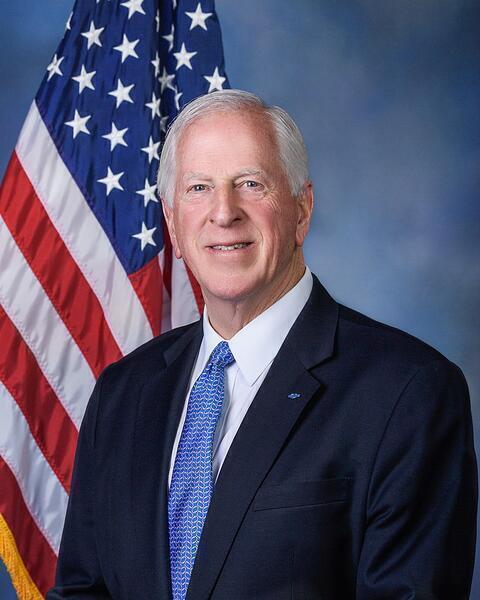
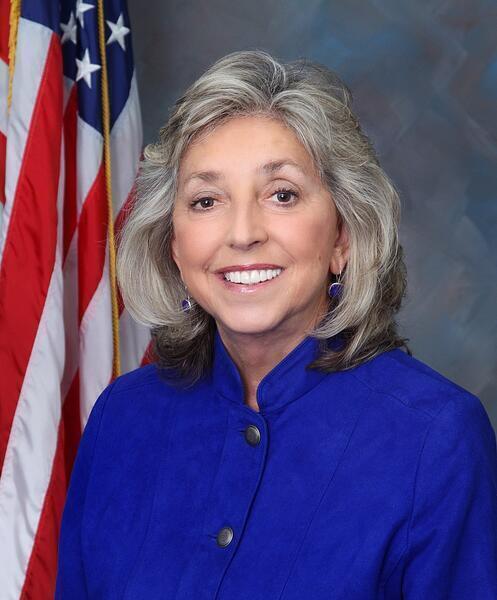
R
Rashida Tlaib

N
Nydia Velázquez
D
Debbie Wasserman Schultz