
H.R.6329 — Information Quality Assurance Act of 2025
House Roll Call
H.R.6329
| Bill | H.R.6329 — Information Quality Assurance Act of 2025 |
|---|---|
| Vote question | On Motion to Suspend the Rules and Pass |
| Vote type | 2/3 Yea-And-Nay |
| Result | Passed |
| Totals | Yea 362 / Nay 1 / Present 0 / Not Voting 69 |
| Party | Yea | Nay | Present | Not Voting |
|---|---|---|---|---|
| R | 186 | 0 | 0 | 32 |
| D | 176 | 1 | 0 | 37 |
| I | 0 | 0 | 0 | 0 |
Research Brief
On Motion to Suspend the Rules and Pass
Bill Analysis
The Information Quality Assurance Act of 2025 (H.R. 6329) amends federal information-quality and transparency requirements for executive agencies, with a focus on data used in rulemaking and public communications.
The bill directs the Office of Management and Budget (OMB) to update and strengthen government-wide information quality guidelines under the Paperwork Reduction Act. Agencies must ensure that “influential information” (including scientific, statistical, technical, and economic data used in significant regulatory actions) meets enhanced standards of objectivity, transparency, reproducibility, and integrity. OMB must issue implementing guidance, definitions, and minimum standards, and periodically review agency compliance.
Executive agencies are required to establish or upgrade internal information quality policies, designate responsible officials, and maintain public-facing processes to correct or retract information that does not meet the standards. The bill formalizes and expands the existing “information quality correction” mechanism: affected persons (including regulated entities, researchers, and the public) may petition agencies to correct disseminated information, and agencies must respond within specified timeframes, provide written rationales, and, where appropriate, amend or withdraw the information and related analyses.
For rulemaking, the bill tightens requirements on data and models underlying significant regulations. Agencies must document data sources, key assumptions, and methodologies; disclose limitations; and, where practicable, make underlying data and models publicly available or explain why they cannot. The bill may also require agencies to maintain administrative records demonstrating compliance with information quality standards, potentially affecting judicial review of agency actions.
Primary agencies affected include all executive branch departments and independent agencies subject to OMB information policies; OMB’s Office of Information and Regulatory Affairs (OIRA) gains expanded oversight and coordination responsibilities. Beneficiaries include regulated industries, researchers, and public-interest groups seeking higher-quality, more transparent federal data; agencies face new procedural and documentation burdens.
The bill typically sets deadlines (e.g., within 1 year of enactment) for OMB to issue updated guidelines and for agencies to adopt conforming policies, with ongoing reporting or review cycles thereafter. No major new spending program is created; costs arise mainly from agency implementation and oversight activities.
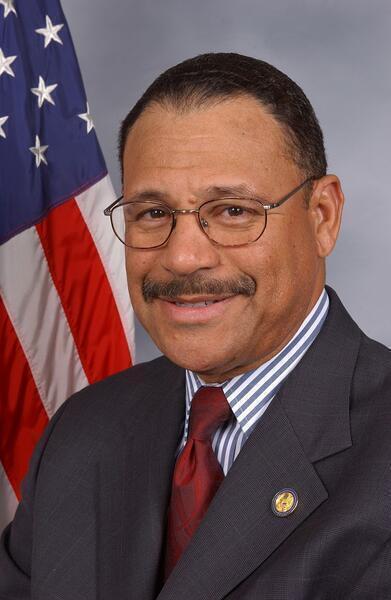
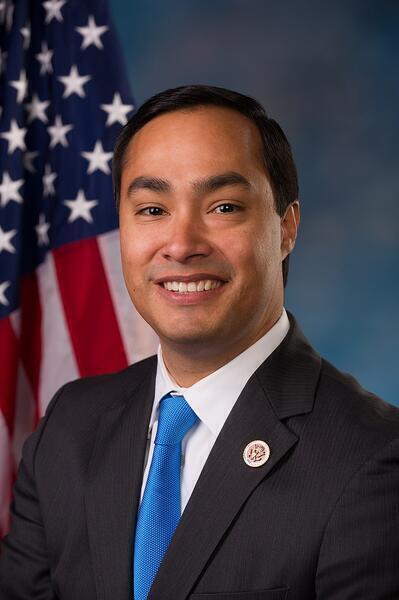
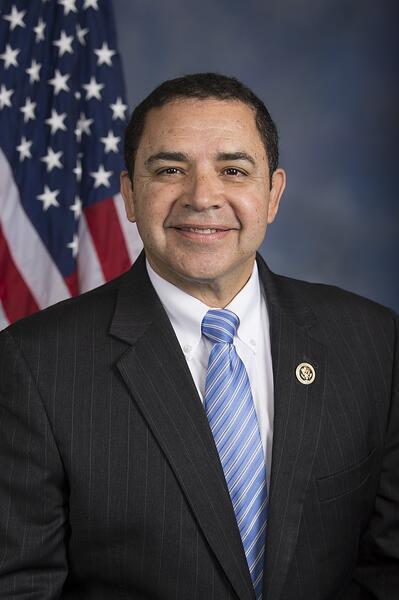
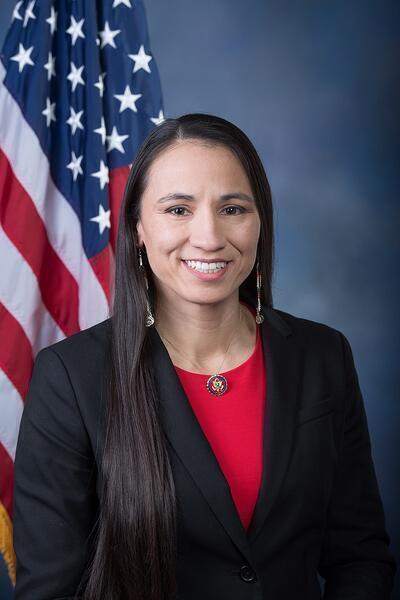
Yea (362)





























K
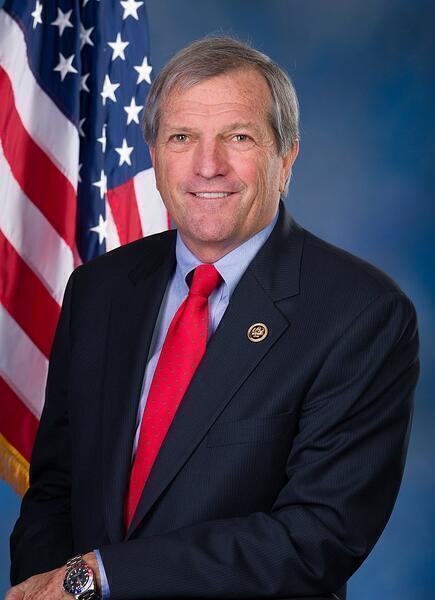
Ken Calvert



























J
Jason Crow











L
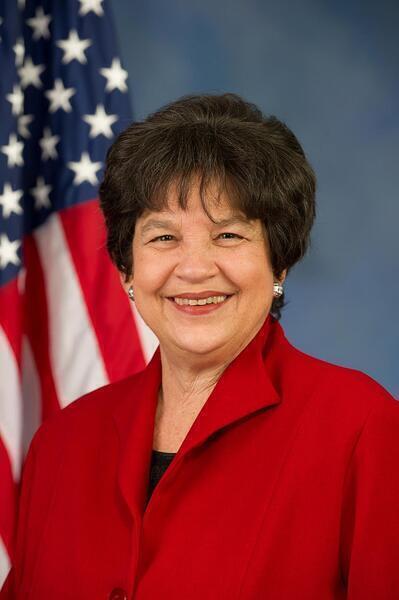
Lloyd Doggett
























S
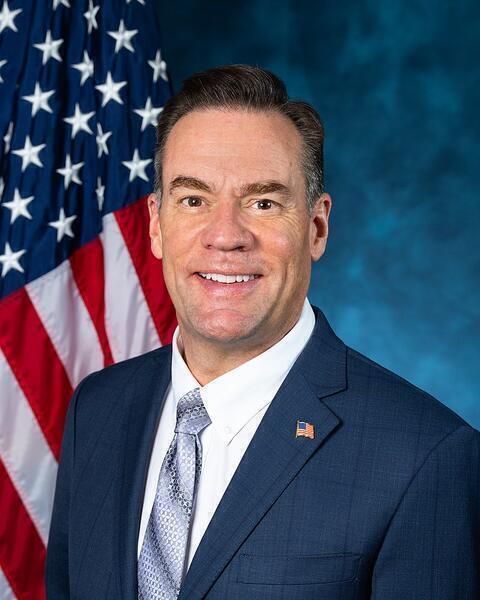
Scott Franklin



J
John Garamendi






























































































J
John Mannion



L
Lisa McClain













































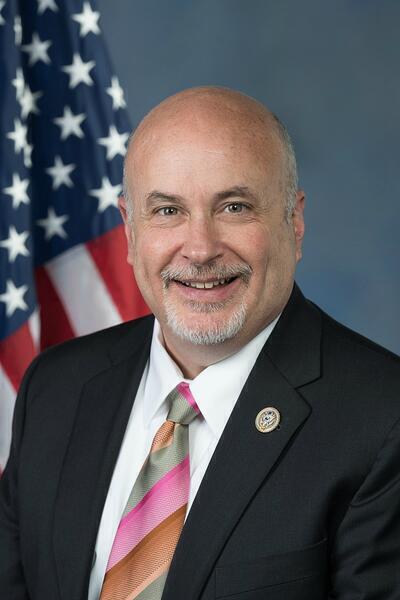














J
John Rutherford










D
David Schweikert
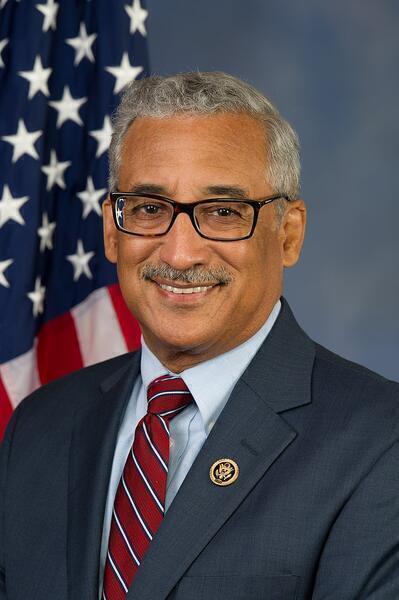



P
Pete Sessions









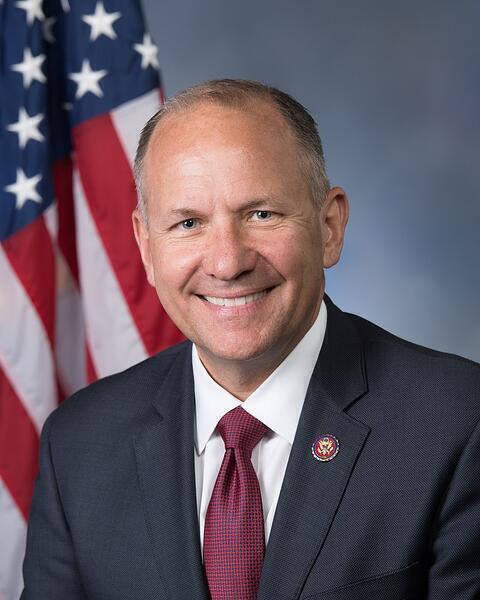











E
Eric Swalwell





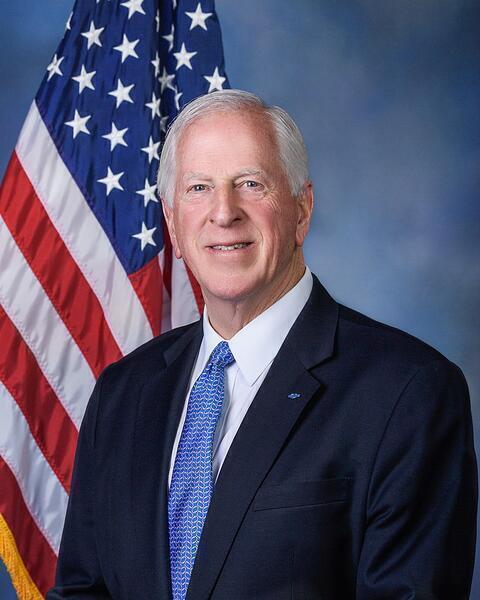


R
Rashida Tlaib
















D
Debbie Wasserman Schultz












Nay (1)

Not Voting (69)





































L
Lucy McBath


C
Christian Menefee




















N
Nydia Velázquez