
S.2503 — ROTOR Act
House Roll Call
S.2503
| Bill | S.2503 — ROTOR Act |
|---|---|
| Vote question | On Motion to Suspend the Rules and Pass |
| Vote type | 2/3 Yea-And-Nay |
| Result | Failed |
| Totals | Yea 264 / Nay 133 / Present 0 / Not Voting 35 |
| Party | Yea | Nay | Present | Not Voting |
|---|---|---|---|---|
| R | 77 | 132 | 0 | 9 |
| D | 187 | 1 | 0 | 26 |
| I | 0 | 0 | 0 | 0 |
Research Brief
On Motion to Suspend the Rules and Pass
Bill Analysis
S. 2503 (119th Congress) – ROTOR Act
Status: Failed under suspension of the rules in the House (264–133; 2/3 required).
Purpose and Scope
The ROTOR Act (title suggests focus on rotorcraft/rotary-wing aviation) is a targeted aviation safety and operations bill. It amends existing federal aviation statutes to address risks and regulatory gaps specific to helicopters and other rotorcraft, particularly in commercial and public-use operations.
Core Provisions
Safety Standards and Certification:
- Directs the Federal Aviation Administration (FAA) to update or issue regulations and guidance tailored to rotorcraft design, maintenance, and operational safety.
- May tighten or clarify certification criteria for certain rotorcraft types or equipment (e.g., avionics, crashworthiness, or safety systems).
Operational Requirements:
- Imposes or refines requirements on rotorcraft operators (e.g., air tour, air ambulance, offshore, or utility operators) regarding pilot training, flight risk assessment, and operational limitations in adverse conditions.
- Could require enhanced recordkeeping, safety management systems, or reporting of incidents/near-misses involving rotorcraft.
Data, Research, and Technology:
- Authorizes FAA, possibly in coordination with NTSB or NASA, to conduct research on rotorcraft accident causation, human factors, and technologies (such as terrain awareness, flight data monitoring, or crash-resistant fuel systems).
- May direct the collection and analysis of rotorcraft-specific safety data to inform future rulemaking.
Agencies and Programs Affected
- Primary: Federal Aviation Administration (FAA).
- Secondary: National Transportation Safety Board (NTSB) and potentially NASA or DOT research programs, if referenced for technical collaboration.
Beneficiaries and Regulated Parties
- Regulated: Rotorcraft manufacturers; commercial rotorcraft operators (Part 135 and related); maintenance and repair organizations; pilots and training providers.
- Beneficiaries: Passengers and crews on rotorcraft flights; communities served by helicopter services (medical, law enforcement, offshore, tourism); broader aviation safety community via improved standards and data.
Funding and Authorities
- Provides explicit authorization for FAA activities related to rotorcraft safety (regulatory development, research, data systems).
- Funding is likely authorized but subject to future appropriations; no large new mandatory spending stream is created.
Timelines
- Typically sets deadlines (e.g., 1–2 years) for FAA to issue or update regulations, complete studies, or report to Congress on rotorcraft safety initiatives.
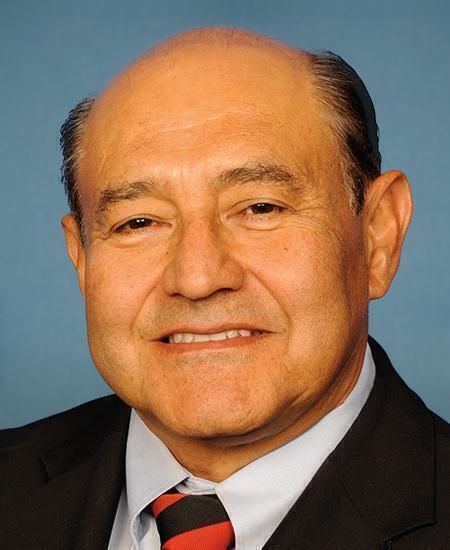
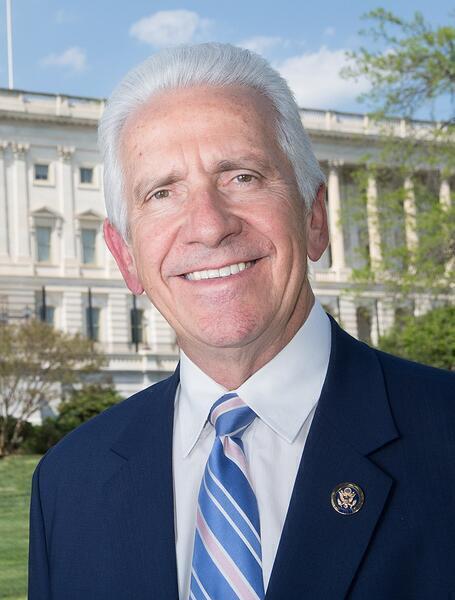
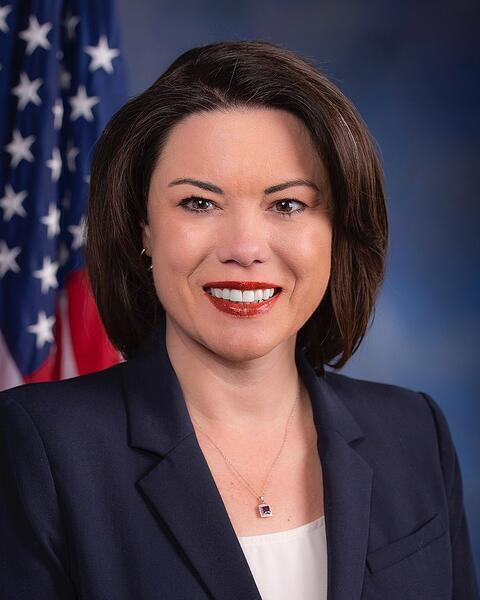
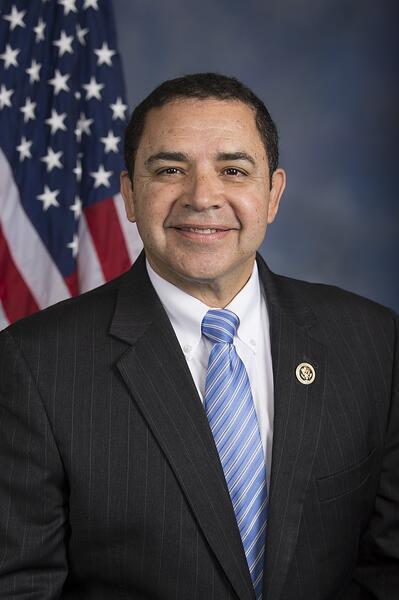
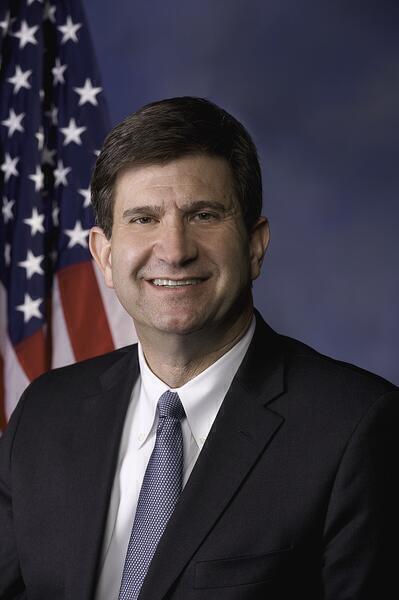
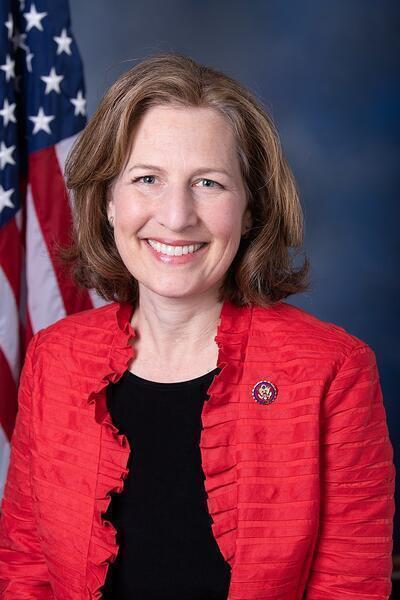
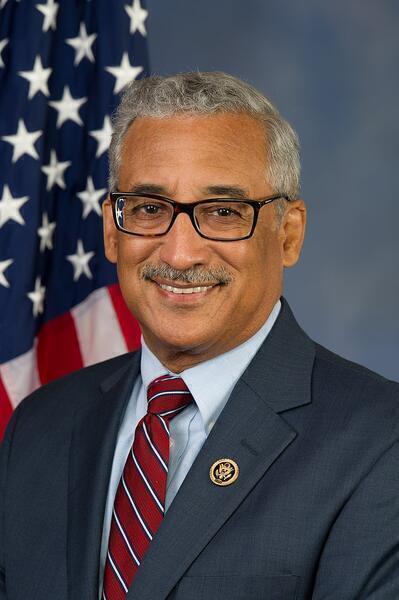
Yea (264)








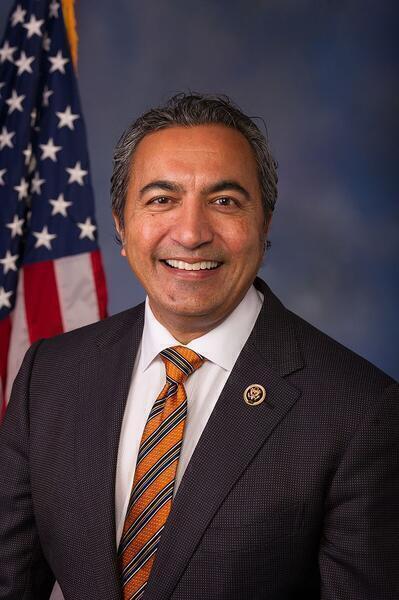
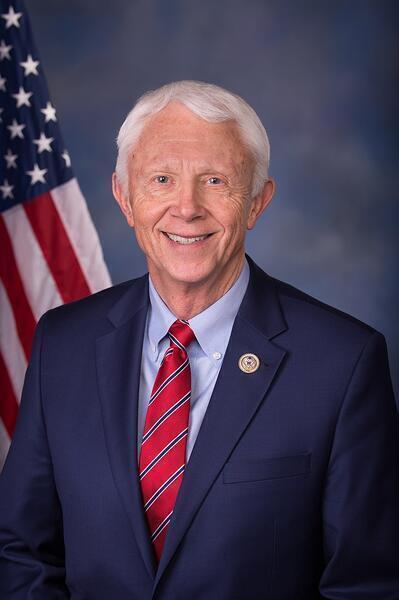

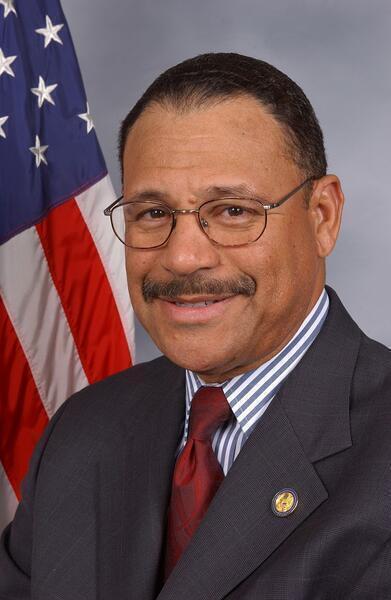
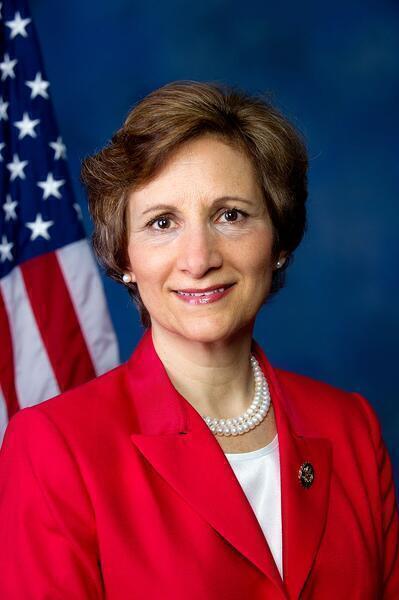
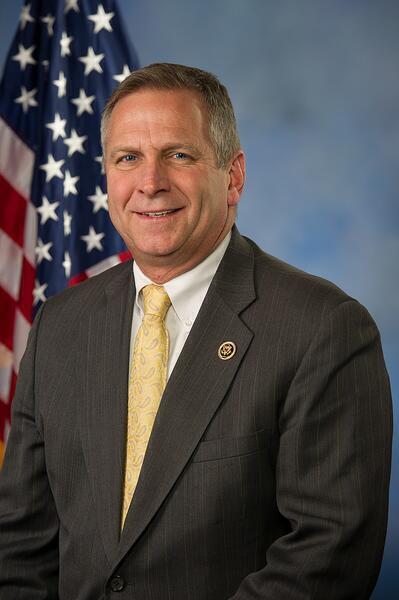
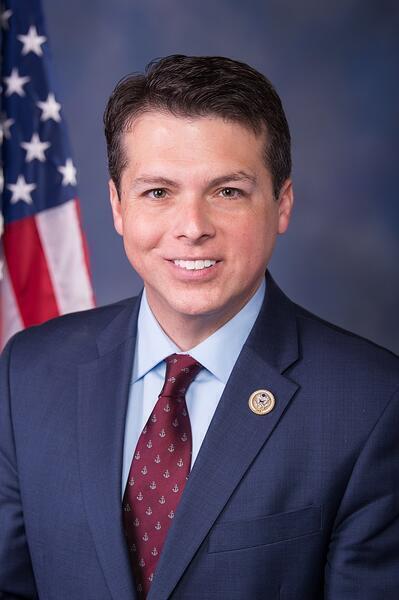


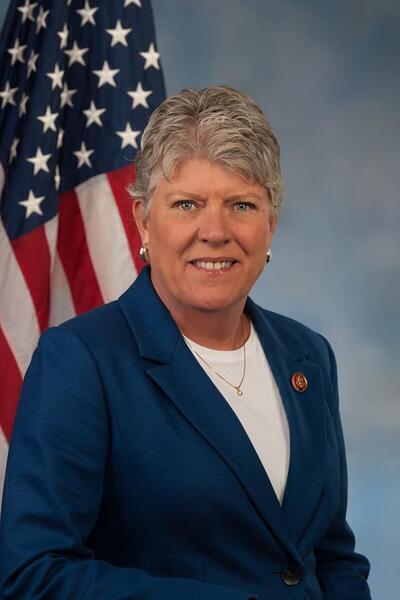





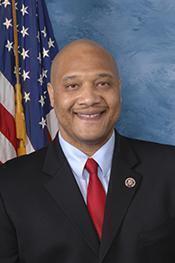
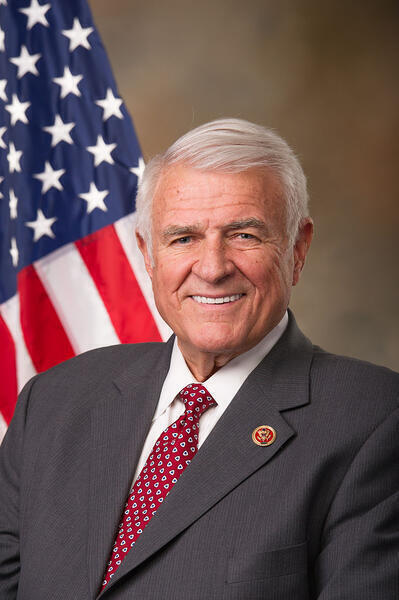
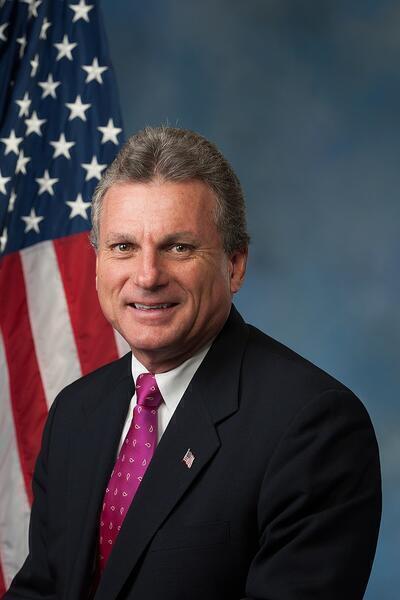



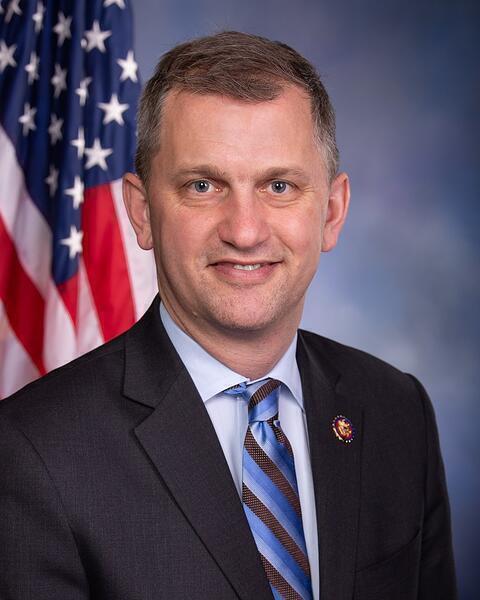

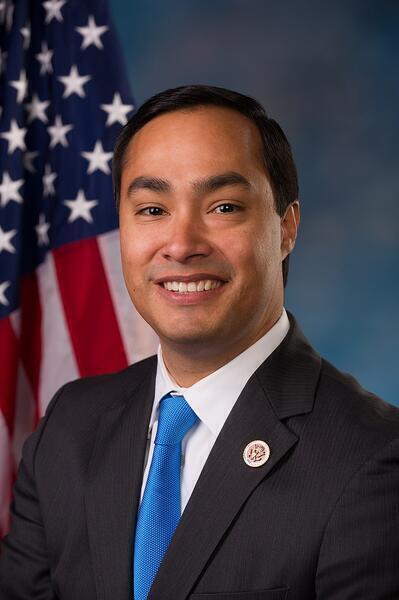


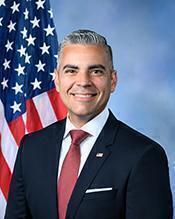
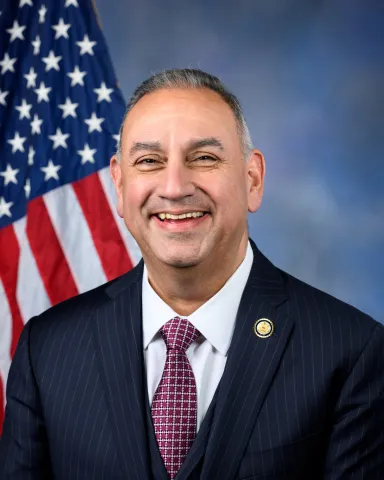




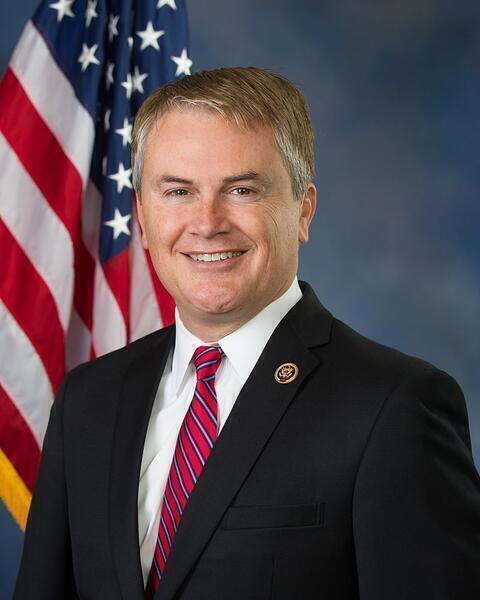

J
Jason Crow








L
Lloyd Doggett









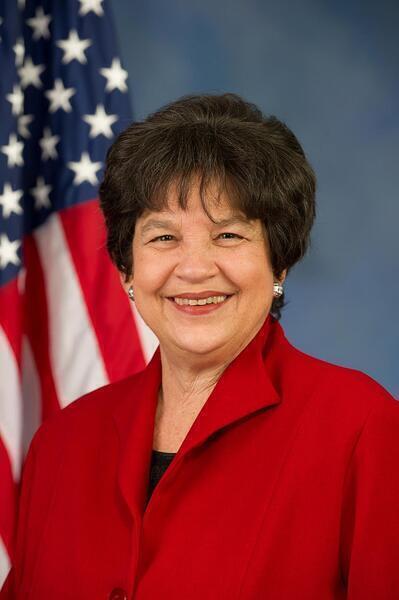


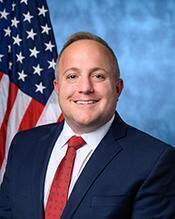
J
John Garamendi
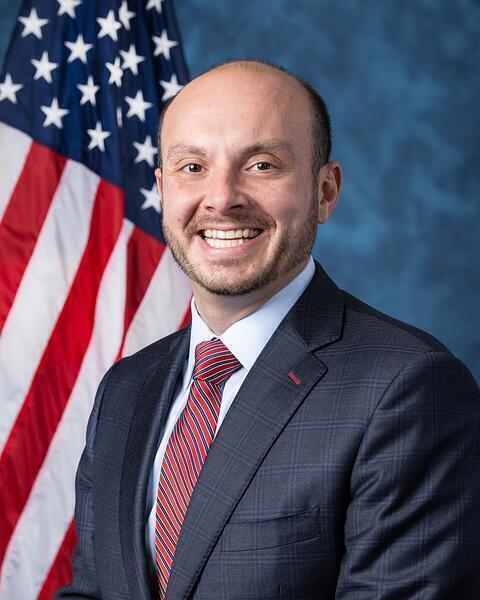
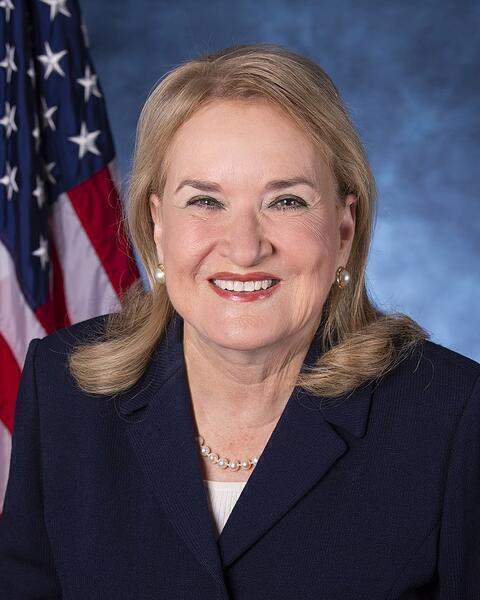























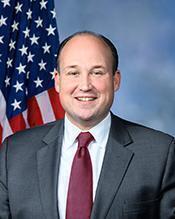
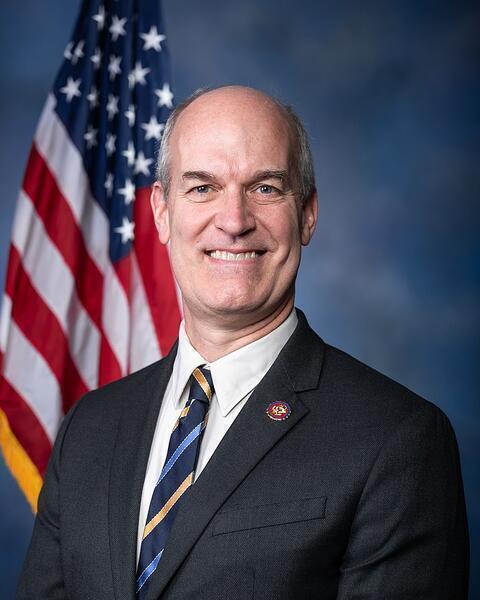
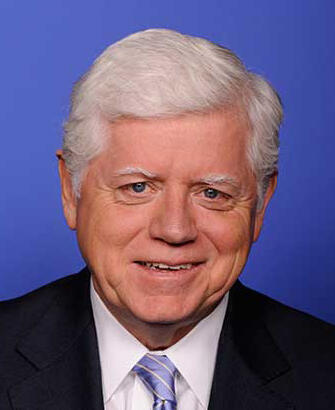





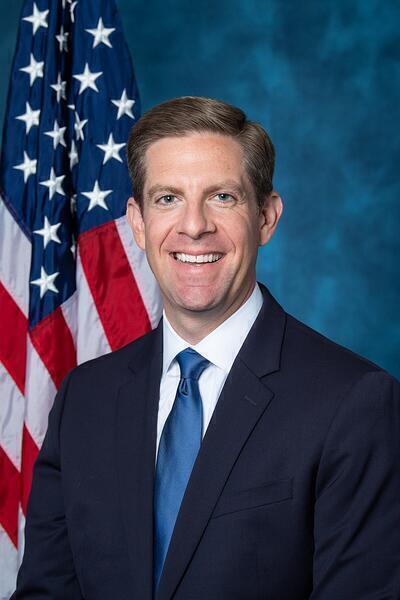




J
John Mannion


L
Lucy McBath


































J
John Rutherford






P
Pete Sessions










E
Eric Swalwell




R
Rashida Tlaib











D
Debbie Wasserman Schultz





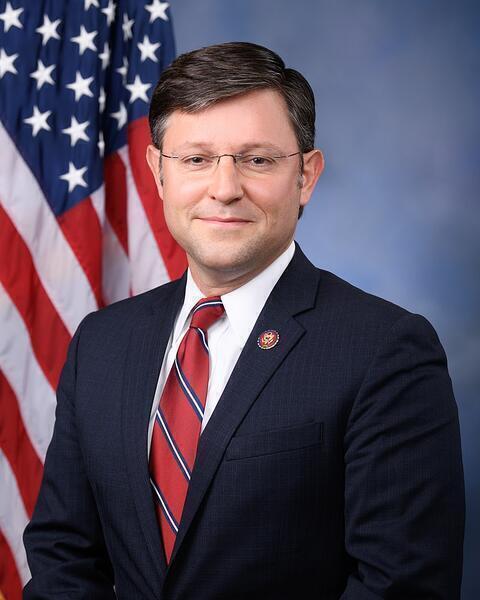
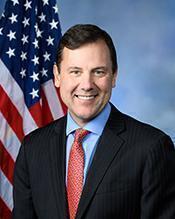
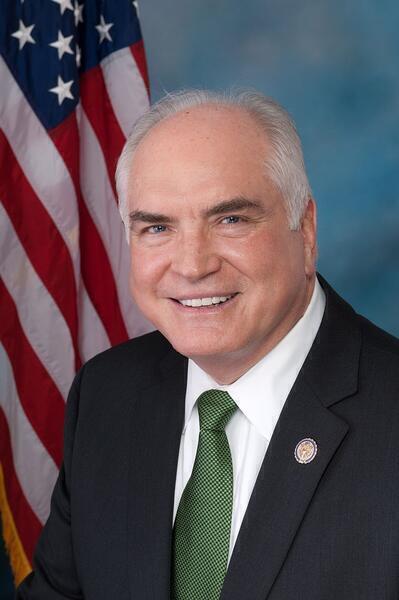
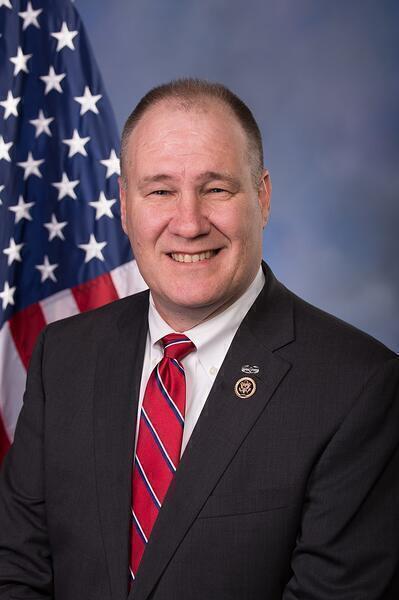
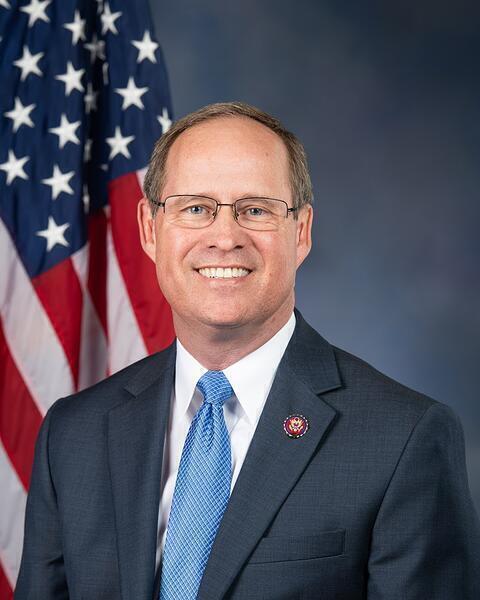
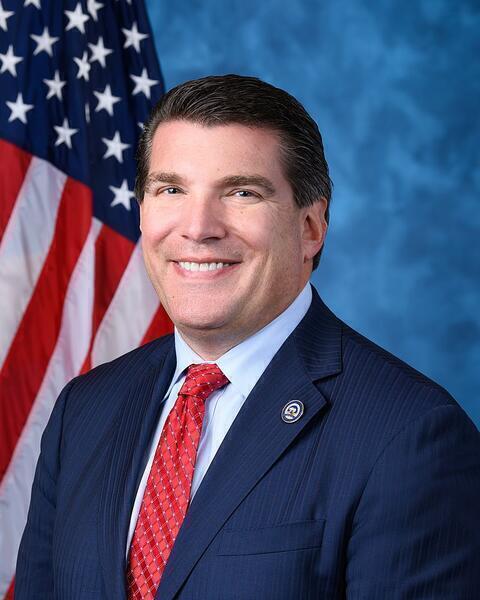
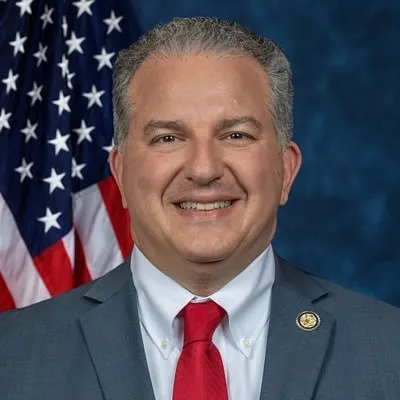
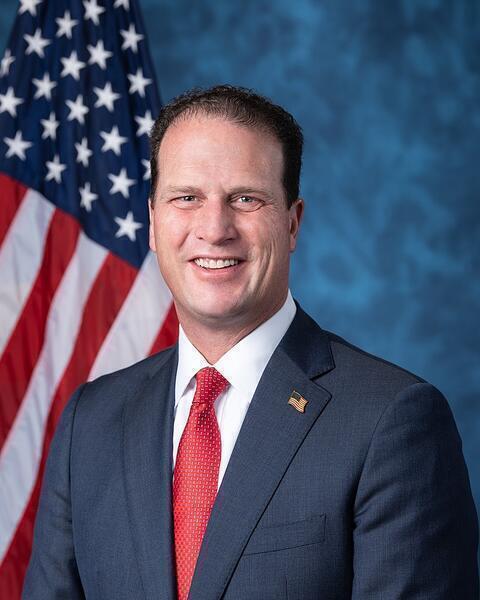
Nay (133)
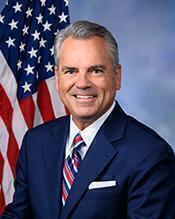


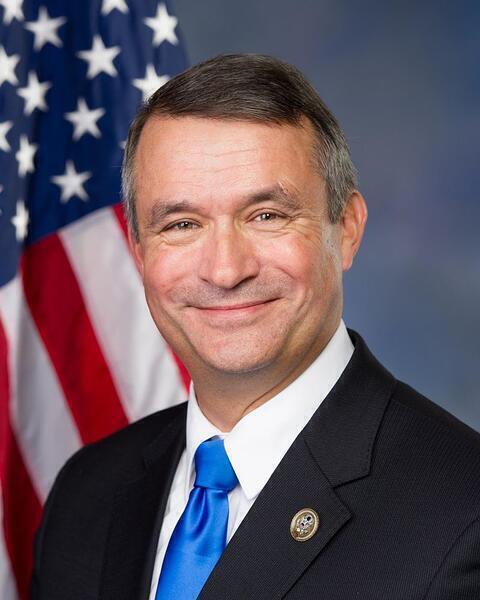


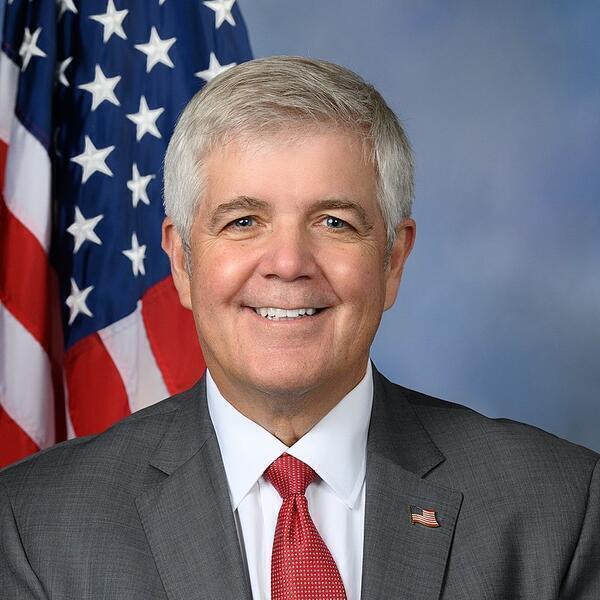

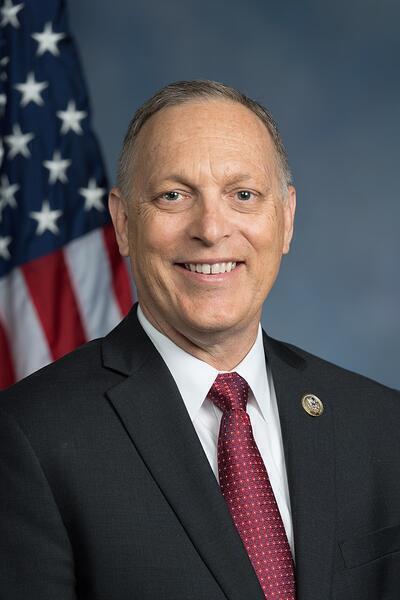

K
Ken Calvert


















S
Scott Franklin




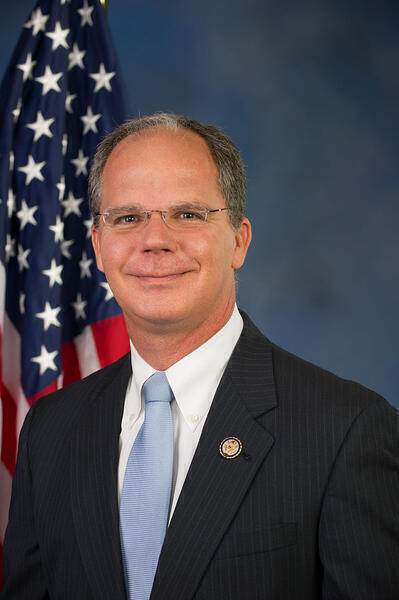






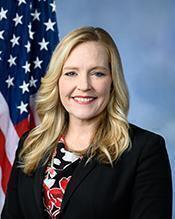
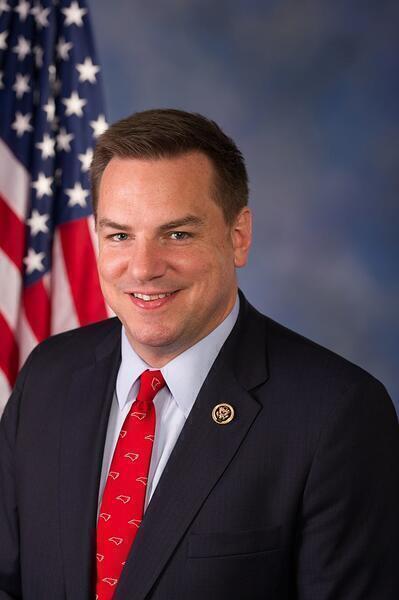


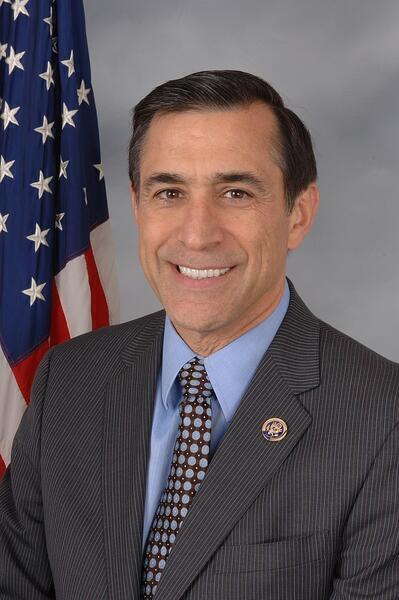











L
Lisa McClain

















D
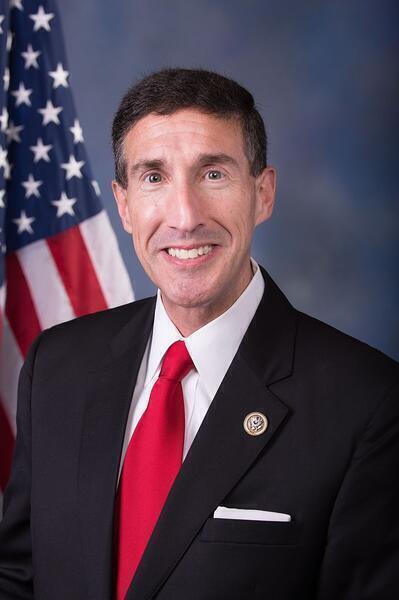
David Schweikert











Not Voting (35)















C
Christian Menefee









N
Nydia Velázquez