H.R.4626 — Home Appliance Protection and Affordability Act
House Roll Call
H.R.4626
| Bill | H.R.4626 — Home Appliance Protection and Affordability Act |
|---|---|
| Vote question | On Motion to Recommit |
| Vote type | Yea-and-Nay |
| Result | Failed |
| Totals | Yea 197 / Nay 208 / Present 0 / Not Voting 27 |
| Party | Yea | Nay | Present | Not Voting |
|---|---|---|---|---|
| R | 0 | 208 | 0 | 10 |
| D | 197 | 0 | 0 | 17 |
| I | 0 | 0 | 0 | 0 |
Research Brief
On Motion to Recommit
Bill Analysis
HR 4626 – Home Appliance Protection and Affordability Act (119th Congress)
HR 4626 targets federal energy-efficiency regulation of common household appliances, aiming to limit new standards that could raise upfront costs or reduce product features.
Substantive provisions
- Scope of covered products: The bill focuses on major residential appliances regulated under the Energy Policy and Conservation Act (EPCA), such as refrigerators, dishwashers, clothes washers/dryers, water heaters, cooking products, and HVAC equipment.
- Standard-setting constraints: It tightens the criteria under which the Department of Energy (DOE) may issue or amend energy conservation standards. DOE would be required to demonstrate that any new or revised standard:
- Is technologically feasible using commercially available technology.
- Is economically justified, with particular emphasis on upfront purchase price, payback period, and impacts on low- and moderate‑income households.
- Does not materially reduce product performance, utility, or consumer choice (e.g., cycle times, capacity, or key features).
- Consumer protection tests: The bill strengthens “no backsliding” and “no adverse impact” tests, making it harder for DOE to adopt standards that indirectly degrade performance (such as significantly longer wash or dry cycles) in the name of efficiency.
- Regulatory review and transparency: It requires more rigorous cost-benefit analysis, clearer disclosure of underlying assumptions, and expanded opportunities for public comment, including from consumer groups, manufacturers, and small businesses.
Agencies and authorities
- Department of Energy: Primary implementing agency; its authority to set appliance standards under EPCA is preserved but more tightly bounded.
- Office of Management and Budget / interagency review: Likely increased role in reviewing DOE’s economic justification and consumer-impact analyses.
Beneficiaries and regulated parties
- Consumers: Intended beneficiaries through protection of product performance and affordability.
- Manufacturers and retailers: Continue to be regulated but gain more predictable and constrained standard-setting criteria.
Timelines
- The bill applies prospectively to DOE rulemakings initiated after enactment and may require DOE to revisit or justify certain pending standards under the new criteria. No new spending programs or appropriations are created; implementation relies on existing DOE resources and authorities.
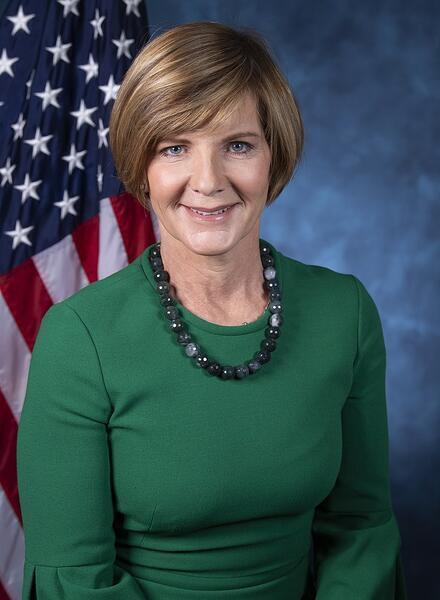
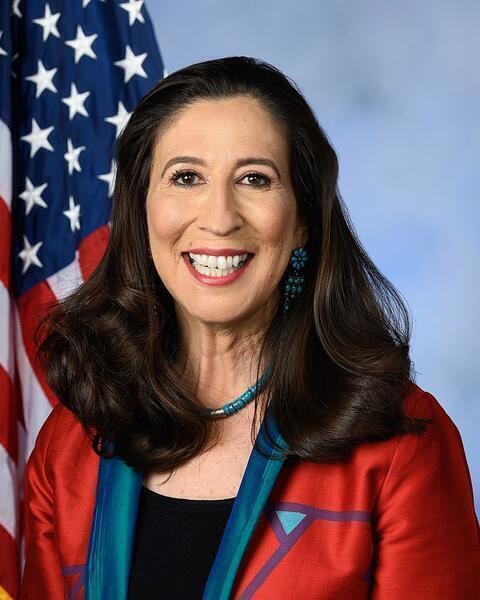
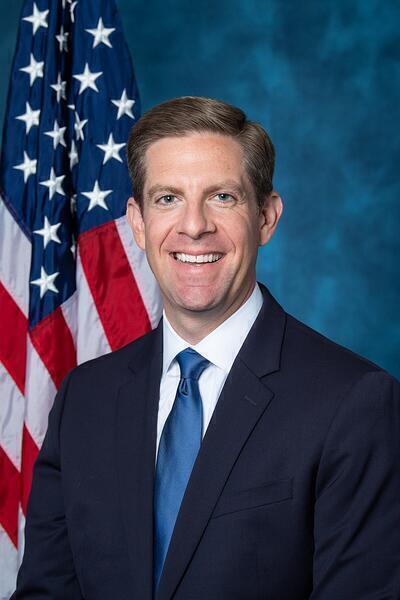
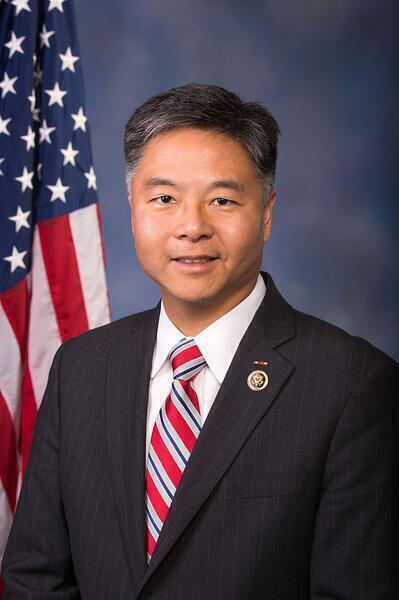
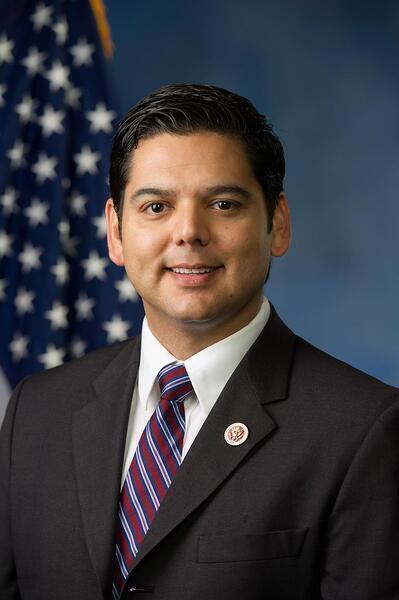
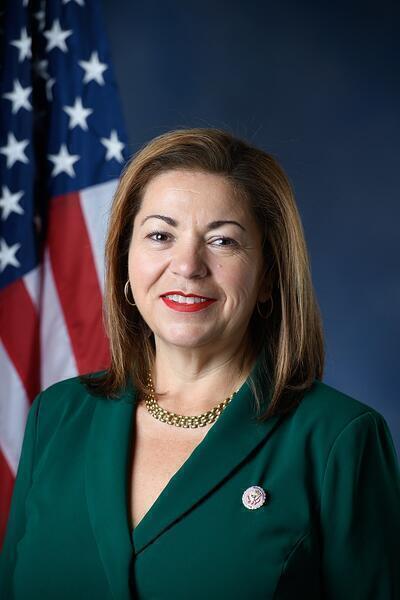
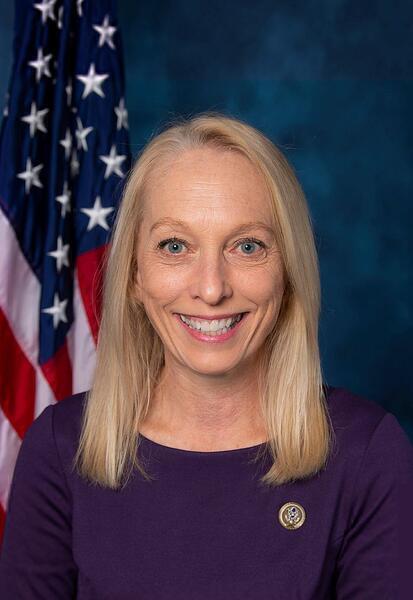
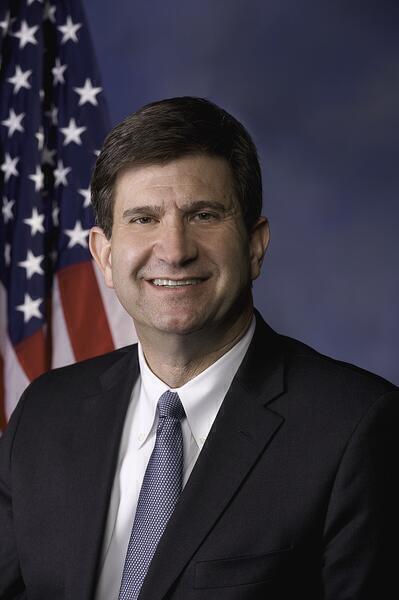
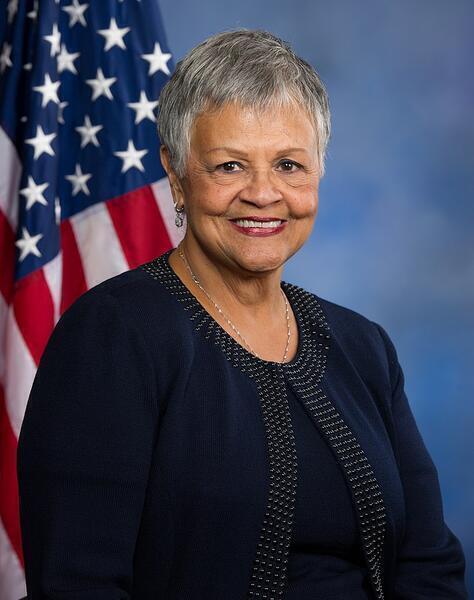
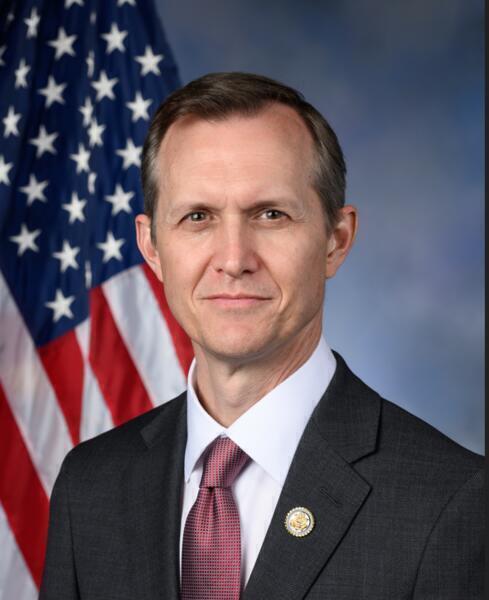
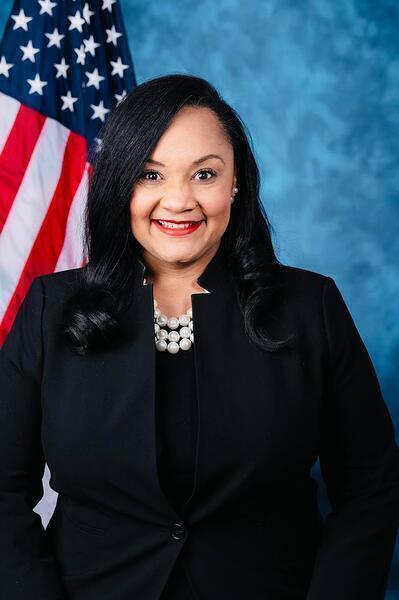
Yea (197)

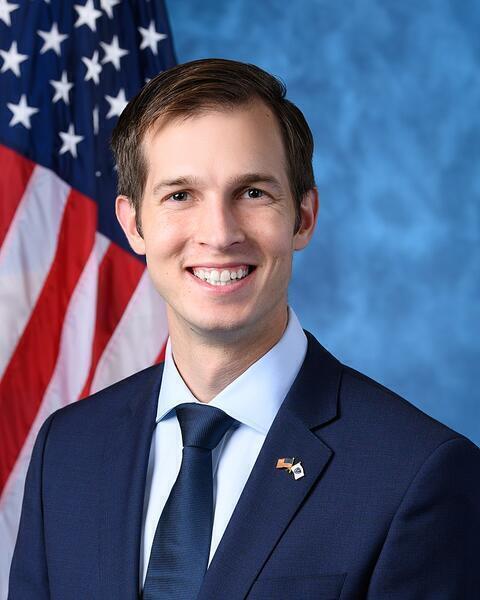

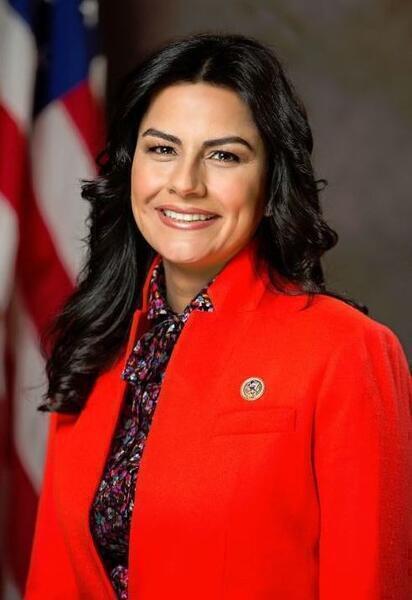
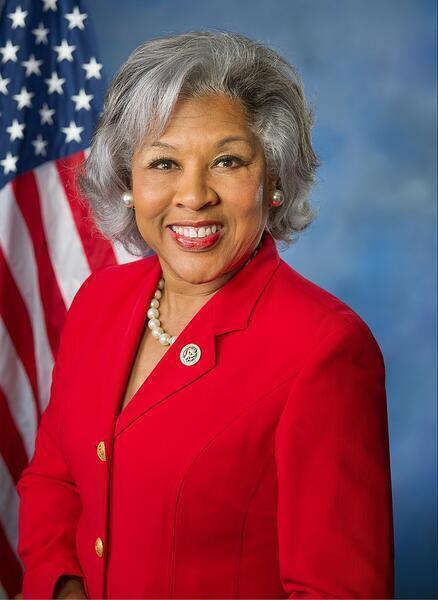
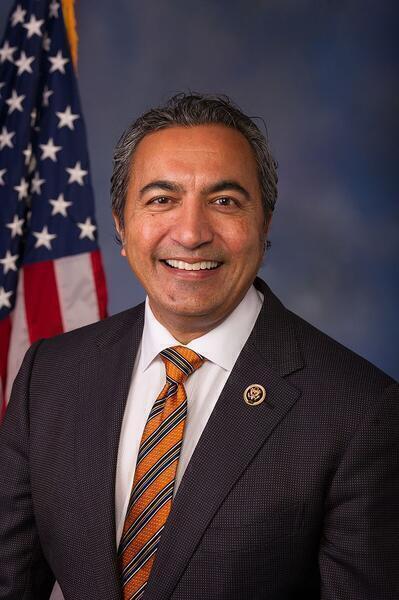



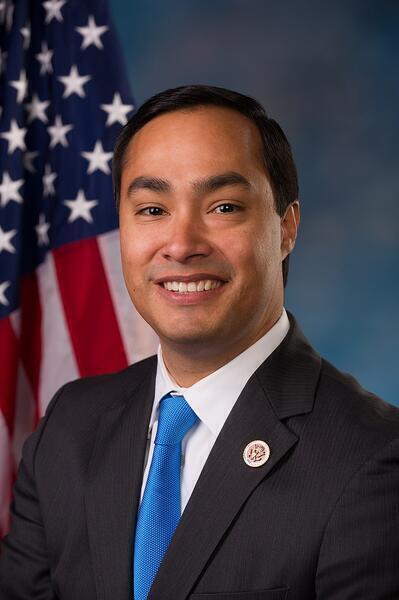

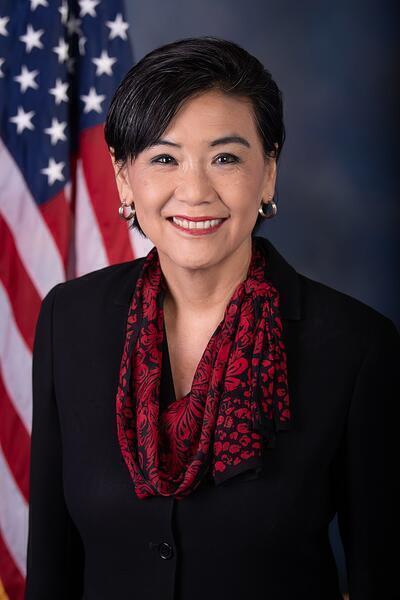
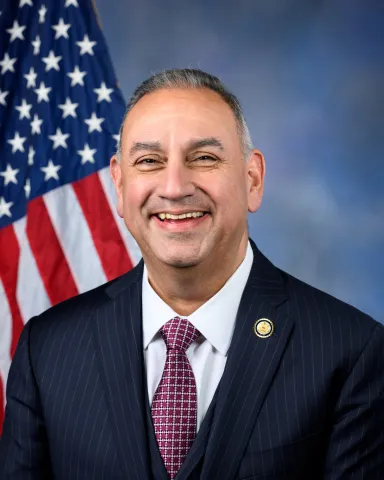

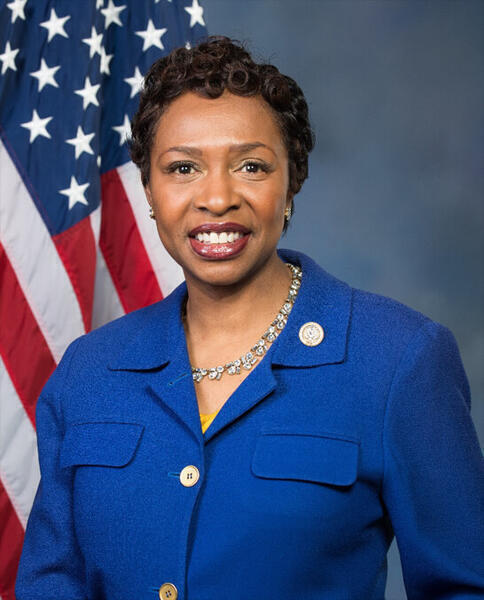
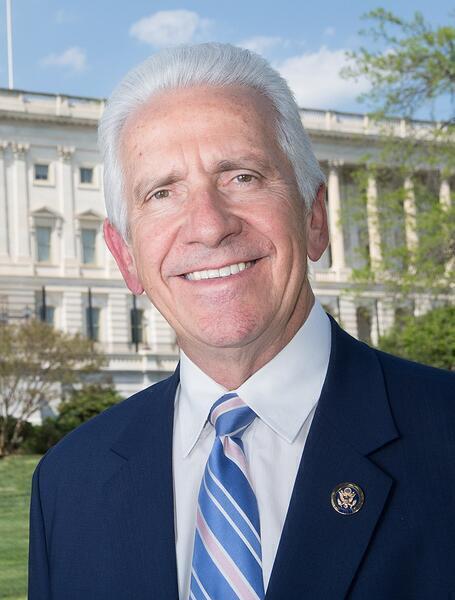
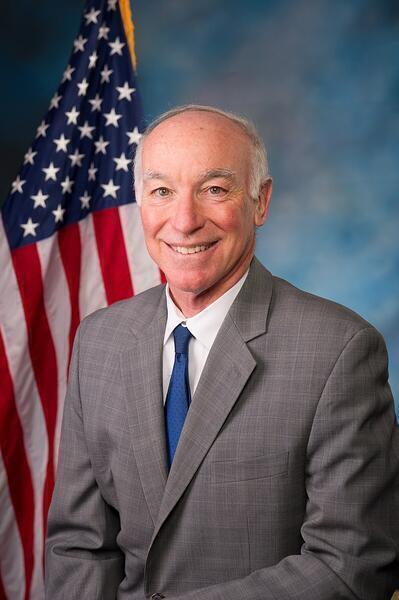
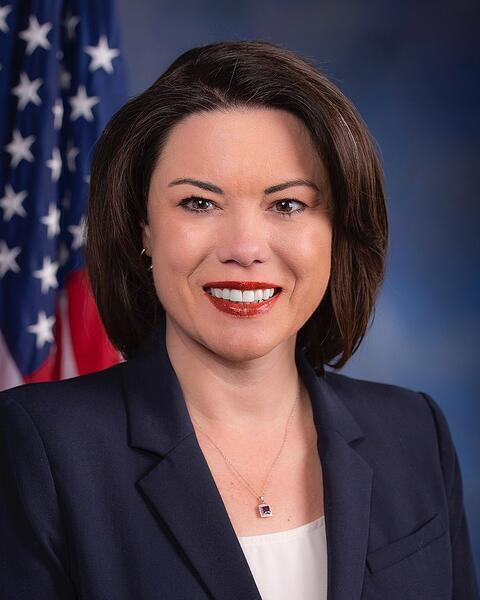
J
Jason Crow
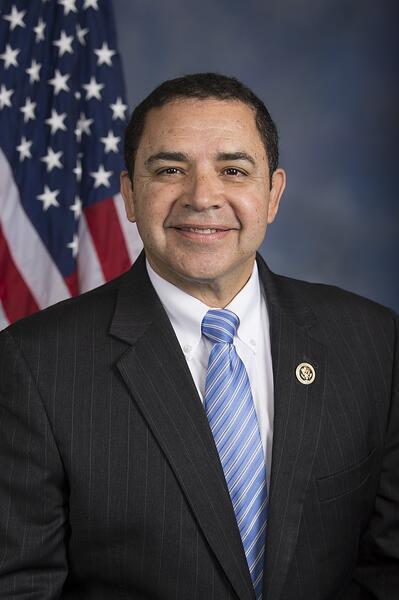





L
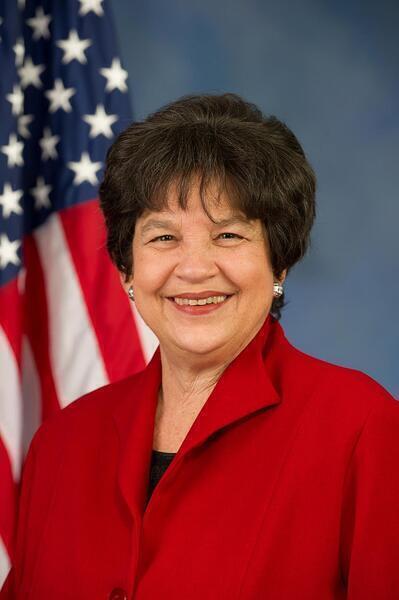
Lloyd Doggett




J
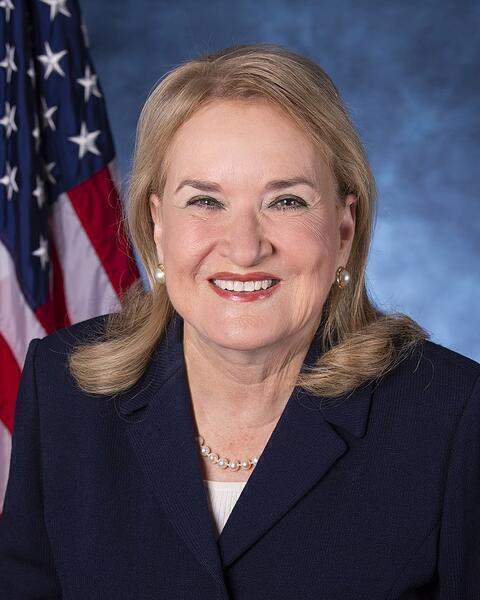
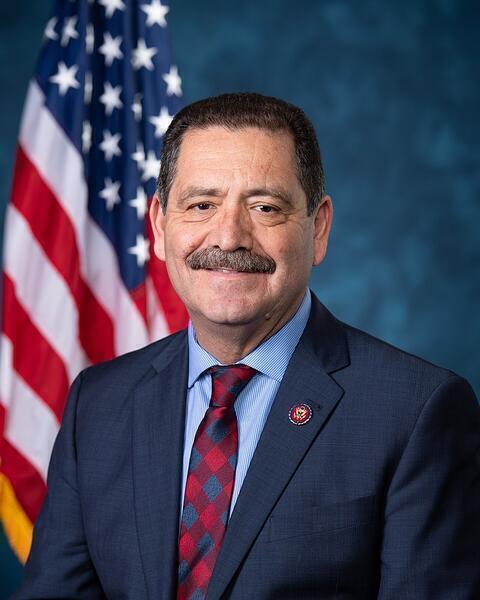
John Garamendi











J
John Mannion
L
Lucy McBath









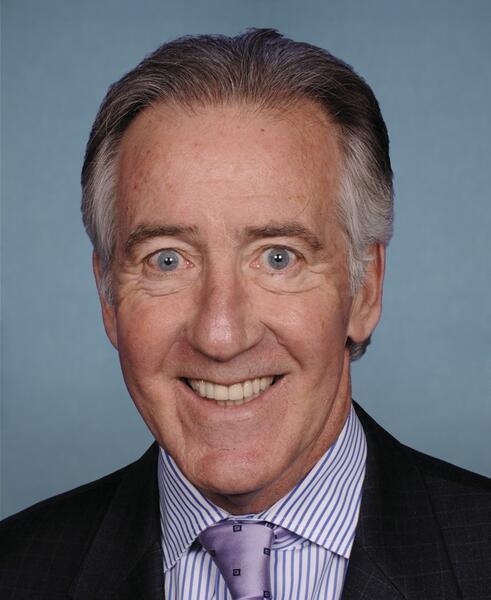

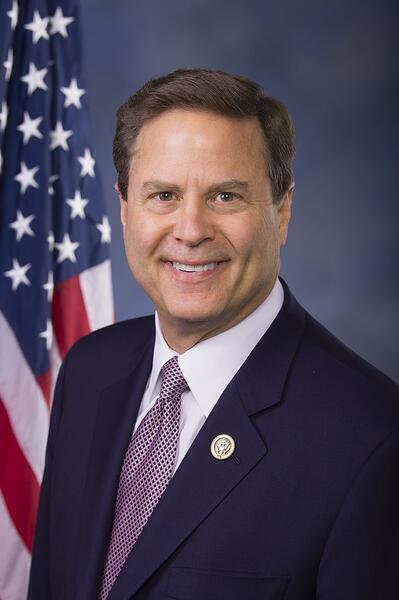


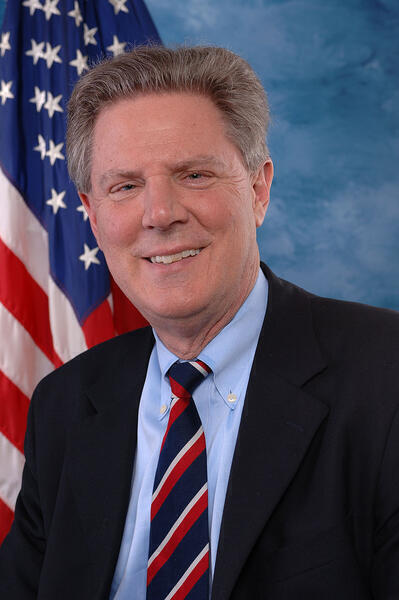
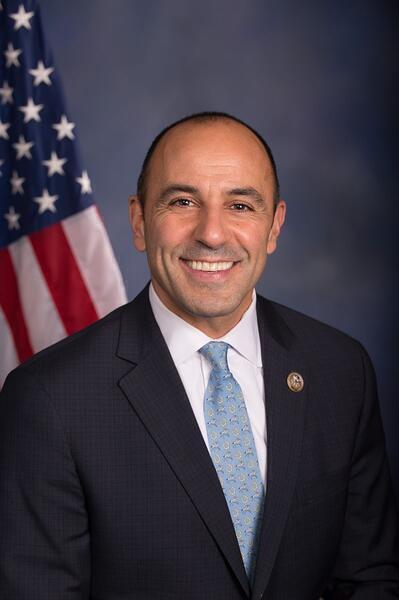

















E
Eric Swalwell

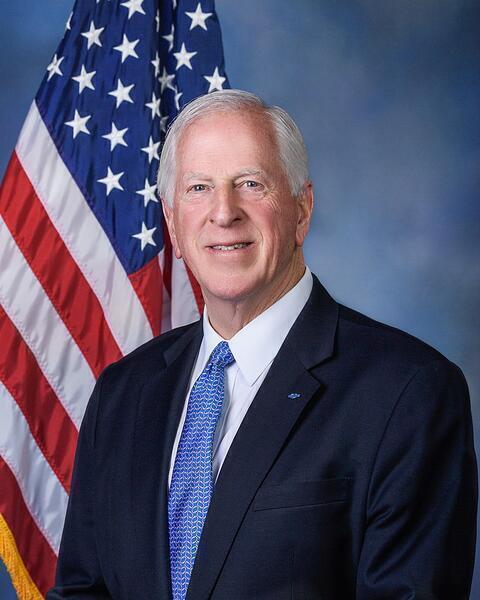
R
Rashida Tlaib

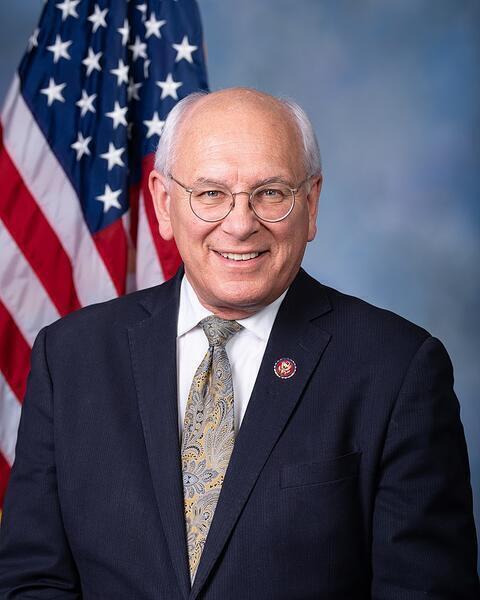
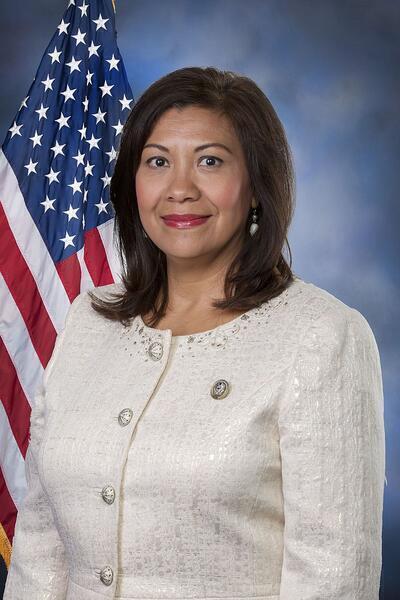
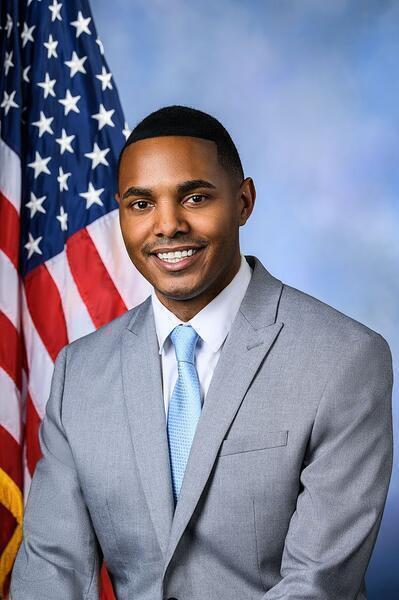





D
Debbie Wasserman Schultz
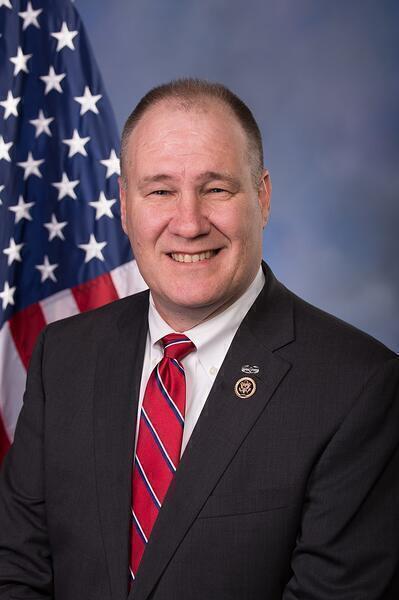
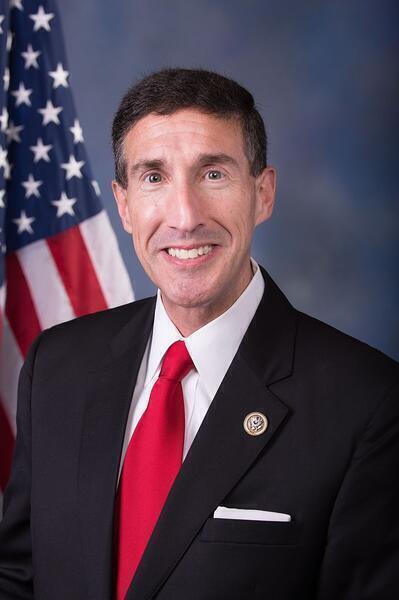
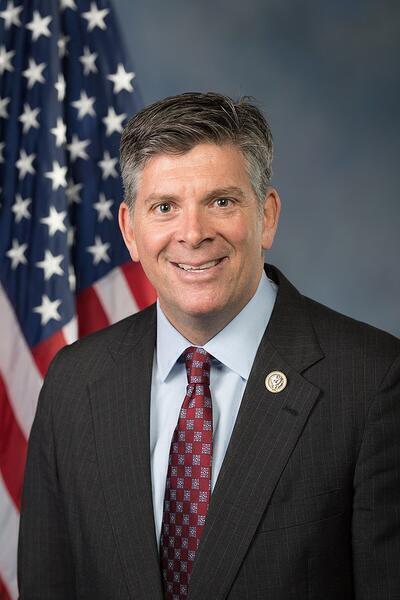
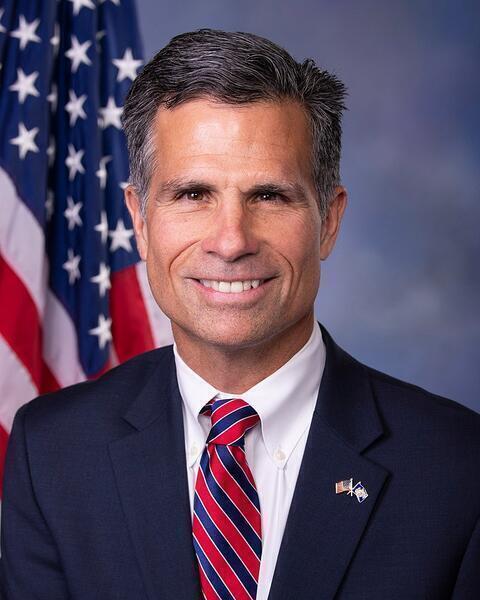
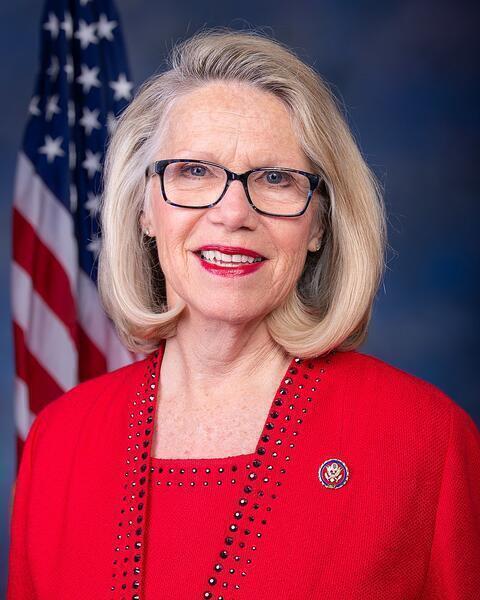
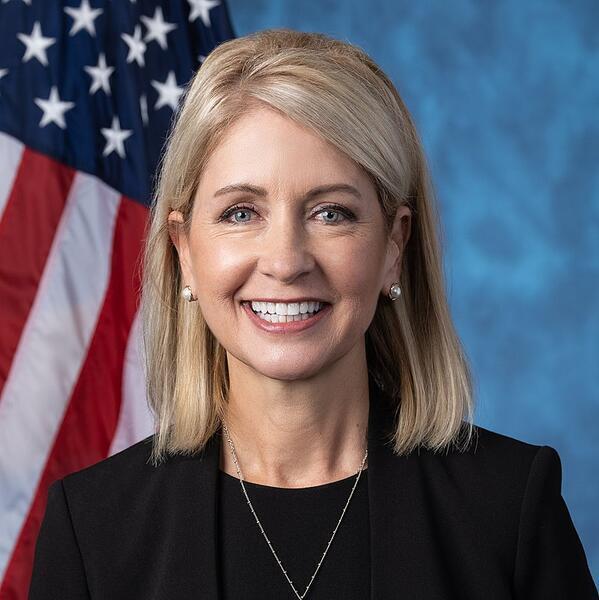
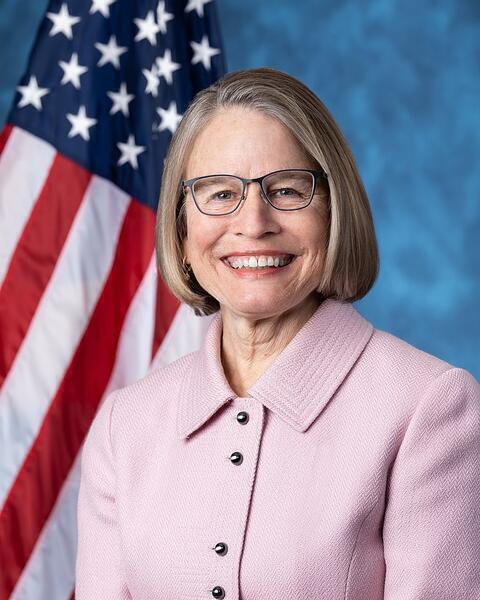
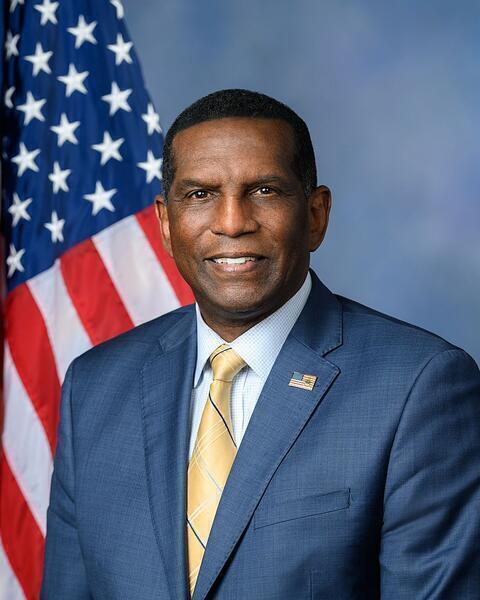
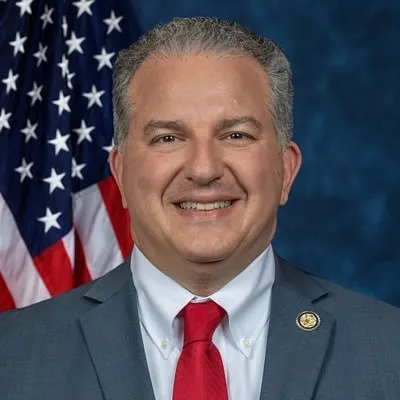
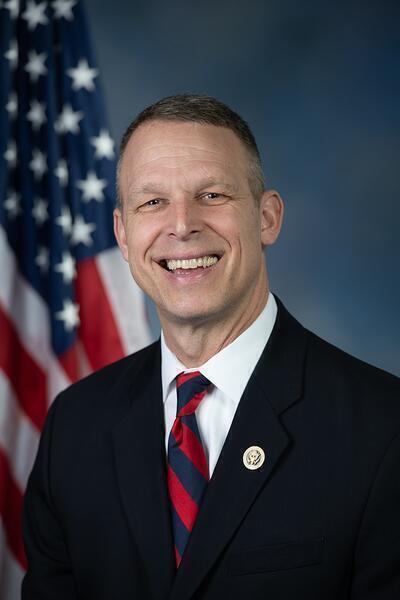
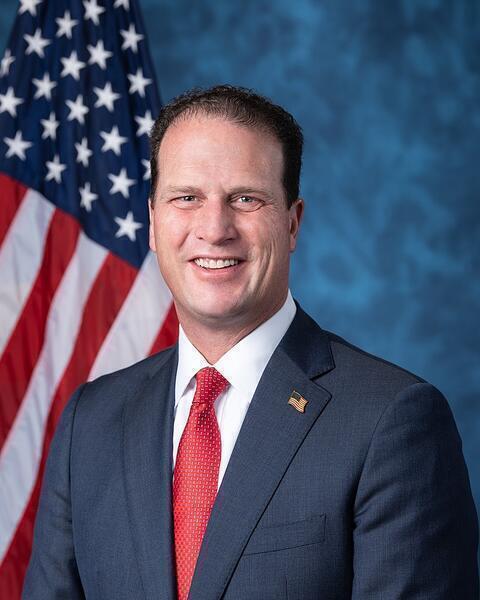
Nay (208)
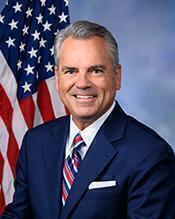


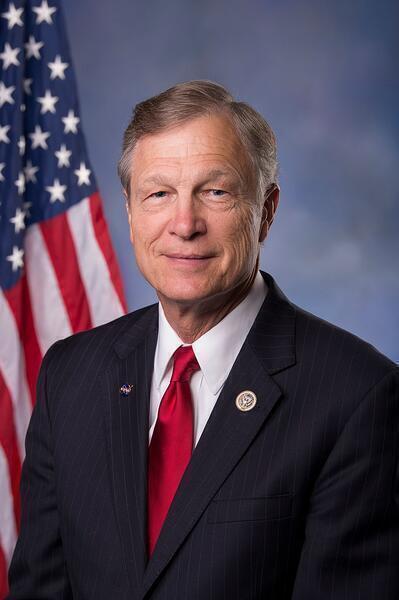
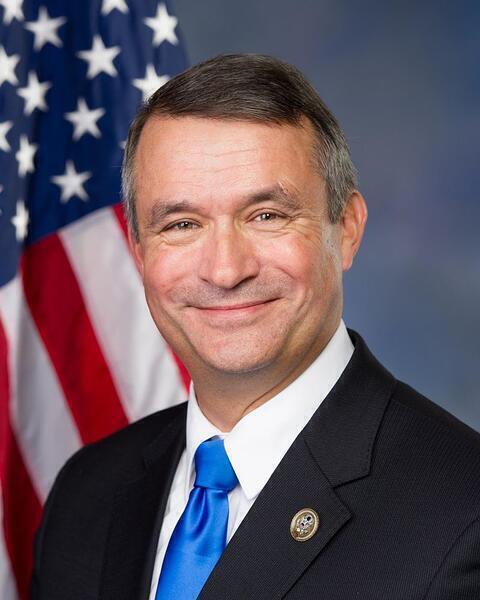
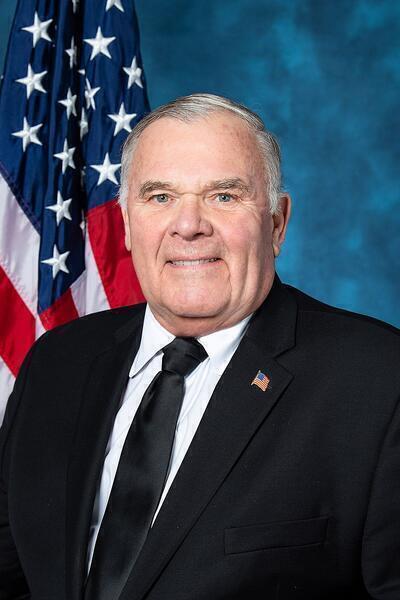

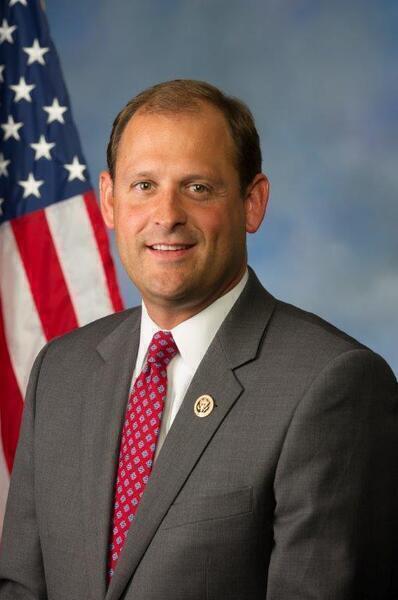
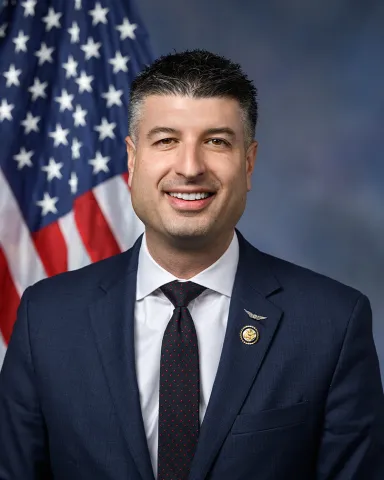
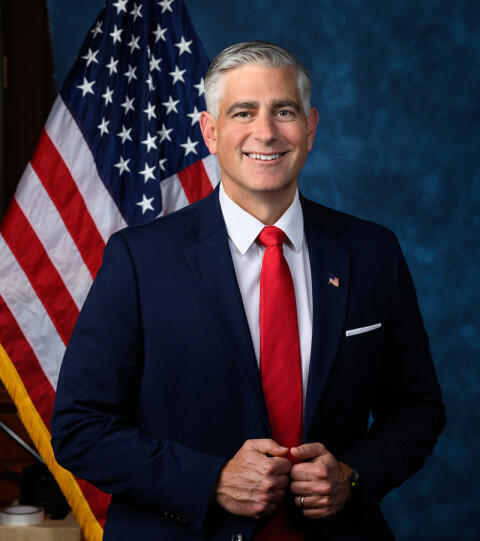


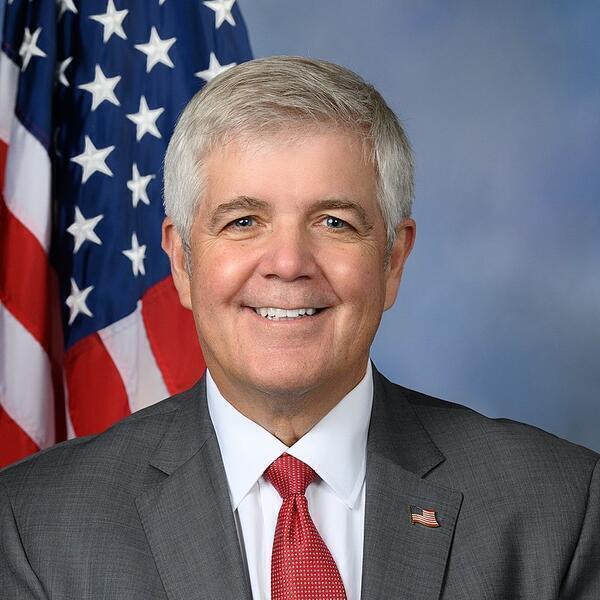
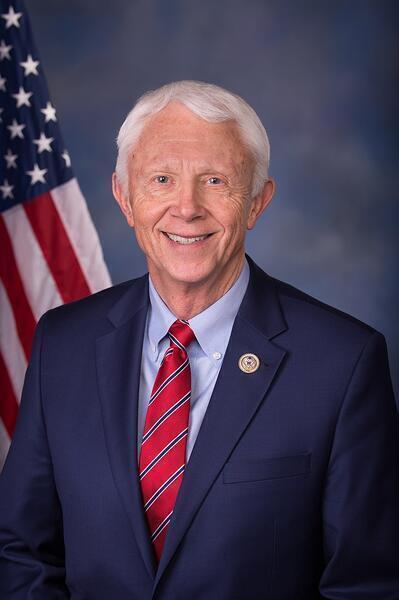
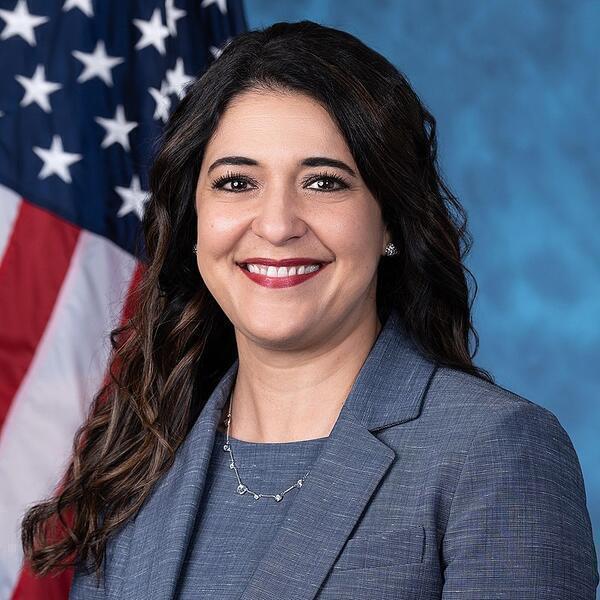
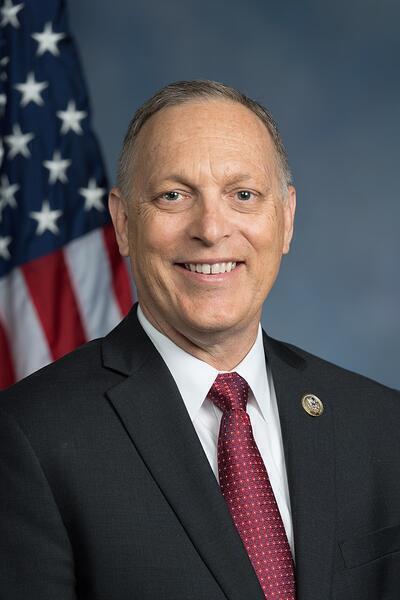
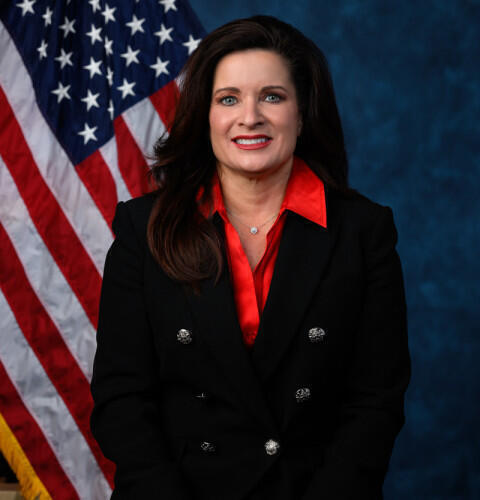



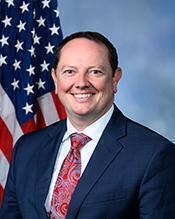
K
Ken Calvert
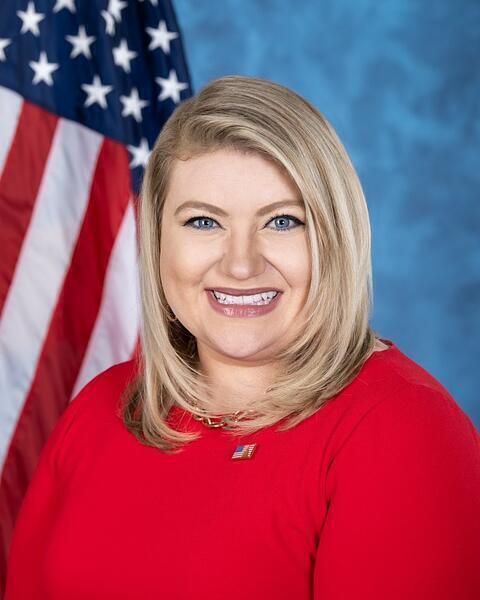

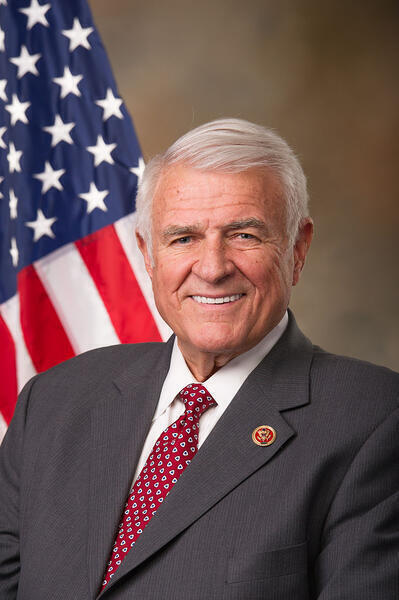
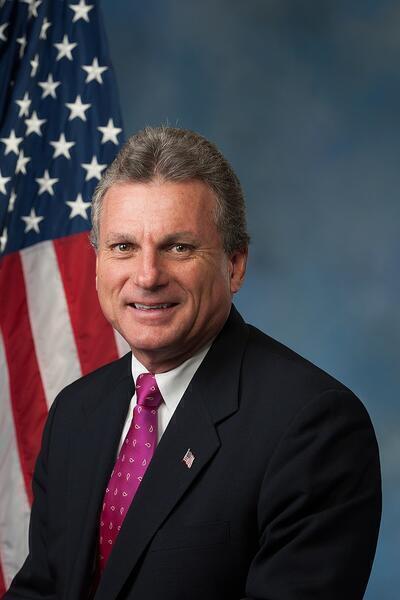







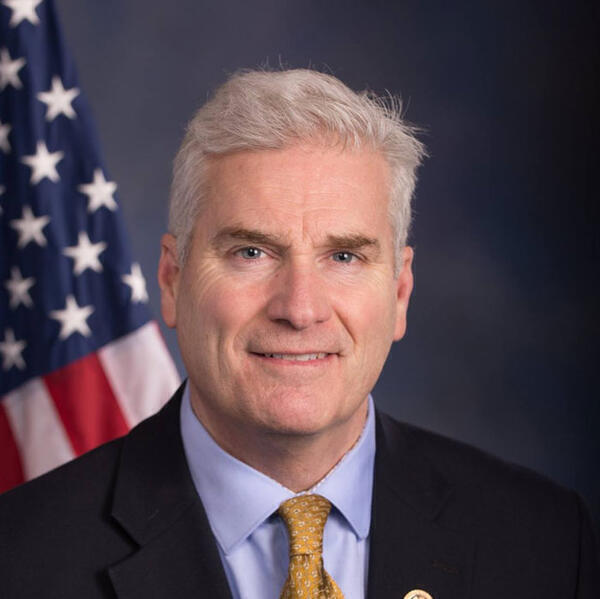
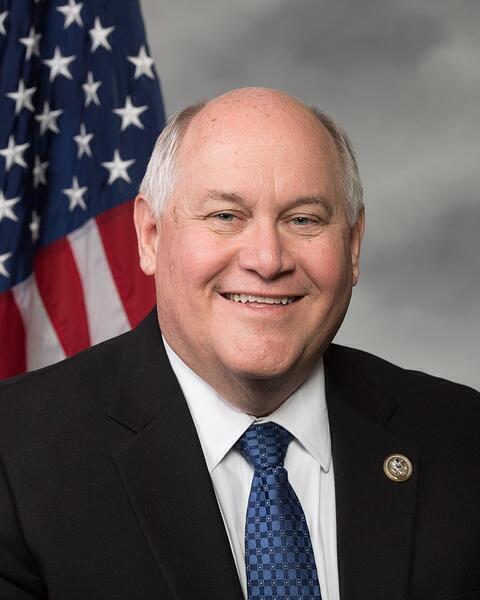


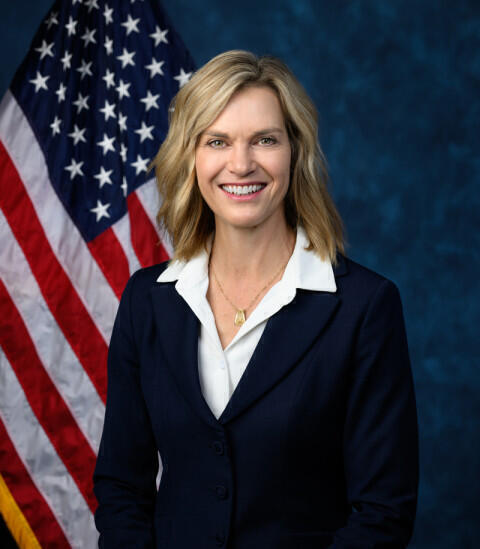





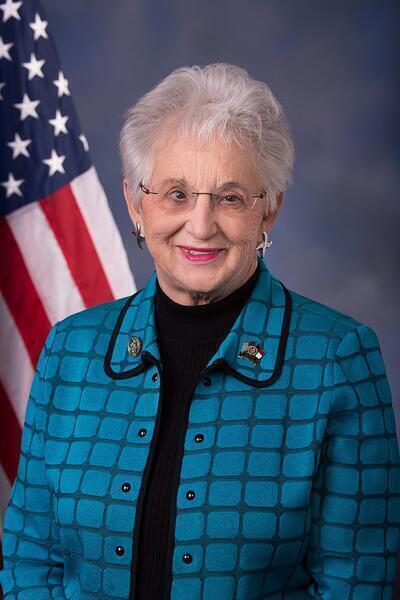
S
Scott Franklin

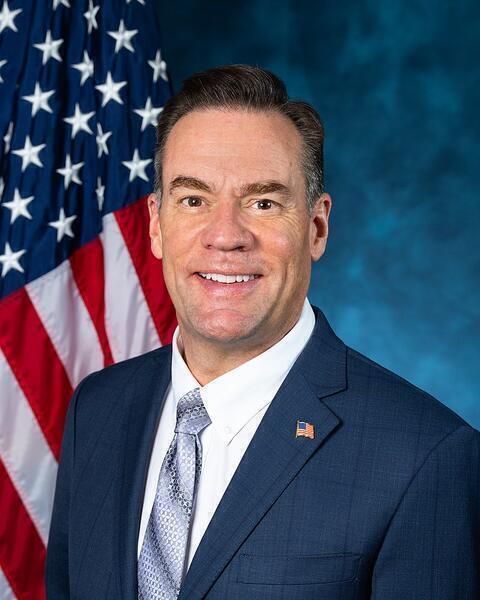
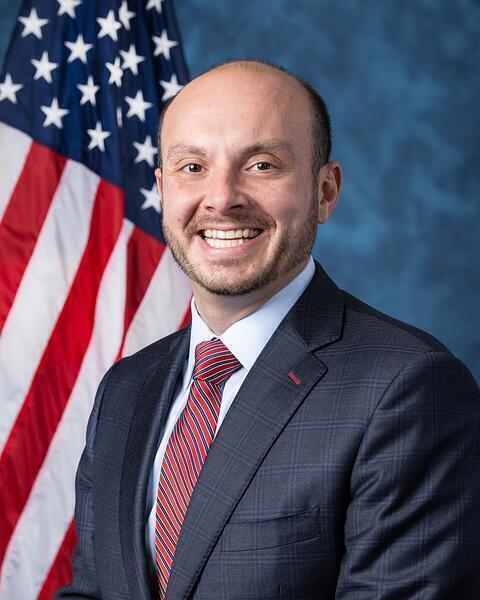
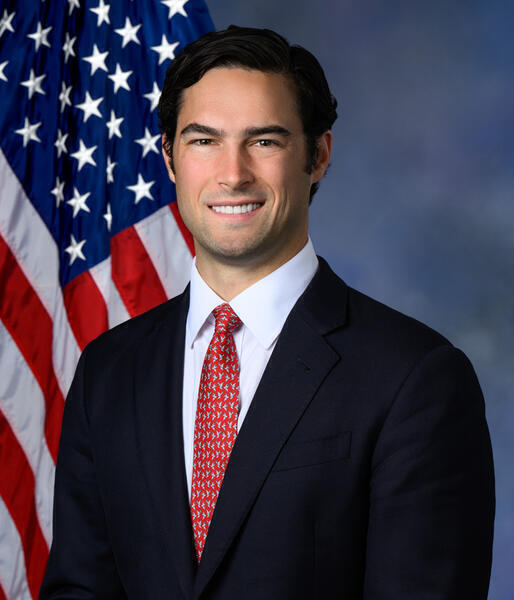


























L
Lisa McClain











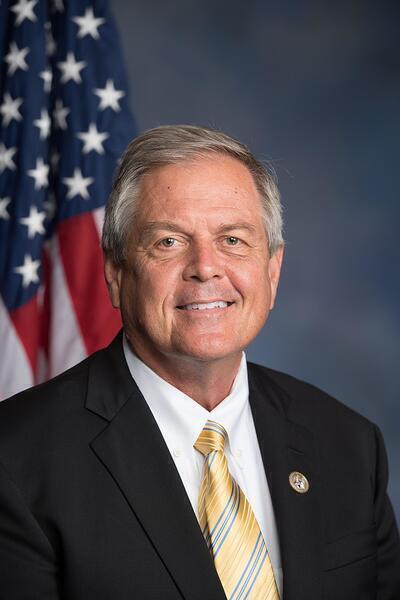
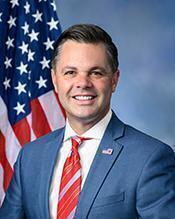
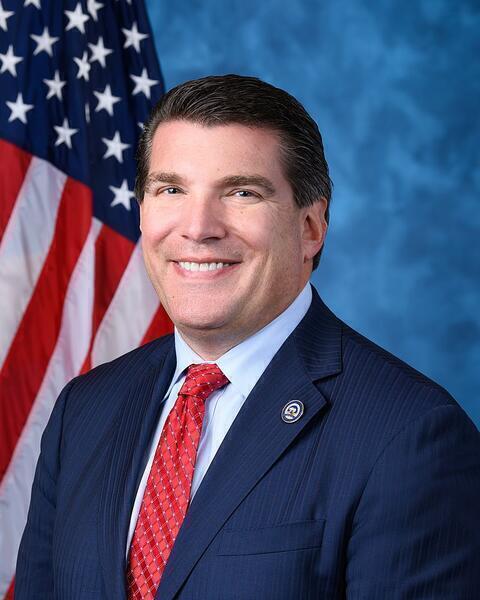
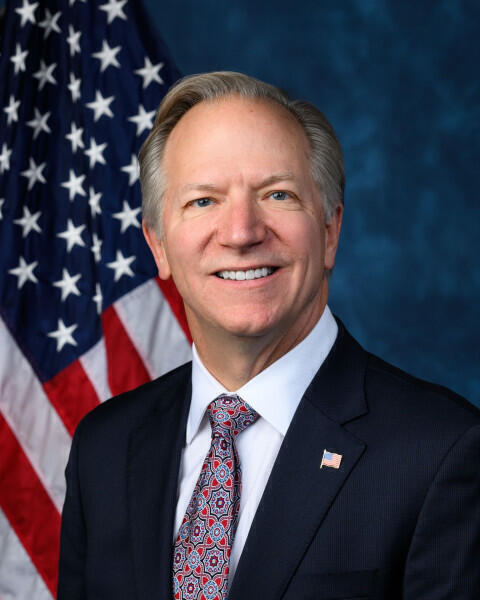



J
John Rutherford


D
David Schweikert
P
Pete Sessions









Not Voting (27)







C
Christian Menefee




N
Nydia Velázquez