H.R.4626 — Home Appliance Protection and Affordability Act
House Roll Call
H.R.4626
| Bill | H.R.4626 — Home Appliance Protection and Affordability Act |
|---|---|
| Vote question | On Passage |
| Vote type | Yea-and-Nay |
| Result | Passed |
| Totals | Yea 217 / Nay 190 / Present 0 / Not Voting 25 |
| Party | Yea | Nay | Present | Not Voting |
|---|---|---|---|---|
| R | 210 | 0 | 0 | 8 |
| D | 7 | 190 | 0 | 17 |
| I | 0 | 0 | 0 | 0 |
Research Brief
On Passage
Bill Analysis
HR 4626 – Home Appliance Protection and Affordability Act (119th Congress)
HR 4626 targets federal energy-efficiency regulation of common household appliances, aiming to limit recent and future Department of Energy (DOE) standards that could raise costs or restrict product availability.
Substantive provisions (as reported in House materials and legislative text):
Scope of appliances: Covers major residential appliances such as gas and electric stoves/ranges, ovens, refrigerators, dishwashers, clothes washers and dryers, water heaters, furnaces, and related home appliances subject to DOE efficiency standards under the Energy Policy and Conservation Act (EPCA).
Limits on DOE standards:
- Prohibits DOE from issuing, implementing, or enforcing new or amended energy conservation standards that would effectively ban or materially limit the availability of existing appliance types or common consumer features (e.g., certain burner configurations, oven sizes, or cycle options).
- Requires that any new standard be “technologically feasible and economically justified” with explicit consideration of purchase price, product performance, consumer choice, and impacts on low‑income households.
- Bars standards that would force a switch away from widely used fuel types (notably natural gas) by making compliant models impracticable or unaffordable.
Consumer protection tests:
- Directs DOE to conduct more granular cost-benefit and market-impact analyses, including regional impacts and effects on renters and low‑income consumers.
- Requires transparent public reporting and comment opportunities before finalizing rules.
Judicial and administrative review:
- Clarifies that affected manufacturers, retailers, states, and consumers may challenge DOE rules that allegedly violate these new constraints.
- May tighten the evidentiary basis DOE must show in the administrative record to defend standards.
Agencies and funding:
- Primarily affects DOE’s Office of Energy Efficiency and Renewable Energy and its appliance standards program.
- Does not create major new spending programs; implementation is expected to rely on existing DOE appropriations and staff.
Beneficiaries and regulated parties:
- Benefits: appliance manufacturers, retailers, gas utilities, and consumers (especially cost‑sensitive and low‑income households) through preserved product variety and potentially lower upfront prices.
- Regulated: DOE’s rulemaking authority is constrained; manufacturers remain subject to federal standards but with added statutory protections against overly stringent rules.
Timeline:
- Provisions generally take effect upon enactment and apply to pending and future DOE appliance rulemakings.
- As of latest action, the bill has passed the House and is pending in the Senate Committee on Energy and Natural Resources.
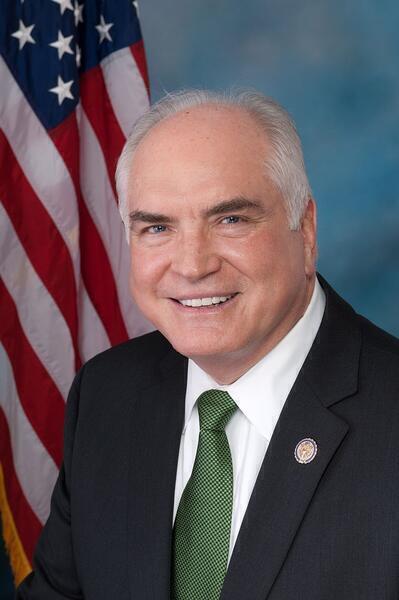
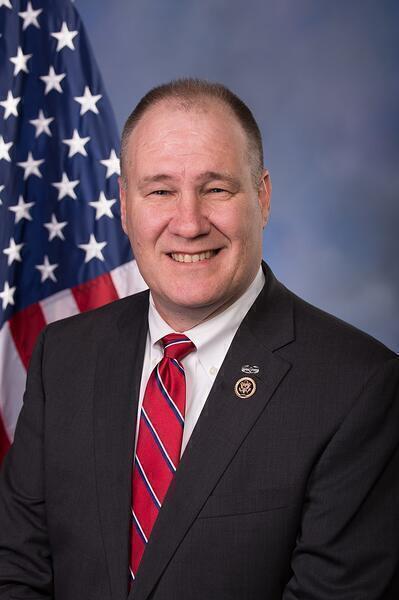
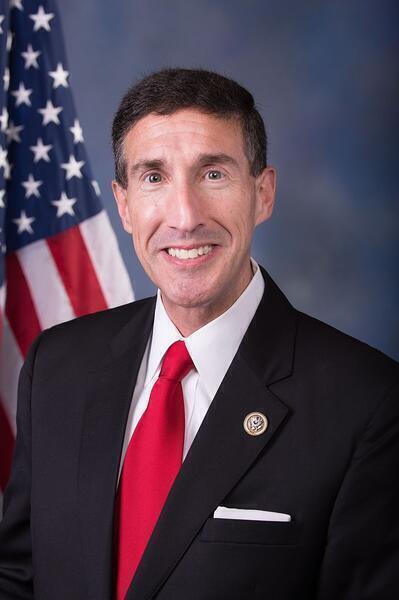
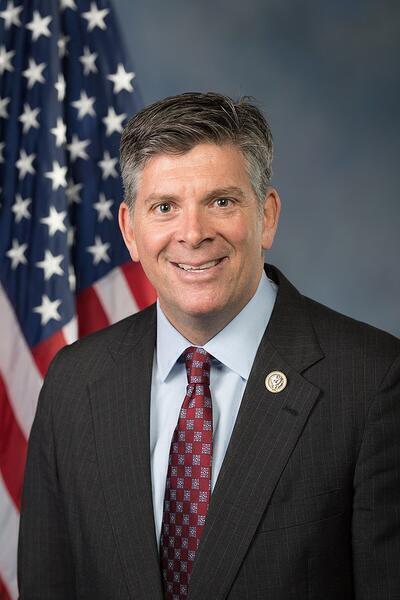
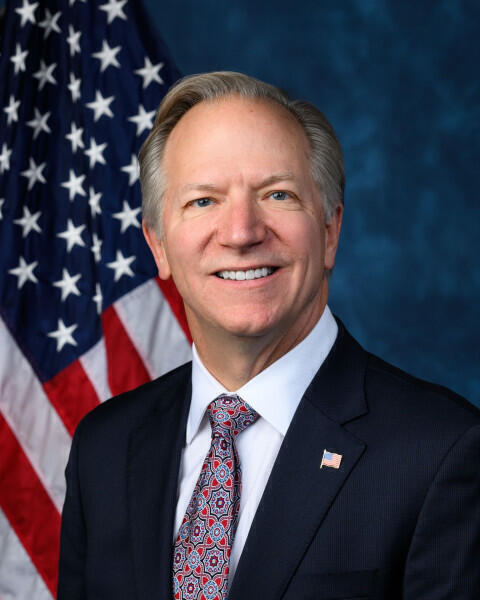
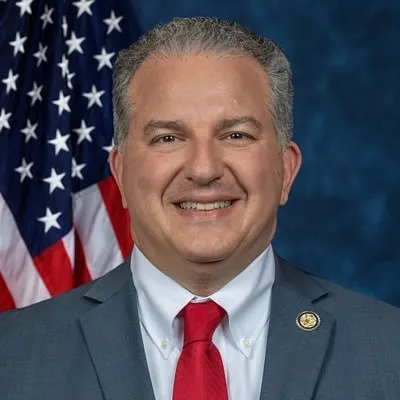
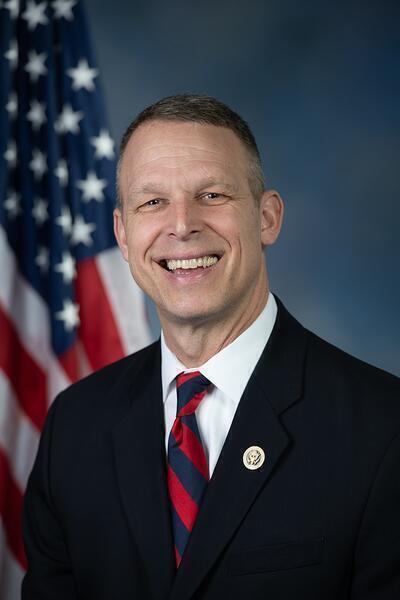
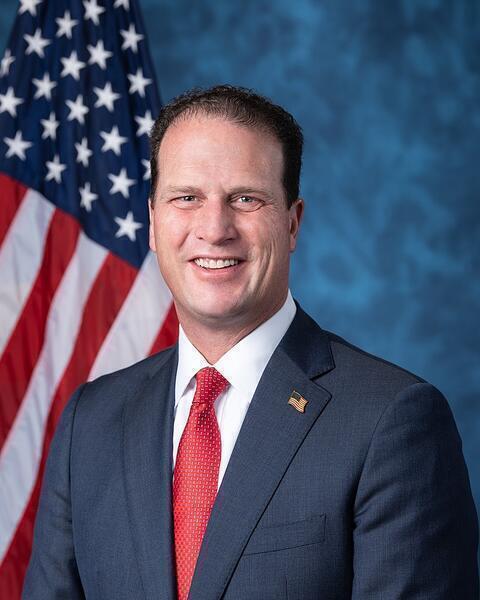
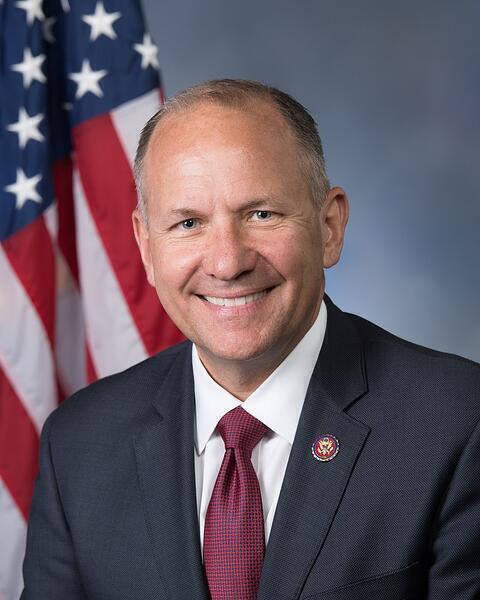
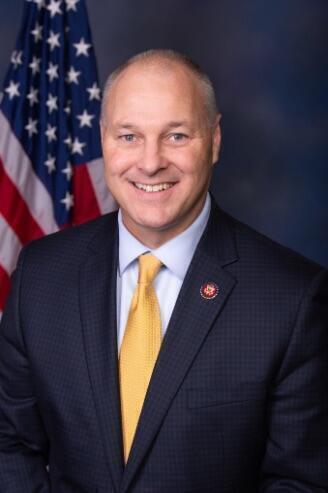
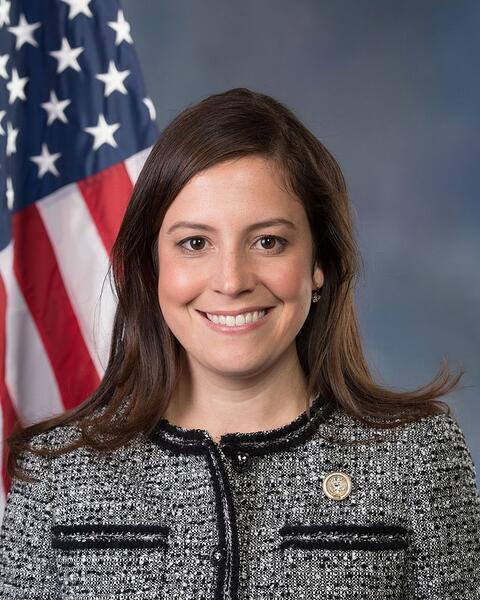
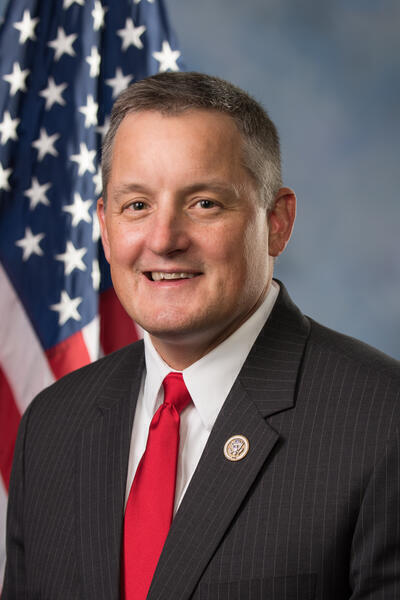
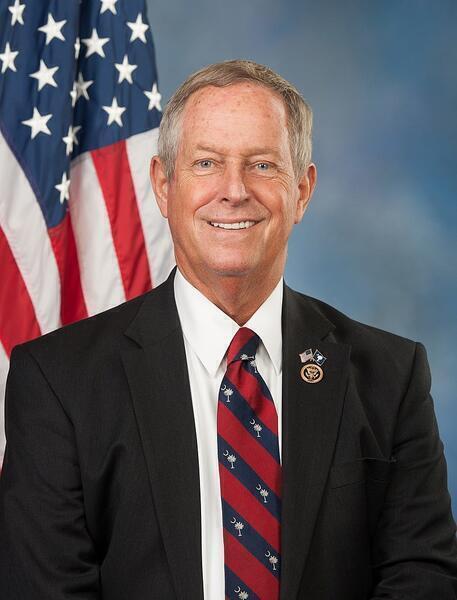
Yea (217)


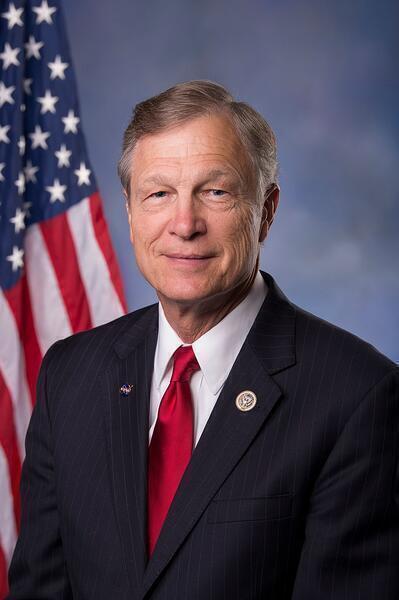

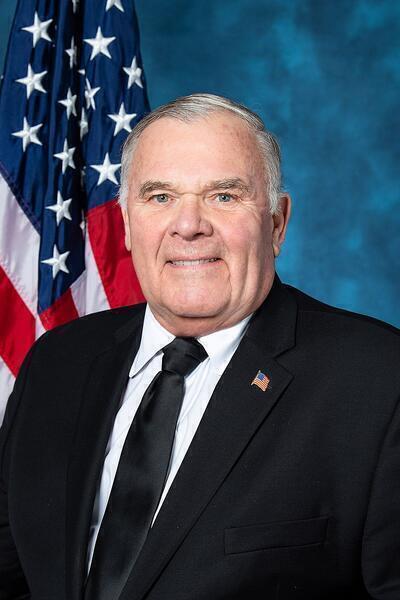

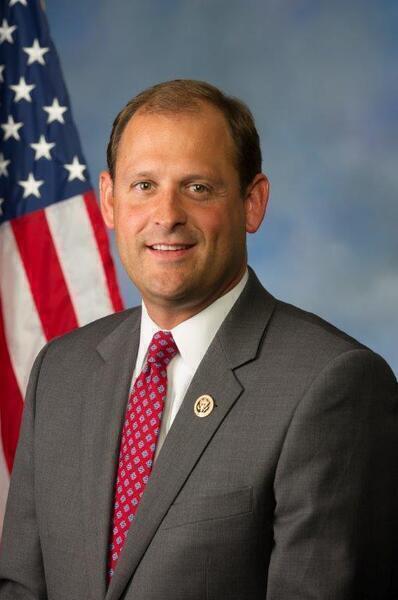




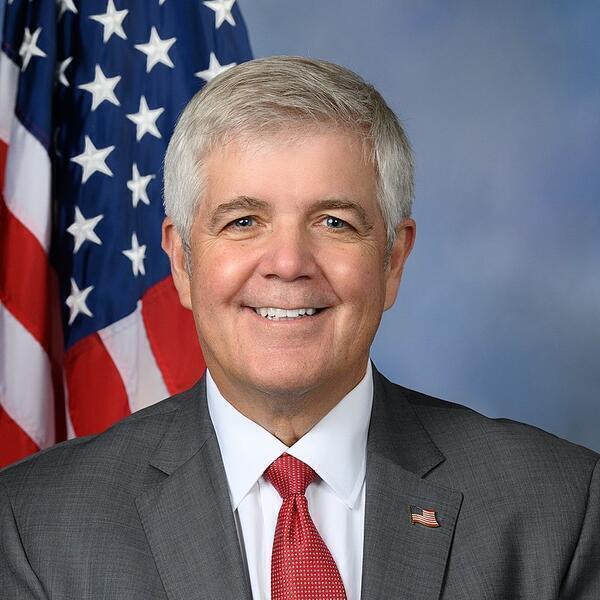
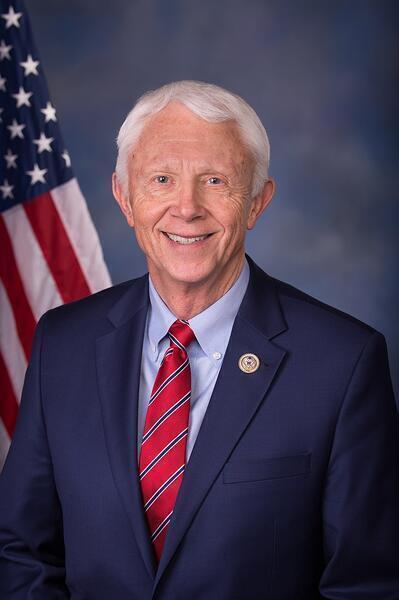

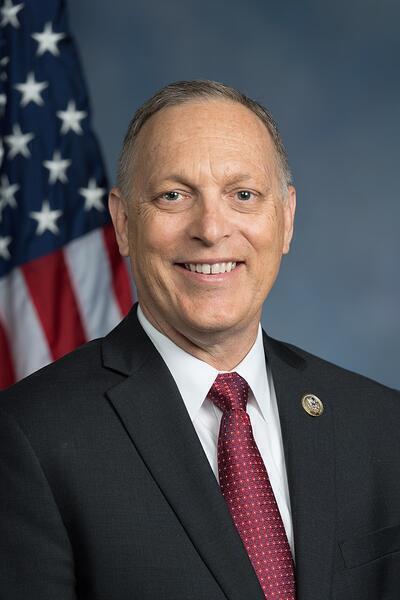
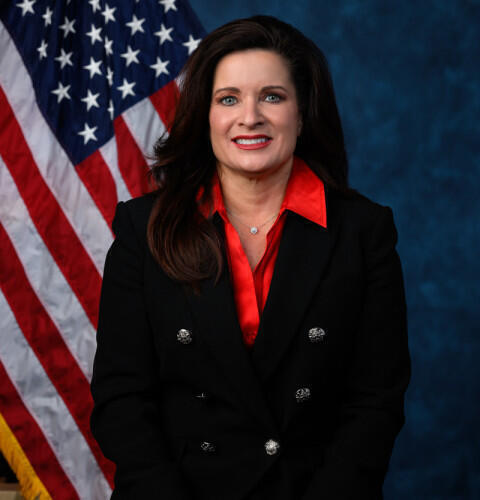
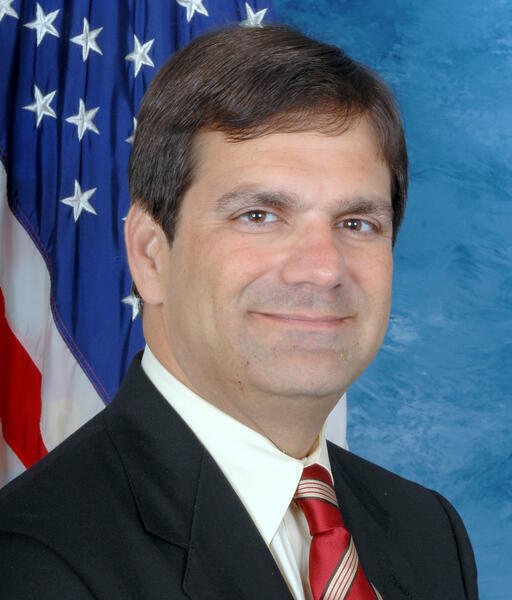
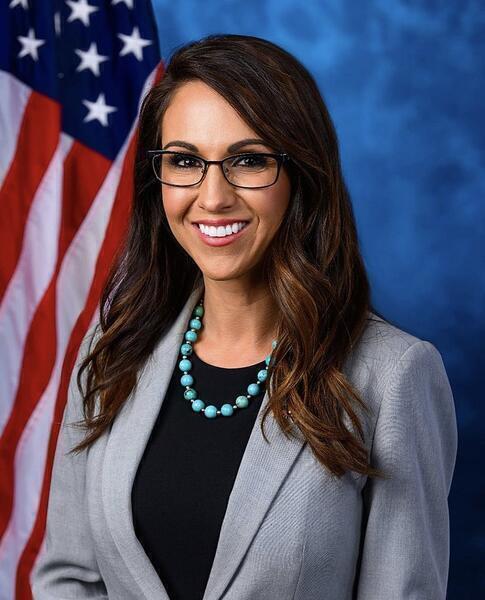
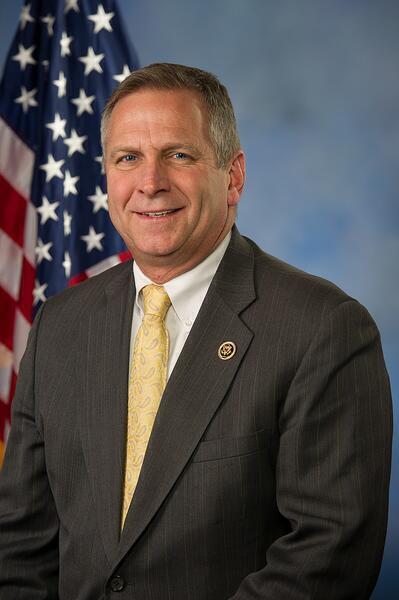




K
Ken Calvert
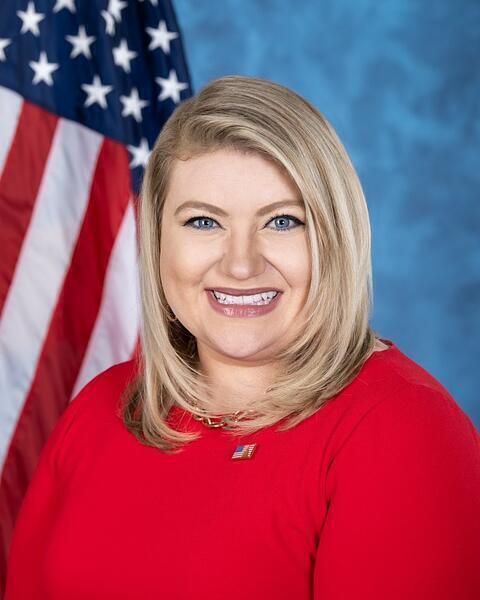

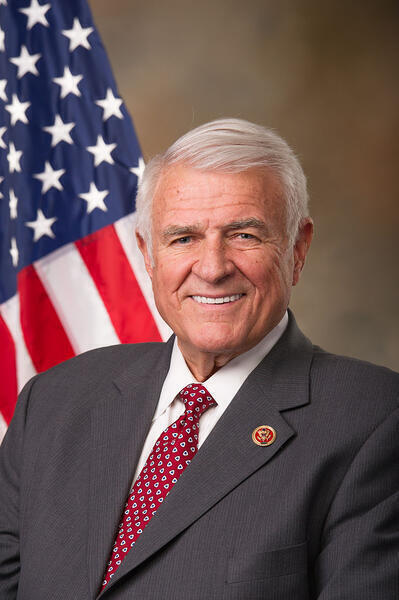
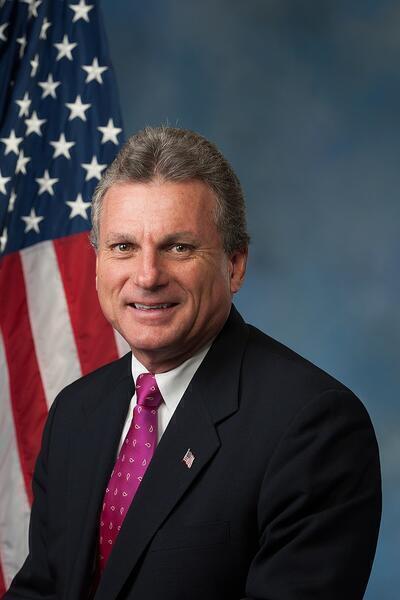




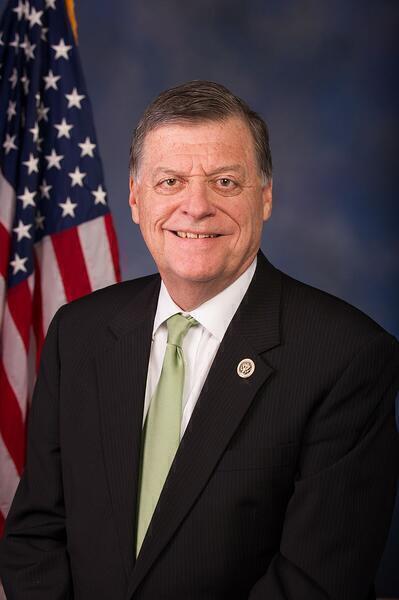
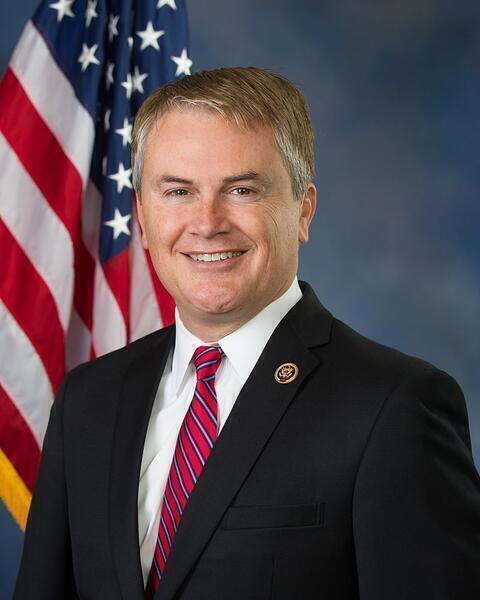

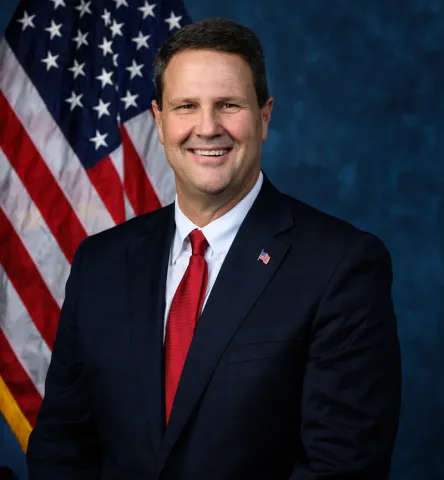


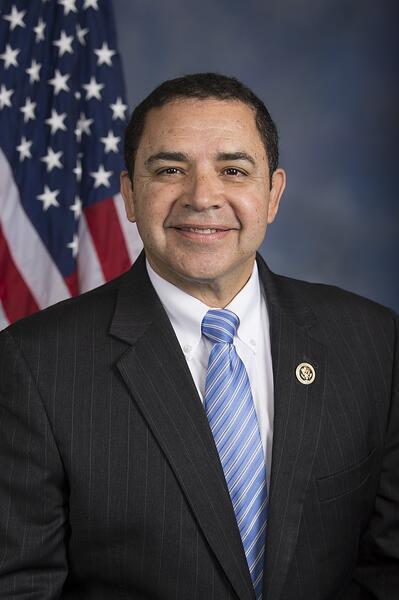
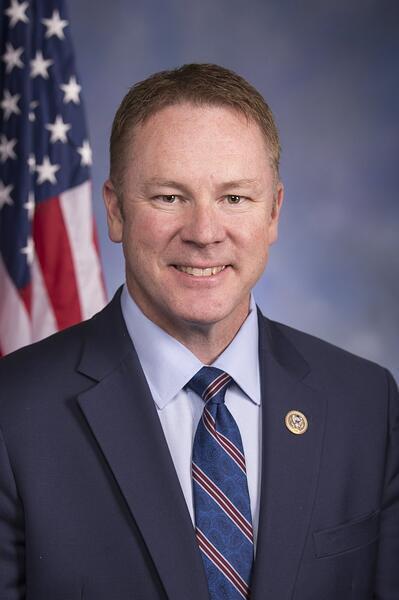




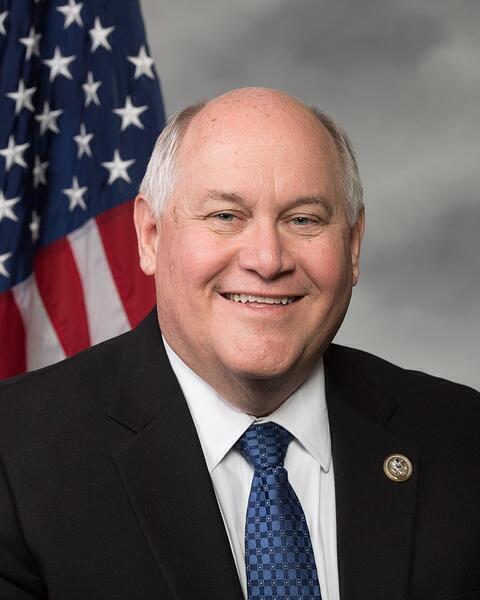





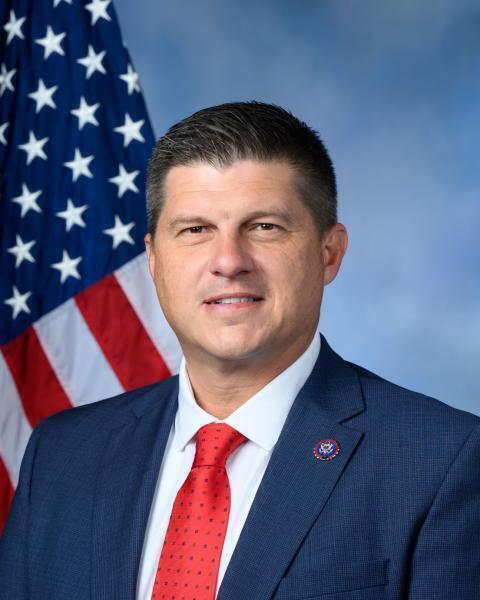
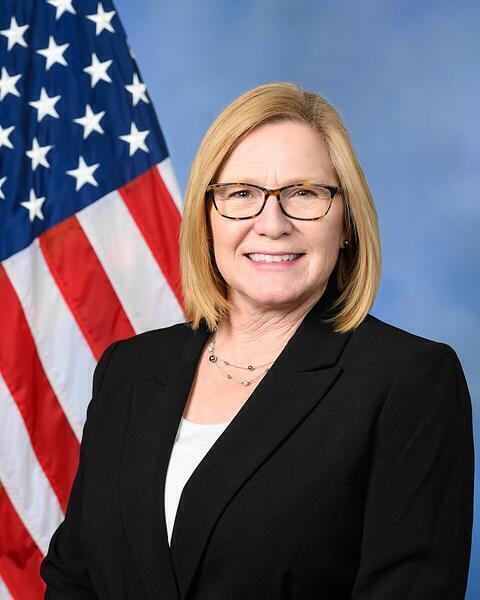



S
Scott Franklin


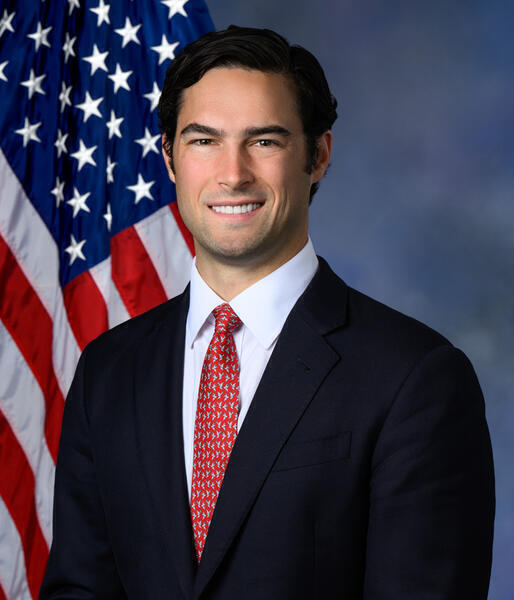
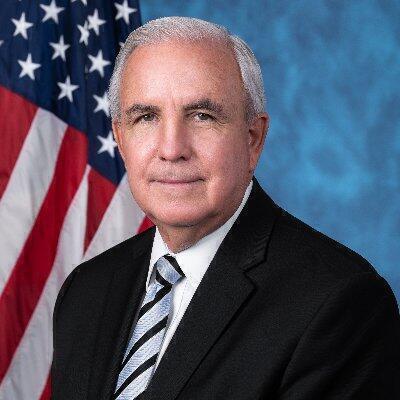


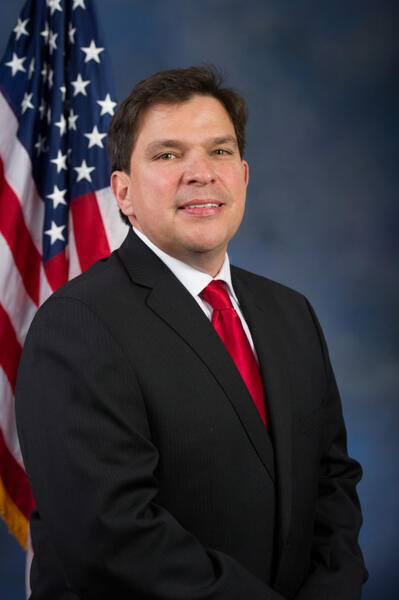
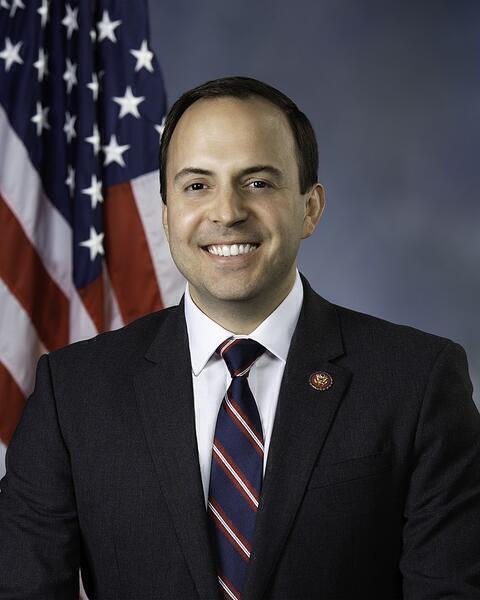




















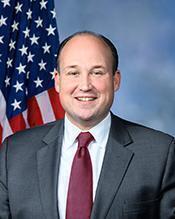
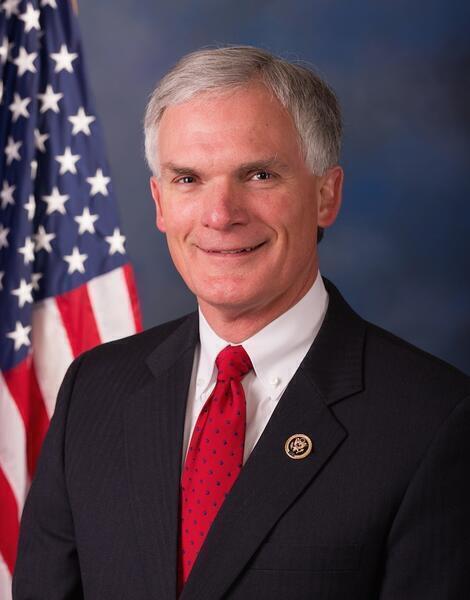




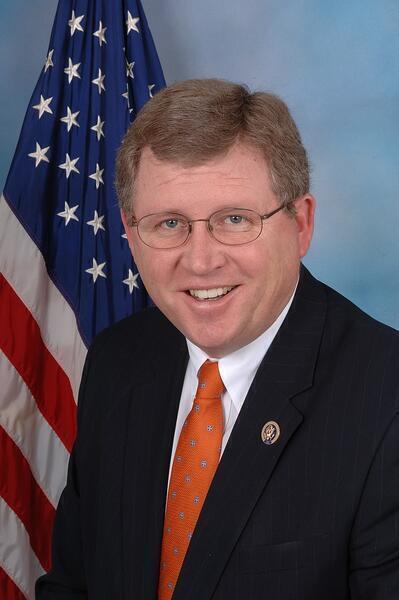


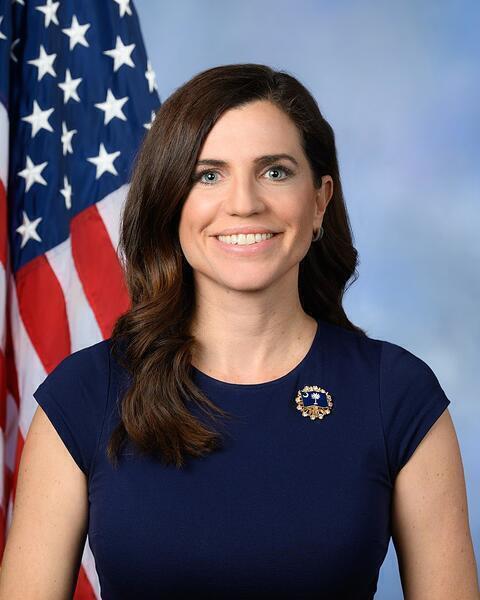

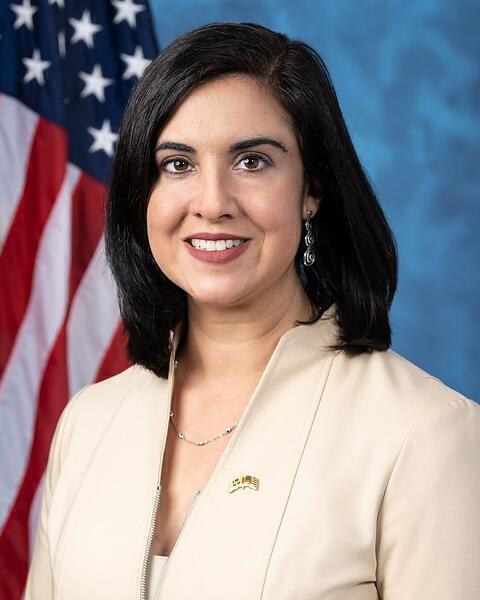
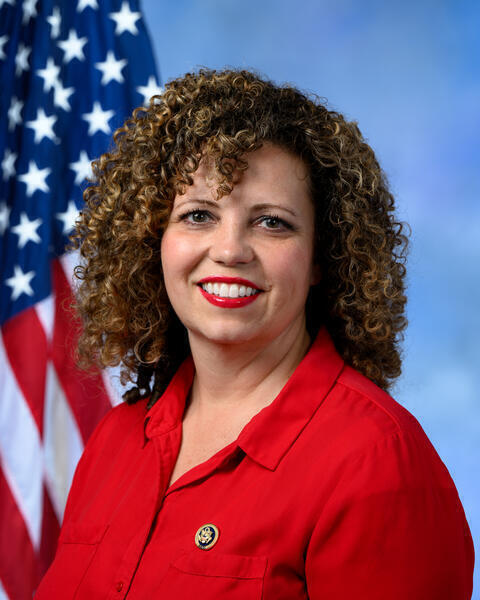


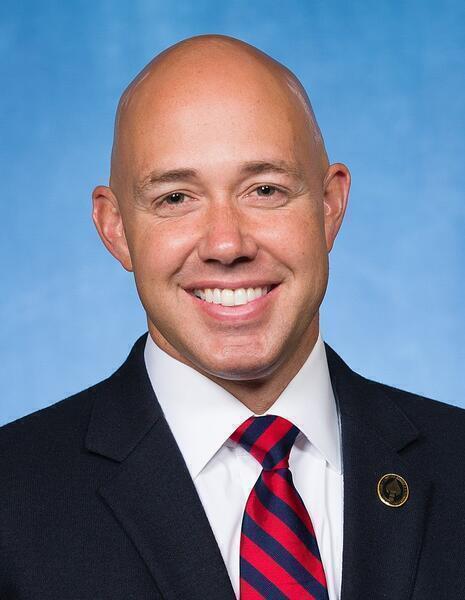
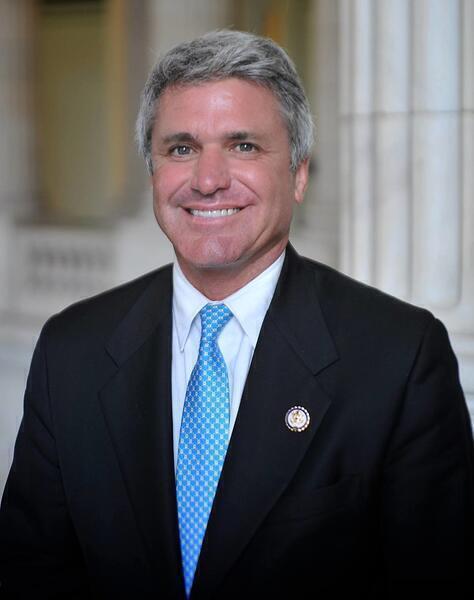
L
Lisa McClain














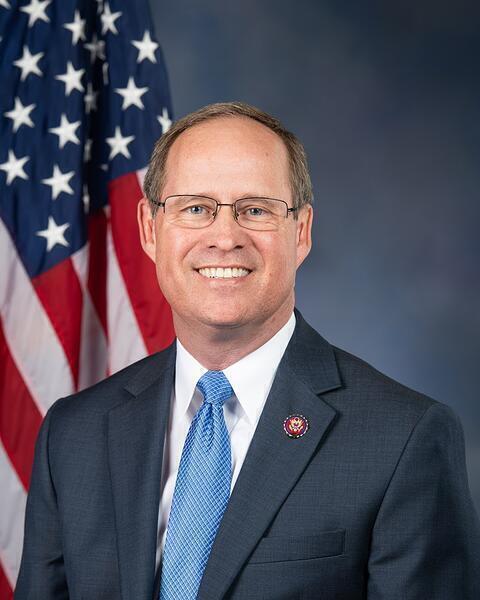
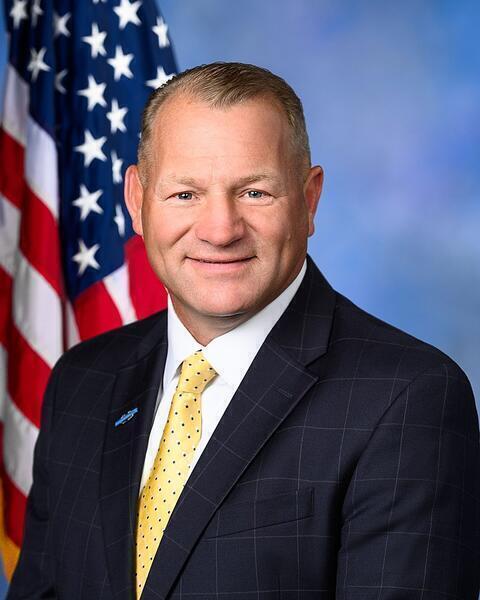

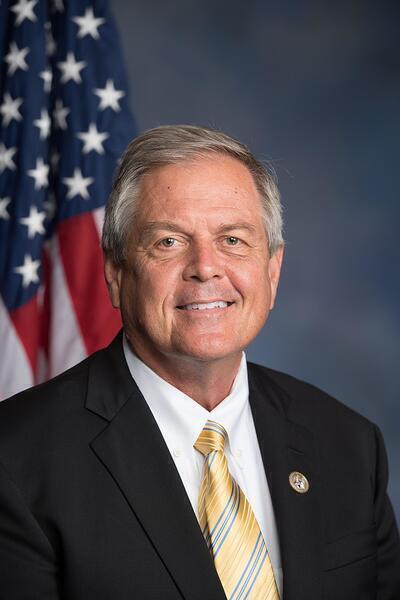

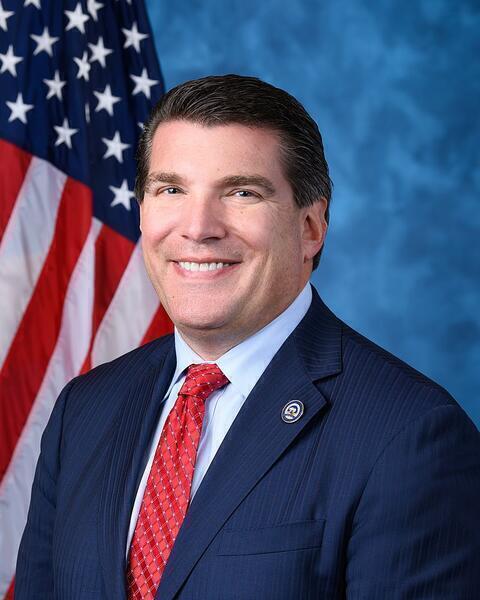



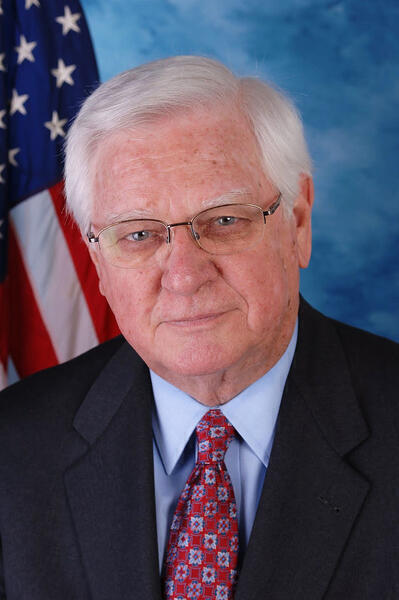

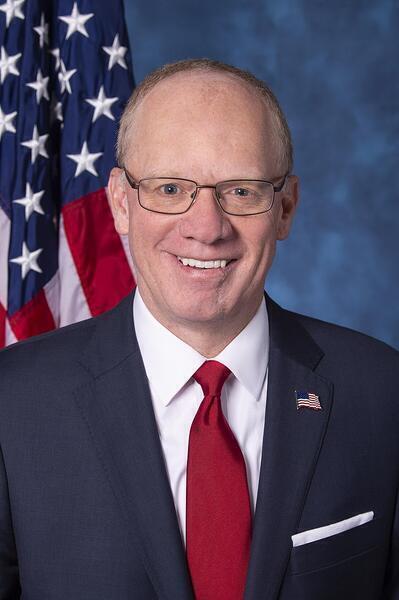
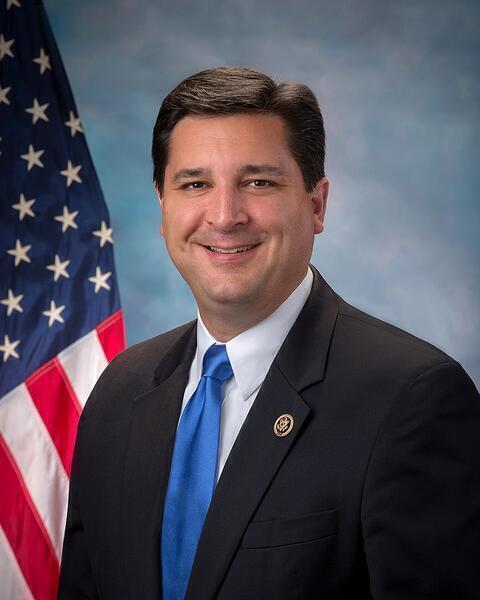
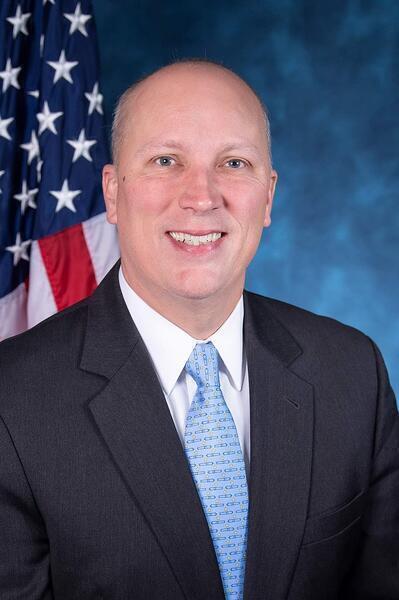

J
John Rutherford



D
David Schweikert
P
Pete Sessions






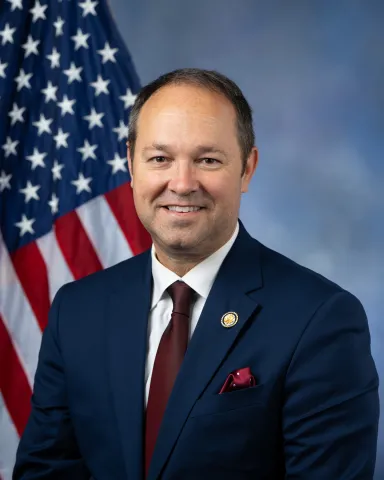
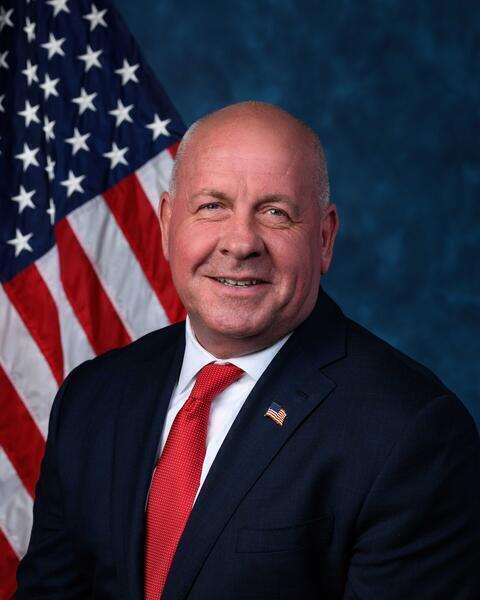
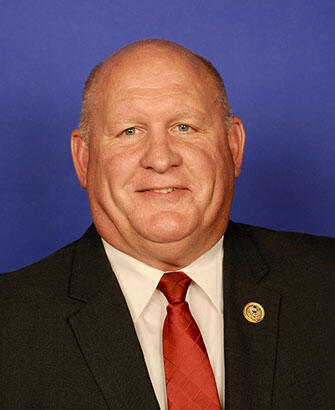

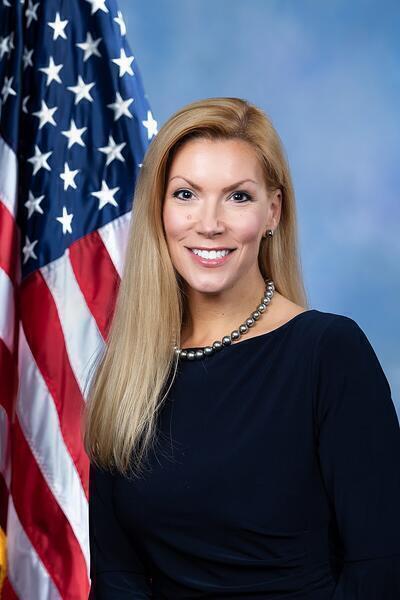


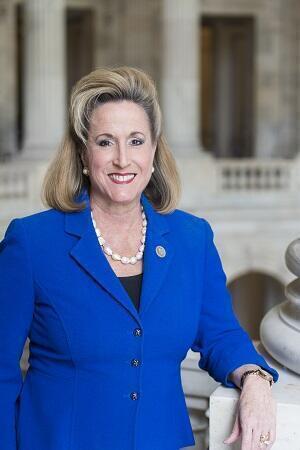
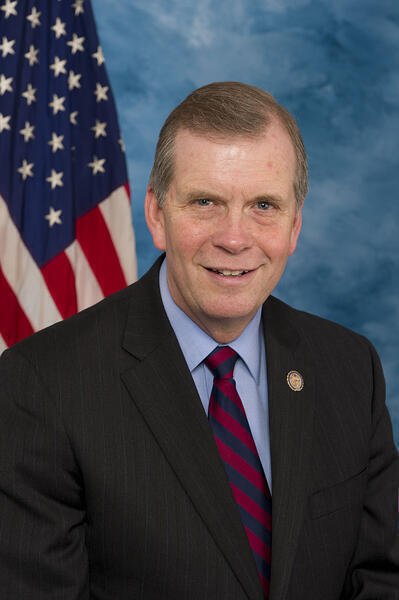
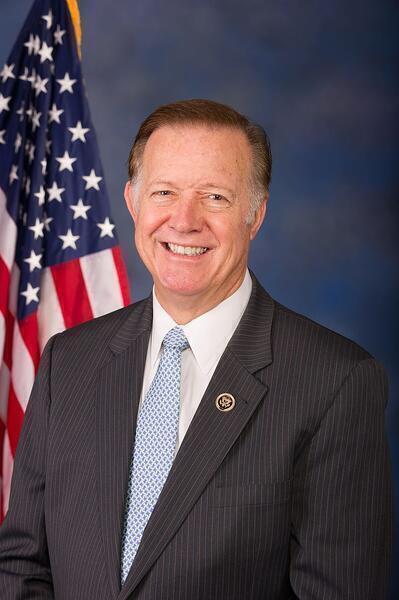





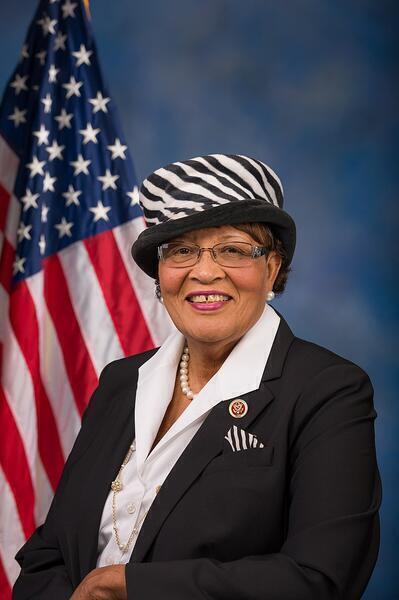
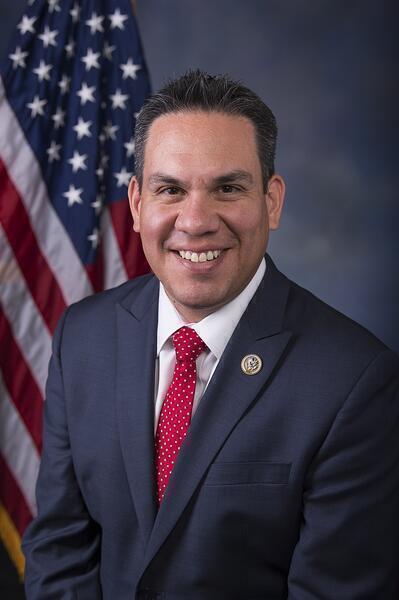
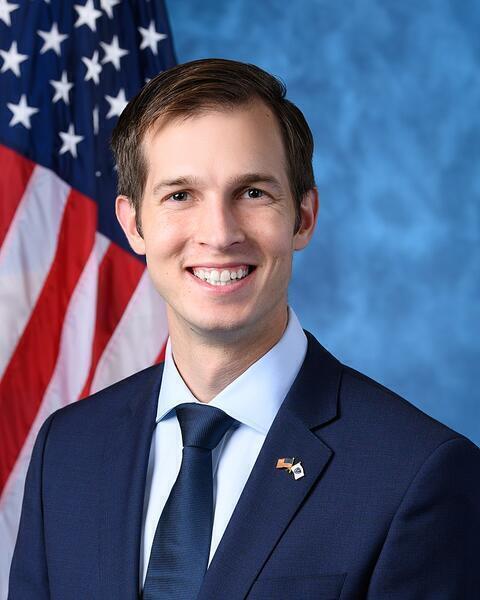
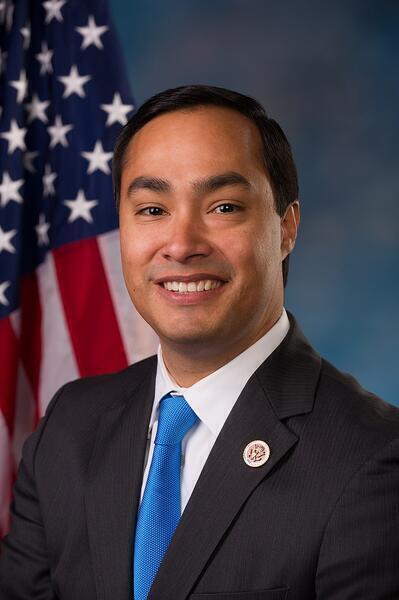
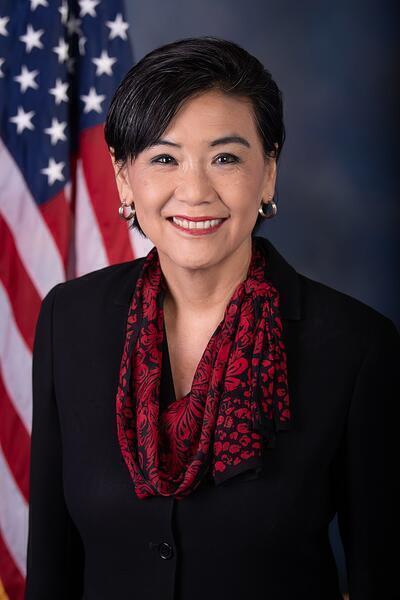
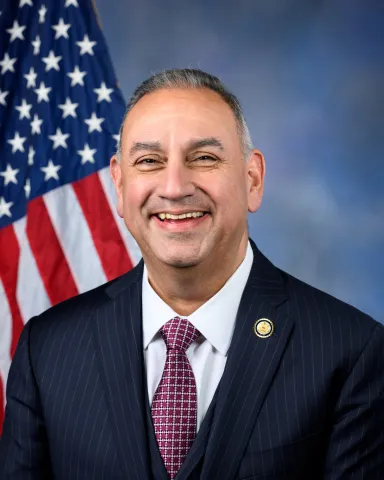
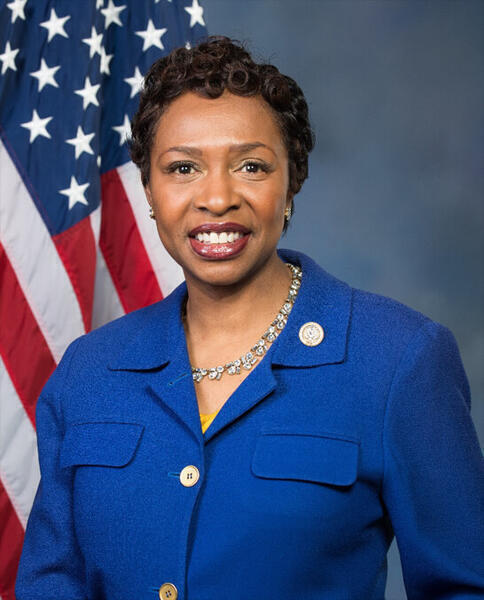
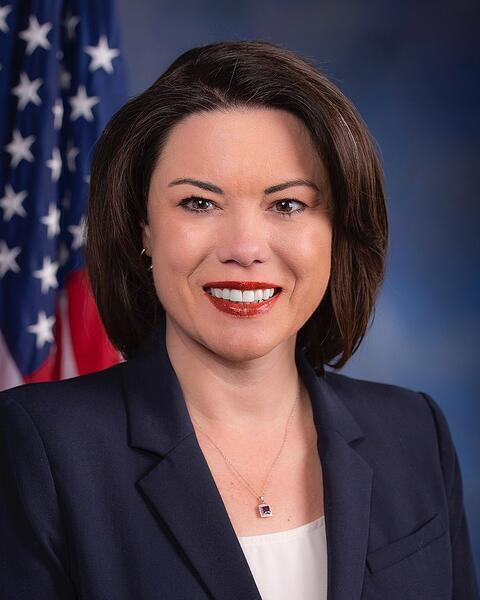
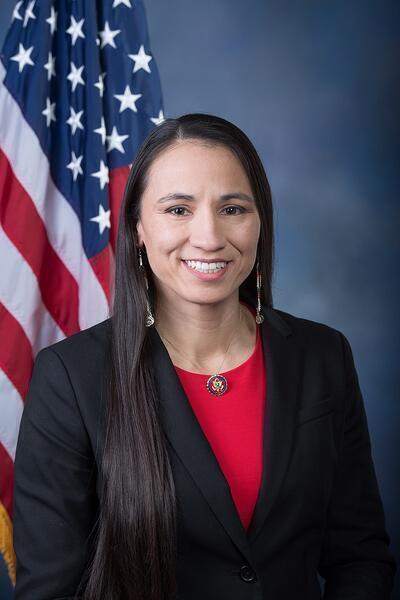
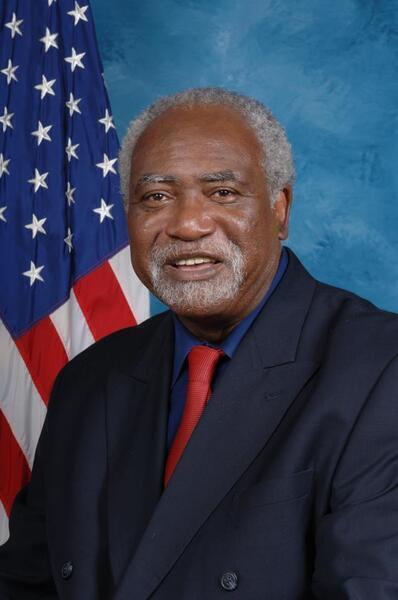
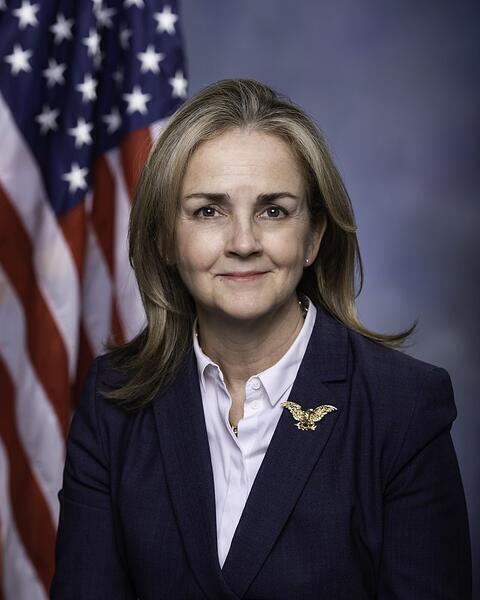
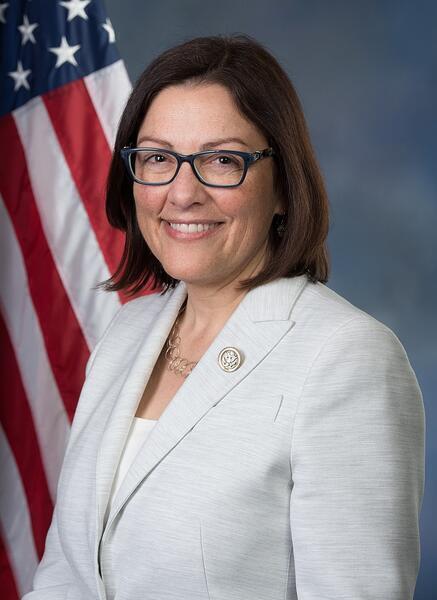
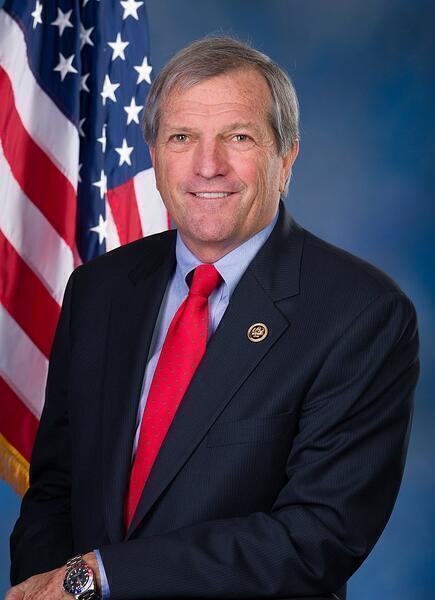
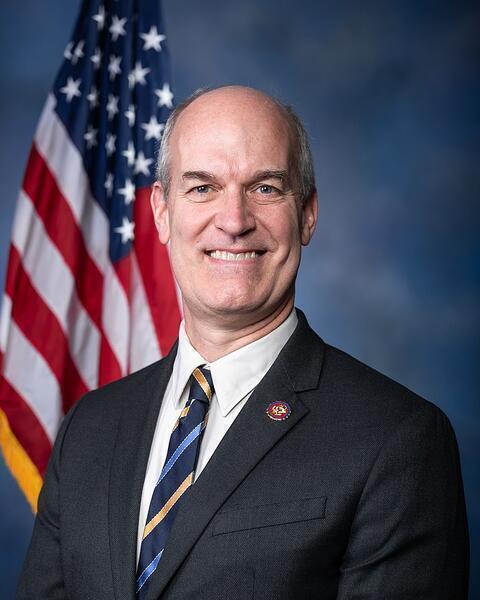
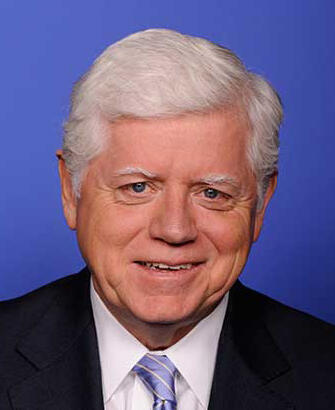
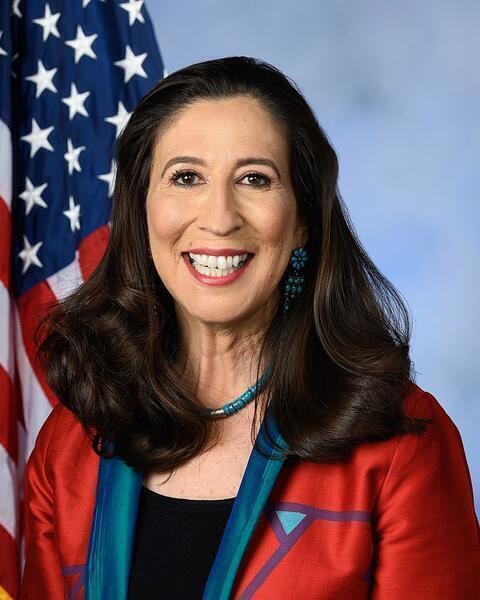
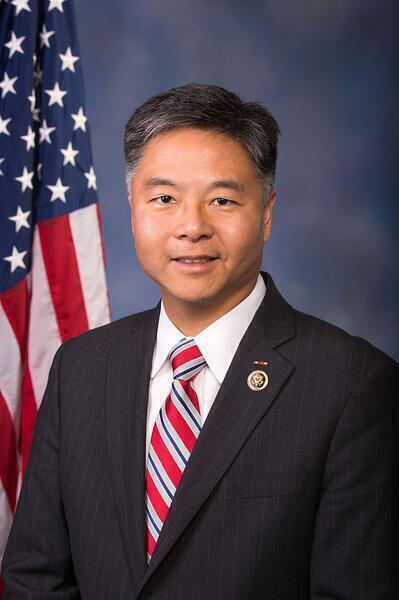
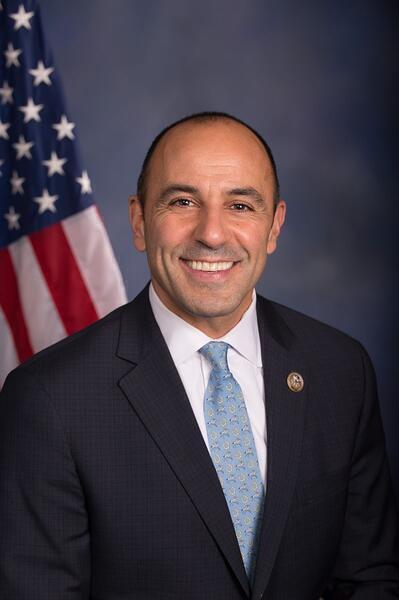
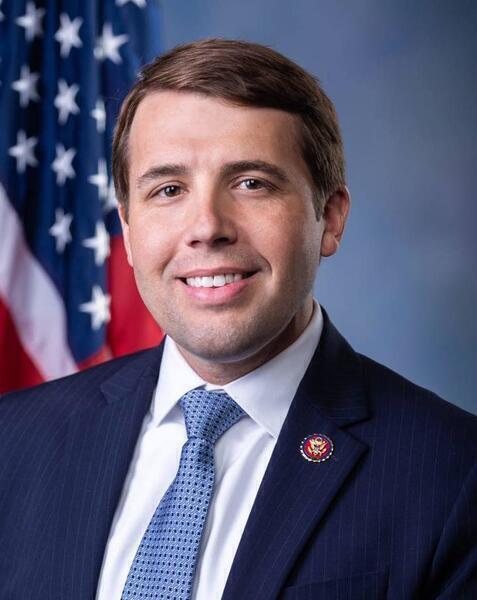
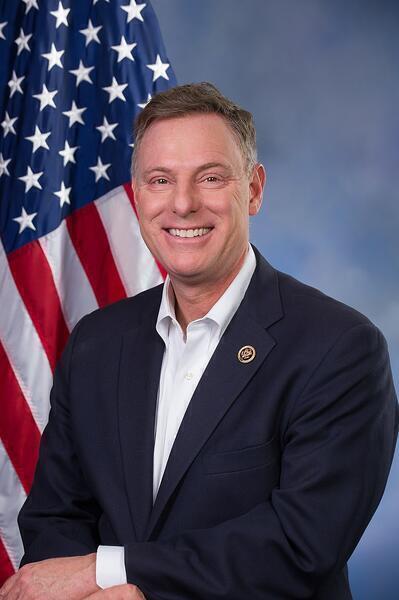
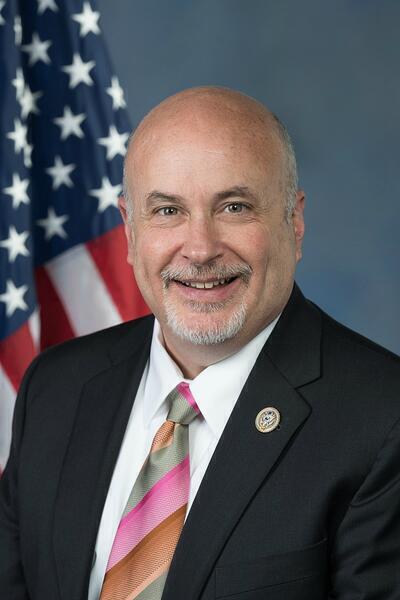
Nay (190)












J
Jason Crow





L
Lloyd Doggett

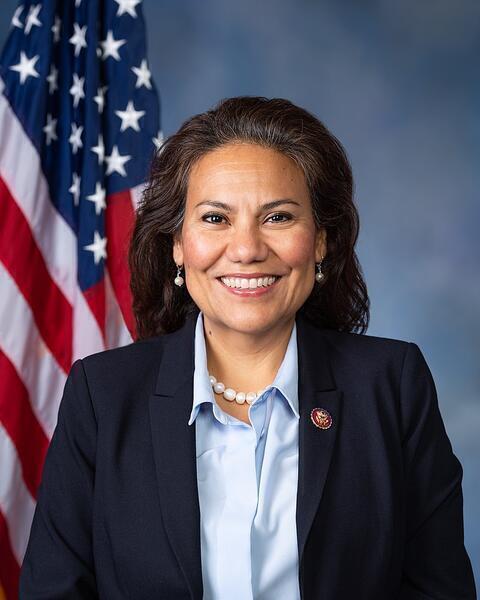
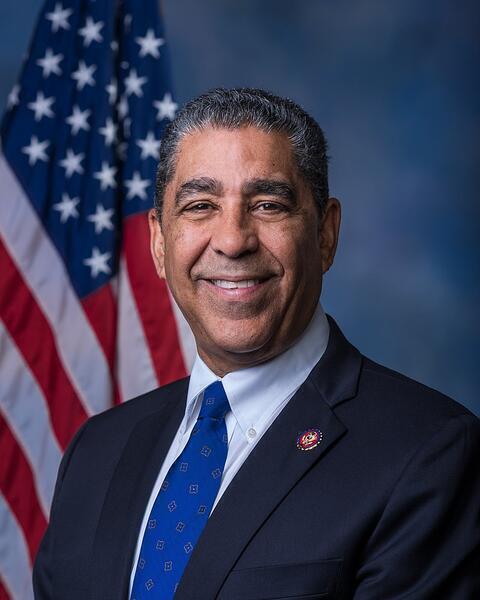




J
John Garamendi







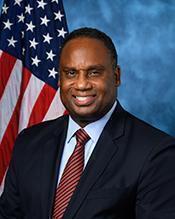

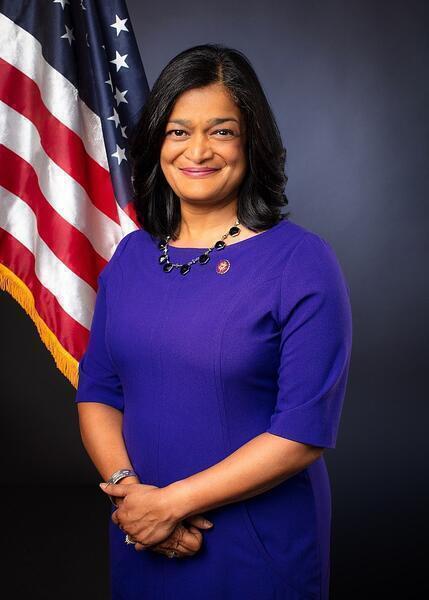
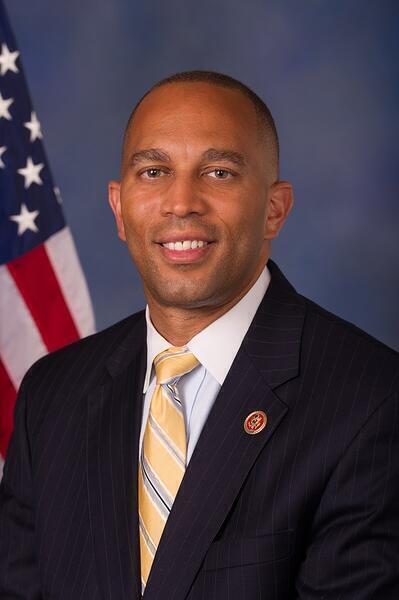
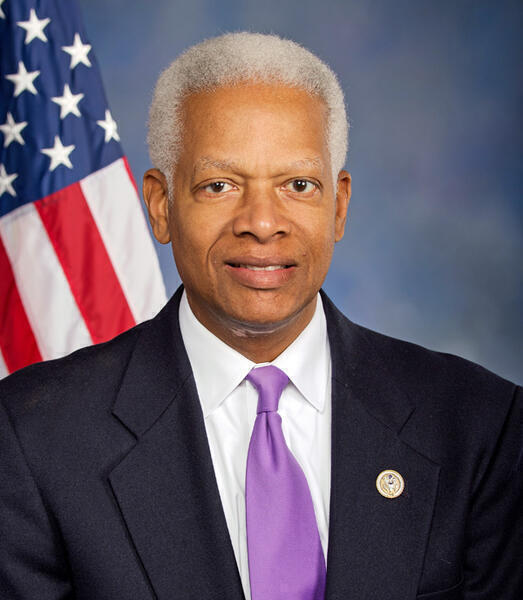








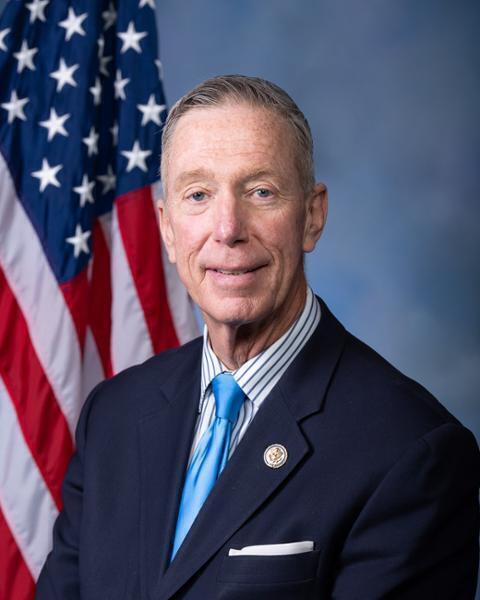
J
John Mannion

L
Lucy McBath

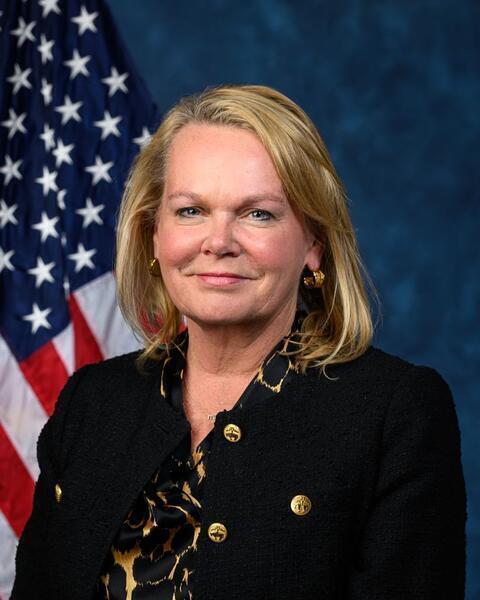
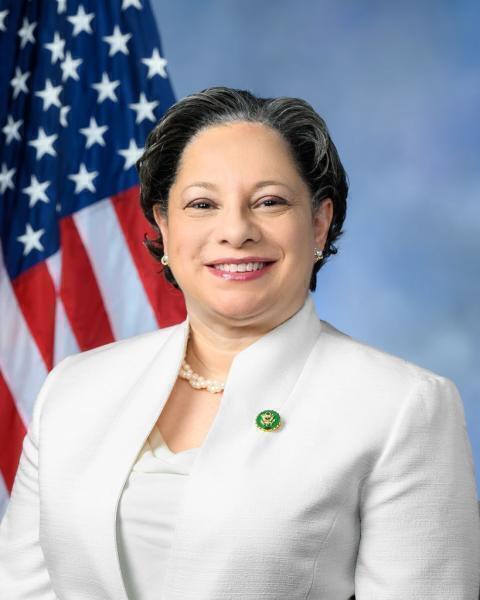
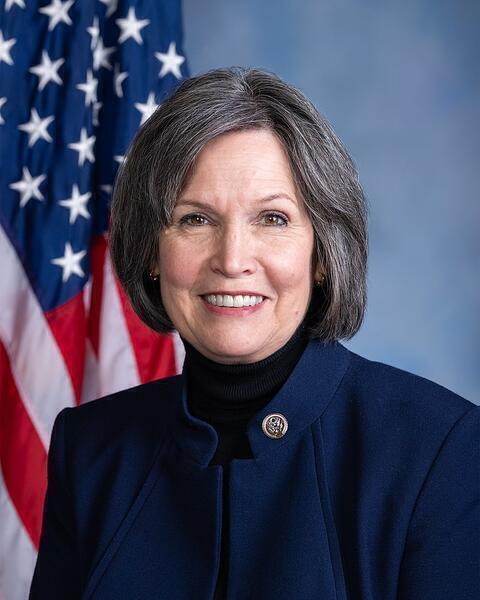



















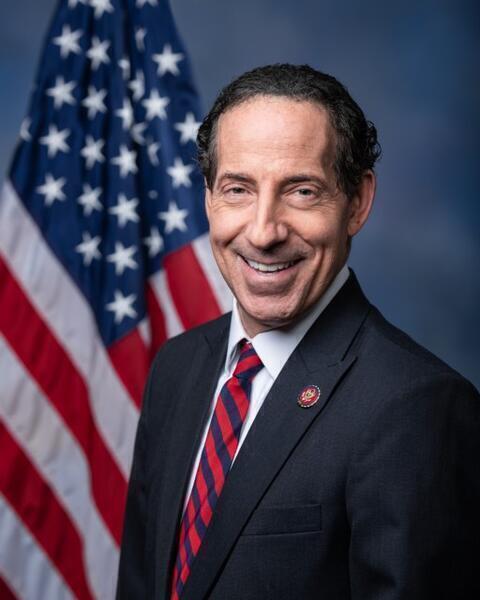


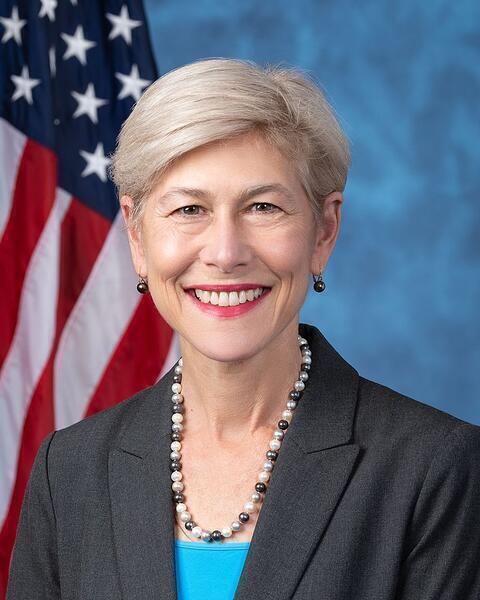
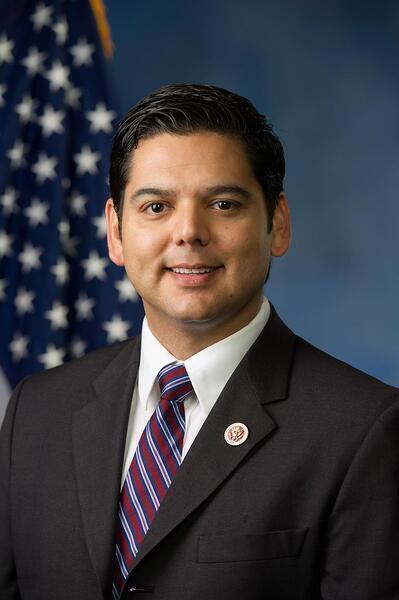


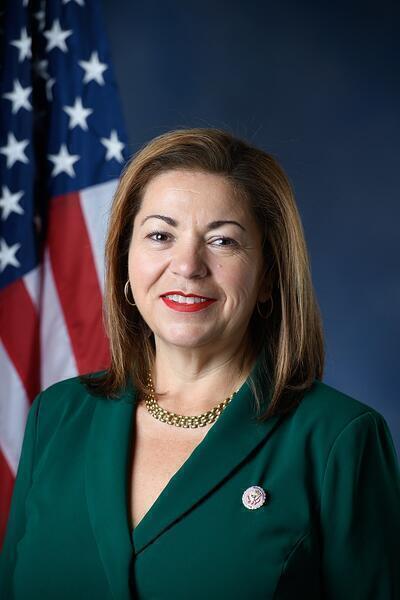

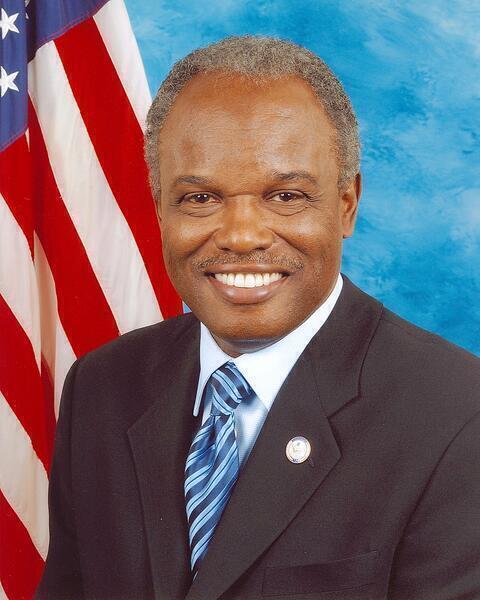

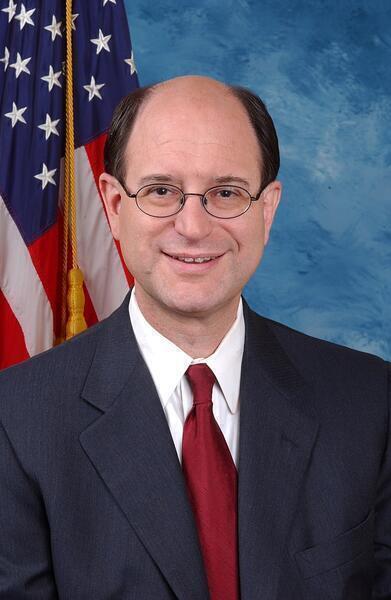



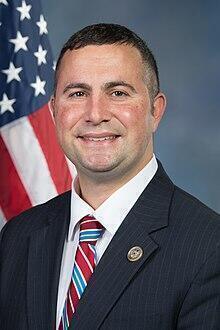



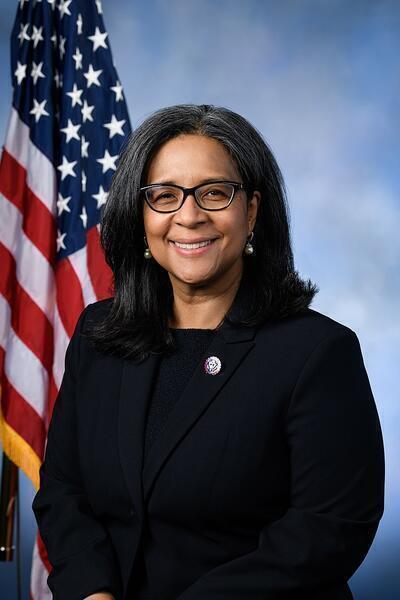

E
Eric Swalwell


R
Rashida Tlaib







D
Debbie Wasserman Schultz


Not Voting (25)










C
Christian Menefee





N
Nydia Velázquez