H.R.4758 — Homeowner Energy Freedom Act
House Roll Call
H.R.4758
| Bill | H.R.4758 — Homeowner Energy Freedom Act |
|---|---|
| Vote question | On Motion to Recommit |
| Vote type | Yea-and-Nay |
| Result | Failed |
| Totals | Yea 198 / Nay 208 / Present 0 / Not Voting 26 |
| Party | Yea | Nay | Present | Not Voting |
|---|---|---|---|---|
| R | 0 | 208 | 0 | 10 |
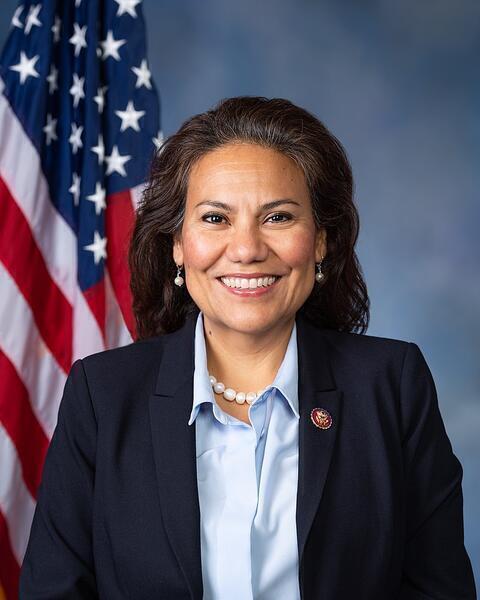
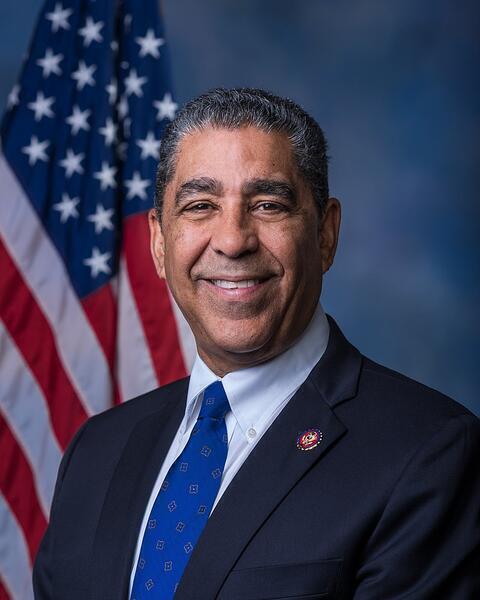
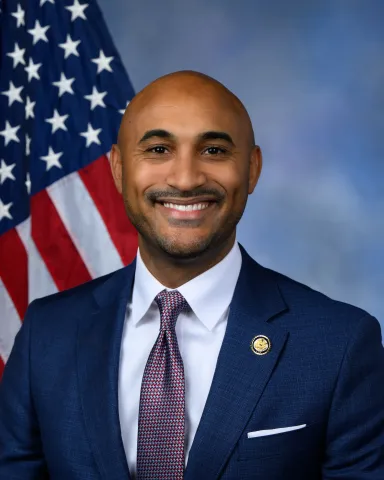
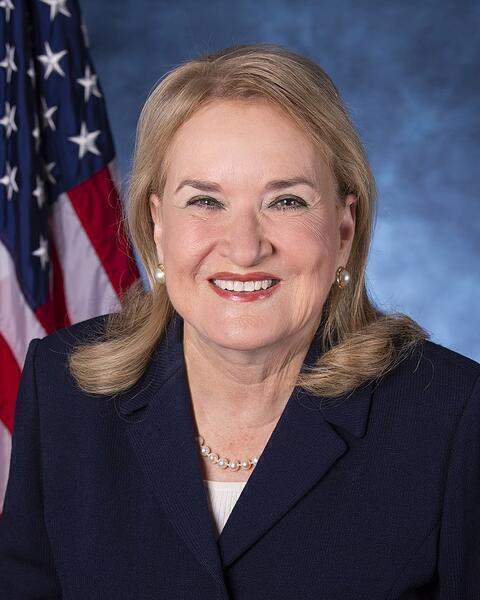
| D | 198 | 0 | 0 | 16 |
| I | 0 | 0 | 0 | 0 |
Research Brief
On Motion to Recommit
Bill Analysis
The Homeowner Energy Freedom Act (H.R. 4758, 119th Congress) amends federal energy and consumer protection law to expand residential access to distributed energy technologies—primarily rooftop solar, battery storage, and related home energy systems—and to limit practices that impede homeowner adoption.
Substantively, the bill:
Prohibits certain restrictions on installing rooftop solar and other distributed energy resources (DERs) on residential properties, including by homeowners’ associations (HOAs), condominium associations, and similar private governing bodies, except for narrowly tailored health, safety, or structural standards. It bars “unreasonable” aesthetic or placement rules that materially increase cost or decrease system performance.
Directs the Federal Energy Regulatory Commission (FERC) and the Department of Energy (DOE) to develop model interconnection standards and technical guidelines for residential DERs, intended for adoption by states and utilities. These standards must address safety, grid reliability, and streamlined permitting.
Requires the Federal Trade Commission (FTC) to issue rules on fair marketing, disclosure, and contract terms for residential solar and storage providers, including clear presentation of total costs, financing terms, performance estimates, and transferability on home sale. It authorizes FTC enforcement and civil penalties for deceptive or unfair practices.
Authorizes DOE to provide technical assistance and competitive grants to states, local governments, and public utility commissions to modernize interconnection, permitting, and inspection processes (“one-stop” or online permitting), with priority for jurisdictions reducing soft costs and timelines for residential projects.
Encourages, and in some cases conditions eligibility for certain DOE assistance on, state adoption of consumer-protection standards and non-discriminatory treatment of residential DERs in utility tariffs and interconnection rules.
Primary beneficiaries are homeowners (including condo owners) seeking to install rooftop solar or storage, residential solar and DER providers facing fragmented rules, and state/local regulators receiving technical support. Regulated or affected entities include HOAs and similar associations, residential solar companies, state utility regulators, and, indirectly, electric utilities.
Key timelines typically include: FTC rulemaking within roughly 1 year of enactment; DOE model standards and technical guidance within 1–2 years; and phased implementation of grant-supported permitting reforms over several years, subject to appropriations. The bill’s grant and technical assistance authorities are authorized for multiple fiscal years, contingent on annual congressional funding.
Yea (198)





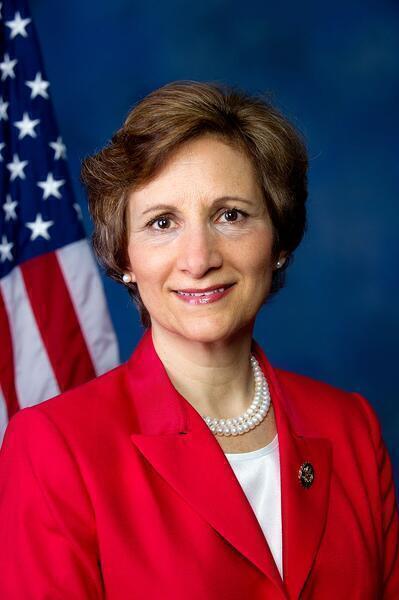
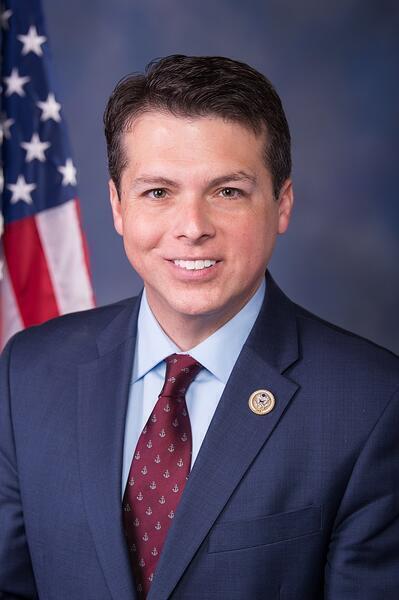

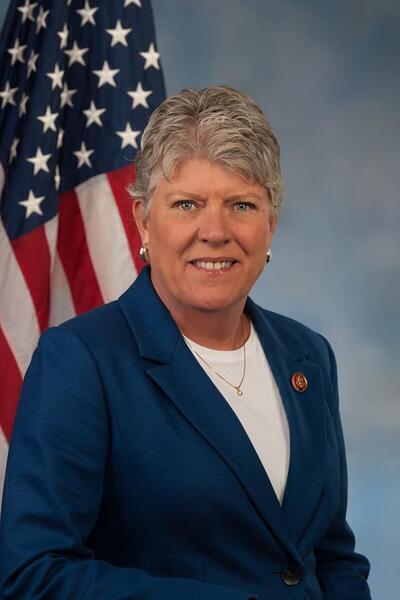











J
Jason Crow
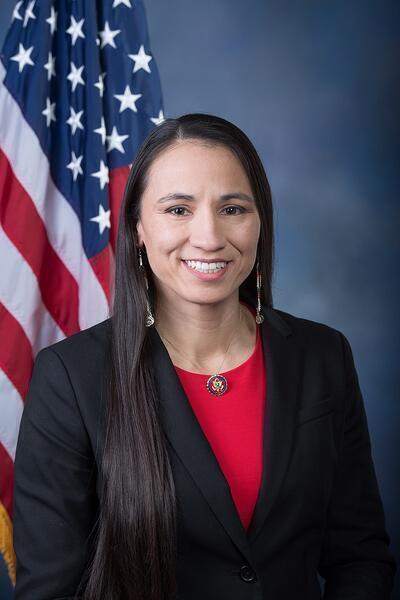
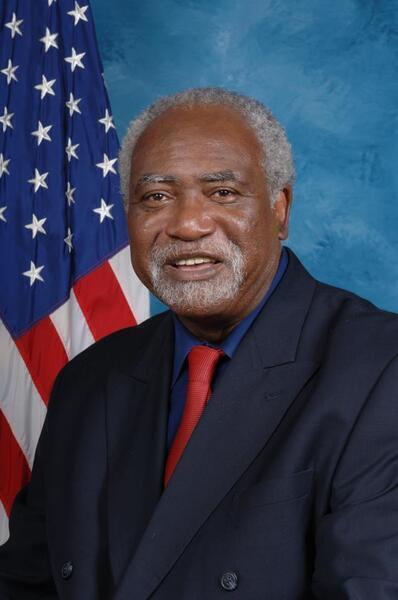




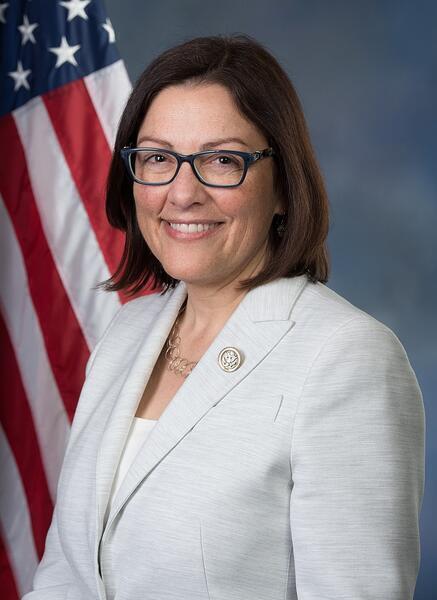

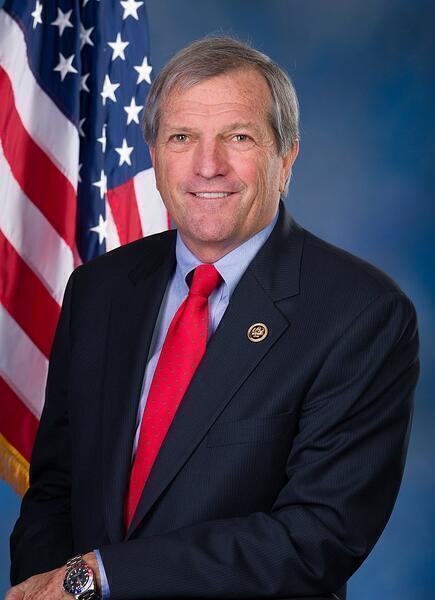


L
Lloyd Doggett







J
John Garamendi

















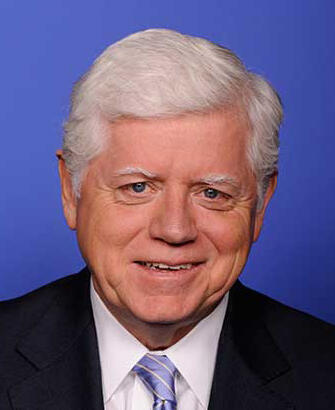


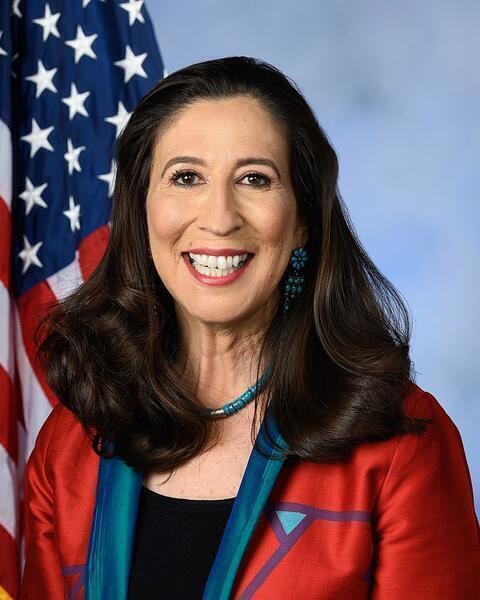

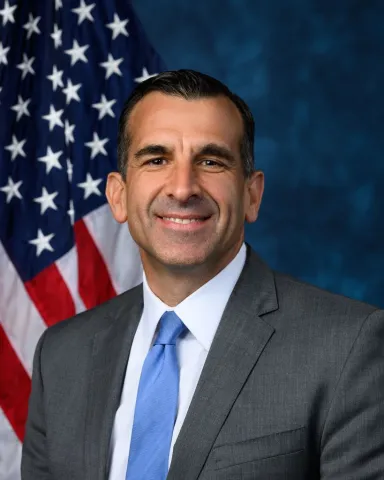


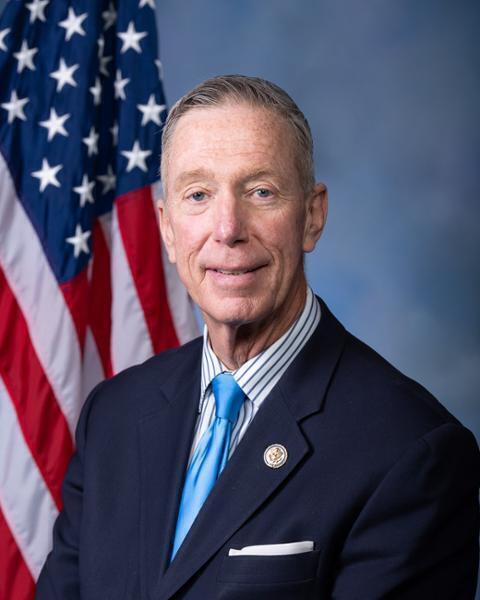

J
John Mannion

L
Lucy McBath



































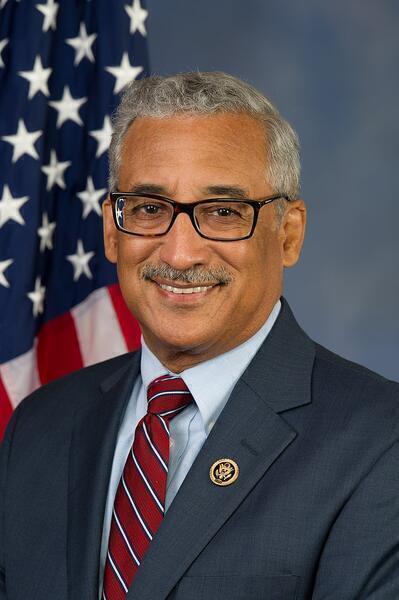
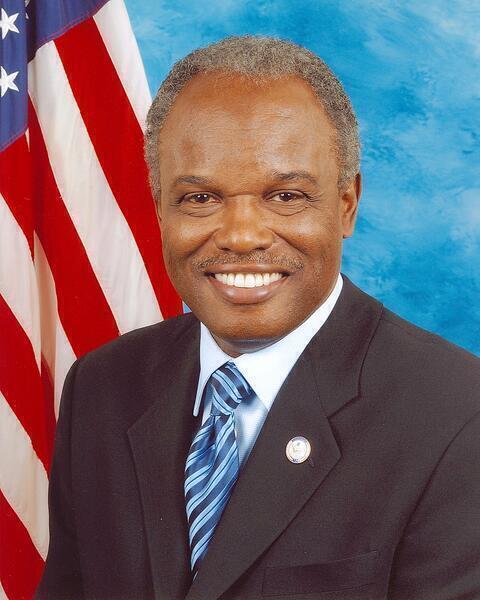

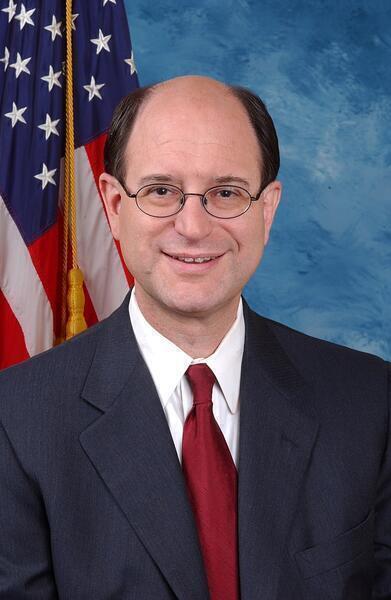



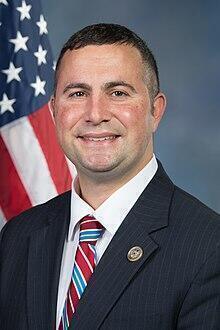






R
Rashida Tlaib









D
Debbie Wasserman Schultz


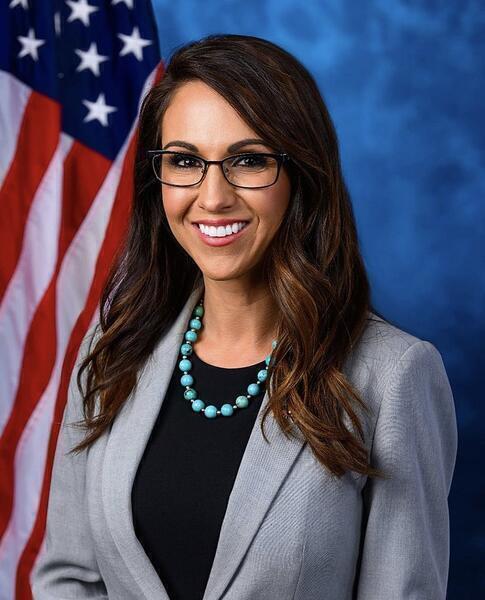
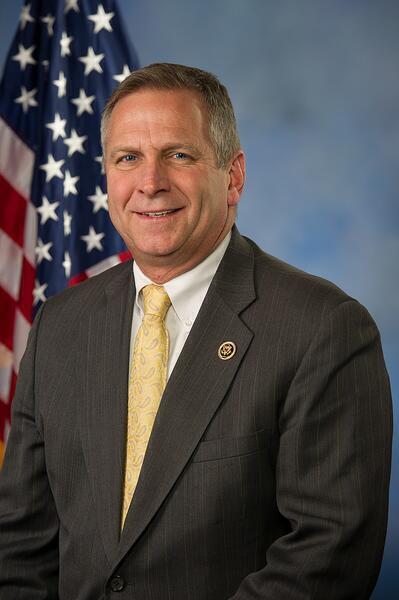
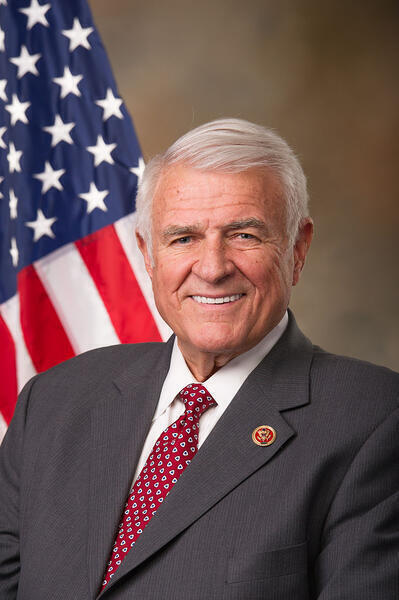
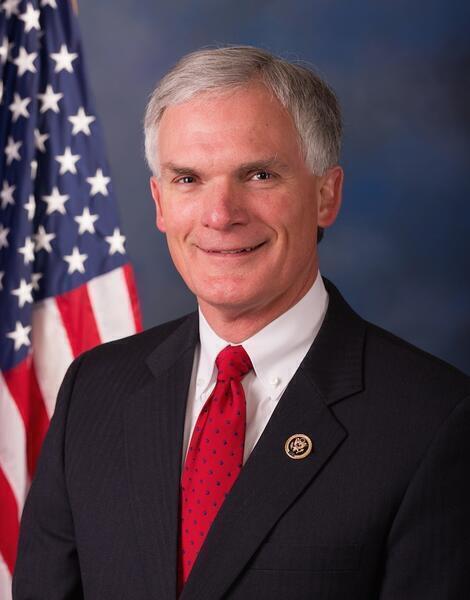
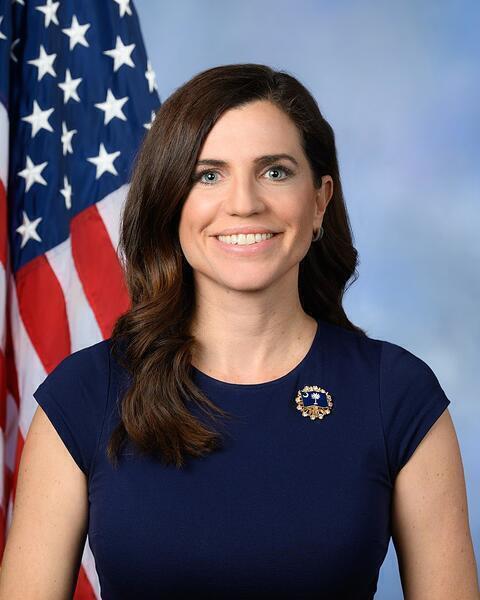
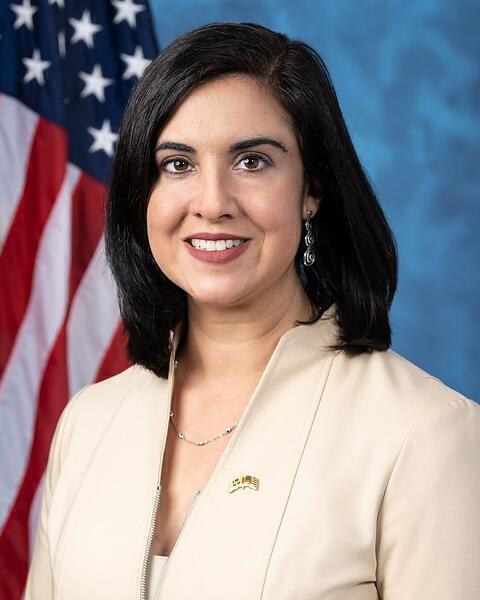
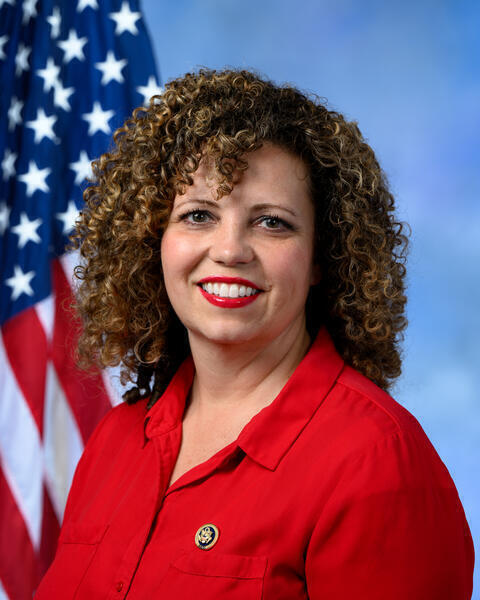
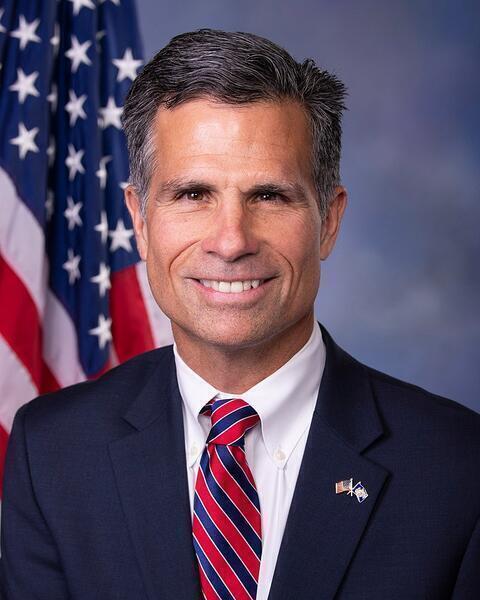
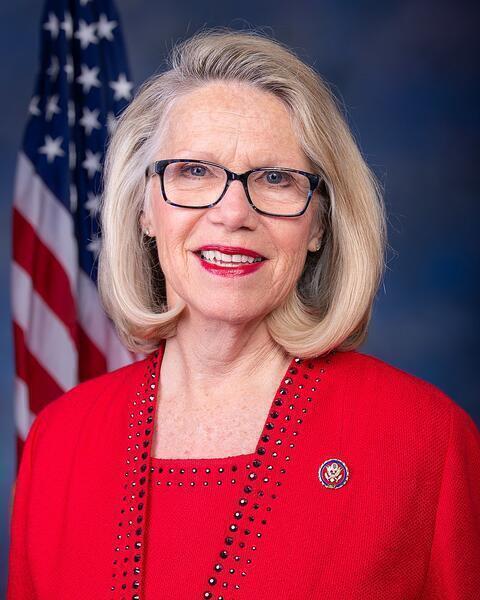
Nay (208)




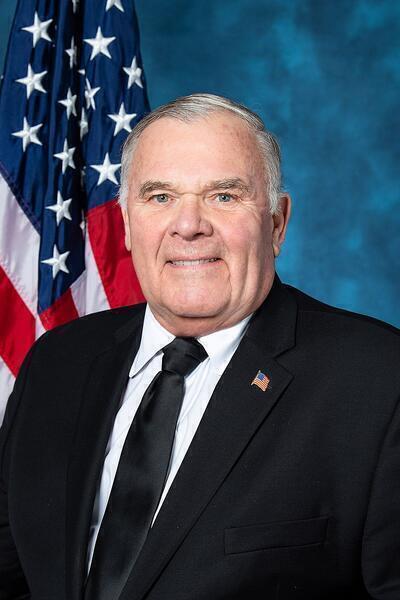

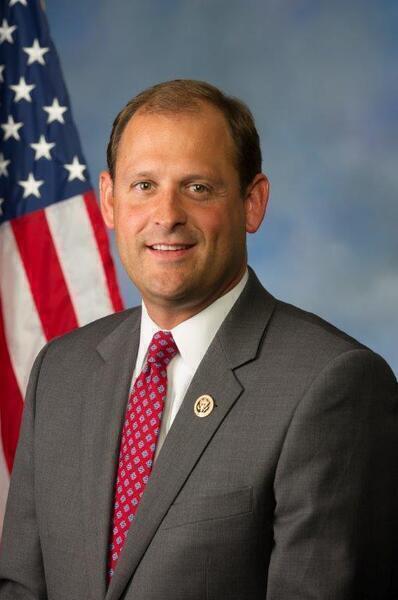
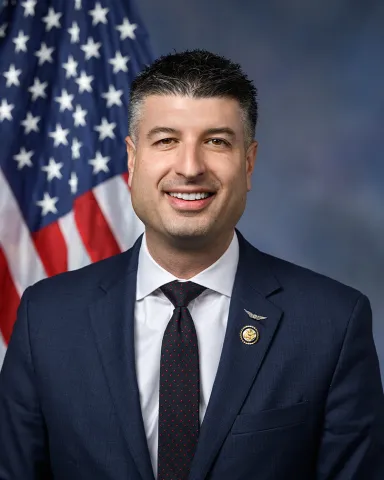



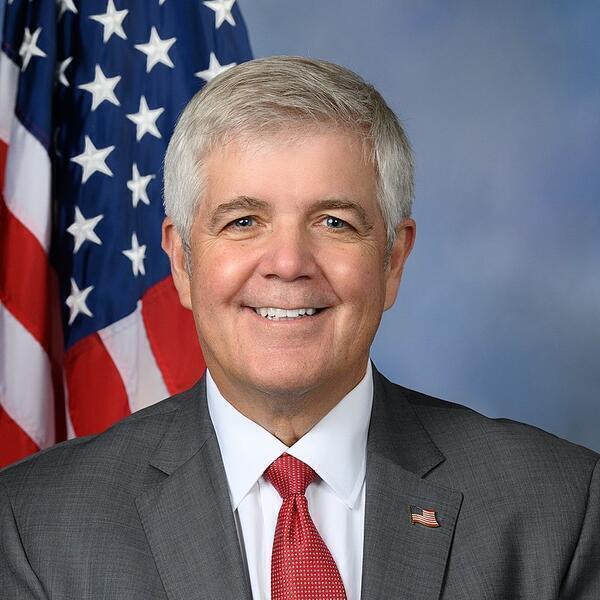
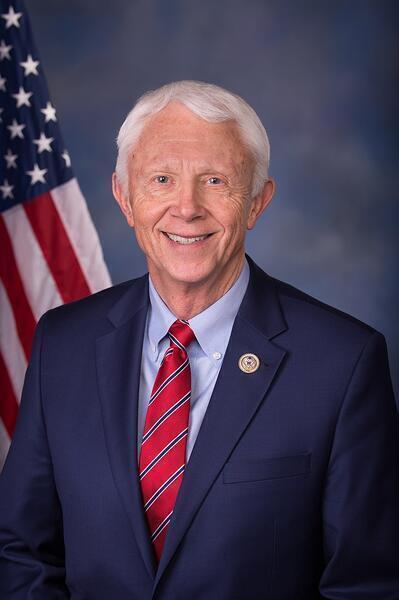

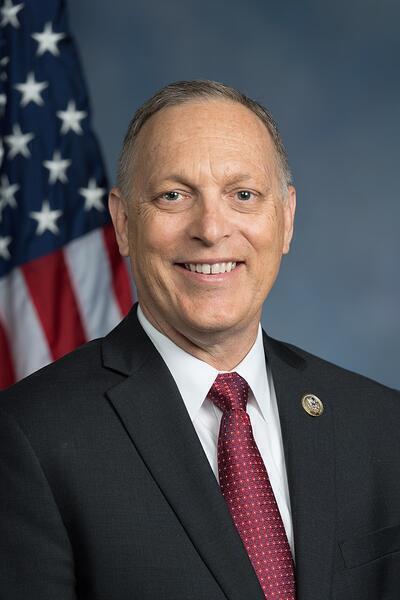
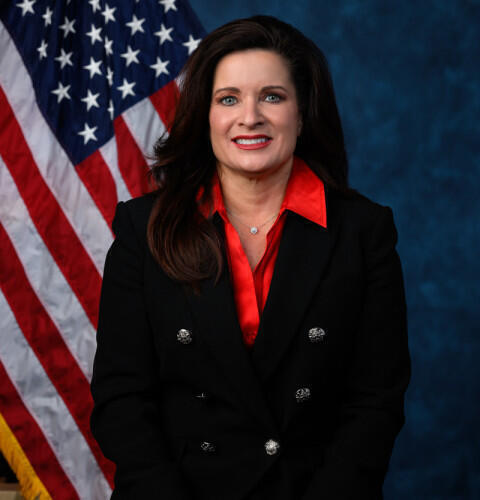
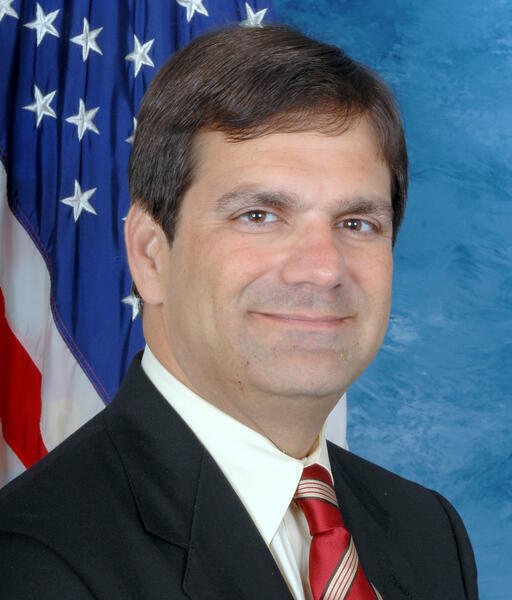




K
Ken Calvert























S
Scott Franklin






































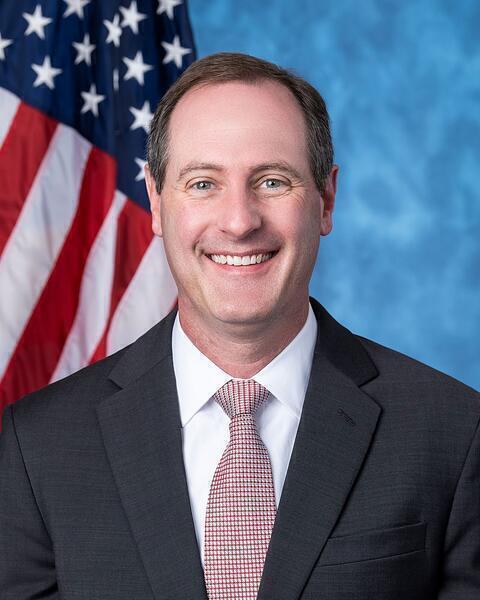

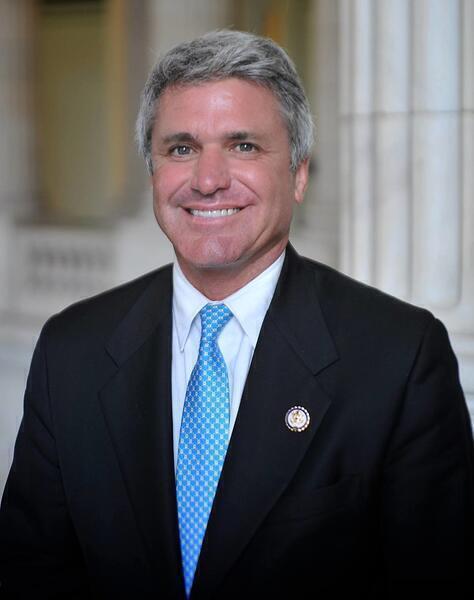
L
Lisa McClain























J
John Rutherford



D
David Schweikert
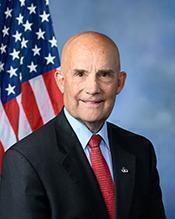
P
Pete Sessions



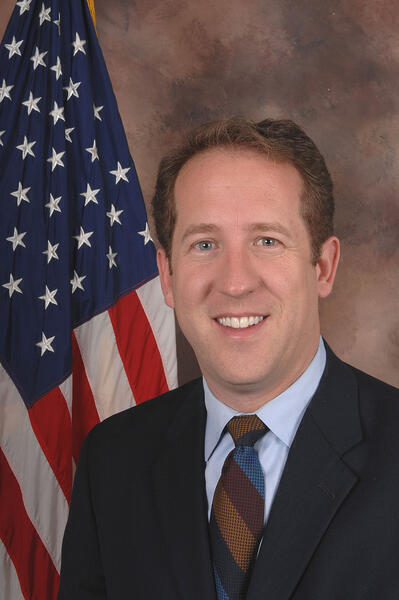
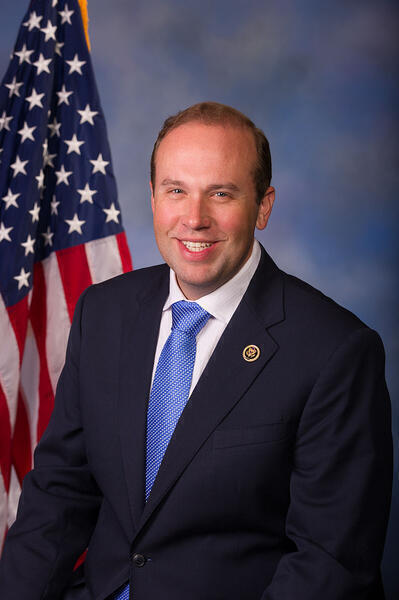
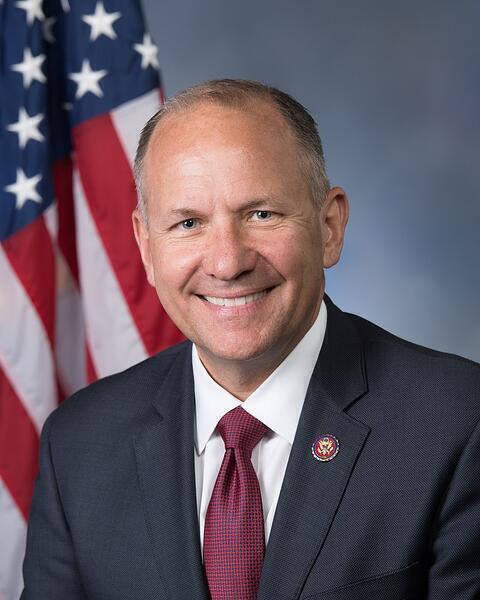









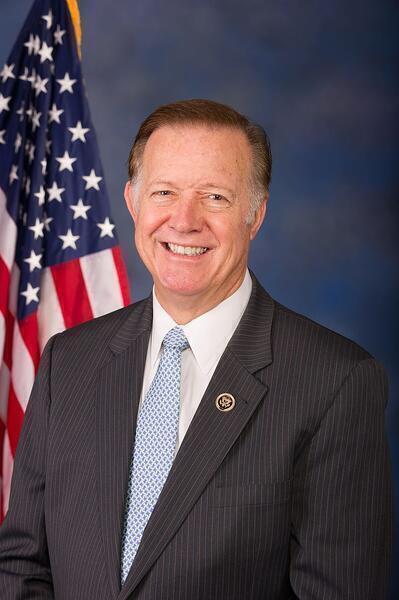
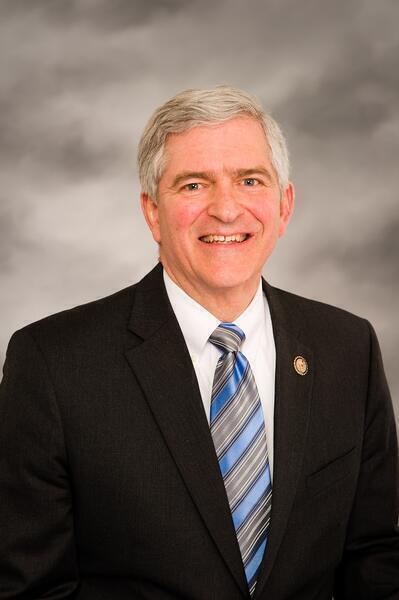
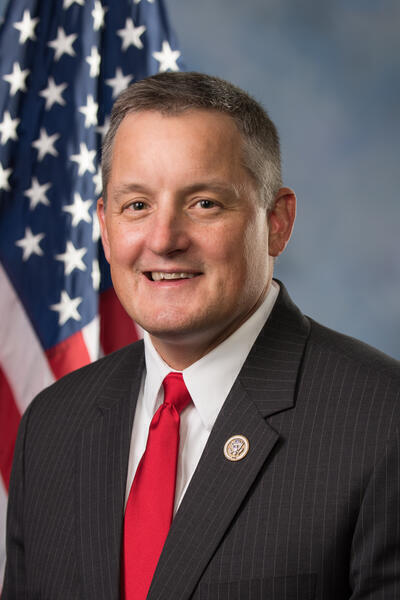




Not Voting (26)







C
Christian Menefee





E
Eric Swalwell

N
Nydia Velázquez