H.R.4758 — Homeowner Energy Freedom Act
House Roll Call
H.R.4758
| Bill | H.R.4758 — Homeowner Energy Freedom Act |
|---|---|
| Vote question | On Passage |
| Vote type | Yea-and-Nay |
| Result | Passed |
| Totals | Yea 210 / Nay 199 / Present 1 / Not Voting 22 |
| Party | Yea | Nay | Present | Not Voting |
|---|---|---|---|---|
| R | 210 | 1 | 0 | 7 |
| D | 0 | 198 | 1 | 15 |
| I | 0 | 0 | 0 | 0 |
Research Brief
On Passage
Bill Analysis
HR 4758 – Homeowner Energy Freedom Act (119th Congress)
HR 4758 amends federal energy and consumer protection law to expand and protect homeowners’ ability to install and use distributed energy resources—primarily rooftop solar and related equipment—by limiting restrictive practices in real estate, homeowner associations (HOAs), and utility interconnection.
Substantive provisions (as introduced/passed by the House):
Protection of solar and distributed energy installations: The bill prohibits certain entities (including HOAs, condominium associations, and similar private governing bodies) from unreasonably restricting the installation of rooftop solar panels, energy storage systems, or other small-scale renewable energy systems on property owned or exclusively controlled by the homeowner. Reasonable restrictions for safety, structural integrity, and historic preservation may be allowed if they do not significantly increase cost or decrease system performance.
Real estate and financing practices: It bars discriminatory terms in mortgages, property insurance, or real estate transactions that penalize homeowners for installing qualifying energy systems, and may require clear disclosure of any remaining lawful restrictions at the time of sale.
Utility interconnection and net metering: The bill directs the Federal Energy Regulatory Commission (FERC) and/or state-regulated utilities (through federal standards or conditions on federal funding) to streamline interconnection of small residential systems, prohibit undue delays or excessive fees, and protect fair crediting of excess generation (e.g., net metering or similar compensation mechanisms), subject to grid reliability and safety standards.
Agencies and authorities: Implementation and enforcement responsibilities are primarily assigned to the Department of Energy (DOE), the Federal Trade Commission (FTC) for unfair or deceptive practices, and FERC for interconnection/wholesale implications. DOE may be directed to issue guidance, model rules, or technical assistance to states and localities.
Beneficiaries and regulated parties: Homeowners, residential solar and storage customers, and installers benefit from reduced legal and procedural barriers. HOAs, condo boards, mortgage lenders, insurers, and electric utilities face new federal constraints on restrictive or discriminatory practices.
Funding and timelines: The bill authorizes (but does not necessarily appropriate) funds for DOE and FTC implementation and requires regulations or guidance within specified periods (typically 6–18 months after enactment), with compliance deadlines for covered entities following issuance of final rules.
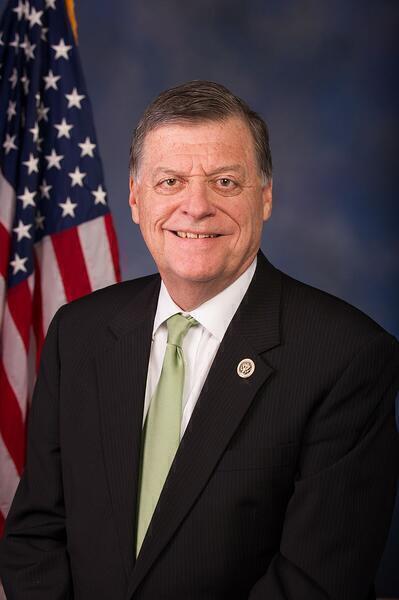
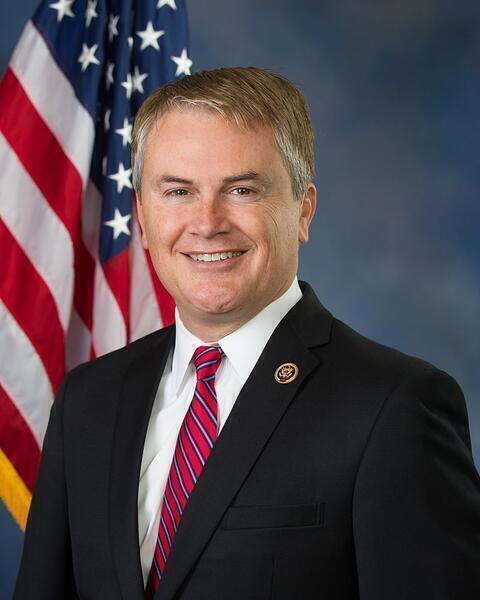
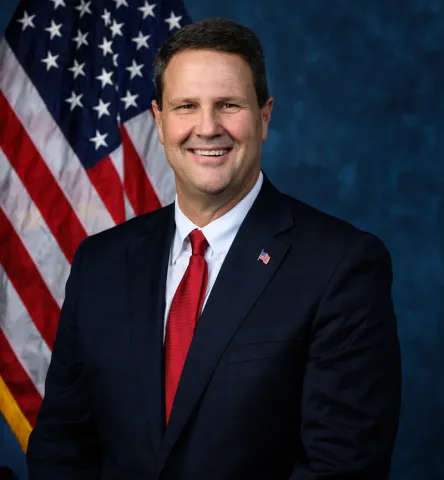
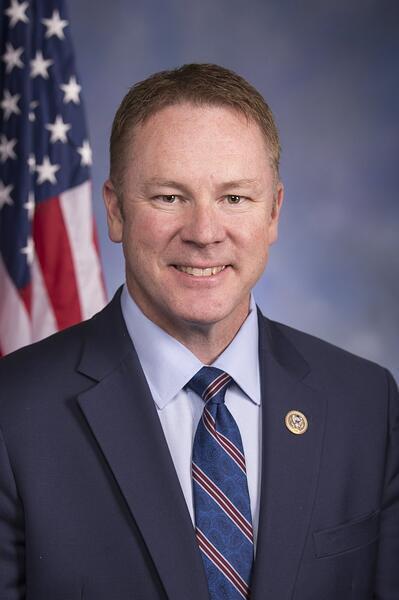
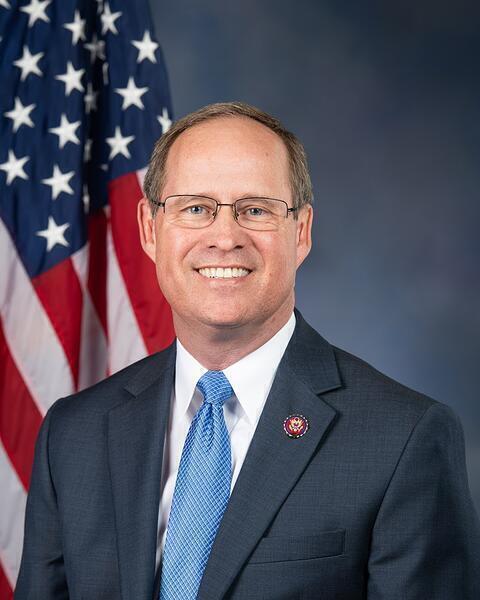
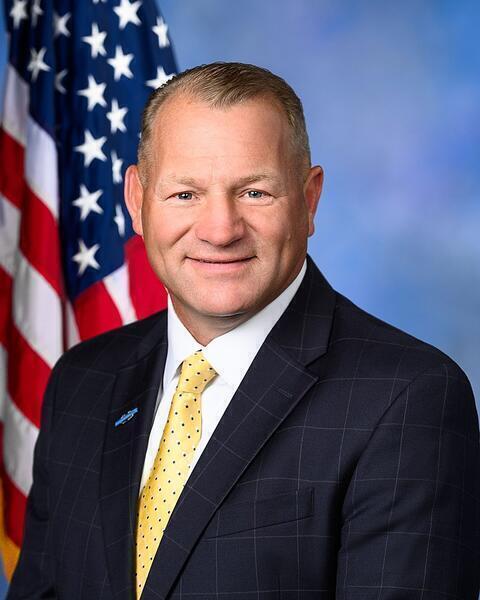
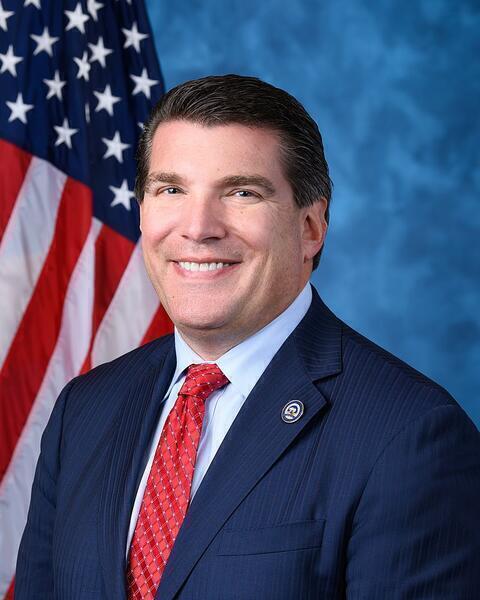
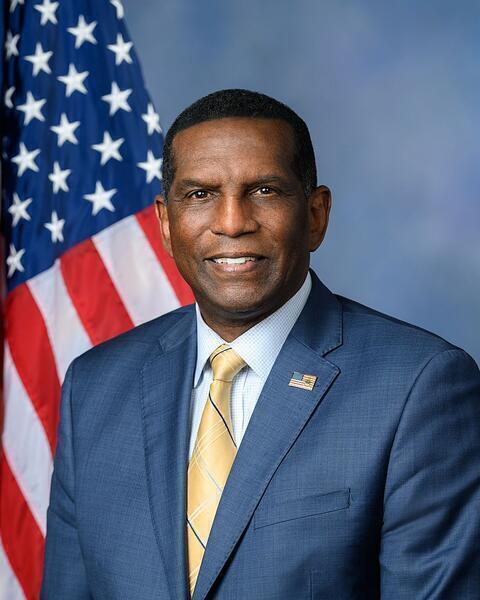
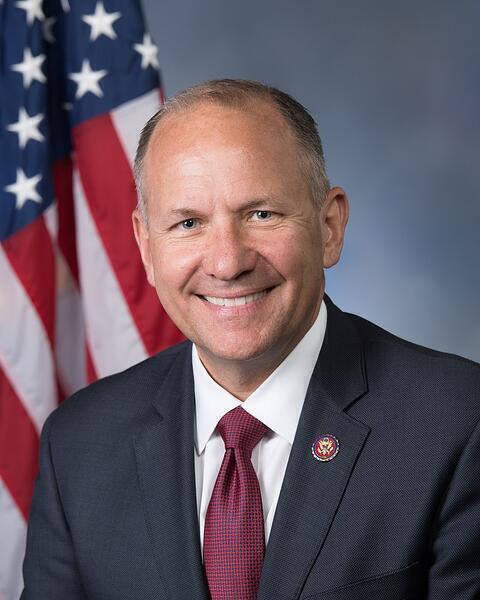
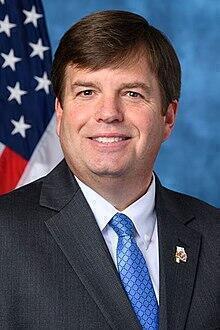
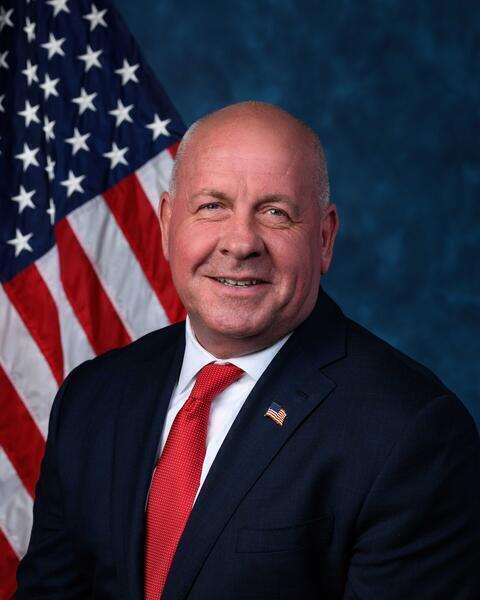
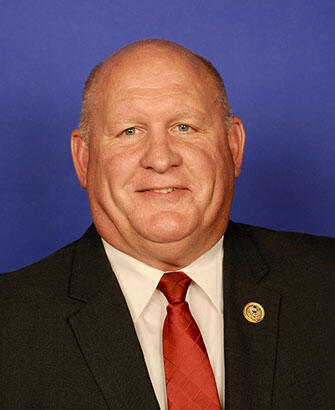
Yea (210)




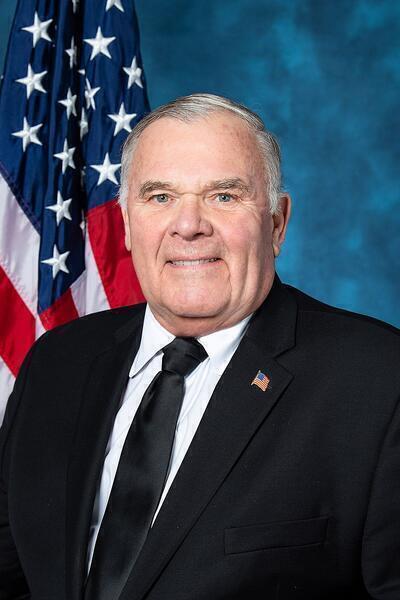






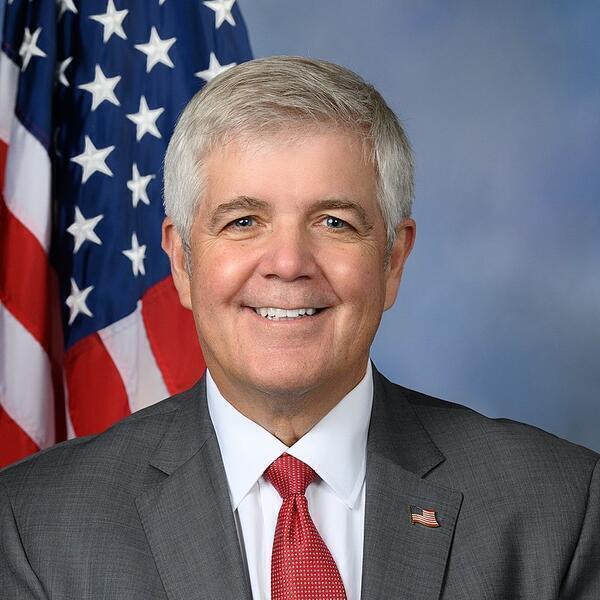
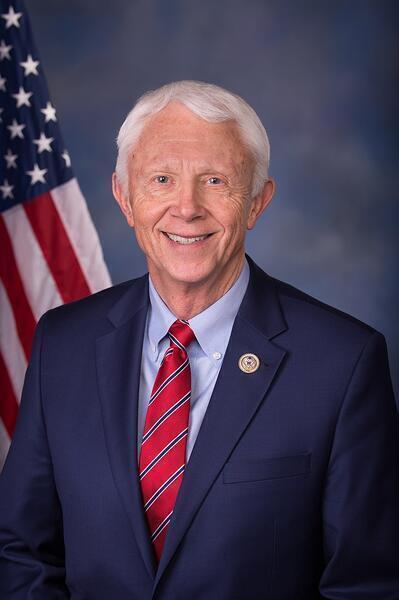

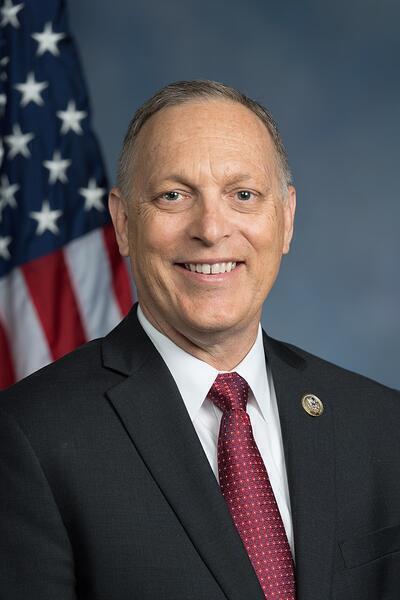
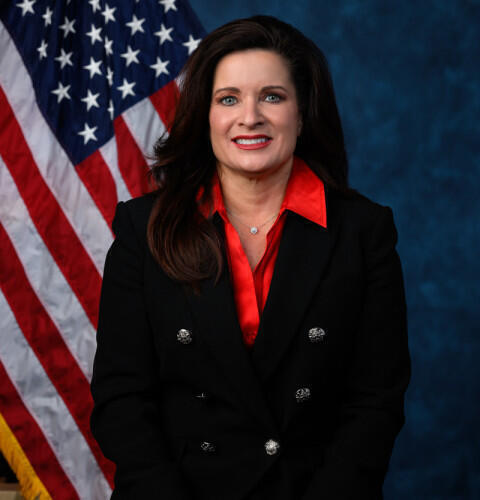
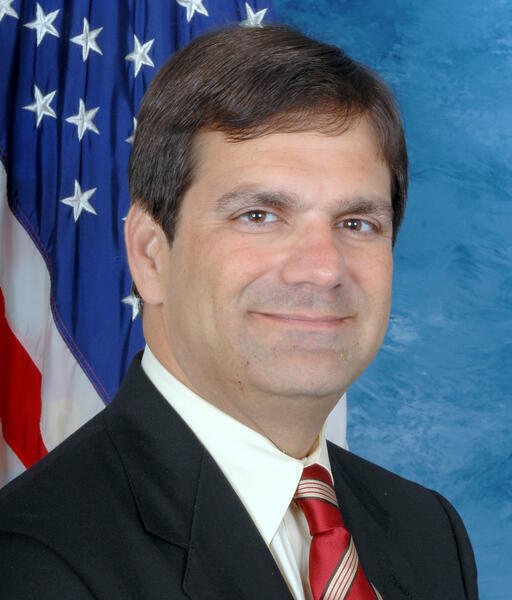

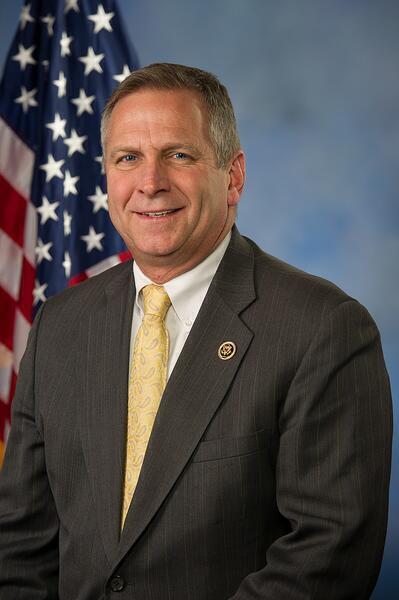




K
Ken Calvert










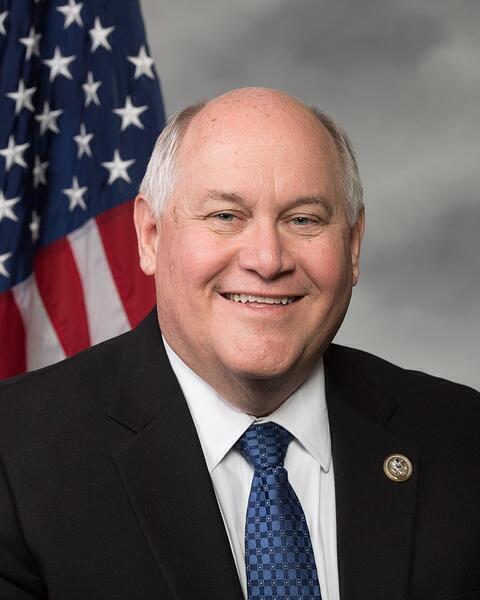






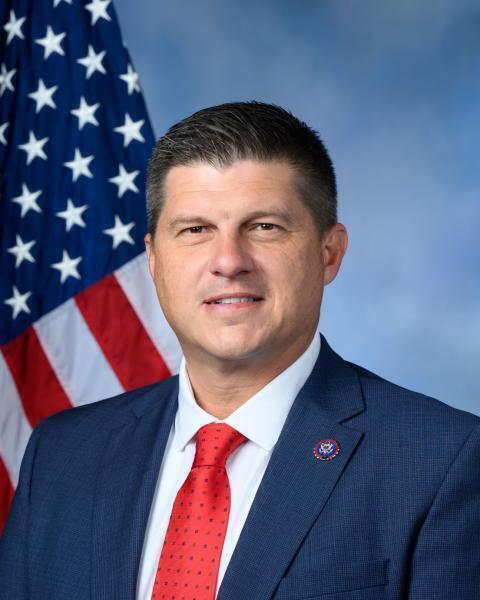
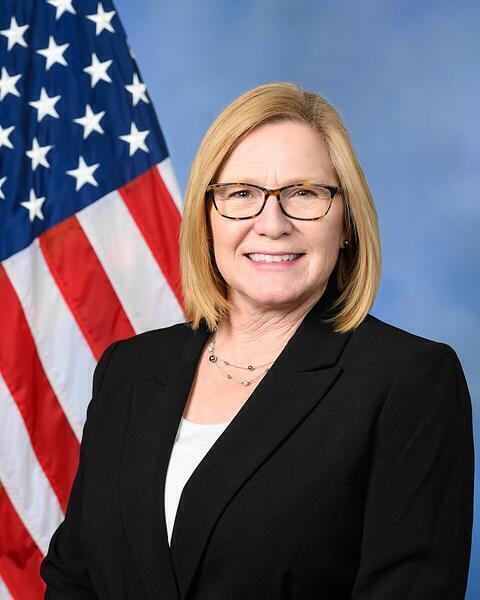
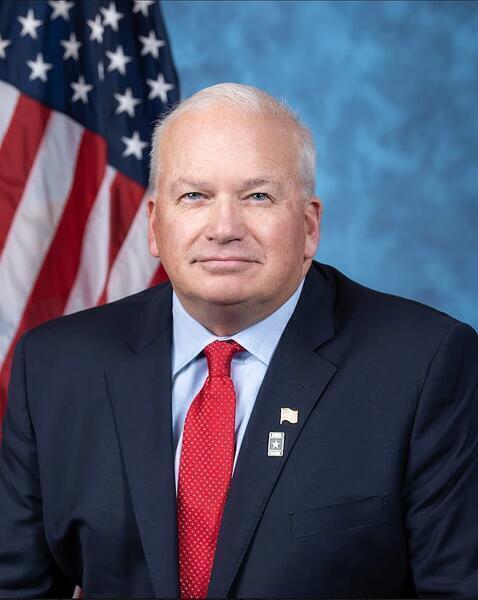


S
Scott Franklin




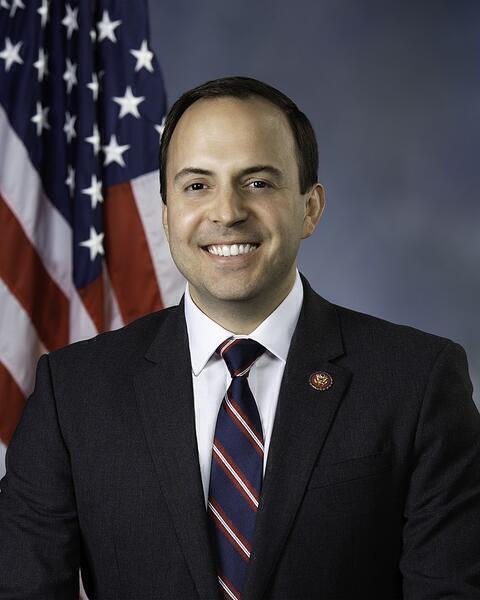

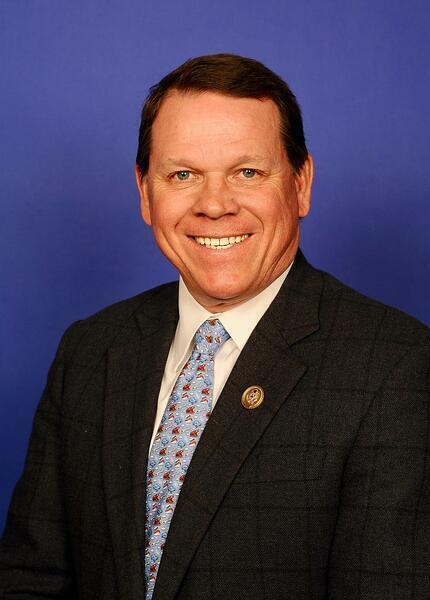

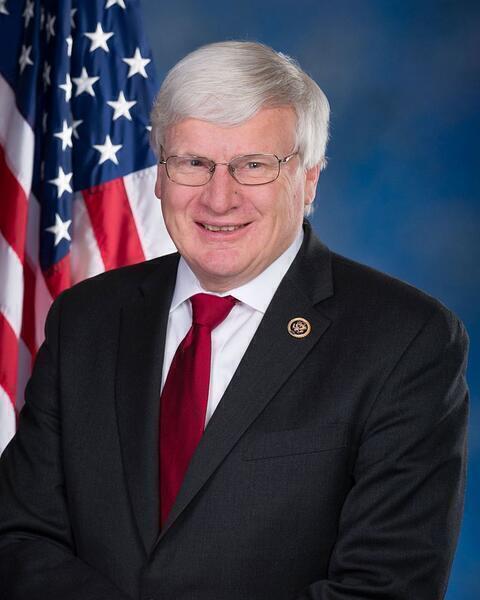

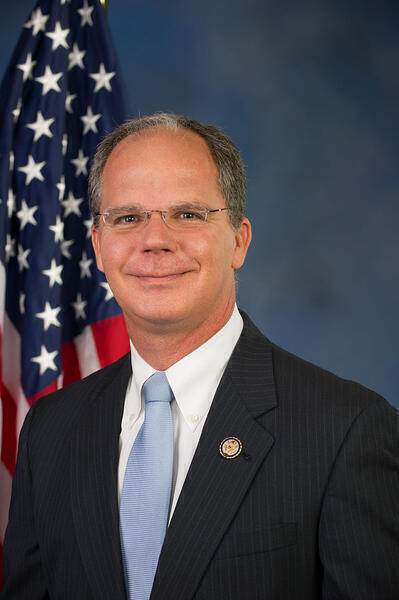




















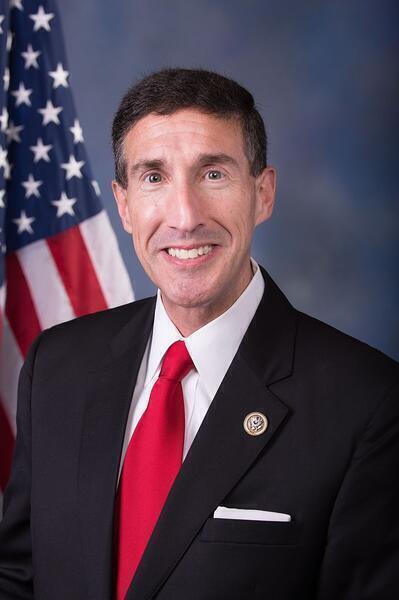
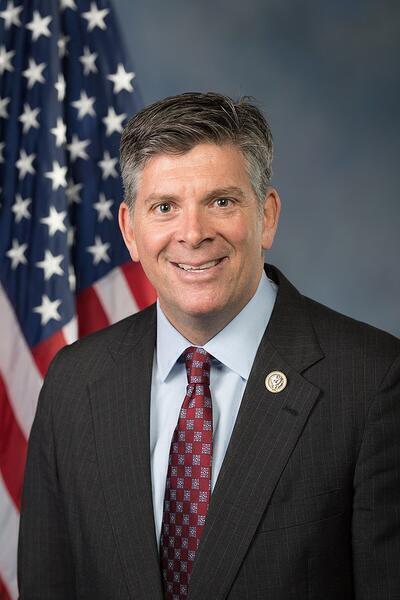

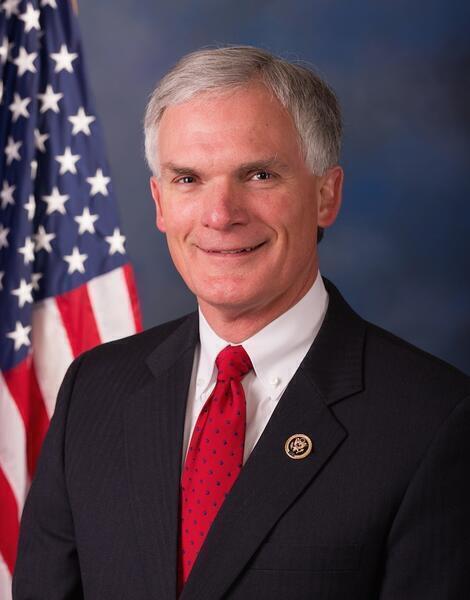




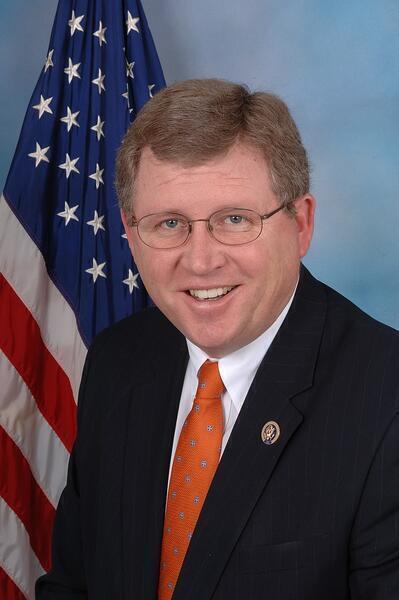





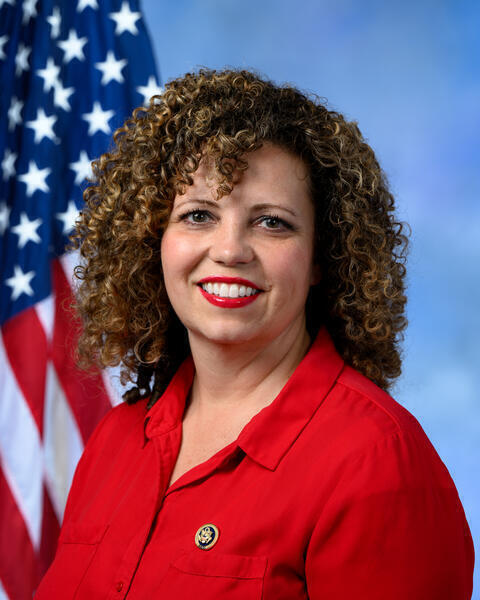
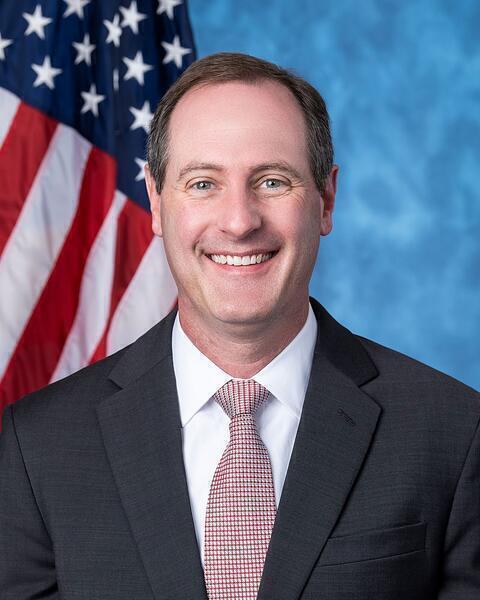

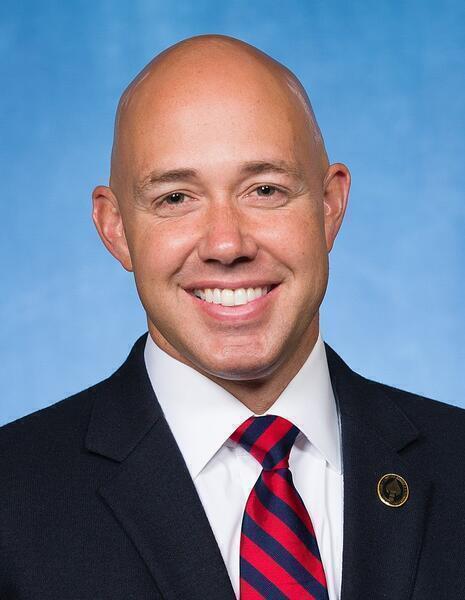
L
Lisa McClain



















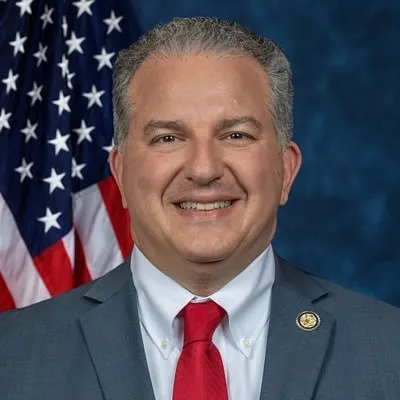
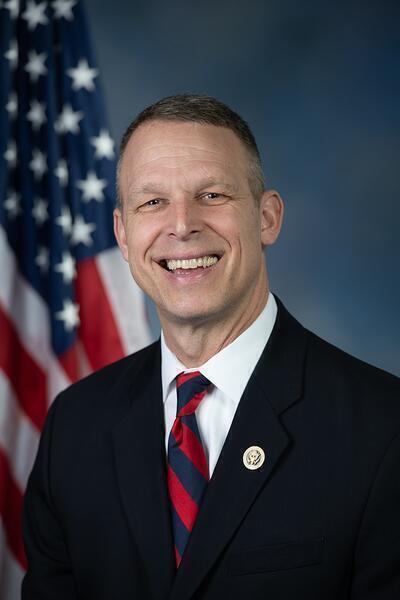
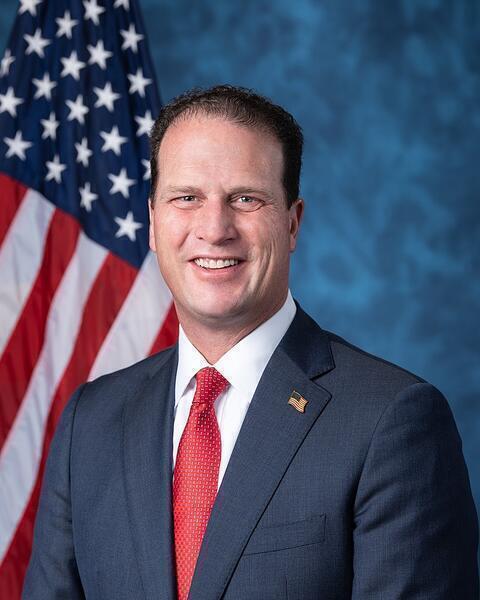

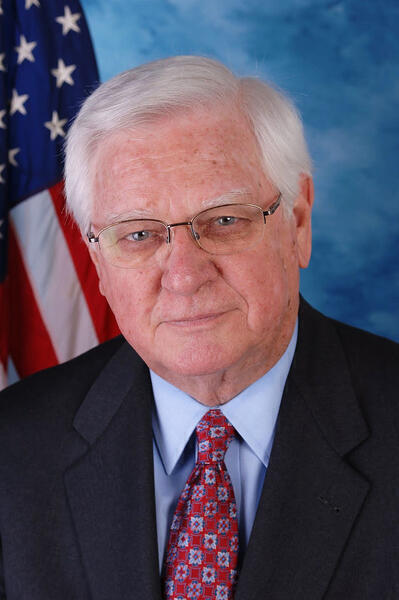

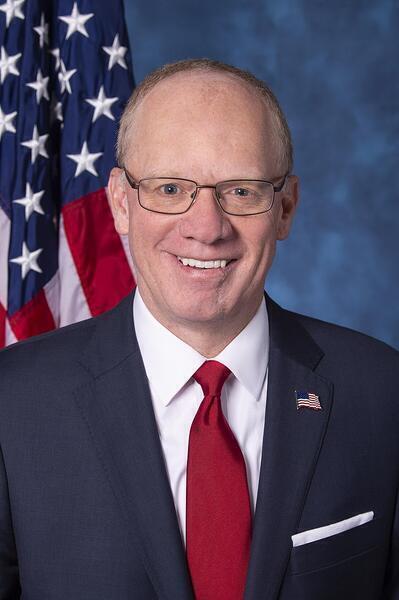
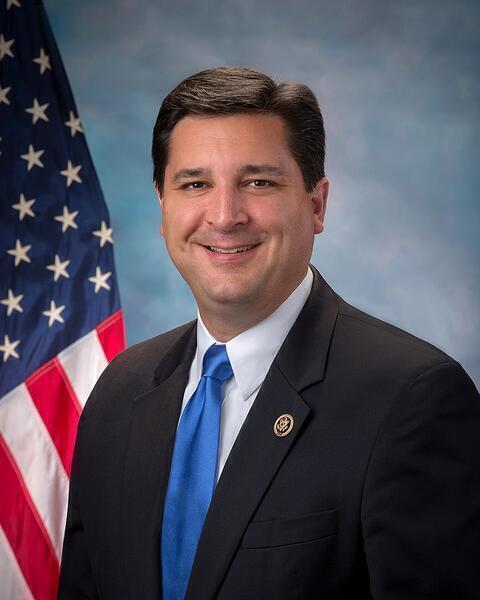
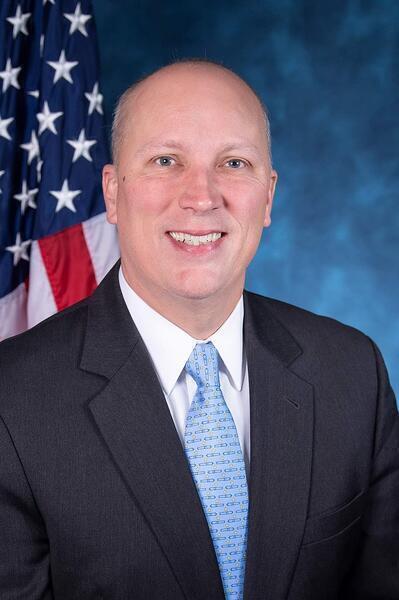

J
John Rutherford



D
David Schweikert
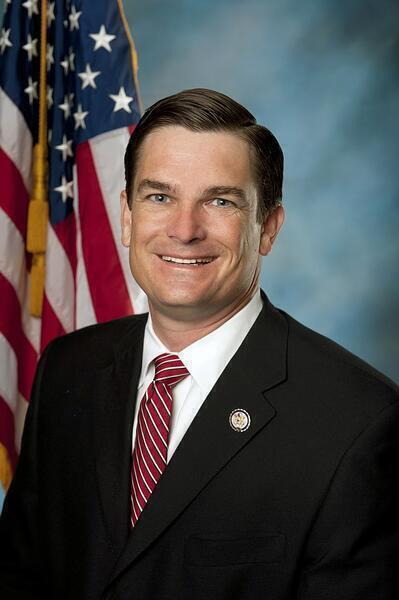
P
Pete Sessions















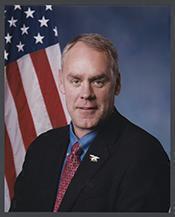
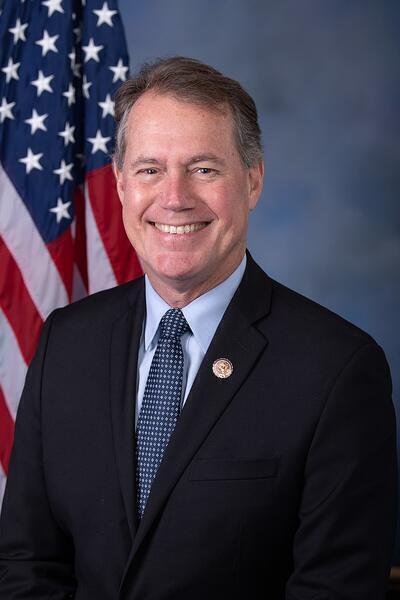
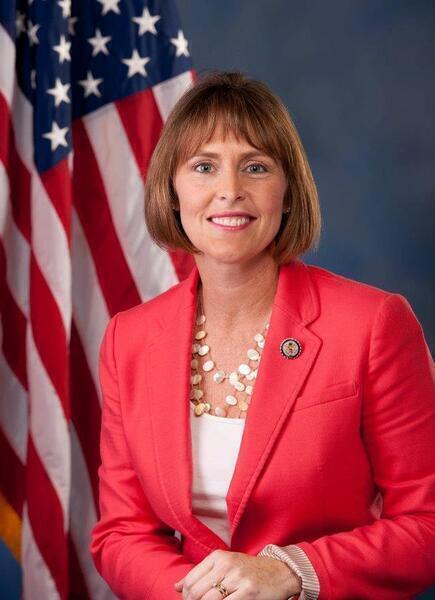
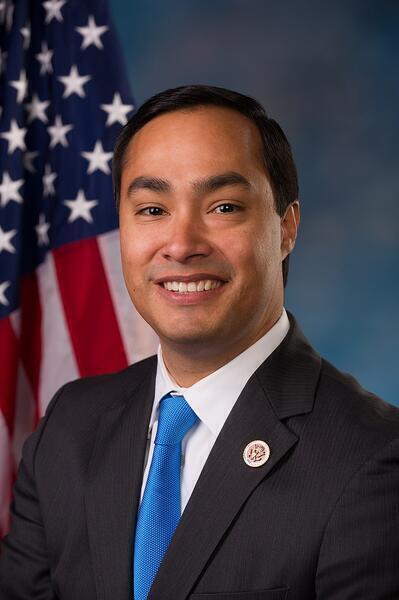
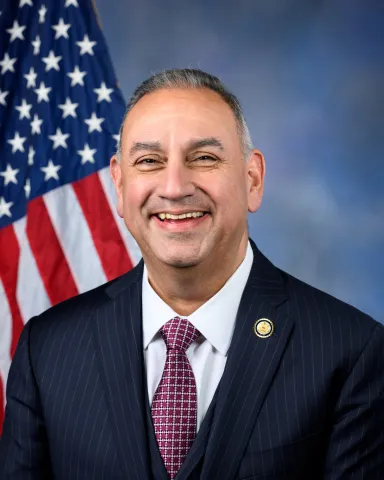
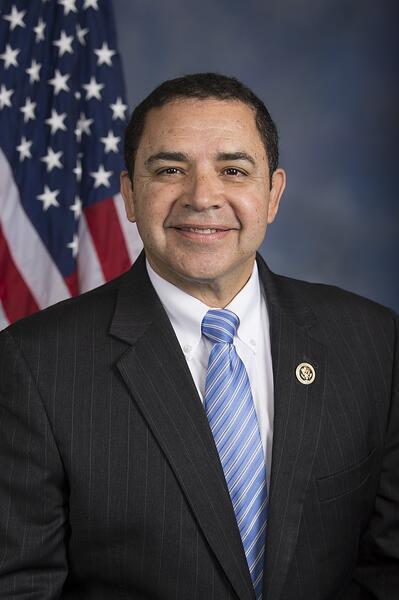
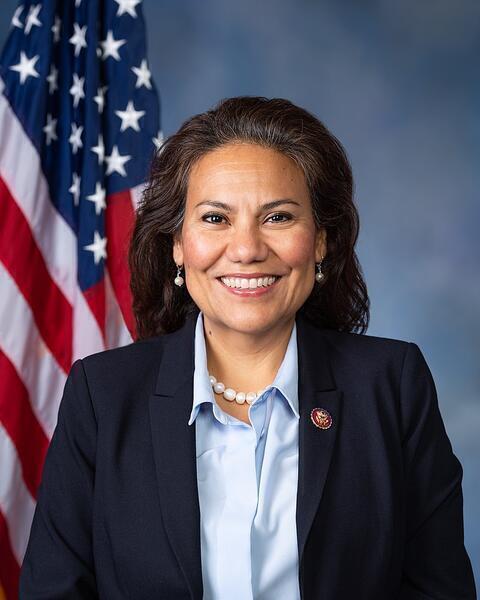
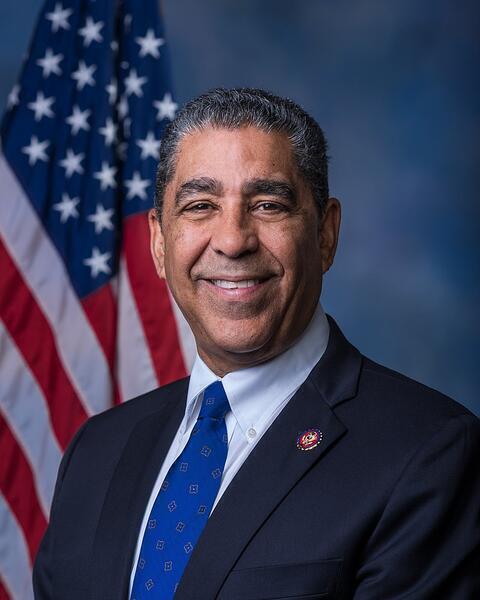
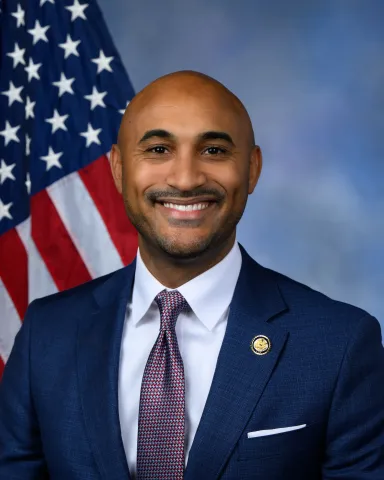
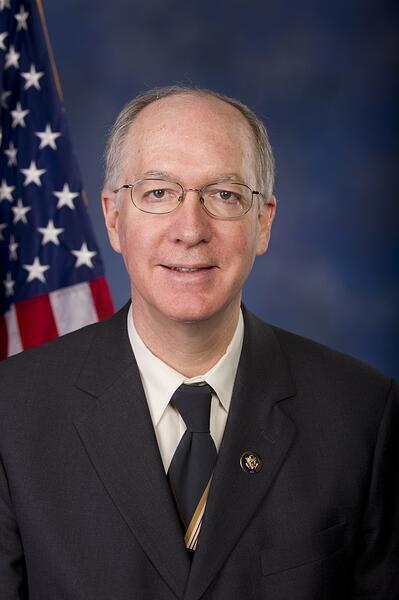
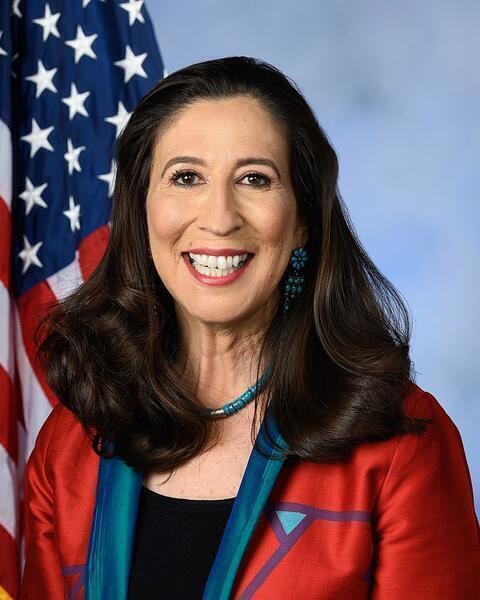
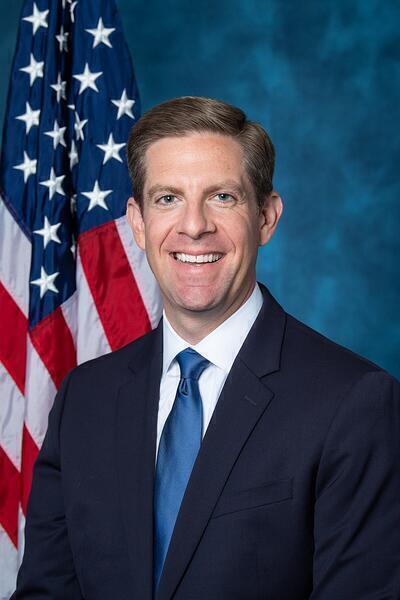
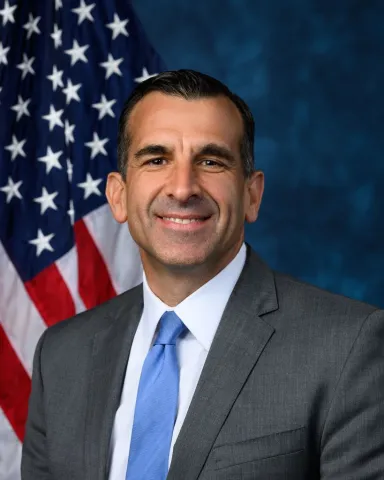
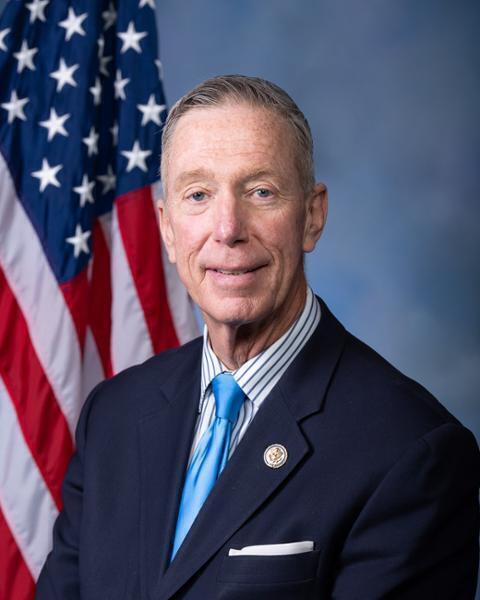
Nay (199)
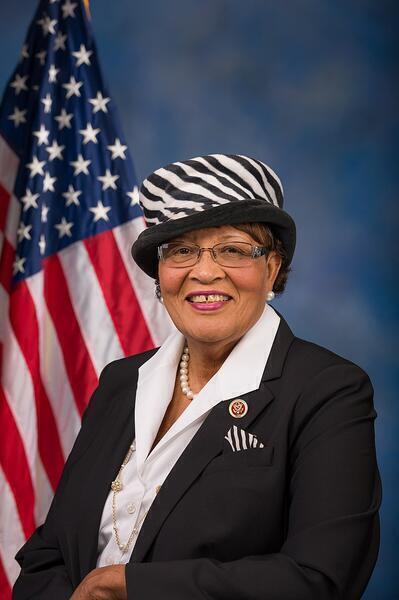
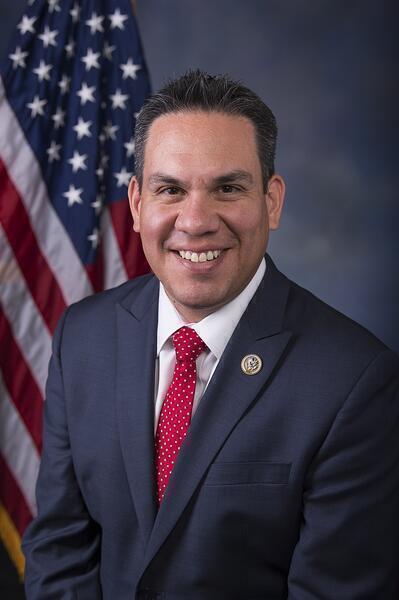





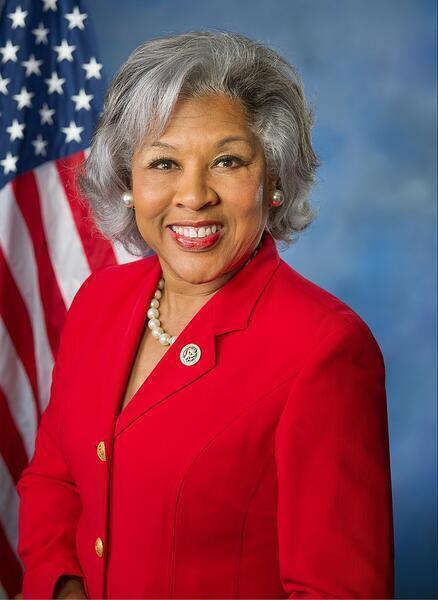

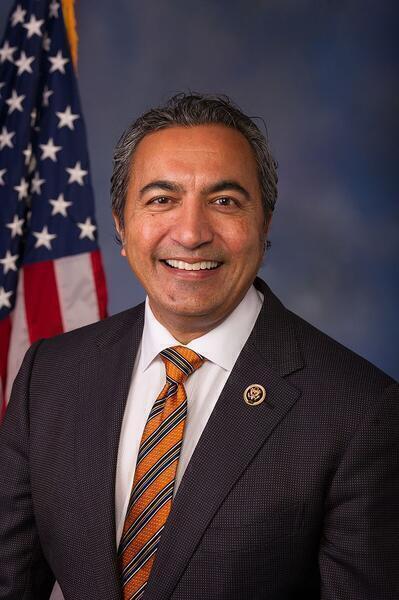
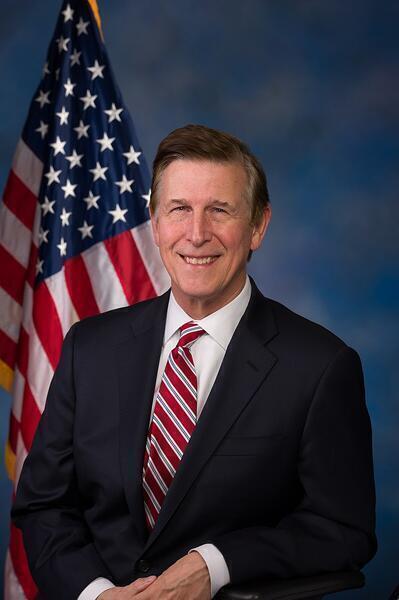
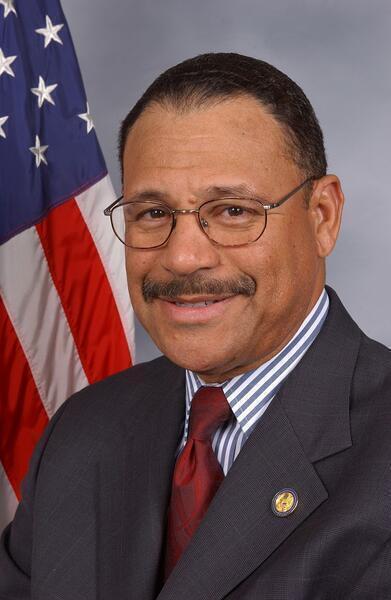
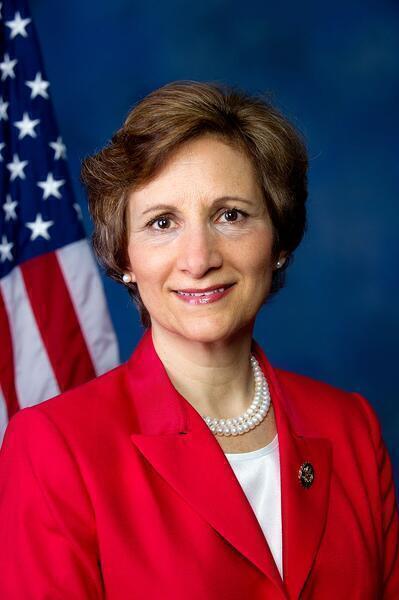
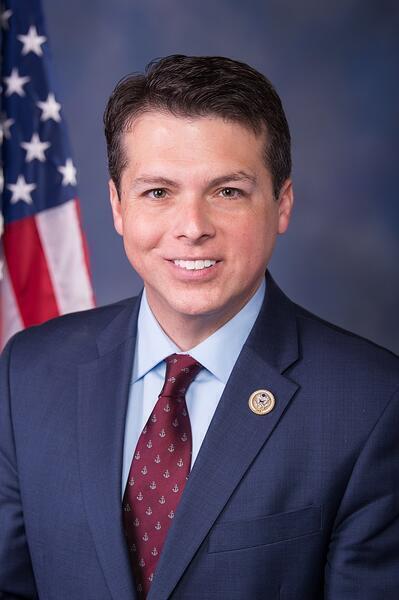

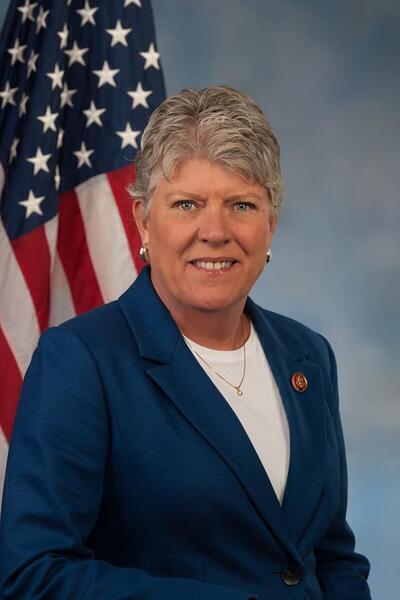


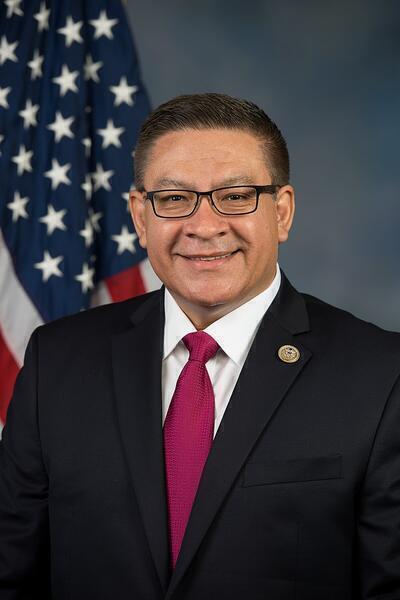






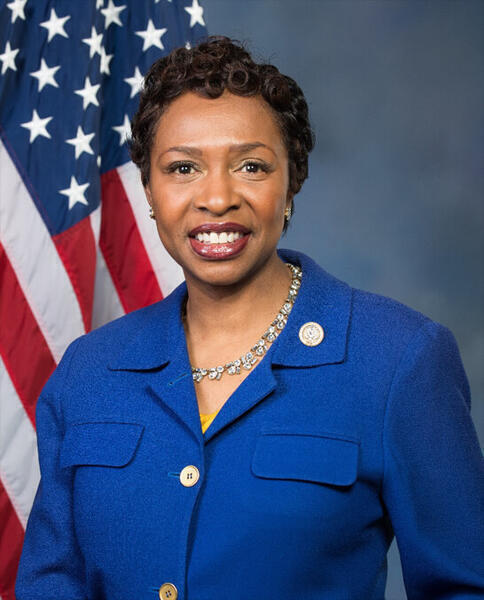
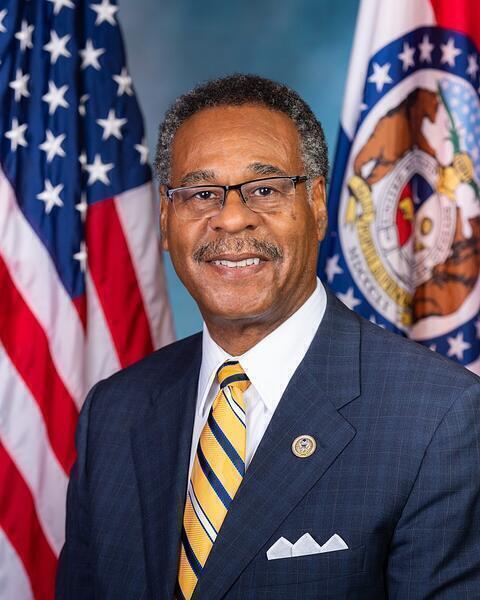


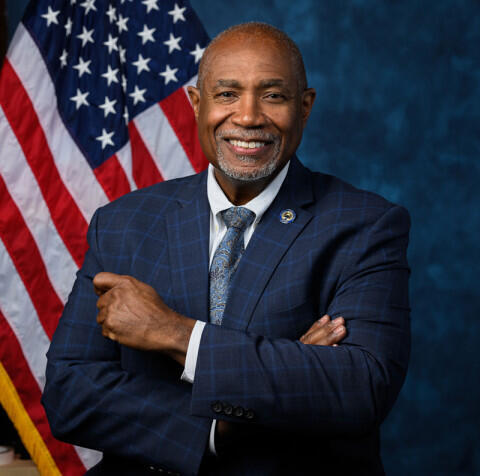
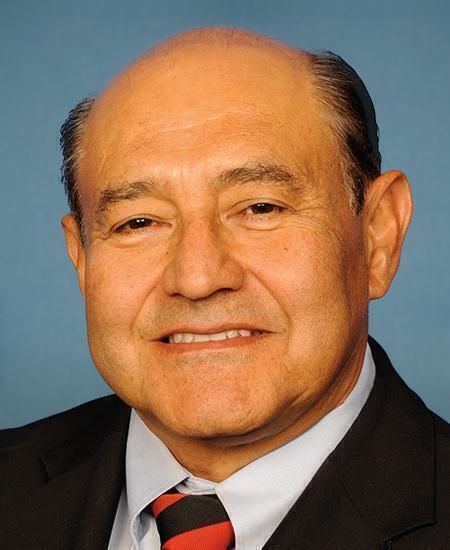
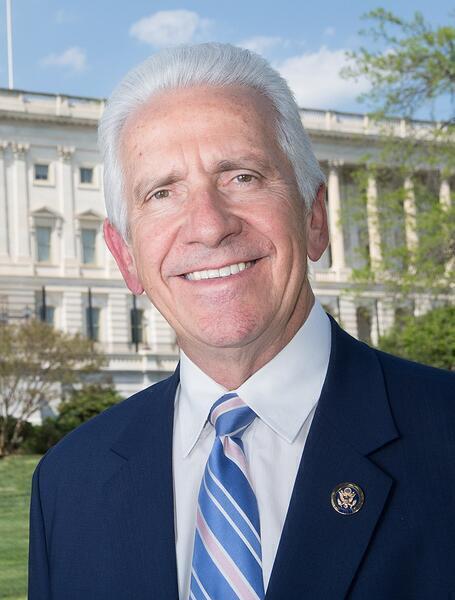
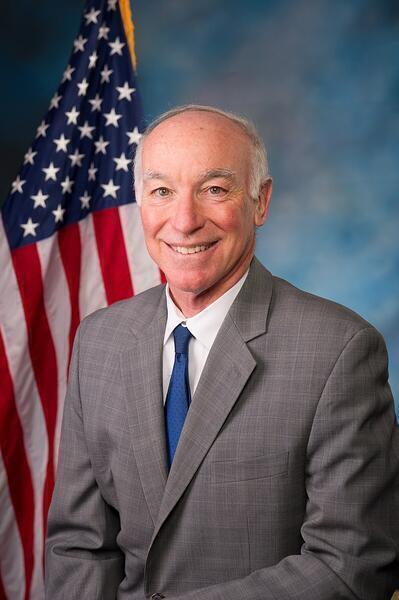
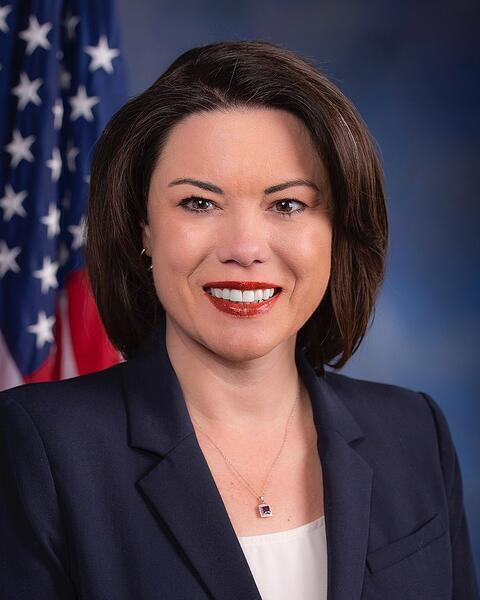
J
Jason Crow






L
Lloyd Doggett




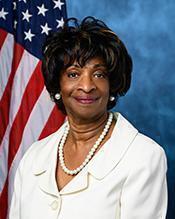


J
John Garamendi
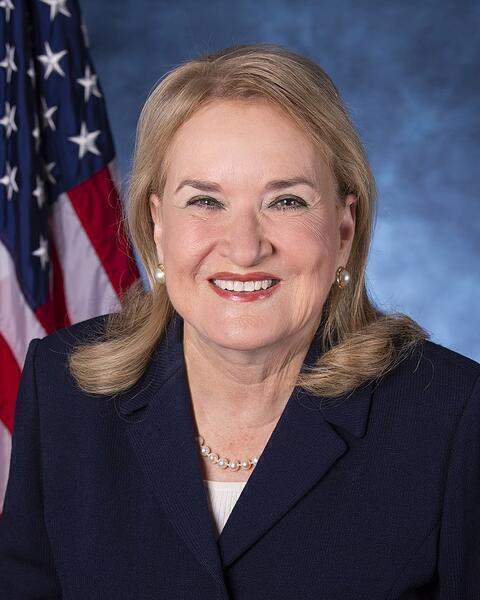

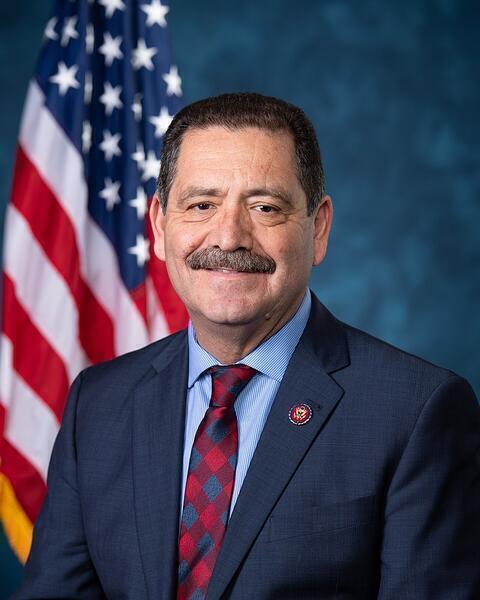
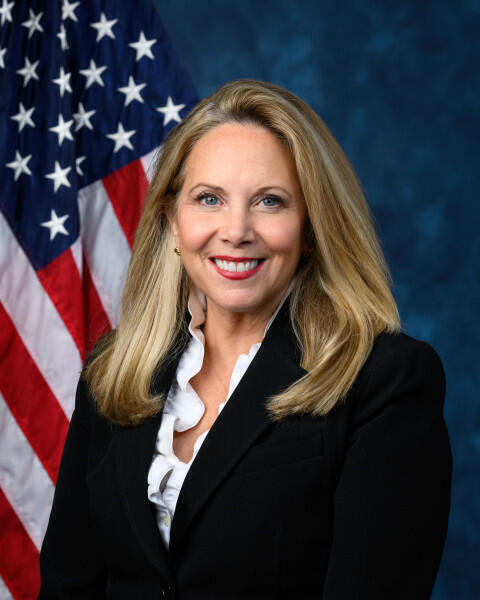





















J
John Mannion

L
Lucy McBath










































R
Rashida Tlaib



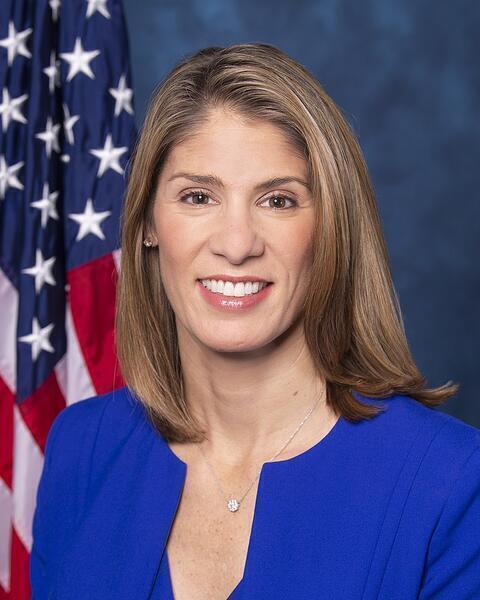


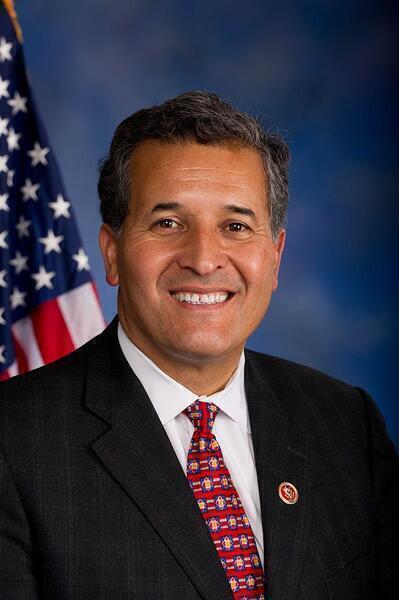




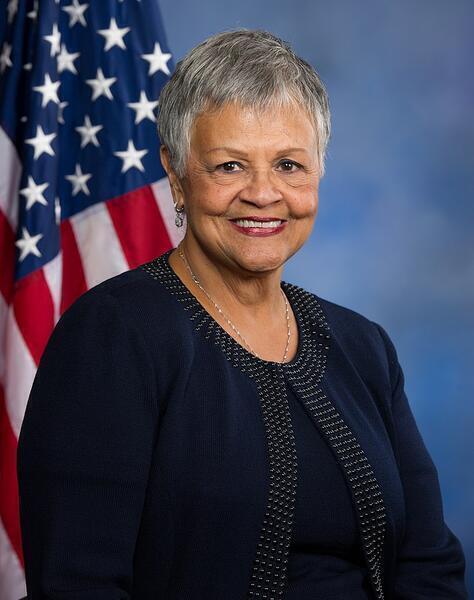
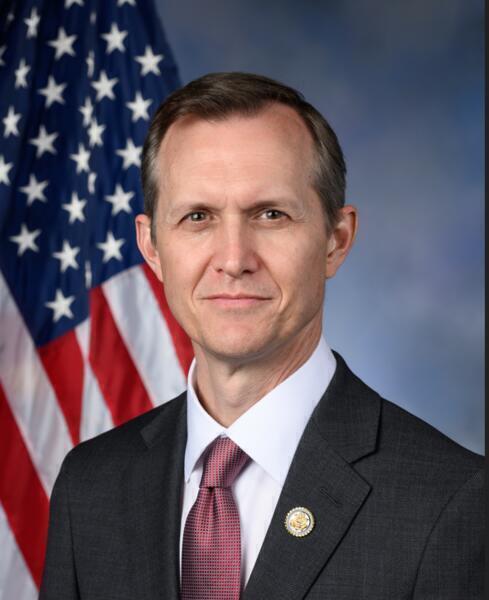
D
Debbie Wasserman Schultz

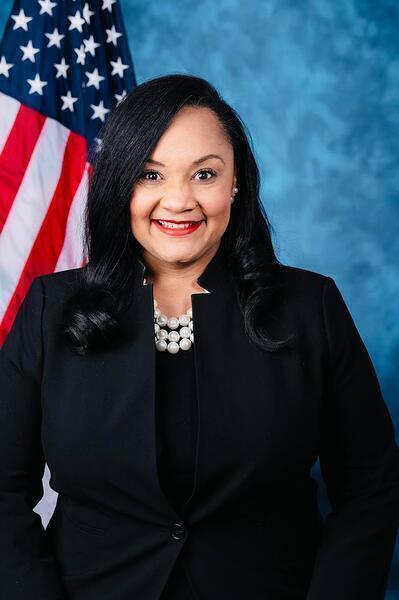
Present (1)

Not Voting (22)


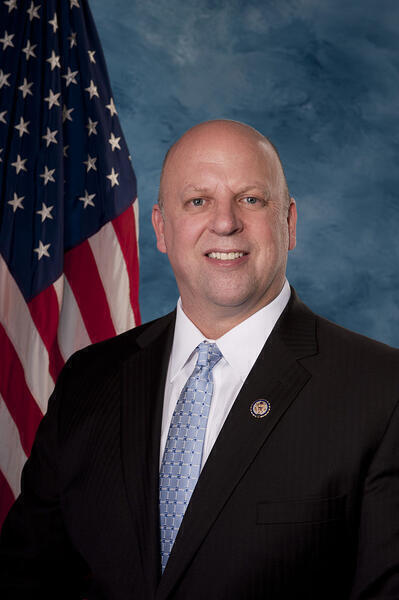
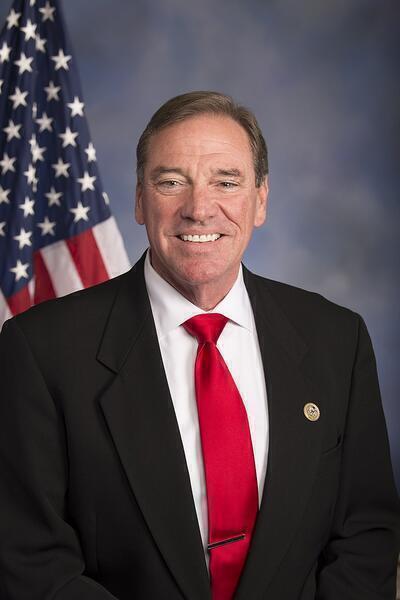
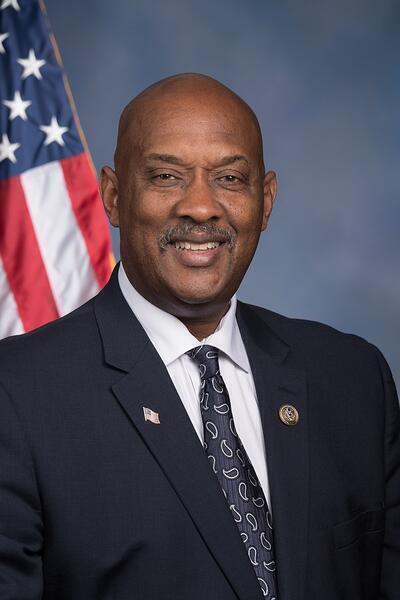



C
Christian Menefee





E
Eric Swalwell

N
Nydia Velázquez