H.R.1958 — Deporting Fraudsters Act of 2026
House Roll Call
H.R.1958
| Bill | H.R.1958 — Deporting Fraudsters Act of 2026 |
|---|---|
| Vote question | On Passage |
| Vote type | Yea-and-Nay |
| Result | Passed |
| Totals | Yea 231 / Nay 186 / Present 0 / Not Voting 15 |
| Party | Yea | Nay | Present | Not Voting |
|---|---|---|---|---|
| R | 211 | 0 | 0 | 7 |
| D | 20 | 186 | 0 | 8 |
| I | 0 | 0 | 0 | 0 |
Research Brief
On Passage
Bill Analysis
HR 1958 – Deporting Fraudsters Act of 2026 (119th Congress)
HR 1958 amends federal immigration law to make certain fraud-related offenses a clearer and more automatic basis for deportation and inadmissibility of noncitizens.
Core provisions
- Expands the definition of “aggravated felony” and/or “crime involving moral turpitude” under the Immigration and Nationality Act (INA) to explicitly include specified fraud offenses (e.g., benefits fraud, identity theft, financial fraud) above defined monetary thresholds or involving certain schemes.
- Lowers or clarifies monetary loss thresholds that trigger removability for fraud and deceit crimes, making more convictions deportable offenses.
- Clarifies that attempts, conspiracies, and aiding/abetting in covered fraud offenses carry the same immigration consequences as completed offenses.
- Tightens inadmissibility grounds so that noncitizens who have committed or been convicted of listed fraud offenses abroad, or who have engaged in certain document or benefits fraud to obtain immigration status, may be barred from entry or future immigration benefits.
- May limit or narrow certain discretionary waivers or relief (such as cancellation of removal or certain fraud waivers) for individuals convicted of covered fraud offenses.
Agencies and authorities
- Primarily affects the Department of Homeland Security (DHS), including U.S. Citizenship and Immigration Services (USCIS), Immigration and Customs Enforcement (ICE), and Customs and Border Protection (CBP), by expanding statutory grounds to:
- Initiate removal proceedings,
- Deny visas, admission, or adjustment of status, and
- Prioritize enforcement against fraud offenders.
- The Department of Justice (DOJ), through immigration courts and the Board of Immigration Appeals, must apply the revised definitions and standards in removal and appeals proceedings.
Beneficiaries and regulated parties
- Regulated: Noncitizens (lawful permanent residents, temporary visa holders, and undocumented individuals) convicted of or implicated in specified fraud offenses.
- Indirect beneficiaries: Government benefit programs, financial institutions, and the general public, through heightened immigration consequences for fraud.
Timelines and implementation
- Provisions generally take effect on or after the date of enactment, with specified rules on whether they apply to convictions or conduct occurring before enactment.
- DHS and DOJ may be directed to issue implementing guidance and update regulations, forms, and enforcement priorities within defined periods (e.g., 90–180 days).
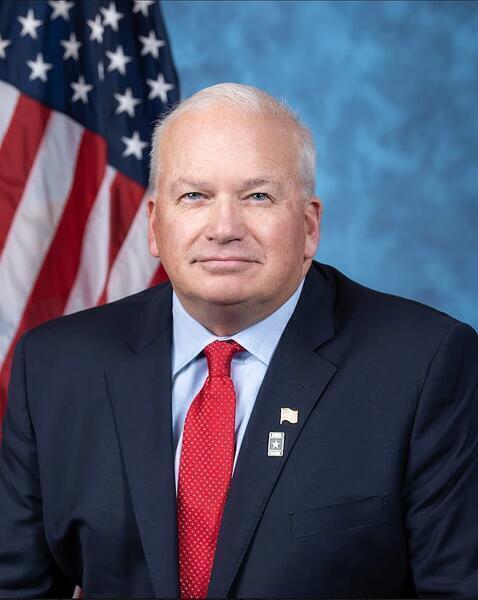
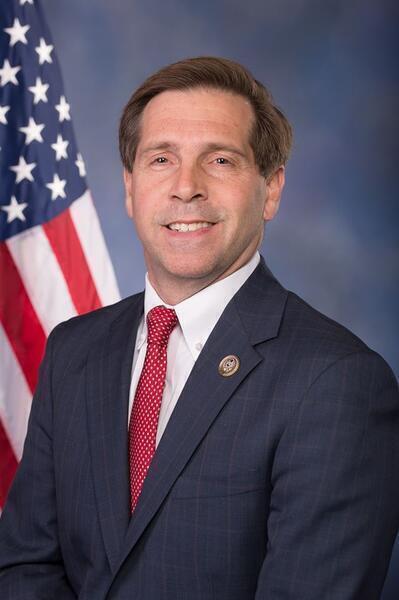
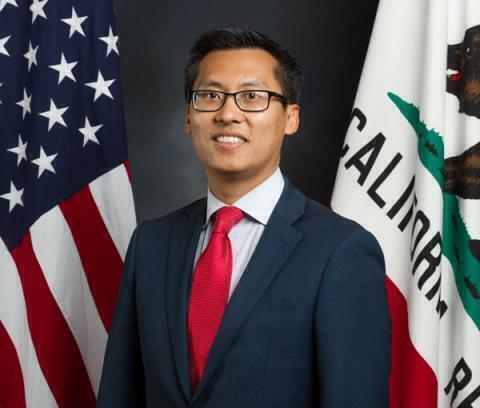
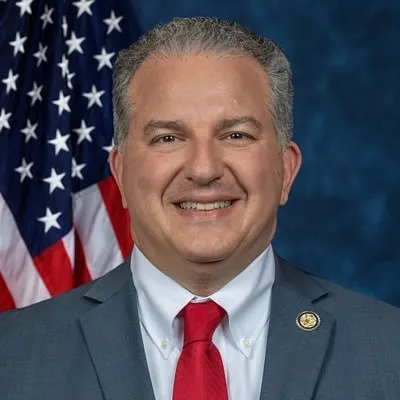
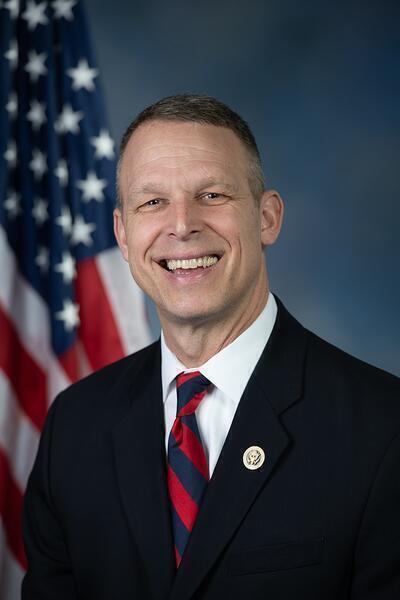
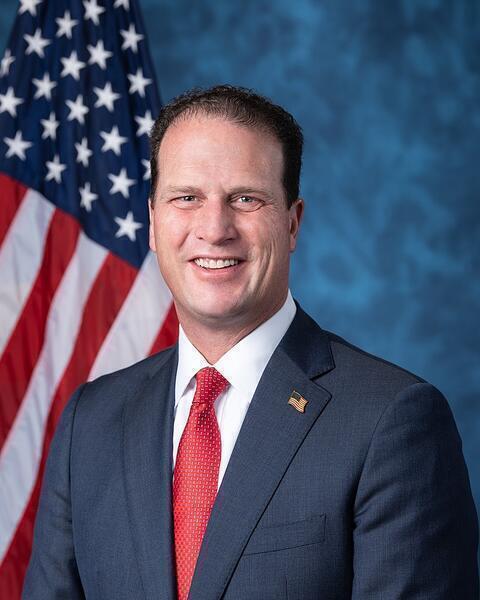
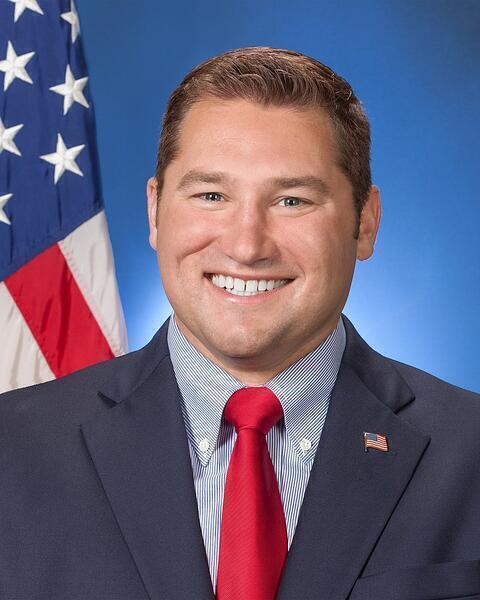
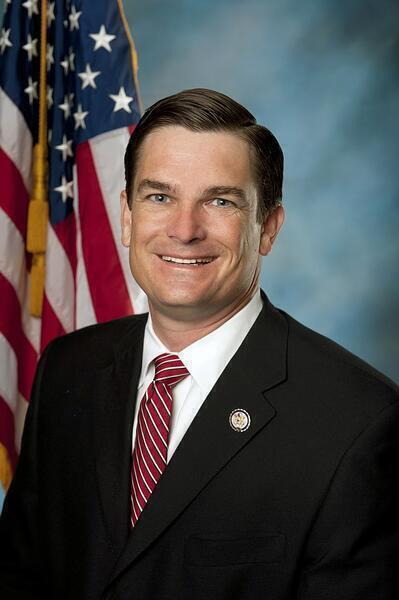
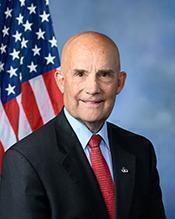
Yea (231)










K
Ken Calvert
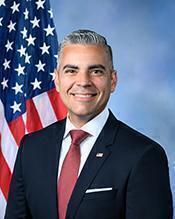
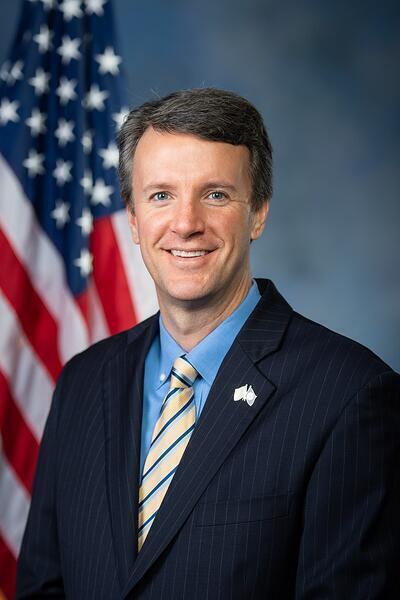
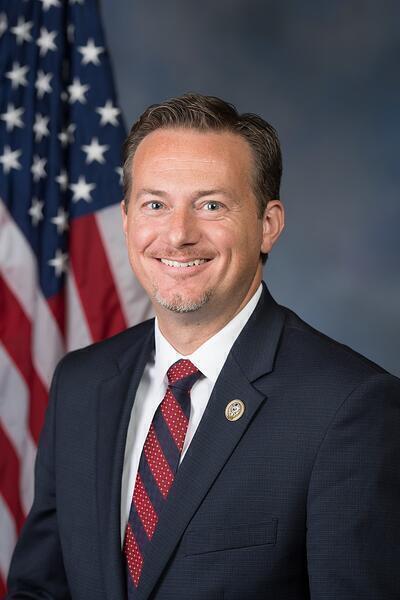
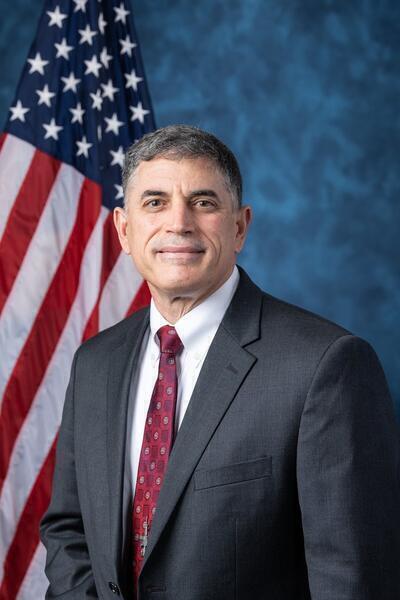












S
Scott Franklin






















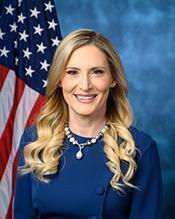


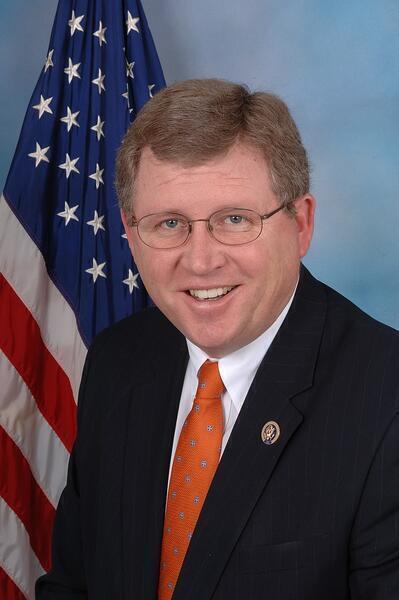

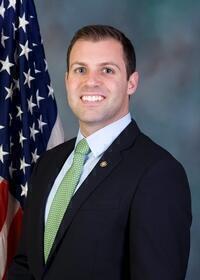

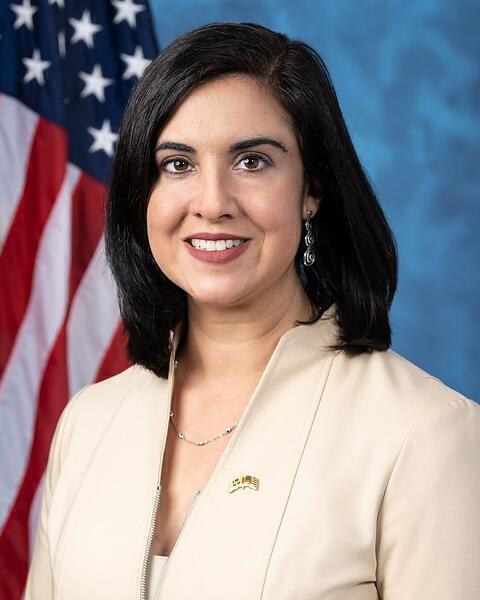

L
Lisa McClain









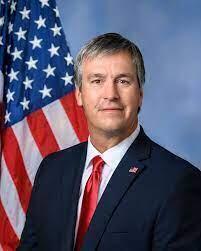



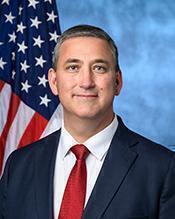
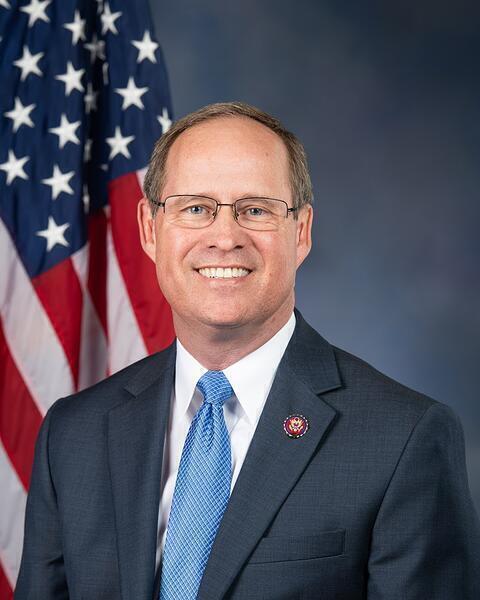
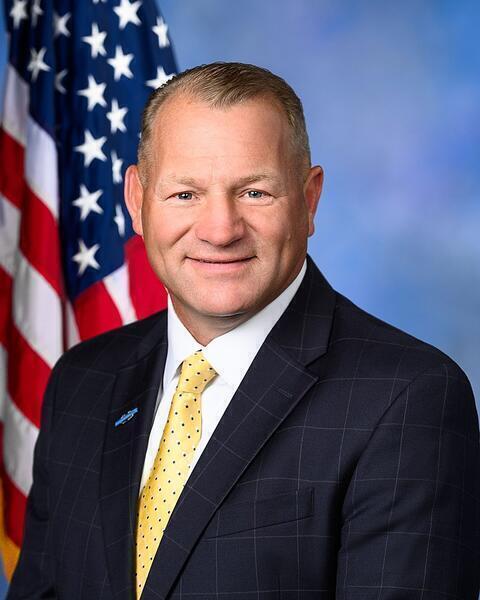








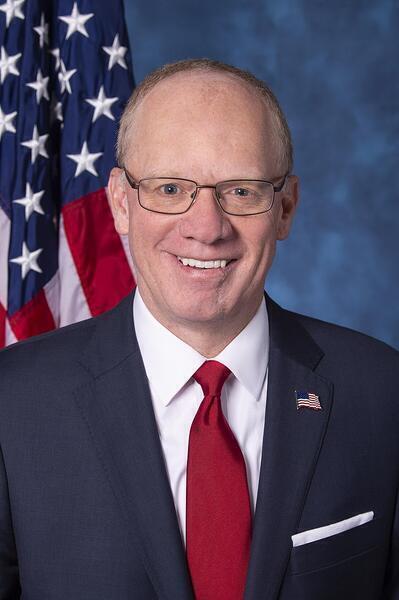
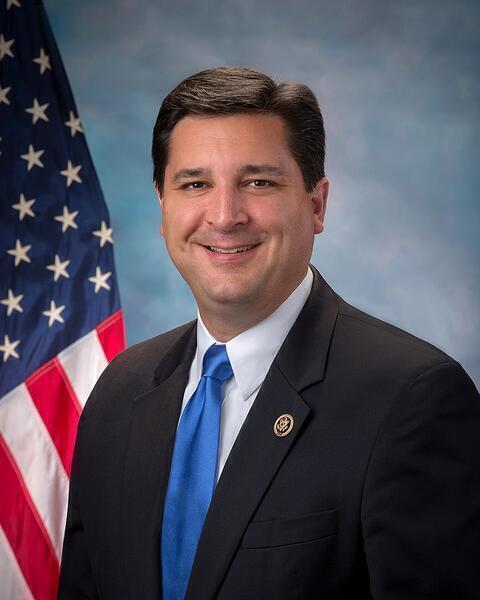
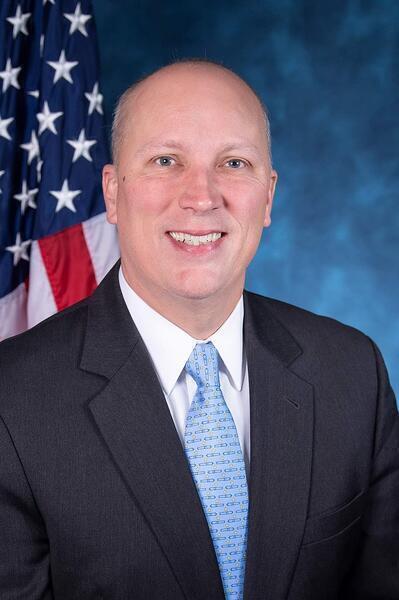

J
John Rutherford
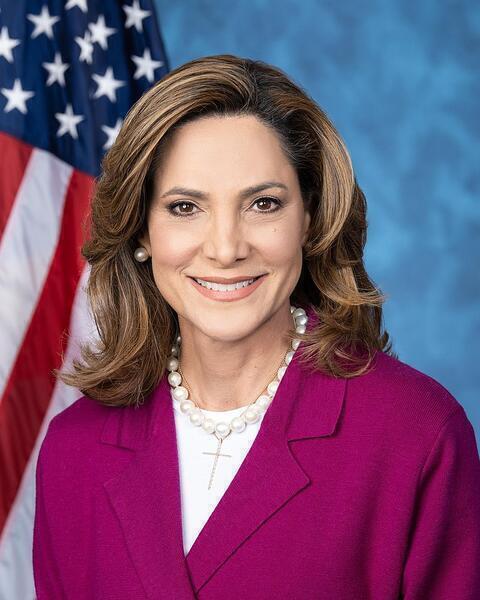


D
David Schweikert
P
Pete Sessions


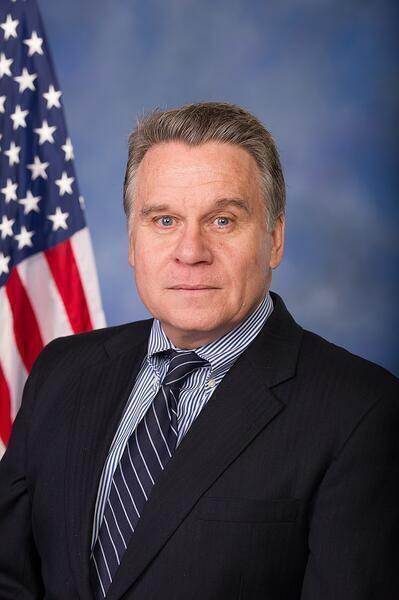
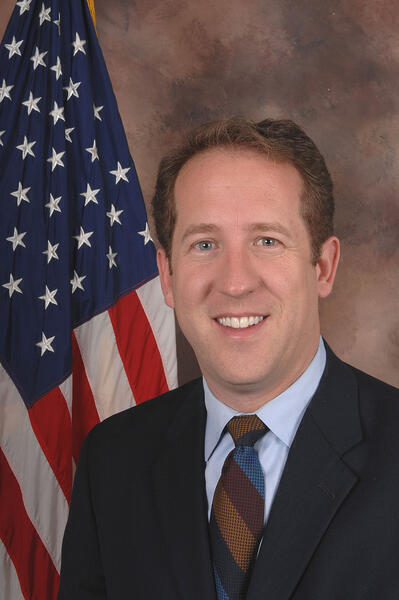

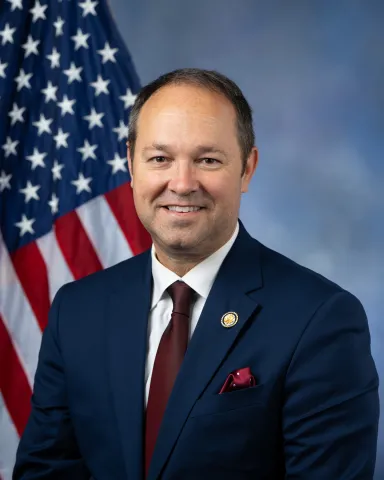
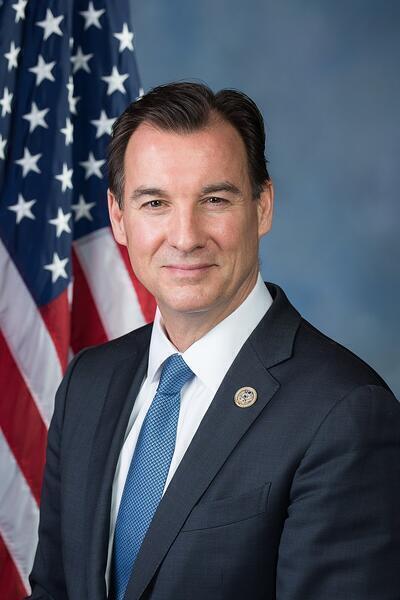
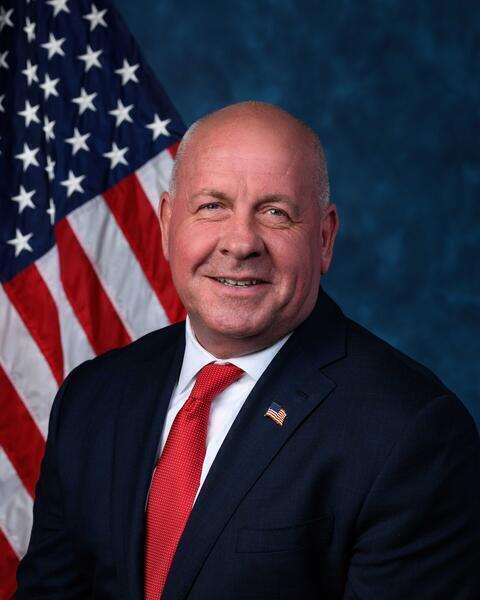

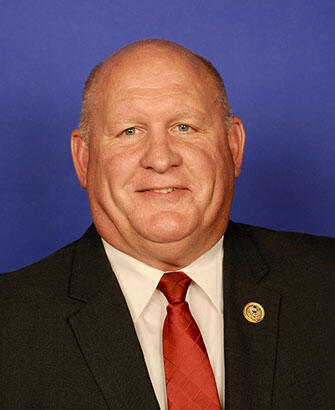








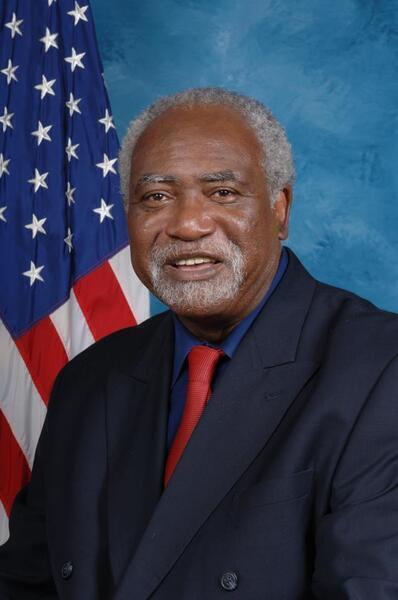
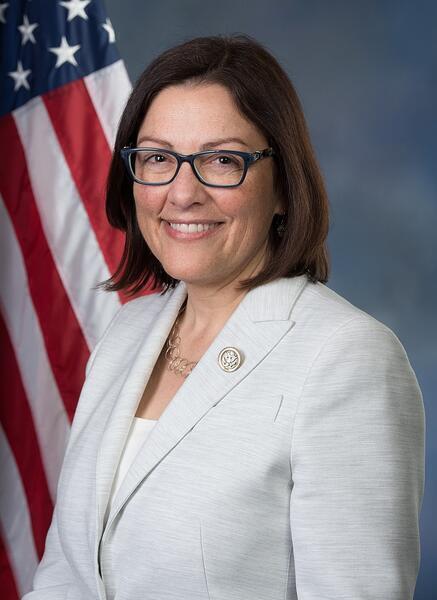
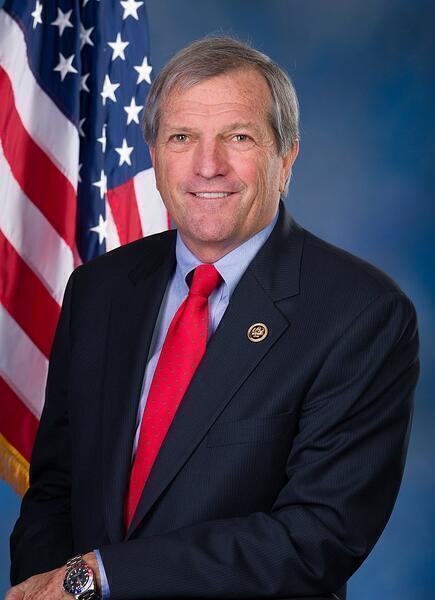
Nay (186)



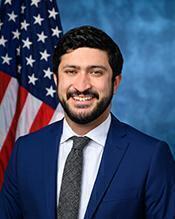
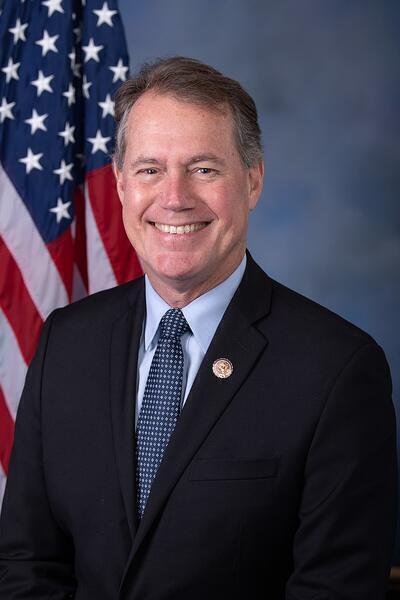


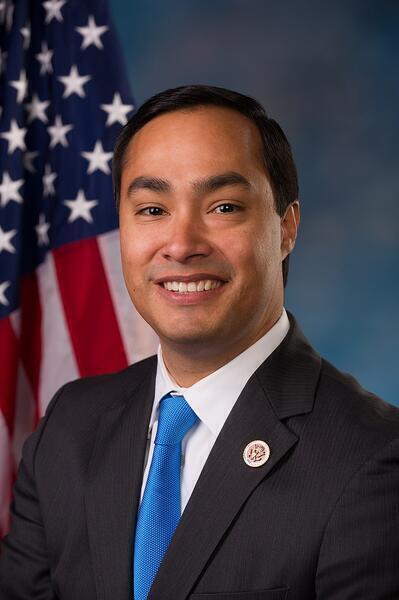

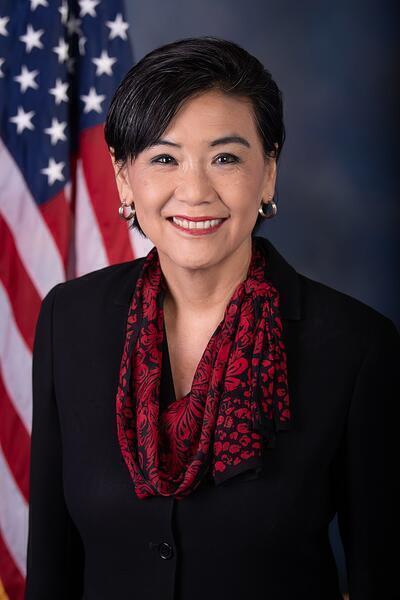
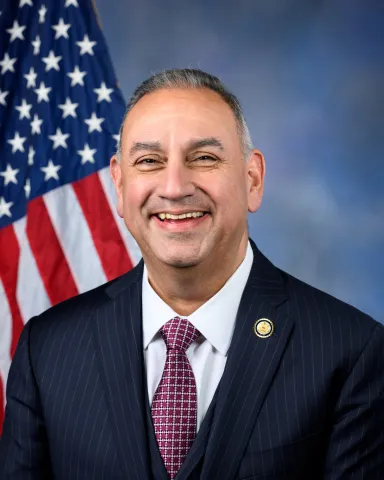

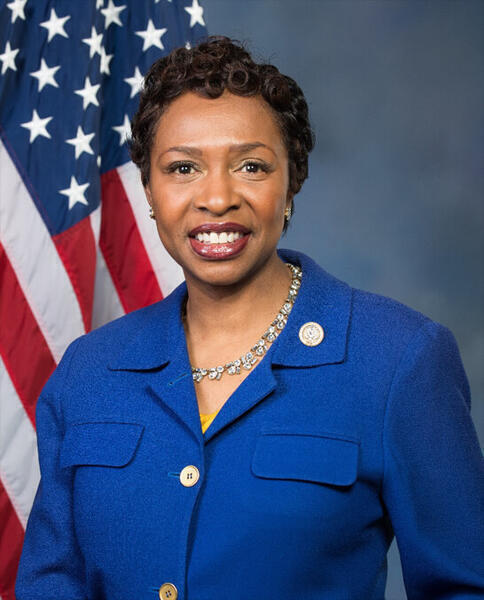
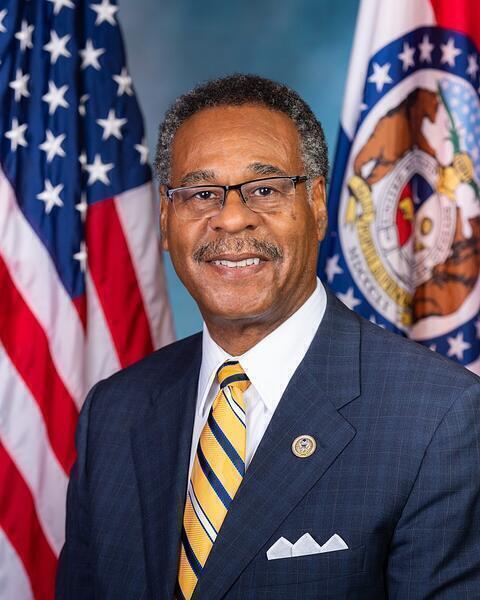


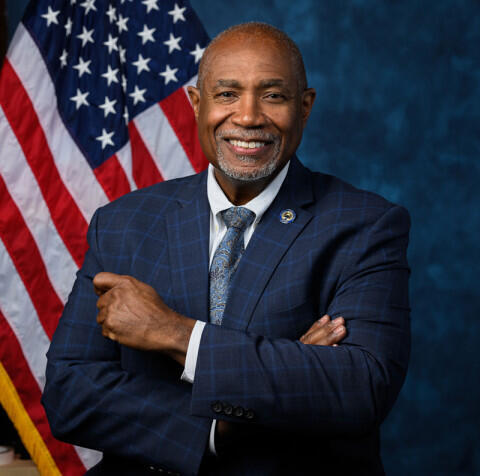
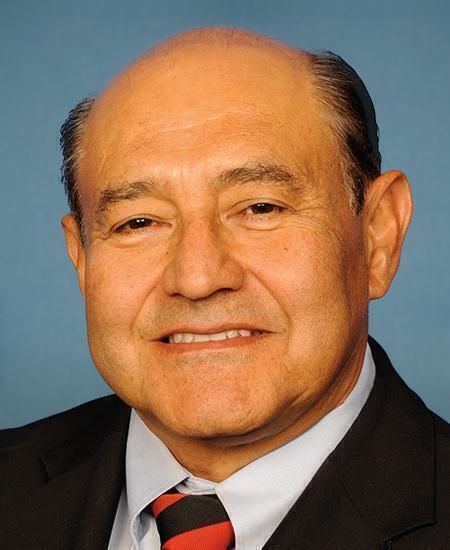
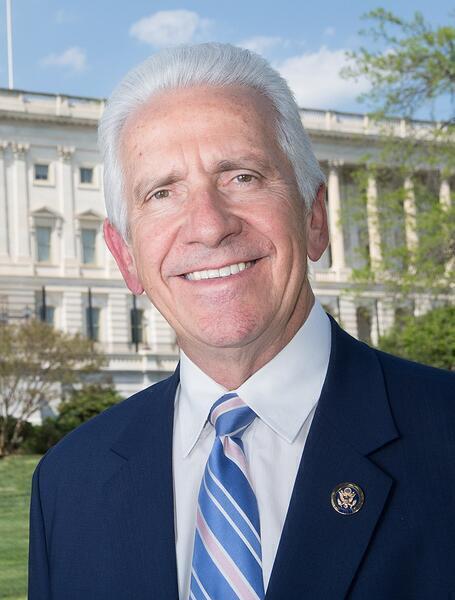
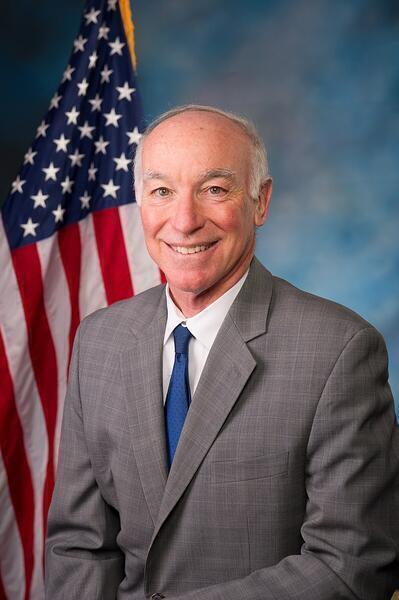
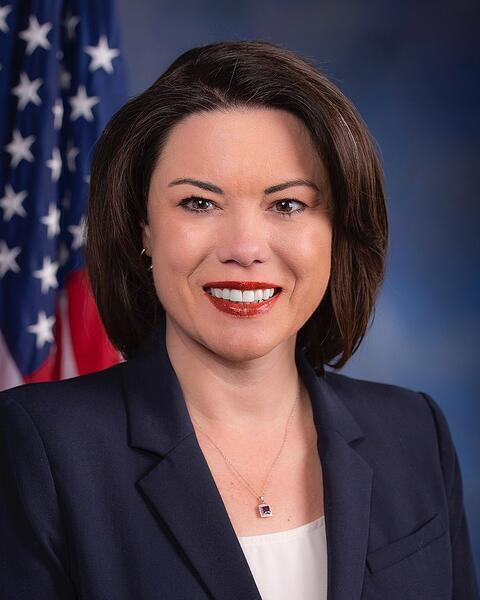

J
Jason Crow






L
Lloyd Doggett

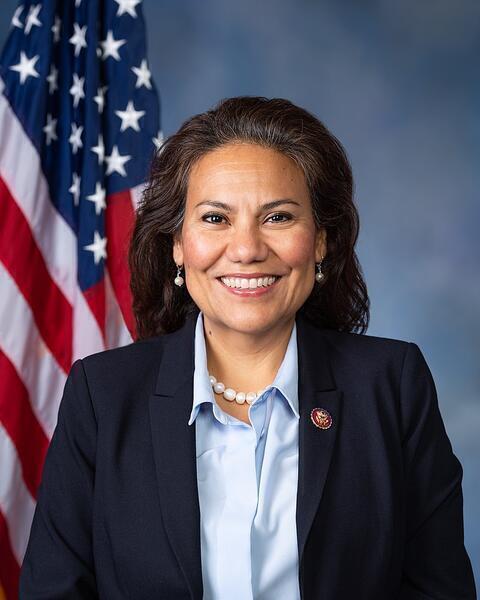



J
John Garamendi


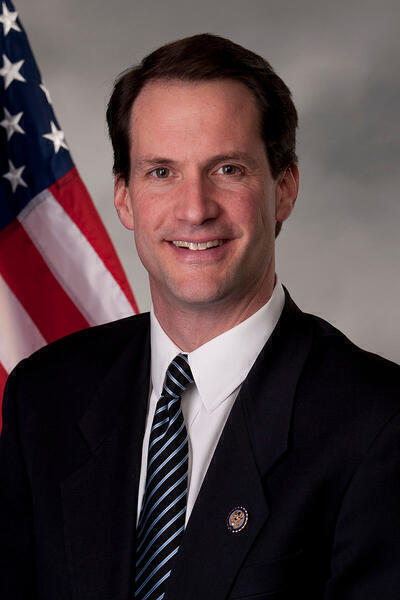
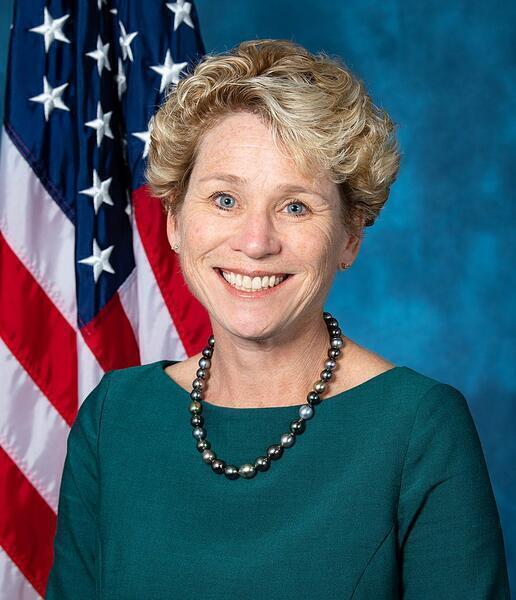
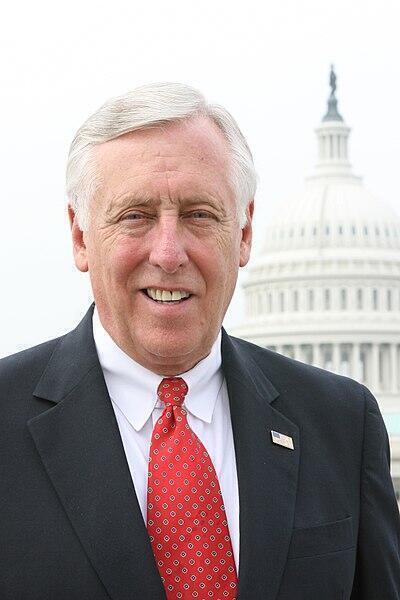






J
John Mannion
L
Lucy McBath

C
Christian Menefee

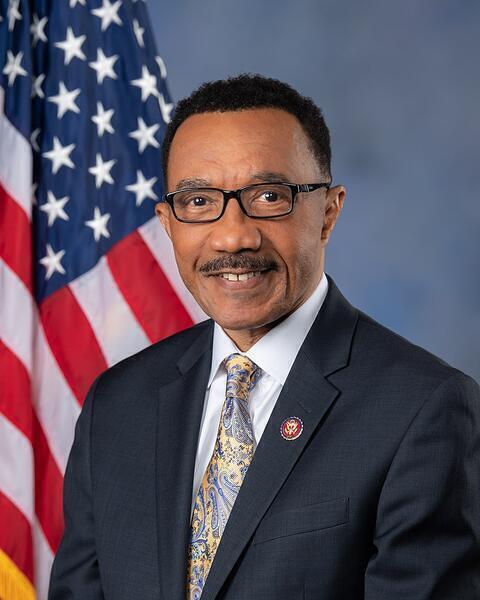
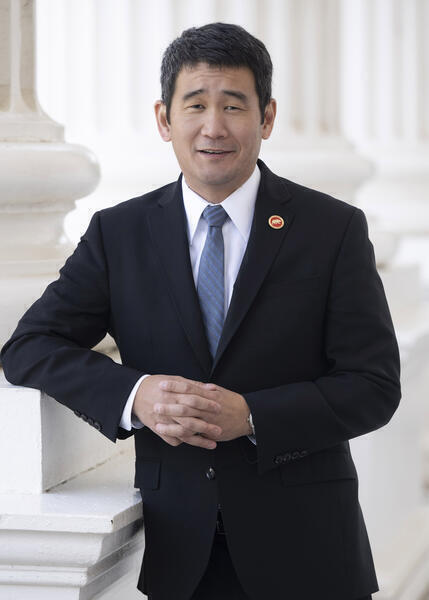

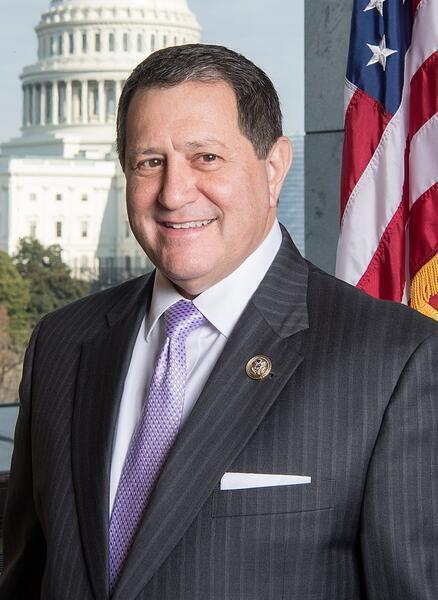






















R
Rashida Tlaib

N
Nydia Velázquez

D
Debbie Wasserman Schultz