H.J.Res.139 — Proposing an amendment to the Constitution of the United States requiring a balanced budget for the Federal Government.
House Roll Call
H.J.Res.139
| Bill | H.J.Res.139 — Proposing an amendment to the Constitution of the United States requiring a balanced budget for the Federal Government. |
|---|---|
| Vote question | On Motion to Suspend the Rules and Pass |
| Vote type | 2/3 Yea-And-Nay |
| Result | Failed |
| Totals | Yea 211 / Nay 207 / Present 0 / Not Voting 14 |
| Party | Yea | Nay | Present | Not Voting |
|---|---|---|---|---|
| R | 210 | 0 | 0 | 8 |
| D | 1 | 207 | 0 | 6 |
| I | 0 | 0 | 0 | 0 |
Research Brief
On Motion to Suspend the Rules and Pass
Bill Analysis
HJ.Res. 139 (119th Congress) proposes a constitutional amendment to require the federal government to maintain a balanced budget, subject to limited exceptions and supermajority waivers.
The resolution would amend the Constitution to prohibit total federal outlays from exceeding total receipts for any fiscal year, unless three-fifths of the whole number of each House of Congress votes to authorize a specific excess. “Receipts” generally exclude borrowing; the amendment is designed to constrain deficit spending as a matter of constitutional law rather than statute.
The measure typically includes (based on standard balanced budget amendment formulations) requirements that:
- The President submit a balanced budget to Congress annually.
- Any bill to increase the statutory limit on federal debt receive approval by a three-fifths vote of the whole membership of each House.
- Congress may waive the balanced budget requirement for a fiscal year during a declared war or during a military conflict posing an imminent and serious military threat to national security, usually by a specified supermajority vote.
- Congress may enforce the amendment through implementing legislation, but such laws cannot weaken the constitutional requirements.
The amendment would primarily affect Congress, the President, and federal fiscal agencies (e.g., Treasury, OMB) by constraining budget, tax, and borrowing decisions. Indirectly, all federal program beneficiaries, contractors, and state/local governments that rely on federal funds could be affected, as spending would be limited to available revenues absent supermajority approval.
As a constitutional amendment, it requires two-thirds approval in both the House and Senate, followed by ratification by three-fourths of the states. On the key procedural step recorded, the House considered HJ.Res. 139 under suspension of the rules, which requires a two-thirds vote for passage. The resolution failed on that vote, 211–207, and therefore did not advance toward the two-thirds constitutional threshold or state ratification process. No new authorities or funding were created because the amendment was not adopted.
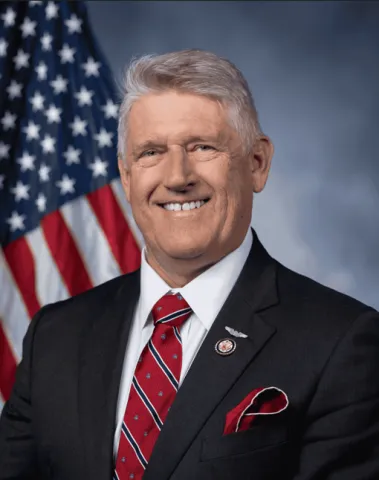
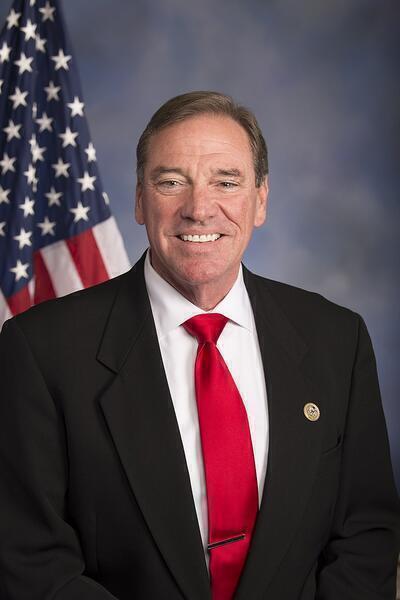
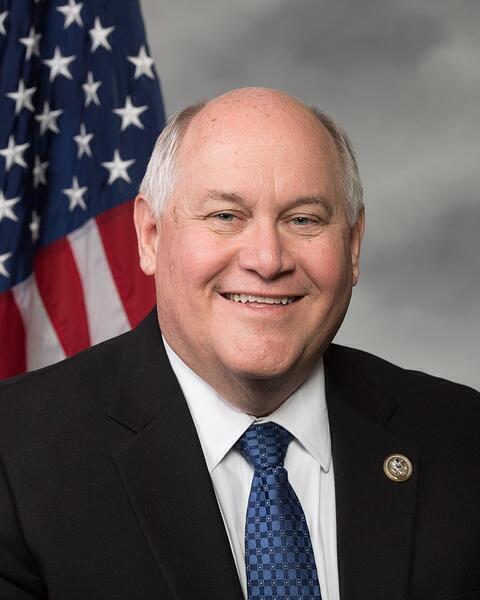
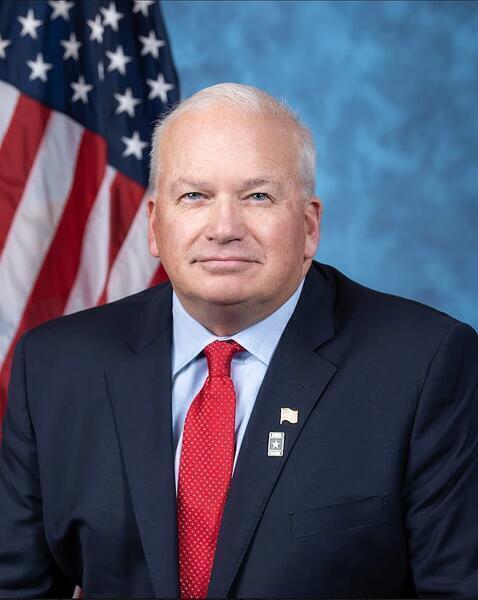
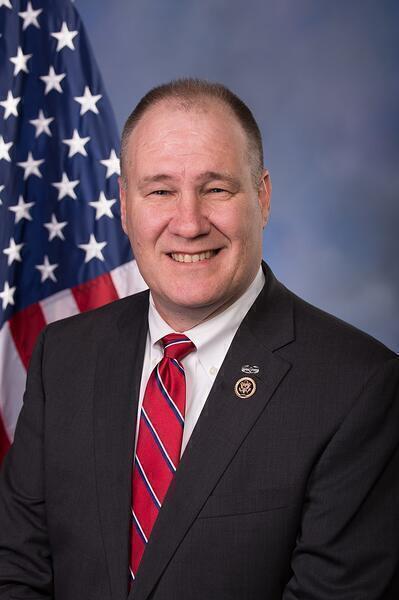
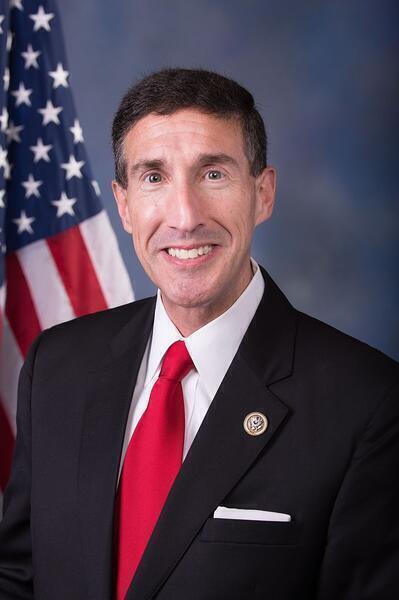
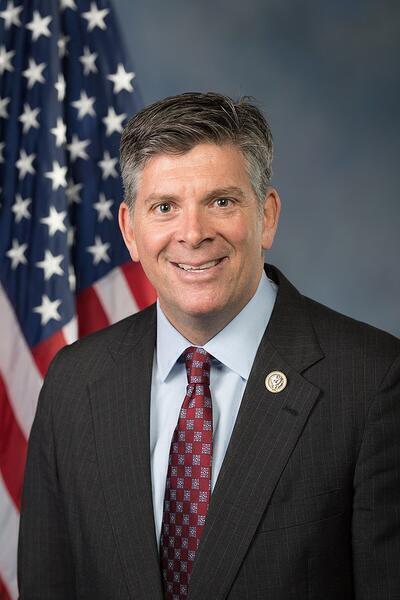
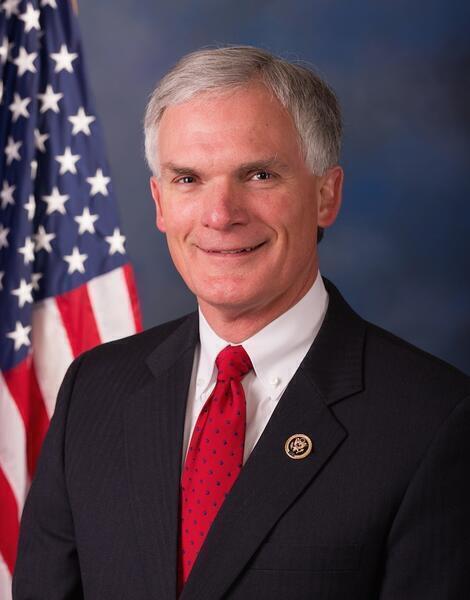
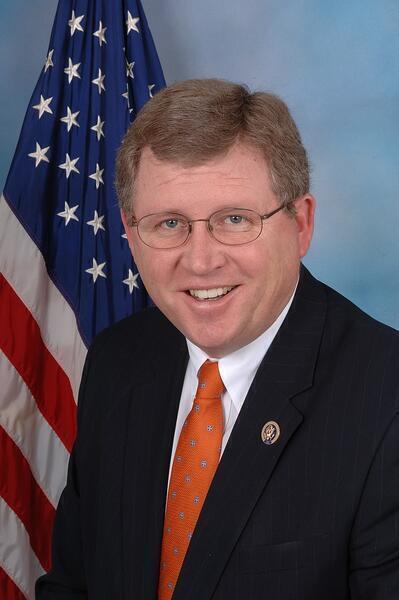
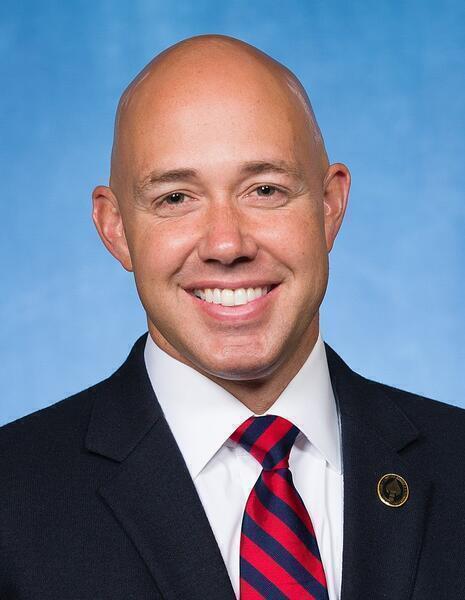
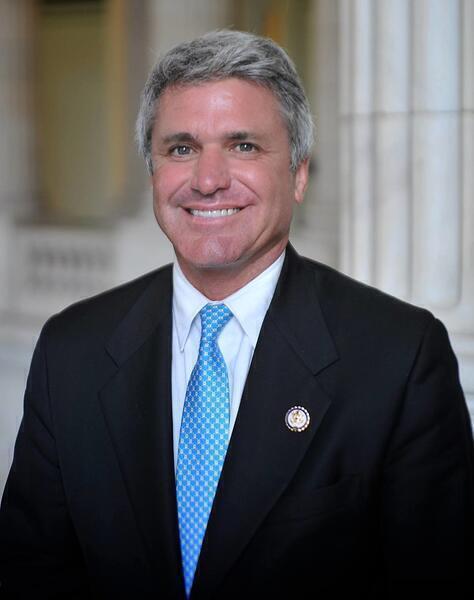
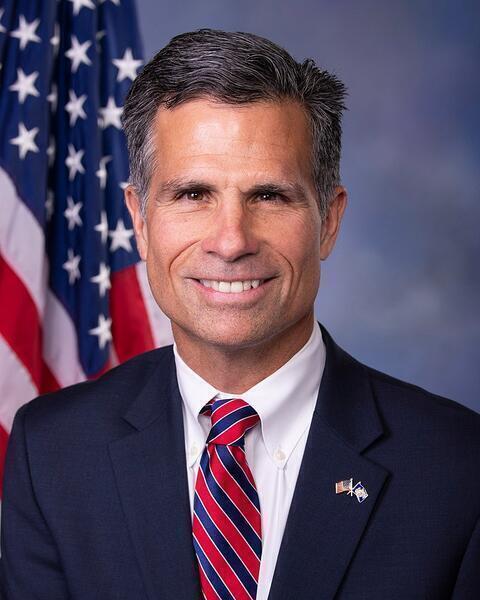
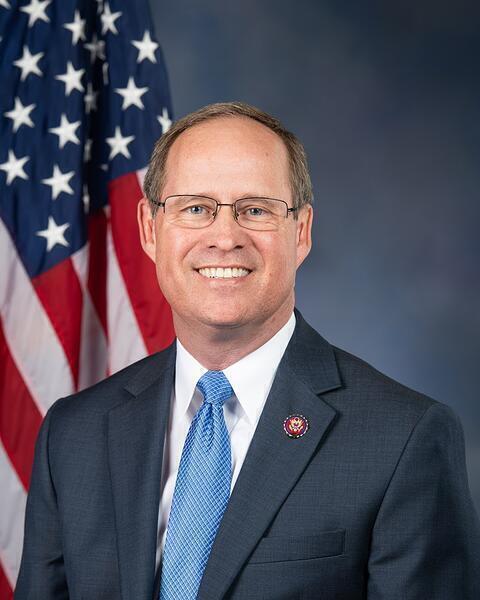
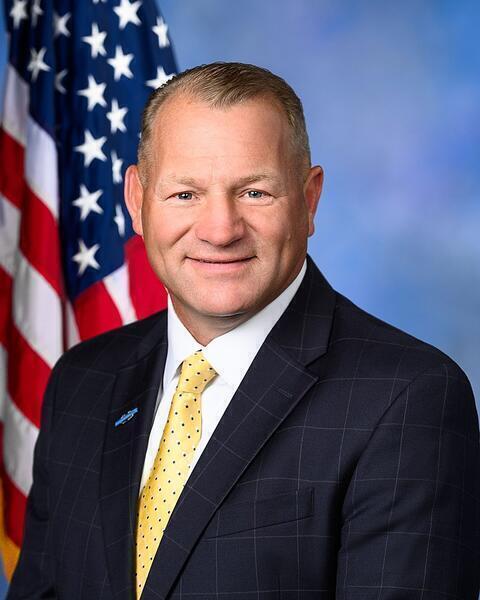
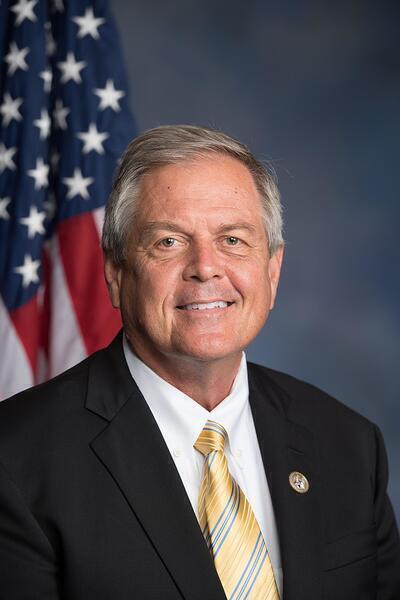
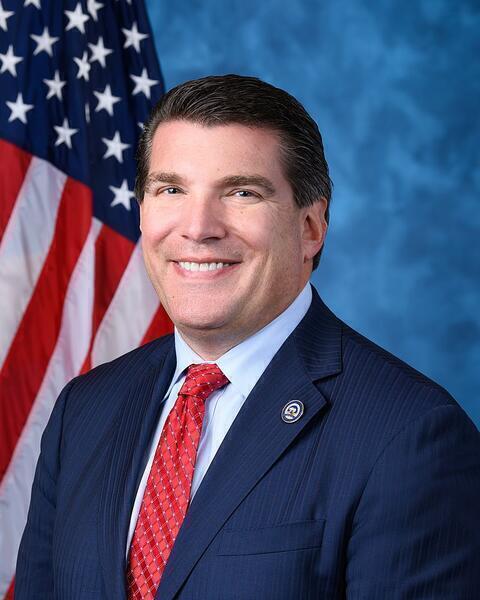
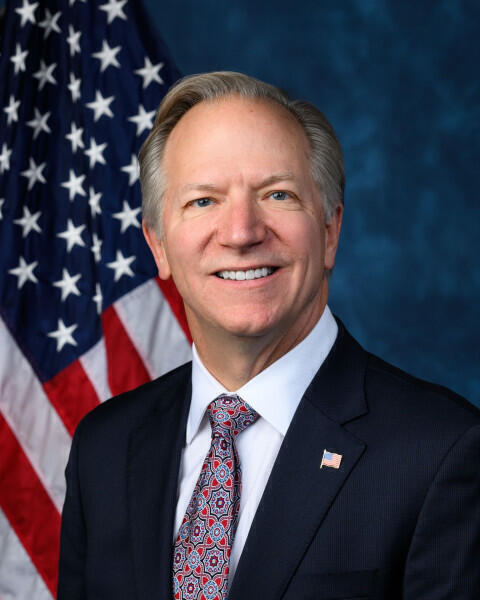
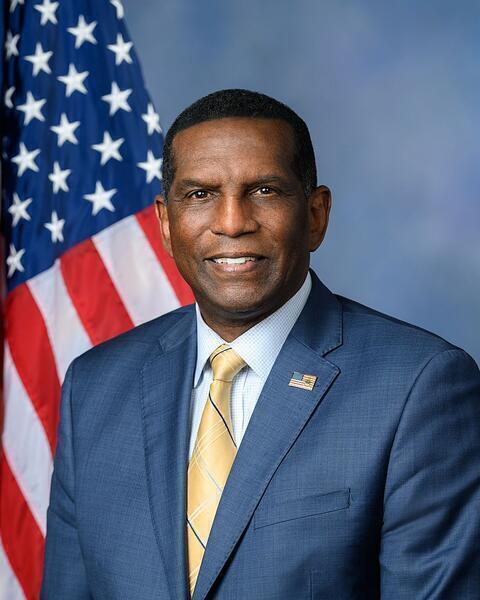
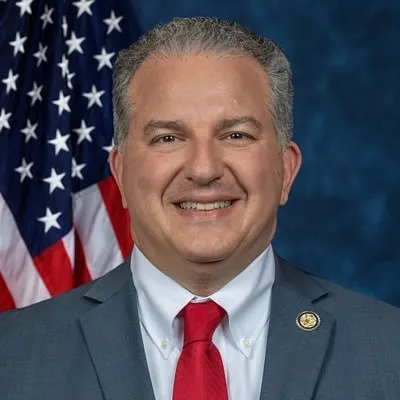
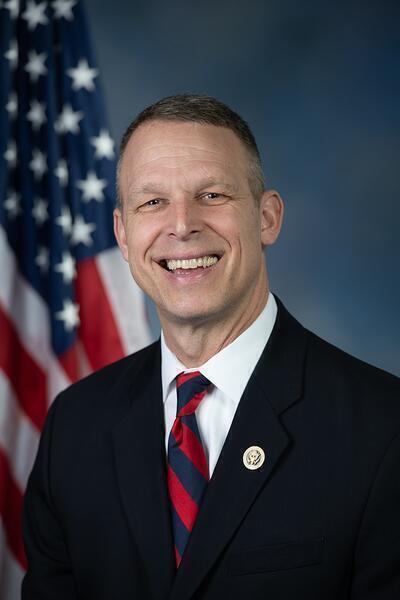
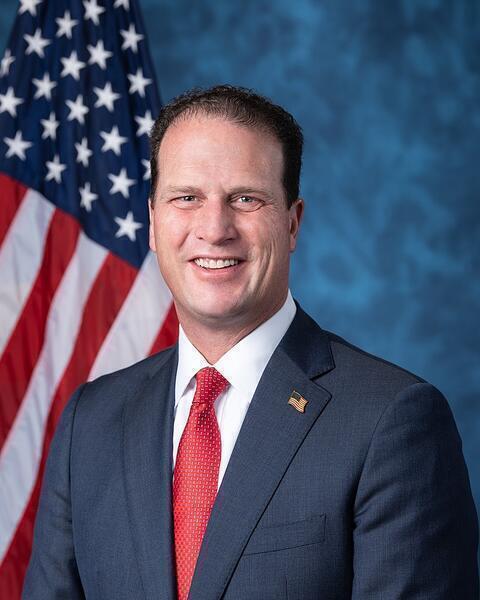
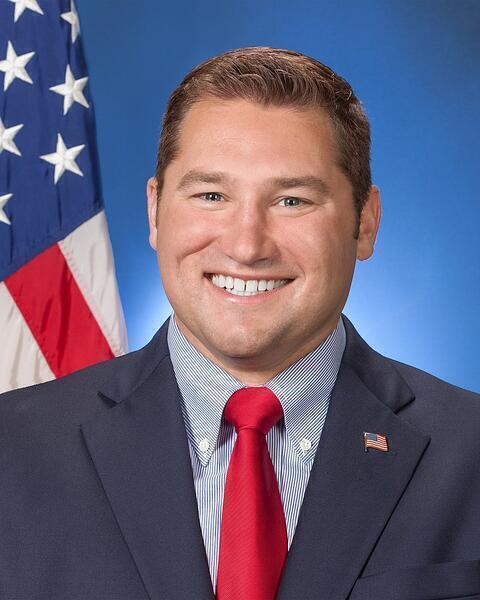
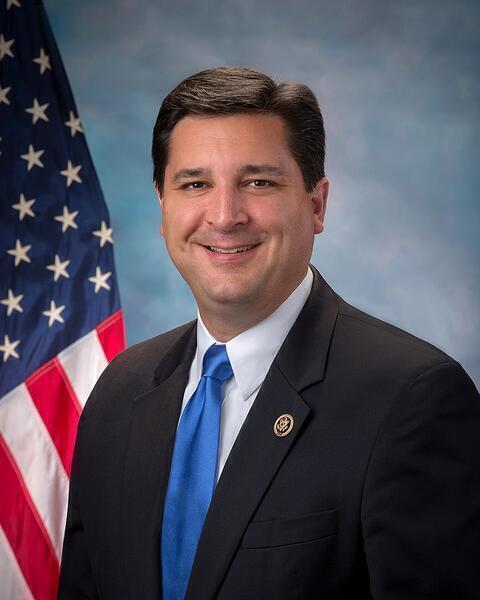
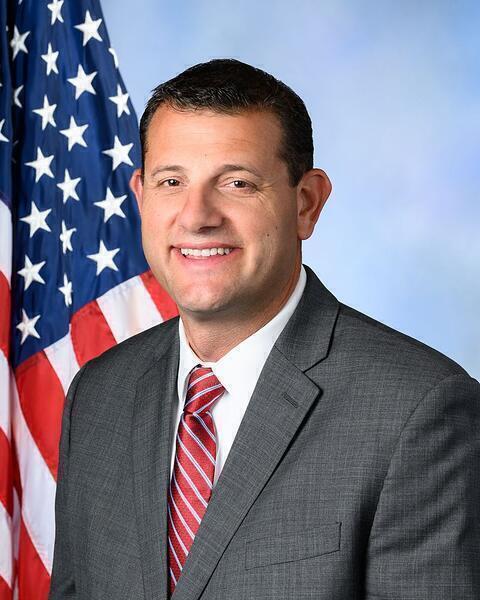
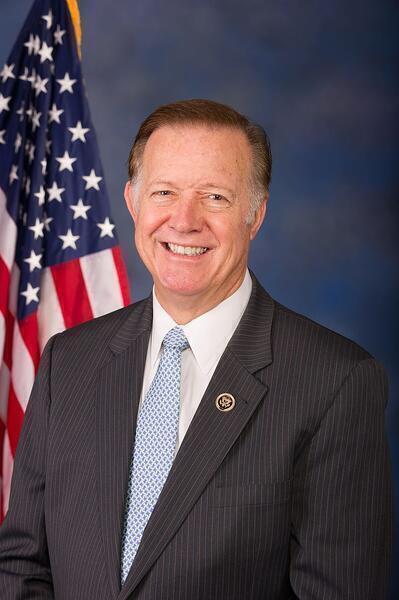
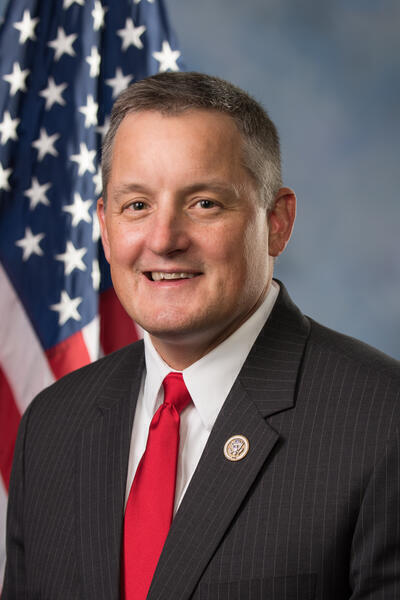
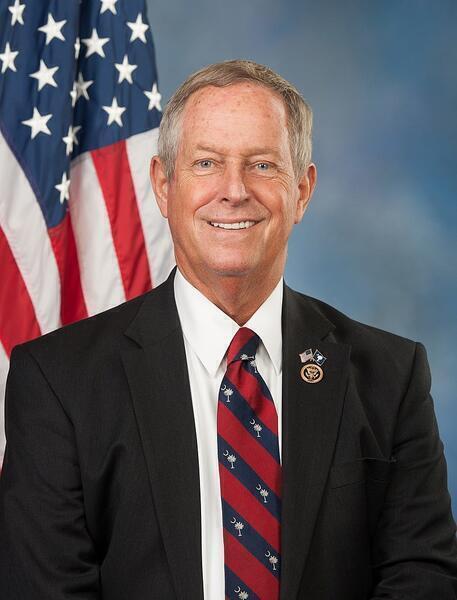
Yea (211)


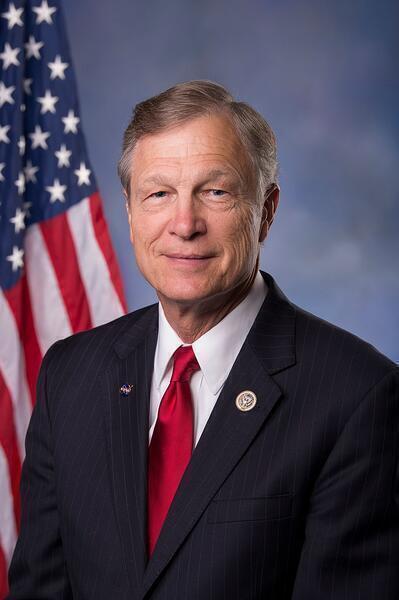



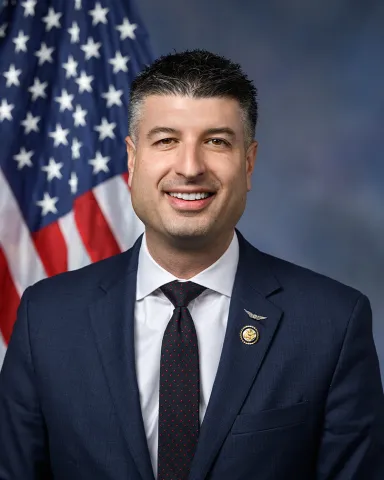



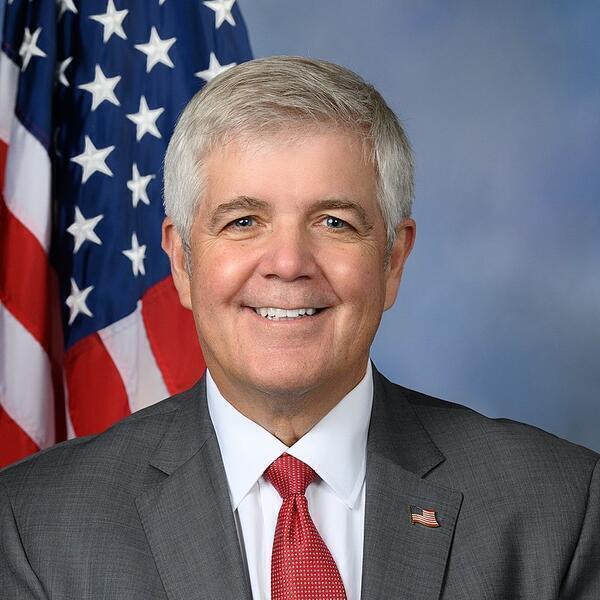
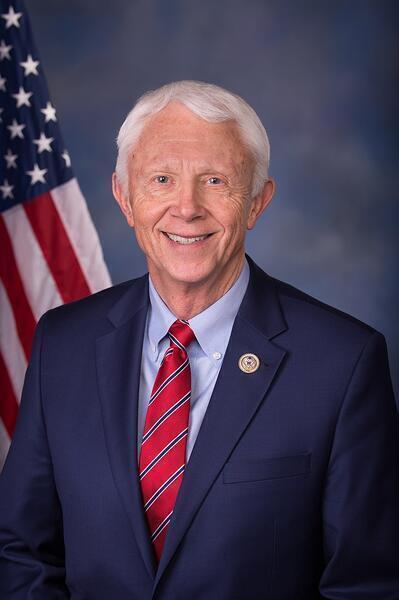









K
Ken Calvert

























S
Scott Franklin




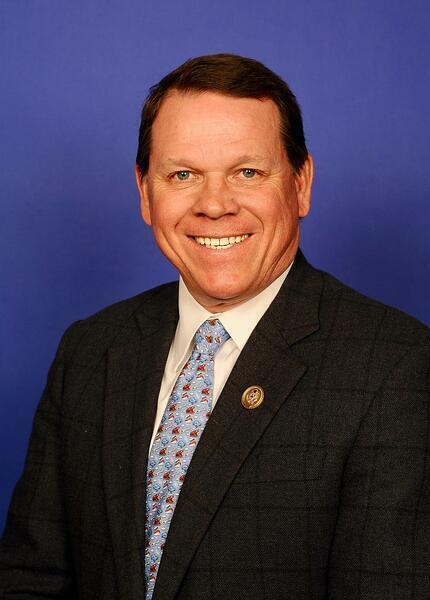

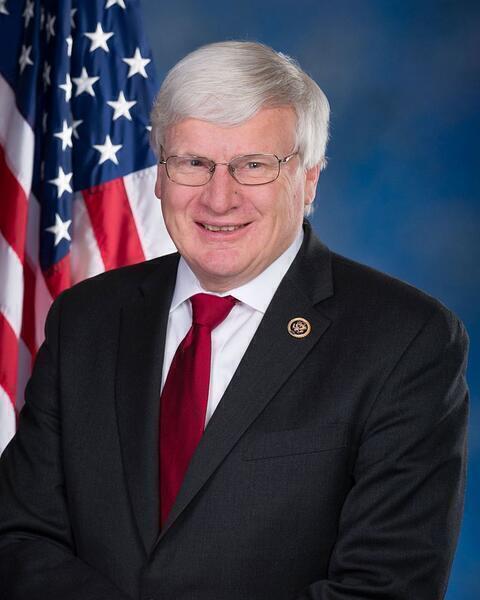

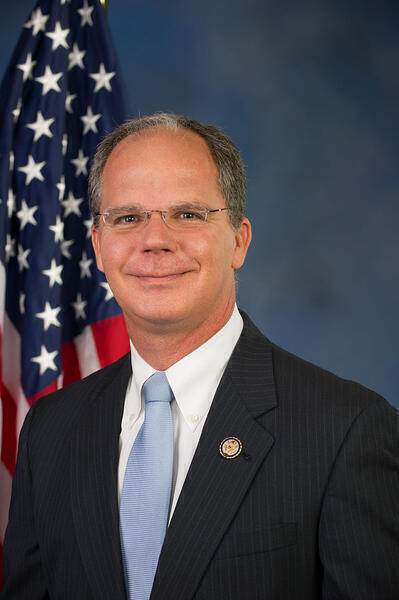



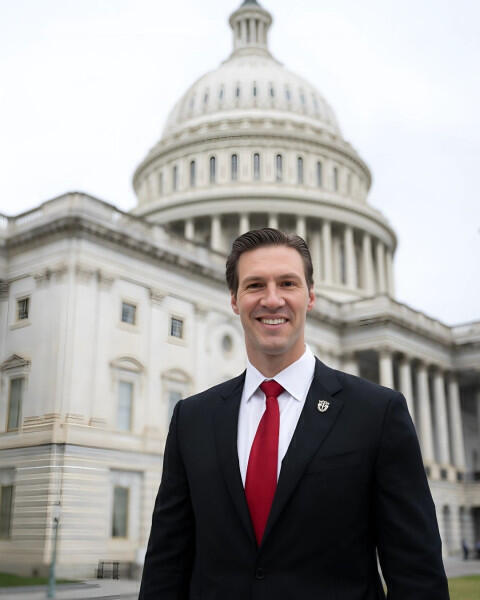


































L
Lisa McClain

























J
John Rutherford



D
David Schweikert


P
Pete Sessions
























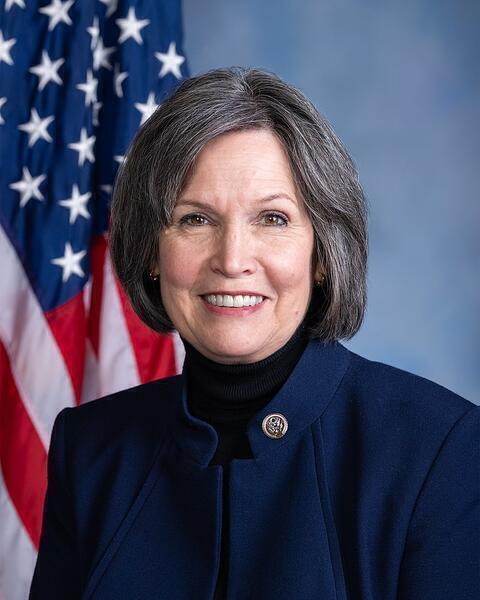
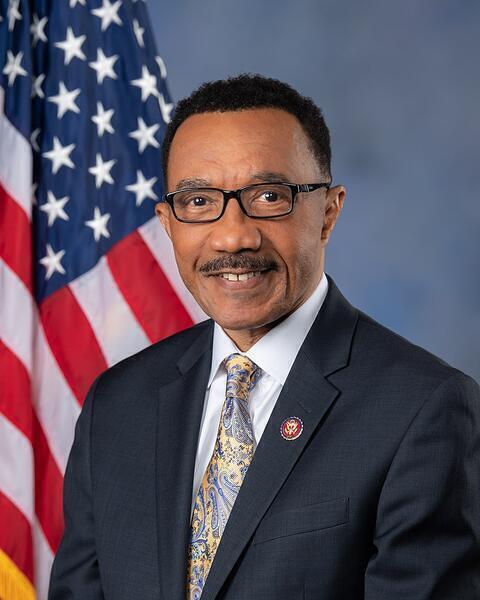
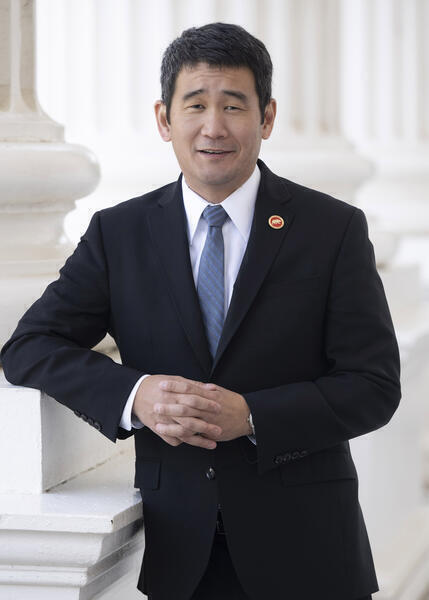
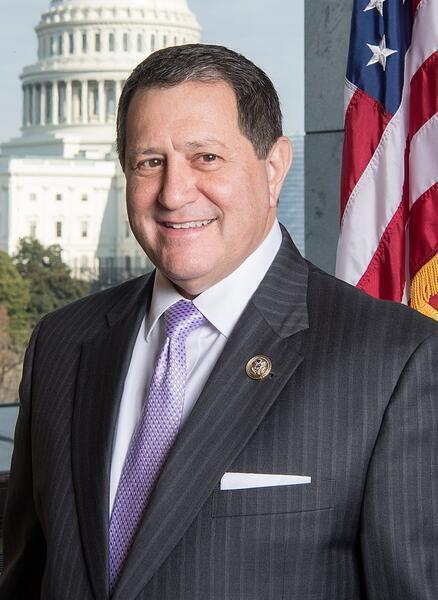
Nay (207)






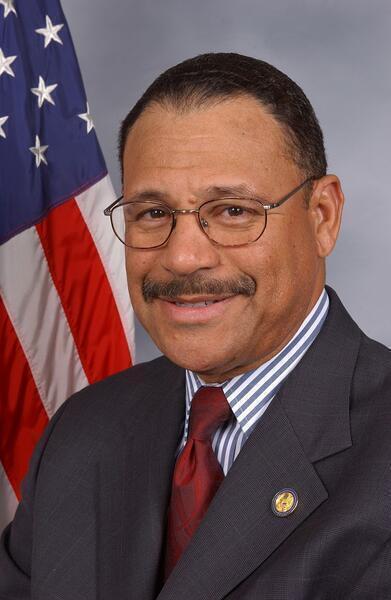

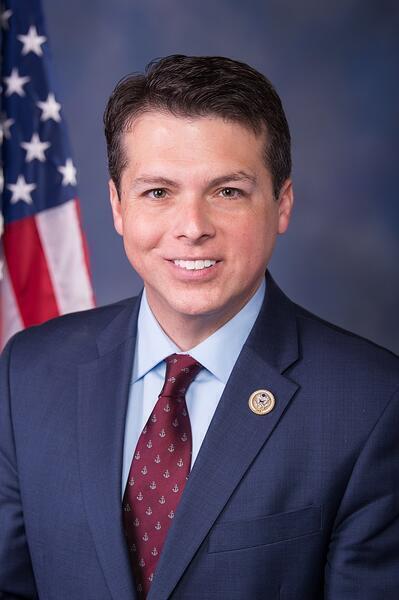

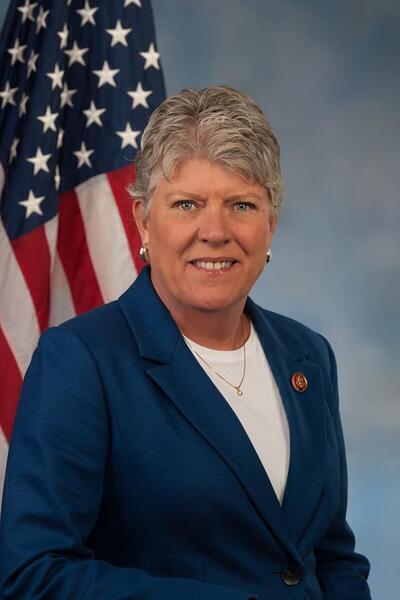


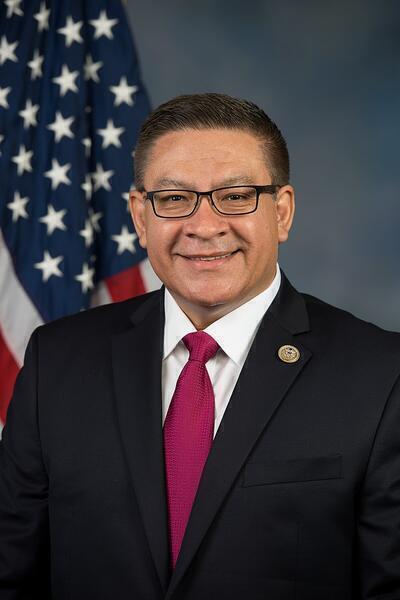














J
Jason Crow










L
Lloyd Doggett








J
John Garamendi
























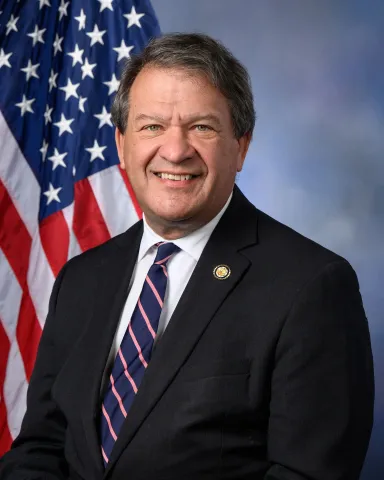





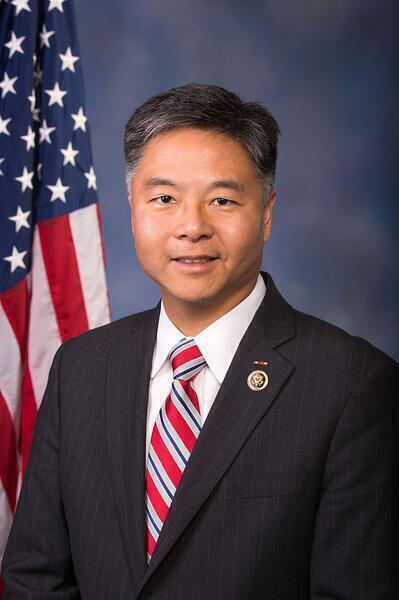

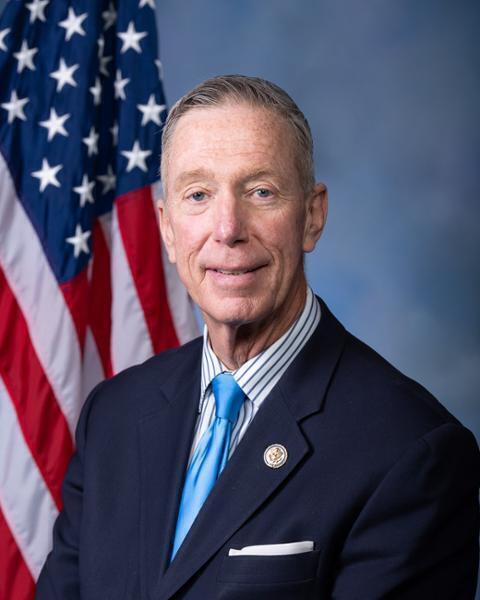

J
John Mannion

L
Lucy McBath


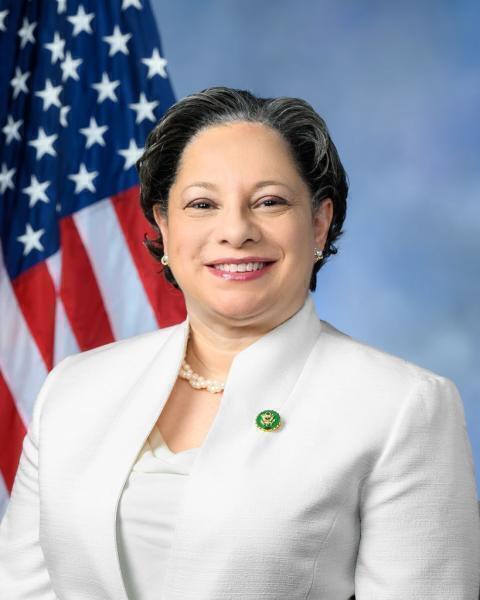





C
Christian Menefee














































R
Rashida Tlaib







N
Nydia Velázquez


D
Debbie Wasserman Schultz