H.R.4638 — BOWOW Act
House Roll Call
H.R.4638
| Bill | H.R.4638 — BOWOW Act |
|---|---|
| Vote question | On Passage |
| Vote type | Yea-and-Nay |
| Result | Passed |
| Totals | Yea 228 / Nay 190 / Present 0 / Not Voting 14 |
| Party | Yea | Nay | Present | Not Voting |
|---|---|---|---|---|
| R | 212 | 0 | 0 | 5 |
| D | 15 | 190 | 0 | 9 |
| I | 1 | 0 | 0 | 0 |
Research Brief
On Passage
Bill Analysis
HR 4638 – Federal Working Animal Protection Act (119th Congress)
HR 4638 establishes a uniform federal framework to protect “federal working animals” and govern their retirement, care, and disposition. The bill applies to animals owned by, or working under contract for, federal agencies in law enforcement, national security, search and rescue, border protection, and similar official functions (e.g., dogs and horses used by DHS, DoD, DOJ, DOI, and other agencies).
Core provisions:
- Definitions and scope: Creates a statutory definition of “federal working animal,” covering animals trained for detection, patrol, crowd control, tracking, search and rescue, or similar duties. Excludes animals used solely for research, exhibition, or recreation.
- Care and welfare standards: Requires covered agencies to meet minimum standards for housing, nutrition, veterinary care, and humane handling while animals are in active service. Agencies must adopt written policies consistent with these standards and periodically review them.
- Retirement and disposition: Directs agencies to establish transparent procedures for determining when an animal is no longer fit for duty and must be retired. Prioritizes adoption by the animal’s handler or other qualified individuals, with safeguards against transfer to entities that would use the animal for inhumane purposes. Prohibits sale for slaughter or use in fighting.
- Recordkeeping and reporting: Mandates that agencies maintain records on each federal working animal’s service, health, retirement, and final disposition. Requires periodic reports to Congress on compliance, numbers of animals, retirements, and any waivers or exceptions.
- Regulatory authority: Authorizes relevant department heads to issue regulations and guidance to implement the Act, coordinate across agencies, and update standards as best practices evolve.
Beneficiaries include federal working animals and their handlers, as well as adopting families and organizations. Regulated entities are federal departments and contractors that own, manage, or deploy such animals. The bill’s requirements phase in on a set schedule (e.g., policy issuance and initial reporting within 12–24 months of enactment), with ongoing reporting at regular intervals thereafter. Funding is expected to come from existing agency appropriations, with authority to allocate funds for compliance, veterinary care, and retirement support.
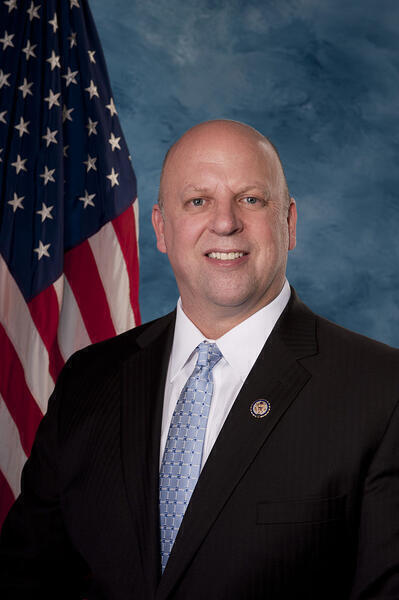
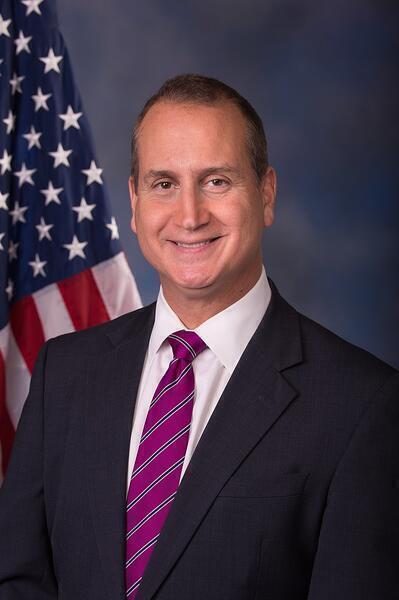
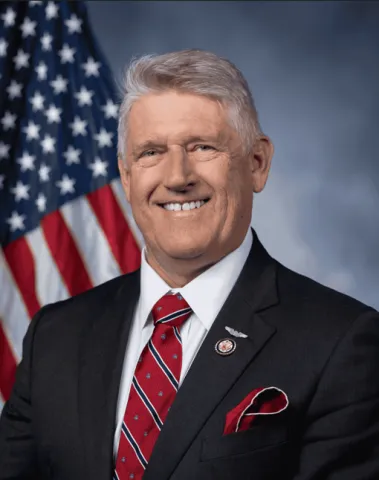
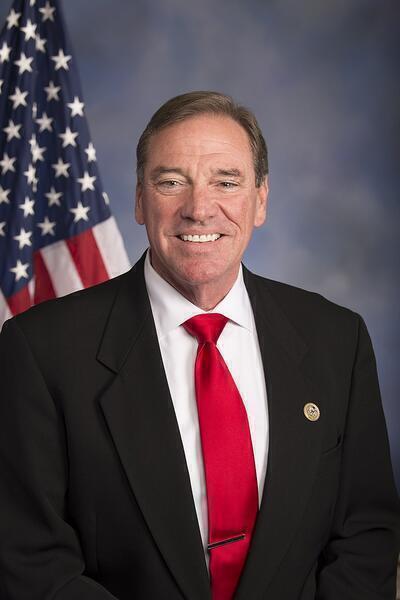
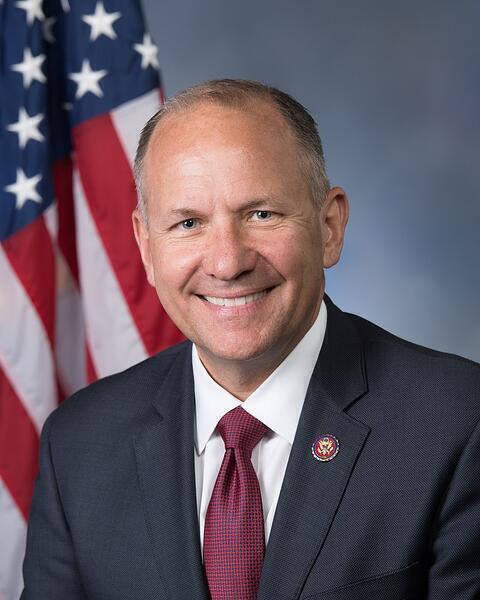
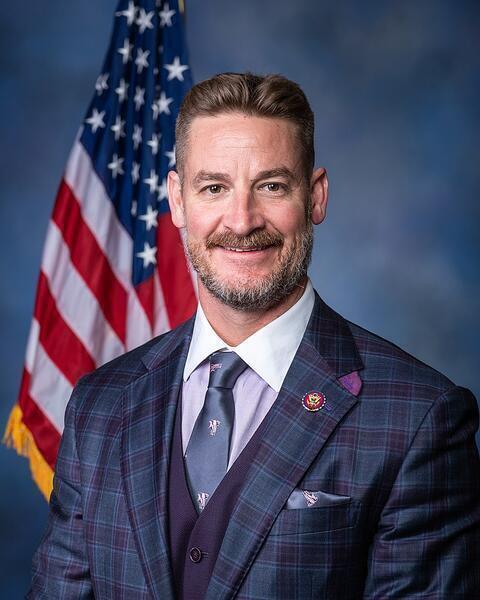
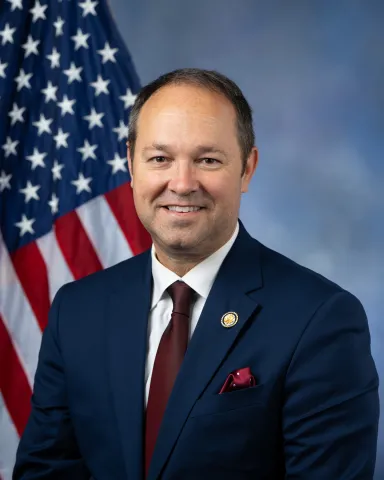
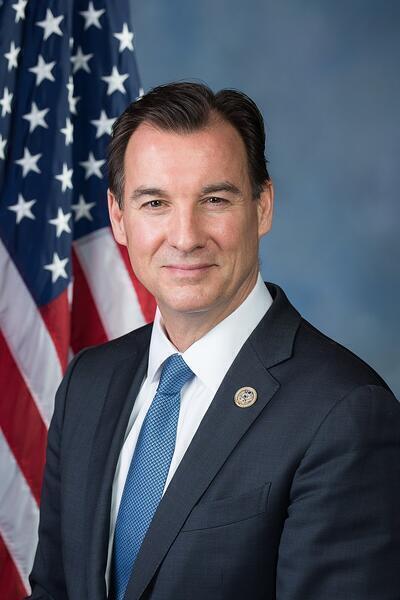
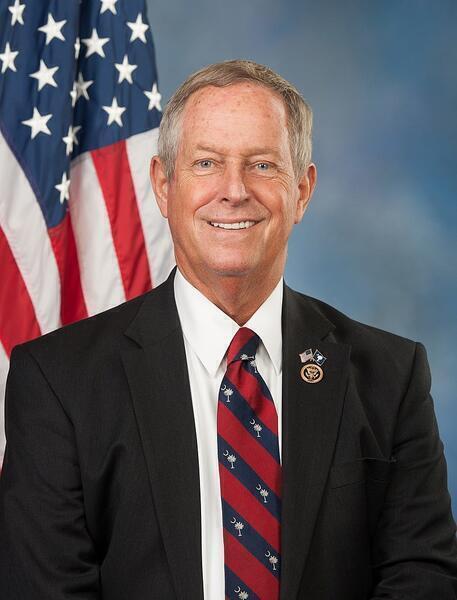
Yea (228)
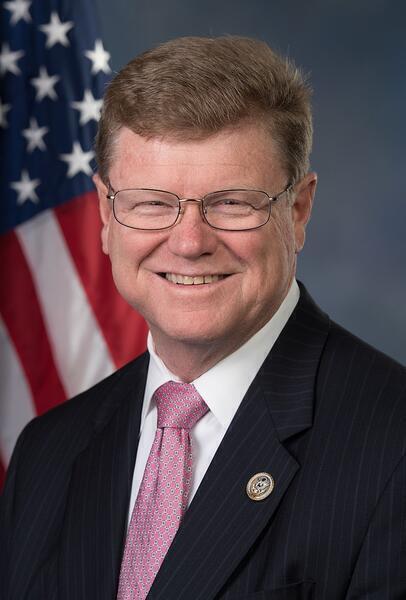

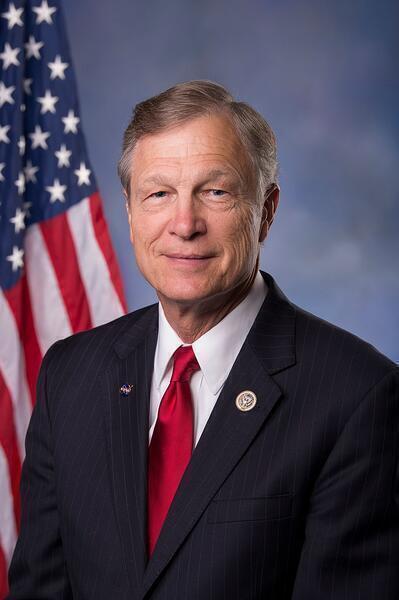
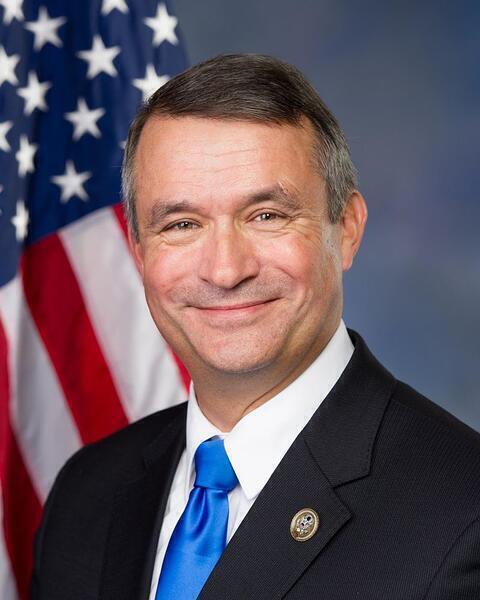
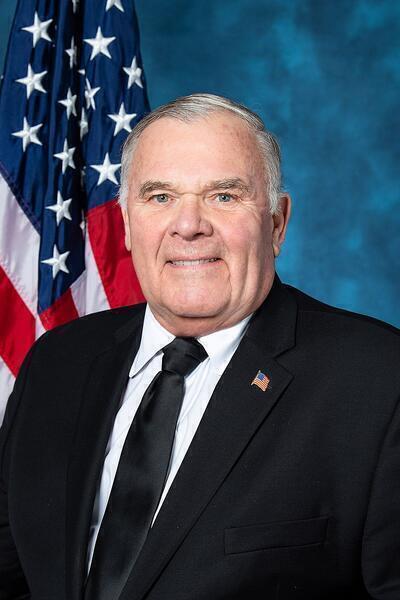

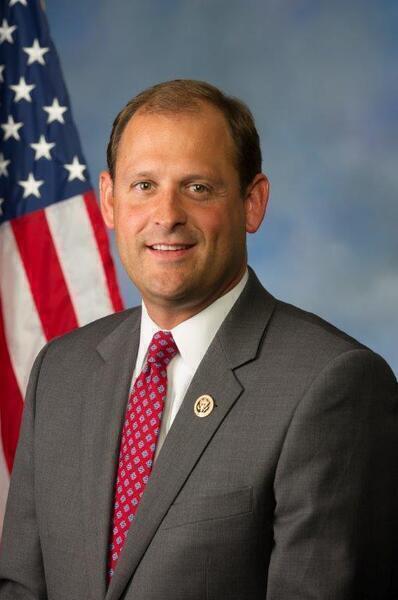
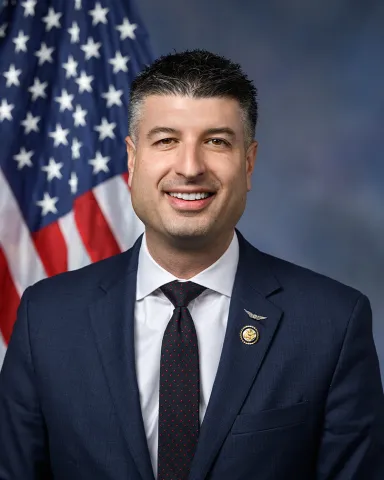



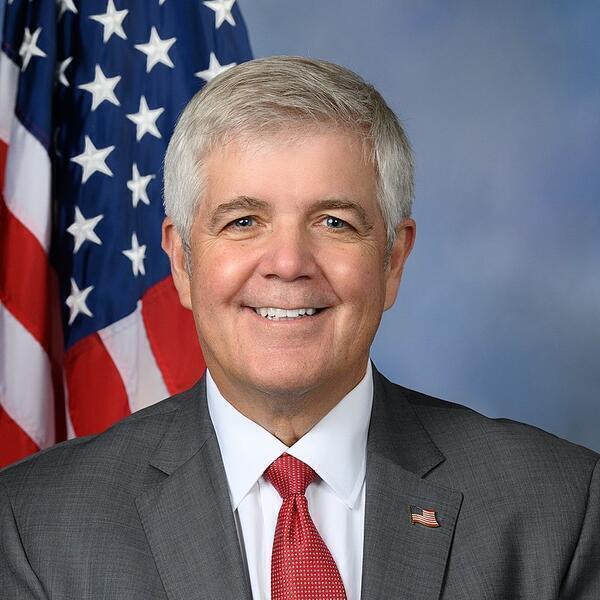
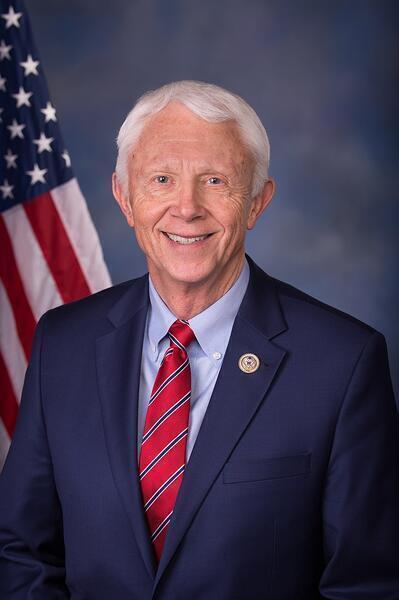

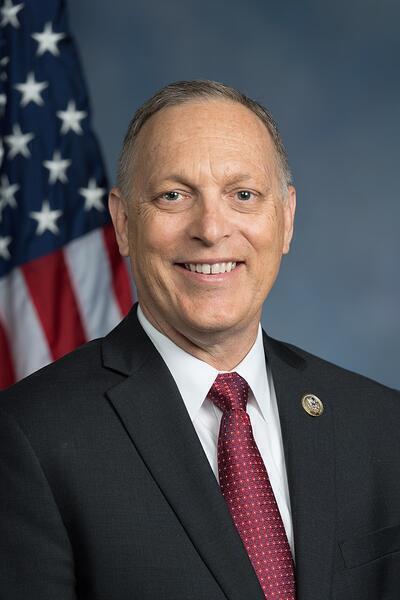



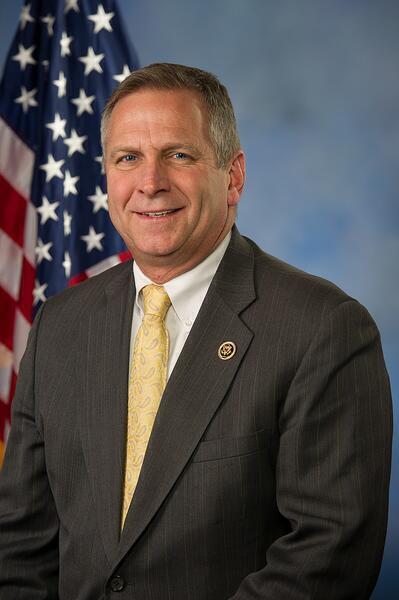





K
Ken Calvert


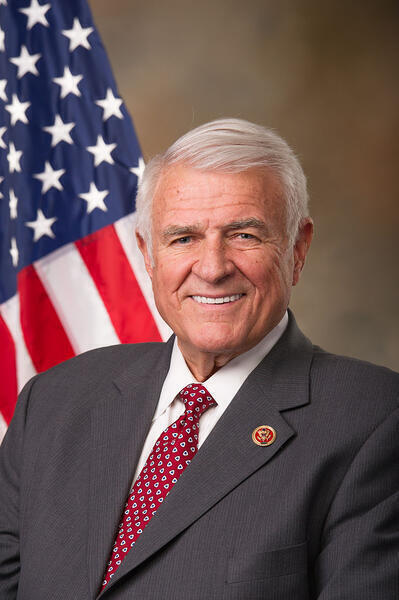
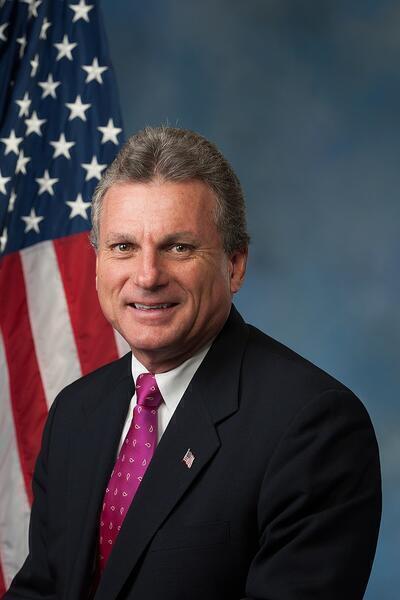



















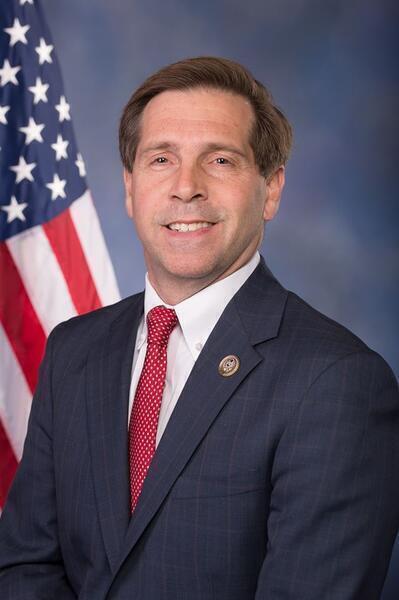


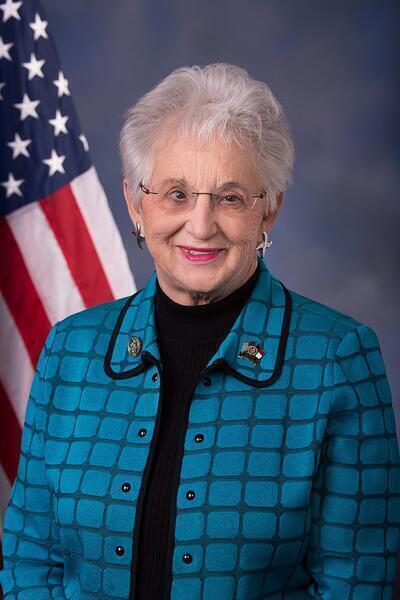
S
Scott Franklin

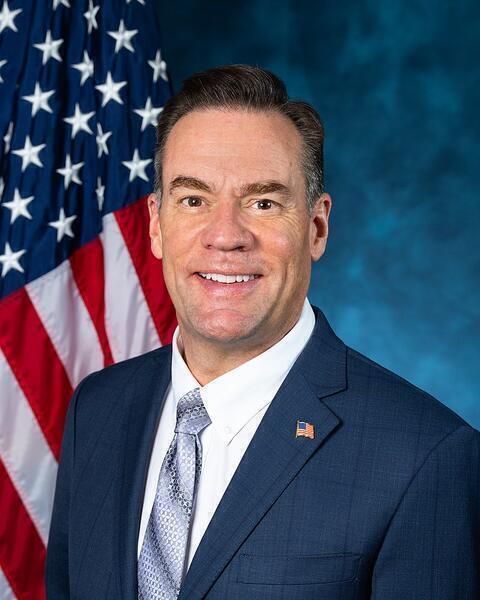
J
John Garamendi


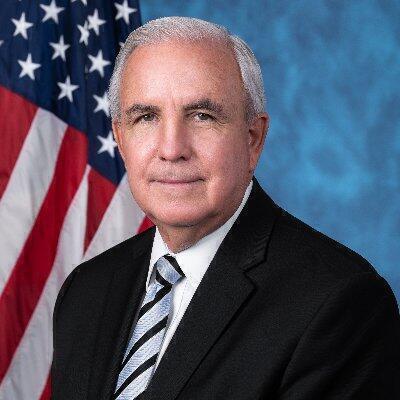





























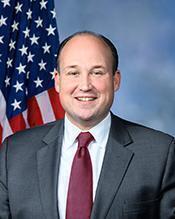
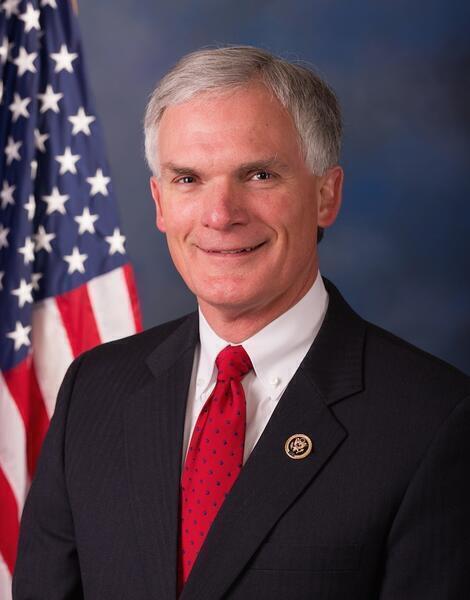












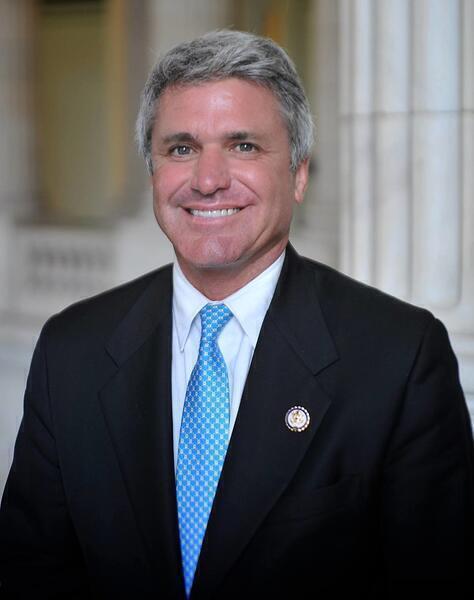
L
Lisa McClain





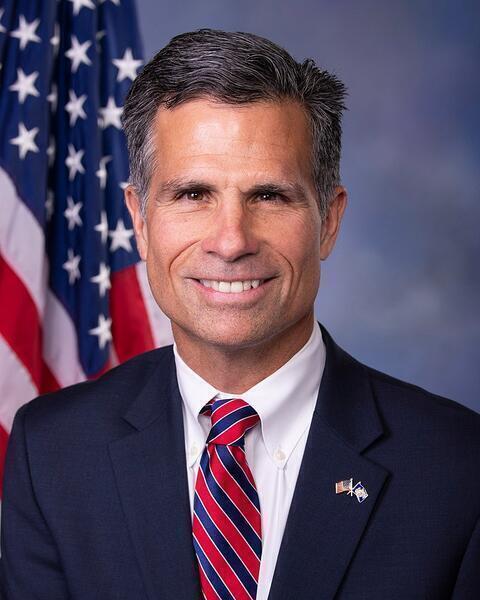











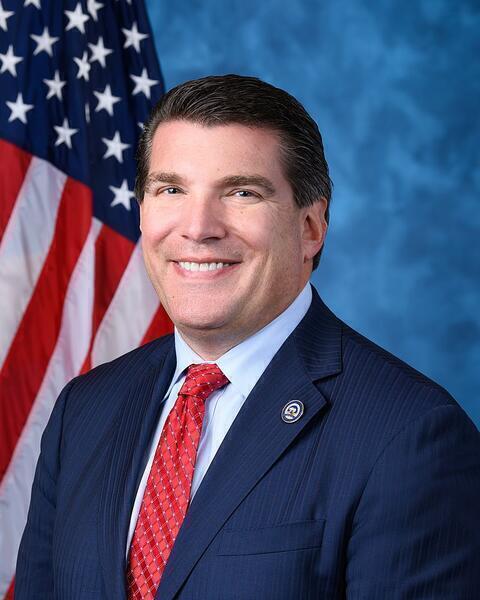


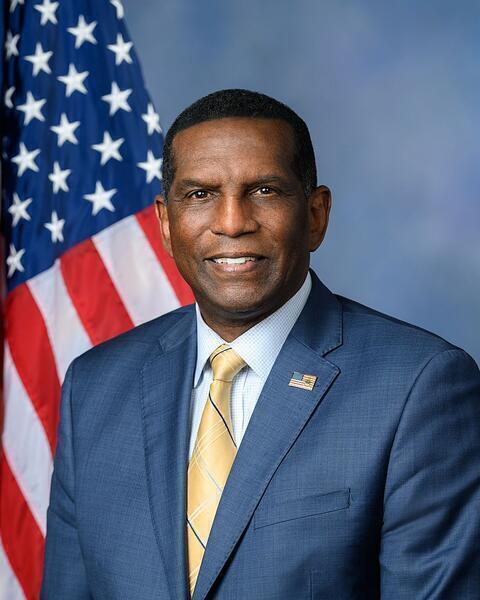

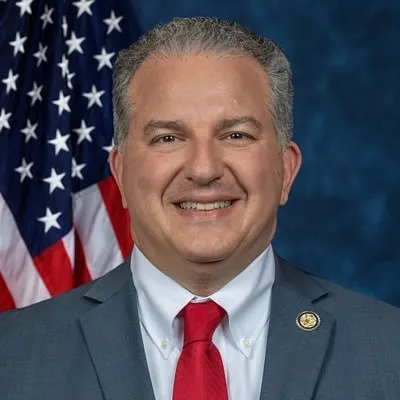

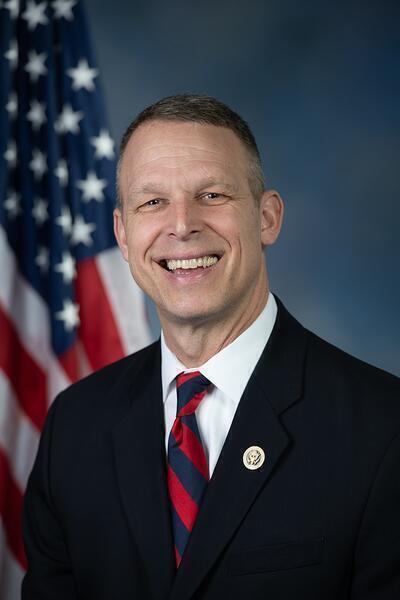
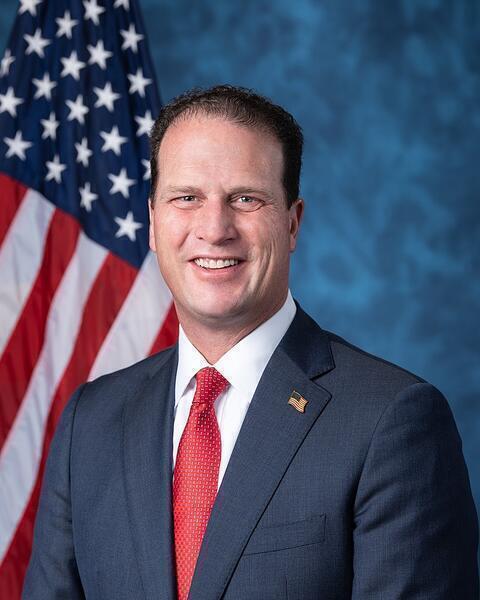


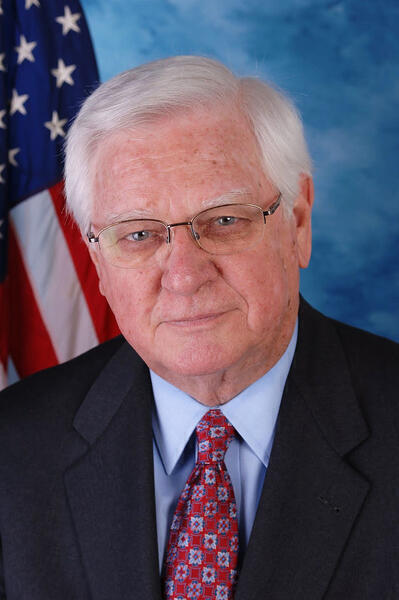

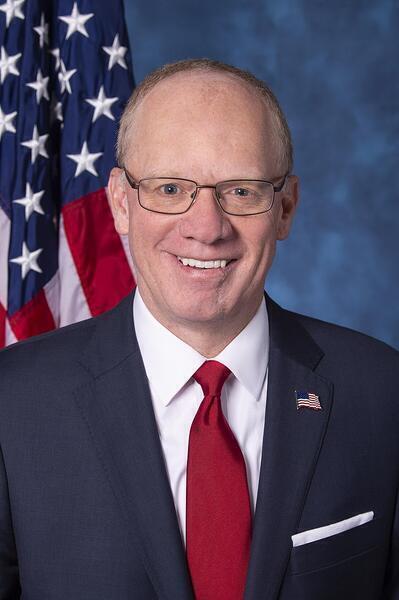
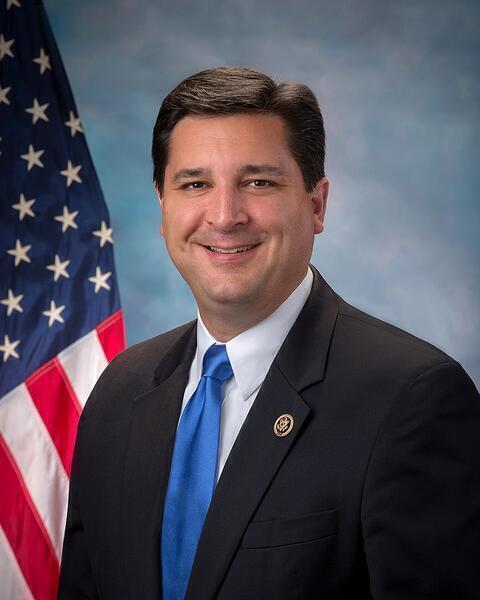


J
John Rutherford



D
David Schweikert
P
Pete Sessions























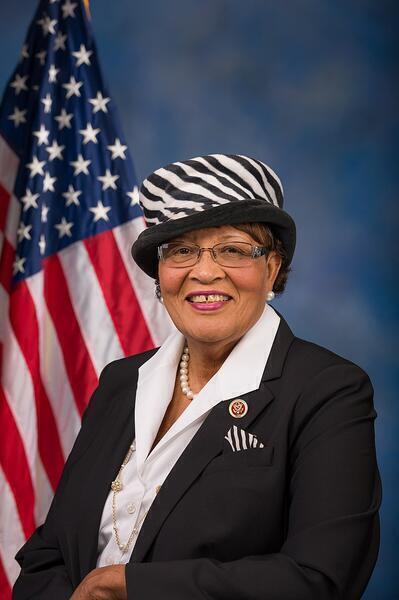
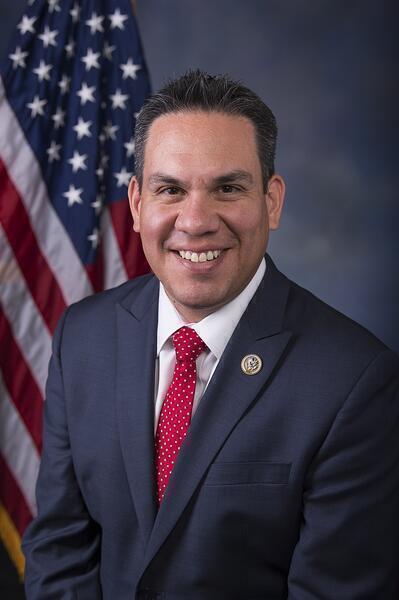
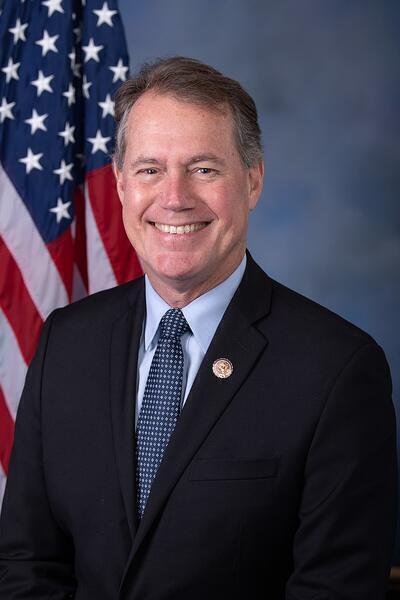
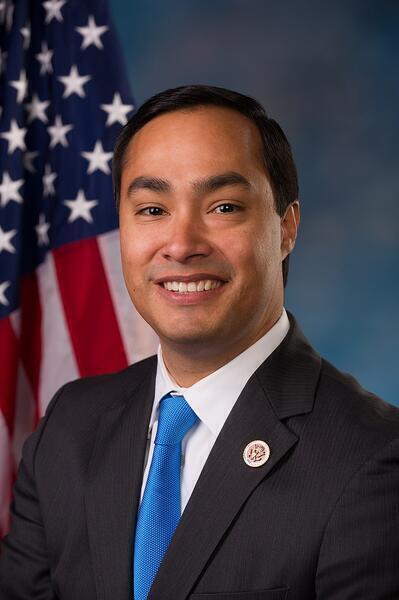
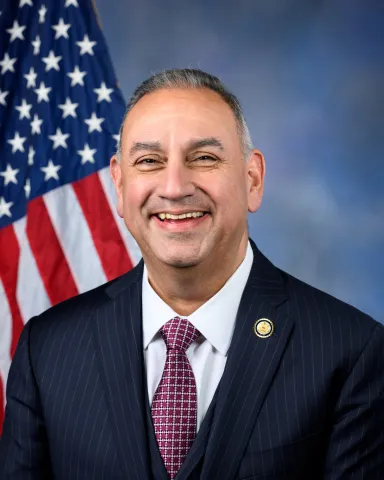
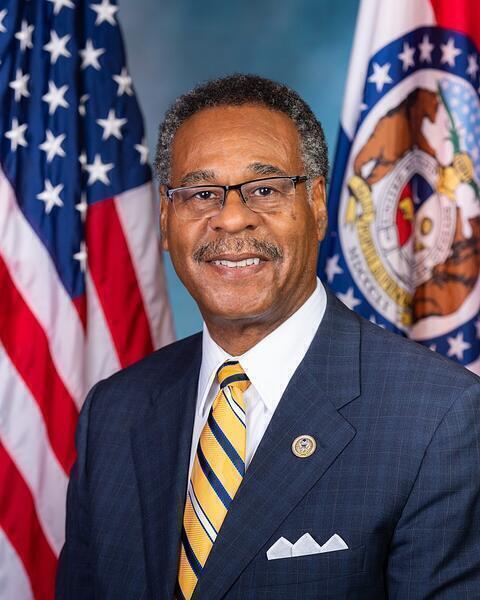
Nay (190)



















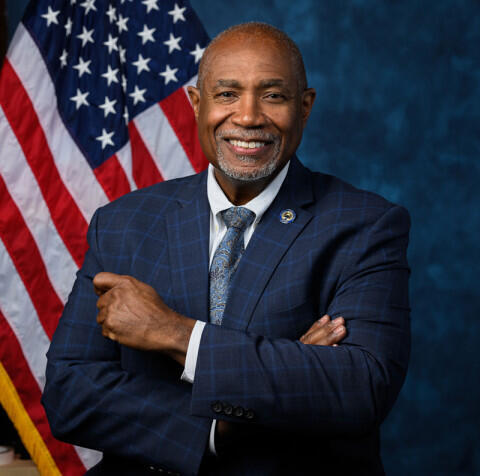
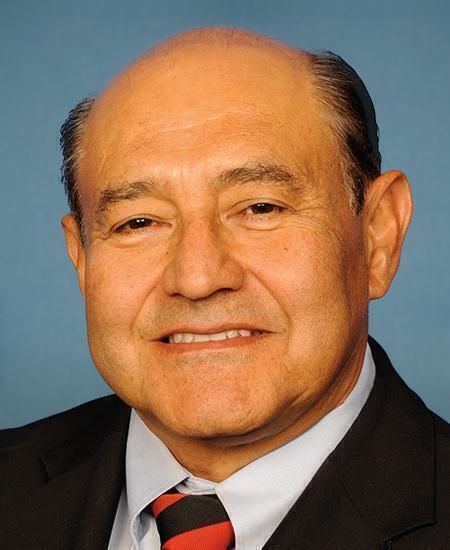
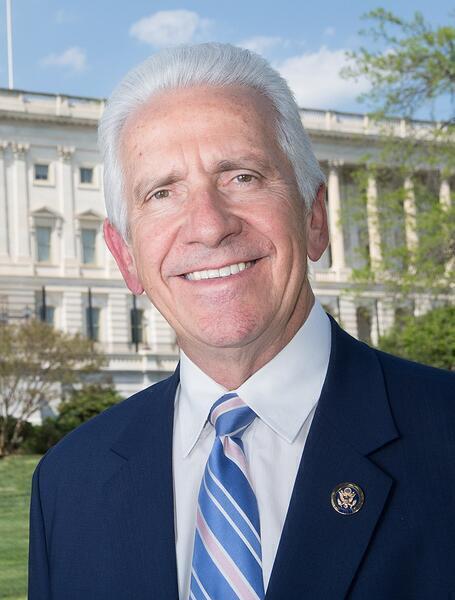
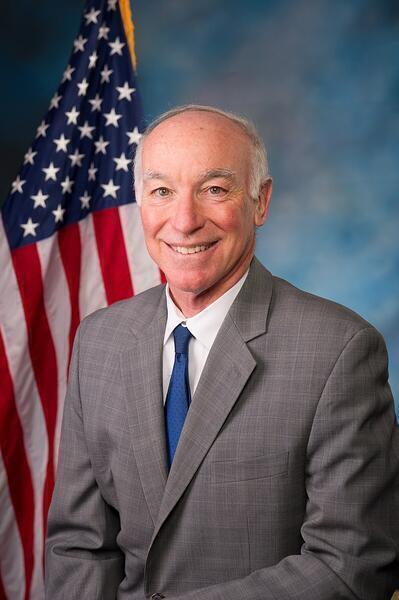


J
Jason Crow







L
Lloyd Doggett

























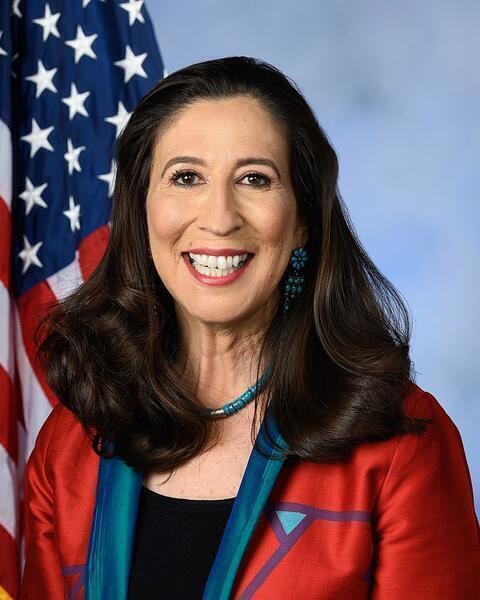




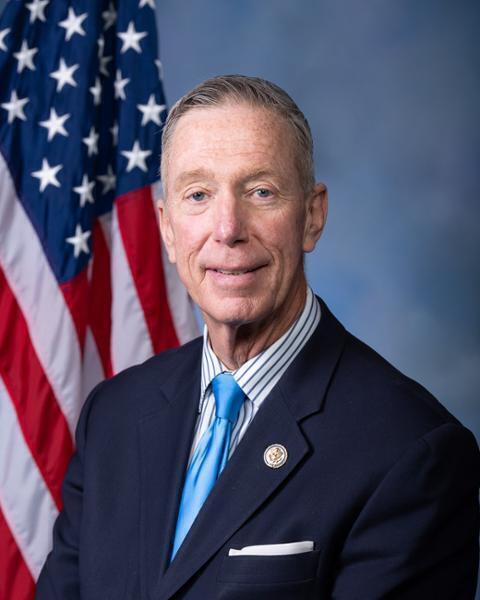

J
John Mannion

L
Lucy McBath

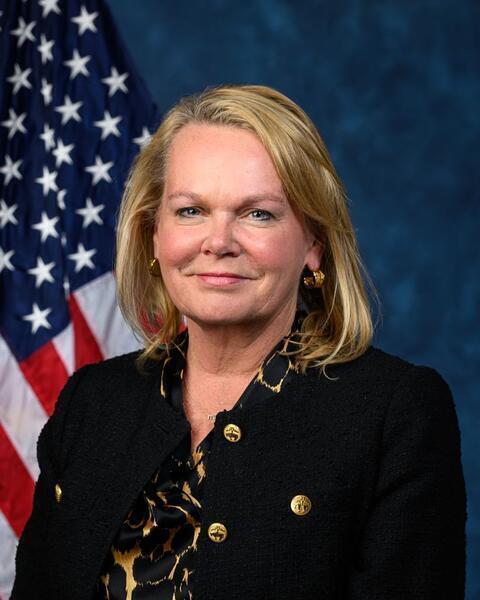
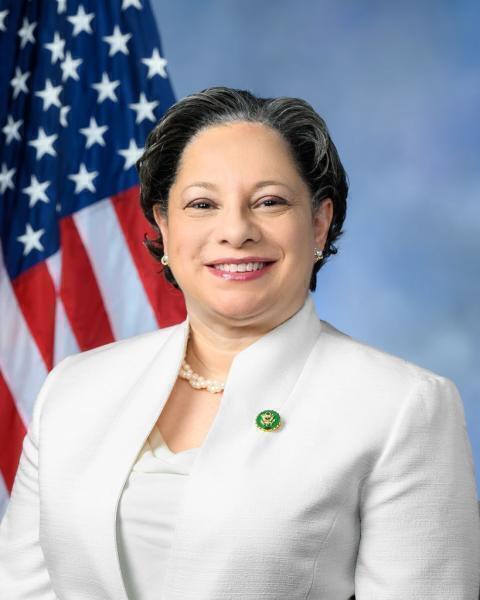




C
Christian Menefee










































R
Rashida Tlaib








N
Nydia Velázquez

D
Debbie Wasserman Schultz